8 Maryland Native Plants To Put In The Ground This November For A Healthier Bay
The Chesapeake Bay needs roots in the ground, and November is a wonderful time to put them there.
Cool air and soil let new plants build strong roots without the stress of summer heat, and autumn rain does much of the watering. Come spring, they are ready to grow.
Storms that roll through Maryland can carry fertilizer, oil, and loose soil toward the water. Native plants help change that.
They are adapted to Maryland’s soggy summers, clay soil, and unpredictable weather, and their deep roots hold soil in place and filter runoff.
Their leaves and berries also feed birds, bees, and butterflies. A single patch in a rain garden or sunny corner sends cleaner water downstream. Here are eight natives that deserve a spot in your yard this fall.
1. Swamp Milkweed
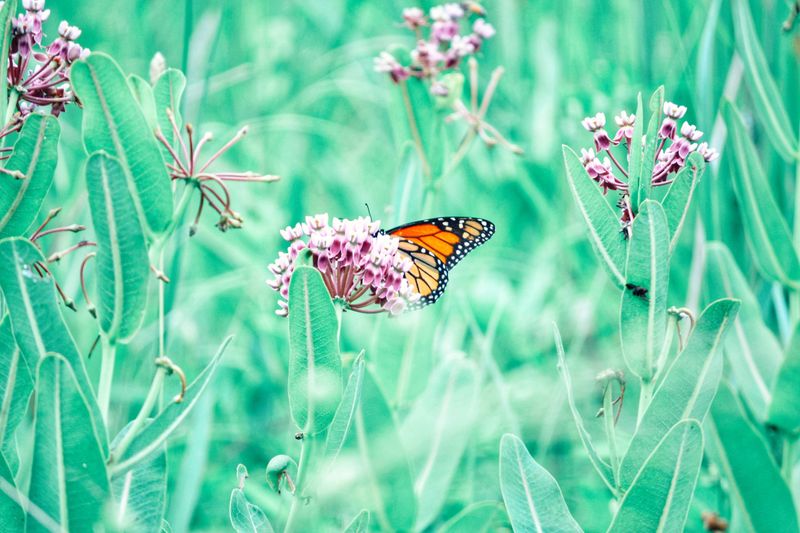
Swamp milkweed does well in soggy soil, which makes it one of the best plants for wet areas near the Chesapeake Bay.
Its roots hold the soil gently but firmly along stream banks and pond edges, keeping sediment out of nearby waterways.
The plant also soaks up extra nutrients from stormwater. Nitrogen and phosphorus, two of the Bay’s most significant concerns, are absorbed before they can feed algae blooms downstream.
November is a wonderful time to get it started. Seeds sown outdoors in late fall spend the winter in cold, damp soil, which is exactly the natural rest period they need to sprout in spring.
Nature does the work for you, with no refrigerator or special trays required. If you prefer potted plants, cool soil and steady autumn rain help young roots settle in without the stress of summer heat.
By the time warm weather returns, a fall planting has a head start. Monarch butterflies depend on milkweed to lay their eggs, and a well-rooted plant is ready to welcome them.
The soft, rosy pink blooms appear in mid-summer, last for weeks, and attract bees, butterflies, and hummingbirds.
Choose a wet or consistently moist spot with full sun, water well after planting, and add a light layer of mulch.
It spreads slowly through short underground rhizomes and self-seeding, gradually forming a small colony near water. Leave the dry stalks standing through winter for a natural look.
If your yard has a low spot that stays wet after rain, plant swamp milkweed there this November, and it will keep working for the Bay year after year.
2. Cardinal Flower
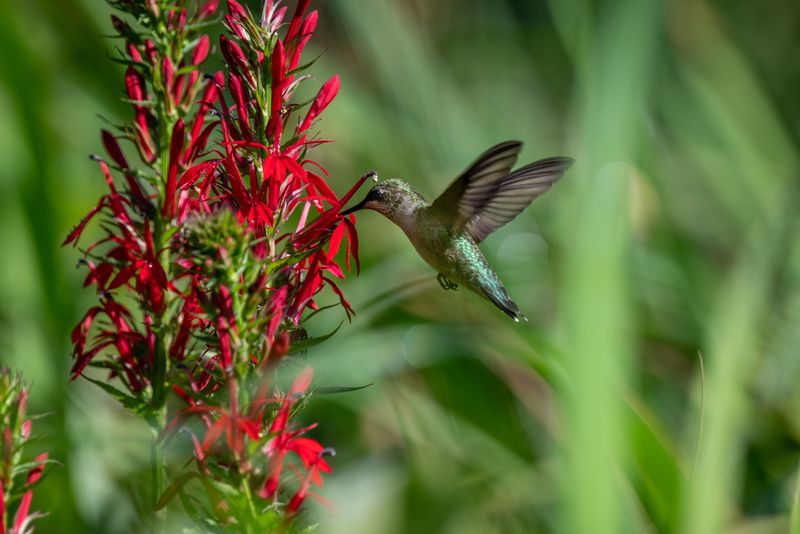
Few plants catch the eye the way cardinal flower does. That bright red spike of blooms rising from a shady stream bank is truly distinctive.
Cardinal flower loves wet feet and partial shade, which makes it a natural fit for low-lying areas near the Bay’s tributaries. Its fibrous roots steady streambanks and slopes, reducing the muddy runoff that clouds the water.
November suits this plant well. Its tiny seeds need cold winter weather and light to sprout, so scattering them on bare, moist soil in late fall lets winter handle the preparation.
Nursery plants also settle in nicely, because cool soil and regular rain encourage roots to grow while the top of the plant rests. A layer of mulch helps protect young plants from the freeze and thaw cycles common in Maryland winters.
Plant it in consistently moist or occasionally flooded soil. It handles clay well, which is a common situation in many Maryland yards. Water it well at planting and again during dry spells until the ground freezes.
Ruby-throated hummingbirds visit the long, tubular flowers, and swallowtails and native bees visit as well. By planting now, you give those visitors a full, healthy plant to enjoy next summer.
Cardinal flower is a short-lived perennial, but it self-seeds freely when happy. New seedlings will appear nearby each spring, naturally expanding your planting over time.
Think of it as a plant that rewards loyalty. Give it the right spot this fall, and it comes back brighter and more wildlife-friendly every season.
3. Blue Flag Iris
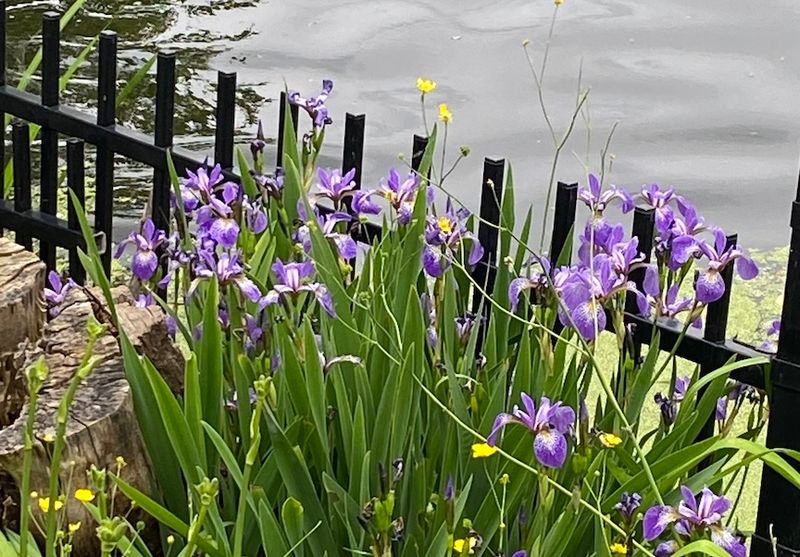
Standing at the edge of a marsh with blue flag iris in bloom feels like stepping into a painting. The purple-blue flowers are intricate and layered in a way few native plants can match.
Beyond beauty, blue flag iris is a hardworking water quality helper. Its dense root mats filter water as it moves through the soil, trapping sediment and absorbing extra nutrients before they reach open water.
Fall is one of the two best seasons to plant it, and November offers real advantages. Iris rhizomes planted in cool soil have months to anchor themselves before the growing season begins.
Autumn rain keeps the soil moist, so there is less need for hand watering. By spring, the plant is ready to push up fresh leaves and flower buds with confidence.
This plant is well adapted to Maryland’s wetland edges, thriving in shallow water, muddy banks, and rain garden basins. Plant divisions or potted starts in a wet or consistently damp area with full to partial sun, and set the rhizomes about an inch below the soil surface.
The root system is especially valuable along shorelines where wave action and boat wakes wear at the banks. Blue flag iris holds that tender soil in place season after season.
Bumblebees love the flowers, using the yellow markings as landing guides. Over time the clumps grow more impressive, and a well-established colony along a rain garden edge is both beautiful and productive.
Planting this November is a gift to your future spring garden. It is a lovely way to protect the Bay.
4. Joe-Pye Weed
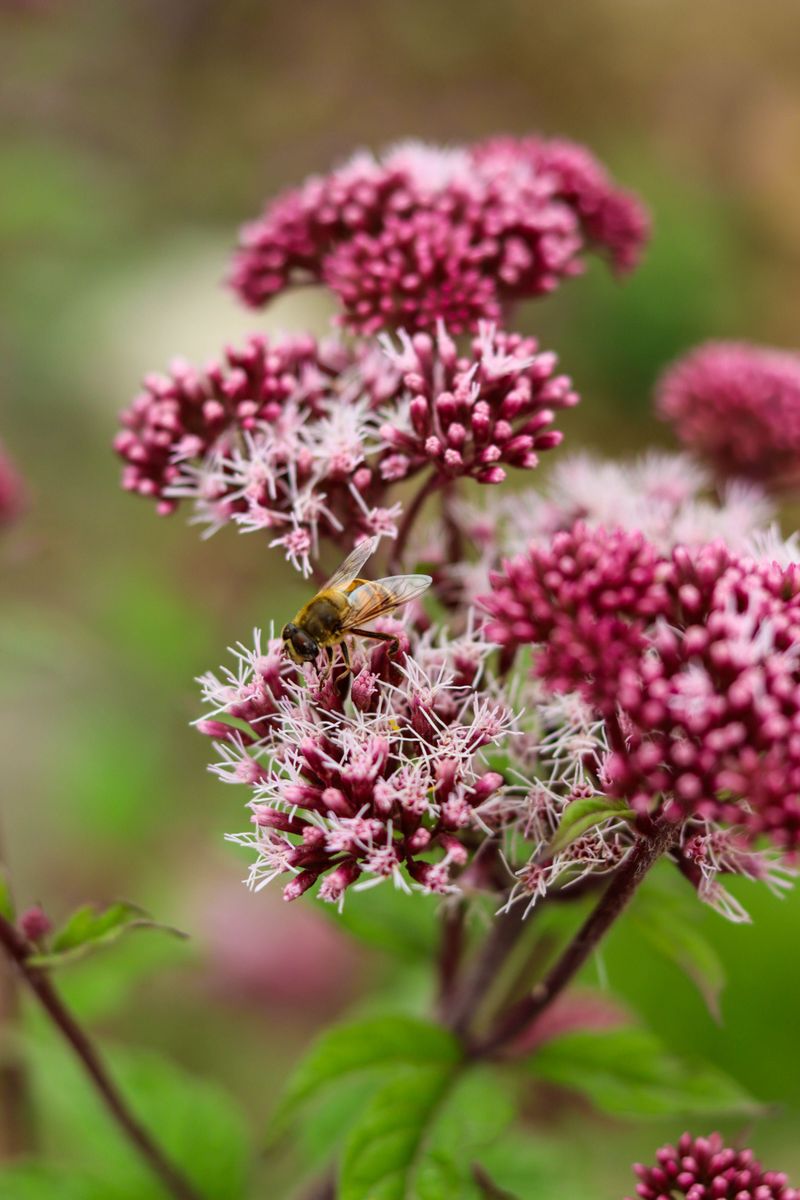
Joe-Pye weed has a humble name, but it is one of the most ecologically valuable native plants you can grow near the Chesapeake Bay.
This tall, bold plant can reach six to eight feet, creating a dramatic late-summer presence in rain gardens and wet meadows.
Dusty pink flower clusters bloom from July through September, when many other plants are winding down, giving migrating butterflies and native bees a vital meal.
November is an ideal time to plant it. Cool air and soil let the roots grow without the demands of summer heat, and the plant needs very little attention while it rests for winter.
Fall rain does most of the watering, and the roots are already established when spring growth begins. That head start helps the plant reach its full height sooner.
From a water quality view, Joe-Pye weed shines in bioswales and low areas where stormwater collects. Its deep roots loosen compacted soil, letting water soak in rather than run off toward the Bay.
Those same roots hold stream banks and wet slopes steady during heavy rain. Give it full sun to light shade, consistently moist soil, and room to spread. Add a layer of mulch after planting and water until the ground freezes.
Goldfinches visit in fall to enjoy the seed heads. Leaving the stalks standing through winter gives birds a food source and adds interest to the winter garden.
Plant it once, and it becomes a permanent partner in protecting the Bay. November is the perfect moment to begin.
5. Switchgrass
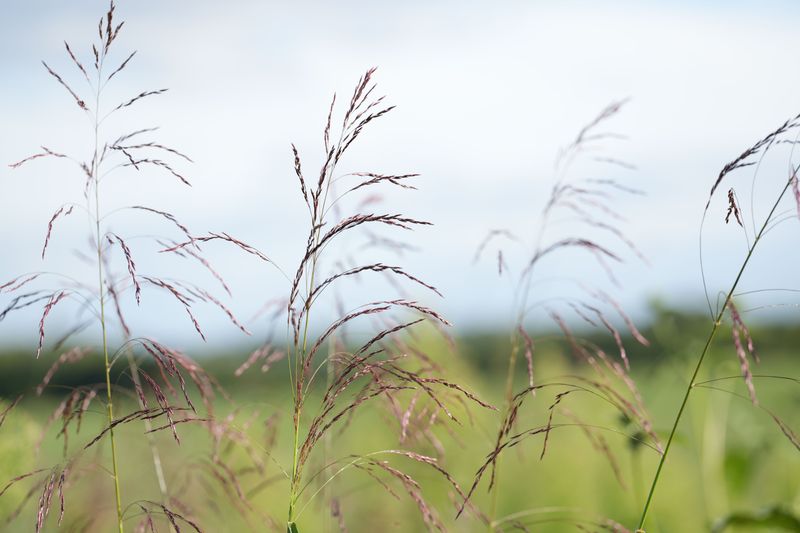
Switchgrass does not ask for attention, but it earns it. This native grass builds one of the most powerful root systems of any plant in Maryland’s landscape.
Those roots can reach several feet deep, with some sources citing up to nine feet or more. That depth anchors steep slopes, banks, and shoreline edges where other plants have a harder time holding on.
November planting gives those roots a wonderful start. Planting now lets the grass settle into its site over winter, so its roots are ready to grow deeper as the soil warms in spring.
Autumn and winter moisture reduce the need for watering, and the plant is strong enough to handle spring’s first dry spells. Plant in full sun and water through the first weeks, then let the season take over.
For the Chesapeake Bay, switchgrass is a steady helper against nutrient runoff. Its dense root network absorbs nitrogen and phosphorus from agricultural and suburban stormwater before it reaches a stream.
It thrives in a wide range of conditions, from dry upland soils to wet marsh edges. In fall and winter, switchgrass turns a warm bronze-gold that catches the afternoon light beautifully.
Airy seed heads sway in the breeze and feed sparrows, juncos, and other seed-eating birds through winter.
After the first year, switchgrass is essentially drought-tolerant and low maintenance. Cut it back to about six inches in late winter before new growth begins, and it rebounds vigorously each spring.
Sometimes the most powerful thing in your yard is a clump of grass doing its quiet, essential work.
6. Buttonbush
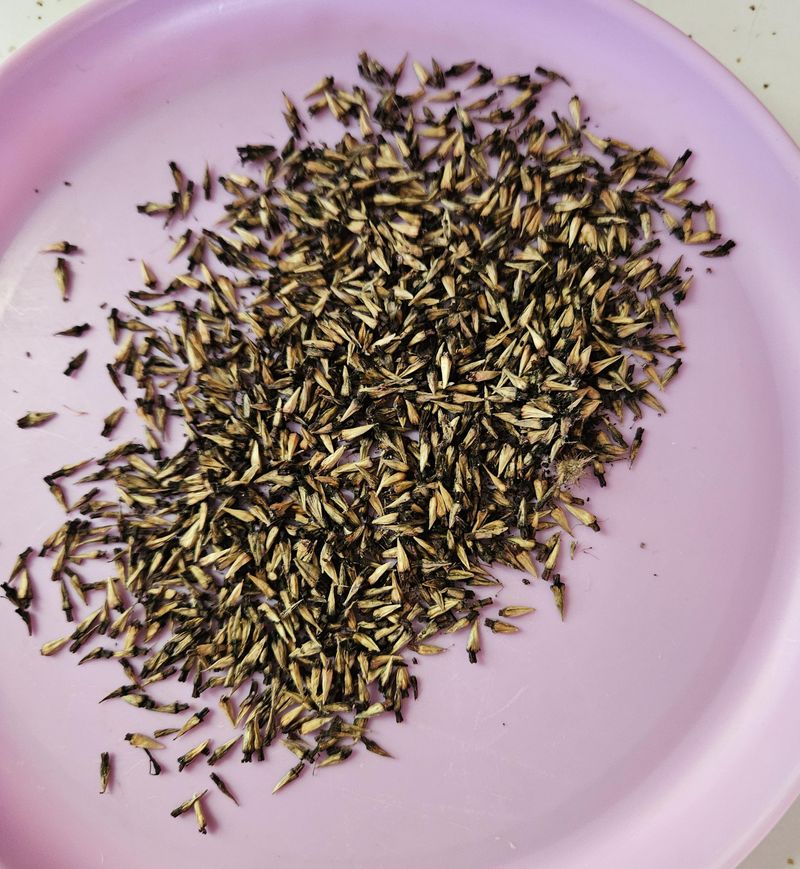
Buttonbush looks like something from a botanical curiosity shop. Those perfectly round, white flower balls are unlike anything else blooming in a Maryland wetland, and wildlife find them irresistible.
This native shrub grows directly in or at the edge of standing water, which makes it nearly irreplaceable for Bay buffer plantings.
Its tough, fibrous roots stabilize pond banks and tidal creek edges, anchoring even soft, muddy soils.
November is a great time to add a shrub like this. Woody plants prefer to be planted when they are dormant, because they can focus their energy on roots instead of leaves and flowers.
Cool soil and steady rain mean less stress, and the shrub wakes in spring already settled into its new home.
Plant it in consistently wet or seasonally flooded areas in full to partial sun. Water it in well and add mulch around the base, keeping it a little away from the stems.
From June through August the flowers are packed with nectar, and native bees, honeybees, and butterflies gather there. After flowering, small, round seed clusters persist into winter, and waterfowl such as wood ducks and mallards enjoy them during migration.
Buttonbush also filters water as it passes through the root zone. Extra nutrients from lawn fertilizers and farm fields are captured before they can fuel algae growth in the Bay.
It grows moderately fast and can reach eight to twelve feet at maturity. If you have a wet corner that nothing else seems to enjoy, plant buttonbush there this fall.
7. Winterberry Holly
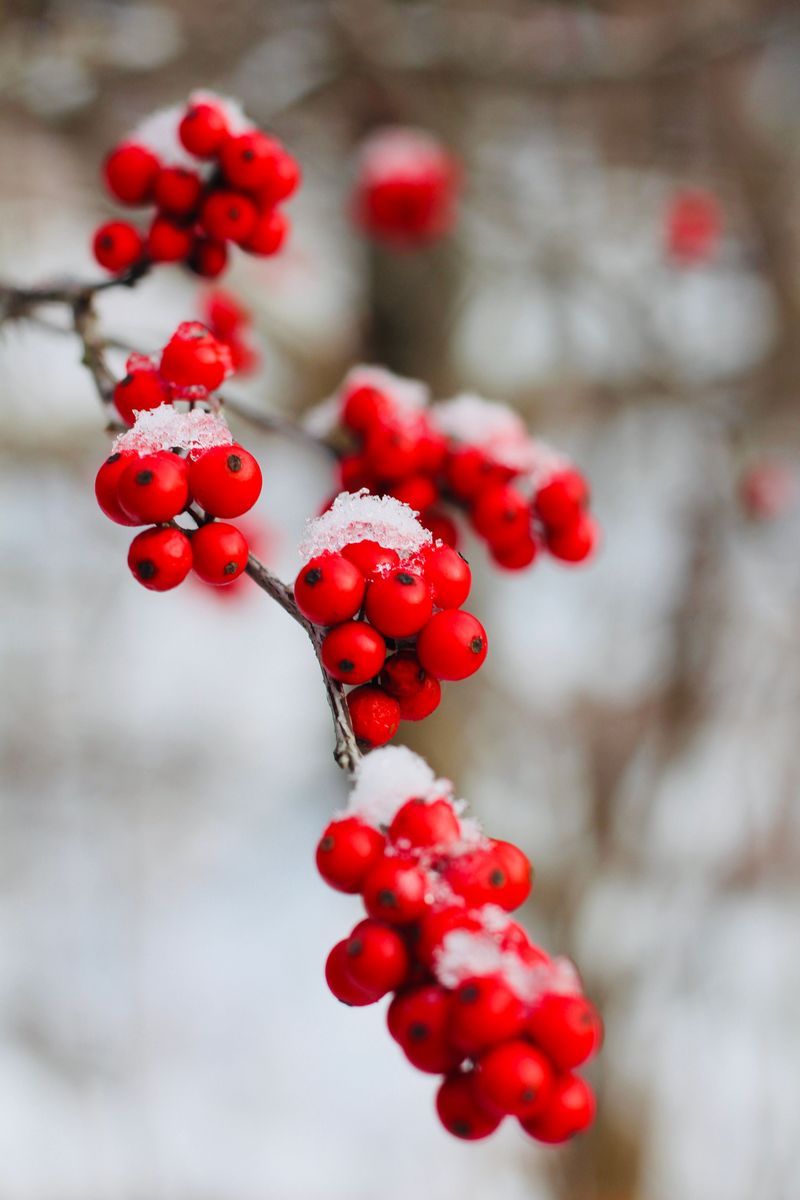
Winterberry holly is the plant that makes people slow down their cars in January. Clusters of brilliant red berries against bare gray branches are one of winter’s most striking displays in the Mid-Atlantic.
Beyond the beauty, winterberry is a big help to Bay health. It grows naturally in wet, poorly drained soils where few other shrubs thrive, making it ideal for rain gardens, swales, and wetland buffer zones.
Its roots stabilize soggy ground along stream banks and pond edges, reducing the sediment that clouds the Bay’s tributaries.
November is a perfect time to choose and plant winterberry, because the berries are on full display right now. You can see which plants are female and carrying fruit, which takes the guesswork out of shopping.
You will need both male and female plants to produce berries, and one male can typically pollinate several nearby females, so include at least one male. Planting in cool, dormant weather helps the roots settle in before spring.
The berries are a vital winter food source for dozens of bird species. Cedar waxwings, bluebirds, robins, and hermit thrushes all rely on those bright red clusters.
Winterberry handles wet clay soil better than almost any other ornamental shrub, and it tolerates occasional flooding, common in low-lying properties in the Bay watershed. Plant it in full sun for the best berries, though partial shade works well.
Over time it spreads gradually through root suckers, forming a dense, wildlife-friendly thicket. Mulch well after planting. Protecting the Chesapeake Bay can look beautiful in every season of the year.
8. Virginia Sweetspire
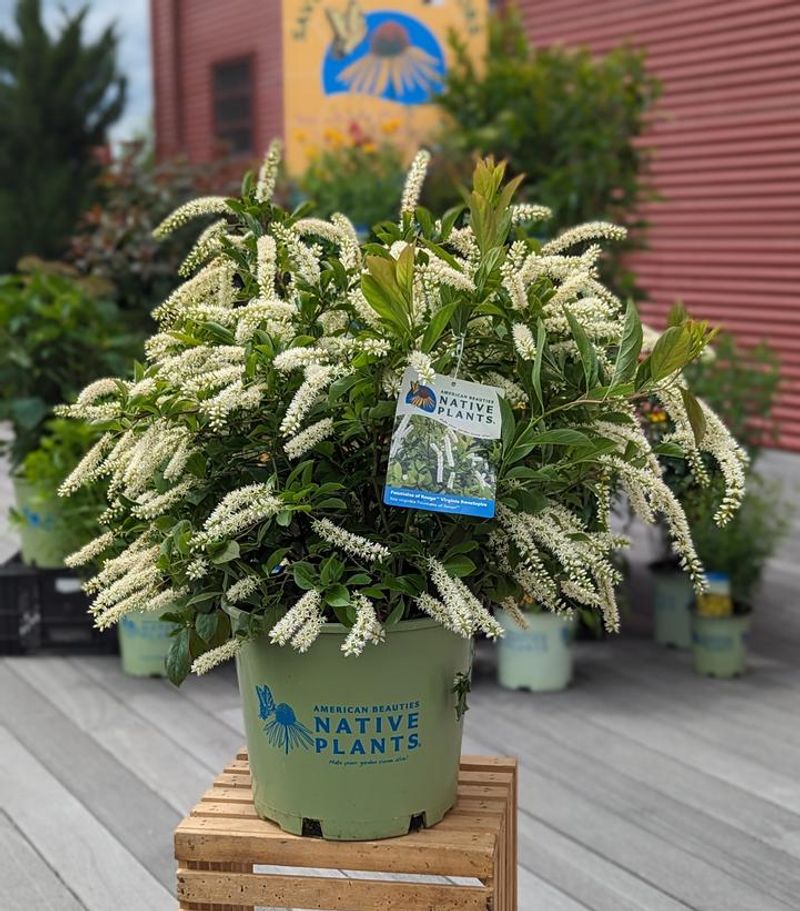
Virginia sweetspire earns a permanent spot in your yard after just one season. It blooms in early summer with cascading white flower spikes, then glows in brilliant red and orange fall color that rivals any ornamental shrub on the market.
November is the ideal time to see that color and plant accordingly. Many Maryland sweetspires may still be showing their fall leaves, so you can often pick a plant you love.
Planting now lets the roots grow in cool, moist soil while the top of the shrub rests, and the plant is ready for spring growth.
For the Chesapeake Bay, sweetspire plays a quiet but meaningful role. It thrives along stream banks, pond edges, and wet woodland margins, exactly the places where erosion and nutrient runoff matter most.
Its spreading root system knits the soil together along slopes and waterway edges, catching sediment during rain before it reaches streams.
Sweetspire also handles shade well, filling in the understory along wooded stream corridors where many other native plants find it hard to establish. Shaded stream banks are often the most vulnerable, and sweetspire covers them beautifully.
The fragrant white blooms attract native bees and butterflies from June through July, and bumble bees are frequent visitors.
Plant it in moist to wet soil in full sun to partial shade. It tolerates clay, flooding, and drought once established, making it one of the most forgiving native shrubs available.
It spreads through root suckers into a tidy colony, creating an increasingly effective buffer along any waterway edge. Plant it this November for beauty, resilience, and real environmental impact.