The Most Underrated Maryland Native Plant That Helps Deter Fleas In Pet-Friendly Yards
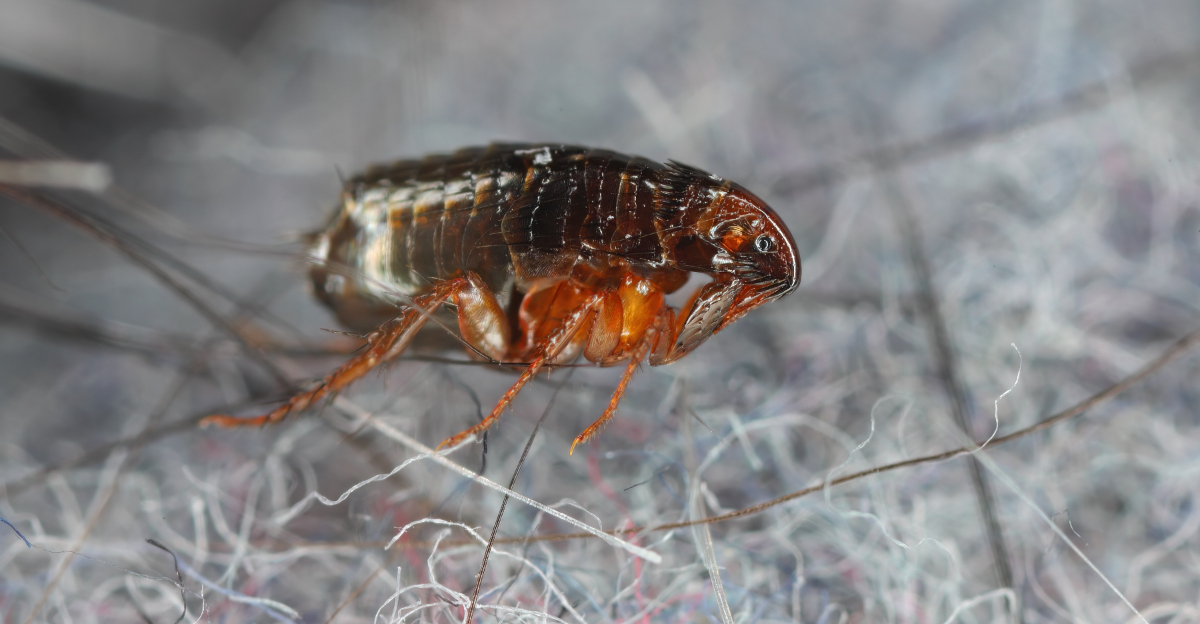
Flea treatments pile up fast, and most sprays barely survive one summer before you’re buying more. There’s a quieter fix growing wild across Maryland meadows right now, and most pet owners walk past it without a second glance.
One native flowering plant carries a natural compound long used against fleas, ticks, and other biting pests. Its oils have found their way into veterinary flea treatments for decades, yet the living plant rarely gets credit for what it can do in a yard.
Add its pollinator appeal and low upkeep, and it looks like the yard upgrade nobody talks about. Dog owners chasing a natural line of defense against fleas might find their answer in a patch of purple blooms.
Stick around, because this plant’s role in pet-friendly landscaping goes well beyond looks, and it might change how you think about your entire yard.
One Native Plant Quietly Changes Flea Habitat
Fleas are sneaky little hitchhikers. They thrive in moist, shaded ground cover, and most suburban yards give them exactly that kind of welcome mat.
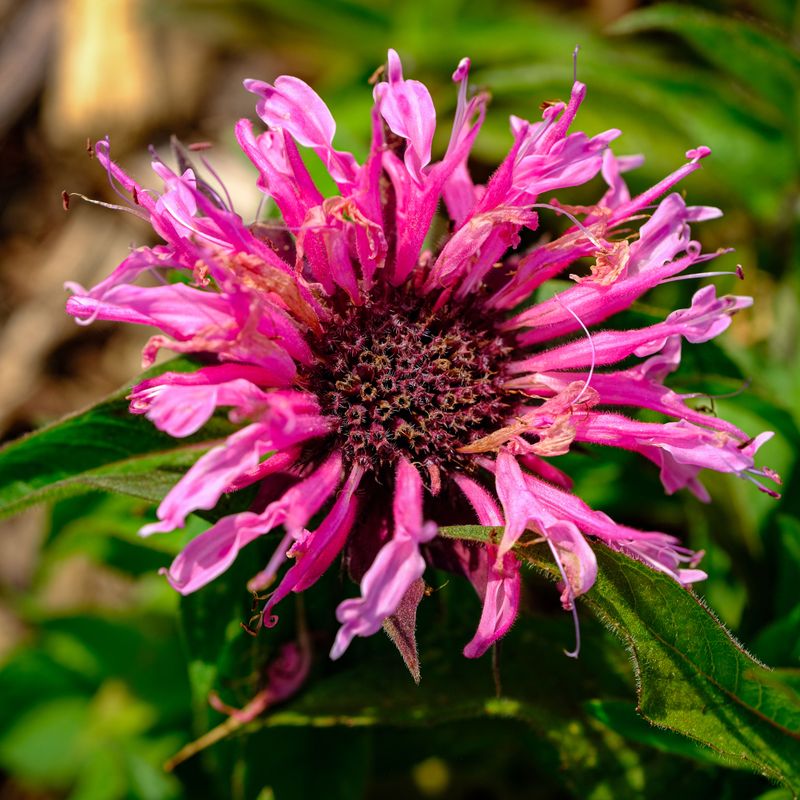
Wild bergamot, a Maryland native in the mint family, carries a natural defense most gardeners never notice. Its leaves and flowers contain thymol, a compound found concentrated in the plant’s essential oil.
Thymol has a documented history as a natural pest-control ingredient, used in veterinary products for dogs and cats against external parasites including fleas, flies, and ticks.
This plant is not a flea treatment on its own. Growing it in a yard does not deliver the same concentrated dose found in a topical product, but it does add a layer of natural chemistry to the landscape.
Native Americans understood this long before modern research caught up. They dried the leaves and used them as incense, and sprinkled crushed leaves on meat to keep insects away.
Maryland gardeners who plant more natives often report a livelier, more balanced yard overall. Wild bergamot fits right into that picture, supporting pollinators while quietly adding a pest-resistant plant to the mix.
Its aromatic foliage also means the plant rarely needs extra pest management of its own. Deer and rabbits tend to leave it alone, drawn instead to softer, less fragrant plants nearby.
That resilience makes wild bergamot a low-effort addition for anyone building out a native plant bed.
Wild Bergamot Makes Yards Less Flea Friendly
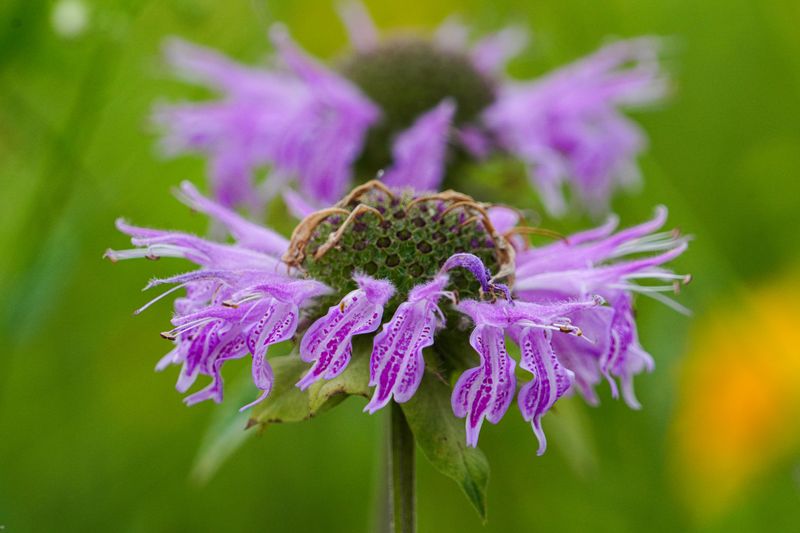
Fleas favor damp, shaded ground where their eggs and larvae can develop undisturbed. Wild bergamot changes that setup simply by how it grows.
Its upright, clumping stems reach two to four feet tall and open up space at the base of the plant. That structure lets air move through the planting instead of trapping moisture near the soil.
This plant is not a chemical treatment. It does not eliminate a flea population, but it reshapes the immediate habitat in a way that makes the ground less inviting for eggs and larvae.
Think of it as making your yard a less comfortable spot for fleas. They will not disappear overnight, but the conditions around a healthy patch of bergamot are simply less favorable for their life cycle.
Your Maryland Garden Changes Every Week. Your Plan Should Too.
Gardening in Maryland changes quickly throughout the season. Every Friday you’ll receive a simple weekly plan showing exactly what to plant, prune, fertilize, harvest, and protect so you never miss the right timing.
Beyond structure, the plant’s natural oils release scent into the surrounding air, especially when foliage is brushed or bruised. That scent works alongside airflow and sunlight to make the space a little less hospitable to pests.
The square stems and toothed leaves typical of the mint family also mean wild bergamot forms fairly dense colonies over time. Rather than one isolated plant, a mature patch spreads into a small stand that reinforces the same airy, aromatic effect across a wider area.
Gardeners who pair it with other airy, upright natives tend to see the best results. Dense, low ground cover nearby can undo some of the benefit, so giving the planting room to breathe matters just as much as the plant itself.
Sunny, Dry Conditions Fleas Do Not Like
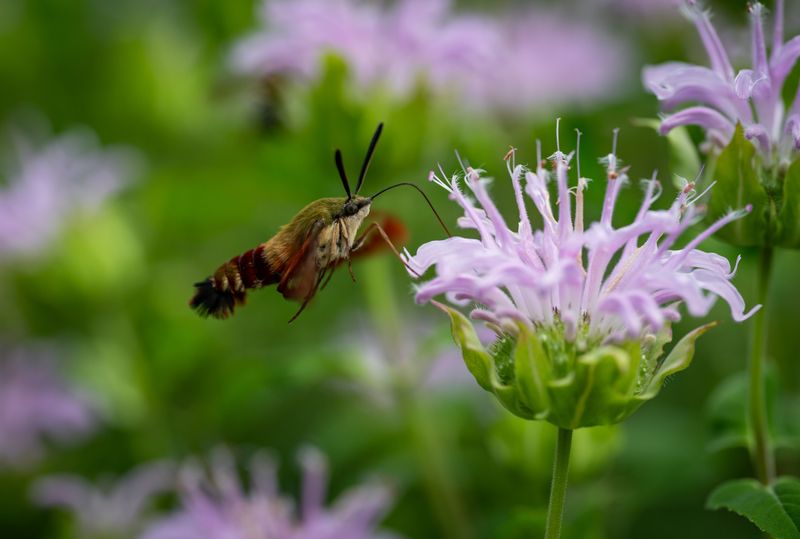
Sunlight and open air are two of the most underappreciated flea deterrents around. A yard with dense, shaded ground cover is a yard where flea larvae have an easy time surviving.
Wild bergamot thrives in full sun to light shade, and it does best with several hours of direct light each day. Planting it in a sunny bed naturally creates warmer, drier conditions at the soil surface.
Crowded plantings can work against this benefit, since wild bergamot is prone to powdery mildew in still, humid air. Giving each clump breathing room keeps both the plant and the surrounding microclimate healthier.
For pet owners, this is a welcome side effect. Your dog or cat can still enjoy the yard, while the airy, sunlit conditions around the planting stay less friendly to flea development.
Wild bergamot blooms from early summer through early fall, which lines up closely with peak flea season in Maryland. During its most active growth, it is also holding onto the open, breezy conditions that work against pests.
Morning sun paired with afternoon airflow tends to produce the strongest plants and the driest soil surface. Yards with a lot of fencing or dense shrubs nearby may need to choose planting spots carefully to give the bergamot enough light.
Raised beds or slightly elevated planting areas can help in yards with heavier clay soil. Better drainage keeps the base of the plant from sitting in damp conditions, which supports both plant health and the drier microclimate that makes fleas less comfortable.
Growing Wild Bergamot In A Maryland Yard
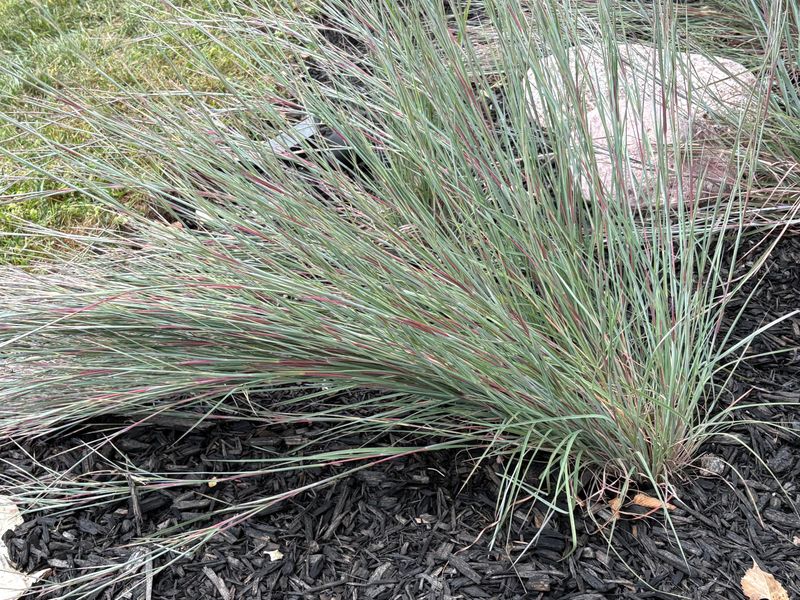
Starting with wild bergamot is easier than many gardeners expect. This native perennial is adaptable, low-maintenance, and well-suited to Maryland’s climate.
Plant it in spring or fall, either from potted starts or divisions of an established clump. Full sun and average, well-drained soil give it the best start.
Space plants about eighteen to twenty-four inches apart to allow airflow between clumps. That spacing reduces the risk of powdery mildew, a common issue in humid Maryland summers.
Wild bergamot spreads by rhizomes, so it can expand faster than expected in rich, moist soil. Dividing clumps every few years keeps the planting healthy and prevents overcrowding.
Water regularly during the first growing season while roots establish. Once settled, the plant tolerates short dry spells, though it prefers more consistent moisture than many drought-tough prairie natives.
Trim faded flower heads through the season to encourage continued blooming. In late fall or early spring, cut the plant back to a few inches above the ground to make room for fresh growth.
Soil that stays too rich or too wet can encourage both mildew and aggressive spreading. A leaner planting spot, similar to what the plant would find in a natural meadow, tends to produce sturdier stems and fewer disease issues.
Wild bergamot pairs naturally with other Maryland natives like black-eyed Susan and purple coneflower, creating a fuller planting that keeps the yard’s overall structure open and airy.
This Plant’s Real Impact On Pets
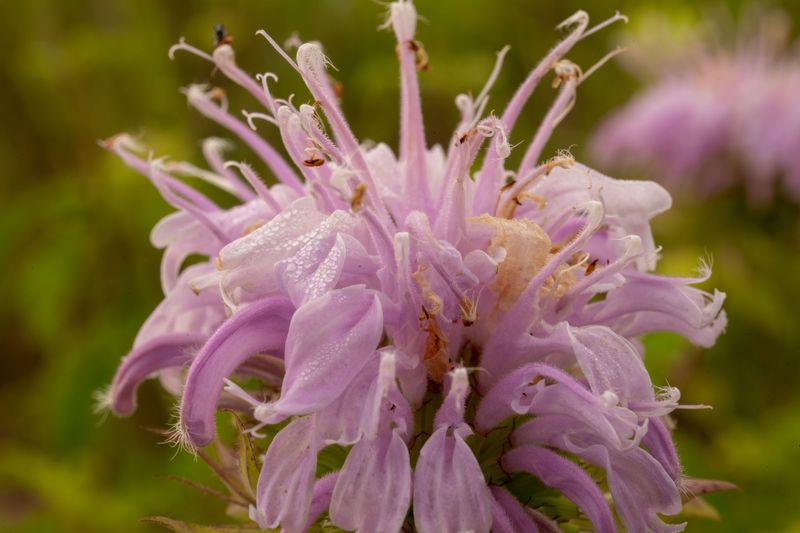
Honesty matters here. Wild bergamot is not a miracle cure for fleas, and no single plant works alone.
What it offers is a shift in the surrounding conditions, paired with a natural compound long recognized for pest control. Together, these make a yard modestly less welcoming to fleas over time.
Pets that spend time around a healthy planting of wild bergamot may benefit from that shift, though results build gradually rather than overnight. This is a long-game addition to a yard, not a quick fix for an active infestation.
If your yard already has a heavy flea population, direct treatment is still necessary. Habitat and plant-based strategies work best as prevention rather than a fast response.
Wild bergamot is generally considered safe around dogs and cats, based on available veterinary sources. Eating any plant material in quantity can cause mild stomach upset in pets, so occasional nibbling is not a concern, but a large amount is worth watching.
It is also worth separating the plant itself from its concentrated essential oil. Veterinary products that use thymol rely on carefully measured doses, and applying undiluted essential oils directly to a pet’s skin or coat is not something this article recommends.
Growing wild bergamot in the yard is simply a gentler, ambient version of that same natural chemistry. It contributes to the overall environment without the concentration needed for an actual treatment product.
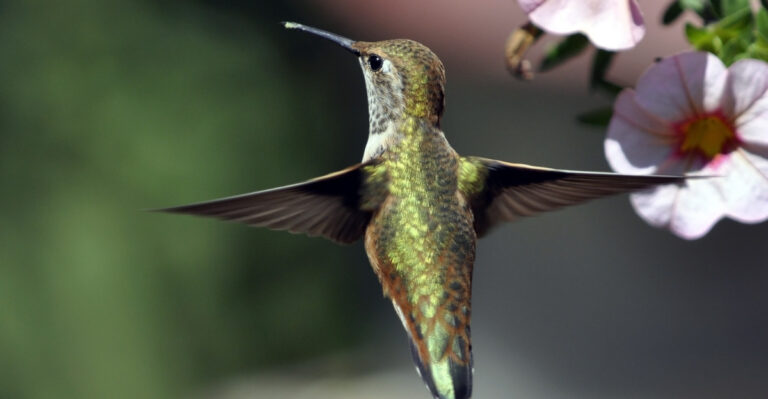
The flowers also draw in bees, butterflies, and hummingbirds, adding another layer of biodiversity that supports a healthier overall ecosystem.
Pairing It With Other Flea Prevention Habits
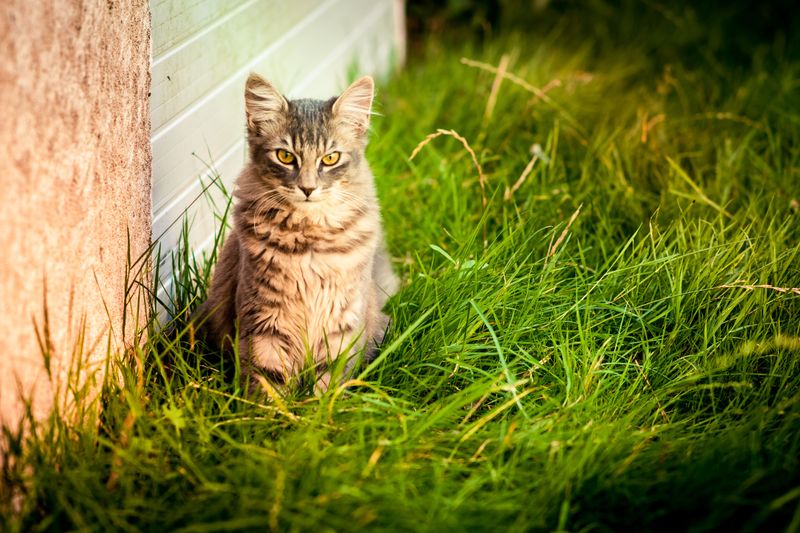
Wild bergamot works best when it is part of a broader approach. Pairing it with smart yard habits creates a genuinely more flea-resistant outdoor space.
Keep lawn edges trimmed short near areas where pets play and rest. Fleas favor tall, overgrown borders, so clean edges reduce their favorite hiding spots.
Rake up leaf litter and debris regularly, especially under shrubs and along fence lines. Decomposing organic matter holds moisture and warmth, both of which flea larvae need to develop.
Talk to your vet about the right flea prevention product for your specific pet. Even the best yard strategy benefits from a reliable topical or oral treatment as a backup layer.
Wash pet bedding weekly in hot water during peak flea season, which in Maryland runs from late spring through early fall. Indoor prevention and outdoor prevention work as a team.
Check your pets after outdoor time, especially if they have been near wooded edges or brushy areas. A quick comb-through takes two minutes and catches problems early.
Consider grouping wild bergamot with other native plants that support natural pest control, like black-eyed Susan and mountain mint. A more diverse planting supports a wider range of beneficial insects that help keep overall pest pressure in check.
Avoid overwatering garden beds near play areas, since consistently damp soil undoes some of the benefit these plantings provide. Letting the top layer of soil dry out between waterings keeps the ground less hospitable for flea larvae.
Together, these habits and a yard planted with natives like wild bergamot create a layered, more sustainable defense than reaching for a chemical spray every season.