The Summer Yard Conditions That Attract Armadillos In Georgia
You can put plenty of time into your yard and still end up with an unexpected visitor. The lawn is mowed, the flower beds look tidy, and everything seems to be in good shape.
Then one morning you notice fresh holes in the ground or patches of soil that have been dug up overnight. It is enough to leave anyone wondering what happened while they were asleep.
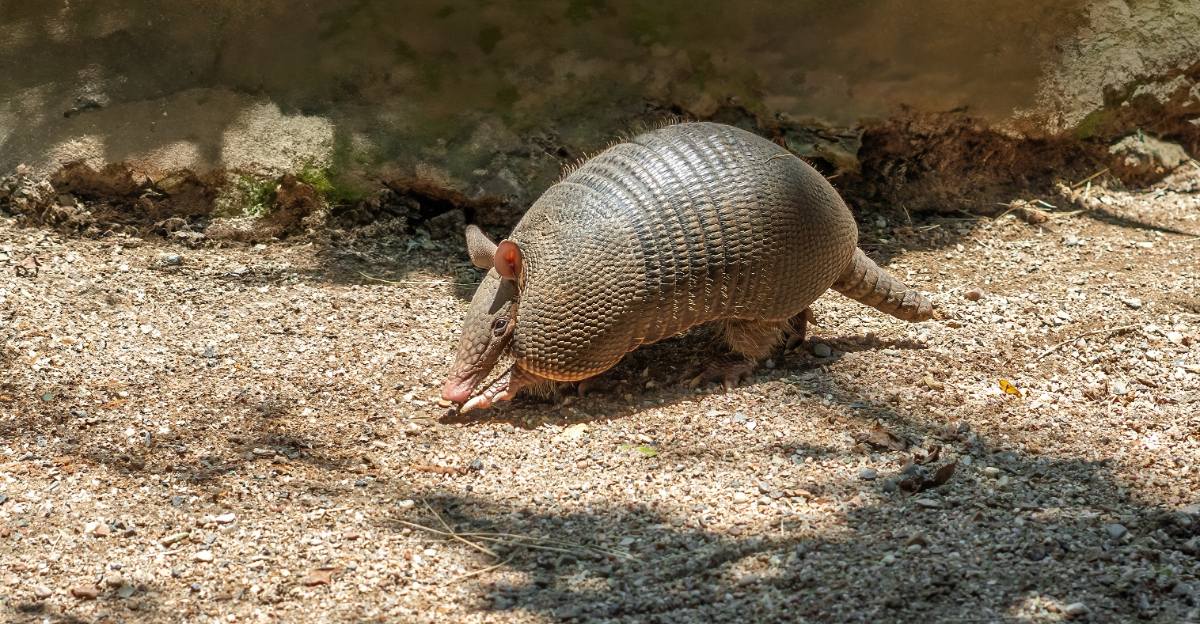
Many people are surprised to learn that armadillos do not show up by chance. They are usually looking for places that offer food, moisture, and a safe place to roam after dark.
Some of the things that make a yard healthy and attractive can also make it more inviting to them.
That is why armadillo sightings become more common around some properties than others. During the summer, Georgia yards often provide the exact conditions these animals are searching for.
Knowing what attracts them is the first step toward making your yard a little less appealing to these nighttime visitors.
1. Moist Soil Makes Digging Much Easier
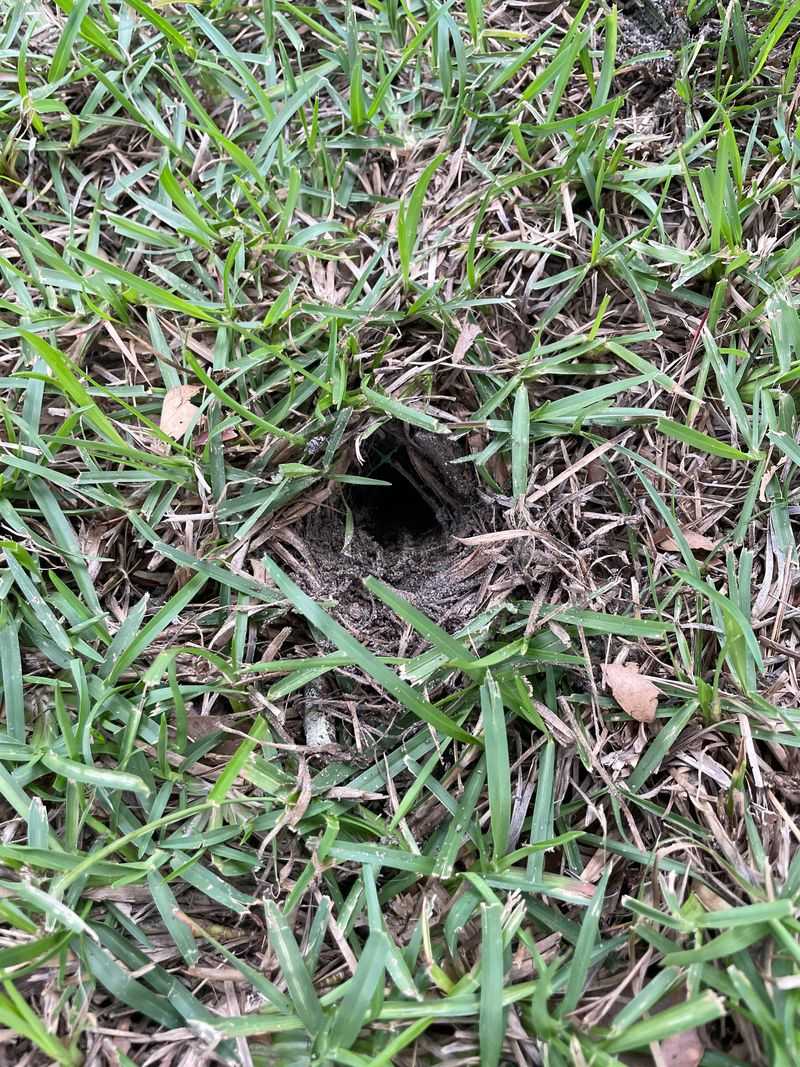
Soft ground is basically an open invitation for armadillos. After summer rain soaks into your lawn, the soil becomes loose and easy to push through.
Armadillos use their strong front claws to dig quickly and efficiently, and wet soil lets them work fast without much effort.
Hard, dry ground slows them down significantly. A well-watered yard or one sitting on naturally damp clay-heavy soil stays soft throughout summer.
That kind of ground is exactly what armadillos prefer when foraging at night.
Overwatering your lawn can actually make the problem worse. Puddles and soggy patches near garden beds or sprinkler zones stay moist long after the rain stops.
Those spots tend to attract the most digging activity.
Adjusting your irrigation schedule can help reduce soil moisture in targeted areas. Letting the top layer of soil dry out slightly between watering sessions makes your yard less appealing.
It will not eliminate armadillo visits completely, but it can reduce how often they return to the same spots.
Focusing on proper drainage around your yard is also worth the effort. Low spots that collect water after rain create persistent soft zones.
Filling those low areas and grading away from your lawn edges can make a real difference over time.
2. Grub Filled Lawns Provide An Easy Meal
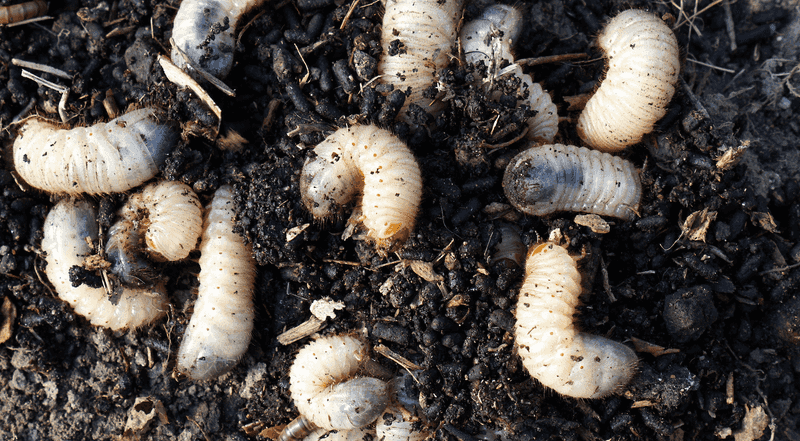
Grubs are basically fast food for armadillos. These fat, white larvae live just beneath the grass surface and are packed with protein.
Armadillos can actually smell them through the soil, which is why your lawn ends up with dozens of small, cone-shaped holes overnight.
Summer is peak grub season across most of Georgia. Beetle eggs laid in spring hatch into larvae that feed on grass roots throughout the warm months.
A lawn with a heavy grub population is almost guaranteed to attract nighttime visitors.
Signs of a grub problem include patchy brown grass, spongy turf, and sections that peel back easily like a carpet. If your yard shows those symptoms, armadillos have likely already found it.
Your Georgia Garden Changes Every Week. Your Plan Should Too.
Gardening in Georgia changes quickly throughout the season. Every Friday you’ll receive a simple weekly plan showing exactly what to plant, prune, fertilize, harvest, and protect so you never miss the right timing.
Treating the underlying grub issue is one of the most effective ways to reduce armadillo activity.
Grub control products are available at most garden centers, and timing matters. Applying them in early to mid-summer targets young larvae before they go deeper into the soil.
Always follow label instructions and consider whether your yard has pets or children who spend time on the grass.
A healthier lawn with fewer grubs simply offers less reward. Armadillos are efficient foragers, and they move on quickly when food runs low.
Reducing the grub population removes a major reason for them to visit your yard repeatedly.
3. Mulched Beds Harbor More Insects To Eat
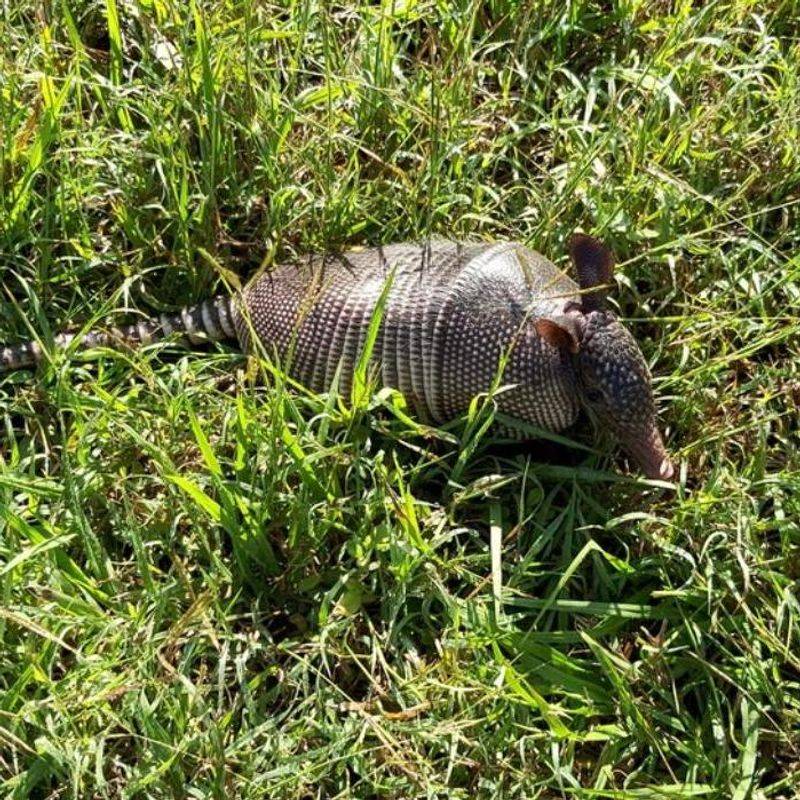
Mulch does a lot of good things for your garden, but it also creates a buffet for armadillos. Thick layers of organic mulch stay moist and warm, which is exactly the kind of environment that beetles, earthworms, and other insects love.
Armadillos know this and will root through mulched beds regularly.
Wood chip mulch and shredded bark break down slowly while holding moisture underneath. That decomposing layer near the soil surface becomes home to a wide variety of bugs.
Once armadillos discover a bed like that, they tend to return to it night after night.
You might notice displaced mulch, scattered plant debris, or small holes near the base of shrubs. Those are clear signs that an armadillo has been working through your beds.
The damage can be frustrating, especially in well-maintained garden areas.
Switching to inorganic mulch like gravel or river rock in high-traffic armadillo zones can help reduce the appeal. Insects have a harder time establishing colonies under stone mulch.
It changes the habitat enough that armadillos often skip those areas in favor of easier spots.
Keeping mulch layers no thicker than two to three inches also helps. Thinner layers dry out faster and support fewer insects near the surface.
Combined with other yard adjustments, this small change can meaningfully reduce how attractive your garden beds are to foraging armadillos.
4. Dense Shrubs Offer Cool Daytime Shelter
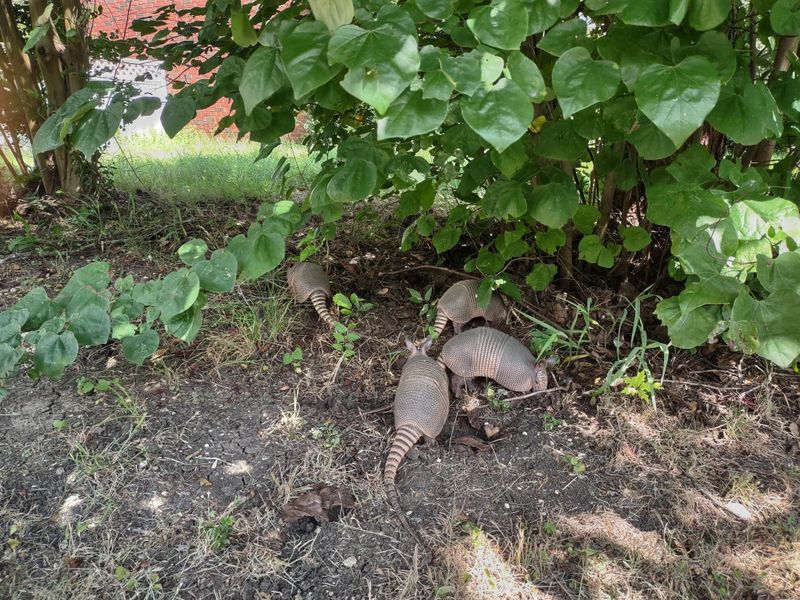
Armadillos are mostly nocturnal, but they still need somewhere cool and protected to rest during the day. Dense shrubs planted close to a home foundation are a perfect hideout.
Low-hanging branches and thick foliage create shade and cover that armadillos find very appealing during hot Georgia summers.
Shrubs with heavy ground-level coverage are especially attractive. Plants like ligustrum, wax myrtle, and overgrown boxwood can create tunnel-like spaces underneath.
Armadillos will squeeze into those spaces and settle in for most of the daylight hours.
Once an armadillo claims a resting spot, it tends to return consistently. You might notice worn patches in the soil, scattered leaf litter, or a faint musky odor near certain shrubs.
Those are reliable signs that one has been using the area as a regular shelter.
Trimming shrubs so the lowest branches sit at least a foot off the ground removes easy access. Without low coverage, armadillos lose the shade and concealment they need to feel safe.
They prefer not to rest in open, exposed areas where predators can spot them easily.
Pairing trimmed shrubs with a layer of sharp-edged ground cover or hardware cloth near the base can reinforce the effect. Making shelter spots uncomfortable or inaccessible encourages armadillos to look elsewhere.
Small landscaping changes like these can shift where armadillos choose to spend their time.
5. Pet Food Left Outside Can Draw Them In
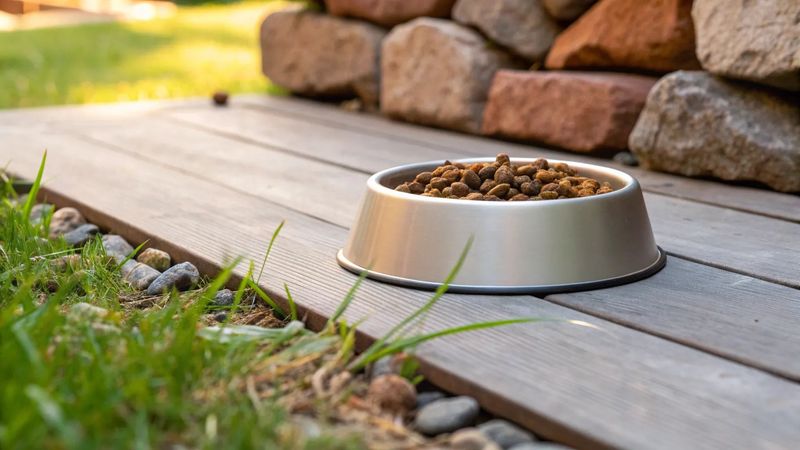
Leaving pet food outside overnight is one of the more overlooked reasons armadillos start showing up regularly. Dog and cat food, especially wet or soft varieties, carries a strong scent that carries far in warm summer air.
Armadillos have a powerful sense of smell and will track that scent straight to your porch or patio.
Dry kibble left in outdoor bowls also attracts insects, which then attract armadillos looking for a quick meal. It becomes a two-step problem fast.
First the insects arrive, then the armadillo follows the insects.
Bird feeders on or near the ground create a similar issue. Spilled seed draws beetles, ants, and other ground insects.
Armadillos forage in those same areas and often end up staying close once they find reliable food nearby.
Bringing pet food inside each evening is one of the simplest fixes available. Elevated feeders that reduce seed spillage also help cut down on insect activity near the ground.
Fewer insects mean fewer reasons for armadillos to linger around your home.
Motion-activated lights near feeding areas can also discourage nighttime visits. Armadillos prefer to forage in low light and tend to avoid suddenly bright spaces.
Pairing good food storage habits with a few deterrents creates a less inviting environment without requiring major yard changes.
6. Woodpiles Create Safe Hiding Spots
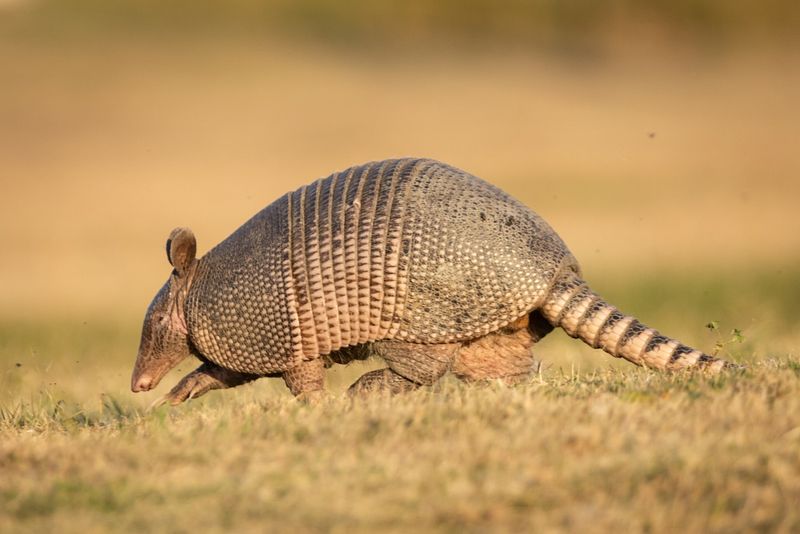
A woodpile sitting against your fence or garage wall might look harmless, but it offers exactly what armadillos want. Dark gaps between logs, low ground clearance, and solid cover overhead make stacked wood an ideal hiding spot.
Armadillos are cautious animals that prefer tight, enclosed spaces where they feel protected.
Woodpiles also attract the insects and earthworms that armadillos feed on. Rotting wood near the bottom of a stack breaks down quickly in summer heat and humidity.
Beetles, termites, and other bugs colonize that decomposing material, turning the pile into both a shelter and a food source.
Relocating woodpiles away from your home and off the ground can significantly reduce their appeal. Storing wood on a raised rack keeps the base dry and less hospitable to insects.
Less insect activity means armadillos have fewer reasons to investigate the area.
Stacking wood tightly with minimal gaps also helps. Large open spaces between logs are what make armadillos feel comfortable squeezing in.
A compact, well-organized pile offers far fewer entry points and hiding opportunities.
Checking around woodpiles regularly is a smart habit during summer months. Fresh soil disturbance, scattered debris, or a musty odor near the base can signal armadillo use.
Catching the problem early gives you more options before a regular pattern gets established.
7. Overgrown Yards Make Them Feel More Secure
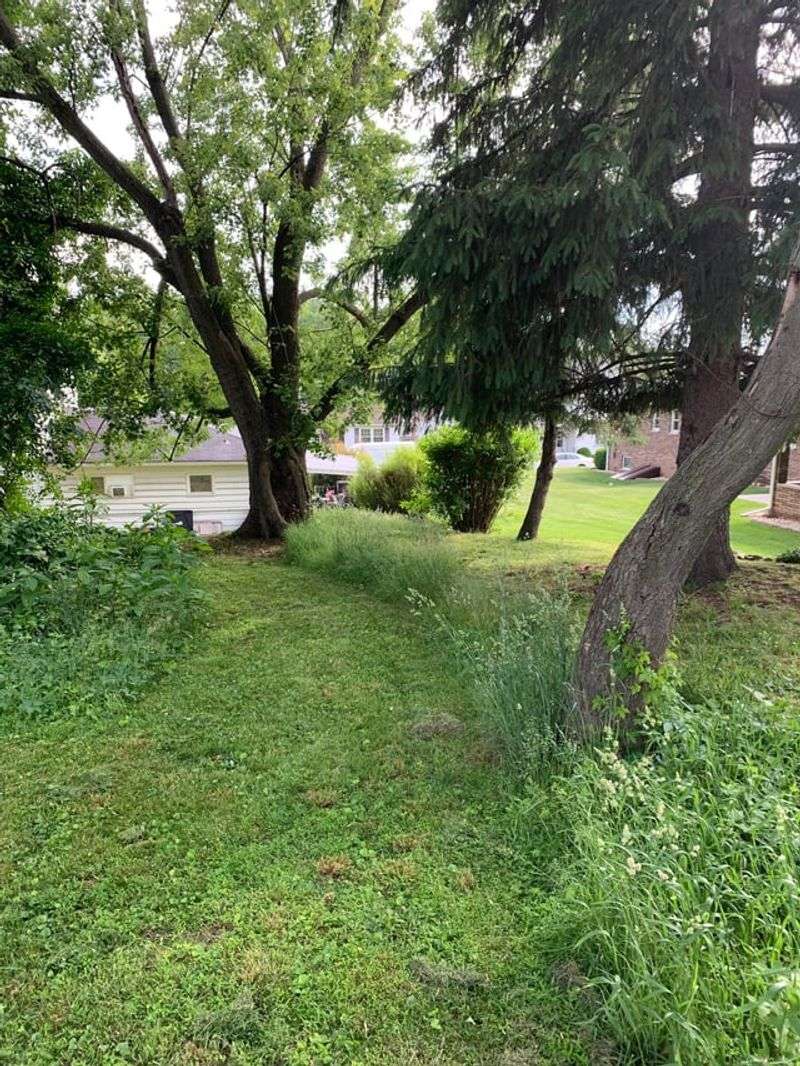
An overgrown yard is basically an armadillo paradise. Tall weeds, uncut grass, and tangled ground cover give armadillos the visual cover they need to move around without feeling exposed.
Predators have a harder time spotting them, which makes armadillos bolder about staying in and returning to those spaces.
Thick vegetation also keeps the ground underneath cooler and more moist. Shaded soil dries out more slowly, which supports more insect life near the surface.
That combination of shelter and food in one place is hard for an armadillo to pass up.
Neglected corners of a yard, especially near fences or back edges, tend to accumulate debris and overgrowth fastest. Armadillos often establish regular travel paths through those areas.
Over time, they treat those corridors as safe routes between resting spots and feeding zones.
Regular mowing and trimming removes the visual cover armadillos rely on. An open, well-maintained yard feels exposed and risky to them.
Without dense ground-level cover, they tend to avoid spending extended time in those areas.
Clearing out piles of leaves, fallen branches, and accumulated yard debris also removes potential shelter. Armadillos look for spots where they can move without being seen.
Keeping your yard tidy and open is one of the most straightforward ways to make it a less comfortable home base for them throughout the summer.