The Secret To Keeping Salvia Blooming All Summer Long In Georgia
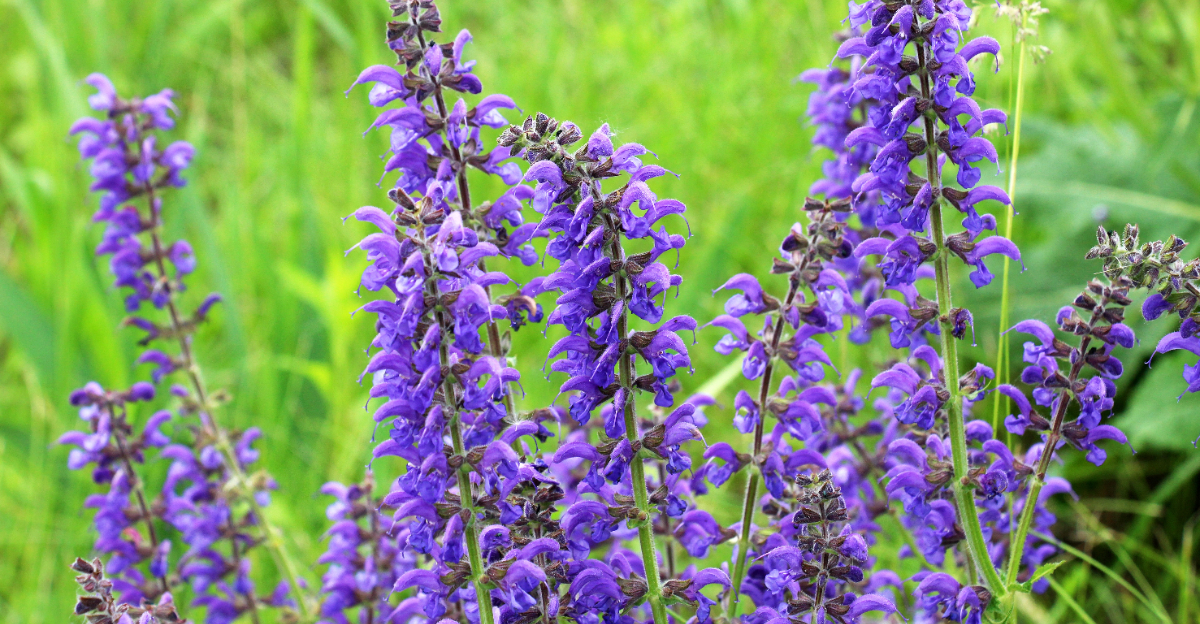
Salvia can start out covered in color during late spring, then suddenly slow down once summer heat and humidity settle into Georgia gardens.
A lot of gardeners assume the blooming season is already finished when plants begin looking thinner or produce fewer flowers by early summer.
The good news is that salvias usually respond very well to a few simple care habits during the hottest part of the season.
Light trimming, proper watering, and removing faded flower spikes can encourage fresh growth much faster than many people expect. Timing matters though because waiting too long often leaves plants looking tired for weeks.
Too much fertilizer can also create problems. Fast leafy growth may look healthy at first, but it often reduces the number of blooms later on once temperatures stay high every day.
Healthy salvias usually keep producing color much longer when gardeners stay consistent with small maintenance tasks through summer.
1. Full Morning Sun Encourages Stronger Flower Production
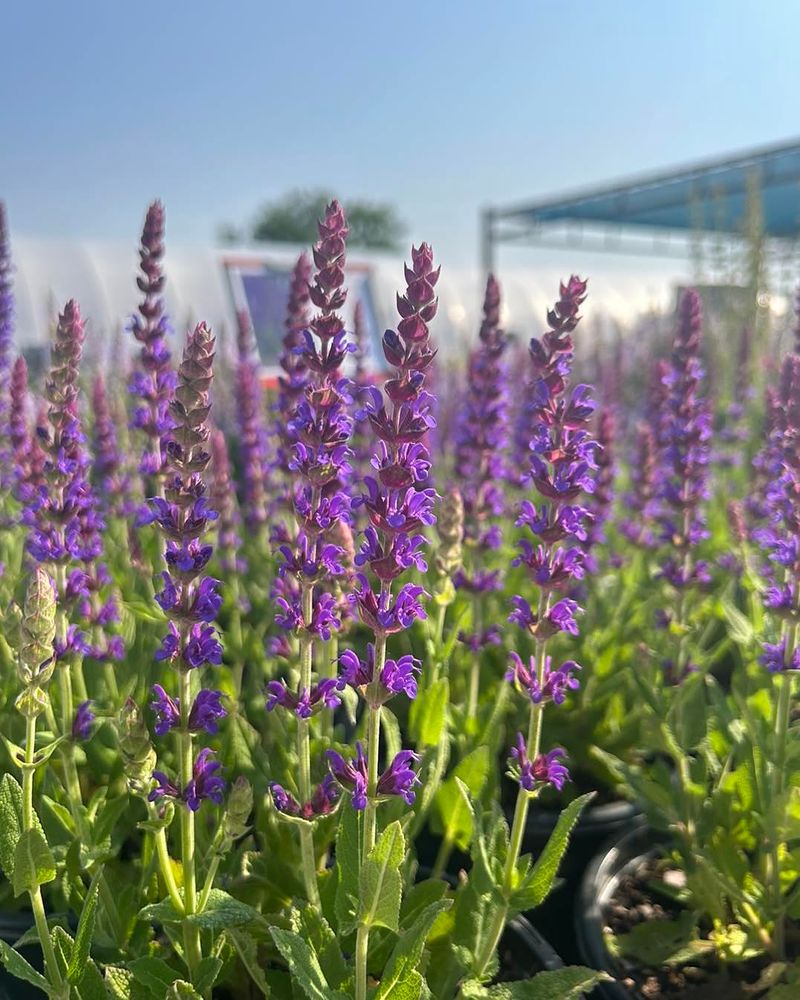
Sunlight is the engine behind every salvia bloom spike you see. Without enough of it, plants get leggy, weak, and stingy with flowers.
Most salvia varieties need at least six hours of direct sun daily to perform well.
Morning sun is especially valuable in hot Southern climates. It gives plants a strong energy boost early in the day before afternoon heat rolls in.
East-facing beds that catch sun from sunrise through midday tend to produce the most consistent bloom cycles.
Afternoon shade is not always a bad thing, though. In the hottest weeks of a Georgia summer, some light afternoon shade can actually protect plants from heat stress.
Just make sure shade does not dominate the growing day.
Planting near a wall or fence that reflects heat and blocks afternoon rays can be a smart move. Soil temperature matters too.
Beds that stay slightly cooler in the afternoon tend to support longer bloom windows.
If your salvia is planted somewhere that only gets dappled light, do not expect a spectacular show. Relocating it to a sunnier spot, even in a container, can completely change its performance.
Container-grown salvia is easy to reposition as seasons shift.
2. Spent Flower Spikes Should Be Removed Regularly
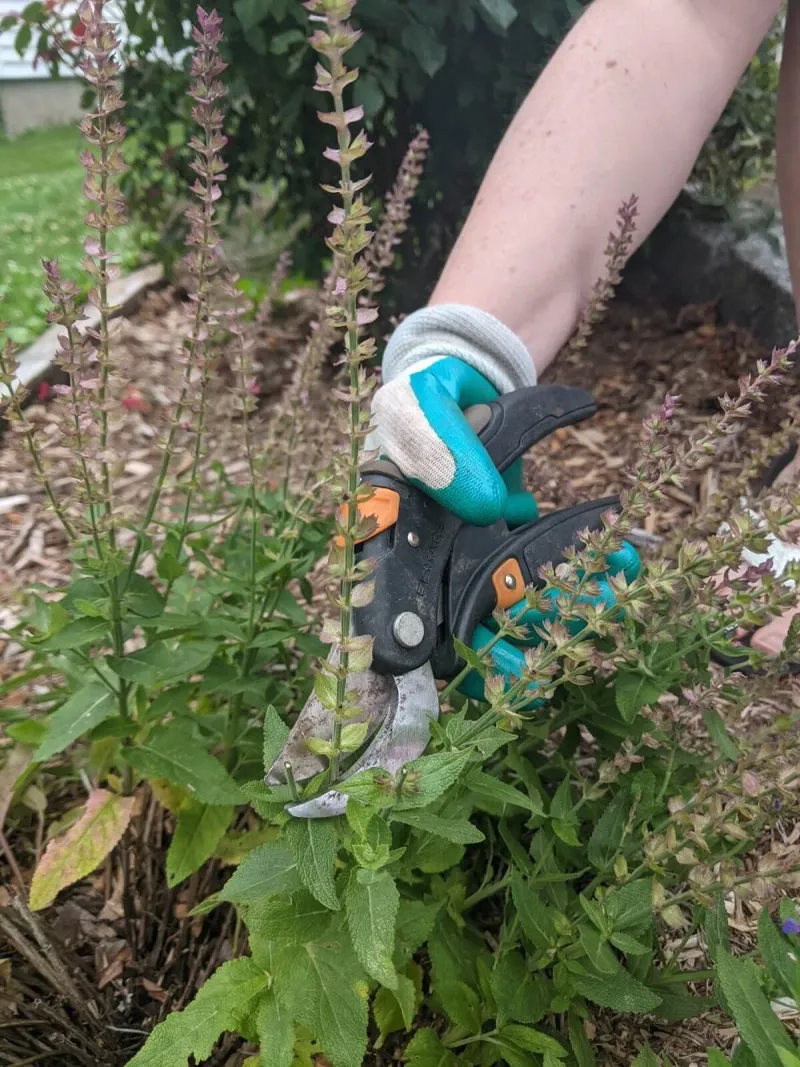
Leaving old flower spikes on salvia is one of the fastest ways to slow down blooming. Once a spike finishes flowering, the plant shifts its energy toward producing seeds.
That shift pulls resources away from new bud development.
Deadheading breaks that cycle. Snipping off spent spikes signals the plant to keep producing new growth.
It sounds simple, but it makes a dramatic difference over the course of a full summer.
Check your plants every few days during peak bloom season. Flower spikes fade quickly in summer heat, and the window between peak bloom and seed set is shorter than most people expect.
Staying consistent is key.
Use clean, sharp scissors or pruning shears. Cut spent spikes back to just above the first set of healthy leaves below the flower.
Avoid leaving long bare stubs, which can look messy and sometimes invite disease.
Your Georgia Garden Changes Every Week. Your Plan Should Too.
Gardening in Georgia changes quickly throughout the season. Every Friday you’ll receive a simple weekly plan showing exactly what to plant, prune, fertilize, harvest, and protect so you never miss the right timing.
Some gardeners do a quick sweep every Sunday morning before the heat builds. That kind of routine keeps plants looking sharp and blooming hard without turning into a major chore.
It rarely takes more than ten minutes per bed.
3. Deep Watering Helps Plants Handle Rising Summer Heat
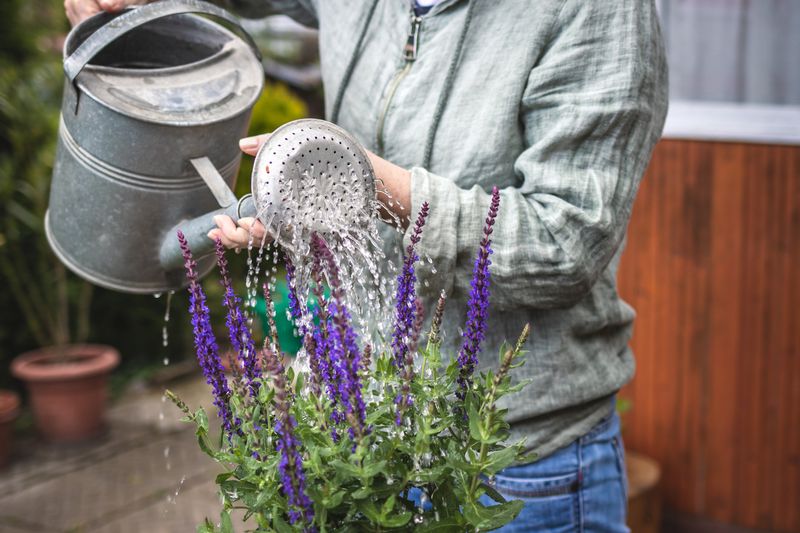
Shallow watering does more harm than good with salvia. When only the top inch of soil gets wet, roots stay near the surface and struggle badly once summer heat intensifies.
Deep, infrequent watering pushes roots downward where soil stays cooler and moisture lasts longer.
Aim to water slowly and thoroughly, soaking the soil at least six to eight inches deep. A slow drip or low-pressure hose works better than a quick spray.
Fast watering often runs off before it reaches the root zone.
How often you water depends on your soil type. Sandy soils drain fast and need more frequent watering.
Clay-heavy soils hold moisture longer but can become waterlogged if overwatered. Checking soil moisture two inches below the surface before watering saves a lot of guesswork.
Mornings are the best time to water. Soil absorbs moisture more efficiently when temperatures are lower, and foliage dries quickly as the day warms up.
Wet foliage sitting overnight can encourage fungal problems, which are already a concern in humid Southern summers.
Wilting in the afternoon does not always mean a plant needs water. Salvia sometimes droops slightly during peak afternoon heat but recovers on its own by evening.
4. Light Midseason Feeding Supports Continued Blooming
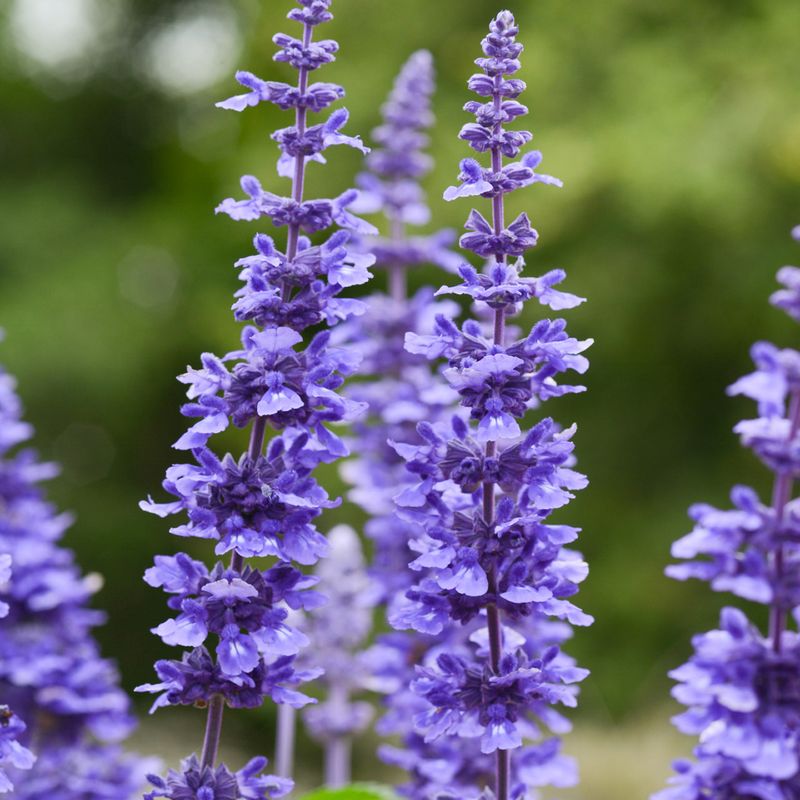
Salvia is not a heavy feeder, but it does appreciate a little nutritional support once summer hits full stride. By midsummer, the initial soil nutrients from spring planting have largely been used up.
A light feeding can give plants the push they need to keep flowering.
Balanced slow-release fertilizers work well for salvia. Look for something with roughly equal nitrogen, phosphorus, and potassium numbers.
Too much nitrogen encourages leafy green growth at the expense of flowers, so avoid high-nitrogen lawn fertilizers.
Apply fertilizer once in early to mid-July, right after a good deadheading session. Timing it after removing spent spikes means the plant is already primed for new growth.
The nutrients arrive just as the plant is ready to push out another round of blooms.
Water thoroughly after applying granular fertilizer. Dry granules sitting on soil can burn roots if they stay concentrated without moisture.
A good soak moves nutrients down to the root zone where they actually do something useful.
Liquid fertilizers diluted to half strength are another solid option. They work faster than granular products and let you dial back the amount easily if plants seem to be growing too aggressively.
Every garden is different, and flexibility matters.
5. Crowded Stems Benefit From Occasional Thinning
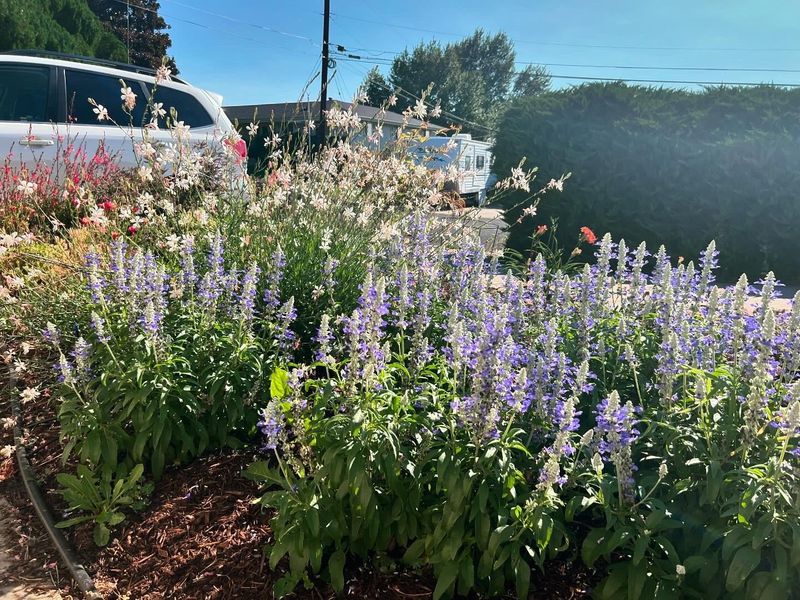
Salvia can get surprisingly crowded by midsummer, especially when growing conditions have been favorable. Dense clumps of stems compete for water, nutrients, and light.
That competition often shows up as reduced flowering and poor airflow through the plant.
Thinning out a few stems from the center of a crowded clump makes a real difference. It opens up space for light to reach inner branches and lets air circulate more freely.
Better airflow reduces the chance of fungal issues, which can be a genuine problem in humid summer conditions.
You do not need to be aggressive about it. Removing ten to fifteen percent of the stems from a dense clump is usually enough.
Target stems that are crossing, rubbing against each other, or growing inward rather than outward.
The best time to thin is during a routine deadheading session. Since you are already working with the plant, it takes only a few extra minutes to pull out the weakest or most crowded stems at the base.
Combining tasks keeps garden maintenance manageable.
After thinning, give the plant a good drink of water. Removing stems is a mild stress, and hydration helps plants recover quickly.
Most salvias bounce back within a few days and often show noticeably stronger growth shortly after.
6. Mulch Around The Base Helps Retain Soil Moisture
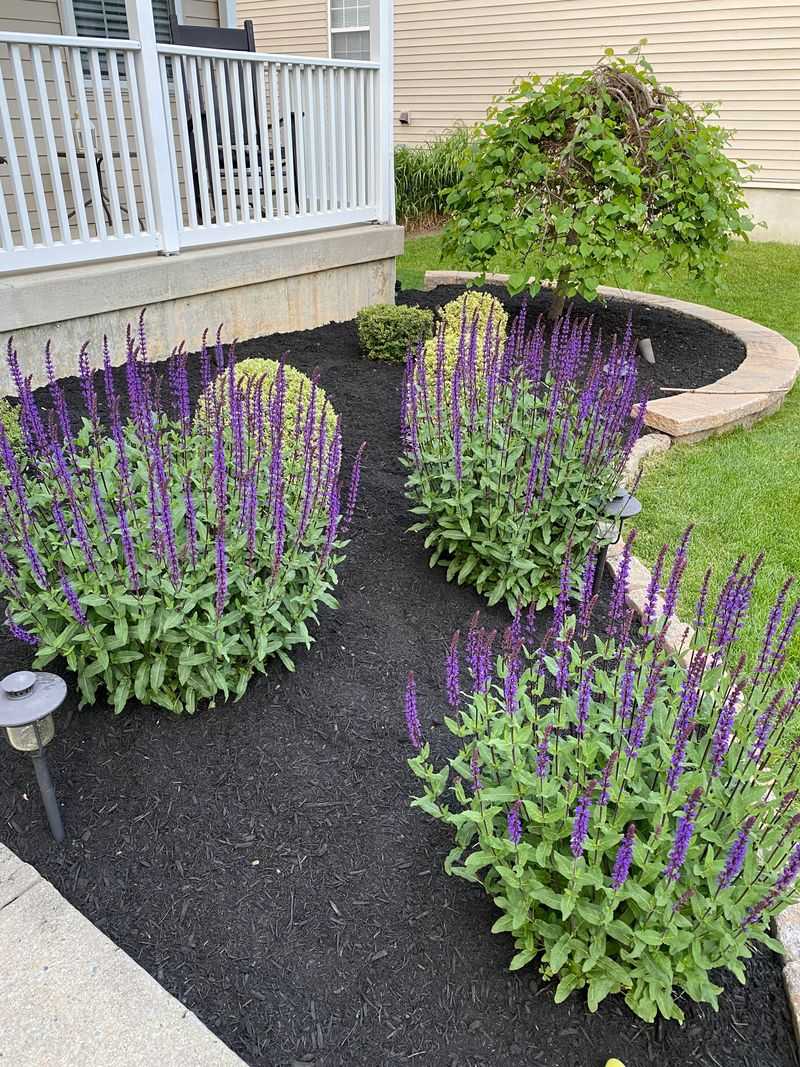
Bare soil around salvia bakes fast under a Southern summer sun. Soil that heats up quickly also loses moisture quickly, and dry roots mean stressed plants that stop blooming.
A simple layer of mulch changes that equation significantly.
Two to three inches of organic mulch around the base of each plant keeps soil temperatures more stable and moisture levels more consistent. Pine straw is a popular choice in the South because it is widely available, affordable, and breaks down slowly.
Shredded hardwood bark also works well.
Keep mulch pulled back slightly from the main stem. Mulch piled directly against stems traps moisture against the bark, which can cause rot over time.
A small gap of an inch or two around each stem is all it takes to avoid that problem.
Mulch also suppresses weeds, which compete with salvia for water and nutrients. Fewer weeds mean less competition and less time spent pulling them by hand.
That is a win on two levels during a busy summer garden season.
Reapply mulch once during the season if the layer breaks down or gets thin. Organic mulches decompose gradually, adding nutrients to the soil as they break down.
That slow nutrient release is a quiet bonus that benefits plants over time.
7. Summer Pruning Often Triggers Another Flush Of Color
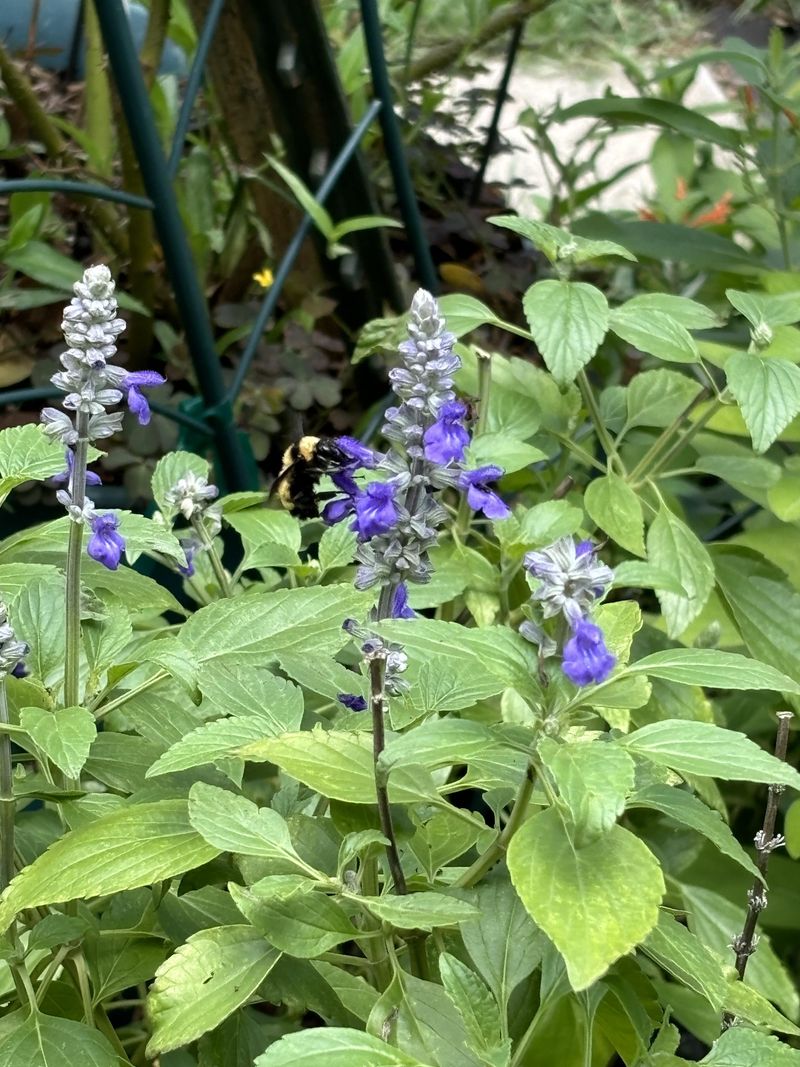
Cutting salvia back hard in midsummer sounds risky, but it is actually one of the smartest moves you can make.
A firm pruning in July or early August removes tired, heat-stressed growth and encourages the plant to push out a whole new round of vigorous stems and blooms.
Cut plants back by about one-third of their total height. That is enough to stimulate strong regrowth without stressing the plant too severely.
Going deeper than half the plant height can slow recovery, especially during peak summer heat.
After pruning, water deeply and apply a light layer of balanced fertilizer. That combination gives the plant everything it needs to rebound quickly.
New growth typically appears within one to two weeks under good conditions.
Timing matters. Pruning too late in the season, say after mid-August in most Southern growing zones, leaves plants without enough warm days to produce a full flush of new blooms before temperatures drop.
Aim for late July as a general target.
Not every salvia variety responds the same way. Perennial types like Salvia guaranitica tend to bounce back vigorously after hard pruning.
Annual varieties may show more modest regrowth. Knowing your specific variety helps set realistic expectations.