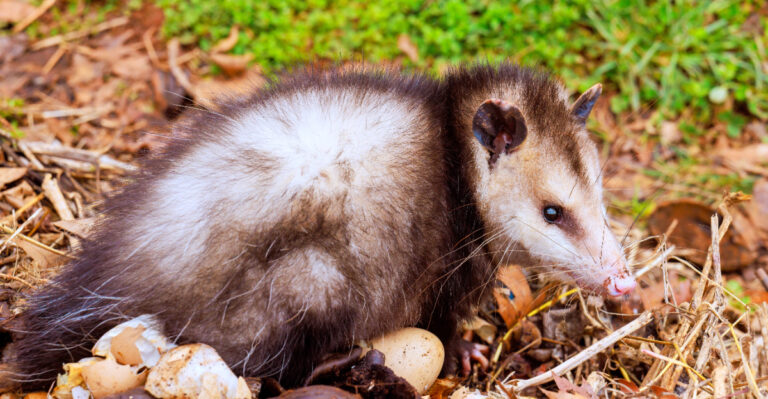
The Underrated Georgia Porch Plant That Helps Keep Rats And Roaches Away
A front porch should be a place where you can relax at the end of the day, not somewhere you keep spotting unwanted visitors.
It only takes one rat running along the edge of the yard or a roach appearing near the steps to make the space feel a little less inviting.
That is why many homeowners are always looking for simple ways to make the area around their home more comfortable.
Plants are usually chosen for their flowers, color, or fragrance. Every now and then, though, one earns attention for a completely different reason.
Some plants have qualities that may make the space around them less appealing to certain pests, especially when they are part of a well-maintained landscape.
In Georgia, one underrated porch plant has become a favorite among gardeners who want beauty with an extra benefit.
It is easy to grow, looks great in containers, and may help make the area around your porch a little less welcoming to rats and roaches at the same time.
1. Society Garlic Is The Plant Behind This Porch Trick
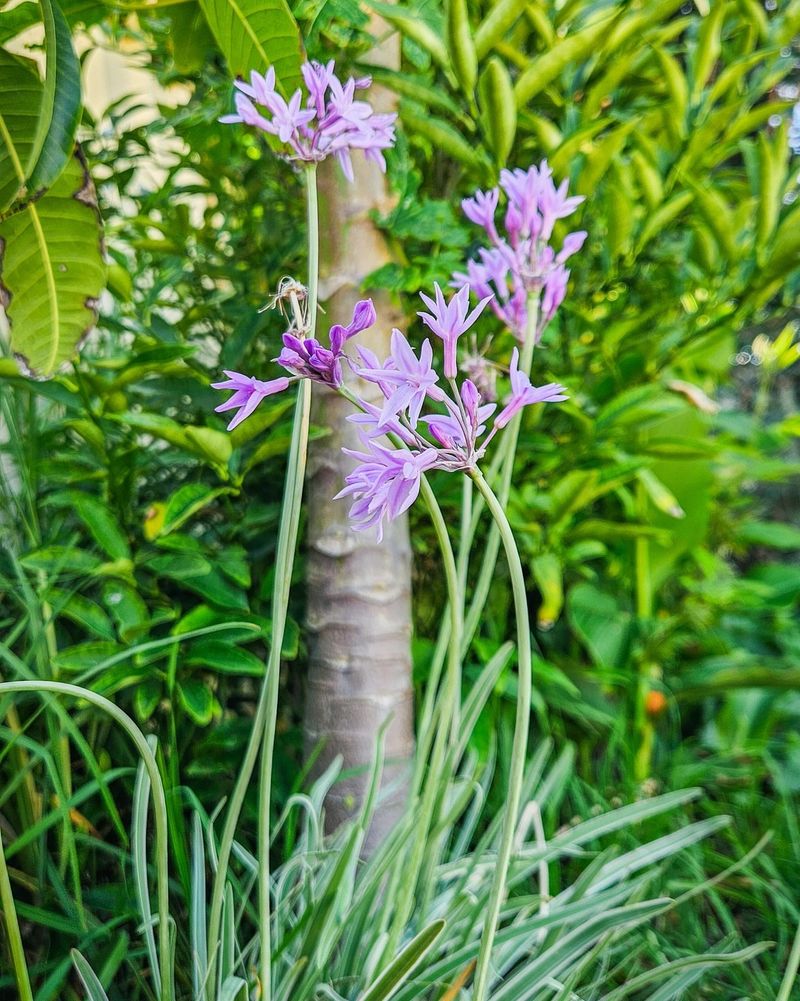
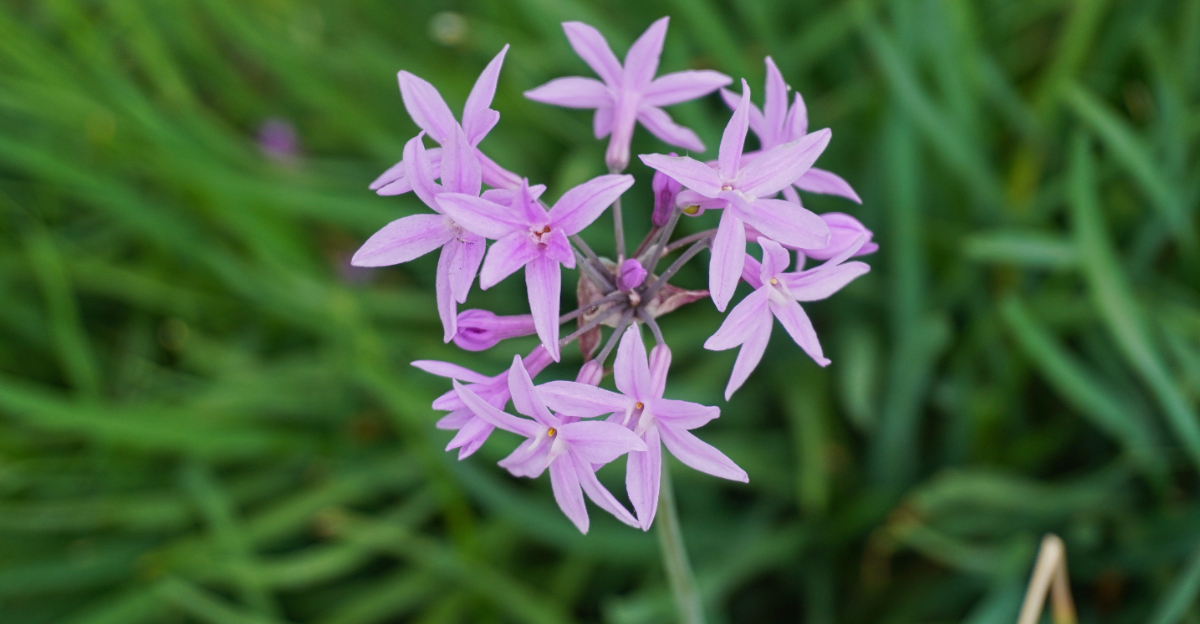
Nobody talks about society garlic enough, and that is honestly a shame. Tulbaghia violacea is its botanical name, but most folks in the South just call it society garlic.
It grows in clumps, produces soft purple flowers, and smells powerfully of garlic when you brush against it.
Rats and roaches rely heavily on scent to find food and shelter. Society garlic overwhelms those senses.
The plant releases sulfur compounds through its leaves and roots that are deeply unpleasant to rodents and insects.
It is not a magic force field. Results depend on placement, plant size, and how bad your pest problem already is.
But as a natural deterrent added to your porch setup, it genuinely earns its spot.
Gardeners across the Southeast have used it for years alongside other pest management methods. It is low-maintenance, drought-tolerant once established, and pretty enough to earn compliments from neighbors.
2. Its Strong Garlic Scent Makes It Stand Out
Scratch a leaf and you will smell it instantly. Society garlic releases a sharp, unmistakable garlic odor that comes from sulfur-based compounds naturally produced inside the plant.
Rats have a sense of smell roughly 20 times stronger than humans, so what mildly bothers you absolutely overwhelms them.
Roaches are no different. They track food sources and safe paths using chemical signals.
A strong, persistent garlic scent disrupts those signals and makes your porch feel like a no-go zone to them.
The scent is always present at a low level, but it intensifies when leaves are touched or broken. Wind brushing through the plant keeps a steady release going throughout the day.
That constant presence is part of what makes it effective as a deterrent rather than just a one-time fix.
Worth noting: the smell is not overwhelming to humans standing a normal distance away. Most people describe it as faint unless they are right next to the plant or touching it directly.
Guests rarely notice unless you point it out.
Your Georgia Garden Changes Every Week. Your Plan Should Too.
Gardening in Georgia changes quickly throughout the season. Every Friday you’ll receive a simple weekly plan showing exactly what to plant, prune, fertilize, harvest, and protect so you never miss the right timing.
Planting several pots instead of just one increases the scent coverage across your porch. More plants mean more surface area releasing those compounds.
Think of it as layering your defense rather than relying on a single pot to handle everything on its own.
3. A Sunny Porch Helps It Grow Well
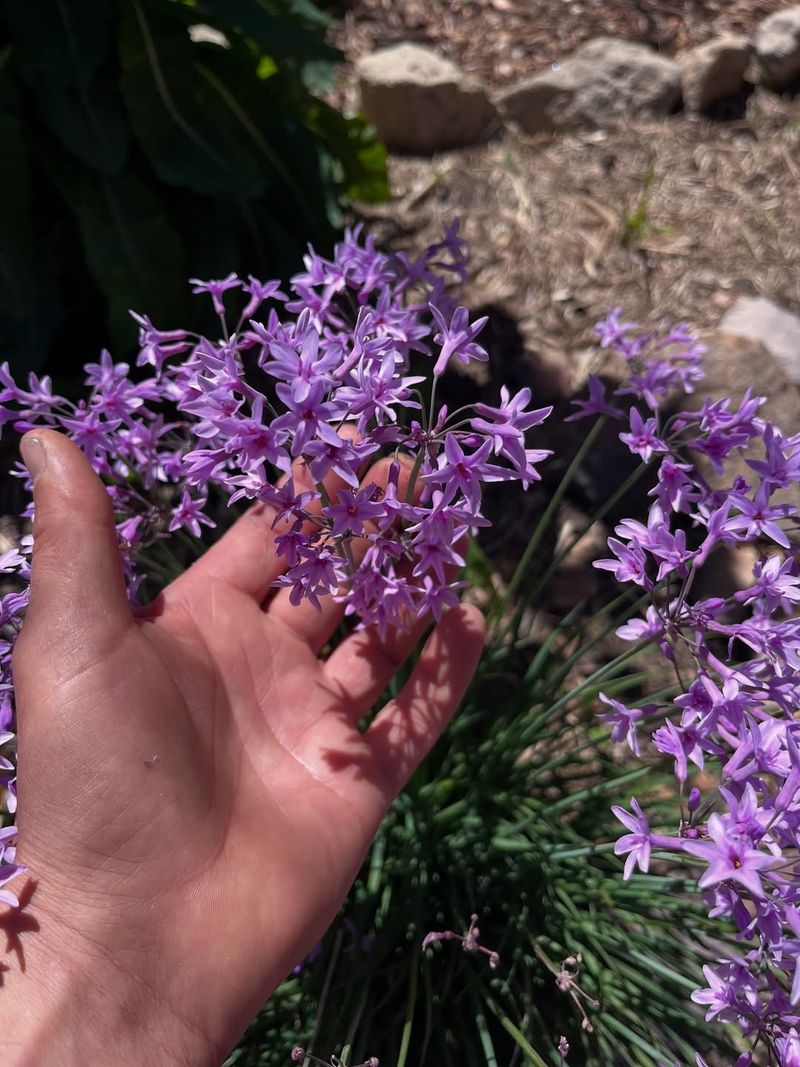
Sunlight is non-negotiable for this plant. Society garlic needs at least six hours of direct sun each day to stay healthy and bloom consistently.
A shaded porch will leave it looking weak, stretched out, and far less effective as a deterrent.
Porches that face south or west tend to give the best light exposure. East-facing porches can work if morning sun is strong and unobstructed.
North-facing porches are the toughest situation and usually not ideal for this plant.
Georgia summers are intense, and society garlic handles that heat remarkably well. It is native to South Africa, so it is built for warm, sunny conditions.
High humidity does not bother it either, which makes it well-suited for the sticky Southern summers most porch plants struggle through.
In full sun, the plant produces more blooms and maintains a denser, healthier clump. More leaf surface means more scent release.
A sun-starved plant simply will not perform the same way, so placement on your porch really does matter.
If your porch is partially shaded, try positioning the pot at the edge where it gets the most light.
4. Well Drained Soil Keeps It Healthy
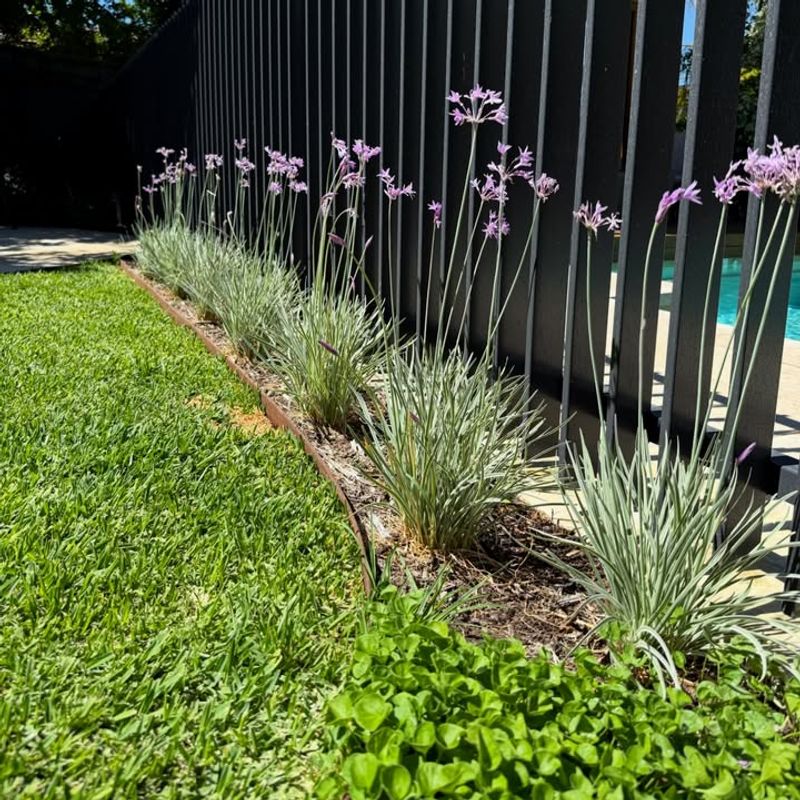
Soggy roots are the fastest way to lose this plant. Society garlic absolutely needs well-draining soil to stay healthy long-term.
Standing water around the roots leads to rot, and a rotting plant loses its pest-deterring power quickly.
A basic potting mix blended with perlite or coarse sand works well for container growing. Aim for roughly one part sand or perlite to three parts potting mix.
That ratio keeps the soil loose enough to drain after heavy rain without drying out too fast between waterings.
Avoid heavy clay-based mixes. Clay holds moisture too long and creates exactly the soggy conditions society garlic cannot tolerate.
Garden centers typically carry cactus and succulent mixes that work well as a base if you want something ready to use without mixing your own.
Water the plant thoroughly, then wait until the top inch of soil feels dry before watering again. Overwatering is a more common mistake than underwatering with this plant.
During hot stretches in summer, you may need to water every two to three days, but always check the soil first.
Good drainage paired with the right watering habit keeps the root system strong. Healthy roots support healthy leaves and stronger scent production.
5. Containers Make It Easy To Move
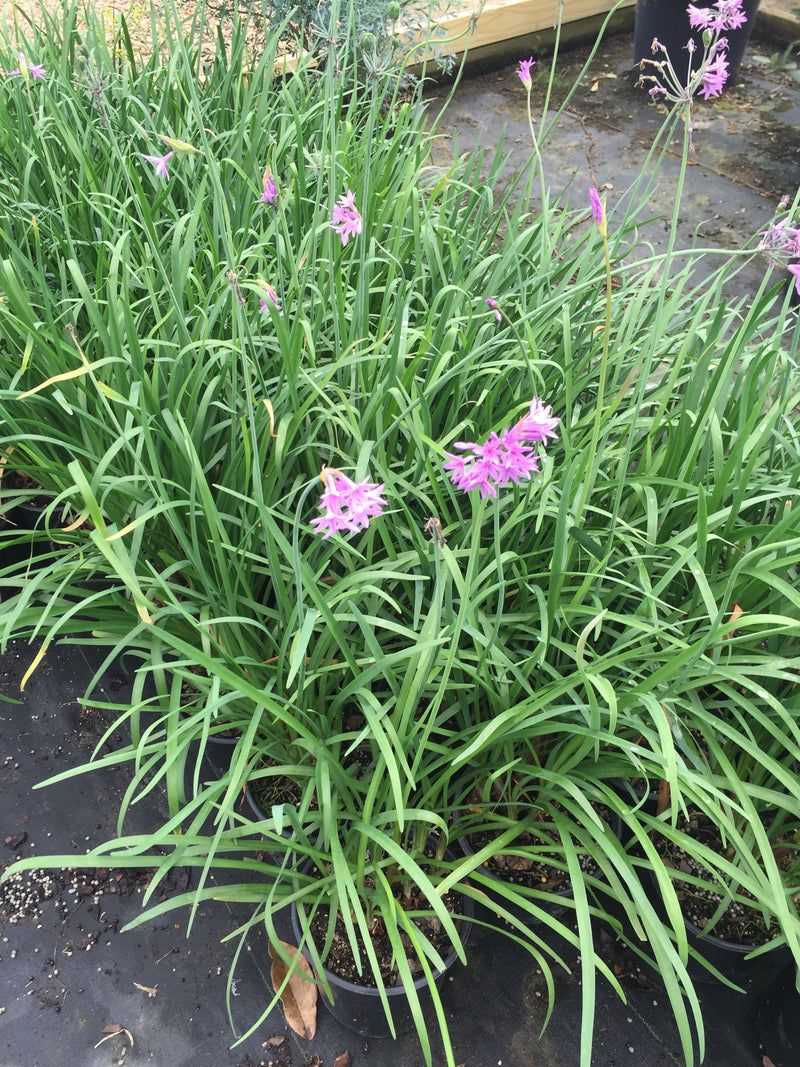
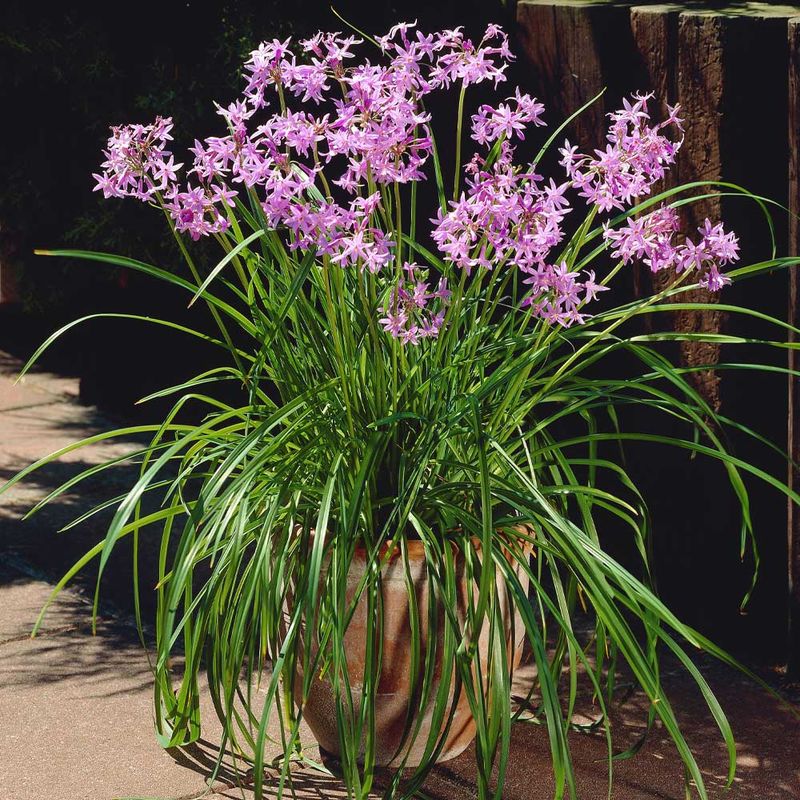
Growing society garlic in containers gives you flexibility that in-ground planting simply cannot. You can shift pots around to block entry points, follow the sun across the porch, or pull them indoors if a cold snap threatens in late fall.
Terracotta pots are a solid choice because they breathe well and help prevent overwatering. Plastic containers work fine too, especially if you want something lighter to move around.
Just make sure whatever pot you choose has drainage holes at the bottom.
Container size matters more than people realize. A pot that is too small restricts root growth and limits how large and full the plant gets.
A container at least 10 to 12 inches wide gives the roots enough room to spread and support a healthy clump of foliage.
One big advantage of containers is being able to cluster pots together near specific trouble spots. Notice roaches coming under the back door?
Move a pot there. Spot rat activity near a corner of the porch?
Position a container close to that area.
Mobility lets you adapt your setup as pest activity shifts through the seasons.
6. Regular Trimming Encourages More Blooms
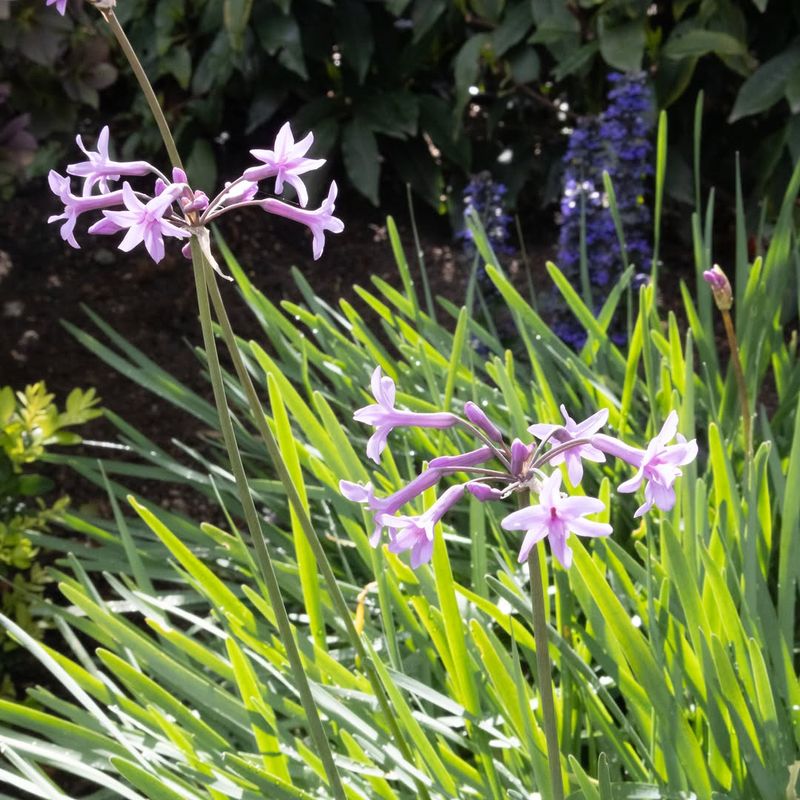
Spent flower stalks left on the plant do not do you any favors. Trimming them off regularly encourages the plant to redirect energy toward producing new blooms instead of setting seed.
More blooms mean more scent activity, which is exactly what you want for pest deterrence.
Use clean, sharp scissors or small pruning shears to snip off flower stalks at the base once blooms fade. It takes about two minutes per pot and makes a noticeable difference in how quickly new flower spikes appear.
Dull blades can crush the stems and introduce stress to the plant.
Beyond deadheading, occasional trimming of the leaf clump keeps things tidy and promotes fresh growth. Society garlic leaves can get long and floppy over time.
Cutting them back by about one-third every few months encourages a denser, more upright clump that looks better and performs better.
Do not remove more than one-third of the foliage at once. Taking too much at a time stresses the plant and slows recovery.
Light, frequent trimming is far more effective than heavy cutting done rarely.
Trimming also gives you a chance to inspect the plant up close. Check for any yellowing leaves, unusual spots, or signs of pests on the plant itself.
7. Place Pots Near Doors And Seating Areas
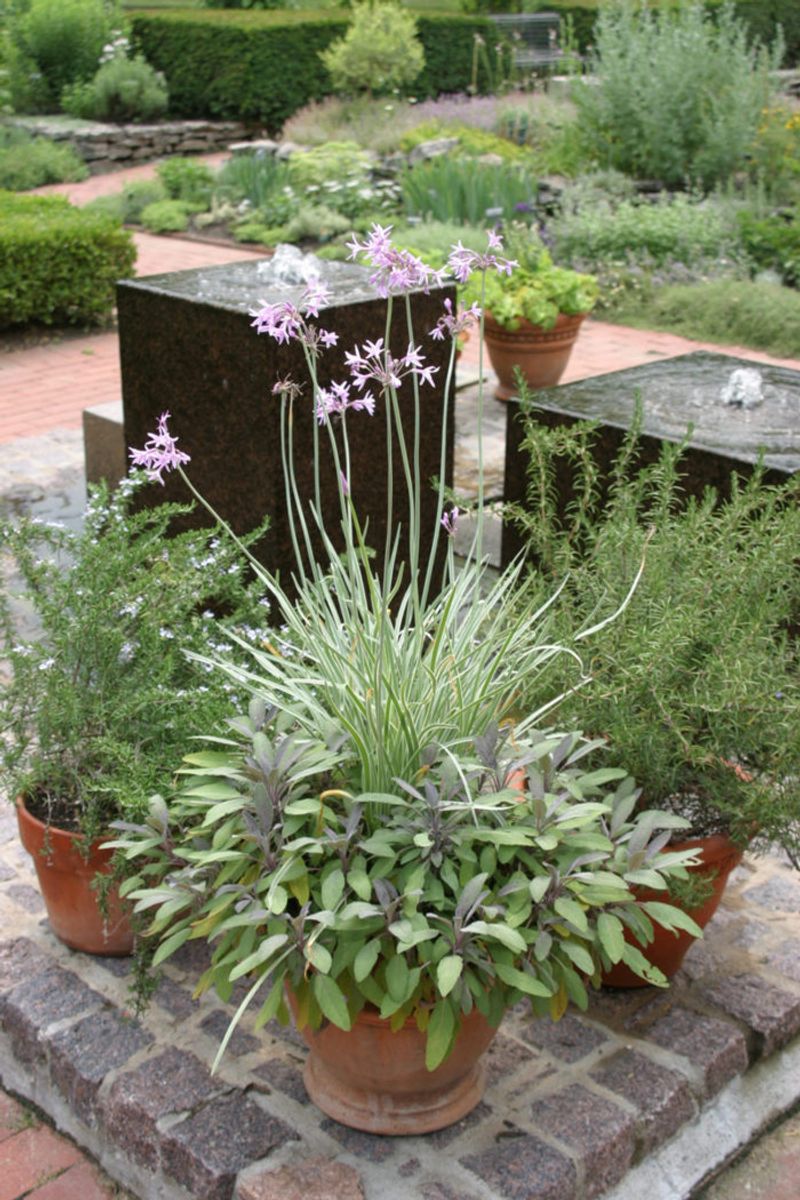
Placement is where most people leave results on the table. Putting society garlic pots in random spots across the porch is less effective than positioning them strategically near the places pests actually use to enter or travel through.
Doorways are the most important spots to cover. Roaches and rats tend to follow walls and edges when moving around.
Flanking each door with a pot on either side creates a scent barrier right at the point of entry. Even one well-placed pot near the door threshold makes a difference.
Seating areas are worth covering too. Outdoor furniture collects crumbs, spills, and food smells that attract pests.
A pot or two tucked near your chairs or table adds a layer of protection right where you spend most of your porch time.
Gaps between railings, corners, and areas near outdoor trash or storage are also smart placement zones. Pests gravitate toward dark, sheltered spots, and a nearby pot of society garlic can interrupt that behavior pattern.
Across the South, porch pest pressure tends to peak in late spring and through summer. Having plants in position before activity ramps up gives the scent time to establish in the area.