The Georgia Backyard Conditions That Help Young Fireflies Survive
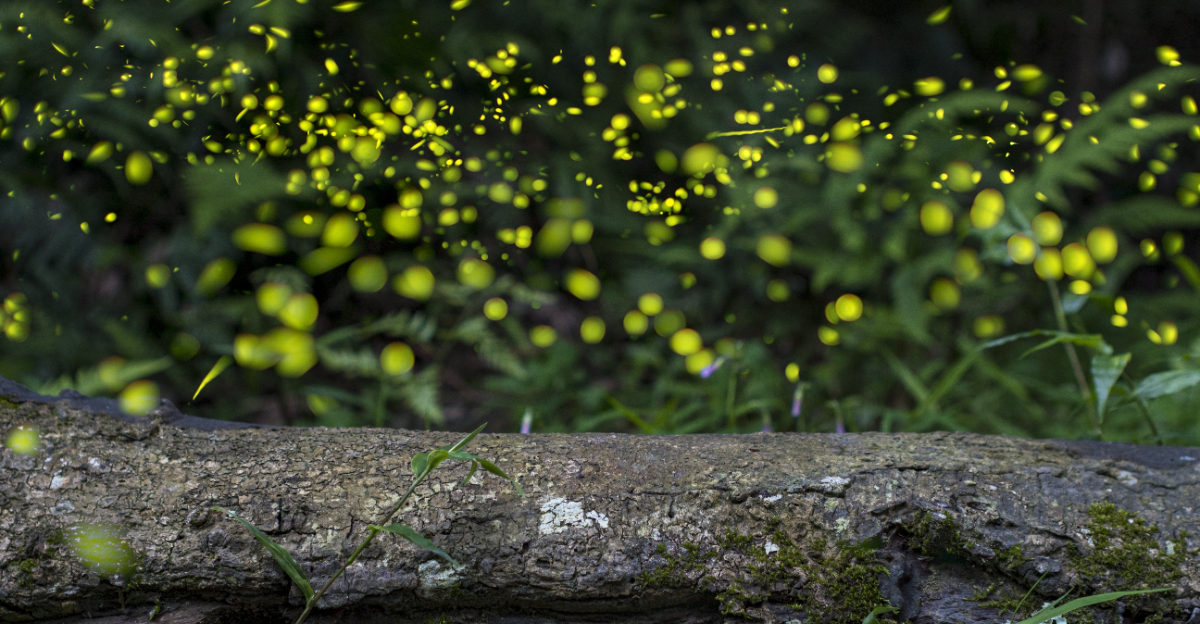
Few summer sights bring back memories quite like fireflies. One small flash appears in the yard, then another, and before long it feels like the entire evening has come alive.
For many people, those glowing lights are part of what makes this season feel special. They turn ordinary backyards into places worth lingering a little longer after sunset.
What most people never think about is how much has to happen before those lights appear. Fireflies do not simply show up one evening out of nowhere.
Their journey begins much earlier, and the youngest stages of their lives depend on conditions that are easy to overlook.
Some yards seem to support far more fireflies than others, even when they are located in the same neighborhood. Throughout Georgia, certain backyard features can make a surprising difference.
The details may seem small, but they play a much bigger role in firefly survival than many people realize.
1. Moist Ground Is One Of Their Biggest Needs
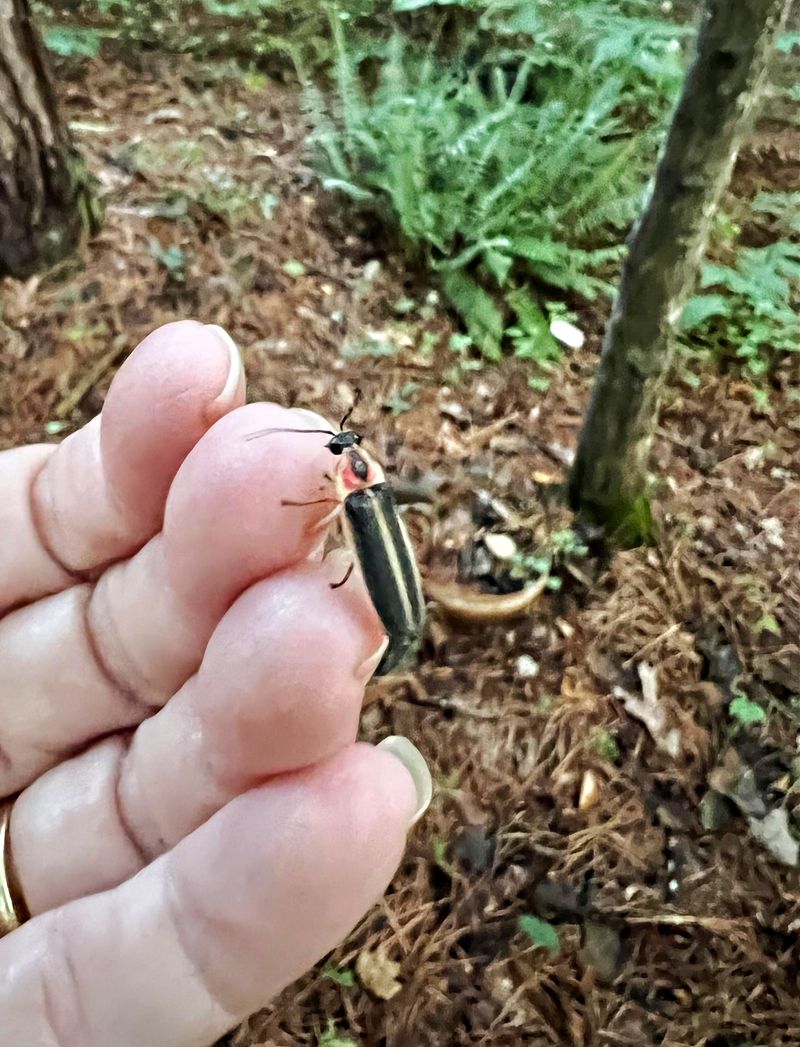
Young fireflies spend most of their lives out of sight. Before they ever flash on a summer evening, they live as larvae in the soil, where moisture plays a major role in their survival.
Unlike adults, which may only live for a few weeks, larvae remain in the ground for months while they feed and grow.
Dry soil makes that process much harder. Firefly larvae depend on damp conditions that allow them to move through the soil and hunt for small prey such as snails, slugs, and worms.
When the ground becomes excessively dry, both the larvae and their food sources become less active.
Areas that naturally retain moisture tend to support better habitat. Soil covered with mulch, leaf litter, or low-growing vegetation usually stays damp longer than exposed ground.
These materials also help reduce temperature swings near the soil surface, creating a more stable environment.
That does not mean the ground should stay waterlogged. Constantly saturated soil can reduce oxygen levels and create conditions that are unhealthy for many soil-dwelling organisms.
Firefly larvae generally do best where moisture remains consistent without becoming soggy.
Simple practices such as watering deeply during extended dry periods, reducing bare soil, and allowing organic material to remain on the ground can help maintain suitable conditions.
2. Leaf Litter Creates Year-Round Shelter
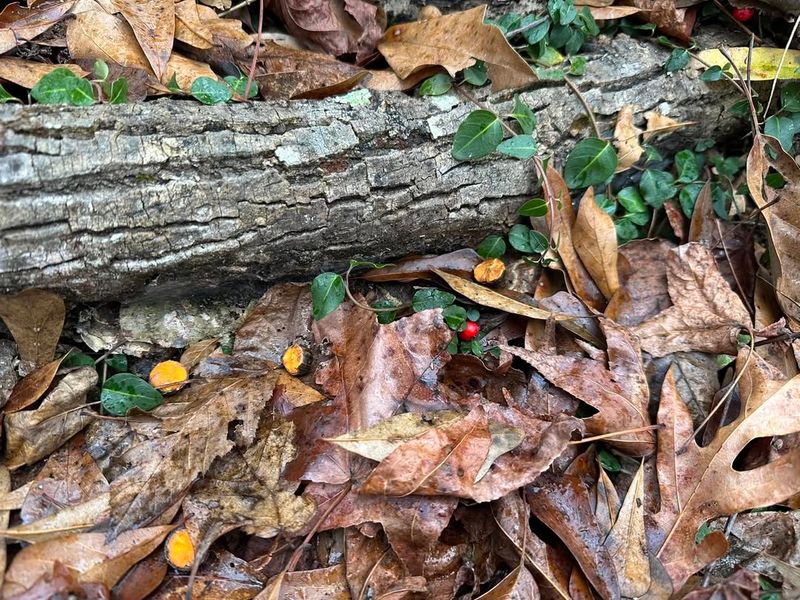
A layer of fallen leaves does far more than make a garden look natural. For young fireflies, leaf litter provides one of the most valuable habitats available.
As leaves break down, they create a cool, protected layer between the soil and the open air where larvae can spend much of their development.
This cover helps retain moisture, which is especially important during hot weather. Soil beneath leaf litter tends to dry out more slowly than exposed ground, giving larvae a more stable environment.
The leaves also provide protection from temperature extremes and reduce exposure to predators.
Another benefit is the abundance of food. Decomposing leaves support a wide range of small organisms, including snails, slugs, worms, and other invertebrates that firefly larvae feed on.
Your Georgia Garden Changes Every Week. Your Plan Should Too.
Gardening in Georgia changes quickly throughout the season. Every Friday you’ll receive a simple weekly plan showing exactly what to plant, prune, fertilize, harvest, and protect so you never miss the right timing.
A healthy layer of leaf litter essentially creates an entire miniature ecosystem beneath the surface.
Many yards remove every fallen leaf as part of routine cleanup, but doing so eliminates an important sheltering area. Leaving some leaves in garden beds, around trees, beneath shrubs, or in quiet corners can make a meaningful difference.
These areas do not need to look messy. Even a few designated spots where leaves are allowed to decompose naturally can provide valuable habitat.
Because larvae may remain in the soil for a year or longer before becoming adults, consistent shelter matters throughout every season.
3. Dense Ground Cover Protects Hidden Larvae
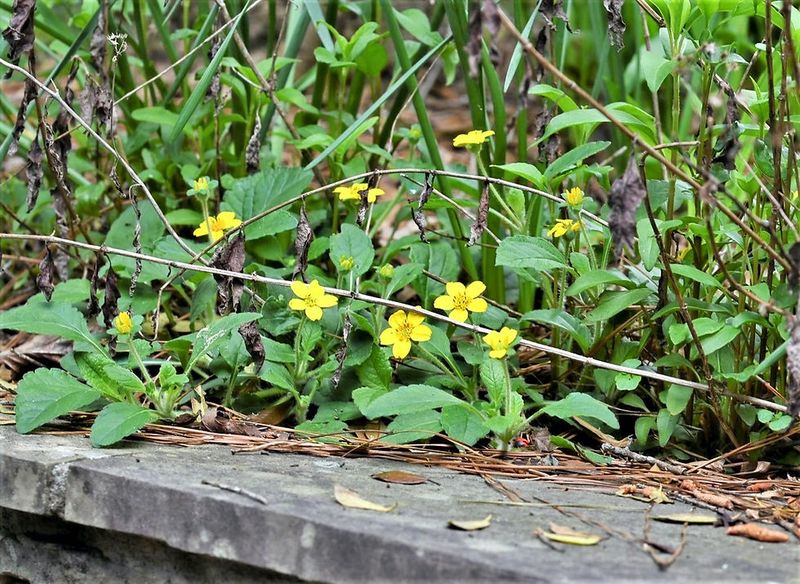
Most fireflies are not raised in open lawns. Short, closely mowed grass provides very little cover, dries out quickly, and offers limited protection for young larvae living near the soil surface.
While a lawn may look tidy, it is not the type of habitat where developing fireflies thrive.
Dense ground cover creates a completely different environment. Plants growing close together shade the soil throughout the day, helping it stay cooler and retain moisture longer.
This creates more stable conditions beneath the foliage, which is important for creatures that spend much of their lives at ground level.
Ground covers also create countless hiding places. Instead of being exposed on bare soil, larvae can move beneath leaves, stems, and low-growing vegetation where they are less visible to predators.
The protected space beneath these plants often supports a wider variety of small invertebrates as well, giving larvae access to food sources throughout their development.
Native woodland edges, meadow margins, and lightly managed garden beds naturally provide this type of layered cover. Recreating even a small portion of that habitat can make a difference.
Creeping plants, native ground covers, ornamental grasses, and mixed plantings all help create a more sheltered landscape than turf grass alone.
The goal is not to let the yard become overgrown. Instead, it is about providing pockets of dense vegetation where the soil remains protected and undisturbed.
4. Shaded Areas Hold Moisture Longer
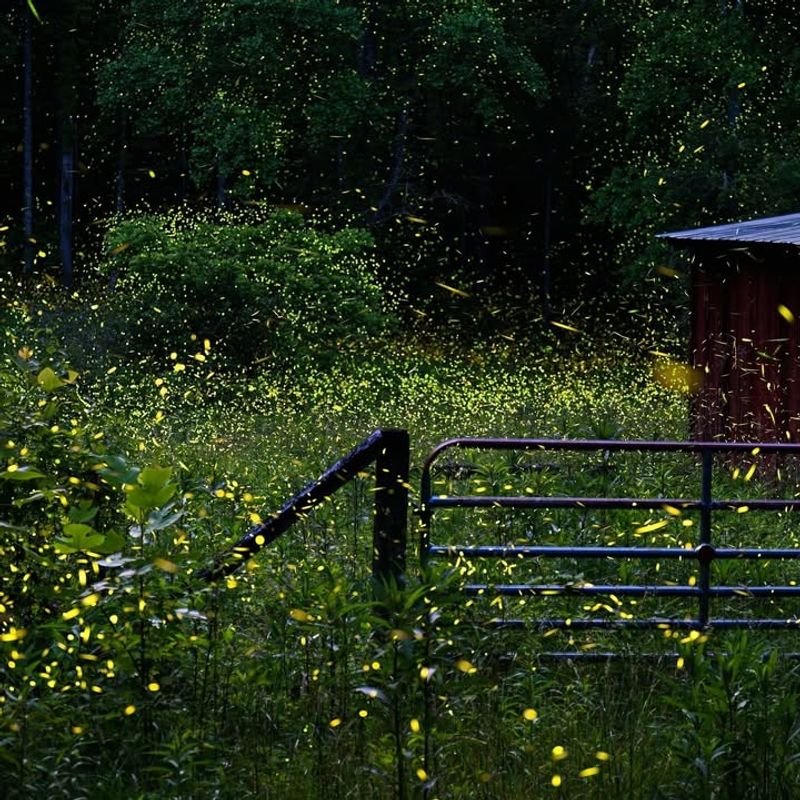
Not every part of a yard dries at the same speed. After a stretch of hot weather, the ground beneath trees and large shrubs often stays noticeably cooler and damper than nearby areas exposed to full sun.
Those pockets of lingering moisture can make a meaningful difference for young fireflies.
Larvae spend much of their development in or near the soil, where moisture levels remain more stable. Areas that stay shaded through the hottest part of the day are less likely to dry out completely between rainfall events.
That creates a more favorable environment than open ground that bakes in direct sunlight for hours.
This is one reason fireflies are frequently associated with woodland edges, mature landscapes, and gardens with layered planting. Shade works together with leaf litter, mulch, and ground cover to help the soil hold moisture longer.
The result is a cooler microclimate that supports a wide range of small organisms, including the prey firefly larvae feed on.
A yard does not need to be heavily wooded to provide these benefits. Even a few shaded sections beneath established plantings can create better conditions than large areas of exposed turf.
When moisture remains available for longer periods, young fireflies have a much better chance of completing their development successfully.
5. Fallen Wood Supports Young Fireflies
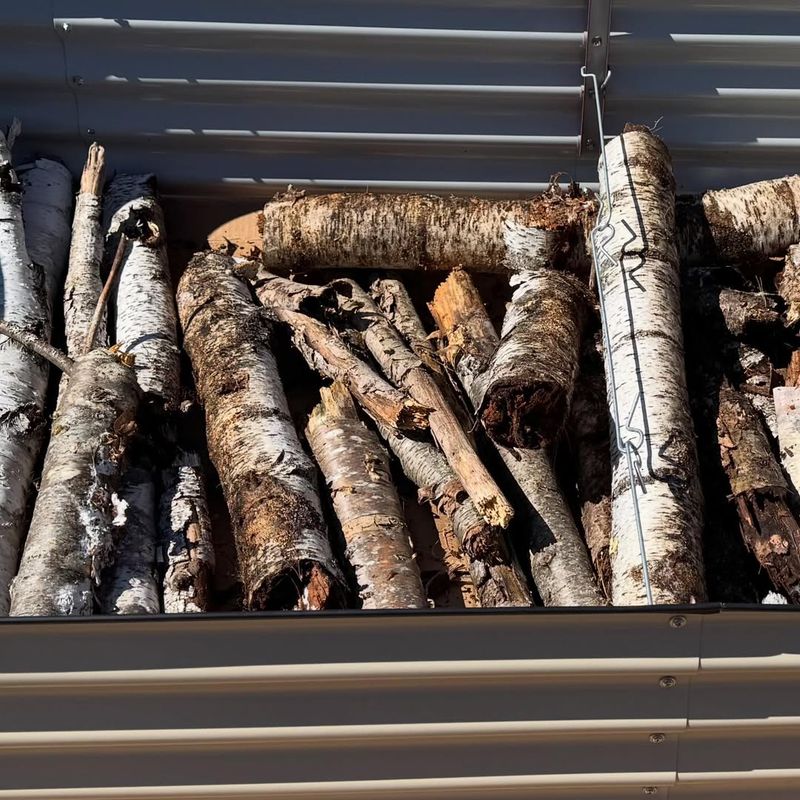
A fallen branch or aging log may not look especially important, but it can become valuable habitat for a surprising amount of wildlife.
As wood slowly breaks down, it traps moisture, creates sheltered spaces, and supports the small creatures that help keep the soil ecosystem healthy.
For young fireflies, these conditions can be especially beneficial. Decaying wood tends to stay cooler and damper than the surrounding ground, particularly during warm weather.
The area beneath and around logs often remains protected from direct sunlight, creating a more stable environment than exposed soil.
Rotting wood also attracts a variety of small invertebrates. Snails, worms, beetles, and other soil-dwelling creatures are commonly found in these areas, creating a rich food web near the ground surface.
Because firefly larvae are active predators, habitats that support abundant prey are often more suitable for their development.
This does not mean every fallen branch should be left where it lands, but keeping a few natural areas can be helpful.
A partially decayed log along the edge of a garden bed or a small pile of aging branches in a quiet corner can provide habitat without making the landscape look neglected.
In natural settings, fallen wood is a normal part of the ecosystem.
6. Undisturbed Spaces Offer Long-Term Protection
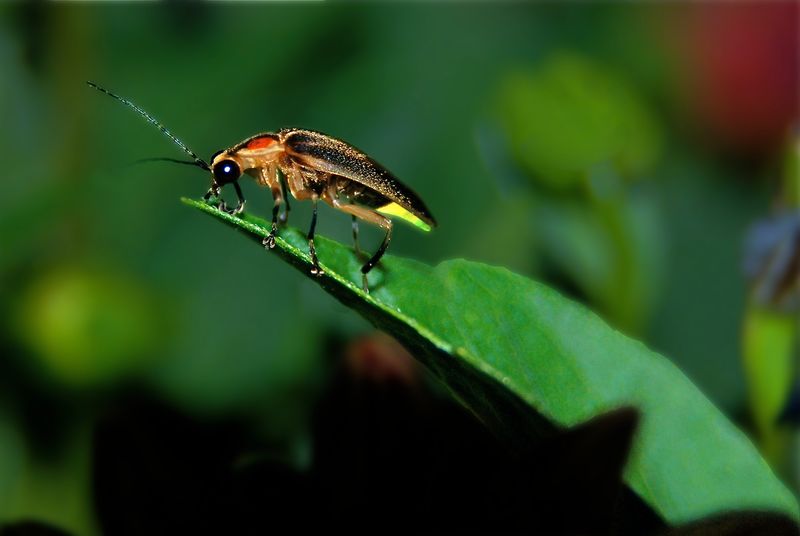
Constant yard maintenance is not always beneficial for wildlife. Areas that are regularly dug, tilled, edged, or cleared tend to lose many of the natural features that support insects living close to the soil surface.
Fireflies benefit from spaces that remain relatively unchanged throughout the year.
A patch beneath shrubs, a naturalized border, or a quiet corner where leaves and organic material are allowed to accumulate can provide a more stable environment than heavily managed areas.
These locations retain moisture better and experience fewer disruptions from routine landscape work.
Stability matters because fireflies spend a significant portion of their life cycle hidden below ground or beneath surface debris. Habitat that remains intact for months at a time allows the surrounding soil ecosystem to develop naturally.
Worms, snails, and other small organisms become more abundant, creating a healthier environment overall.
Undisturbed areas also tend to build richer soil over time. As leaves, twigs, and plant material break down, they create a protective layer that helps regulate moisture and temperature near the ground.
That process happens slowly and is easily interrupted by frequent cleanup.
Even a small section of the landscape left largely alone can provide valuable habitat.
7. Low-Light Conditions Reduce Disruption
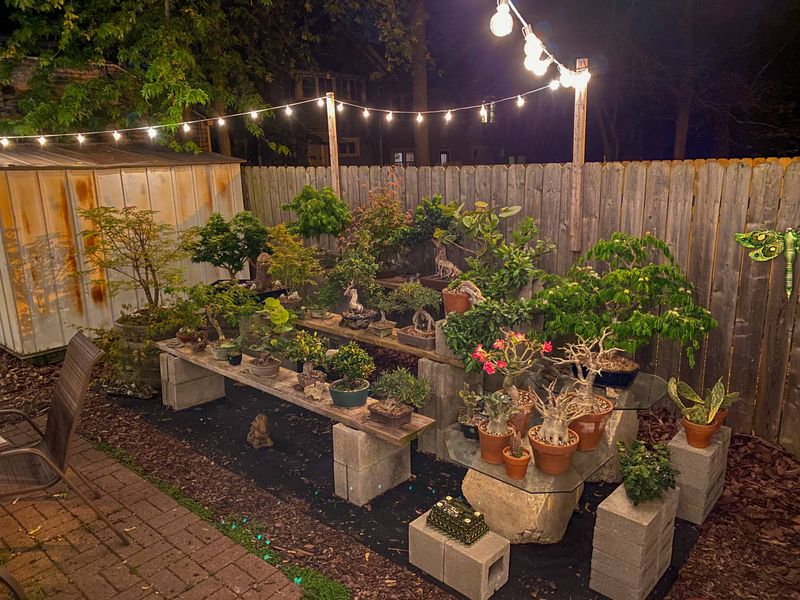
Darkness is an important part of a firefly’s environment. While most people focus on plants, soil, and moisture, the conditions after sunset can be just as important.
Fireflies use their flashing signals to communicate, and those signals are easiest to see when the surrounding area remains relatively dark.
Modern landscapes are often much brighter than natural habitats. Porch lights, decorative landscape lighting, floodlights, and illuminated pathways can keep a yard lit for hours after sunset.
In some cases, several neighboring properties may remain brightly illuminated throughout the night.
Fireflies are typically most active in places where darkness is still part of the landscape. Wooded edges, natural areas, and yards with limited nighttime lighting often provide better conditions than heavily illuminated spaces.
The contrast between darkness and the insects’ flashing signals allows their communication to stand out more clearly.
Creating a darker environment does not require eliminating outdoor lighting completely. Many homeowners simply reduce unnecessary lighting during the hours when fireflies are most active.
Turning off lights that are not being used can make a noticeable difference. Motion-activated fixtures can also reduce constant nighttime illumination.
A yard does not need to be perfect to support fireflies. Moist soil, shelter, and vegetation all matter, but natural darkness is another piece of the puzzle.
8. Limited Chemical Use Improves Survival
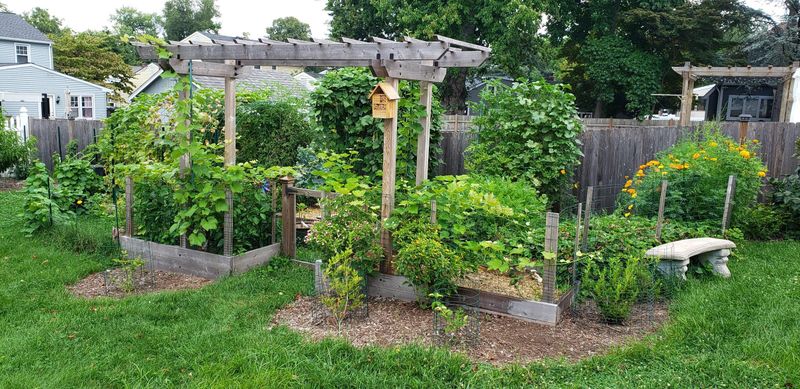
Many of the products used to create a neat, weed-free yard do not affect only the intended target.
Insecticides, herbicides, and other lawn treatments can influence a wide range of organisms living at ground level, including creatures that play an important role in the firefly life cycle.
Firefly larvae spend much of their time in the soil and leaf litter. They also feed on small prey such as slugs, snails, worms, and other soft-bodied invertebrates.
When chemical treatments reduce those populations, an important food source can become less abundant.
The impact is not always obvious. A yard may still look healthy and well-maintained while supporting fewer insects overall.
Over time, that can make the landscape less suitable for wildlife that depends on a diverse soil ecosystem.
This does not mean every product must be avoided completely. Many homeowners choose to reduce unnecessary applications and treat specific problems only when needed.
Spot treatments are often less disruptive than applying products across an entire lawn or garden.
Natural areas, leaf litter, ground covers, and healthy soil all support a wide variety of small organisms. Those same conditions also benefit fireflies.
A landscape with fewer chemical inputs generally allows more of these natural relationships to continue undisturbed.
Supporting fireflies often starts at ground level. The healthier the soil ecosystem becomes, the better the conditions are for the insects living within it.