Why Some Georgia Tomato Plants Stop Producing In Extreme Heat
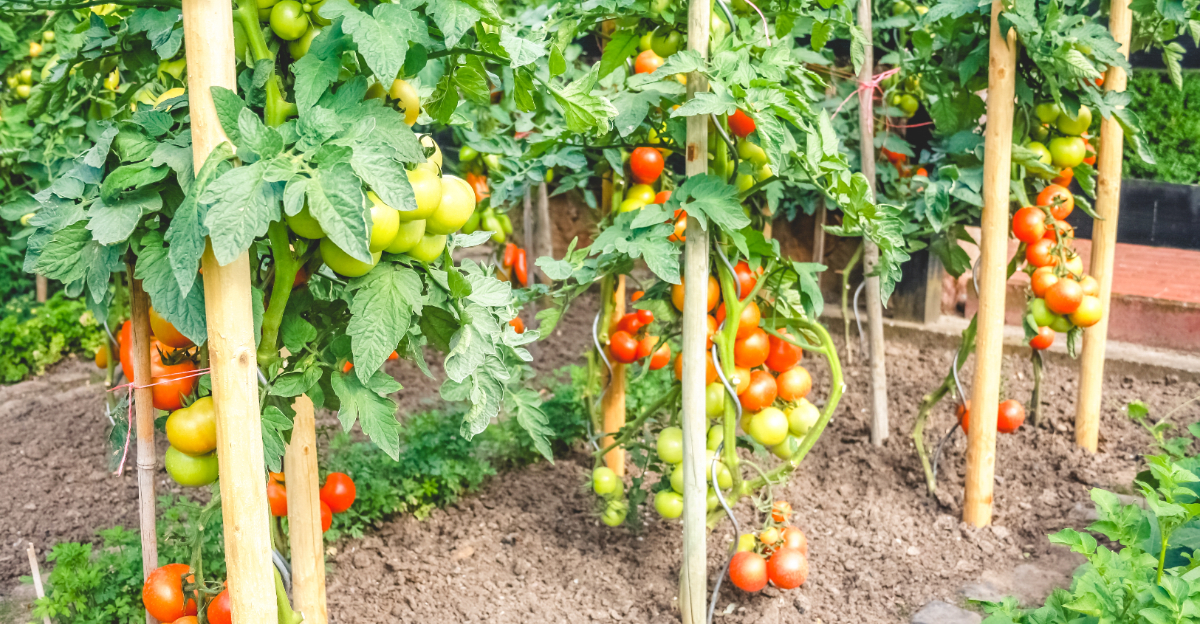
It can be confusing when a tomato plant looks perfectly healthy but suddenly stops giving you tomatoes. The leaves are green, the stems are strong, and the plant keeps growing.
Everything seems fine until you realize there are very few new flowers or fruit developing. After weeks of watching your garden thrive, that change can be frustrating.
Many gardeners assume they have done something wrong. They water a little more, add fertilizer, or hope the plant will start producing again on its own.
In many cases, however, the problem has less to do with care than the weather outside.
Georgia summers can become hot enough to slow tomato production, even on otherwise healthy plants. That does not always mean the harvest is over for the season.
Understanding how extreme heat affects tomato plants can help you know what to expect and what you can do while waiting for conditions to improve.
1. High Temperatures Can Stop New Fruit From Forming
Tomatoes have a breaking point, and most gardeners do not realize how low that threshold actually is.
When daytime temperatures consistently rise above about 90 to 95 degrees Fahrenheit, tomato pollen often becomes less viable, reducing successful pollination and fruit set.
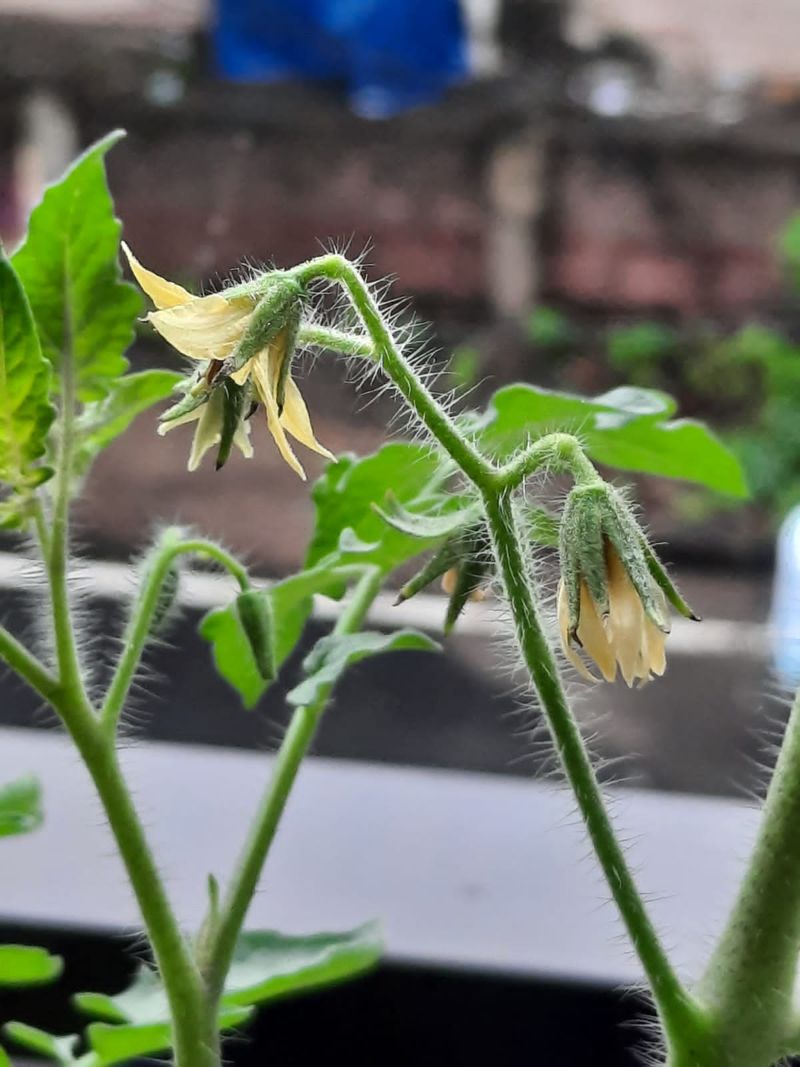
Sterile pollen cannot fertilize flowers, and flowers that go unfertilized simply drop off the plant without forming fruit.
Blossom drop is one of the most frustrating problems in a Southern garden. You see healthy green plants covered in yellow flowers, and then those flowers fall off within days.
No fruit follows. Many growers assume they did something wrong, but the heat is doing the damage on its own.
Night temperatures matter just as much. When nights stay above 75 degrees Fahrenheit, tomato plants struggle to recover from daytime heat stress.
Cool nights normally help the plant reset and prepare for pollination the next morning.
Varieties like Solar Fire, Heatmaster, and Florida 91 were bred to tolerate high heat better than standard types. Switching to heat-tolerant varieties does not guarantee fruit during a heat wave, but it improves your odds significantly.
Planting these varieties in late summer for a fall harvest is a smart strategy in hot Southern climates. Timing your planting around the worst heat months gives plants a real fighting chance.
2. Warm Nights Make Pollination Much Harder
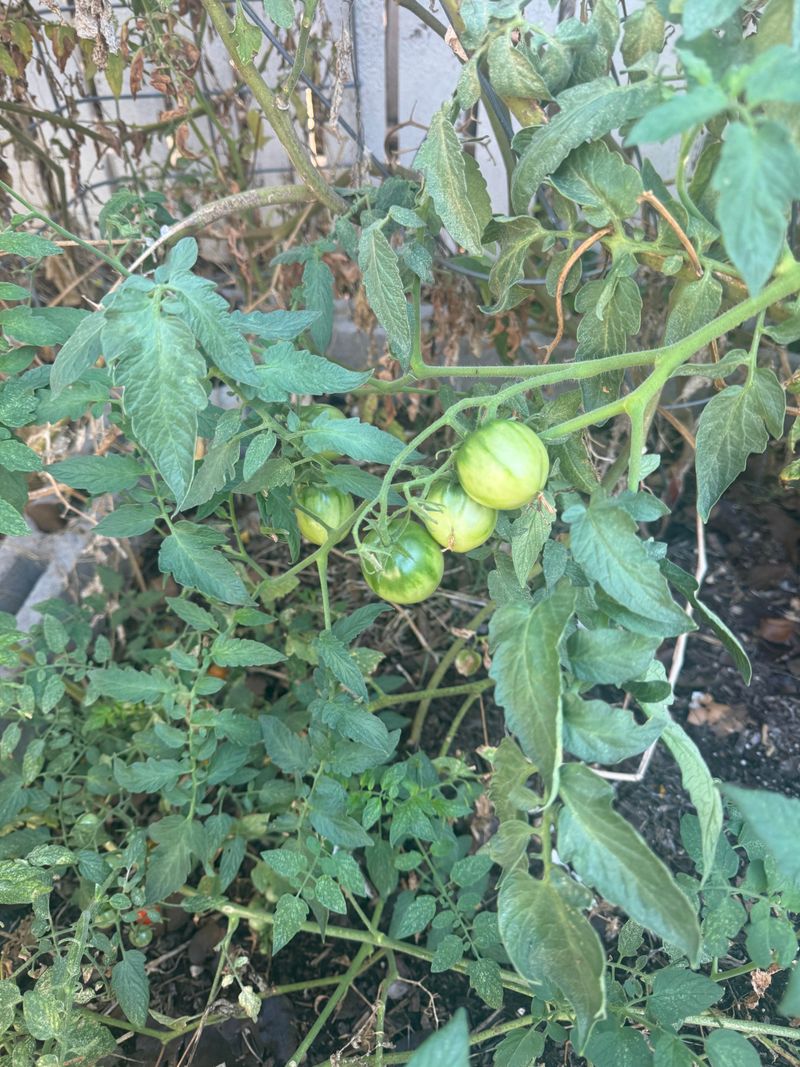
Most people focus on daytime heat, but nighttime temperatures are quietly wrecking pollination across Southern gardens every summer. Tomatoes pollinate themselves, meaning pollen falls from the stamen to the pistil within the same flower.
That process depends on a natural vibration triggered by wind or bees, and it works best when temperatures cool down overnight.
When nights stay above 72 to 75 degrees Fahrenheit, pollen tube growth slows dramatically. Even if pollen is viable, it cannot travel properly to complete fertilization.
Fruit never forms from those flowers no matter how healthy the plant looks.
Humidity adds another layer of trouble. High humidity causes pollen to clump together and stick instead of falling freely.
Sticky pollen does not transfer well, and transfer is the whole point of the process.
Your Georgia Garden Changes Every Week. Your Plan Should Too.
Gardening in Georgia changes quickly throughout the season. Every Friday you’ll receive a simple weekly plan showing exactly what to plant, prune, fertilize, harvest, and protect so you never miss the right timing.
Hand pollination can help during these stubborn stretches. Use a small electric toothbrush or a soft paintbrush to gently vibrate or brush open flowers in the morning.
Morning hours are the best window because temperatures are lower and pollen is freshest. Doing this daily during a heat wave gives each flower a better shot at setting fruit.
It takes about five minutes per plant and can make a noticeable difference when natural conditions are working against you. Consistent effort pays off more than any single application.
3. Deep Watering Helps Plants Handle Heat Better
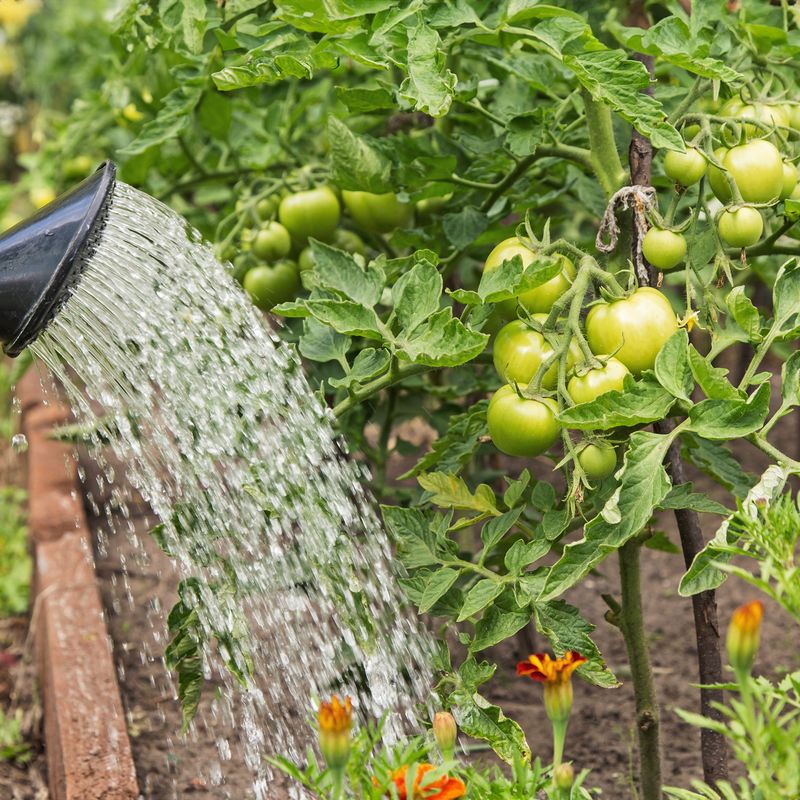
Shallow watering is one of the most common mistakes made during hot spells, and it quietly limits how well tomato plants hold up under stress.
When only the top inch of soil gets wet, roots stay near the surface where soil temperatures can reach damaging levels. Roots need to go deep to find cooler, more stable soil moisture.
Watering deeply and less frequently trains roots to grow downward. A deep soak two or three times per week works better than a light daily sprinkle in most conditions.
Drip irrigation and soaker hoses deliver water directly to the root zone without wetting the foliage, which also reduces disease pressure.
Wilting in the afternoon does not always mean a plant is dangerously dry. Tomatoes commonly wilt during peak heat hours as a protective response and then recover by evening.
If a plant is still wilted after sunset, that is a sign it genuinely needs water.
Early morning watering gives plants the best start. Moisture is available before peak heat hits, and foliage dries quickly to reduce fungal problems.
Avoid watering during midday because much of it evaporates before reaching the roots. Consistent soil moisture also reduces blossom end rot, which spikes during irregular watering cycles.
Keeping the moisture level steady is just as important as the total amount of water applied each week.
4. Afternoon Shade Can Reduce Heat Stress
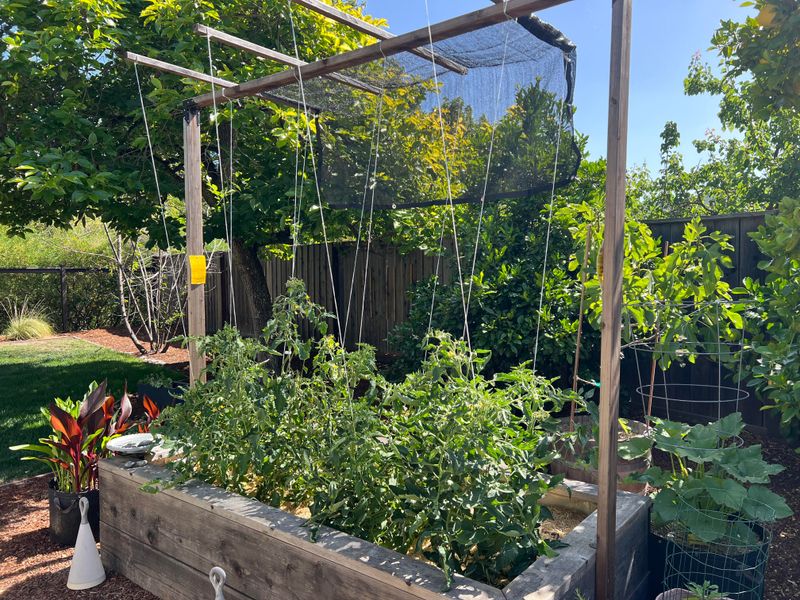
Shade cloth is not a tool most vegetable gardeners think about, but it can genuinely change how tomato plants perform during brutal summer stretches.
A 30 to 40 percent shade cloth blocks enough intense afternoon sun to lower canopy temperature by several degrees without cutting off the light plants need for photosynthesis.
Direct afternoon sun between 1 p.m. and 5 p.m. is the most damaging part of the day. Blocking that window reduces heat buildup in the leaves, slows moisture loss, and eases the stress that causes flowers to drop.
Plants under shade cloth often hold more blossoms during heat waves compared to fully exposed plants nearby.
Positioning matters. Shade cloth works best when it covers the west and southwest sides of the plant where late afternoon sun hits hardest.
Full overhead shade for the entire day can reduce fruit production because plants need direct light in the morning to fuel growth.
Nearby structures, tall crops like corn, or trellised beans can provide natural afternoon shade without any additional materials. Planting with the sun angle in mind takes a little planning but costs nothing extra.
In a Southern garden, working with the sun instead of against it makes a real seasonal difference. Strategic placement beats brute-force watering every time when temperatures climb past 95 degrees for days in a row.
5. Heavy Fertilizer Can Make The Problem Worse
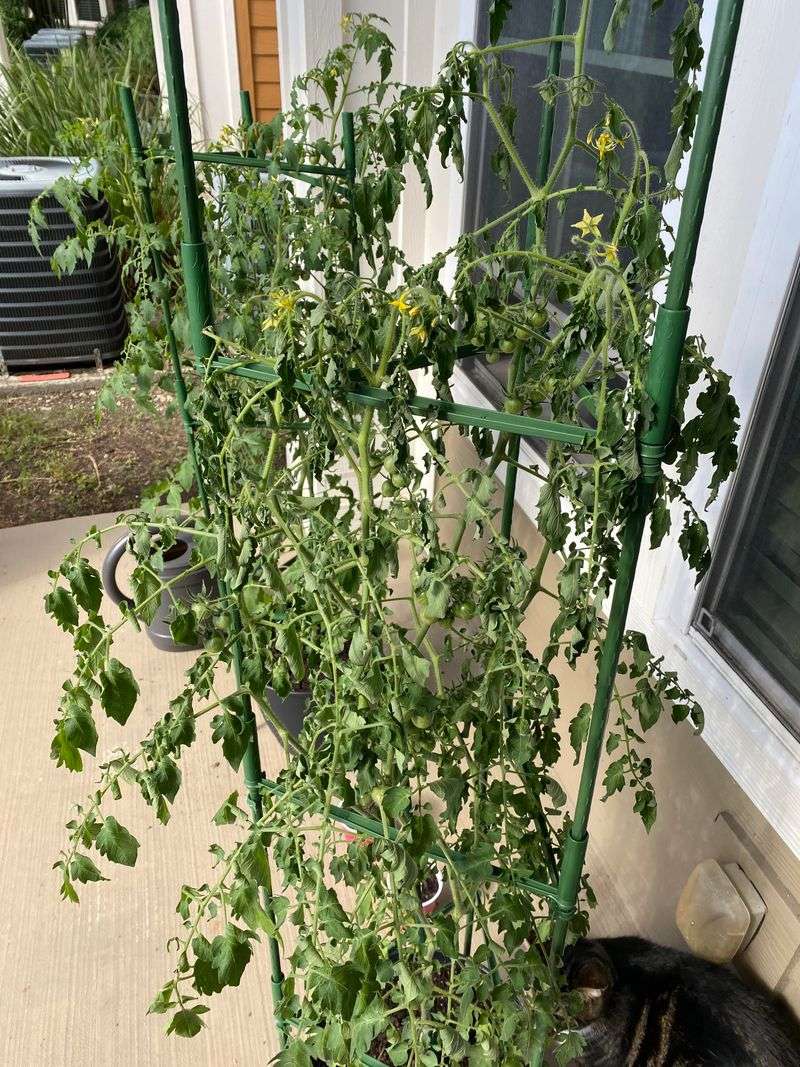
Pushing nitrogen during a heat wave is a mistake that backfires quickly. Heavy nitrogen feeding encourages lush green growth, but that growth comes at a cost when temperatures are already stressing the plant.
Energy and water go toward producing leaves instead of flowers and fruit.
Plants under heat stress are already working hard just to stay stable. Adding a high-nitrogen fertilizer on top of that pushes the plant into vegetative overdrive.
You end up with thick, dark green foliage and almost zero fruit production. The plant looks healthy from a distance but is not doing what you need it to do.
Phosphorus supports root development and flower formation. A fertilizer higher in phosphorus and lower in nitrogen is a better choice during summer months.
Products labeled for tomatoes or bloom support usually have this balance built in.
Cutting back on fertilizer entirely during peak heat is also a reasonable approach. Let the plant focus its energy on surviving the heat rather than producing new growth it cannot sustain.
Resume a balanced feeding schedule once temperatures drop back into the mid-80s consistently. Overfeeding is a surprisingly common reason why tomato plants look great but produce almost nothing during the hottest weeks of summer.
Less input during stress periods often leads to better outcomes once conditions improve. Simple adjustments like this are easy to overlook but genuinely effective.
6. Mulch Helps Keep Roots Cooler Longer
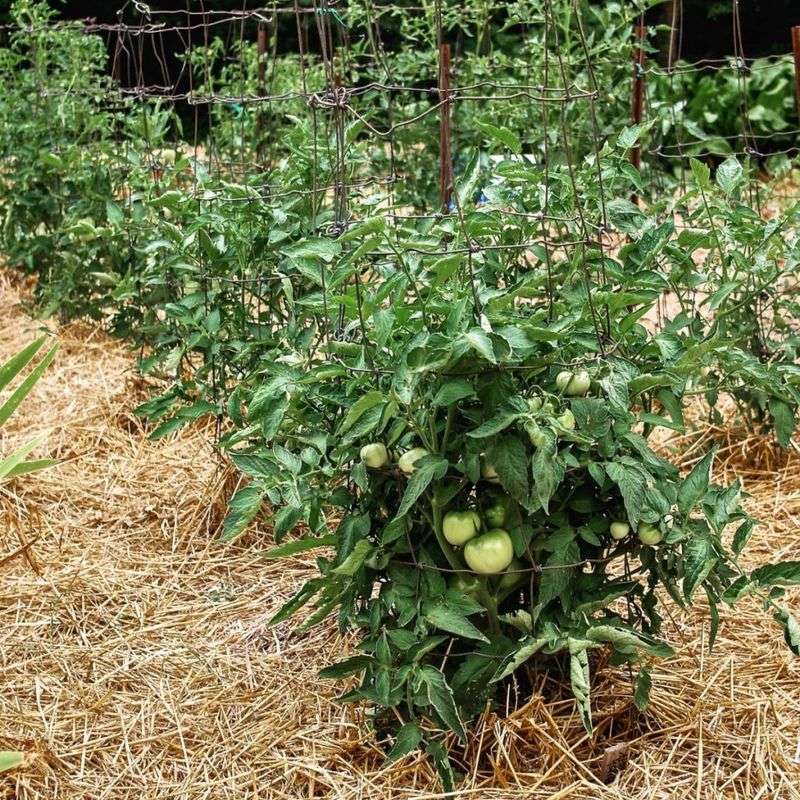
Bare soil in a summer garden absorbs heat fast and holds it for hours.
Soil surface temperatures on exposed ground can climb past 130 degrees Fahrenheit on a hot afternoon, which damages shallow roots and drives moisture out of the ground quickly.
A thick layer of mulch changes that equation completely.
Straw, wood chips, and shredded leaves all work well around tomato plants. Apply a layer three to four inches deep around the base of each plant, keeping mulch a few inches away from the main stem to prevent rot.
Mulch acts as insulation, keeping soil temperatures significantly cooler and holding moisture between watering sessions.
Consistent soil moisture is directly tied to fruit set. When soil dries out and then gets soaked repeatedly, plants go through stress cycles that interfere with calcium uptake and flower development.
Mulch smooths out those cycles by slowing evaporation.
Organic mulches also break down slowly and improve soil structure over time. That is a long-term benefit on top of the immediate temperature and moisture control.
In a Southern summer garden, mulch is one of the highest-return investments you can make per square foot of bed space.
Gardeners who skip mulching often spend far more time watering and dealing with heat-related problems than those who apply it early in the season. Start mulching before the heat peaks for the best results.
7. Cooler Weather Often Brings New Tomatoes Back
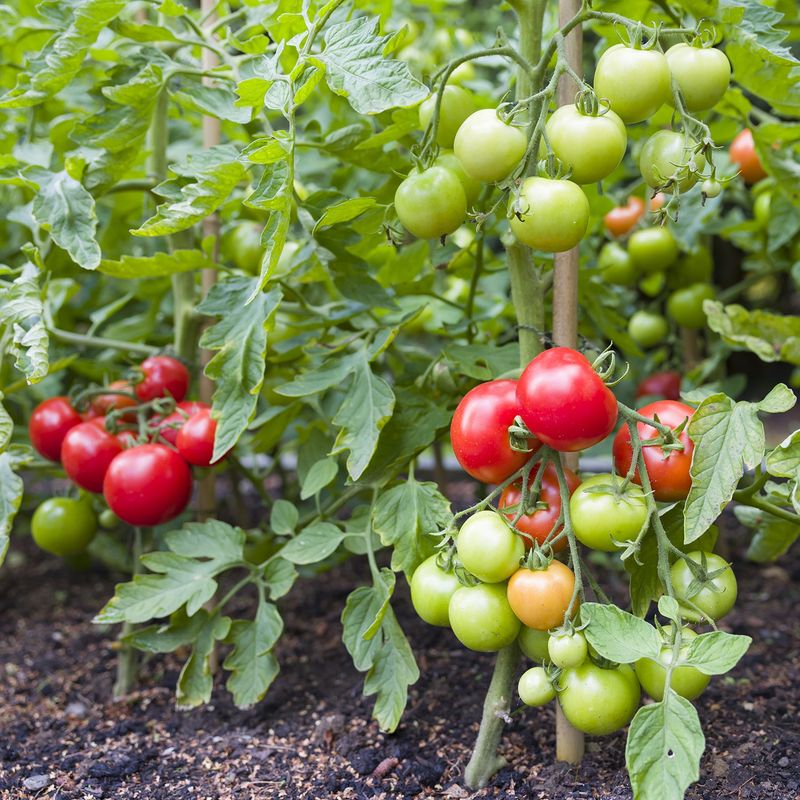
A tomato plant that stopped producing in July is not finished for the season. Once temperatures drop back into the mid-80s during the day and nights cool below 70 degrees Fahrenheit, most healthy plants will begin flowering again on their own.
That window typically arrives in late August or September across much of the South.
Keeping plants alive through the worst heat is the key to catching that fall rebound. Consistent watering, light pruning of damaged growth, and patience are the main tools during the hottest stretch.
Plants that are maintained through summer often produce a strong second flush of fruit in fall.
Remove only clearly diseased or badly damaged foliage during extreme heat. Wait until temperatures moderate before doing more extensive pruning.
Remove no more than one-third of the plant at a time to avoid additional stress. New side shoots will emerge and begin setting flowers as temperatures moderate.
Georgia gardeners who time their planting for a fall harvest can also start a second round of transplants in late July or early August.
These plants establish roots during the tail end of summer and hit their production peak right as fall temperatures arrive.
Varieties with shorter days-to-maturity work best for this approach.
A 65-day variety planted in early August can produce ripe tomatoes well into October in many parts of the region.
Planning around the heat rather than fighting it is the most reliable strategy for a consistent harvest.