The Forgotten Pennsylvania Porch Plant That Makes Hornets Less Welcome Near Your Front Entry
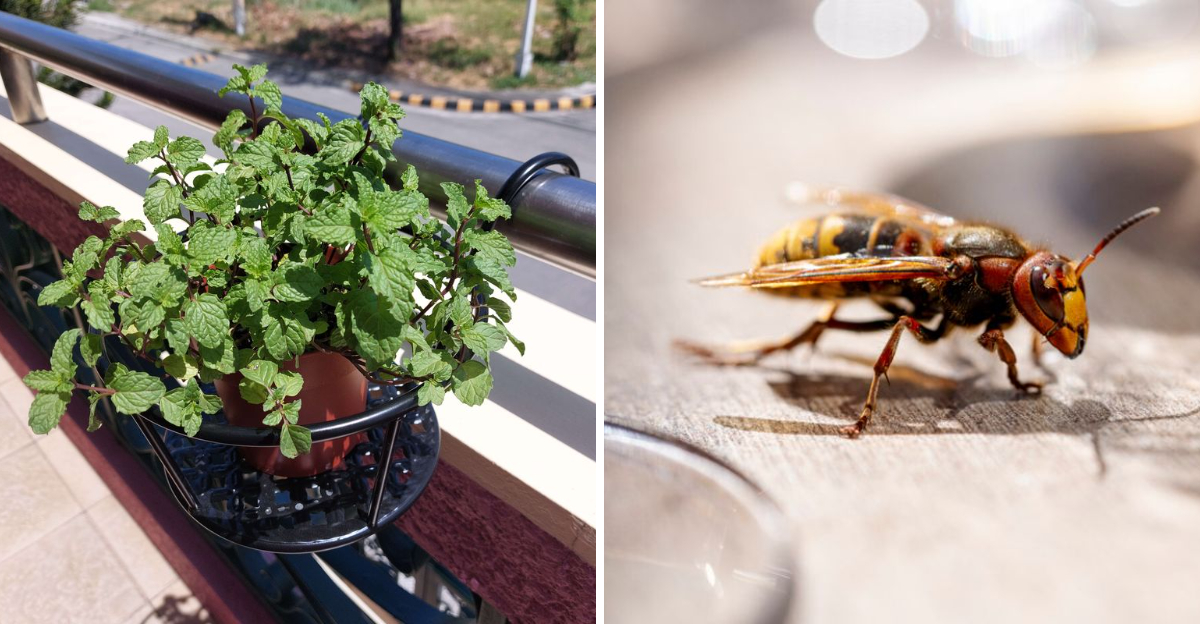
Hornets hovering around a Pennsylvania front door on a warm summer afternoon is one of those experiences that makes you not want to use the front door anymore.
It is a surprisingly common complaint, and a lot of homeowners have gone through the whole routine of swatting, spraying, and hoping for the best with mixed results.
Here is something worth knowing about though.
Peppermint has been used around porches and entryways for generations, and while it is not a guaranteed solution or a standalone fix, it is a genuinely practical low-maintenance option that pairs well with smarter habits around the entry.
Cover the trash, wipe up sweet spills, keep food and drinks tidy on the porch, and add a container of peppermint to the mix. It is a simple combination that can make your front entry feel a little less inviting to stinging insects.
1. Peppermint Brings A Strong Porch Scent
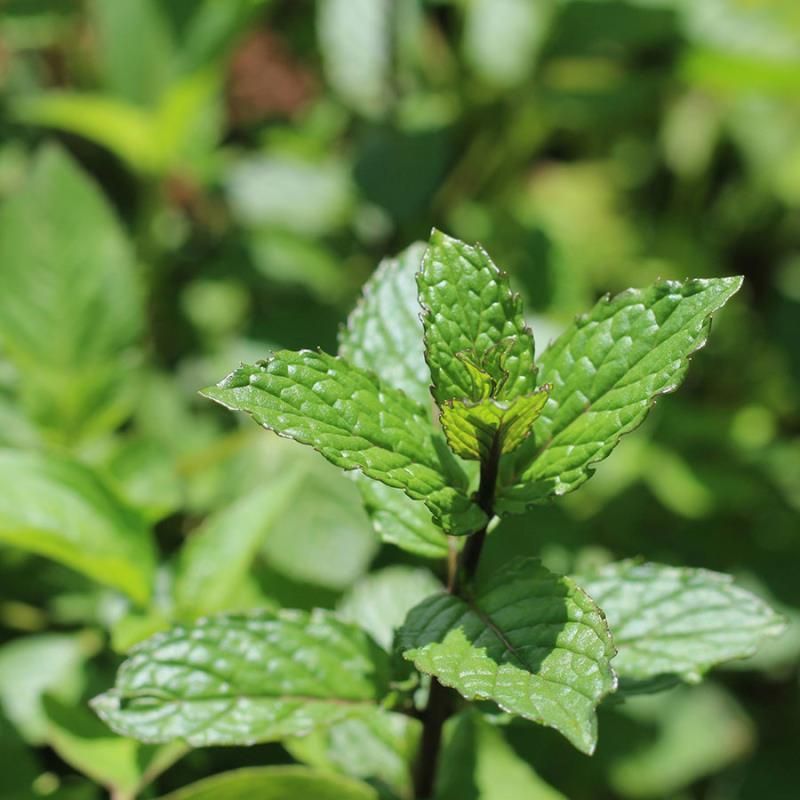
Walking past a pot of peppermint on a Pennsylvania front porch, especially after a warm afternoon rain, can feel surprisingly refreshing.
The leaves release a sharp, clean scent that carries easily through the air, making the space feel alive in a way that few other container plants can match.
That bold aroma is one of the reasons peppermint has quietly stayed on porches across Pennsylvania for so long.
Peppermint contains natural volatile oils, particularly menthol, that give it such a recognizable and intense fragrance. When leaves are brushed by a hand, a breeze, or even a passing sleeve against a porch railing, those oils release quickly into the surrounding air.
The scent is not subtle, and that intensity is part of what makes it interesting from an insect-awareness standpoint.
Stinging insects, including hornets, paper wasps, and yellowjackets common to Pennsylvania summers, tend to navigate their environment heavily through scent.
A strong minty presence near an entry point may feel out of place to insects searching for food or shelter.
That said, scent alone is unlikely to keep determined insects away, especially if attractants like sugary drinks or food are still present nearby.
Peppermint earns its place on the porch partly because it smells good to people and partly because it adds a sensory layer to the entry that may contribute, alongside good cleanup habits, to making a front step feel a little less inviting to unwanted visitors.
2. Mint Oils Have Repellent Potential

Minty leaves brushing against a porch railing might seem like a small thing, but those leaves carry oils that researchers have taken seriously in laboratory and field settings.
Peppermint oil, derived from the same plant you can grow in a container beside your front door, has shown repellent potential in some studies involving certain wasp species.
That research is worth understanding clearly before drawing too many conclusions about what a single potted plant can do.
The key compound in peppermint oil is menthol, along with other terpenes that contribute to its sharp scent profile. Some studies have found that these compounds, when applied in concentrated forms, can deter certain stinging insects in controlled settings.
Your Pennsylvania Garden Changes Every Week. Your Plan Should Too.
Gardening in Pennsylvania changes quickly throughout the season. Every Friday you’ll receive a simple weekly plan showing exactly what to plant, prune, fertilize, harvest, and protect so you never miss the right timing.
However, a living plant sitting in a container produces far less concentrated vapor than a laboratory preparation or a direct application of essential oil.
Pennsylvania homeowners who grow peppermint near their entry are not creating a chemical barrier.
What they are doing is adding a scent element that may contribute to a slightly less comfortable environment for insects that rely on olfactory cues to locate food, water, and shelter.
Combined with other smart habits, that contribution may be meaningful.
Treating peppermint as one part of a broader approach, rather than a stand-alone solution, keeps expectations realistic.
The plant has genuine potential, but that potential works best when the rest of the porch environment is also managed thoughtfully and consistently throughout the Pennsylvania warm season.
3. A Potted Plant Works Best With Cleanup
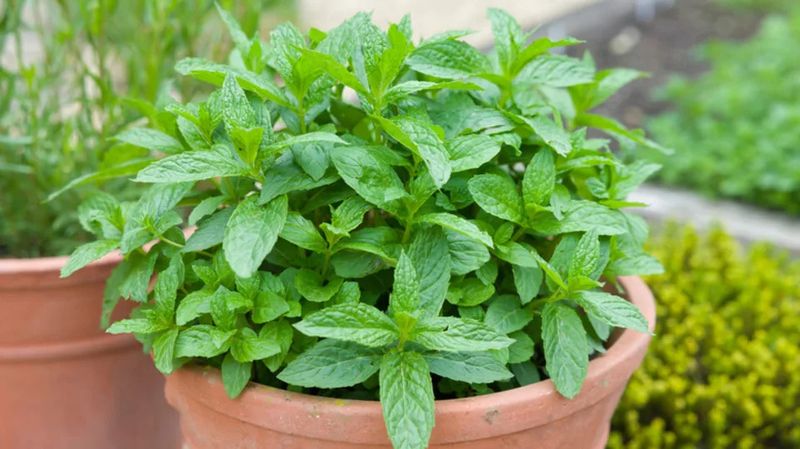
Mint growing in a container beside a Pennsylvania front door looks tidy, smells wonderful, and takes up very little space. But the honest truth about peppermint as a porch companion is that it performs best when the rest of the entry is also being cared for.
A fragrant plant surrounded by sticky surfaces, leftover food wrappers, or open drink containers is working against the very thing that makes it useful.
Cleanup near the front entry is one of the most practical steps a Pennsylvania homeowner can take during warm weather. Hornets and yellowjackets are opportunistic foragers.
They investigate areas where food residue, sugary liquids, or protein sources are accessible. If your porch offers those things, the scent of peppermint nearby is unlikely to override the more powerful draw of a food source.
Think of peppermint and cleanup as partners rather than alternatives.
Wiping down surfaces after outdoor meals, rinsing away drink spills promptly, and keeping the area around your front steps free of debris all reduce the signals that attract stinging insects in the first place.
Adding peppermint to that routine creates a scent environment that may reinforce the less-inviting message you are already sending.
Container peppermint is easy to maintain with regular watering and occasional trimming to keep it bushy and fragrant.
A well-tended plant produces more aromatic foliage and fits naturally into a porch-care routine that already includes sweeping, wiping, and general tidying throughout the Pennsylvania summer season.
4. Sweet Spills Can Still Draw Hornets
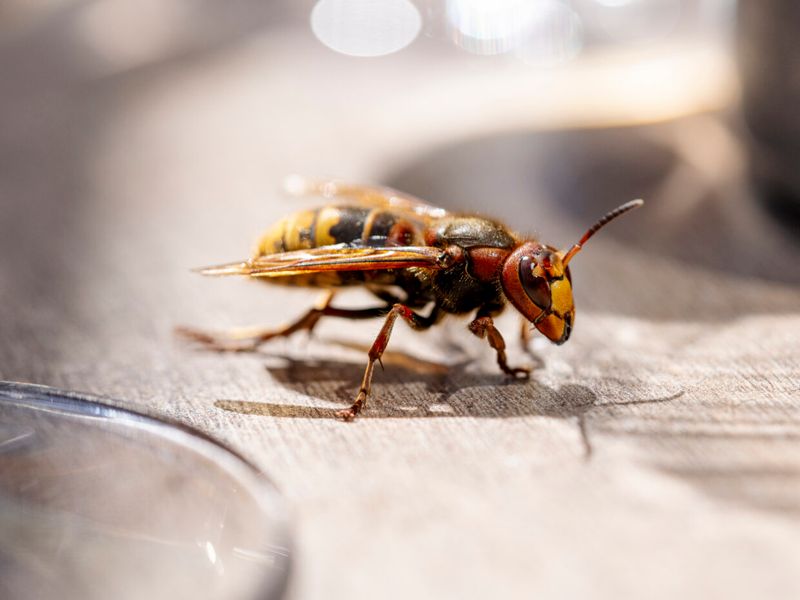
Insects near sugary spills are not a random occurrence.
Hornets, yellowjackets, and paper wasps are drawn to sweet substances with remarkable consistency, and a single overlooked drip from a lemonade glass or a splash of soda on a porch floor can bring them investigating within minutes.
No amount of pleasant peppermint fragrance nearby is likely to change that behavior once a food signal is present and accessible.
Pennsylvania summers mean a lot of outdoor entertaining, cold drinks on front steps, and the occasional sticky mess that goes unnoticed until something buzzes by unexpectedly.
Fruit juice, sports drinks, sweet iced tea, and even flavored water can leave residue on surfaces that stinging insects find highly attractive.
The sugars in these spills signal a potential food source, and foraging wasps are very good at tracking those signals down.
Wiping up spills quickly is one of the most effective habits you can build into your porch routine during warm months.
A damp cloth kept near the door, or a quick rinse with a small amount of water after outdoor meals, can remove the residue before insects have a chance to find it.
This simple step pairs well with having peppermint nearby.
The combination of a fragrant peppermint plant and a consistently clean porch surface gives your entry the best chance of feeling less interesting to foraging insects.
Neither strategy alone is enough, but together they create conditions that work in your favor throughout the warm Pennsylvania season.
5. Covered Trash Matters Near The Entry
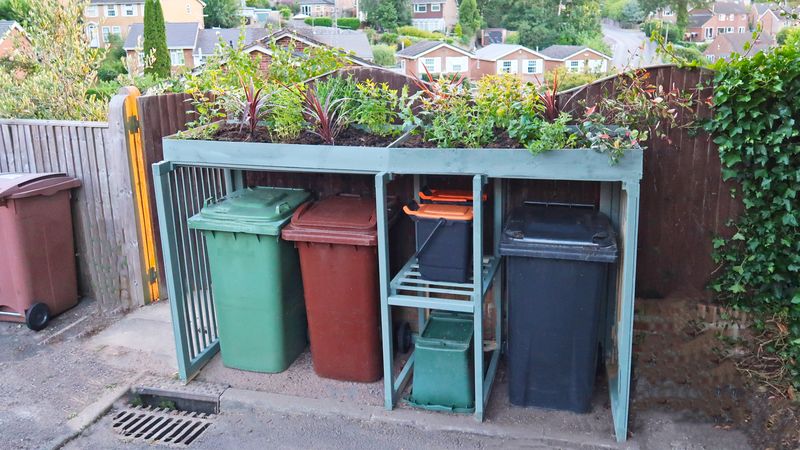
Trash cans by the entry are one of the most overlooked attractants for stinging insects near Pennsylvania homes. An uncovered bin, or even one with a loose-fitting lid, can release food odors that hornets and yellowjackets follow with surprising precision.
During late summer, when yellowjacket colonies grow large and food competition increases, those odors become even more of a draw around residential entryways.
Covered trash is not just a general cleanliness tip. From a stinging-insect awareness standpoint, it directly reduces one of the strongest sensory signals that brings wasps and hornets close to occupied spaces.
A bin with a tight-fitting lid, placed away from the main door opening when possible, removes a consistent source of attraction that no porch plant can counteract on its own.
Pennsylvania homeowners who grow peppermint near their front steps and also manage trash carefully are addressing two different layers of the problem at once.
The mint contributes an aromatic element that may feel off-putting to insects navigating by scent, while the covered trash removes a competing signal that would likely override the mint entirely if left unmanaged.
Rinsing recyclables before placing them in outdoor bins, using bins with secure lids, and emptying containers regularly during summer are all habits that support a less active insect environment near your entry.
Peppermint works best as part of this kind of layered approach rather than as a replacement for these fundamental household practices around the Pennsylvania front door.
6. Porch Drinks And Food Need Attention
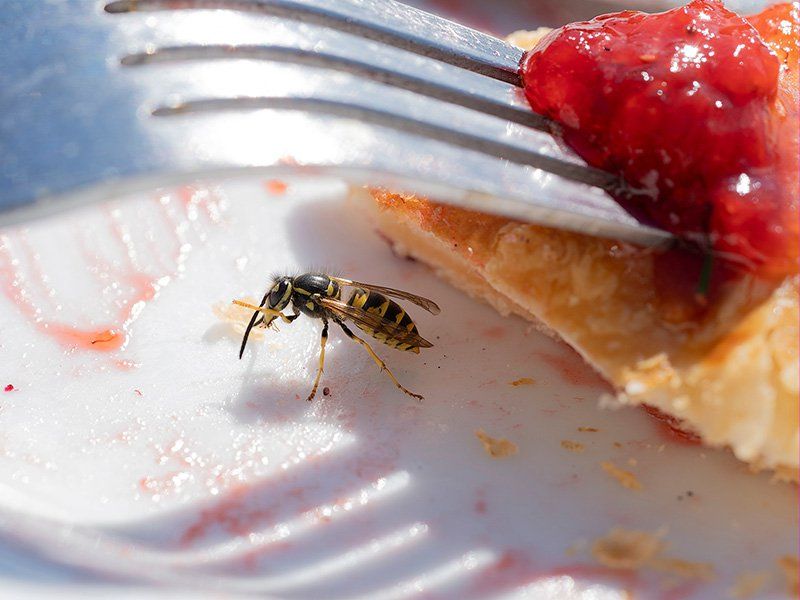
Outdoor tables loaded with cold drinks and afternoon snacks are one of the great pleasures of a Pennsylvania summer porch. They are also one of the more reliable ways to bring stinging insects closer to where people are sitting.
Open cans, uncovered dishes, and glasses left unattended create a buffet of scent signals that hornets and yellowjackets are well-equipped to find and investigate.
Food management on the porch does not need to be complicated.
Keeping lids on drinks when not actively sipping, covering food dishes between servings, and clearing away finished plates and wrappers promptly are habits that make a meaningful difference.
These steps reduce the sensory signals that foraging insects use to locate resources near residential entries and outdoor seating areas.
A pot of peppermint near the outdoor seating area contributes its own scent to the environment, which some homeowners find adds a pleasant layer to the experience of sitting outside.
Whether that scent discourages nearby insects in any meaningful way depends on many factors, including how strong the food and drink attractants are in comparison.
Strong food signals tend to win that competition.
Keeping the porch experience enjoyable and reasonably free of unwanted insect activity comes down to consistent habits rather than a single solution.
Peppermint, tidy food practices, and attentive cleanup together create a front porch environment in Pennsylvania that is more pleasant for people and somewhat less rewarding for insects looking for an easy meal during the warm summer months.
7. Nest Checks Are Still Important
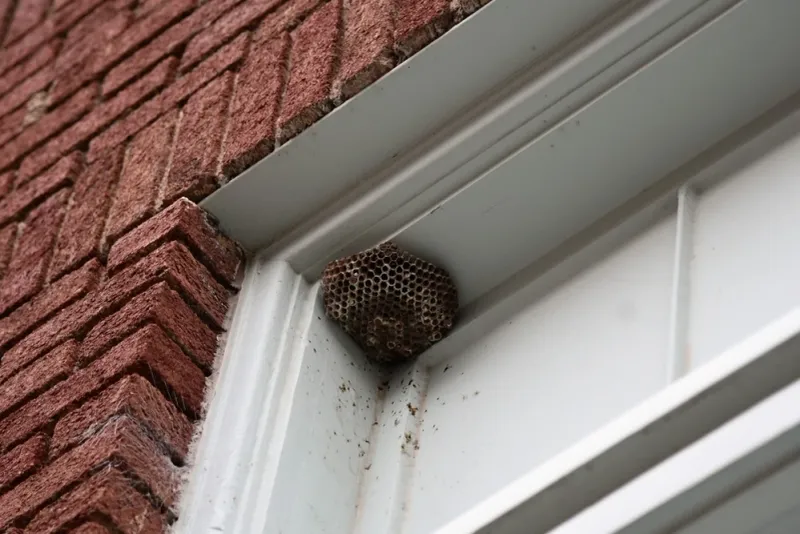
Old nest sites from a previous season, tucked under a porch eave or behind a shutter near the front entry, can influence where new activity begins the following year.
Hornets and paper wasps in Pennsylvania often scout familiar structures in spring, and an undisturbed previous nest or sheltered cavity near the door can become a starting point for new nest construction when temperatures rise again.
Checking the exterior of your porch, eaves, overhangs, window frames, and nearby shrubs at the beginning of the warm season gives you a chance to spot early activity before a nest grows large.
Small nests found early are far easier to address than established ones found later in summer.
If you find an active nest, contacting a licensed pest management professional is the safest approach for most homeowners.
Peppermint growing in a container near the front steps does not substitute for this kind of physical awareness. A plant cannot seal a gap under the eave or remove a paper nest from a sheltered corner.
That work requires observation, attention to the structure of your home, and professional help when the situation calls for it.
Combining regular nest checks with a peppermint container, covered trash, clean surfaces, and managed food gives Pennsylvania homeowners a well-rounded approach to keeping their front entry calm and comfortable throughout the warm season.
No single strategy does all the work on its own, but layering these habits together is genuinely more effective than relying on any one fix to handle everything.
8. Peppermint Fits Front Steps And Containers
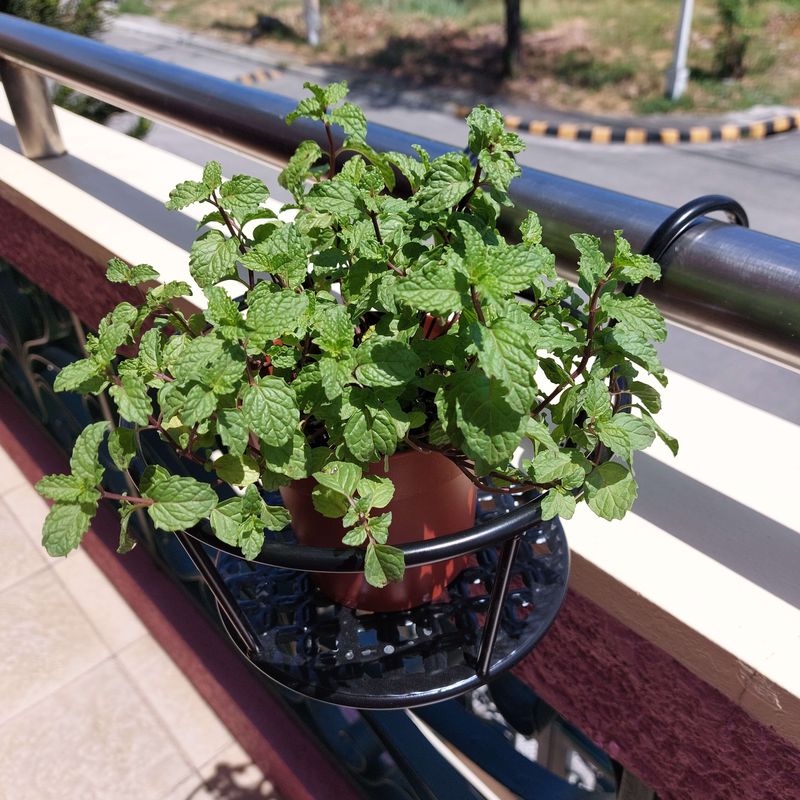
Container growing is one of the most practical ways to keep peppermint manageable on a Pennsylvania front porch. Left in the ground, mint spreads aggressively and can quickly overtake nearby plantings.
In a pot, it stays where you put it, grows vigorously with regular watering, and can be moved, trimmed, or replaced easily as the season changes. That flexibility makes it a natural fit for front steps and entryway gardens of all sizes.
A terracotta pot, a wooden planter box, or even a simple plastic container works well for peppermint. The plant prefers moist, well-drained soil and does well in partial sun to full sun, which suits many Pennsylvania porch orientations.
Pinching back the tips regularly encourages bushier growth and keeps the plant producing the fresh, aromatic foliage that makes it so pleasant near a front entry.
Front steps with a pair of peppermint containers on either side create a welcoming sensory experience for visitors while adding a layer of natural fragrance to the entryway.
The visual effect is tidy and cheerful, and the scent greets anyone approaching the door with something unmistakably fresh and alive.
For Pennsylvania homeowners who want a low-cost, beginner-friendly porch plant that also contributes to a thoughtful insect-aware entry strategy, peppermint is a genuinely rewarding choice.
It will not handle every challenge on its own, but as part of a clean, well-tended front porch routine, it brings both beauty and practical purpose to the space all summer long.