Native Georgia Plants That Make Hillsides Easier To Maintain
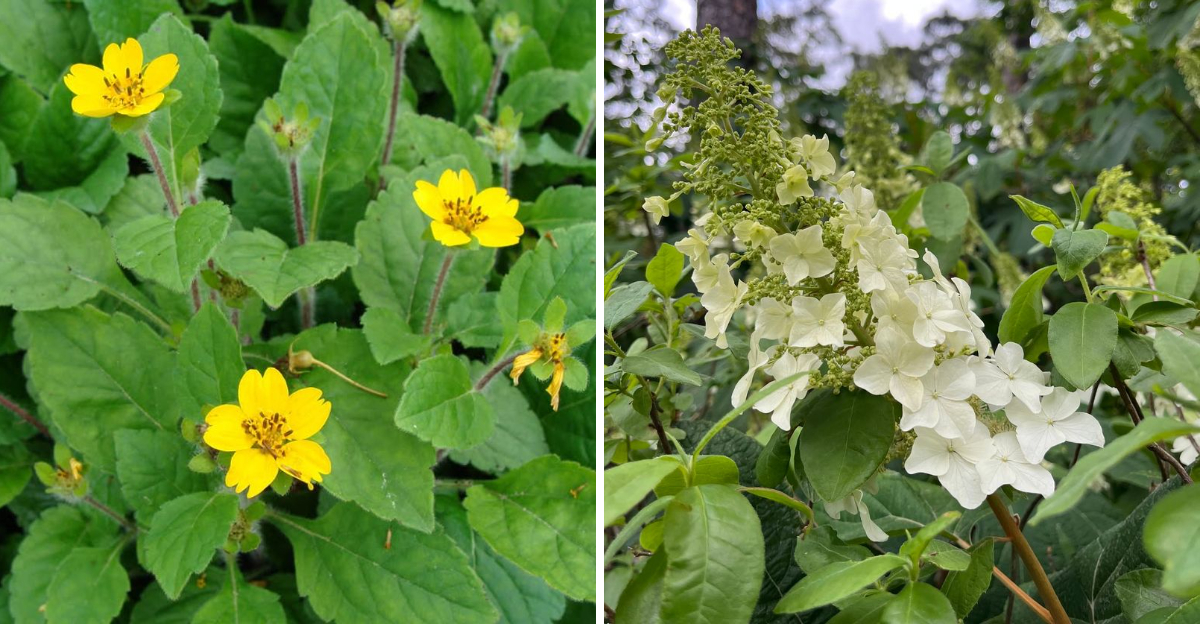
A hillside can be one of the hardest parts of a yard to keep looking nice. Grass often struggles, mulch has a habit of washing away after heavy rain, and mowing on a slope is rarely anyone’s favorite job.
Even with regular maintenance, those areas can still end up looking patchy or overgrown before the season is over.
That is why many homeowners start looking for a solution that requires less work. Instead of constantly fighting the slope, they choose plants that are better suited to the conditions.
The right planting can help create a landscape that looks attractive while cutting down on some of the upkeep.
For many properties in Georgia, native plants are a natural fit for hillsides. They are adapted to local growing conditions and can often handle challenging spots better than many non-native choices.
With the right selection, a difficult slope can become one of the easiest parts of the yard to manage.
1. Virginia Sweetspire Spreads To Hold Slopes Together
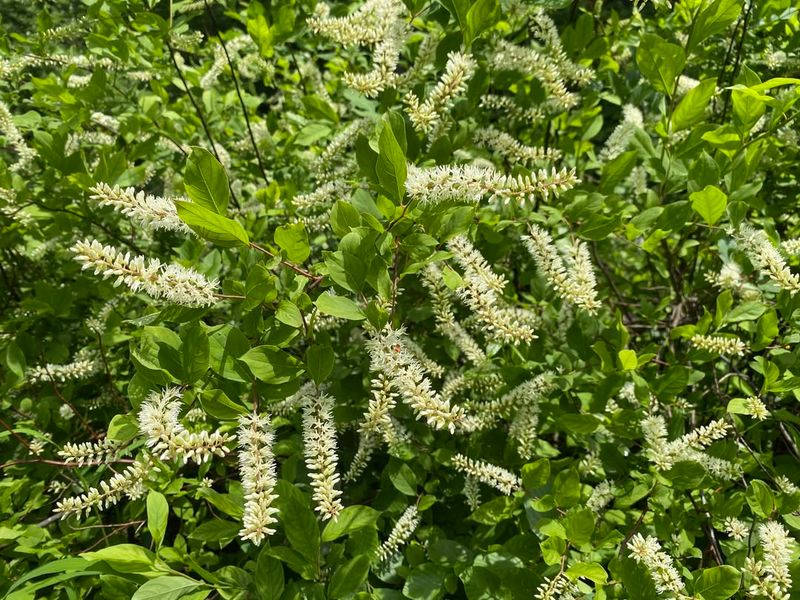
Few shrubs work as hard underground as Virginia Sweetspire does. While the white bottlebrush flowers get all the attention, the real magic happens in the soil.
Its spreading root system locks into slopes and holds ground that other plants simply abandon.
Sweetspire naturally forms colonies over time. It sends out underground runners that anchor new shoots, creating a dense network of roots beneath the surface.
On a bare slope, that kind of lateral spread is exactly what you want.
Fall color is a bonus nobody expects. Leaves turn brilliant shades of red, orange, and burgundy before dropping.
Even in partial shade, the color show is impressive.
Wet spots on lower slopes are no problem for Sweetspire. It handles poor drainage better than most native shrubs, which makes it versatile across different hillside conditions.
Well-drained spots work fine too, though moisture helps it spread faster.
Mature plants reach about three to six feet tall, depending on light and soil. Spacing plants four feet apart gives them room to fill in without crowding each other out.
Within two or three seasons, a solid ground-holding mass develops naturally.
Pruning is rarely necessary. Light trimming after bloom keeps things tidy if needed.
Wildlife appreciates the dense branching for shelter, adding ecological value beyond erosion control on wooded slopes across the region.
2. River Oats Fill Bare Ground Over Time
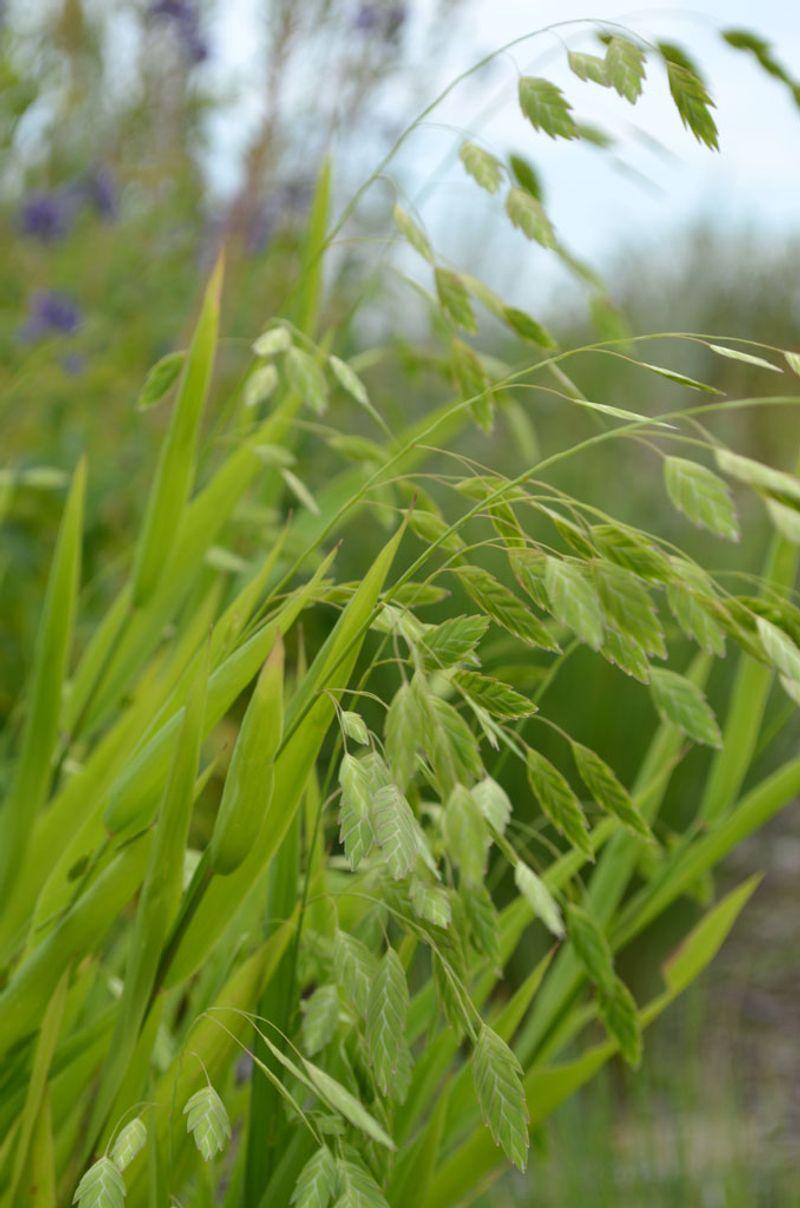
Bare ground on a slope is an open invitation for erosion. River Oats closes that invitation fast.
Once established, it spreads steadily through self-seeding, filling gaps and building a resilient layer of ground coverage year after year.
Technically a native grass, River Oats grows in clumps that reach two to four feet tall. Flat, fish-shaped seed heads dangle from arching stems and rattle softly in the breeze.
That movement adds life and texture to what might otherwise be a plain, difficult-to-plant slope.
Shade tolerance sets River Oats apart from most ornamental grasses. Sunny spots work fine, but it genuinely thrives under tree canopy, which makes it useful on wooded hillsides where options are limited.
Your Georgia Garden Changes Every Week. Your Plan Should Too.
Gardening in Georgia changes quickly throughout the season. Every Friday you’ll receive a simple weekly plan showing exactly what to plant, prune, fertilize, harvest, and protect so you never miss the right timing.
Few grasses can make that same claim.
Spreading happens slowly but consistently. Seedlings appear around parent plants each spring, gradually expanding coverage without becoming invasive or aggressive.
In most cases, the spread stays manageable with minimal intervention.
Deer tend to leave it alone, which is a meaningful advantage in suburban and rural areas where browsing pressure is constant.
Combined with its low maintenance needs, that resistance makes River Oats a practical choice for larger slopes.
Cut plants back to about four inches in late winter before new growth emerges.
Beyond that one annual task, River Oats asks for very little while quietly doing serious erosion-control work across shaded and partly sunny hillsides throughout the growing season.
3. Christmas Fern Stays Reliable On Woodland Slopes
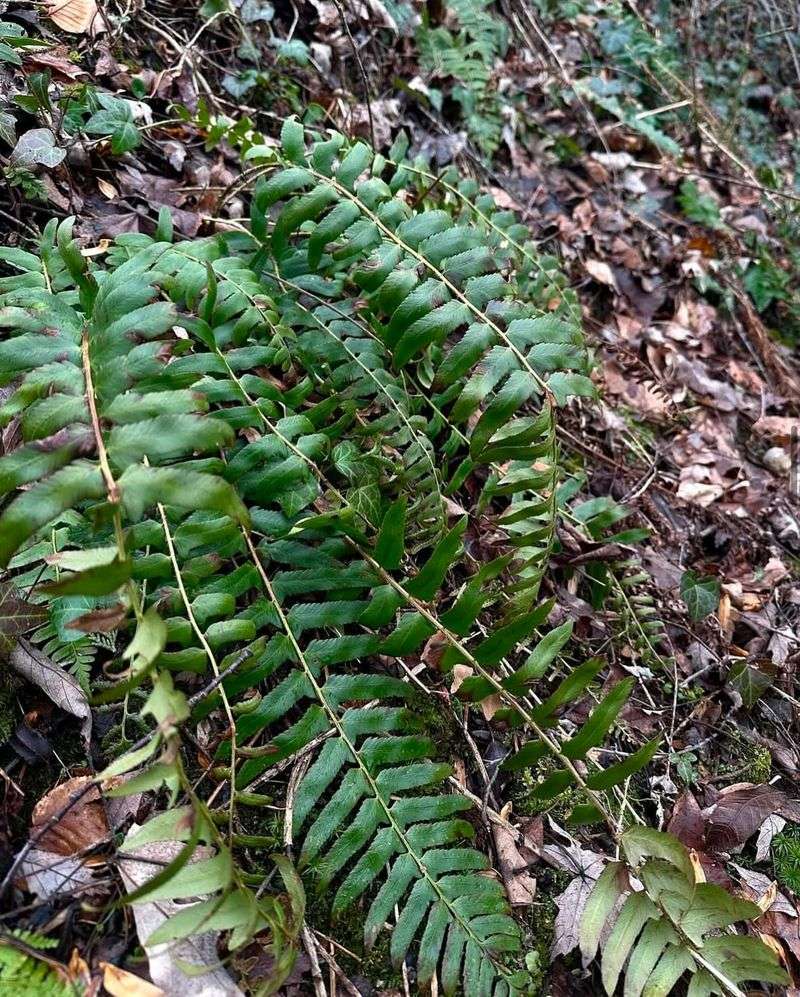
Some plants earn their reputation quietly, without flashy flowers or dramatic fall color. Christmas Fern is exactly that kind of plant.
Solid, dependable, and evergreen, it holds its ground on shaded slopes through heat, drought, and cold without much complaint.
Fronds stay green well into winter, which is how it got its common name. Early settlers reportedly used the evergreen fronds for holiday decorating.
Today, that persistent green color is valued more for keeping slopes covered and visually appealing year-round.
Root systems form a dense, fibrous mat just beneath the soil surface. On a sloped hillside, that mat acts like a net, catching soil particles and preventing them from washing downhill during heavy rains.
Planting ferns in clusters increases that protective effect significantly.
Dry shade is genuinely tough for most plants. Christmas Fern handles it better than almost any other native option.
Once established, it tolerates extended dry periods under tree canopy without losing its deep green color or overall vigor.
New fronds unfurl each spring in a satisfying spiral shape called a fiddlehead. Older fronds flatten to the ground as new growth rises, creating a layered look that feels very natural on a woodland slope.
No staking or support is ever needed.
Spacing plants about eighteen inches apart creates solid coverage within two to three seasons. Minimal maintenance is required beyond occasional removal of older fronds in early spring, making it a genuinely low-effort choice for difficult shaded hillsides.
4. Creeping Phlox Covers Sunny Banks With Color
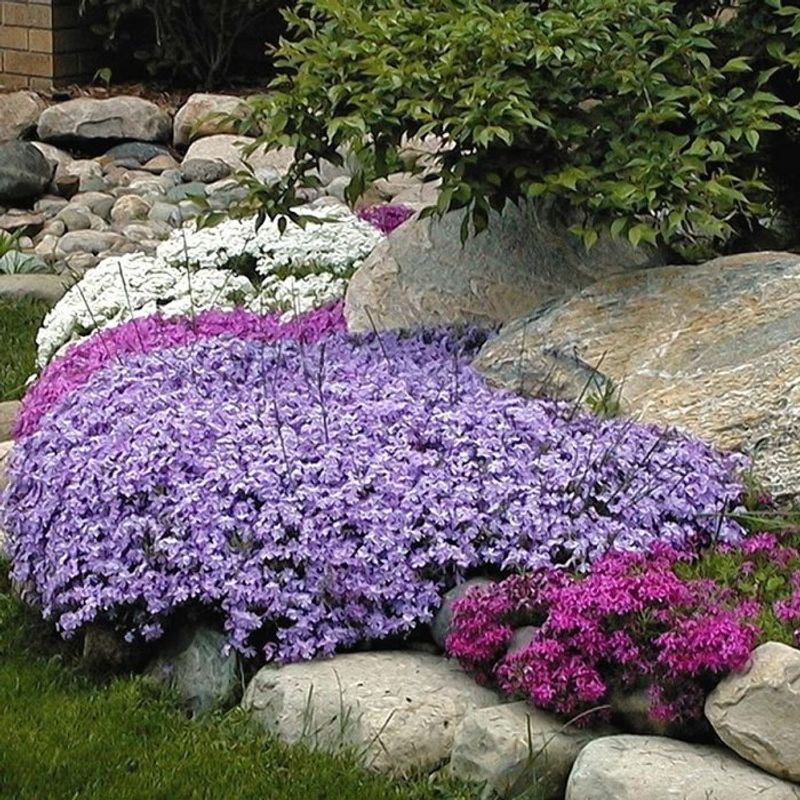
Every spring, Creeping Phlox puts on a show that stops people in their tracks. A slope covered in this low-growing native turns into a solid carpet of pink, purple, lavender, or white flowers for several weeks.
The color is bold, and the coverage is even better.
Stems hug the ground tightly, spreading outward in all directions from a central root. That low, dense growth pattern is ideal for erosion control on sunny banks.
Rain hits the foliage instead of bare soil, reducing the impact and slowing runoff considerably.
Full sun is where Creeping Phlox performs best. Good drainage is equally important.
Soggy soil weakens the plant over time, so slopes with natural drainage actually suit it better than flat garden beds where water can pool.
After blooming ends in late spring, the plant reverts to a tidy, needle-like green mat. That mat stays attractive through summer and fall, providing consistent coverage even when flowers are not present.
Winter does not bother it much either.
Lightly trim stems back by about one-third right after bloom finishes. That simple step encourages denser growth and keeps the mat tight against the slope.
Skipping the trim is not harmful, but the plant tends to look tidier with it.
Spacing plants about twelve to eighteen inches apart allows coverage to fill in within one growing season.
Butterflies and bees visit the blooms heavily in spring, making Creeping Phlox both a practical and ecologically valuable addition to any sunny hillside.
5. Foamflower Forms A Dense Living Carpet
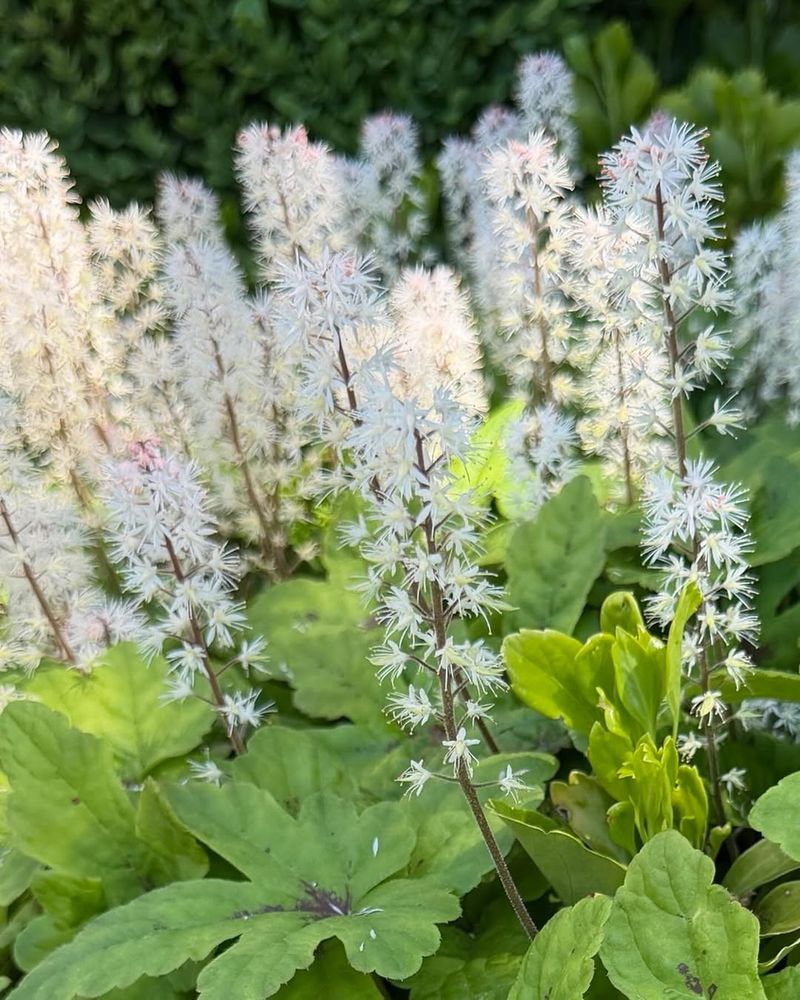
Foamflower is the kind of plant that makes a shaded slope look intentional and cared for without requiring much effort at all.
Delicate white flower spikes rise above a mat of heart-shaped leaves each spring, creating a soft, layered look that feels genuinely wild and beautiful at the same time.
Native to eastern woodlands, Foamflower spreads by stolons, which are short horizontal stems that root as they travel across the soil surface. Over time, individual plants knit together into a continuous mat.
On a sloped surface, that mat holds soil firmly against erosion.
Shade is not just tolerated here, it is preferred. Foamflower performs best under deciduous trees where it gets bright indirect light for much of the day.
Deep, dry shade can slow its spread, but some moisture in the soil keeps it moving steadily.
Leaf shape and color vary by variety. Some selections offer deeply lobed leaves with burgundy or bronze markings.
Those varieties add visual interest even when the plant is not in bloom, which extends its seasonal value considerably.
Slugs occasionally browse the foliage in wet seasons. Removing debris from around the planting area reduces that problem without resorting to any chemical treatments.
Overall, pest issues are minor and manageable.
Plant Foamflower about twelve inches apart for quick coverage. Pair it with Christmas Fern or Wild Ginger for a layered native understory planting that covers ground thoroughly.
Established plantings are surprisingly tough and rarely need supplemental watering once roots settle in.
6. Little Bluestem Thrives On Dry Sunny Hillsides
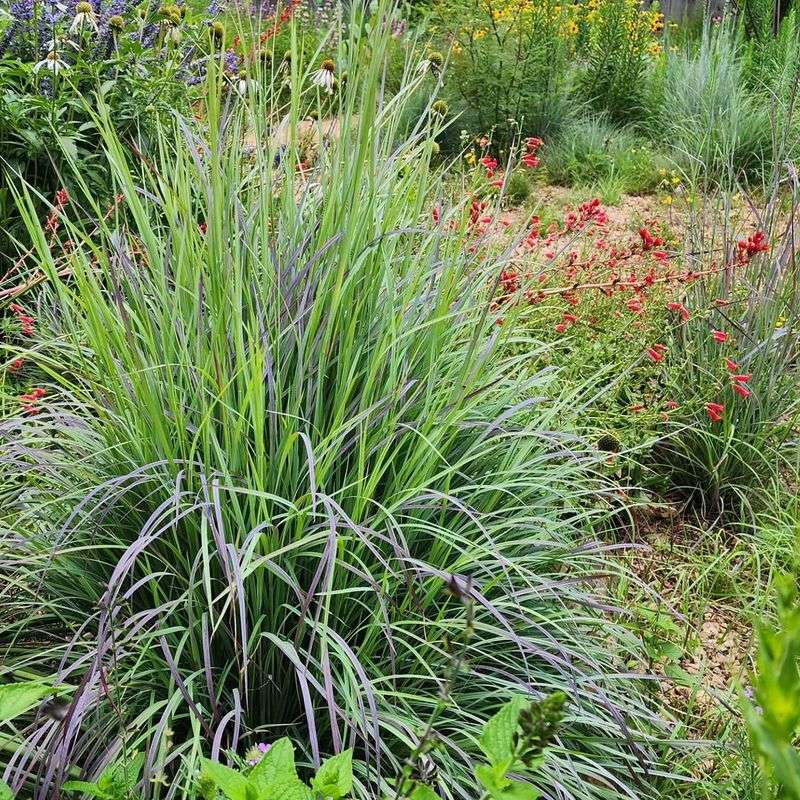
Dry, rocky, sun-baked hillsides challenge most plants to their limits. Little Bluestem was built for exactly those conditions.
Native to open meadows and prairies, it handles heat, drought, and poor soil with a toughness that most ornamental grasses simply cannot match.
Summer foliage runs blue-green, which creates a cool visual contrast against warm-toned soils. As temperatures drop in fall, the color shifts to copper, rust, and bronze.
Few plants offer that kind of seasonal color change without any extra care involved.
Root systems on mature Little Bluestem plants run surprisingly deep. Those deep roots anchor the plant firmly on steep slopes and access moisture that shallow-rooted plants cannot reach during dry stretches.
That combination of depth and drought tolerance makes it genuinely reliable on exposed hillsides.
Fluffy white seed heads appear in late summer and persist through winter. Birds feed on those seeds heavily, especially during colder months when food sources are limited.
Leaving the plants standing through winter supports local wildlife while adding texture to the slope.
Cut plants back to about four to six inches in late winter before new growth begins. Avoid cutting too early in fall, as the foliage provides insulation and habitat value through the cold season.
One annual cutback is all the maintenance required.
Spacing Little Bluestem about eighteen to twenty-four inches apart allows good air circulation and room to fill in naturally. It works beautifully alongside Creeping Phlox and other sun-tolerant natives on open, well-drained hillsides across the region.
7. Green And Gold Brightens Slopes Under Trees
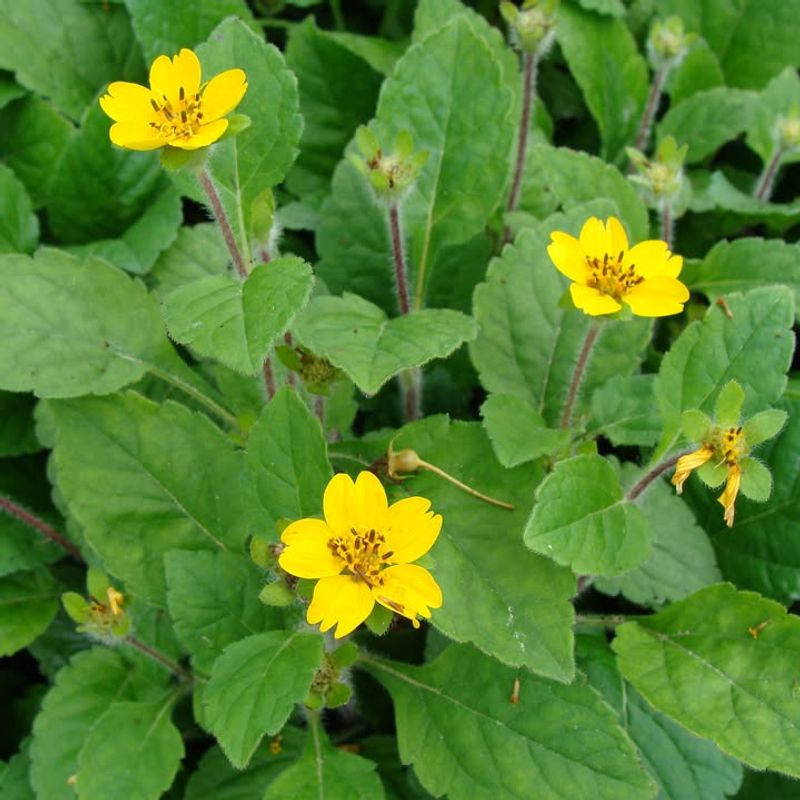
Bright yellow flowers under a tree canopy are not something you see every day. Green and Gold pulls it off with ease, blooming in spring and sometimes again in fall, all while spreading quietly across shaded slopes that most flowering plants refuse to touch.
Native to the eastern United States, Green and Gold grows low to the ground, rarely exceeding six inches in height. That low profile keeps it from competing visually with taller plants while still providing solid soil coverage where erosion is a real concern.
Spreading happens through both stolons and self-seeding. Plants creep outward steadily, filling in gaps without becoming invasive or hard to manage.
In a typical hillside planting, established coverage develops within two seasons under decent growing conditions.
Evergreen foliage is one of its biggest practical advantages. Leaves stay on the plant through winter, which means slope coverage does not disappear when temperatures drop.
On a bare hillside in January, that persistent green matters more than most people expect.
Dry shade is handled reasonably well once plants establish. Some moisture during the first season helps roots develop faster, but after that, supplemental watering is rarely necessary in areas with normal seasonal rainfall.
Results may vary with unusually dry summers.
Pair Green and Gold with taller ferns or native shrubs for a layered planting that covers multiple height levels. Spacing about twelve inches apart creates a full mat relatively quickly.
Pollinators visit the yellow blooms reliably each spring, adding ecological benefit beyond simple ground coverage on shaded slopes throughout the region.
8. Oakleaf Hydrangea Handles Shady Hillsides Well
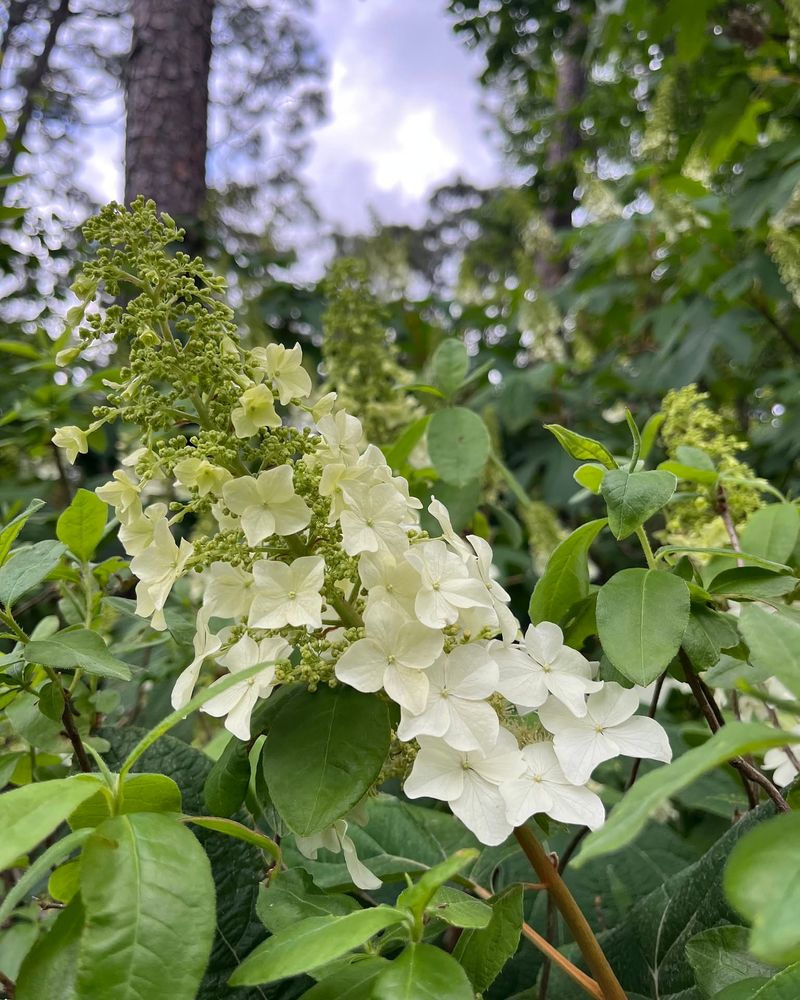
Shade on a hillside is one of the trickiest landscaping problems around. Most ground covers struggle, grass gives up entirely, and erosion quietly takes over.
Oakleaf Hydrangea steps in where almost nothing else will.
Native to the Southeast, this shrub thrives under tree canopies where light is filtered and roots compete for moisture. It does not need babying once established.
Give it a season or two to settle in, and it takes care of itself from there.
The flowers are hard to miss. Large white cone-shaped clusters appear in early summer and age to a parchment brown by fall.
Many gardeners leave the dried blooms on the plant through winter for added texture and visual interest.
Bark peels in cinnamon-colored strips during winter, giving the plant year-round appeal. Combined with deep burgundy fall foliage, Oakleaf Hydrangea earns its space on any shaded slope through every season.
Root systems are sturdy and deep enough to grip sloped soil effectively. Planting multiple shrubs along a shaded bank creates layered coverage that reduces runoff considerably.
Spacing about six feet apart allows natural spread without overcrowding.
Drought tolerance improves significantly after the first year. Some supplemental watering helps during establishment, especially through dry summers.
After that, rainfall alone is usually sufficient for healthy growth across typical hillside conditions in the region.