The Heirloom Tomato Varieties That Thrive In Georgia Gardens
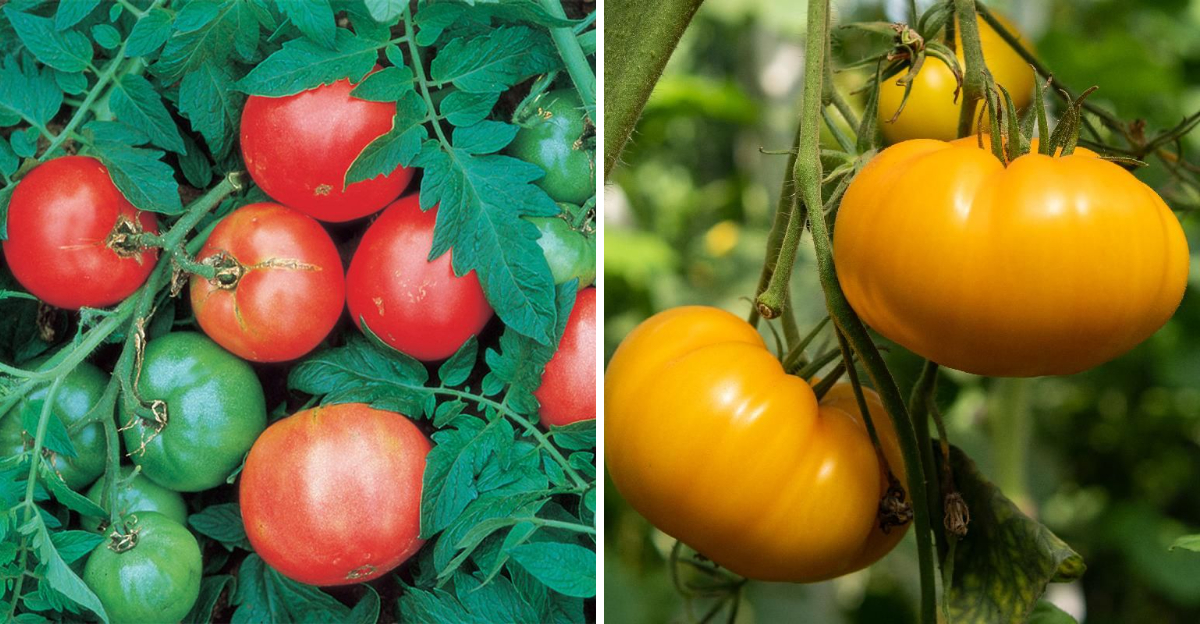
Nothing beats the taste of a homegrown tomato picked straight from the garden. The flavor, texture, and variety available to home gardeners can be completely different from what is found in most grocery stores.
That is one reason heirloom tomatoes continue to attract so much attention from people who enjoy growing their own food.
With so many options available, choosing the right variety can feel overwhelming. Some heirloom tomatoes struggle with heat, humidity, or common garden issues, while others seem to handle summer conditions much more comfortably.
Knowing which varieties are well suited to local growing conditions can make a big difference once harvest season arrives.
Gardeners in Georgia often look for tomato varieties that can handle long summer days while still producing flavorful fruit.
Fortunately, several heirloom tomatoes have built a strong reputation for performing well in home gardens.
If you are thinking about growing heirlooms or trying something new next season, these varieties are worth a closer look.
1. Cherokee Purple Produces Large Flavorful Fruits
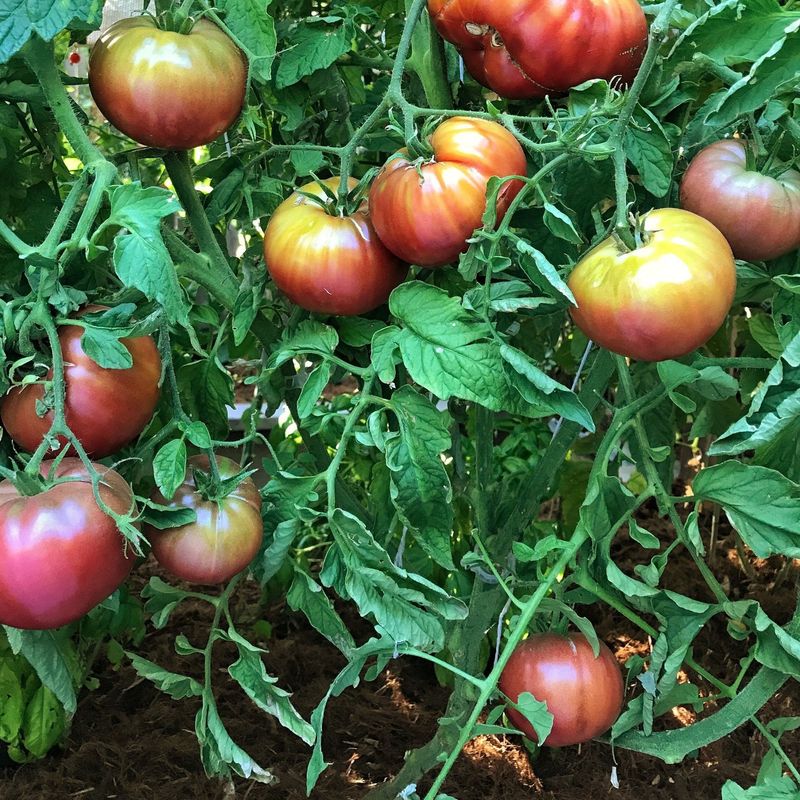
Few tomatoes stop people in their tracks the way Cherokee Purple does. Cut one open and you get a deep, jewel-toned interior with a smoky, complex flavor that most modern tomatoes cannot come close to matching.
Originally traced back to Cherokee Nation heirloom seed lines, this variety has been grown in Southern gardens for generations.
It thrives in warm, humid climates where the season stretches long enough for the fruit to fully develop its signature color and taste.
Fruits typically run large, often reaching one pound or more. Expect a slightly flat, beefsteak-style shape with greenish shoulders even when fully ripe.
Do not let that fool you into picking them too early.
Plants need consistent watering to avoid blossom end rot and cracking. Mulching heavily around the base helps lock in moisture during dry spells.
Staking or caging is a must because the heavy fruits will pull vines down fast.
Flavor-wise, this one leans savory and rich rather than sweet. It works beautifully on sandwiches, in caprese salads, or eaten straight off the vine with a pinch of salt.
Many gardeners say it is the best-tasting tomato they have ever grown.
Start seeds indoors about six to eight weeks before your last frost date. Transplant once nights stay warm and consistent.
Cherokee Purple rewards patience with a harvest worth every bit of the wait.
Its unusual color, outstanding flavor, and long history continue to make Cherokee Purple a favorite among home gardeners who value quality over perfect appearance.
2. Brandywine Is Popular For Fresh Summer Meals
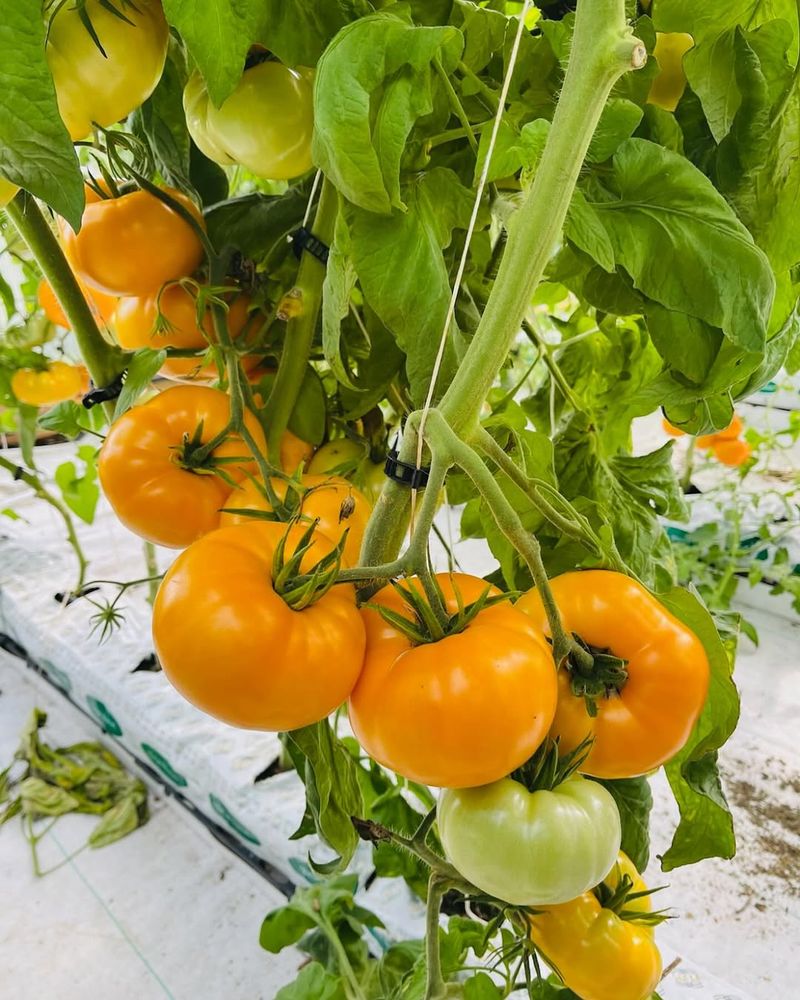
Brandywine has a reputation that stretches back over a hundred years, and it has earned every bit of that fame. Gardeners across the country consistently rank it among the best-tasting tomatoes ever grown.
What makes Brandywine special is its balance. It hits that sweet spot between rich, full tomato flavor and just enough acidity to make your taste buds pay attention.
Sliced thick on a plate with olive oil and fresh basil, it needs nothing else.
Your Georgia Garden Changes Every Week. Your Plan Should Too.
Gardening in Georgia changes quickly throughout the season. Every Friday you’ll receive a simple weekly plan showing exactly what to plant, prune, fertilize, harvest, and protect so you never miss the right timing.
Southern summers suit Brandywine well, though the variety does need a long growing season to reach its best potential. Plan for 80 to 100 days from transplant to first harvest.
That timeline fits comfortably within a typical warm-season garden window in the region.
Potato-leaf foliage is one of the easiest ways to identify Brandywine in the garden. Leaves are broad and smooth rather than the typical jagged tomato leaf shape.
Plants grow tall and need strong support from early on.
Fruits average one to two pounds each. Skin tends to be thin, which means careful handling at harvest.
Cracking can happen after heavy rain, so try to pick fruits before a big storm rolls through.
Water deeply but infrequently to encourage strong root development. Consistent soil moisture is key to avoiding stress cracks and uneven ripening.
Brandywine rewards attentive gardeners with impressive yields all summer long.
For many gardeners, the exceptional flavor alone is enough reason to give Brandywine a permanent place in the garden year after year.
Many gardeners are willing to wait the extra time Brandywine requires because few varieties can match the depth of flavor that made it a classic in home gardens for generations.
3. Mortgage Lifter Handles Long Growing Seasons Well
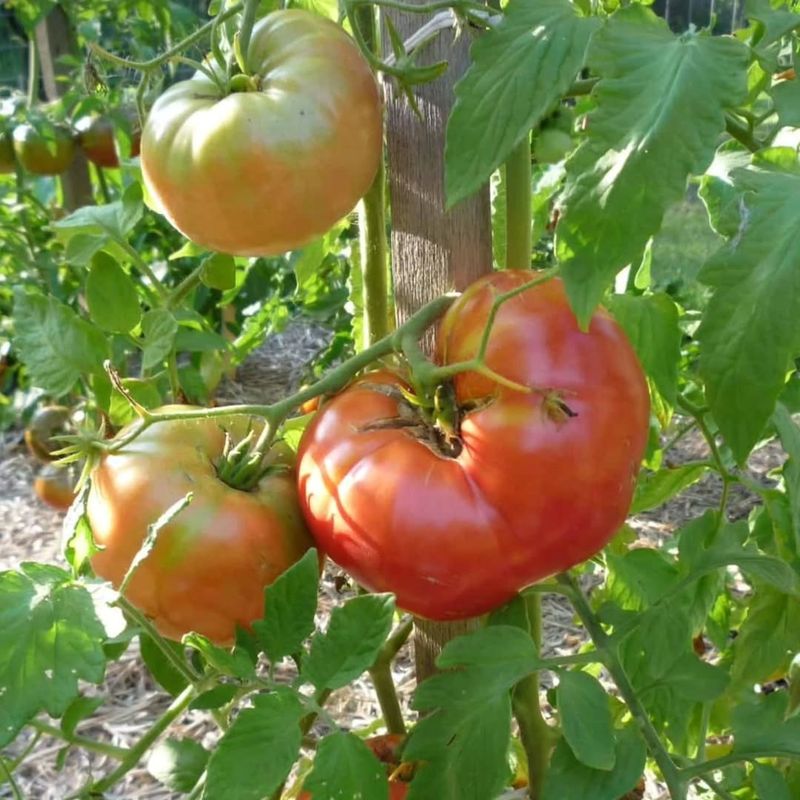
Mortgage Lifter has earned a loyal following among gardeners thanks to its impressively large fruit and dependable harvests.
Tomatoes commonly reach one to two pounds, making them a standout choice for anyone who loves big, meaty slicers.
Flavor is mild, sweet, and rich, with very few seeds and plenty of dense flesh. That combination makes Mortgage Lifter a favorite for fresh sandwiches, slicing, sauces, and canning.
Long, warm growing seasons are where this variety truly shines. It takes around 80 days to first harvest, sometimes longer depending on soil health and weather.
Gardeners who push their season well into fall often see the best yields from this plant.
Plants grow large and sprawling, so give them plenty of space and strong support. Cages work, but heavy-duty stakes paired with soft ties are often more reliable once the fruits start sizing up.
Crowding plants reduces airflow and invites fungal problems.
Soil preparation matters a lot with this variety. Work in compost before planting and side-dress with a balanced fertilizer as fruits begin to set.
Good nutrition early on translates directly into bigger, better-tasting tomatoes later.
Consistent moisture is non-negotiable. Uneven watering leads to blossom end rot and cracking, both of which can wreck a promising harvest.
Drip irrigation or deep hand-watering every few days works well in sandy or clay-heavy soils.
By harvest time, a single plant can be carrying enough oversized tomatoes to keep a kitchen busy for weeks.
Another advantage is the plant’s ability to continue setting fruit over a long harvest window when conditions remain favorable.
4. German Johnson Produces Large Pink Beefsteaks
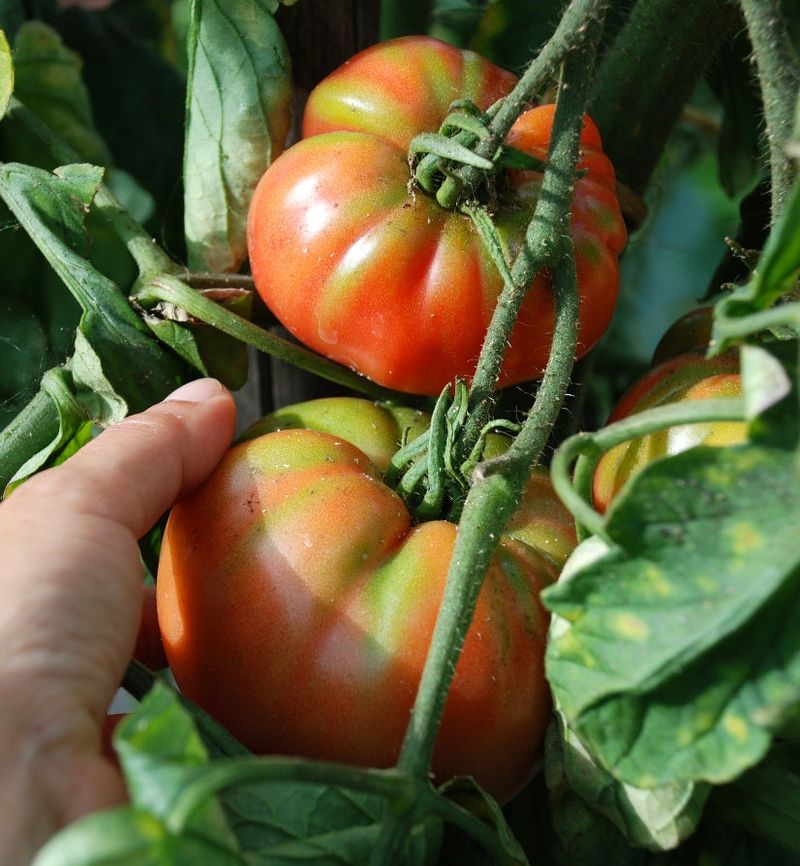
German Johnson is a Southern classic that has been passed down through generations of gardeners across the region.
It is closely related to Mortgage Lifter and shares that same meaty, low-acid flavor profile that makes big beefsteak tomatoes so satisfying.
Fruits run large, typically one to two pounds, with a pinkish-red skin and slightly ribbed shoulders. Flesh is dense and nearly seedless, which makes it a favorite for thick sandwich slices and simple tomato plates.
Heat tolerance is one of German Johnson’s strongest qualities. It holds up well through the long, sticky summers that push other varieties into stress.
Fruit set stays fairly consistent even when temperatures climb into the upper nineties.
Plants are indeterminate, meaning they keep growing and producing until cold weather finally slows them down. That kind of extended harvest window is a real advantage when you want fresh tomatoes from July all the way through early fall.
Staking is important early. German Johnson vines grow vigorously and get heavy fast once fruits start setting.
Waiting too long to stake means bent stems and potential damage to the main vine.
Pruning suckers is optional but helps with airflow and fruit size. Removing a few suckers in the lower third of the plant keeps things manageable without stressing the plant.
Water regularly and feed with a tomato-specific fertilizer every two to three weeks for the best results.
Its combination of heat tolerance, large fruit, and long harvest season has helped keep this heirloom popular in Southern gardens for decades.
5. Kellogg’s Breakfast Stands Out With Golden Fruit
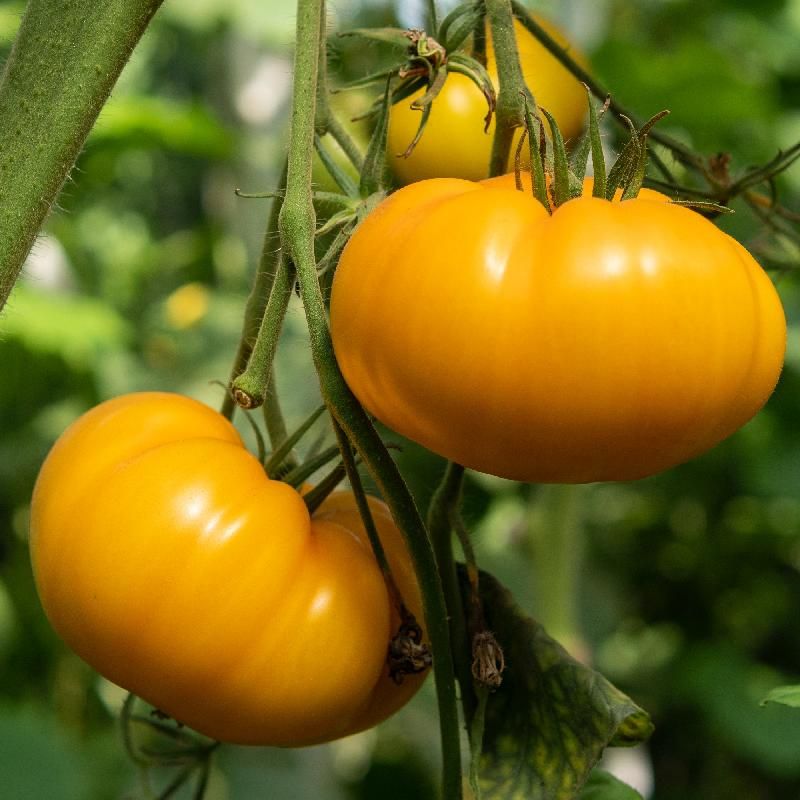
Orange tomatoes do not always get the attention they deserve, but Kellogg’s Breakfast changes that conversation fast. One bite of this golden beefsteak and most people immediately ask where they can get the seeds.
Flavor is the real selling point here. Kellogg’s Breakfast is sweet, fruity, and low in acidity, which makes it approachable even for people who think they do not like tomatoes.
It is also surprisingly meaty for an orange variety, with thick walls and minimal seed cavities.
Fruits range from one to two pounds and ripen to a deep orange-gold color. The visual contrast alone makes this tomato a standout at farmers markets and on dinner plates.
Sliced next to red and purple heirlooms, it creates a stunning presentation.
Warm weather suits this variety well. It performs best when planted in full sun with rich, well-drained soil.
Adding compost at planting time gives it the nutritional head start it needs for strong early growth.
Indeterminate vines grow tall and need solid staking from early on. Fruits are heavy, and unsupported branches can snap under the weight.
Cage or stake plants when they are young and adjust support as they grow.
Expect around 80 to 85 days to first harvest. Mid-summer is typically when Kellogg’s Breakfast hits its stride.
Keep up with watering and watch for early signs of blight, which can spread quickly in humid conditions. Consistent care pays off with a generous and colorful harvest.
Many gardeners grow Kellogg’s Breakfast once and quickly understand why it has developed such a loyal following.
6. Black Krim Develops Deep Color In Warm Weather
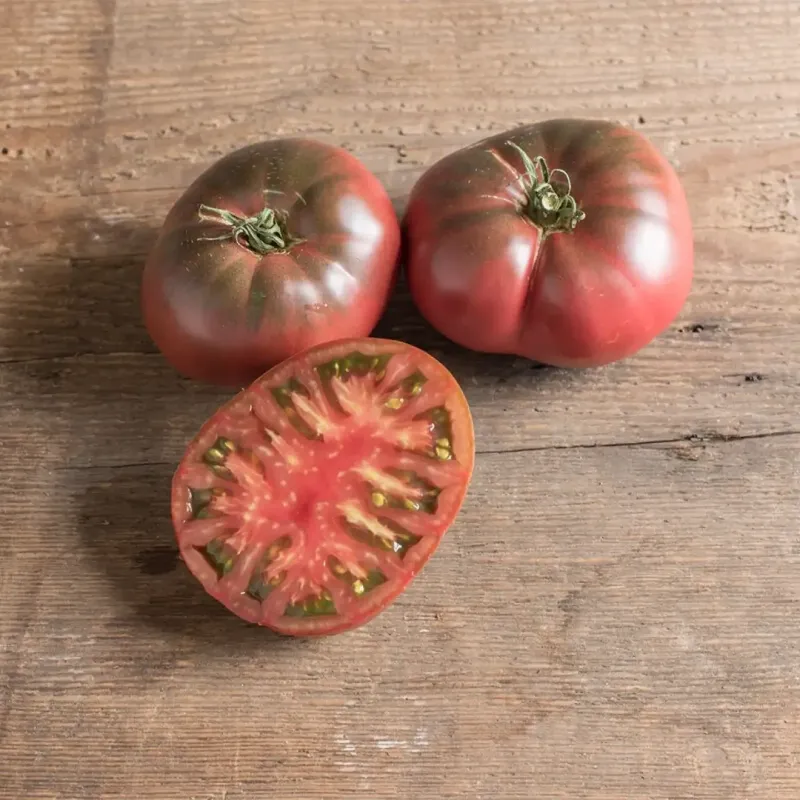
Black Krim arrived in the United States from the Crimean Peninsula, and it brought with it a flavor profile unlike anything most American gardeners had tasted before. Rich, earthy, slightly salty, and deeply savory, it is a tomato that genuinely surprises people.
Color development is where warm weather really matters. Heat intensifies the dark reddish-purple pigmentation that gives Black Krim its striking appearance.
Cooler temperatures result in lighter, less dramatic color. Full sun and consistently warm nights help bring out the best in this variety.
Fruits typically weigh 10 to 16 ounces and have a slightly flattened shape with greenish-black shoulders. Skin is thin and prone to cracking after heavy rain, so monitor moisture levels carefully during wet stretches.
Flavor peaks when fruits are left on the vine until fully ripe. Picking too early results in a bland, underdeveloped taste that does not represent this variety well.
Patience is genuinely rewarded here.
Plants are indeterminate and grow vigorously through the season. They need strong support and benefit from regular pruning to maintain airflow.
Dense foliage in humid weather can invite fungal issues, so do not skip the pruning step.
Black Krim works beautifully in fresh preparations where its color can shine. Pair it with lighter-colored heirlooms on a salad plate for a visual impact that is hard to beat.
It also holds its own in sauces where a deeper, more complex tomato flavor is the goal.
For gardeners looking for something beyond the typical red tomato, Black Krim offers a completely different eating experience.
7. Arkansas Traveler Performs Reliably In Summer Heat
Some tomatoes struggle when the thermometer pushes past 95 degrees. Arkansas Traveler does not blink.
It was bred specifically for hot, humid summers, and it shows in every aspect of how the plant performs.
Fruit set stays consistent even during the hottest stretches of summer when other varieties simply stop producing.
That reliability makes Arkansas Traveler a favorite among experienced Southern gardeners who have been burned before by heat-sensitive varieties.
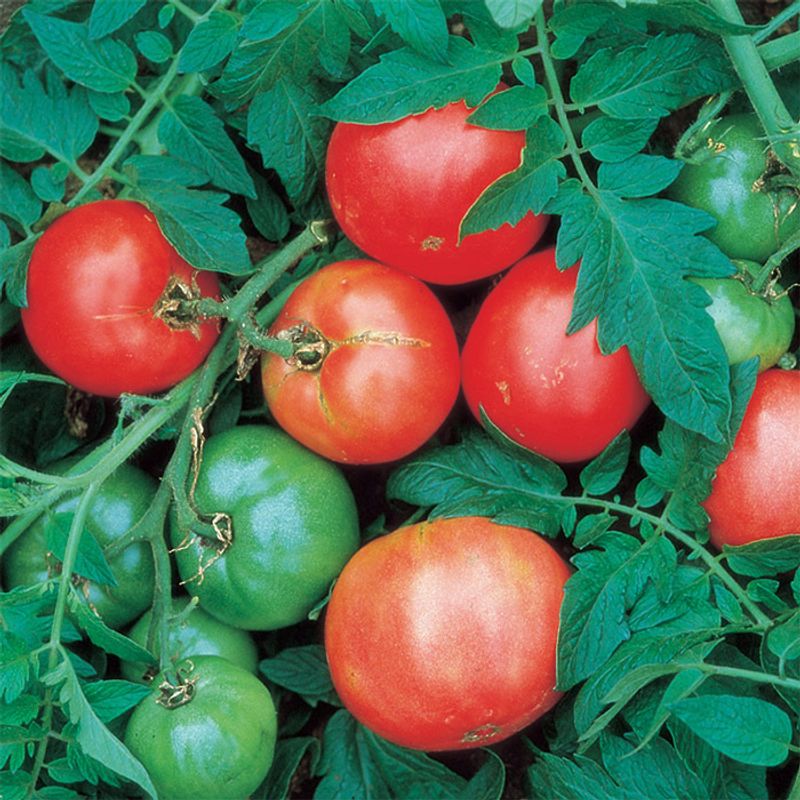
Fruits are medium-sized, averaging six to eight ounces, with a smooth pinkish-red skin and a mild, sweet flavor. Low acidity makes it easy to eat fresh without overwhelming your palate.
It is not the flashiest tomato on the list, but flavor and dependability make up for the modest size.
Disease resistance is another strong point. Arkansas Traveler shows solid tolerance to cracking and some common tomato diseases, which matters a lot in humid climates where problems can spread quickly.
Fewer disease headaches means more time enjoying the harvest.
Plants are indeterminate and grow vigorously. Stake or cage them early and check ties regularly as vines put on rapid growth during summer.
Consistent watering every two to three days during dry spells keeps plants productive and fruit quality high.
Start seeds indoors six to eight weeks before your last frost date. Transplant after soil temperatures warm up and nights stay above 55 degrees.
Arkansas Traveler is one of the most forgiving heirlooms you can grow, making it a smart pick for newer gardeners in the South.
Reliable production during difficult summer weather is what keeps this variety in gardens year after year.