More Roadrunners Near Your Arizona Home Means Fewer Scorpions (Here’s How To Attract Them)
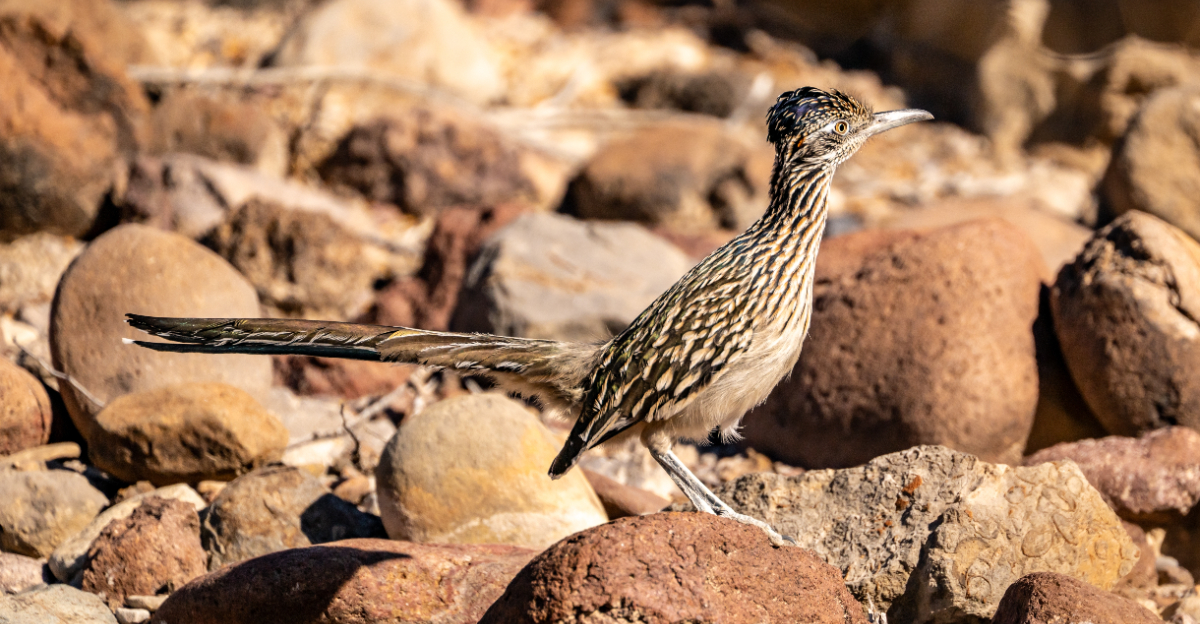
Most people are happy just to catch a quick glimpse of a roadrunner. They move so fast that the moment is often over before you have a chance to grab your phone.
Seeing one near your home can feel like a lucky surprise, especially since these birds have become one of the most recognizable symbols of the Southwest.
What many homeowners do not realize is that roadrunners are more than interesting birds to watch. They spend much of their day searching for food, and their menu includes a wide variety of small animals.
That natural hunting behavior is one reason they are such welcome visitors in many yards.
Across Arizona, roadrunners are often seen in neighborhoods where suitable habitat is nearby. If your property offers the things they need, they may stop by more often.
As an added bonus, these remarkable birds are known to eat bark scorpions and other small prey, making them valuable neighbors for more than one reason.
1. Roadrunners Regularly Feed On Scorpions
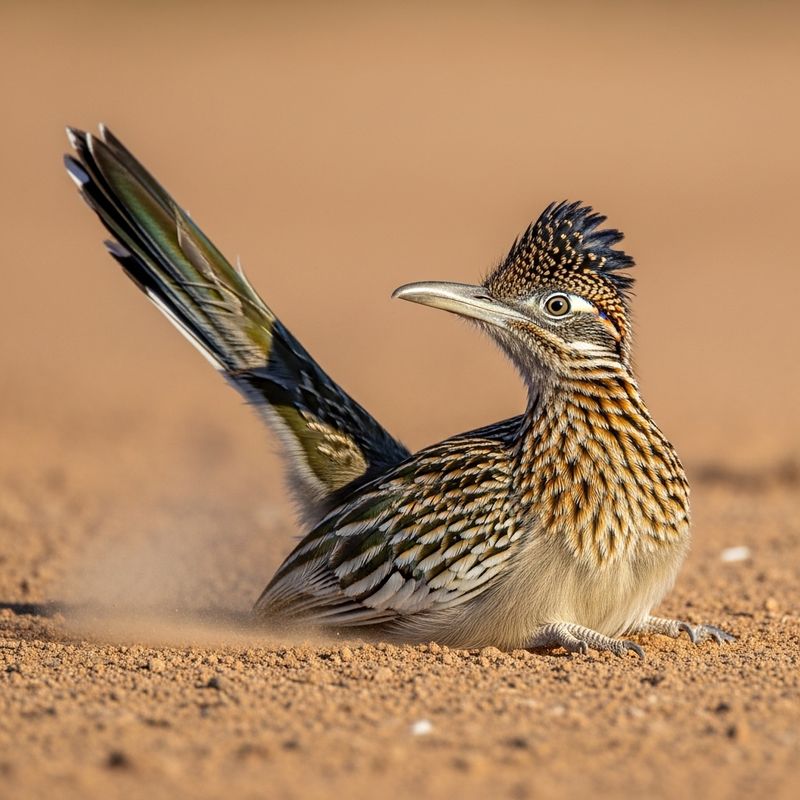
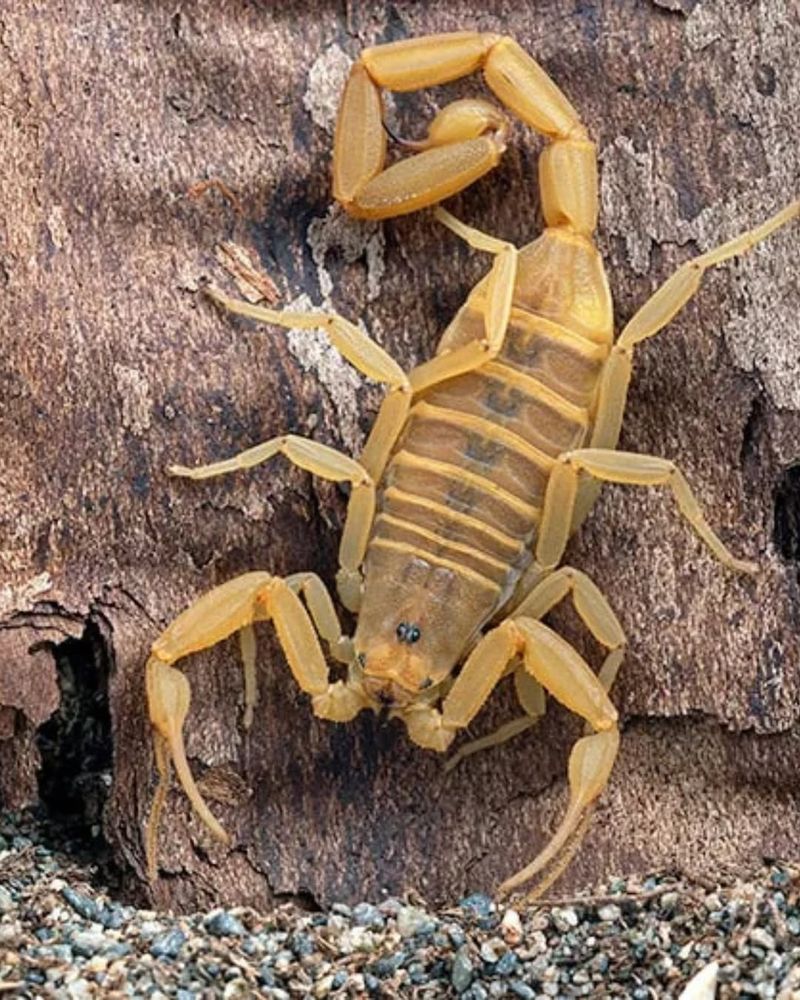
Roadrunners are not picky eaters, but scorpions are definitely on the menu. Roadrunners do eat scorpions, but they also feed on many other prey, including insects, lizards, snakes, and rodents.
While they can help reduce scorpion numbers, they should not be relied on as a primary form of scorpion control.
Their thick, tough beaks allow them to grab and stun prey before swallowing it whole. Scorpion venom does not affect roadrunners the same way it affects humans, so these birds hunt scorpions without hesitation or harm to themselves.
Roadrunners also eat lizards, mice, small snakes, beetles, and grasshoppers. That wide diet means they stay active in your yard year-round, not just during scorpion season.
Bark scorpions, the most venomous scorpion species found in Arizona, are a known prey item for roadrunners. Knowing that a bird is actively patrolling your yard for these creatures offers real peace of mind.
Roadrunners hunt by sight and speed. They sprint across open ground, spot movement, and strike fast.
A yard that supports this hunting style will keep a roadrunner coming back regularly.
Encouraging roadrunners is not a guaranteed fix, but having one or two patrolling your property consistently does reduce scorpion activity over time.
2. Open Ground Makes Hunting Much Easier
Roadrunners are sprinters. Speed is their biggest advantage when hunting, and they need open ground to use it properly.
Cluttered yards full of dense ground cover, thick mulch beds, or low obstacles slow them down. Scorpions and other prey can escape easily in those conditions.
Open gravel or sandy patches give roadrunners the clear runway they need to chase and catch fast-moving prey.
Gravel yards are actually ideal for roadrunner hunting activity. The flat, firm surface lets them move at full speed without tripping or losing traction.
Scorpions also tend to move across open ground at night, which means the hunting ground is productive during early morning hours when roadrunners are most active.
You do not need to tear up your entire yard. Even a few open patches between plants or along fence lines can make a big difference.
Your Arizona Garden Changes Every Week. Your Plan Should Too.
Gardening in Arizona changes quickly throughout the season. Every Friday you’ll receive a simple weekly plan showing exactly what to plant, prune, fertilize, harvest, and protect so you never miss the right timing.
Roadrunners will work those corridors consistently if prey is present.
Decomposed granite is a popular landscaping choice in desert neighborhoods, and it doubles as excellent roadrunner habitat. It drains well, stays cool enough for birds to walk on, and keeps the ground surface clear and visible.
3. Native Shrubs Provide Safe Cover
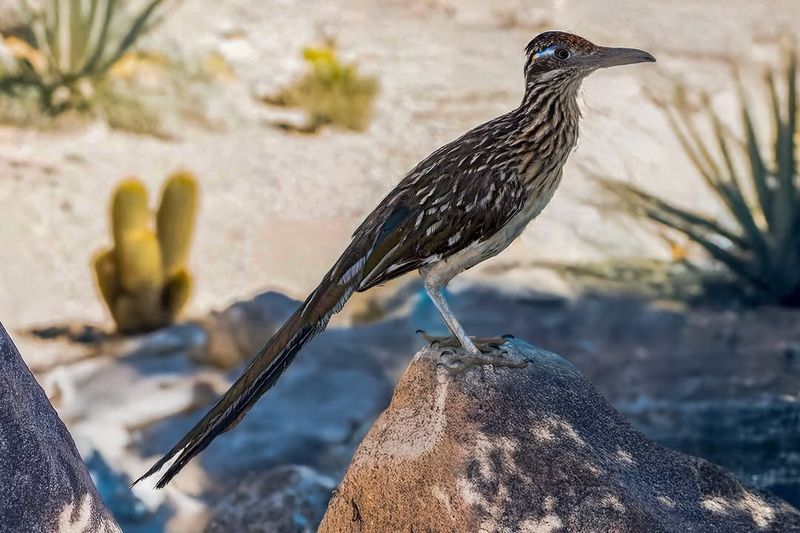
Roadrunners are bold, but they still need cover. Native shrubs give them safe spots to rest, watch for prey, and escape from larger predators like hawks.
Plants like brittlebush, desert lavender, and creosote are excellent choices. They grow naturally in the desert Southwest, require very little water once established, and provide the right kind of low, dense cover that roadrunners prefer.
Shrubs planted near open ground are especially useful. A roadrunner can sit just inside the edge of a shrub, scan the open area ahead, and dash out the moment it spots something moving.
That combination of cover plus open hunting ground is exactly what attracts these birds to a yard.
Avoid planting large, dense hedges that block sightlines entirely. Roadrunners need to see what is happening around them.
Sparse, airy native shrubs work much better than thick ornamental hedges.
Native plants also attract the insects and lizards that roadrunners eat alongside scorpions. More prey variety means more reasons for a roadrunner to stay and patrol your yard regularly instead of passing through once and moving on.
Planting natives is also easier on your water bill. Most established desert shrubs survive on rainfall alone during cooler months.
4. Fresh Water Can Bring More Wildlife
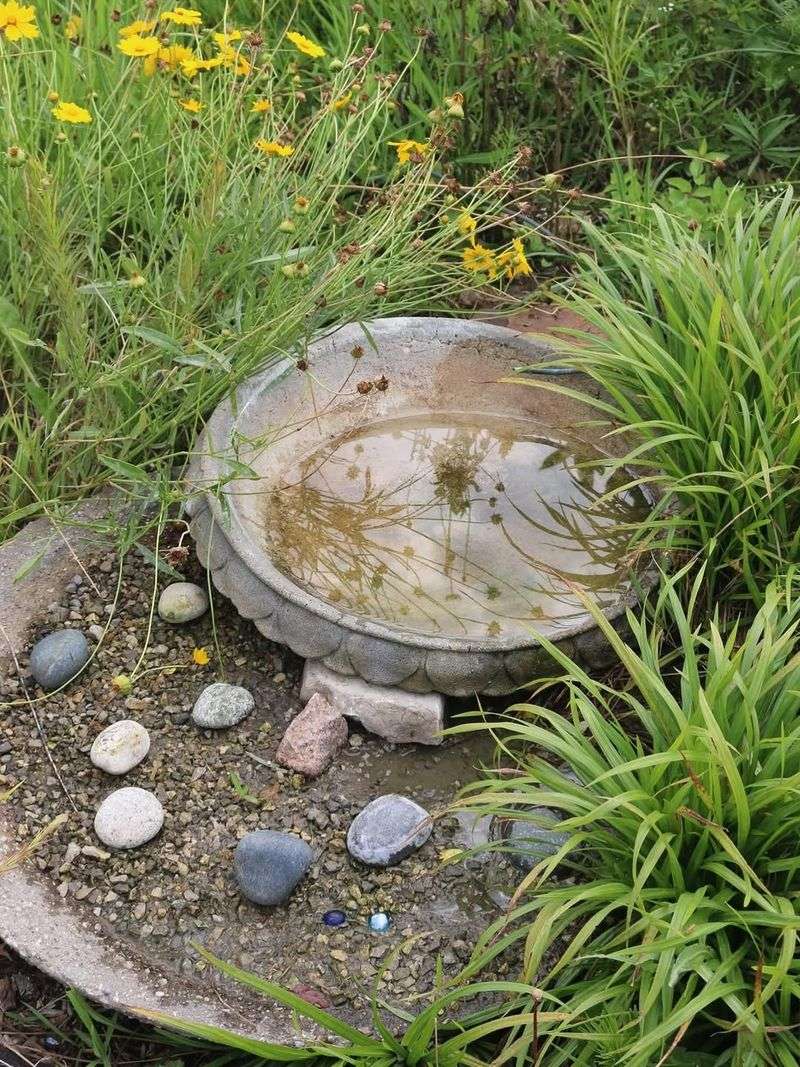
Water is scarce in the desert, and any yard that offers a reliable source of fresh water will attract more wildlife fast. Roadrunners drink regularly and will return to the same water source day after day if it stays clean and accessible.
A shallow dish or low birdbath works well. Roadrunners are ground birds, so elevated baths on tall pedestals are less appealing to them.
Keep the water level low enough that a bird can stand in it without being submerged.
Change the water every two to three days to keep it fresh. Stagnant water attracts mosquitoes, which is the opposite of what you want.
A clean, consistent water source signals to wildlife that your yard is a safe and reliable stop.
Place the water dish near open ground but within a few feet of some shrub cover. Roadrunners are cautious drinkers.
Having nearby cover gives them an escape route and makes them feel secure enough to return often.
Other birds, lizards, and beneficial insects will also use the water source. A yard with more prey diversity keeps a roadrunner interested and active in the area over time.
During the hottest months in the desert Southwest, water becomes even more critical.
5. Low Growing Plants Leave Room To Hunt
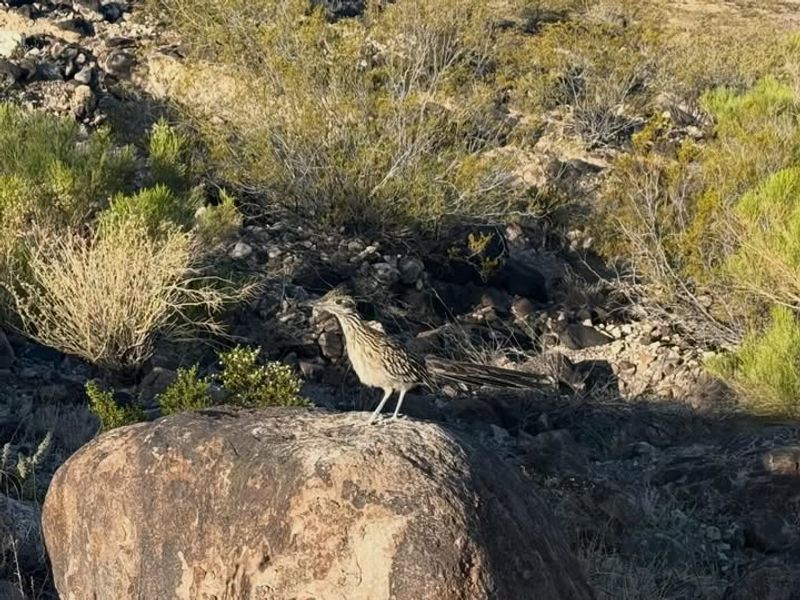
Plant height matters more than most people realize when it comes to roadrunner habitat. Low-growing plants keep sightlines open and give these birds the visibility they need to spot prey from a distance.
Ground covers like blackfoot daisy, desert marigold, and low-growing sage stay under knee height.
They add color and texture to the yard without blocking the open sightlines roadrunners depend on while hunting.
Tall, dense plantings create hiding spots for scorpions but make it harder for roadrunners to spot and chase them. Keeping most of the yard at low plant height reduces those hiding spots and opens up the ground for active hunting.
Mix low plants with open gravel sections for the best results. A roadrunner moving through a yard with alternating open patches and low ground cover has the best of both worlds: visibility and variety.
Low plants also make it easier for you to spot a roadrunner when it visits.
Watching one hunt in real time is genuinely entertaining, and you will quickly notice how methodically they move through a space looking for movement on the ground.
Pruning existing plants to reduce their height and density is a simple first step. You do not need to replant the entire yard.
6. Brush Piles Can Offer Shelter
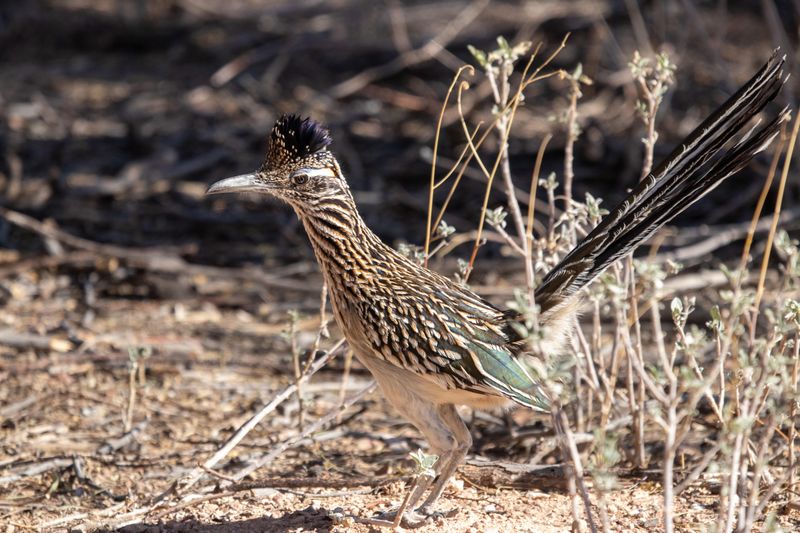
Brush piles get a bad reputation in tidy neighborhoods, but a small, well-placed one can actually help attract roadrunners to your yard. These birds use dense low cover for resting, roosting overnight, and sheltering from midday heat.
A pile of dry branches, trimmed desert shrub clippings, or stacked rocks near the edge of the yard gives a roadrunner a secure place to pause between hunting runs. It does not need to be large.
Even a compact pile about two feet wide and one foot tall offers enough cover to be useful.
Place the brush pile near the edge of an open area, not in the middle of the yard. Roadrunners like to slip in and out of cover quickly.
A pile tucked against a fence or wall with open ground in front of it is ideal placement.
Brush piles also attract lizards and insects, which adds more prey to the immediate area. A roadrunner that finds both shelter and food near the same spot will spend far more time in your yard than one that only finds one or the other.
Keep the pile small and well maintained so it does not become shelter for unwanted pests. Avoid creating large, undisturbed piles close to your home.
7. Leave Quiet Areas Where They Can Roam
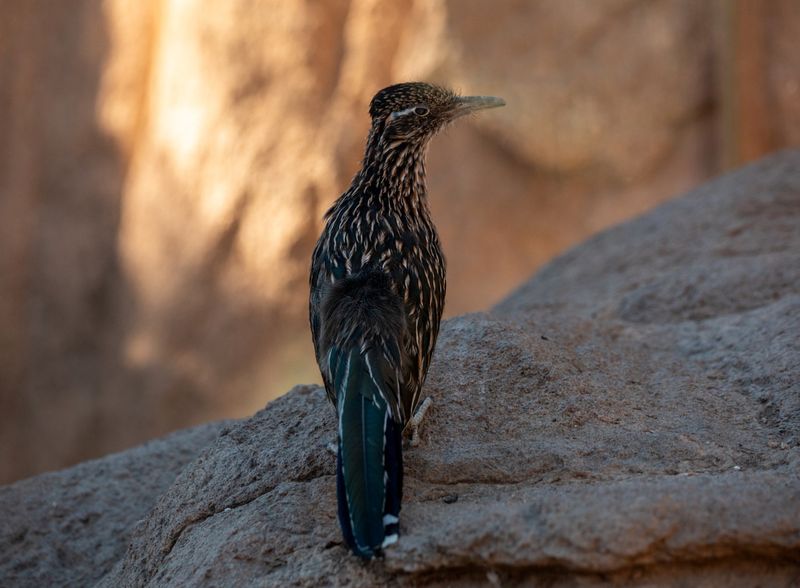
Roadrunners are not skittish birds, but they do prefer calm, low-traffic spaces. A yard with constant foot traffic, loud pets, or frequent disturbances will not hold their attention for long.
Designating one section of your yard as a low-activity zone makes a real difference. Skip the power tools and leaf blowers in that area during morning hours.
Roadrunners are most active between sunrise and mid-morning, so keeping things calm during that window gives them the quiet they prefer.
Dogs are one of the biggest deterrents. A dog that charges the fence or patrols the perimeter constantly will push roadrunners away from that side of the yard entirely.
If possible, keep dogs in a separate area during early morning hours to let wildlife move through undisturbed.
Roadrunners are creatures of habit. Once one finds a safe, quiet route through your yard, it will use that same path repeatedly.
You might start noticing tracks in the gravel or dust along a fence line after a few weeks of consistent quiet.
Avoid placing motion-activated lights or sprinklers in the areas you want roadrunners to use. Sudden movements and sounds disrupt their routine and discourage return visits.
Patience is part of the process. Roadrunners scout new areas carefully before committing to a regular route.