The Worst Time Of Day To Water Hydrangeas In Michigan During A Summer Heat Wave
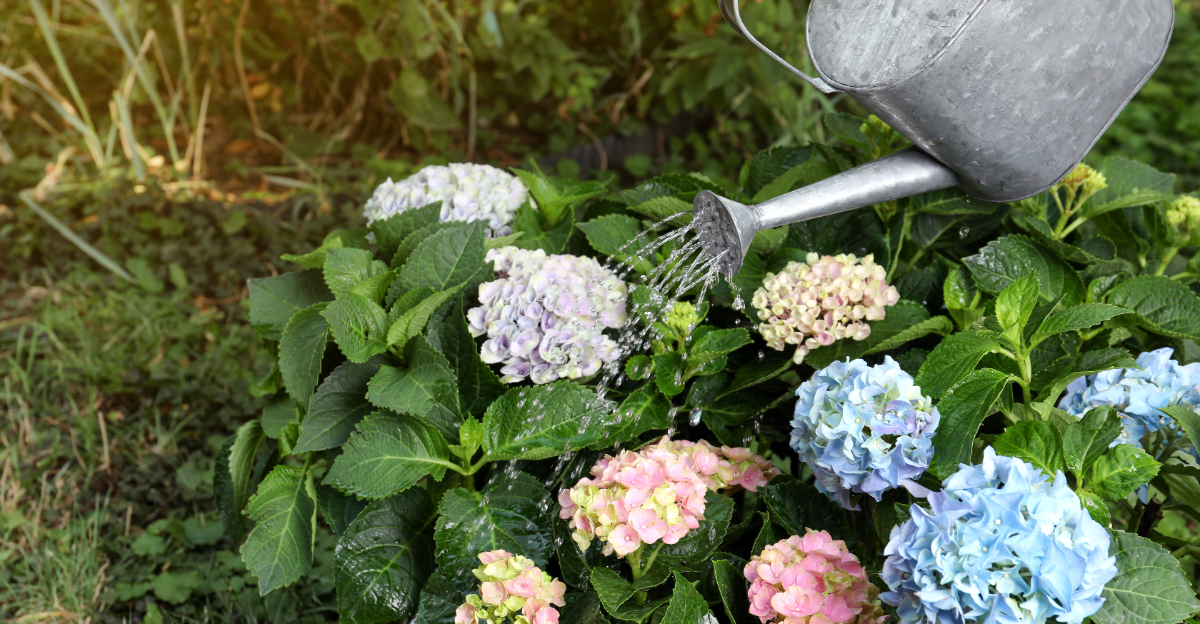
Hydrangeas are dramatic about water stress in ways that make Michigan gardeners reach for the hose at exactly the wrong moment.
The midday wilt that happens during a heat wave looks alarming and feels urgent, but watering in response to it during peak afternoon heat creates more problems than it solves.
Wet foliage under intense sun, water evaporating before it reaches the root zone, and the kind of irregular moisture cycle that stresses hydrangea roots are all consequences of heat-reactive watering that felt like the responsible thing to do in the moment.
There is a specific window each day during a Michigan heat wave when water actually reaches the roots, stays available, and supports recovery rather than compounding stress.
1. Late Evening Is The Worst Time
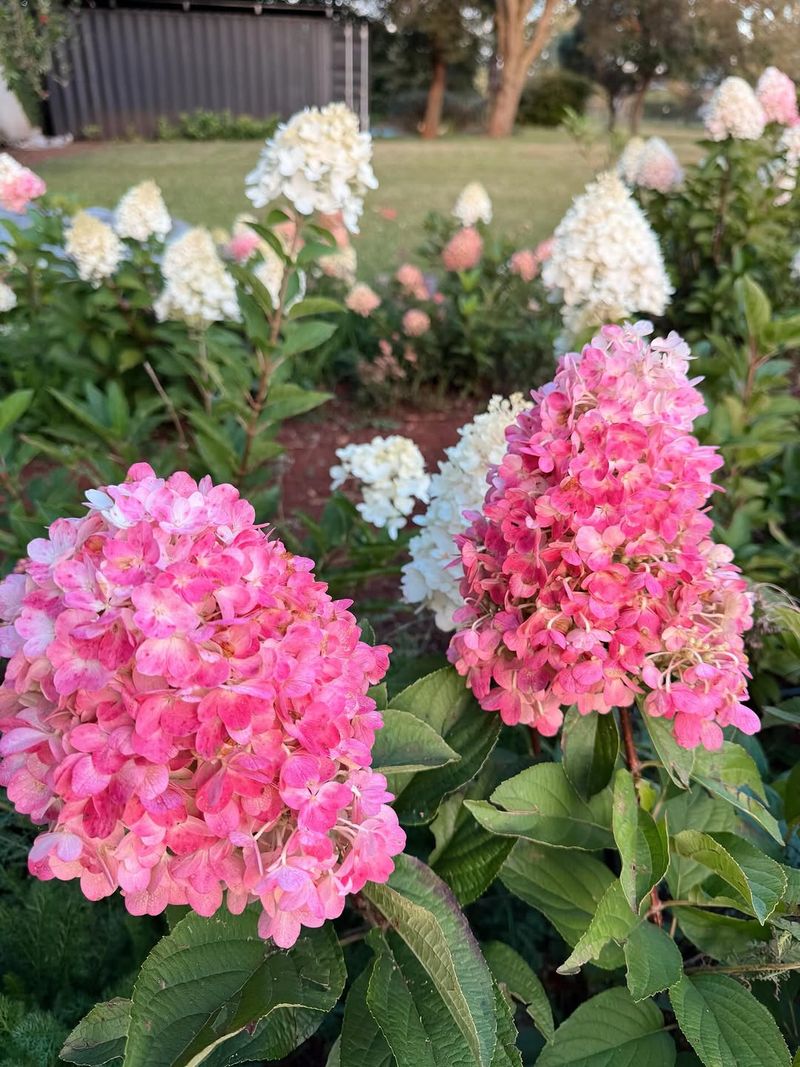
Many gardeners wrap up their outdoor chores in the evening, and watering plants feels like a perfectly natural part of that routine.
But for hydrangeas in Michigan during a summer heat wave, late evening watering is actually one of the worst habits you can fall into. The reason comes down to moisture and time.
When you water hydrangeas late in the evening, especially if the water lands on the leaves and flowers, the plant stays wet for hours.
Unlike daytime, when sunlight and warmth help dry things off quickly, evening air in Michigan is cooler and calmer. That moisture just sits on the foliage with nowhere to go.
Hydrangeas have large, broad leaves that hold water really well, which sounds helpful but actually creates a problem overnight. Wet leaves for long stretches of time can encourage powdery mildew and other leaf issues that are common in humid Michigan summers.
Once these problems take hold, they spread fast and are tough to reverse.
The fix is simpler than most people expect. Move your watering schedule away from the evening hours, and aim your water toward the base of the plant rather than spraying it all over the top.
Keeping the canopy as dry as possible is the smartest move you can make for your hydrangeas.
Overhead watering late in the day might feel convenient, but your plants will thank you when you shift that habit to the morning instead. Small changes in timing can protect your blooms all season long.
2. Night Watering Keeps Leaves Damp Too Long
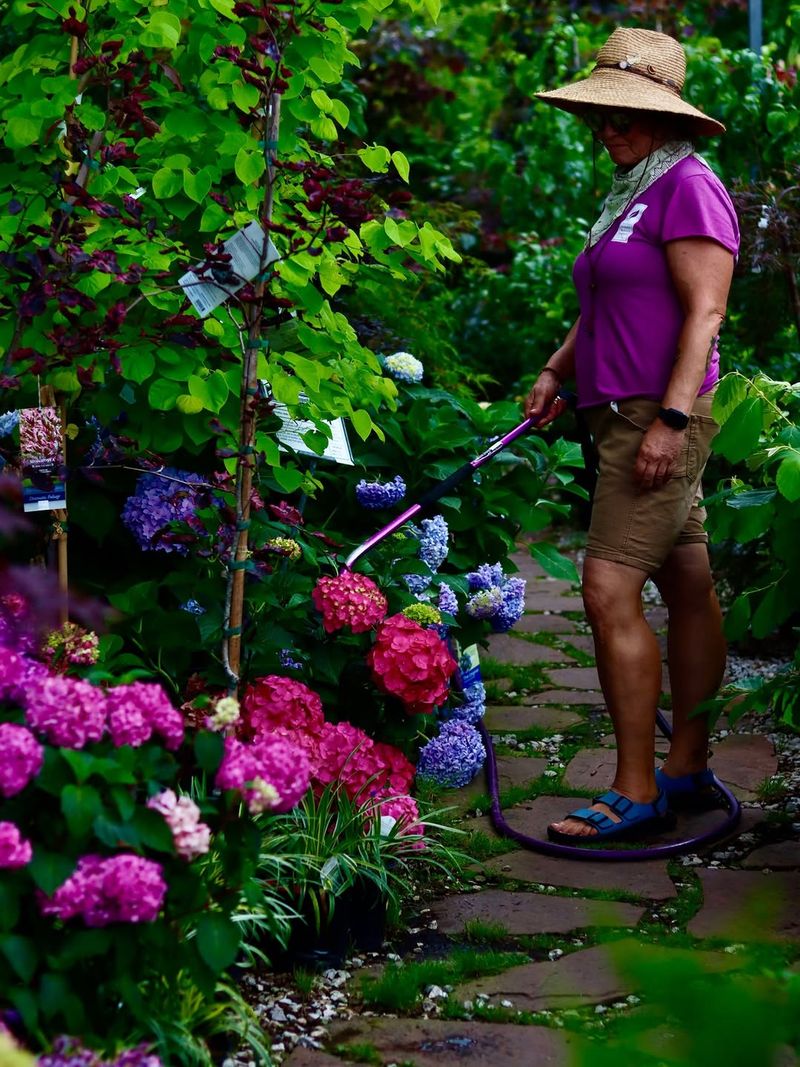
There is something peaceful about watering the garden after the sun goes down, but night watering and hydrangeas are not a great combination, especially during Michigan summers.
The air cools down, there is no sunlight to help evaporate moisture, and hydrangea foliage is thick and layered, which makes drying even slower.
Hydrangeas are naturally bushy plants with lots of overlapping leaves and dense flower clusters. When water gets into that canopy at night, it gets trapped.
The leaves pressed close together hold onto that moisture, and by morning, the plant has been sitting in damp conditions for six to eight hours straight. That kind of prolonged wetness is exactly what fungal problems love.
Powdery mildew is one of the most common issues Michigan hydrangea growers deal with during humid summers. Night watering that soaks the leaves and flowers instead of targeting the soil can make this problem much worse.
Your Michigan Garden Changes Every Week. Your Plan Should Too.
Gardening in Michigan changes quickly throughout the season. Every Friday you’ll receive a simple weekly plan showing exactly what to plant, prune, fertilize, harvest, and protect so you never miss the right timing.
Gardeners who water at the soil level and avoid wetting the foliage see far fewer issues throughout the season.
Another thing worth knowing is that roots do not actually absorb more water at night. The plant is not in active growth mode after dark, so there is no added benefit to nighttime watering. You get all the risk with none of the reward.
Switching to early morning watering instead of nighttime sessions is one of the easiest upgrades a Michigan gardener can make. Your hydrangeas will stay healthier, and you will spend less time troubleshooting problems later in the season.
3. Morning Is The Better Watering Window
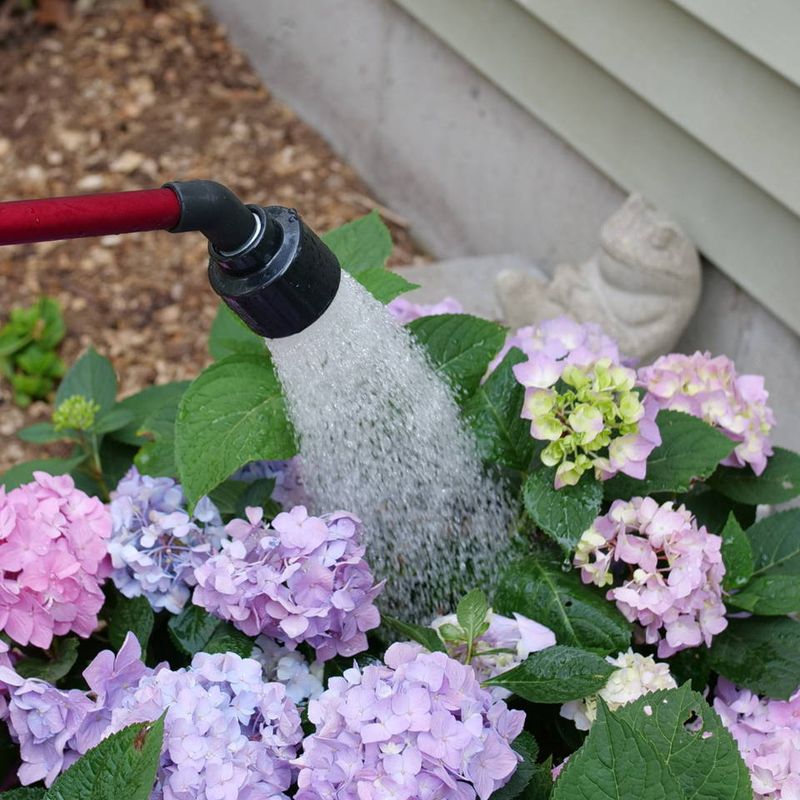
Early morning is hands down the best time to water hydrangeas during a Michigan heat wave. The temperature is still cool, the sun is low, and the soil is ready to absorb moisture before the intense heat of midday kicks in.
It is a window that works perfectly for both the plant and the gardener.
Watering in the morning gives the roots a strong drink before the hottest hours arrive. As temperatures climb through the afternoon, the plant already has moisture stored in the soil to draw from.
This helps hydrangeas hold up better under heat stress and keeps the blooms looking full and fresh instead of wilted and sad.
Morning watering also gives any accidental splashes on the leaves plenty of time to dry off before nightfall.
Since sunlight and warm air are both working throughout the day, wet foliage dries quickly and does not stay damp long enough to cause problems.
That natural drying cycle is a big advantage you simply do not get with evening or nighttime watering.
For Michigan gardeners, the sweet spot is somewhere between 6 and 10 in the morning. Before 6 AM, the soil can sometimes be too cold from overnight temperatures to absorb water efficiently.
After 10 AM, the heat starts building and some water can evaporate before it fully soaks in. That early morning window hits the balance just right.
Starting a morning watering habit is one of the most practical steps you can take to protect your hydrangeas all summer long.
4. Water The Soil, Not The Flowers
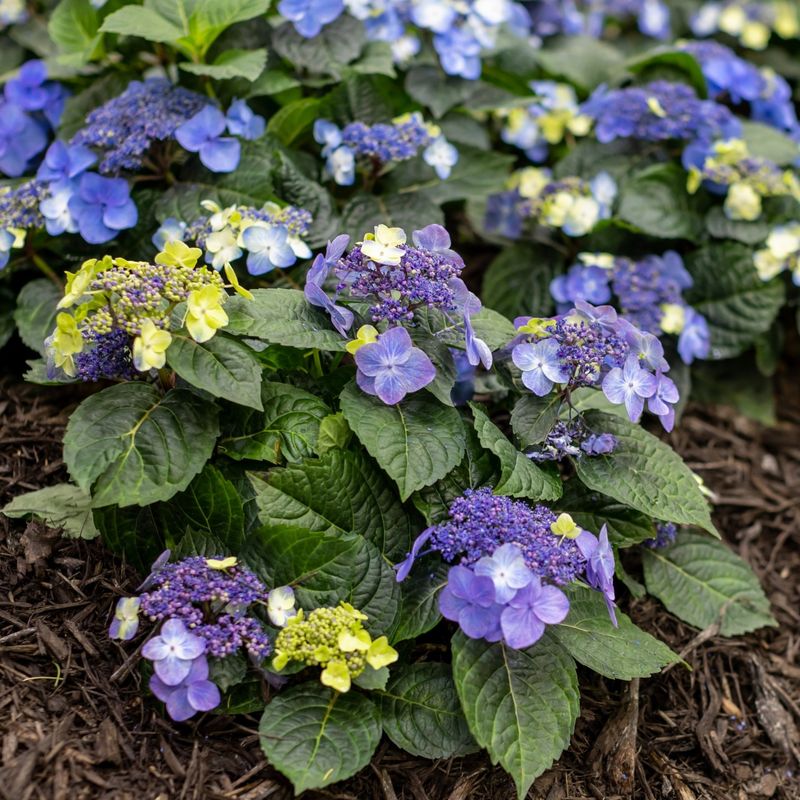
Hydrangeas are stunning plants with big, showy blooms, and it is tempting to water them from above, almost like giving them a refreshing shower. But those gorgeous flowers and leaves do not actually need water on them at all.
The roots are where the real action happens, and that is exactly where your water should go.
Aiming water at the soil around the base of the plant is called soil level watering, and it makes a huge difference for hydrangeas during hot Michigan summers. When water goes directly into the root zone, the plant can absorb it efficiently.
When water lands on the blooms and leaves instead, it mostly just sits there, creating moisture problems without actually helping the roots.
Wet blooms during a heat wave can also cause the flowers to look damaged or discolored.
Hydrangea blooms are delicate, and repeated soaking from overhead watering can cause them to brown at the edges or look burned, especially when water combines with intense afternoon sun.
Keeping those blooms dry helps them stay beautiful longer.
A simple soaker hose or a hose with a wand attachment makes soil level watering really easy. You can guide the water right to the base of each plant without splashing the foliage at all. Even a regular hose held low works well if you aim carefully.
Changing how you direct your water, not just when you water, is one of the most effective things you can do for the long-term health and beauty of your hydrangeas throughout the whole growing season.
5. Mid Day Is Not Ideal For Routine Watering
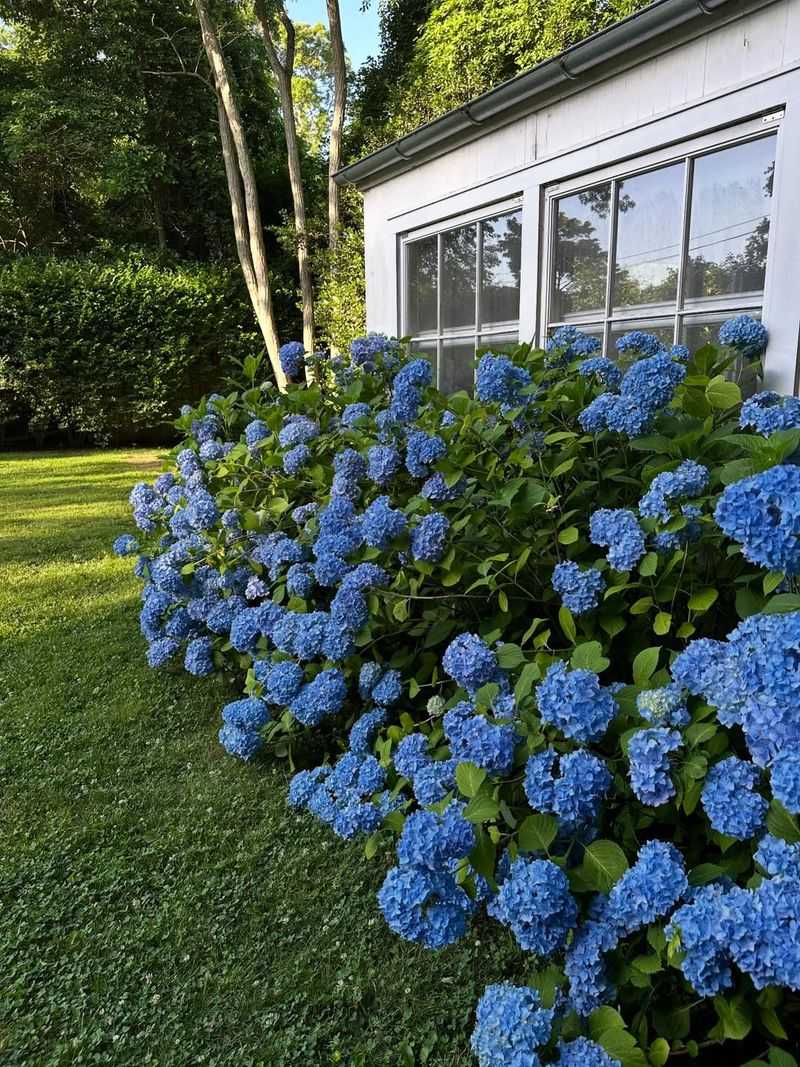
Midday watering during a Michigan summer heat wave is one of those habits that sounds logical but actually works against you.
The sun is at its strongest, temperatures are peaking, and the air is often dry and breezy, all of which combine to pull moisture away before it can soak into the soil where your hydrangeas actually need it.
Water applied during the hottest part of the day can evaporate quickly from the soil surface, meaning the roots may not get nearly as much moisture as you think you are delivering.
You end up using more water for less benefit, which is both wasteful and ineffective. Consistent midday watering also does not give the roots the steady, deep moisture that hydrangeas crave during heat waves.
There is one exception worth knowing about. If your hydrangea is deeply wilted and clearly struggling during a heat wave, waiting until morning may not be an option.
A generous drink of water at the root zone during the day is absolutely better than letting the plant go without. Think of it as emergency care rather than routine maintenance.
But on a regular basis, midday should not be your go-to watering time. The conditions are simply not working in your favor, and the plant pays the price for that inefficiency.
Morning watering consistently outperforms midday watering in terms of how well the roots absorb and retain moisture throughout the day.
Save midday watering for genuine emergencies, and stick to your morning routine whenever the situation allows. Your hydrangeas will reward that consistency with stronger, healthier growth all summer.
6. Deep Soaking Works Better Than Quick Sprinkling
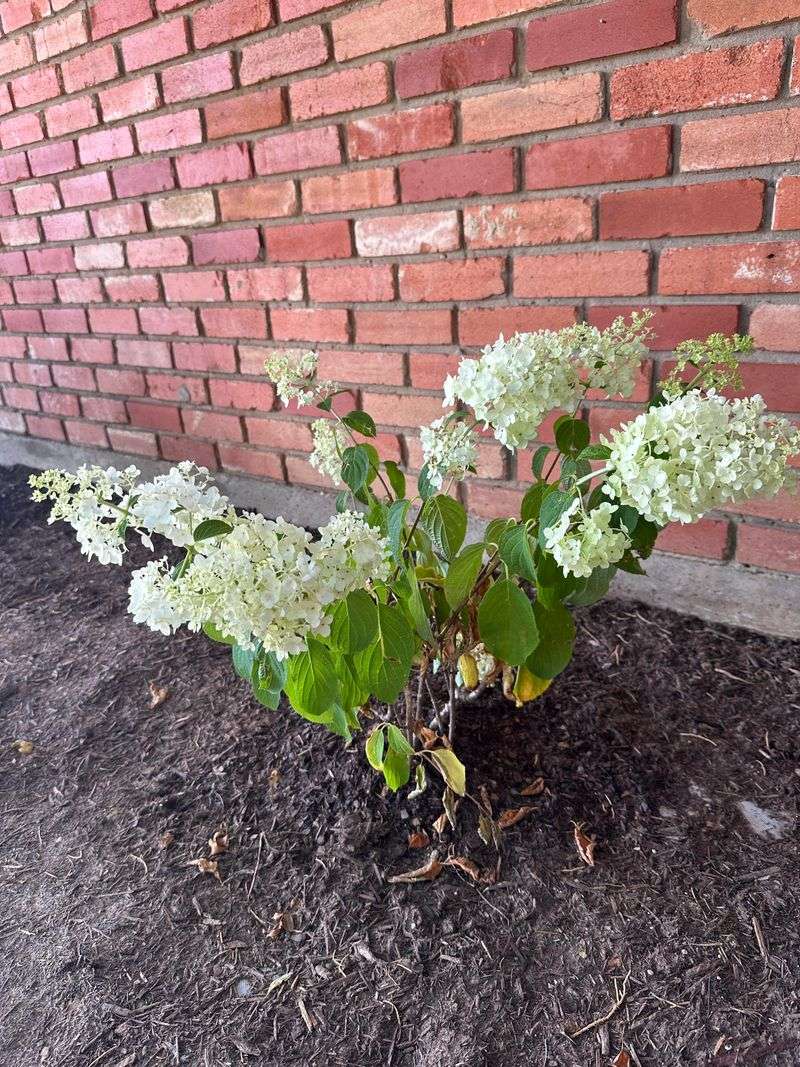
Quick sprinkling might feel like you are doing your hydrangeas a favor, but a fast pass with the hose barely scratches the surface when it comes to real root moisture.
During a Michigan summer heat wave, hydrangeas need water that goes deep into the soil, not just a light misting that wets the top inch and evaporates within the hour.
Hydrangea roots grow down and outward, searching for moisture below the surface. When you only wet the top layer of soil, those deeper roots stay dry and stressed.
Over time, the plant responds by growing shallower roots to chase the surface moisture, which actually makes it more vulnerable to heat and drought, not less.
Deep watering encourages roots to grow down where soil temperatures are cooler and moisture lasts longer.
A good deep watering session means letting water soak in slowly over several minutes at the base of the plant. Soaker hoses and drip irrigation systems are excellent tools for this because they deliver water slowly and consistently right at the root zone.
Even a regular hose left running at a low flow near the base of the plant for a few minutes can do the job well.
The goal is to wet the soil down to about six to eight inches deep. You can check this by pushing a finger or a small stick into the soil after watering to see how far the moisture has reached.
It takes a little practice, but you will quickly get a feel for what deep watering looks like.
Fewer, deeper watering sessions beat frequent light sprinkles every single time when it comes to building strong, resilient hydrangeas in Michigan summer heat.
7. Mulch Helps Morning Water Last Longer
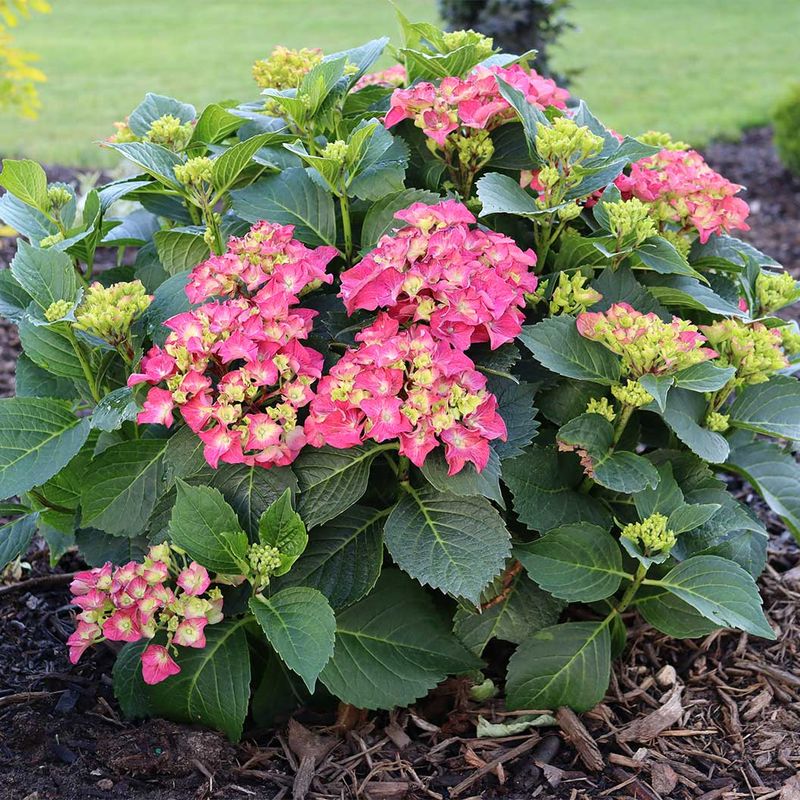
Mulch might not be the flashiest garden tip, but it is one of the most powerful tools a Michigan gardener has for protecting hydrangeas during a summer heat wave.
A good layer of mulch around your plants works like a blanket for the soil, holding in the moisture from your morning watering session so it lasts much longer through the hot afternoon hours.
Shredded bark, compost, pine needles, and leaf mulch are all excellent options for hydrangeas. These materials help slow down evaporation from the soil surface, which means the roots stay moist even when air temperatures are climbing.
During a heat wave, that extra moisture retention can be the difference between a plant that bounces back in the evening and one that stays limp and stressed for days.
Mulch also helps regulate soil temperature. Bare soil in direct summer sun can get surprisingly hot, and warm soil dries out faster and stresses roots.
A layer of mulch keeps the ground underneath noticeably cooler, which is something hydrangea roots genuinely appreciate during long stretches of intense Michigan heat.
One important thing to keep in mind is where you place the mulch. You want it spread around the plant, not piled up tightly against the stems.
Mulch pressing against the base of the plant can trap moisture against the stem, which can cause problems over time. Keep a small gap between the mulch and the main stem to let air circulate properly.
A two to three inch layer of mulch applied in late spring or early summer will work hard all season, cutting down on how often you need to water and keeping your hydrangeas much more comfortable through the heat.
8. Check Soil Before Watering Again
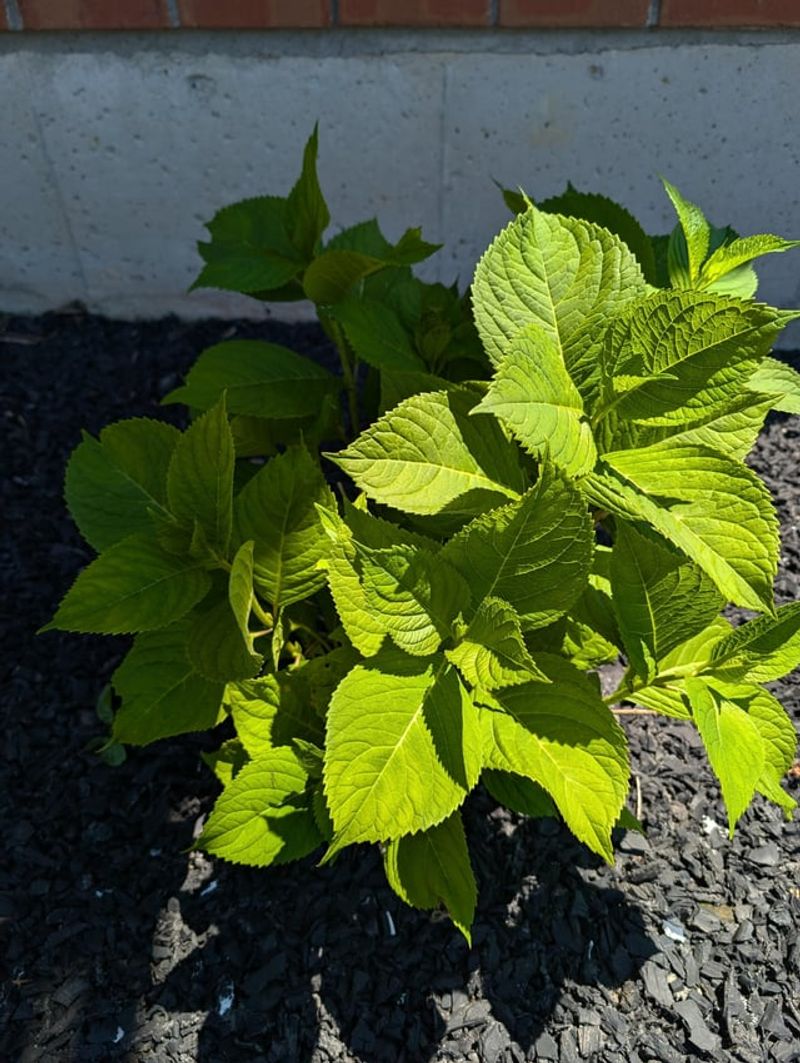
One of the most common mistakes gardeners make during a heat wave is watering on a schedule without ever checking whether the soil actually needs it.
More water is not always better, and hydrangeas are a perfect example of a plant that can struggle just as much from too much moisture as from too little.
Getting into the habit of checking the soil first takes only a few seconds and can save your plants a lot of unnecessary stress.
The best way to check is simple. Push your finger or a thin stick about two to three inches into the soil near the base of the plant.
If the soil at that depth still feels moist and cool, the roots are fine and you can wait. If it feels dry or barely damp, that is your signal to water.
This quick test tells you far more than the surface appearance of the soil, which can look dry on top even when the root zone is still holding moisture.
Hydrangeas thrive with even, consistent moisture rather than swings between soaking wet and bone dry. Soggy soil that stays waterlogged can stress the roots and interfere with how the plant takes up nutrients.
Good drainage combined with smart watering keeps the root zone in that ideal sweet spot throughout the season.
During a heat wave, you may find that your hydrangeas need watering every day or every other day depending on the soil type and how much sun the area receives. Sandy soils drain faster and dry out quicker, while clay-heavy soils hold moisture longer.
Knowing your soil type helps you predict watering needs more accurately.
Trusting what the soil tells you rather than following a rigid schedule is one of the smartest and most rewarding habits you can build as a Michigan gardener.