The One Plant Ohio Gardeners Are Putting Along Every Walking Path To Deter Ticks
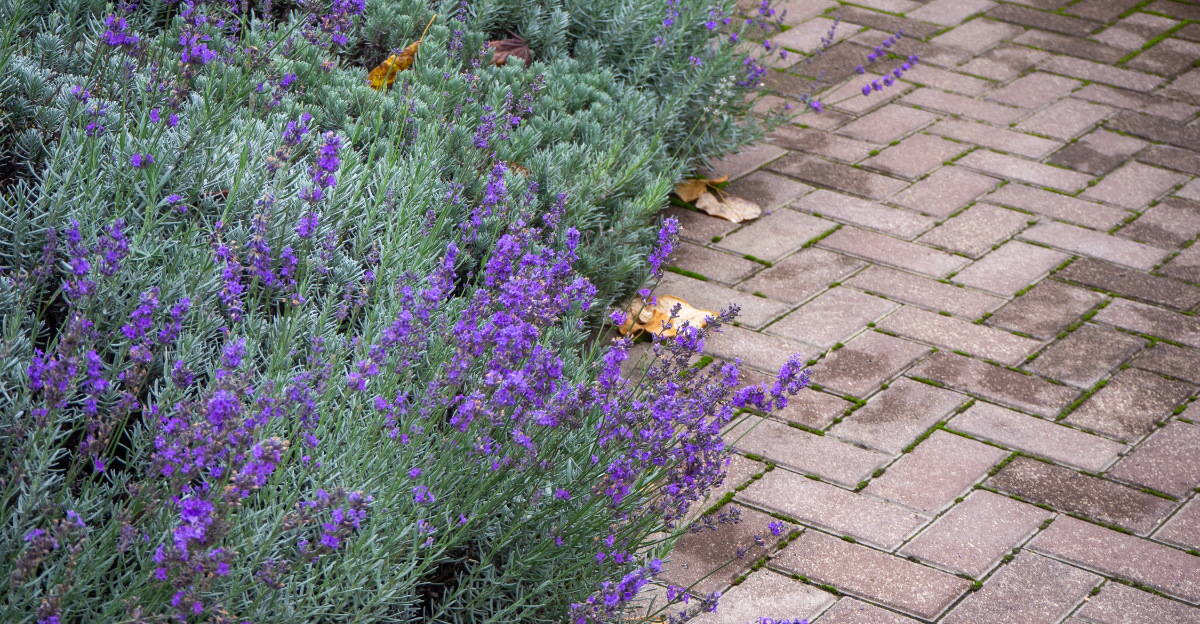
Ohio gardeners have been quietly making one addition to their walking paths that has nothing to do with aesthetics. It has everything to do with what happens at ankle level every time someone brushes past.
Ticks work the edges. They wait along exactly the kind of low vegetation that lines most Ohio paths, and what grows there determines how hospitable that corridor actually is.
One plant has been showing up along Ohio walking paths with increasing regularity among gardeners who have thought carefully about tick exposure. It is not a new discovery.
It has been used for this purpose in various forms for a very long time. The science behind why ticks avoid it is real, even if the protection it offers is partial rather than complete.
It also smells remarkable, which makes it one of the more pleasant deterrents a garden path can have running alongside it.
1. Plant Lavender Along Paths But Do Not Trust It Alone
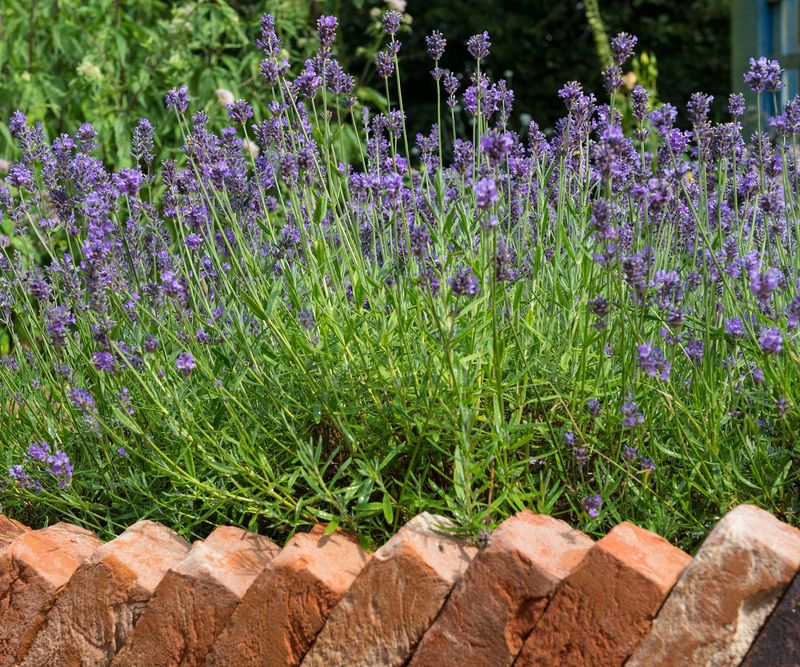
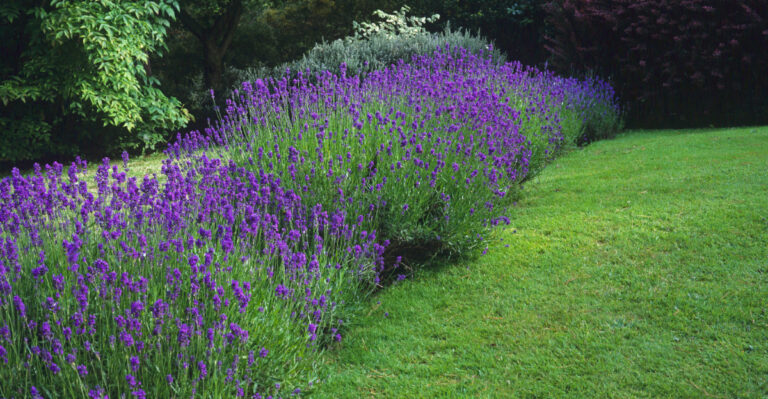
Picture a narrow stone walkway lined with soft purple blooms, a warm breeze carrying that familiar herbal scent. That is the image drawing so many local gardeners toward English lavender as a path-edge plant.
It is compact, fragrant, and naturally suited to the kind of open, sunny, well-drained borders that are easier to keep tidy and visible throughout the season.
English lavender, known botanically as Lavandula angustifolia, is the variety most recommended by horticulture experts for garden borders in temperate climates.
It stays relatively low, rarely flops aggressively into a walkway, and prefers the kind of lean, dry soil that makes for a clean, inspectable path edge.
OSU Extension guidance on perennial borders supports choosing plants that match the site conditions, and lavender fits a sunny, well-drained path naturally.
Here is the part that matters most. Lavender is not a proven tick repellent, and it should not be treated like one.
No current CDC, EPA, or Ohio Department of Health guidance lists lavender plants as a recommended tick-control method. The real value is that a properly maintained lavender border contributes to a cleaner, drier, more open path edge.
That kind of edge is easier to walk along, check for ticks, and keep free of the brushy cover that ticks prefer. Plant it in full sun, space plants about 12 to 18 inches apart for good airflow, and keep edges trimmed so the border stays tidy rather than wild.
2. Keep The Border Sunny Dry And Open
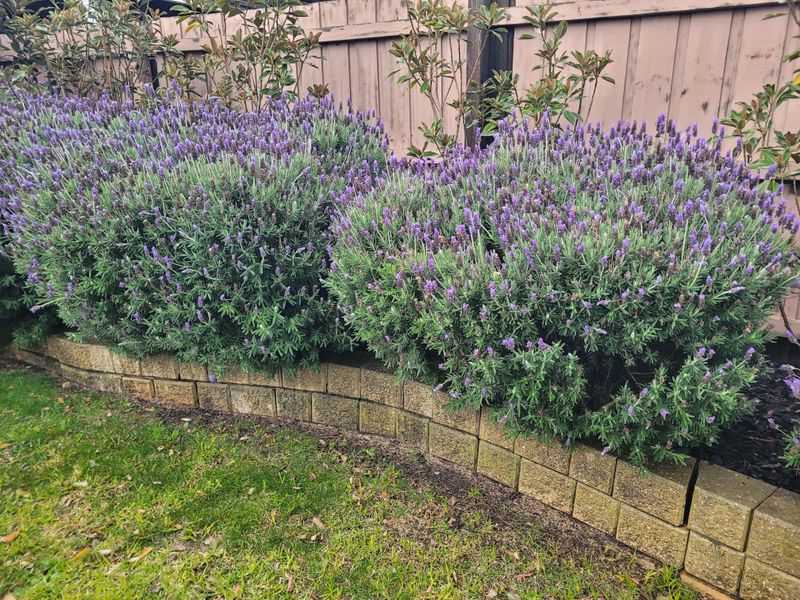
Sunny and dry are two words that describe both what lavender loves and what makes a path edge less inviting to ticks. That overlap is a big reason gardeners find lavender such a sensible fit for walkway borders.
The environment around the plant matters just as much as the plant itself, and getting that environment right takes a little planning.
Ticks are often found in brushy, shaded, moist areas with tall grass, leaf litter, and dense vegetation. CDC guidance notes that ticks prefer humid, wooded, or overgrown edges rather than open, dry, well-maintained spaces.
A sunny, well-drained path with low-growing plants keeps the area open and visible, which makes it easier to spot problems and maintain the border regularly.
Your Ohio Garden Changes Every Week. Your Plan Should Too.
Gardening in Ohio changes quickly throughout the season. Every Friday you’ll receive a simple weekly plan showing exactly what to plant, prune, fertilize, harvest, and protect so you never miss the right timing.
Lavender generally performs best in full sun with at least six hours of direct light daily, according to horticulture references. It prefers soil that drains quickly and does not stay wet after rain.
Planting lavender in the wrong conditions, such as a shady or soggy path edge, creates a stressed plant that can become floppy and overgrown. That kind of neglected bed is harder to inspect and easier for leaf litter to collect in.
Keep the path visible from both sides, avoid crowding plants together, and trim any nearby shrubs that shade the border. Improve drainage with amended soil or a slight grade away from the walkway.
An open, sunny border is simply easier to manage well.
3. Pair Lavender With A Gravel Or Wood Chip Edge

A fragrant lavender border looks even better when it sits beside a clean, defined physical edge. Gravel strips and dry wood-chip barriers are more than decorative choices.
They serve a practical role in tick-conscious path design, especially where a walkway meets a brushy or wooded area.
CDC guidance recommends placing a three-foot-wide barrier of wood chips or gravel between lawns and wooded areas to reduce tick migration into frequently used spaces.
That recommendation is grounded in the idea of creating a drier, less hospitable transition zone that ticks are less likely to cross.
A well-defined edge also signals where regular maintenance should happen, making it easier to keep the border tidy week after week.
Lavender fits naturally on the garden side of that barrier. It gives the bed structure, fragrance, and a finished look, while the gravel or wood-chip strip creates a clear boundary between the planted area and rougher terrain.
Keep the barrier dry by raking out fallen leaves before they build up. Leaf accumulation in a gravel strip defeats its purpose by adding the moisture and shelter that ticks favor.
Refresh wood chips once or twice a year so the layer stays thick enough to be effective. A defined edge is not a guarantee that no tick will ever cross the path.
It reduces casual contact with tick-prone vegetation and makes the walkway much easier to maintain properly over time.
4. Clear Leaf Litter Before It Shelters Ticks
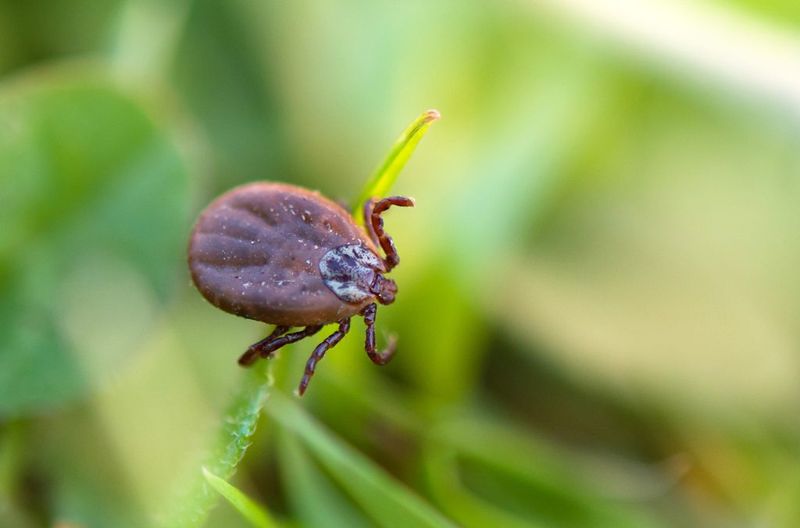
Autumn brings beautiful color, but it also drops a thick layer of leaves along every walkway, patio edge, and planted border. That leaf buildup beside a path is worth addressing promptly, especially in areas people use every day.
Thick, damp leaf litter creates a sheltered microclimate that is exactly the kind of environment ticks are associated with.
Ohio Department of Health tick-prevention guidance includes removing leaf litter from around homes, particularly near play areas, patios, and frequently used paths. The concern is that moist, compacted leaves provide cover and humidity close to the ground.
Ticks do not thrive in dry, exposed conditions, so removing that layer from high-traffic areas reduces one form of tick-friendly habitat near where people walk most.
That said, a nuanced approach works better than stripping every leaf from the entire property. Leaves left in low-traffic habitat areas can support beneficial insects, ground-nesting bees, and healthy soil biology.
The priority is the path edge itself, along with patios, play areas, and narrow walkways where people and pets move through regularly. Rake or blow leaves away from those spaces as they accumulate, rather than waiting for a single large cleanup.
Bag or compost them away from the house. A lavender border stays healthier when leaves are not piled against the base of the plants.
The path stays more manageable when the litter is cleared before it compacts into a dense mat.
5. Cut Back Tall Grass Around The Walkway
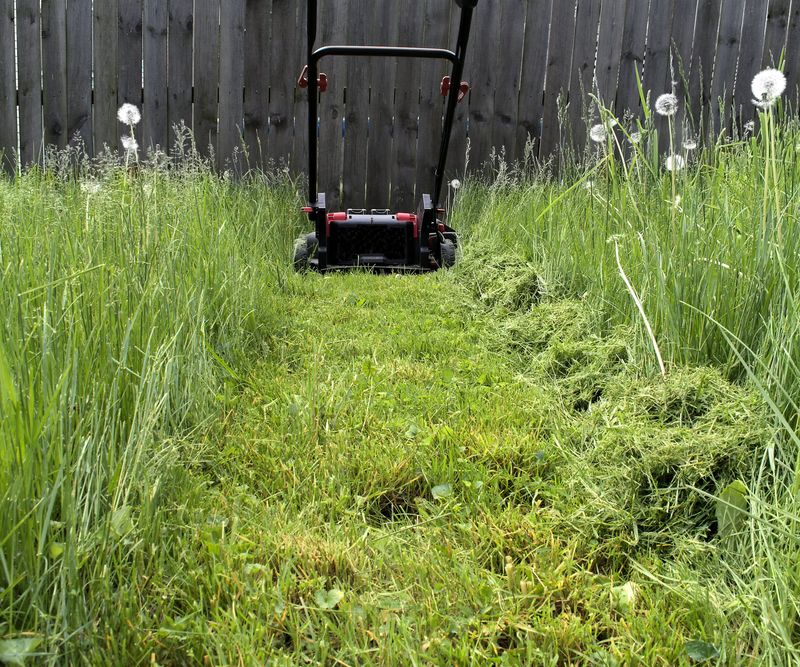
Tall grass leaning over the edge of a path is more than a cosmetic issue. When people and pets brush through overgrown grass along a walkway, they make direct contact with the kind of vegetation where ticks often wait.
Keeping grass trimmed along frequently used routes is a simple habit that makes a real difference in how the path feels and functions.
CDC guidance on reducing tick exposure at home includes mowing the lawn regularly and keeping grass cut short, especially near paths, patios, and play areas. Tall, dense grass holds moisture close to the ground and provides cover that ticks can use.
A well-mowed edge beside a planted lavender border keeps that transition zone open and visible.
Narrow paths can be especially tricky because both sides brush against legs and shoes with every pass. Widening a path by even a few inches, or pulling back the grass edge with a half-moon edger, can reduce that casual contact significantly.
A lavender border helps define the planted side of the path, but it should not be allowed to flop outward and create its own screen of vegetation. Trim lavender lightly after blooming to keep plants compact and upright.
Make sure no plant in the border is leaning into the walkway in a way that forces walkers to brush against it. A tidy path edge, short grass, and a well-maintained lavender planting work together to keep the walkway open and easy to check after each use.
6. Skip Damp Overgrown Beds Beside Foot Traffic
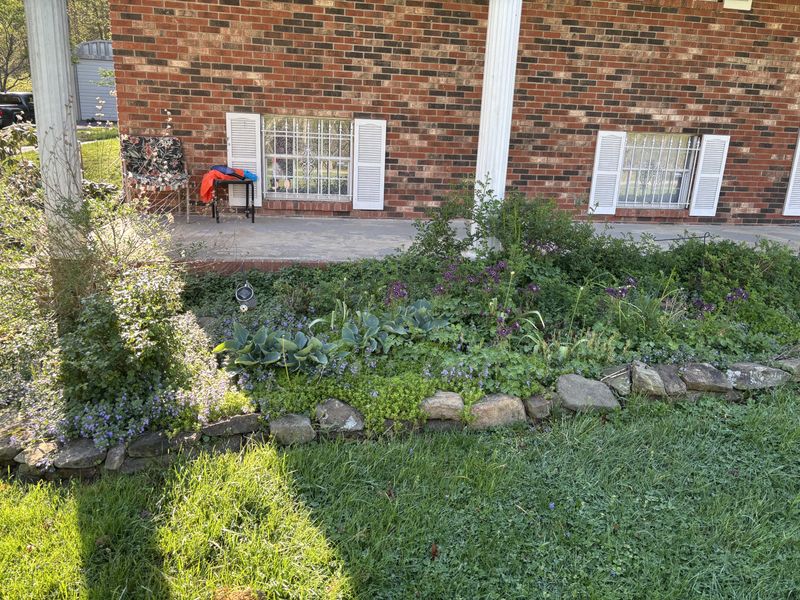
Not every planted border is a good one, at least not from a tick-conscious design standpoint. A damp, crowded, overgrown bed beside a daily walkway can be harder to inspect and maintain.
It is also more likely to collect the leaf litter and moisture that tick-prone edges tend to hold. Good intentions with the wrong plant placement can create more problems than a bare path edge would.
Lavender is a good example of a plant that punishes poor placement. Forced into a shady, wet spot to fill a bed beside a path, it struggles, flops, and eventually becomes a tangled, unhealthy clump.
That kind of growth is both bad plant care and bad tick-conscious design. University extension sources consistently note that lavender needs well-drained soil and full sun to stay healthy and compact.
When choosing plants for a path border, match the plant to the site rather than forcing a choice that looks good on paper. Avoid heavy mulch buildup directly against the path edge, since thick mulch holds moisture and can become a leaf trap over time.
Prune any nearby shrubs that lean toward the walkway and create shaded, damp pockets. Space lavender and companion plants generously so air moves freely through the bed.
A well-chosen, well-spaced planting stays open, dries quickly after rain, and remains easy to walk past and inspect. That kind of bed is a genuine asset to the path, not a maintenance burden.
7. Use Tick Repellent Even With A Fragrant Border
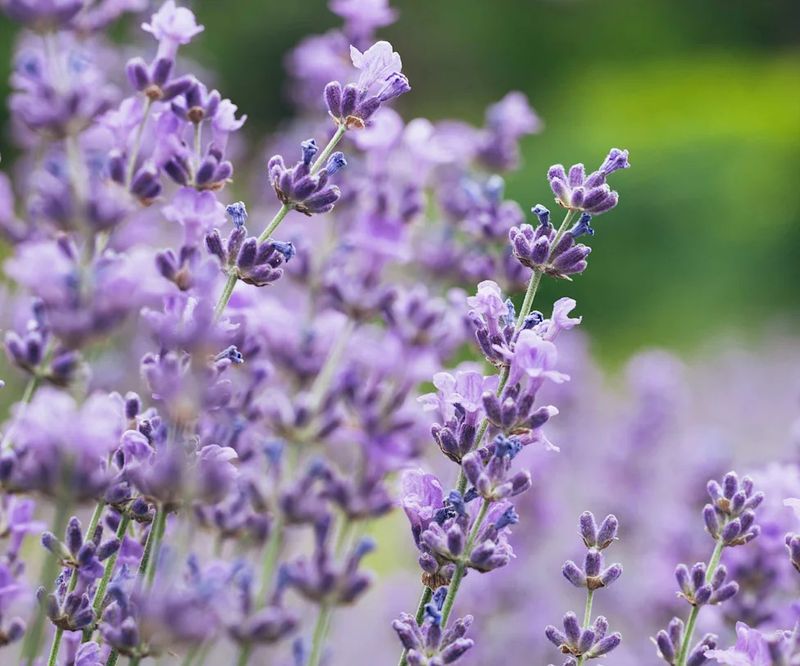
A beautifully planted lavender path is a pleasure to walk. But walking through any outdoor space during tick season, even a well-maintained one, calls for personal protection that goes beyond pretty landscaping.
Plant scent is not a substitute for proven repellent products, and no garden design replaces the basics of tick-safe outdoor habits.
EPA guidance directs people to use EPA-registered insect repellents according to label directions when spending time outdoors in areas where ticks may be present.
Products containing DEET, picaridin, IR3535, or oil of lemon eucalyptus are among those registered and evaluated for effectiveness.
Ohio Department of Health guidance reinforces that personal protection, including repellent use and tick checks, is a key part of reducing tick-borne illness risk.
After any time outdoors near vegetation, check clothing, shoes, and skin carefully. Ticks often crawl before they attach, so a thorough check gives a real opportunity to catch them early.
Check pets too, since animals can carry ticks inside from brushy or grassy areas. Shower within two hours of coming indoors when possible, as CDC guidance notes this can help reduce the risk of tick-borne disease.
Wear light-colored clothing so ticks are easier to spot, and tuck pants into socks when walking near tall grass or wooded edges.
Lavender along the path adds beauty and fragrance, but these personal protection steps are the ones that public health experts actually count on to reduce risk.
8. Build A Path That Ticks Are Less Likely To Cross
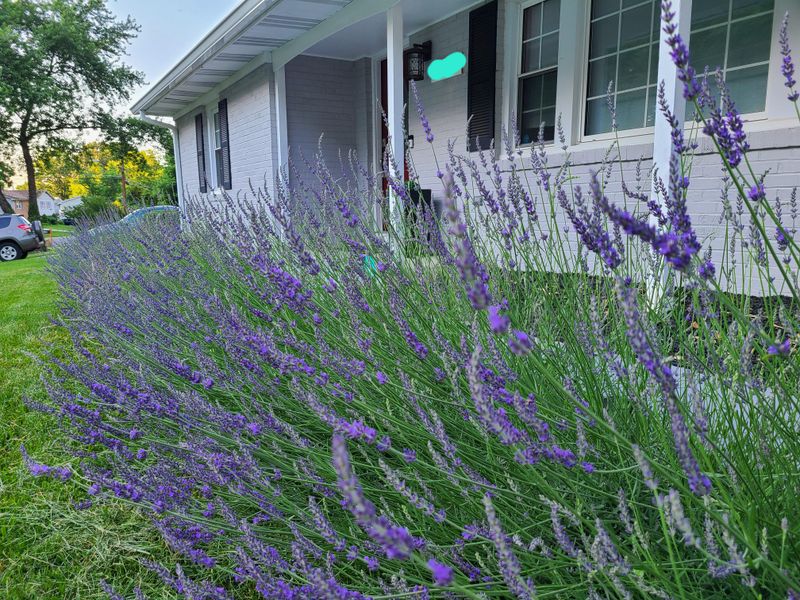
A single plant, no matter how fragrant or well-chosen, cannot do the work of a well-designed path. The gardeners getting the most out of a lavender border are the ones who treat it as one piece of a larger, thoughtful plan.
That plan combines plant choice, site conditions, physical barriers, regular maintenance, and personal protection. Together, they genuinely reduce contact with tick-prone edges.
Start with the path itself. Keep it wide enough to walk comfortably without brushing both sides.
Use gravel or wood chips as a defined transition where the path meets rougher terrain. Plant lavender in full sun with good drainage and proper spacing.
Trim grass along the edges regularly, clear leaf litter from the path zone as it falls, and prune any shrubs that shade or crowd the walkway. Check the border once a week during tick season and refresh gravel or wood-chip strips when leaves begin to collect in them.
Keep pets out of brushy edges when possible, since dogs and cats are effective tick transporters from wild areas into the home. Follow CDC and Ohio Department of Health guidance on repellent use and tick checks after outdoor time.
If tick pressure in your area seems unusually high, local public health offices or a qualified pest professional can offer region-specific guidance. Lavender makes the path genuinely beautiful, and a well-kept sunny border is easier to maintain and inspect.
But the real protection lives in the whole design, not the bloom.