Sow These Ohio Vegetables Before July Ends And Harvest Them In Just Weeks
Most Ohio gardeners write off July as too late for starting anything new in the vegetable garden. The season feels like it is winding toward its conclusion, and the logic of planting something new when fall is already on the horizon does not seem to add up.
That math is wrong, and it is costing a real harvest. A specific group of vegetables started before July ends come in fast.
Not fast by Ohio spring standards, but genuinely fast, these crops are ready to harvest in weeks rather than months. They are timed to land right as the garden needs something fresh to carry it through to frost.
Ohio’s remaining warm weeks are enough. These are not gambles or optimistic experiments.
They are well-documented performers that experienced Ohio vegetable gardeners count on every single year to extend the season past the point most people assume it ended. The window is still open.
Not for long.
7. Sow Radishes First For The Fastest Payoff
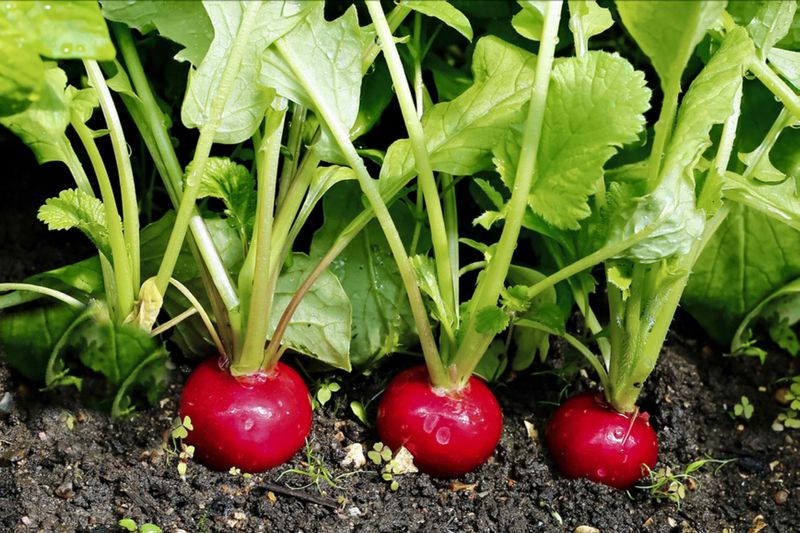
Pull a packet of Cherry Belle or Easter Egg radishes off the shelf and you are already looking at one of the fastest turnarounds in the vegetable garden. OSU Extension guidance notes that radishes can mature in as few as 22 to 30 days depending on variety.
That makes them the most realistic choice for a late-July sowing with a quick harvest in mind. Warm soil actually helps radish seeds germinate fast, often within three to five days when moisture is consistent.
Sow seeds about half an inch deep and space rows roughly six inches apart. Thin seedlings to about two inches apart once they emerge, because crowded plants tend to produce small or misshapen roots.
Keeping the seedbed evenly moist is critical, since dry spells in August can cause roots to turn woody, crack, or taste sharply bitter.
Hot, dry stretches are the biggest enemy of radish quality late in summer. Water gently but regularly, and consider shading newly seeded beds during the hottest part of the afternoon if temperatures stay above 90 degrees.
Harvest roots promptly once they reach full size. Leaving them in the ground too long in warm weather makes them pithy and overly spicy.
A quick check every day or two near harvest time helps you catch them at their best.
6. Plant Arugula Before The Summer Window Closes
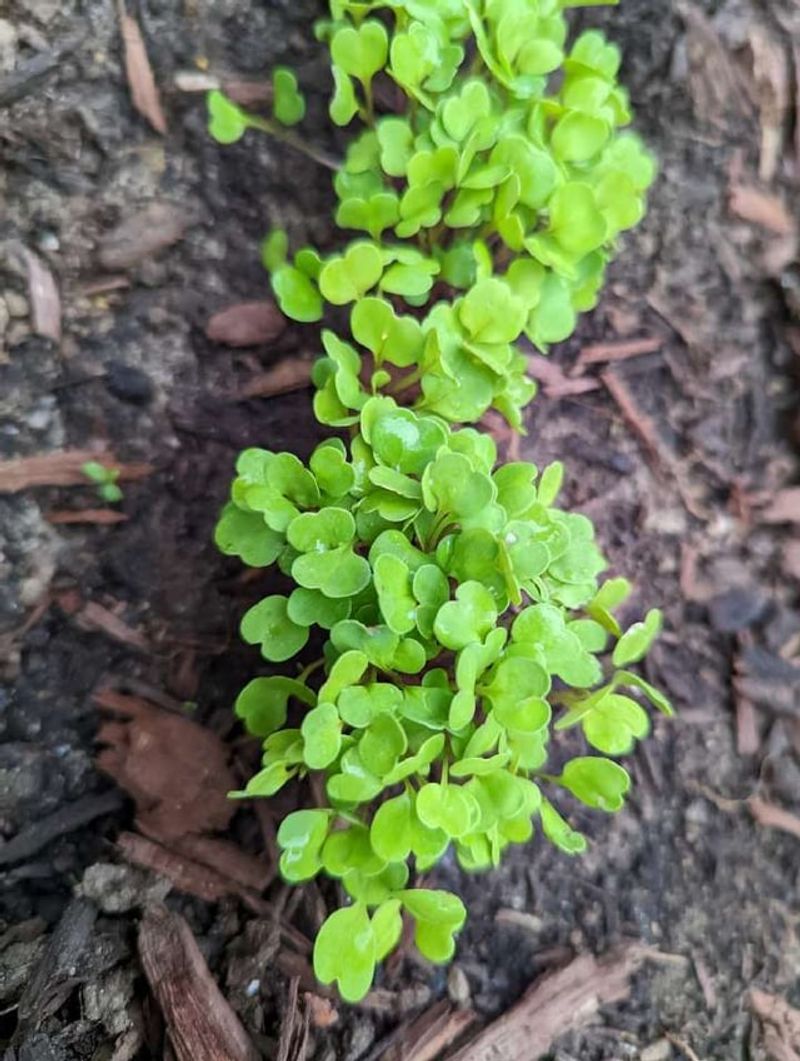
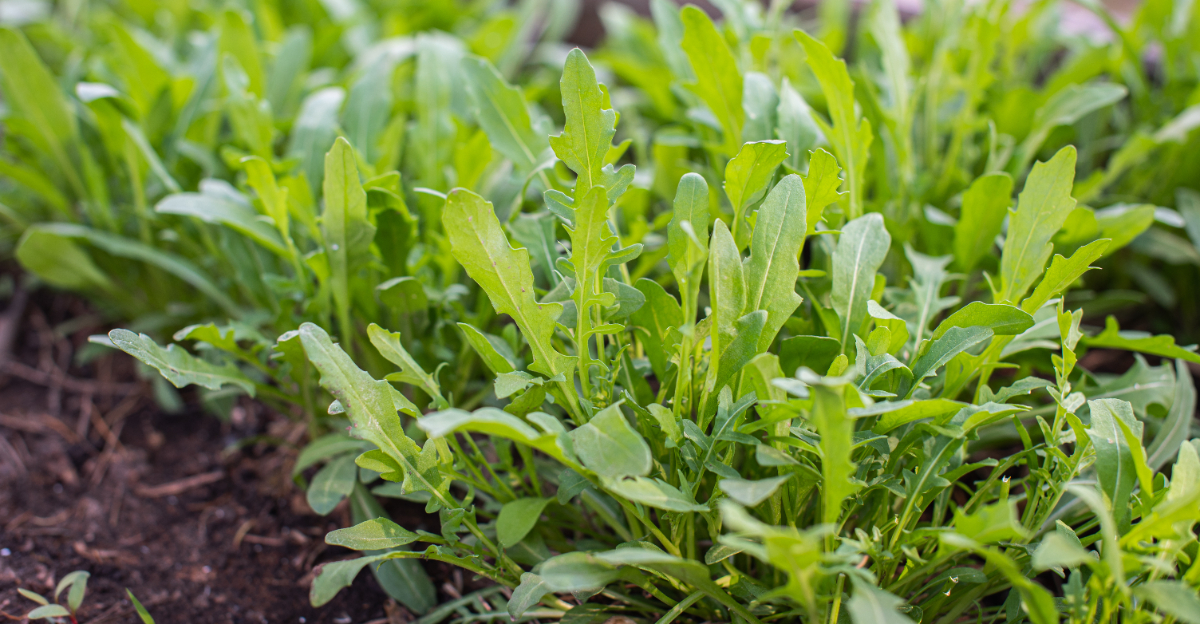
Few greens reward a late-July gardener as quickly as arugula does when conditions line up. University extension sources note that arugula can be ready to harvest as baby leaves in roughly 21 to 40 days, depending on weather and how large you prefer the leaves.
That makes it a strong candidate for a fast payoff before the season shifts.
Sow seeds shallowly, no more than a quarter inch deep, in rows or small broadcast patches. Keep the seedbed consistently moist because arugula seeds are tiny and dry out quickly in summer heat.
One thing to prepare for is that hot weather can push arugula toward a stronger, more peppery bite. That is not a flaw for everyone, but gardeners who prefer milder flavor will find that cooler fall temperatures improve the taste noticeably.
Your Ohio Garden Changes Every Week. Your Plan Should Too.
Gardening in Ohio changes quickly throughout the season. Every Friday you’ll receive a simple weekly plan showing exactly what to plant, prune, fertilize, harvest, and protect so you never miss the right timing.
If afternoon sun is intense in your garden space, tucking arugula near taller plants or a fence that blocks late-day heat can help slow bolting.
Horticulture experts suggest cutting baby leaves with scissors rather than pulling whole plants, which allows the patch to keep producing for multiple harvests.
Do not wait for leaves to grow large and tough before picking. Early cuts tend to yield the most tender, flavorful greens.
Successive small sowings every week or two can also extend your harvest window nicely as August moves toward September.
5. Start Lettuce Where Afternoon Shade Helps
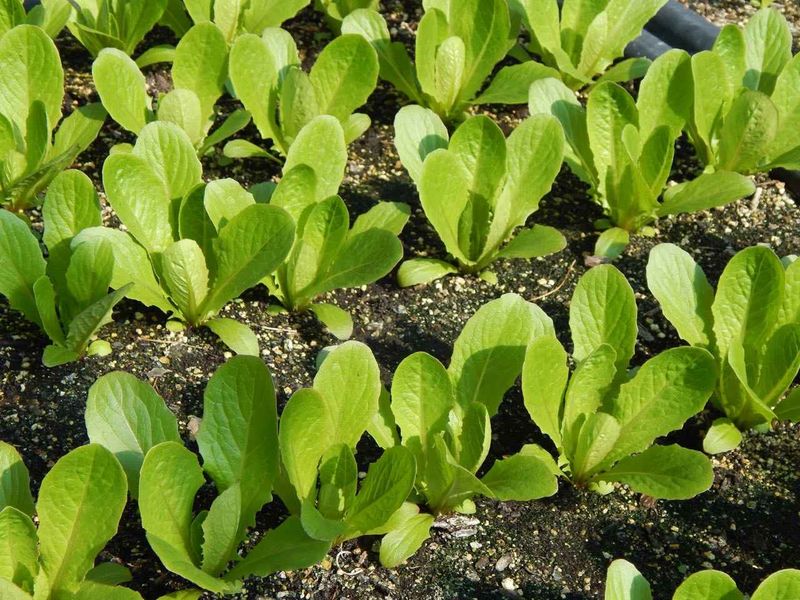
Lettuce has a tricky reputation in summer, and that reputation is mostly earned. Germination can stall when soil temperatures climb above 80 degrees Fahrenheit, which is a real concern during late July in Ohio.
OSU Extension guidance explains that loose-leaf varieties tend to handle heat better than heading types, making them the smarter pick for a late-summer sowing.
Placement matters more in July than at any other time of year. Beds that receive shade during the hottest afternoon hours give lettuce a fighting chance by keeping soil temperatures a few degrees cooler.
Sow seeds very shallowly, just barely covered with fine soil or a light dusting of compost. Water gently twice a day if needed to keep the surface from drying out before seeds sprout.
The realistic harvest goal for late-July lettuce is baby greens or cut-and-come-again leaves, not full heads. Baby leaves can be ready in as few as 28 to 35 days when growing conditions cooperate.
Full heads take considerably longer and may not be practical in tighter frost windows, especially in northern regions. Choosing fast-maturing varieties like Black Seeded Simpson or Salad Bowl gives you the best odds.
Keep soil evenly moist throughout the growing period, and plan to harvest outer leaves regularly once plants are a few inches tall. That approach keeps production going longer than a single full harvest would.
4. Drop Turnip Seeds For Quick Roots And Greens
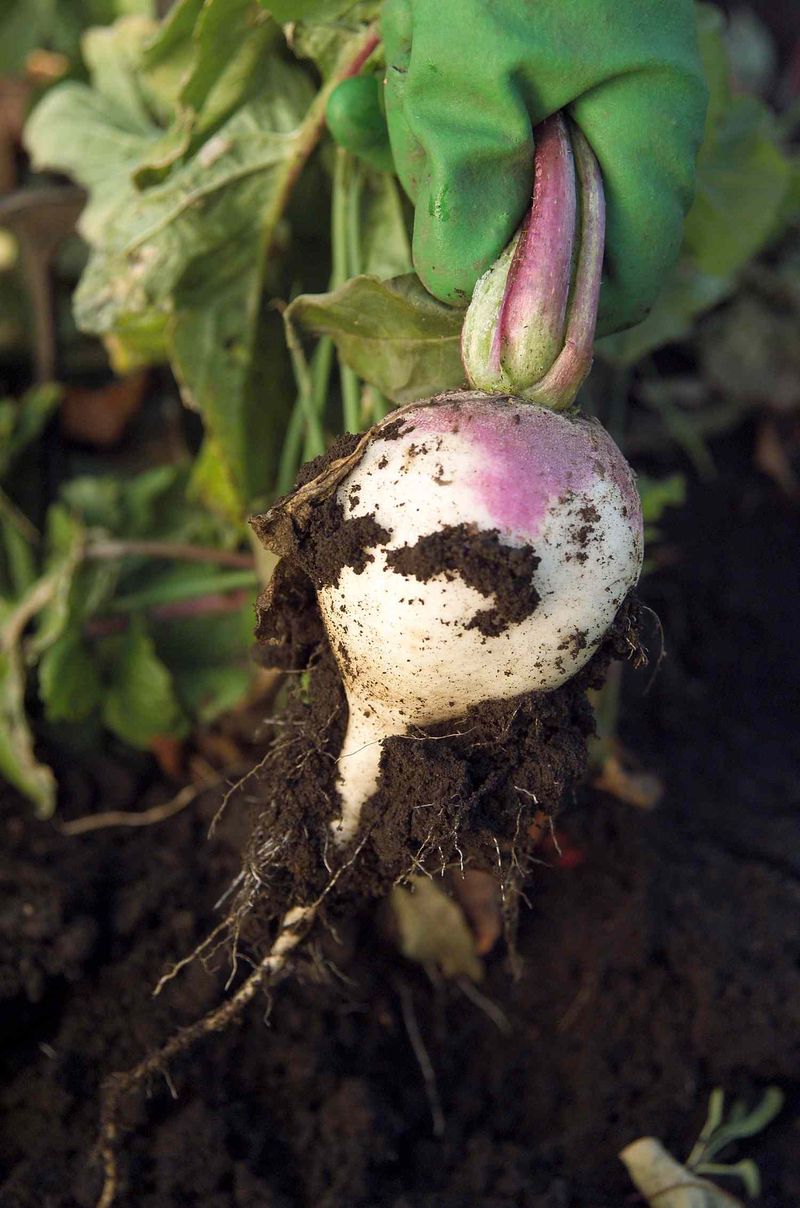
Turnips offer something most late-season crops cannot: two distinct harvests from a single sowing. The leafy greens can be ready to snip in as little as 30 to 35 days, while small tender roots may follow within 45 to 60 days depending on variety and growing conditions.
That two-stage payoff makes turnips especially practical when you are racing the fall frost calendar.
Sow seeds directly in the garden about a quarter to half an inch deep. Thin plants to about four to six inches apart once seedlings are a few inches tall.
Skipping the thinning step is a common mistake that leads to crowded plants and undersized roots. Consistent watering encourages both strong leaf growth and steady root development, so do not let the bed dry out for long stretches.
Purple Top White Globe and Hakurei are two varieties that university extension sources often point to for fall production. Hakurei in particular is valued for its mild, sweet flavor and relatively quick days to harvest.
Harvest greens by snipping outer leaves and leaving the center intact so the plant keeps growing. Pull roots when they reach two to three inches in diameter for the best texture.
Larger roots can become woody or sharp in flavor, especially if warm weather lingers. Young turnip roots eaten fresh or lightly roasted are genuinely mild and far more approachable than many Ohio gardeners expect.
3. Grow Beets For Baby Greens Before Bigger Roots
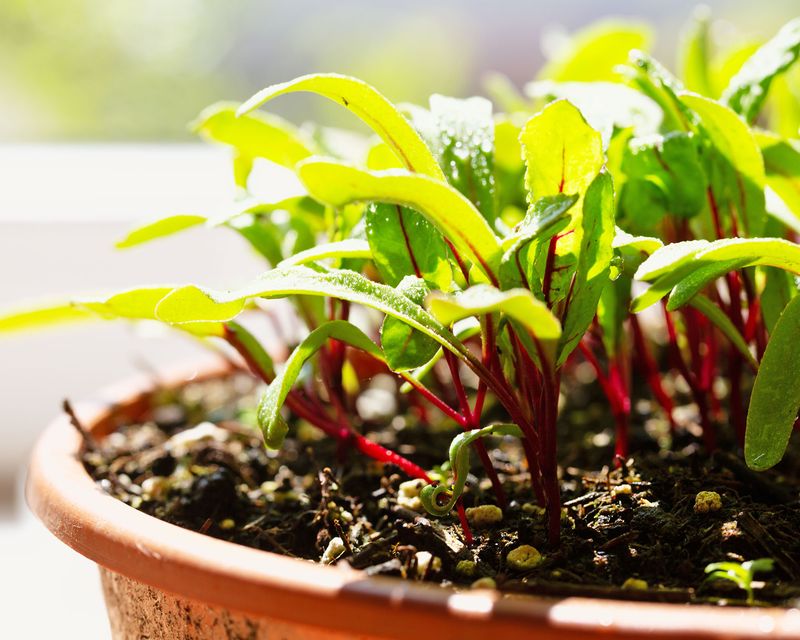
Beet seeds are actually clusters of multiple seeds packed into a single corky hull, which means thinning is not optional if you want decent roots. Sow seeds about half an inch deep and expect germination within five to ten days in warm July soil.
Once seedlings are two to three inches tall, thin them to about three inches apart so each plant has room to develop.
The smart late-season strategy with beets is to treat the greens as your first harvest. Baby beet greens can be snipped and added to salads or cooked within three to four weeks of sowing, well before roots reach full size.
Full-size beet roots typically take 50 to 70 days depending on variety, which may stretch into cooler fall weather. That is not necessarily a problem, since beets actually improve in sweetness after light frosts.
OSU Extension guidance recommends keeping beet beds consistently moist for even root development. Irregular watering can cause roots to crack or develop tough rings inside.
Detroit Dark Red and Early Wonder Tall Top are varieties commonly recommended for fall production in this region because of their reliable performance and good flavor.
Soaking seeds for a few hours before planting may help speed germination, though results can vary.
Focus on baby greens as your near-term payoff, and treat any full roots that develop before frost as a bonus worth celebrating.
2. Try Bush Beans Only Where Frost Gives You Time
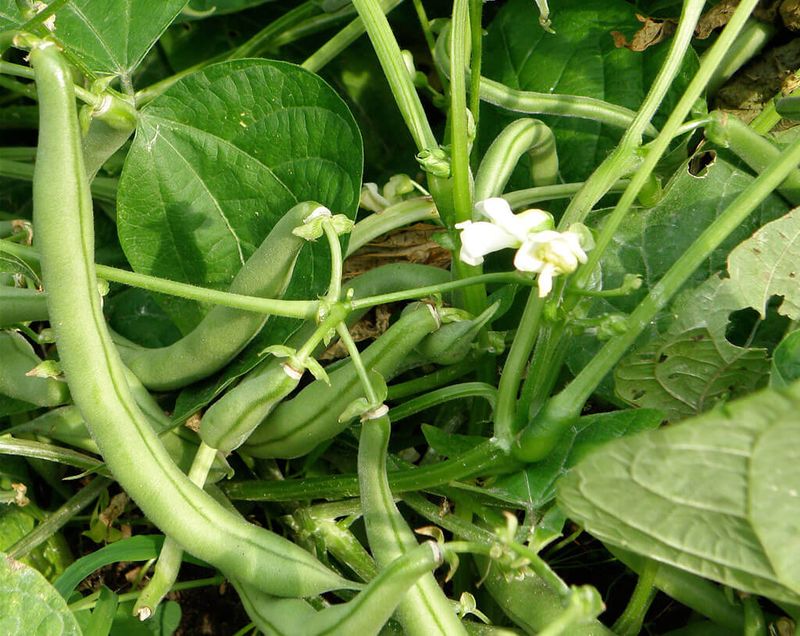
Bush beans are the most time-sensitive crop on this list, and that is worth saying plainly before you reach for the seed packet. Most bush bean varieties need 50 to 60 days from sowing to harvest.
That means a late-July planting is only realistic where the first frost holds off until mid-October or later. Gardeners in southern and central regions of Ohio generally have a better shot at this than those in northern regions, where frost can arrive earlier.
If your local frost date gives you enough runway, choose the fastest-maturing variety you can find. Provider and Contender are two bush bean varieties that often appear in extension planting guides for their reliability and relatively quick days to harvest.
Sow seeds one to two inches deep and about three inches apart in rows. Water consistently during germination because bean seeds need steady moisture to sprout well in warm soil.
Do not plant bush beans this late and then ignore the forecast. Check your local first frost date carefully, and count backward from that date using the days-to-harvest number on your seed packet.
If the math does not work out, skip beans and redirect that garden space toward radishes or arugula instead. Beans are not as forgiving as leafy greens when frost arrives early.
Horticulture experts suggest this crop as possible, not guaranteed, for late-July sowing in most local Ohio gardens.
1. Add Spinach For A Cooler Fall Harvest
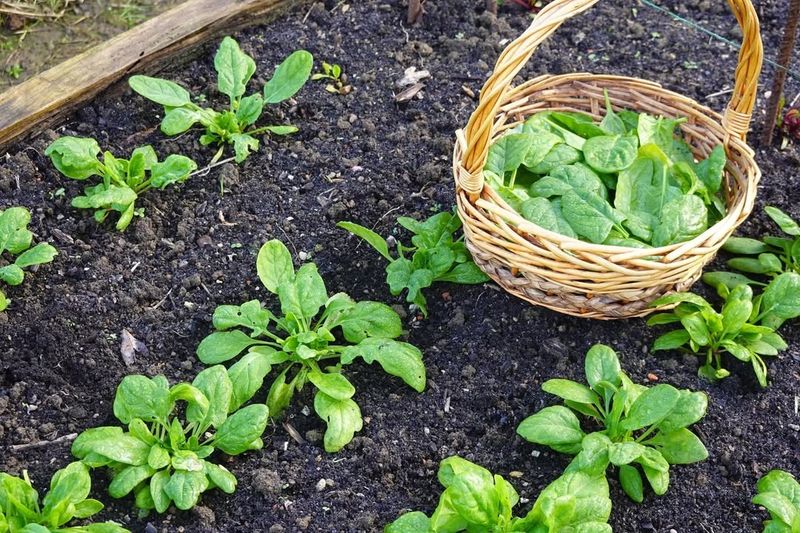
Spinach is a bit of a paradox in late July. It craves cool temperatures but benefits from being sown while warm soil speeds up early germination.
The catch is that soil temperatures above 85 degrees Fahrenheit can cause poor or uneven germination. OSU Extension guidance suggests that gardeners may need to cool the seedbed before sowing.
Water deeply and cover the area briefly with a board or shade cloth to drop surface temperatures.
Once seeds sprout and small plants establish, spinach shifts into a comfortable groove as August temperatures begin to ease. Baby spinach leaves can be harvested in as few as 25 to 35 days after germination when plants are small and tender.
Full-size leaves take longer, usually 40 to 50 days depending on variety. Bloomsdale Long Standing and Space are two varieties that university extension sources often recommend for fall production.
They are valued for their bolt resistance and solid leaf quality.
Sow seeds about half an inch deep in rows spaced roughly a foot apart. Thin plants to three to four inches once they are established so each one has room to fill out.
Keep the soil evenly moist throughout the season, and consider successive small sowings every week or two as temperatures cool into August and September.
Spinach planted slightly later in the window may actually perform better than seeds sown during the hottest days of late July.