If You See This Beetle In Indiana Do Not Touch It And Do Not Move It
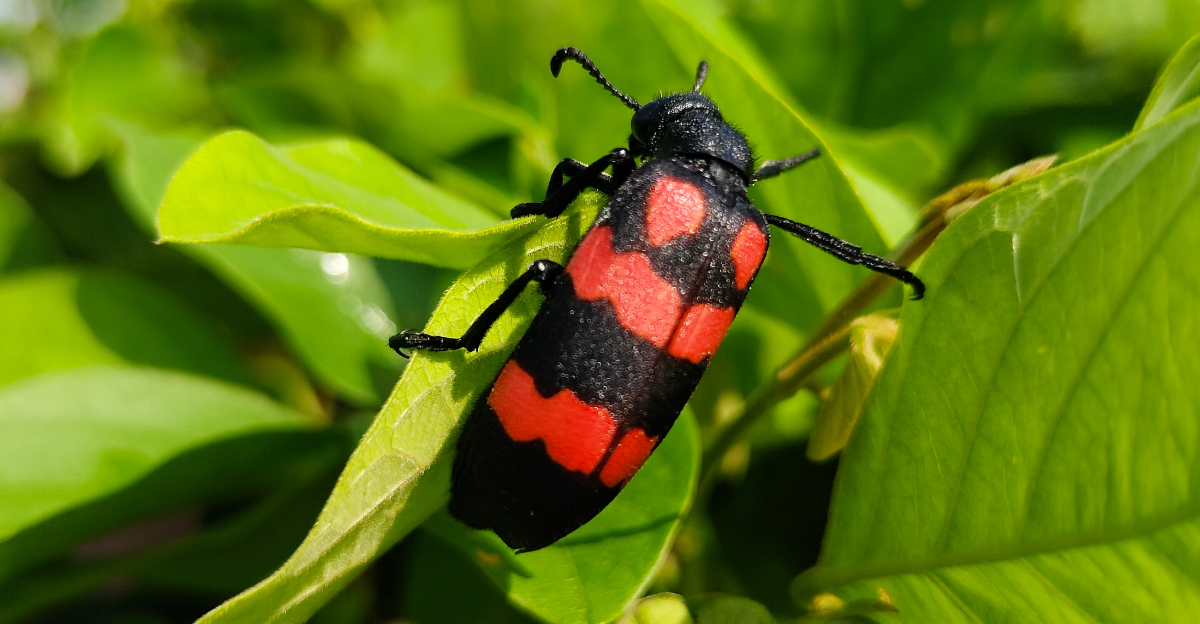
A tiny hitchhiker has been showing up on Indiana tomato leaves this summer, and most gardeners walk right past it. The blister beetle wears a slick, metallic coat that could pass for decorative.
Underneath that shine sits a defense most people never see coming. When threatened, this beetle releases a compound called cantharidin, a substance strong enough to raise blisters on human skin within hours of contact.
Farmers have known about it for generations, but backyard gardeners across Indiana are only starting to catch on. It hides in leafy greens, clusters on flowering plants, and often goes unnoticed until someone brushes against it bare handed.
If your garden has looked a little chewed up lately, there may be more going on than simple pest damage. Here is what every Indiana gardener should know before touching anything unfamiliar.
1. This Indiana Insect Comes With A Warning Label
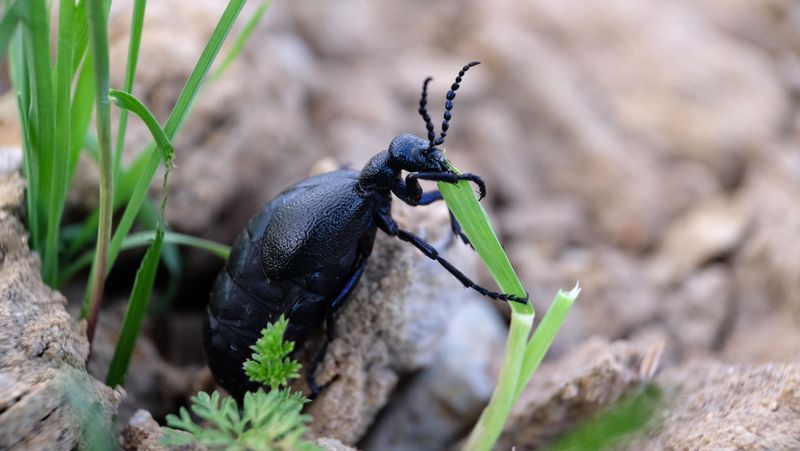
Spotted something long, dark, and slow-moving on your pepper plants? That could be a blister beetle, and it is not one you want to handle bare-handed.
This insect comes with a built-in chemical defense that most bugs can only dream about. When threatened, it releases a substance so potent it can blister your skin within hours.
Blister beetles belong to the family Meloidae, a group with more than 2,500 known species worldwide. Several of those species call Indiana home, especially during warm summer months.
You will often find them clustered in groups on garden plants like tomatoes, beans, and alfalfa. They tend to show up fast and in large numbers, almost overnight.
What makes this bug extra tricky is that it looks pretty ordinary at first glance. Just a beetle quietly going about its day, with nothing about its appearance hinting at what it can do.
But do not let that calm exterior fool you. The blister beetle carries one of the most potent natural toxins produced by any insect in North America.
If you see this beetle in Indiana, the smartest move is to stop, step back, and resist every urge to swat it away with your hand. Knowing what you are dealing with is your first and best line of defense.
2. Spotting A Blister Beetle In Your Garden
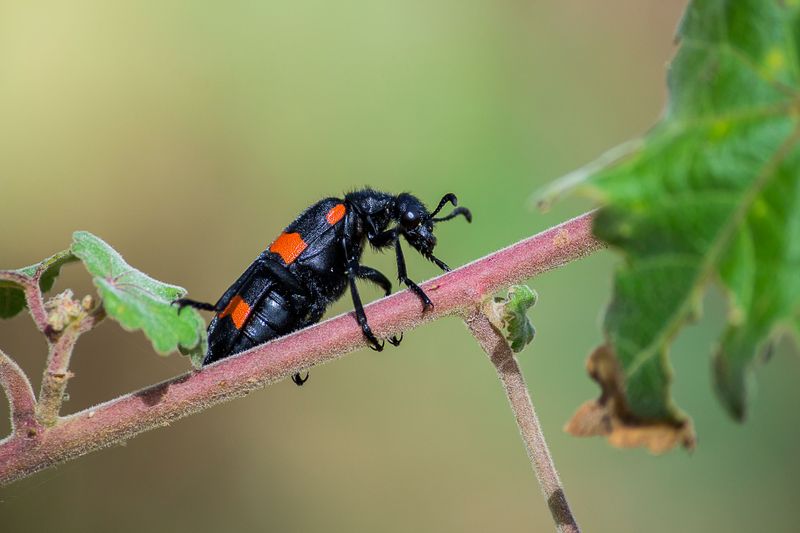
Getting a good look at this bug before you react could save you a painful afternoon. Blister beetles have a few features that set them apart from common garden beetles.
First, check the shape. These insects have a noticeably narrow neck connecting the head to the body, which gives them an almost pinched appearance.
Their bodies are long and soft compared to hard-shelled beetles like Japanese beetles or June bugs. That soft exterior is actually a clue that something unusual is going on inside.
Coloring varies widely by species. Some are solid black, others have gray or tan coloring, and some sport bold yellow and black stripes that almost look decorative.
Size-wise, most blister beetles measure between half an inch and one full inch in length. That is about the size of a large sunflower seed or a small grape.
Your Indiana Garden Changes Every Week. Your Plan Should Too.
Gardening in Indiana changes quickly throughout the season. Every Friday you’ll receive a simple weekly plan showing exactly what to plant, prune, fertilize, harvest, and protect so you never miss the right timing.
You will often spot them feeding in groups, which is one of their most recognizable behaviors. A cluster of long, dark bugs devouring a plant together is a strong visual signal to pause and identify before acting.
Their legs are long and spindly, giving them a somewhat awkward, lumbering walk. They are not fast movers, which is part of why people instinctively reach out to pick them up.
Learning to spot the narrow neck and soft body will help you identify this beetle quickly. Once you know what to look for, spotting it again becomes much easier.
3. The Toxic Chemical Behind A Blister Beetle’s Defense
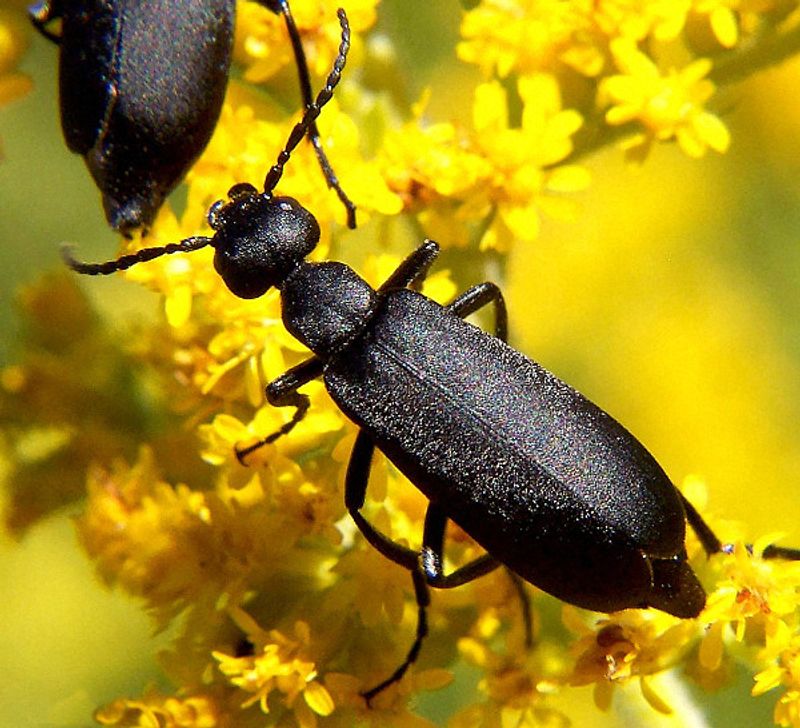
Cantharidin sounds like something from a chemistry textbook, but this compound is very real and very dangerous. It is the toxic substance that makes blister beetles so uniquely hazardous among garden insects.
The beetle does not spray or inject cantharidin like a bee uses a stinger. Instead, the chemical seeps out through the joints of the insect’s legs when it feels threatened or gets crushed.
Even a small amount of cantharidin can cause serious irritation. Scientists estimate that just a few micrograms on the skin can trigger a visible blister within a matter of hours.
Male blister beetles actually produce cantharidin themselves, storing it in their body tissues. Females absorb the compound during mating, which means both sexes carry it.
From an evolutionary standpoint, this chemical is a masterpiece of survival. Predators that try to eat a blister beetle quickly learn to avoid them, giving the species a powerful long-term advantage.
Cantharidin is so stable that it remains toxic even after the beetle has been dried or crushed into powder form. That fact matters enormously for farmers who harvest hay, since crushed beetles in feed can still cause harm.
Historically, cantharidin was used in folk medicine and even as an ingredient in certain dubious remedies. Modern science has confirmed it is far too dangerous for casual use.
Understanding why this chemical exists helps explain why the beetle is best left alone. Its defense system works exactly as designed.
4. The Risks Of Touching Or Crushing A Blister Beetle
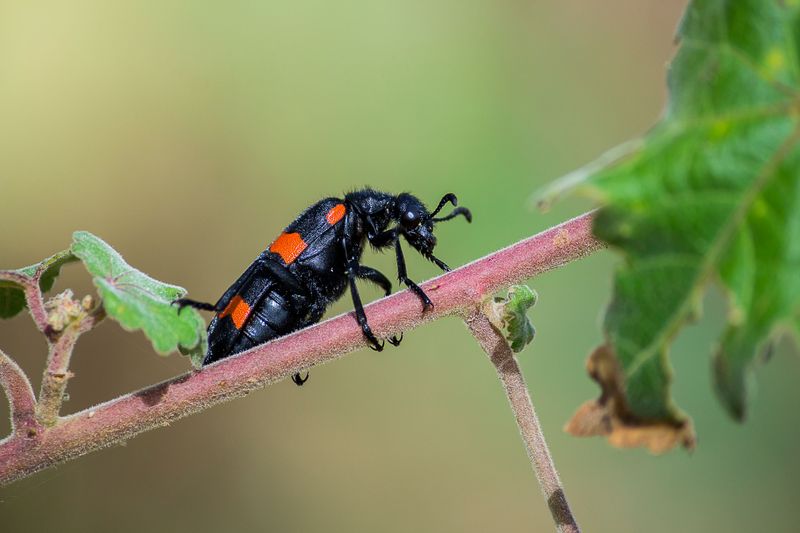
Accidentally crushing a blister beetle with your bare hand tends to leave a lasting impression. The reaction is not immediate, which is actually part of what makes it so surprising.
Cantharidin absorbs through the skin quietly and without much fanfare at first. Hours later, fluid-filled blisters begin forming at the point of contact.
The blisters can range from small and annoying to large and genuinely painful, depending on how much of the chemical made contact. Some people develop multiple blisters across a wide area of skin.
Unlike a bee sting, there is no sharp warning signal to tell you something went wrong. You might not even realize what happened until you wake up the next morning with a swollen, blistered hand.
If cantharidin gets into your eyes, the situation becomes much more serious. Eye exposure can cause severe inflammation and temporary vision problems that require immediate medical attention.
Ingesting even a tiny amount of this compound is a medical emergency. The internal damage it can cause to soft tissue is far more severe than the skin reaction.
If you suspect contact with a blister beetle, wash the affected area with soap and water right away. Do not pop the blisters, and contact a healthcare provider if symptoms worsen or spread.
Most skin exposures, when treated quickly, heal without permanent damage. Acting fast makes all the difference in how your body recovers.
5. The Real Danger Blister Beetles Pose To Horses
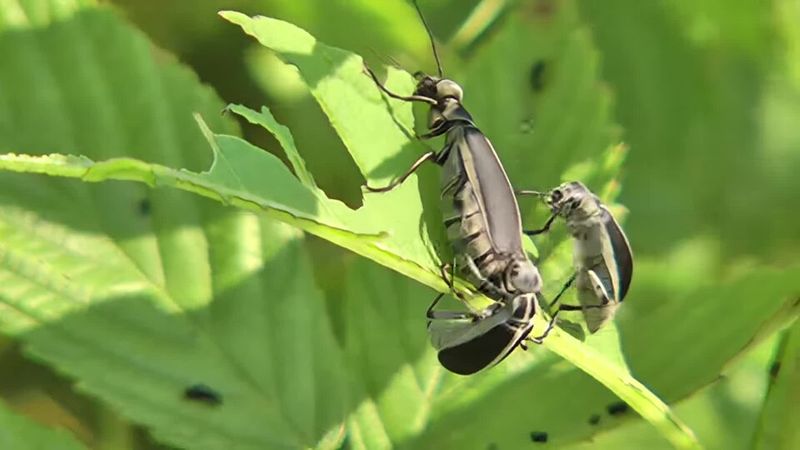
For horse owners across Indiana, the blister beetle is not just a garden nuisance. It is a genuine threat that can turn a routine feeding into a life-threatening situation.
Horses are extraordinarily sensitive to cantharidin, far more so than humans or most other animals. Even a small number of beetles mixed into hay can cause severe internal damage.
The problem usually starts during hay harvesting. When alfalfa fields are cut and crimped, beetles feeding on the plants get trapped and crushed into the bales.
A horse eating that contaminated hay ingests cantharidin without any warning. The compound then attacks the lining of the digestive tract, causing intense pain and inflammation.
Symptoms in horses include sweating, pawing, frequent attempts to urinate, and signs of colic. These can appear within hours of eating affected hay.
Cantharidin poisoning in horses is considered one of the more difficult conditions to treat, since supportive care is the only option.
Horse owners should buy hay from trusted suppliers who know how to minimize beetle contamination during harvest. Avoiding crimped alfalfa from high-risk regions during beetle season is also a smart precaution.
If you own horses and live near alfalfa fields in Indiana, blister beetle season deserves your full attention. Your animals are counting on you to know the difference between safe hay and a hidden hazard.
6. Steps To Take If One Shows Up In Your Yard
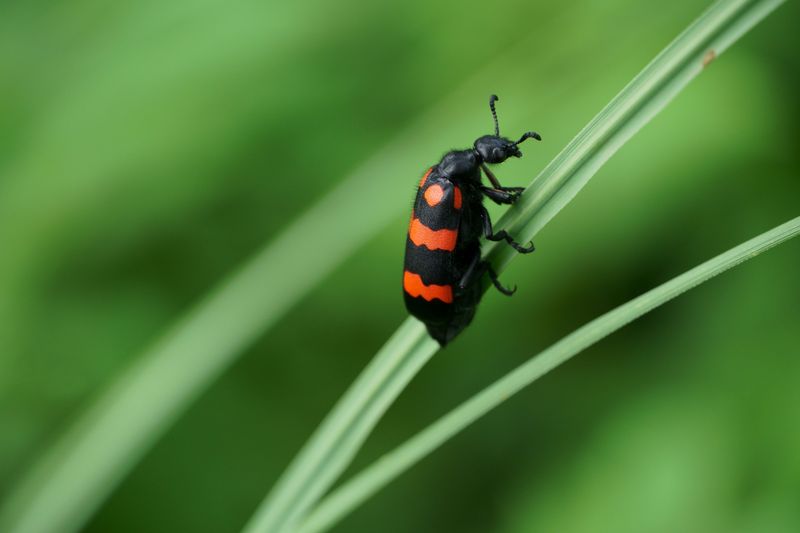
Finding a blister beetle in your yard does not have to send you into a panic. Knowing the right steps makes the whole situation much more manageable and safe.
First rule: keep your hands away. Never try to pick up or flick away a blister beetle with your bare fingers, no matter how tempting it feels in the moment.
If you need to move one, use a stick or a long-handled garden tool to gently guide it away from a plant. Thick rubber gloves can add extra protection if you must get closer.
Do not try to crush them underfoot either. Crushing releases cantharidin, and it can transfer to your shoe and then to your skin if you later handle your footwear.
For large infestations, consider calling a local pest management professional. They can assess the situation and recommend targeted treatments that minimize risk to people and pets.
If you find just a few beetles, you can vacuum them up using a shop vac and then seal and dispose of the bag immediately. This keeps direct contact very low.
Garden fabric row covers placed over vulnerable plants can prevent beetles from reaching your crops in the first place. That kind of prevention tends to work better than reacting after the fact.
If you see this beetle in Indiana again next season, you will be ready. A little awareness and the right protective habits go a long way toward staying safe around one of nature’s sneakiest insects.