Native Ohio Ground Covers That Are Replacing Mulch In Garden Beds
Every spring, the same routine plays out in Ohio gardens everywhere. Fresh mulch goes down, things look great for about three weeks, and then the weeds show up anyway like they never got the memo.
Sound familiar? Bare soil is a weed magnet and a moisture problem all at once, and mulch alone can only do so much before it starts breaking down and needing to be replaced all over again.
There is a better long-term approach, and it involves letting plants do the heavy lifting. Native ground covers spread, fill in open soil, support local insects, and work with Ohio’s climate instead of fighting it.
They are not an overnight fix, and new plantings may still need some mulch while they settle in, but the payoff over time is genuinely worth it.
1. Wild Ginger Covers Shady Soil
Shaded garden beds under Ohio’s mature oaks and maples are often the hardest spots to keep looking tidy. Mulch breaks down quickly in moist shade, and bare soil between plants can feel like a constant problem.
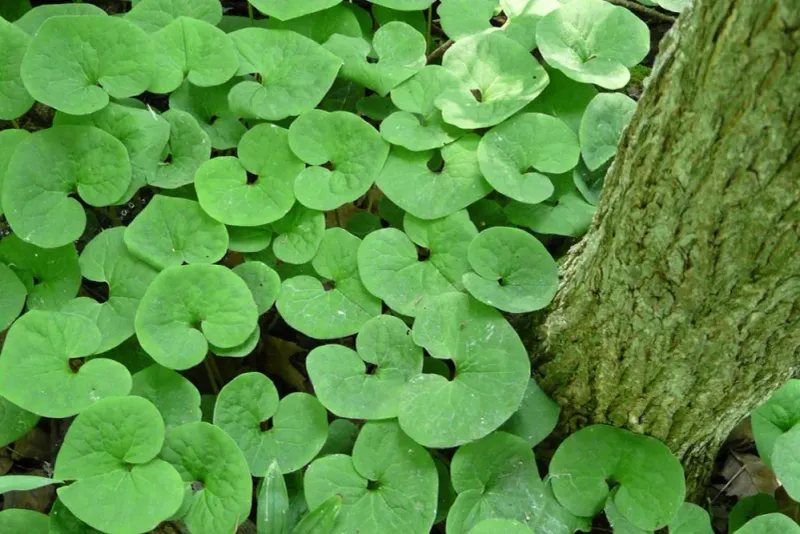
Wild ginger, known botanically as Asarum canadense, is a low-growing native that tends to fill those gaps slowly but steadily over several seasons.
The broad, heart-shaped leaves form a dense layer that shades the soil beneath, which can help slow weed germination in established plantings. Wild ginger generally prefers moist, rich soil with good organic matter and performs well in full to part shade.
It spreads by underground rhizomes rather than aggressive seeding, so it tends to stay where you put it without taking over neighboring plants.
New plantings may need a light layer of mulch while the colony fills in, since wild ginger spreads gradually rather than quickly. It works well along shaded foundation edges, woodland-style borders, and path edges under tree canopy.
Ohio gardeners who enjoy low-maintenance native plantings often find wild ginger rewarding once it gets established and begins to knit together into a solid, weed-shading mat of foliage.
2. Golden Ragwort Spreads In Moist Shade
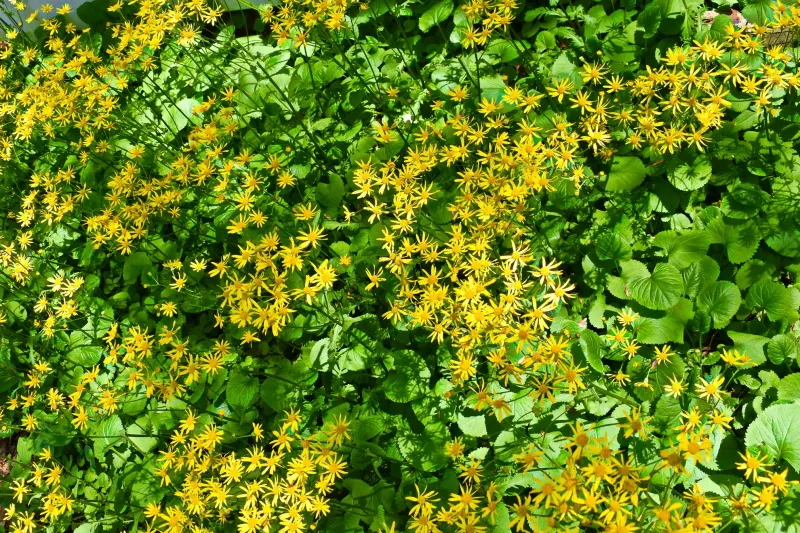
Few native Ohio plants offer the combination of cheerful early-season blooms and reliable spreading habit that golden ragwort brings to moist, shaded beds.
Packera aurea produces clusters of bright yellow flowers in spring, which pollinators visit eagerly before many other garden plants have even leafed out.
After blooming, the foliage stays low and dense through the growing season.
Golden ragwort tends to spread by both stolons and self-seeding, which means it can fill in open mulch areas relatively well in the right conditions.
It generally prefers moist to wet soil and performs best in part shade to full shade, making it a practical choice for Ohio rain garden edges, shaded borders near downspouts, and low spots that stay consistently moist.
Homeowners should keep in mind that golden ragwort spreads more freely than some other native ground covers, so placing it where spreading is welcome is a good idea before planting. It may not be the best fit for a small, tightly managed bed.
Your Ohio Garden Changes Every Week. Your Plan Should Too.
Gardening in Ohio changes quickly throughout the season. Every Friday you’ll receive a simple weekly plan showing exactly what to plant, prune, fertilize, harvest, and protect so you never miss the right timing.
In larger shaded areas or naturalistic Ohio gardens, though, it can reduce open soil noticeably over a few seasons while also providing early pollinator support that mulch simply cannot offer.
3. Foamflower Softens Woodland Beds
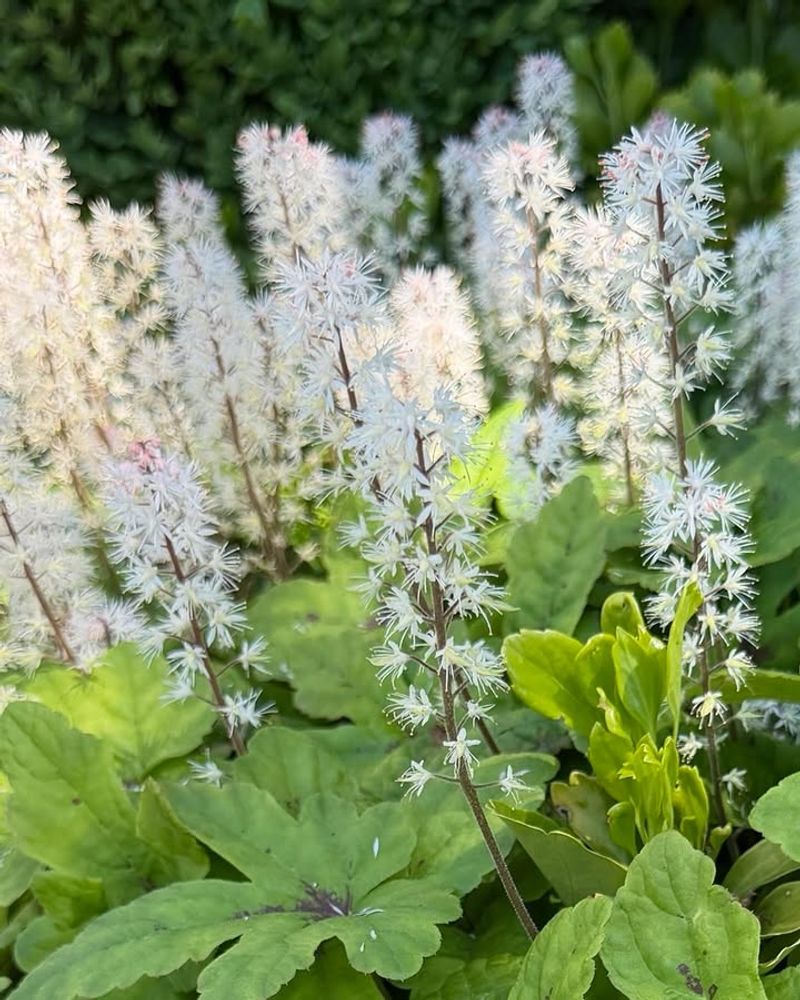
Walk through an Ohio woodland in late spring and you may spot foamflower tucked among ferns and trilliums, its soft white flower spikes catching the filtered light.
Tiarella cordifolia brings that same quiet elegance to shaded garden beds, offering attractive lobed foliage that stays low and spreads gently by stolons over time.
It has a relaxed, natural look that fits well in woodland-style plantings.
Foamflower generally prefers moist, well-drained soil rich in organic matter and does best in part shade to full shade.
It tends to work well under deciduous trees, along shaded path edges, and in mixed perennial beds where a soft, low layer of foliage helps cover open soil between taller plants.
The spreading habit is moderate rather than aggressive, so it fills in gradually without overwhelming neighbors.
Because foamflower spreads at a measured pace, new plantings may still need some mulch between plants during the first season or two.
Patience pays off, though, since an established colony of foamflower creates a dense enough leaf cover to shade the soil and reduce weeding in those spots.
Ohio gardeners who enjoy layered, naturalistic beds often use foamflower as a reliable middle-layer filler beneath shrubs or taller shade perennials.
4. Wild Stonecrop Fits Dry Edges
Dry, rocky edges along driveways, south-facing slopes, and sunny garden borders are some of the toughest spots in any Ohio yard to keep mulched. Mulch blows away, washes off slopes, or simply dries out so fast it stops helping.
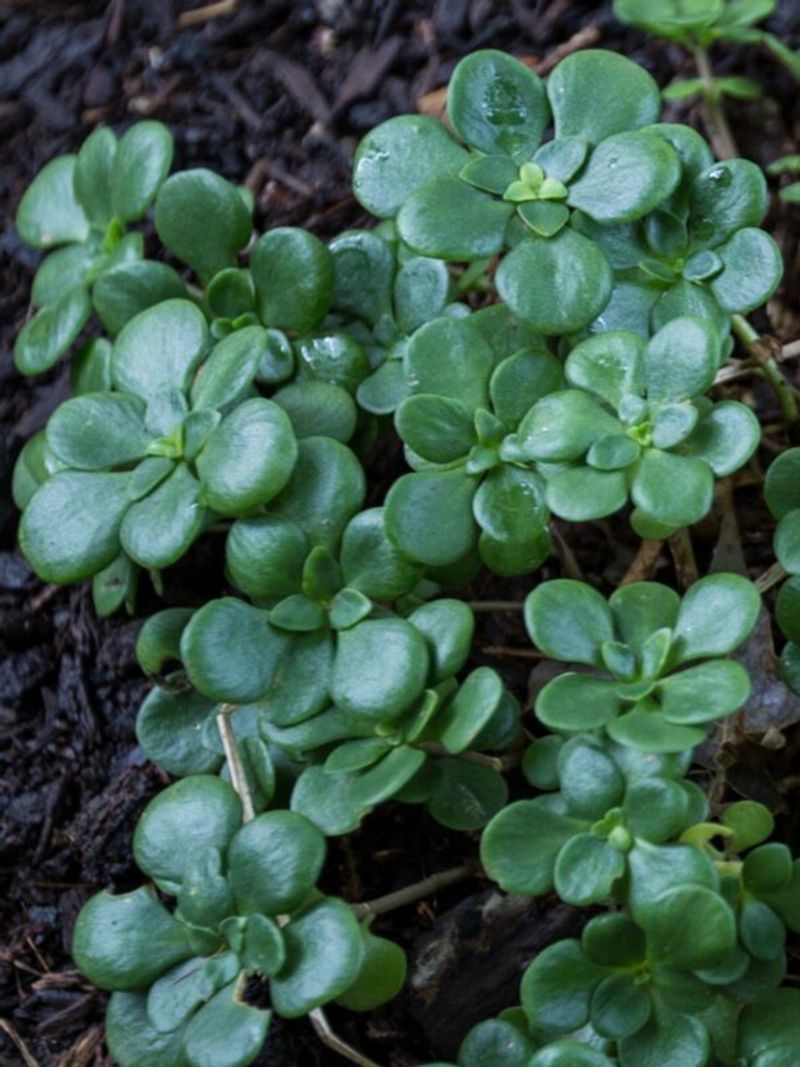
Wild stonecrop, or Sedum ternatum, is a low-growing native succulent that seems made for exactly these kinds of challenging spots.
The small, rounded fleshy leaves form a mat that hugs the ground closely, and in late spring the plant produces clusters of small white star-shaped flowers that attract early pollinators.
Wild stonecrop generally prefers well-drained to dry soil and tolerates rocky or shallow growing conditions that many other plants struggle with.
It does best in full sun to light shade and can handle lean soil without much amendment.
Because it spreads slowly by offsets and stem rooting, wild stonecrop works best in areas where you want a low, tight mat rather than a fast-spreading colony.
Some mulch may still be needed between new plants during establishment, but over time the mat fills in and shades the soil beneath it.
For Ohio gardeners dealing with stubborn dry edges or sloped beds that lose mulch regularly, wild stonecrop is a practical and attractive native option worth considering.
5. Common Blue Violet Fills Low Spaces
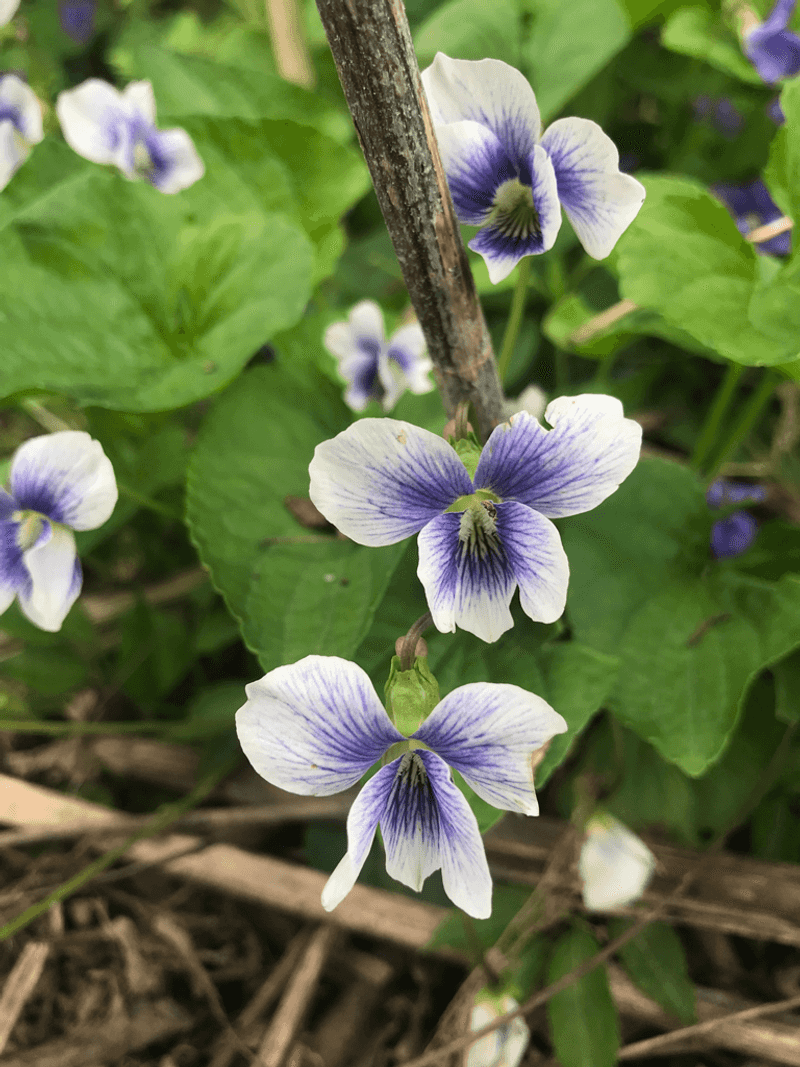
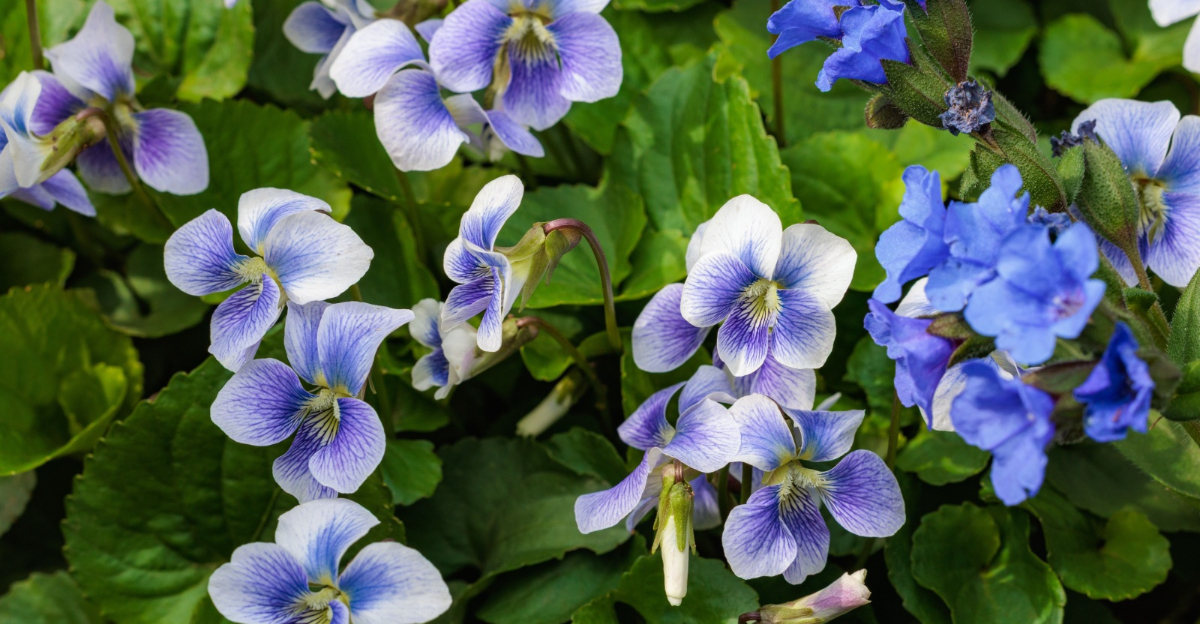
Chances are you already have common blue violet growing somewhere in your Ohio yard, possibly in a low spot near a tree or along a shaded lawn edge.
Viola sororia is one of those plants that shows up on its own and spreads without much help, which is exactly what makes it interesting as a ground cover in the right situation.
The heart-shaped leaves form a tidy, low mat that covers soil surprisingly well.
In spring, common blue violet produces small purple-blue flowers that are among the first native blooms available to early pollinators, including several specialist bee species.
The plant tolerates a wide range of conditions, from moist shade to drier part-sun spots, making it fairly adaptable in Ohio landscapes.
It spreads by both rhizomes and self-seeding, so it can fill in open areas over a few seasons.
Common blue violet works well in low-maintenance areas, shaded lawn borders, and spots where you want something that spreads on its own without constant attention.
It may spread more than expected in some beds, so placing it where that habit is welcome makes sense.
For homeowners looking to reduce bare soil in low, shaded spaces without a lot of effort, common blue violet is a familiar and capable native option.
6. Pennsylvania Sedge Adds Soft Texture
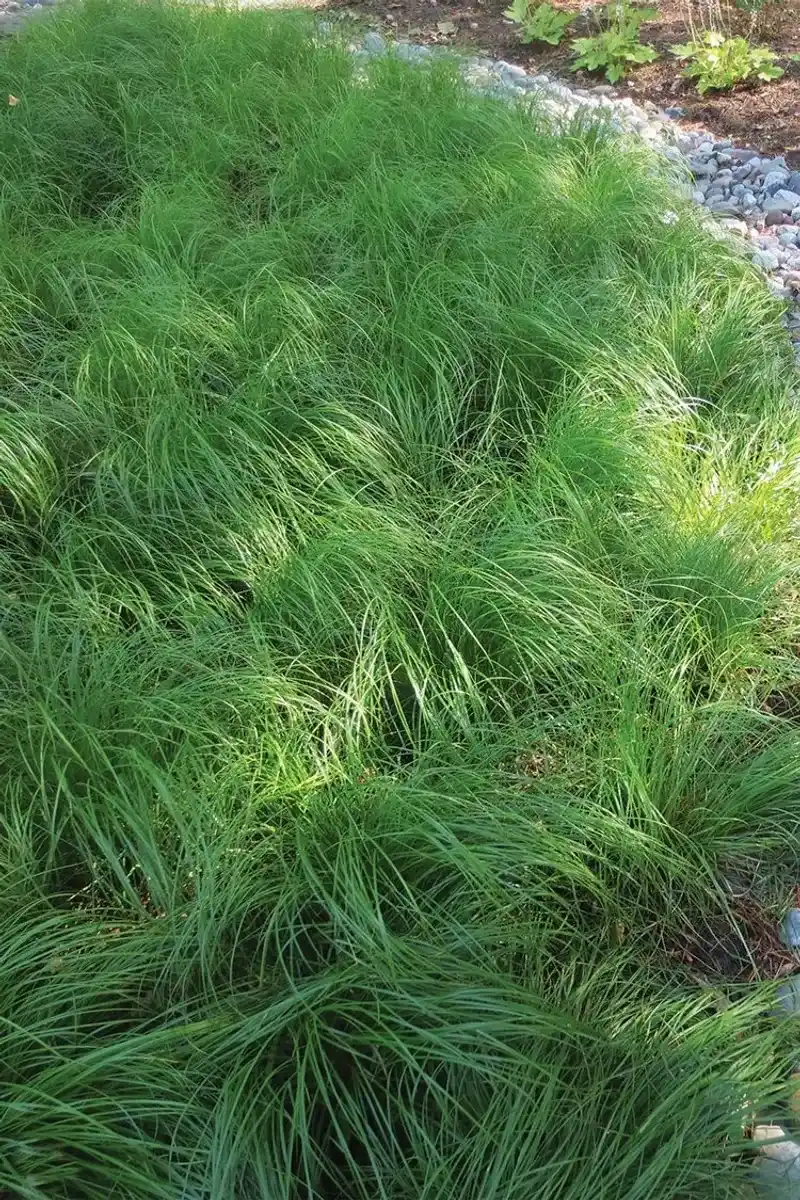
Bare soil under mature shade trees is one of the most common frustrations Ohio homeowners face in their garden beds. Grass struggles there, mulch keeps washing out, and most traditional ground covers want more light than a dense tree canopy allows.
Pennsylvania sedge, Carex pensylvanica, is one of the more reliable native options for filling those difficult spots with something that actually looks intentional.
The fine, arching leaves stay fairly low and create a soft, grass-like texture that many gardeners find appealing in naturalistic or woodland-style beds.
Pennsylvania sedge generally prefers dry to medium-moisture soil and tolerates the root competition and low light found under established trees, conditions that challenge many other plants.
It spreads slowly by rhizomes to form loose colonies over several seasons.
Because the spread is gradual, new plantings may need mulch between clumps during the first year or two while the sedge fills in. Spacing plants closer together at the start can help speed up coverage.
Pennsylvania sedge also stays semi-evergreen in mild Ohio winters, which means it provides some soil cover even when deciduous perennials have gone dormant.
For shaded beds under oaks, maples, or other large trees, it offers a low-effort way to reduce open mulch areas over time.
7. Wild Strawberry Covers Sunny Spots
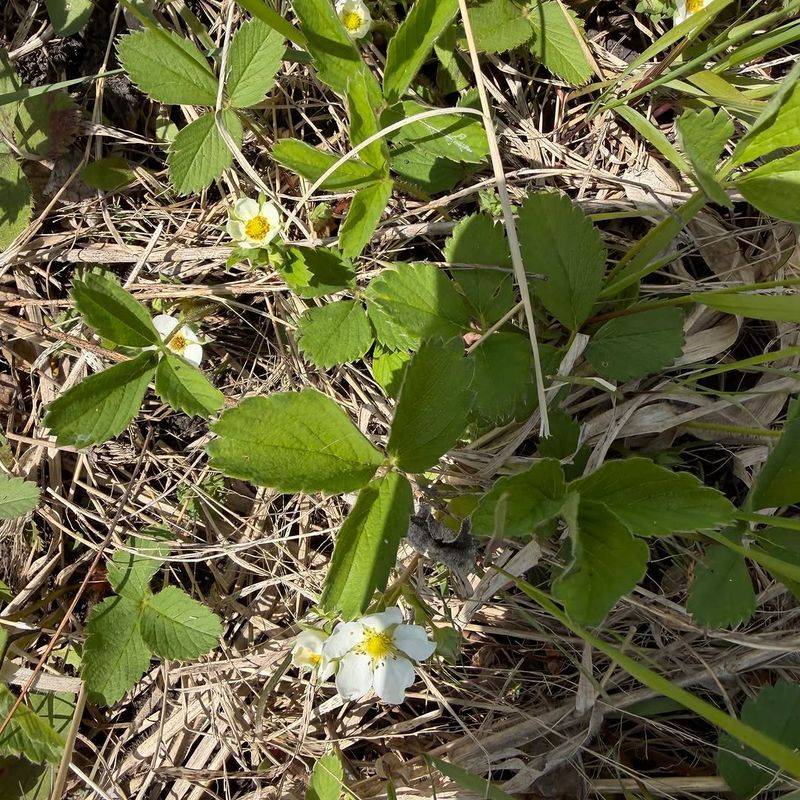
Sunny garden edges and open borders in Ohio can be surprisingly hard to keep covered. Mulch dries out fast in full sun, weeds seem to love those spots, and many low-growing plants need more moisture than a south-facing bed can provide.
Wild strawberry, Fragaria virginiana, handles those conditions with ease and brings a bonus that most ground covers cannot offer: small, flavorful fruits that birds and other wildlife enjoy.
The trifoliate leaves stay low and spread by runners, gradually covering open soil in much the same way cultivated strawberries do.
Wild strawberry generally prefers full sun to light shade and tolerates a range of soil conditions, including drier or less fertile spots that many plants find challenging.
White flowers appear in spring and attract small native bees and other pollinators.
Wild strawberry spreads at a moderate pace, so some mulch may still be needed between new plants while the colony establishes.
It tends to work well along sunny path edges, mixed perennial bed borders, and open foundation plantings where a low, spreading layer of foliage is welcome.
Ohio gardeners who want a native ground cover that does double duty, covering soil and feeding wildlife, often find wild strawberry a satisfying and practical choice for brighter spots in the yard.
8. Wild Geranium Brightens Part Shade
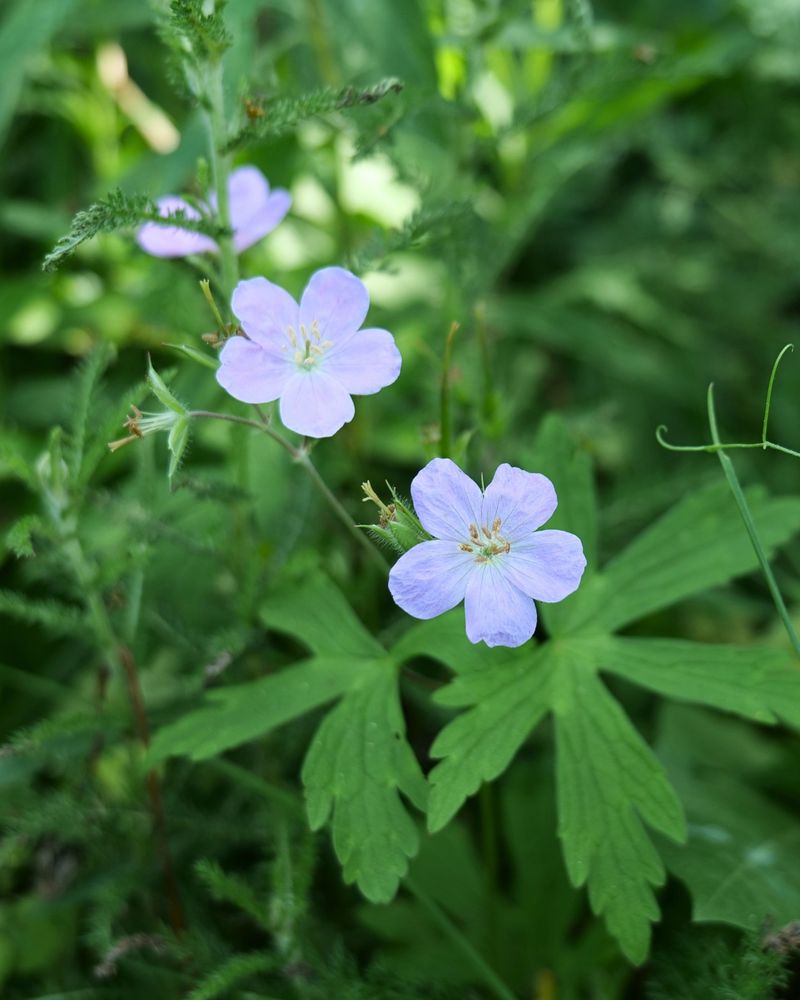
Part-shade beds along Ohio fence lines, woodland edges, and north-facing foundation borders often have a gap between taller perennials and the bare mulched soil below.
Wild geranium, Geranium maculatum, fits naturally into that middle layer, offering attractive deeply lobed foliage and lavender-pink spring blooms that brighten shaded spots when not much else is flowering yet.
The plant forms clumps that slowly expand over several seasons and can self-seed modestly in favorable conditions, gradually filling in open areas around established plants.
Wild geranium generally prefers moist, well-drained soil and does well in part shade to light shade, though it can tolerate slightly drier conditions once established.
The foliage often takes on warm reddish tones in autumn, adding a seasonal bonus beyond the spring bloom.
Because wild geranium grows as a clump-former rather than a creeping spreader, it works best as part of a layered planting rather than as a solo ground cover across a large open area.
Pairing it with lower-growing spreaders like foamflower or wild ginger can help cover more soil in a shaded Ohio bed.
For homeowners who want a mid-height native that adds color, texture, and some degree of soil coverage in part-shade beds, wild geranium is a reliable and visually rewarding option.
9. Green And Gold Makes A Low Carpet
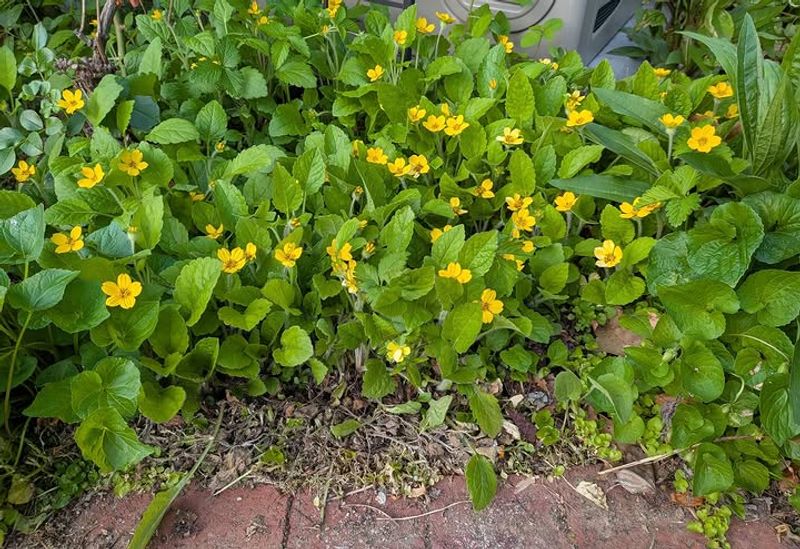
Bright yellow flowers popping up from a low carpet of dark green leaves is a cheerful sight in any garden bed, and green and gold, Chrysogonum virginianum, delivers exactly that in Ohio’s part-shade to part-sun spots.
This native perennial spreads by stolons to form a fairly dense mat over time, and its long bloom season sets it apart from many other ground covers that flower briefly and then fade into the background.
Green and gold generally prefers well-drained soil and does well in part shade, though it can handle more sun if the soil stays reasonably moist.
It tends to work well along shaded path borders, mixed perennial bed edges, and foundation plantings where a low, spreading layer of foliage helps reduce open mulch areas.
The spreading habit is moderate, so some mulch between new plants during establishment is still a good idea.
One of the things Ohio gardeners appreciate about green and gold is that it stays relatively low and does not tend to climb over or smother neighboring plants. It fits well in beds where a tidy, carpet-like appearance is the goal.
For part-shade spots that currently rely heavily on mulch to cover bare soil, green and gold offers a native alternative that earns its place through both foliage coverage and extended seasonal color.