What Middle Tennessee Lawns Need When Fescue Goes Dormant
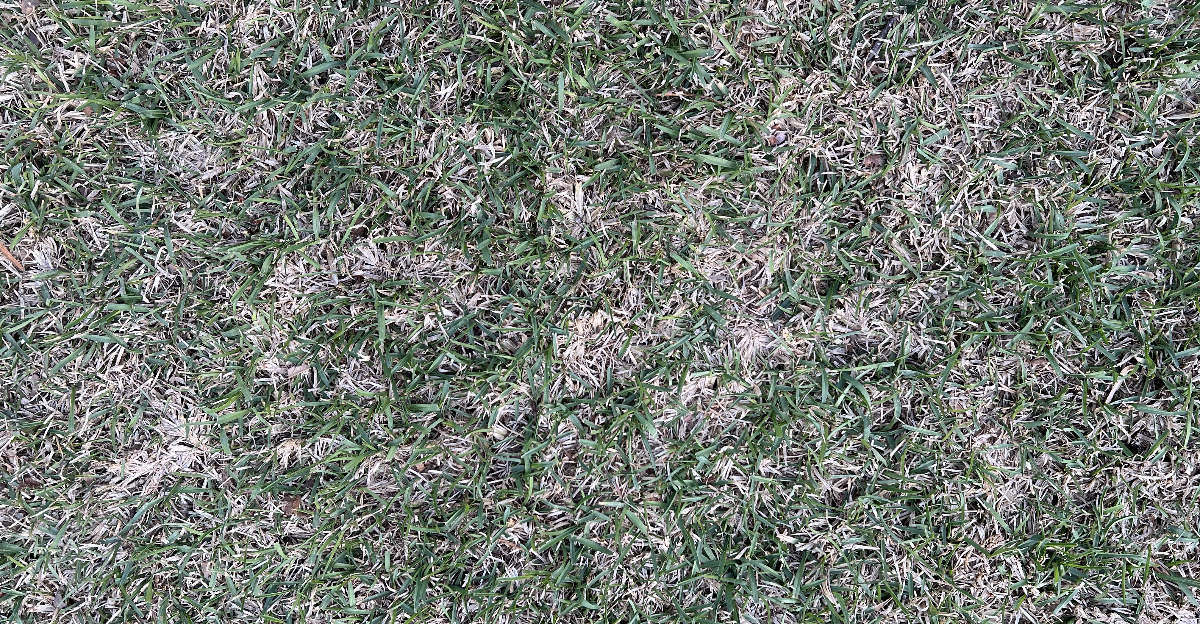
July in Middle Tennessee does not ask your fescue lawn to grow. It asks it to survive. Once temperatures push past 90 degrees, tall fescue shifts into self-preservation mode, and growth practically stalls.
Lawn owners call this dormancy, though it often looks more like defeat than rest. The truth is less dramatic than it seems. This slowdown is a built-in survival strategy, not a sign that something has gone wrong.
Between June and August, Middle Tennessee lawns deal with a rough mix of heat, thick humidity, and stretches without rain. Fescue can handle more than most homeowners expect, but only when the care behind the scenes matches the season.
Here is exactly what dormant fescue needs right now, one piece at a time.
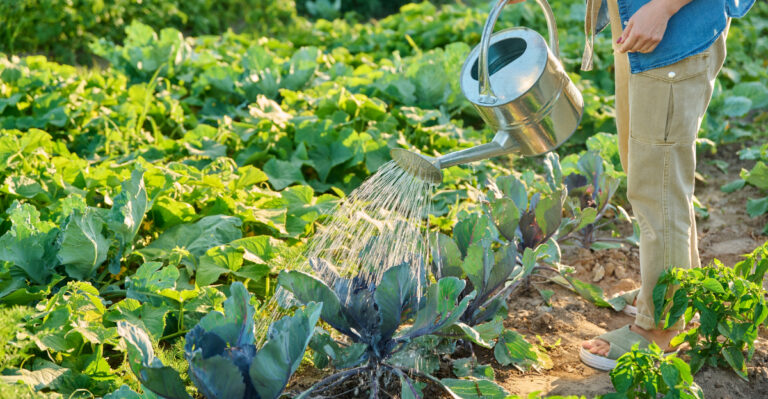
1. Water Deeply But Infrequently To Prevent Crown Damage
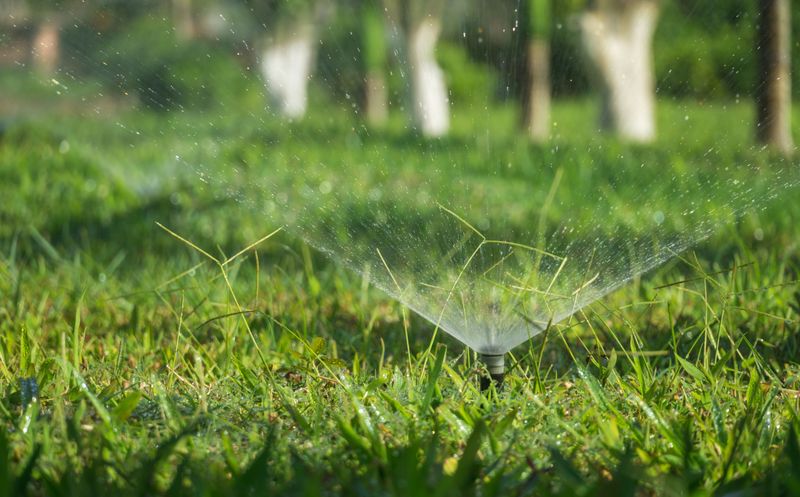
Your hose is not your lawn’s best friend right now. Overwatering dormant fescue is one of the fastest ways to invite crown rot and fungal problems into your yard.
The crown of the grass plant sits just above the soil surface. Keeping it consistently wet during summer heat creates the perfect environment for disease to take hold.
Deep watering means soaking the soil to a depth of six to eight inches. That encourages roots to grow downward, chasing moisture rather than waiting at the surface for the next sprinkle.
Watering infrequently means letting the soil dry out between sessions. Most Middle Tennessee lawns need about one inch of water per week during dormancy, including rainfall.
A rain gauge is a cheap and useful tool. Place one in your yard and measure what falls naturally before you add more from the hose.
Morning watering is generally the smarter choice. Water applied in the evening sits on blades and crowns overnight, and that moisture invites fungal growth by sunrise.
If your grass has gone fully tan and dormant, one deep watering every two to three weeks is enough. That keeps the crowns alive without pushing unwanted top growth.
Dormant fescue does not need to look green to survive. The roots are still active underground, and your job is simply to keep them from completely drying out.
Consistent deep watering now sets your lawn up for a strong fall recovery. Think of it as hydrating the foundation, not the surface.
2. Raise The Mowing Height To 4 Inches
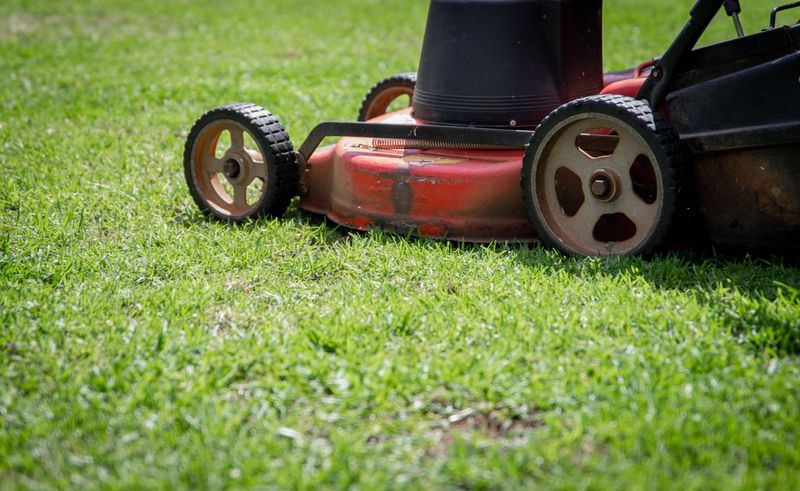
Put the mower deck up and leave it there. Cutting dormant fescue too short is one of the most common and damaging mistakes homeowners make during summer.
Taller grass blades shade the soil beneath them. That shade keeps the ground cooler and slows moisture evaporation, which helps roots survive the brutal heat of a Tennessee summer.
A four-inch mowing height is the sweet spot for tall fescue in summer. Anything shorter than three inches puts serious stress on a grass that is already struggling to cope with the heat.
Scalping your lawn in July does not make it look neater. It actually exposes the crowns to direct sun and heat, which can seriously damage them.
Your Tennessee Garden Changes Every Week. Your Plan Should Too.
Gardening in Tennessee changes quickly throughout the season. Every Friday you’ll receive a simple weekly plan showing exactly what to plant, prune, fertilize, harvest, and protect so you never miss the right timing.
Check your mower deck setting before every cut. Many homeowners set it once in spring and forget it, not realizing the blade has shifted lower over the season.
Mow only when necessary during dormancy. If your grass is not actively growing, there is no reason to run the mower over it every week.
When you do mow, avoid removing more than one-third of the blade length at once. That rule protects the plant from shock and keeps recovery time short.
Sharp mower blades matter more than most people realize. Dull blades tear the grass rather than cut it cleanly, leaving jagged edges that brown out and invite disease.
A higher cut now means a healthier, denser lawn when cooler temperatures return in September. Small adjustments today deliver big results later.
3. Stop Nitrogen Fertilizer Until Fall
Step away from the fertilizer bag. Applying nitrogen to dormant fescue during summer is one of the worst things you can do for your lawn’s long-term health.
Nitrogen pushes new leaf growth, and new growth during peak heat is especially vulnerable. That tender new tissue burns fast under a July sun and struggles to recover the way established blades can.
Dormant grass is in survival mode. Forcing it to grow by feeding it nitrogen is like waking someone from a healing sleep and asking them to run a marathon.
Beyond burning the grass, summer nitrogen applications also feed weeds. Crabgrass and other warm-season invaders love a nitrogen boost and will spread aggressively if you hand them one.
There is also a fungal risk. Lush, nitrogen-fed growth combined with summer humidity creates ideal conditions for brown patch disease to explode across your lawn.
The right time to fertilize tall fescue is in fall, between mid-September and mid-November. That is when the grass is actively growing and can actually use what you give it.
If you applied a slow-release fertilizer in late spring, there is likely residual nitrogen still working in the soil. Adding more now only compounds the problem.
Patience is the fertilizer your lawn needs most right now. Holding off until September allows you to apply nutrients when the grass is ready to absorb and benefit from them.
Your fall fertilization will feel like a reward for good summer behavior. The lawn will green up faster and fill in thicker because you waited.
4. Watch For Brown Patch Disease
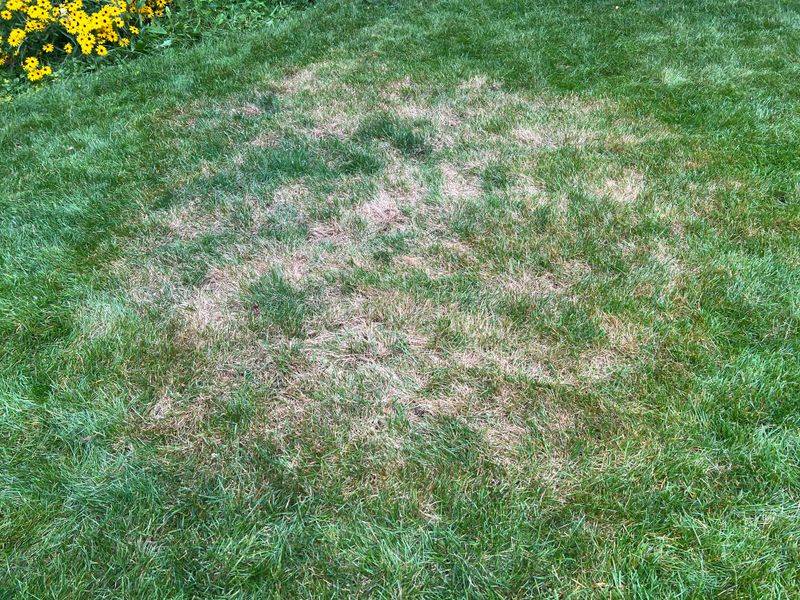
Brown patch does not knock before it enters. One morning your lawn looks fine, and by the next weekend you have tan, circular rings spreading across the yard.
This fungal disease thrives in exactly the conditions Middle Tennessee delivers every summer: nighttime temperatures above 70 degrees, high humidity, and wet grass from rain or overwatering.
The telltale sign is a circular or irregular patch of tan, matted grass. The outer edge of the patch often has a darker, smoky ring that signals active fungal spread.
Brown patch moves fast. A small spot can expand noticeably within days if the weather stays hot and humid and the grass stays wet overnight.
Reducing evening moisture is your first line of defense. If you water, do it early in the morning so blades dry out completely before nightfall.
Avoid walking through affected areas when the grass is wet. Foot traffic spreads fungal spores to healthy parts of the lawn and expands the damage zone quickly.
Fungicide treatments are available and effective when applied early. Look for products containing azoxystrobin or propiconazole, which are labeled for brown patch control on fescue.
Preventive fungicide applications make sense if your yard has a history of brown patch. Apply before symptoms appear, typically when nighttime lows consistently hit 70 degrees.
In most cases, brown patch leaves the crown intact, so recovery is still very possible once conditions shift. Most affected lawns recover fully after overseeding in fall, so catching it early reduces how much repair work lies ahead.
5. Keep Foot Traffic Off Dormant Grass
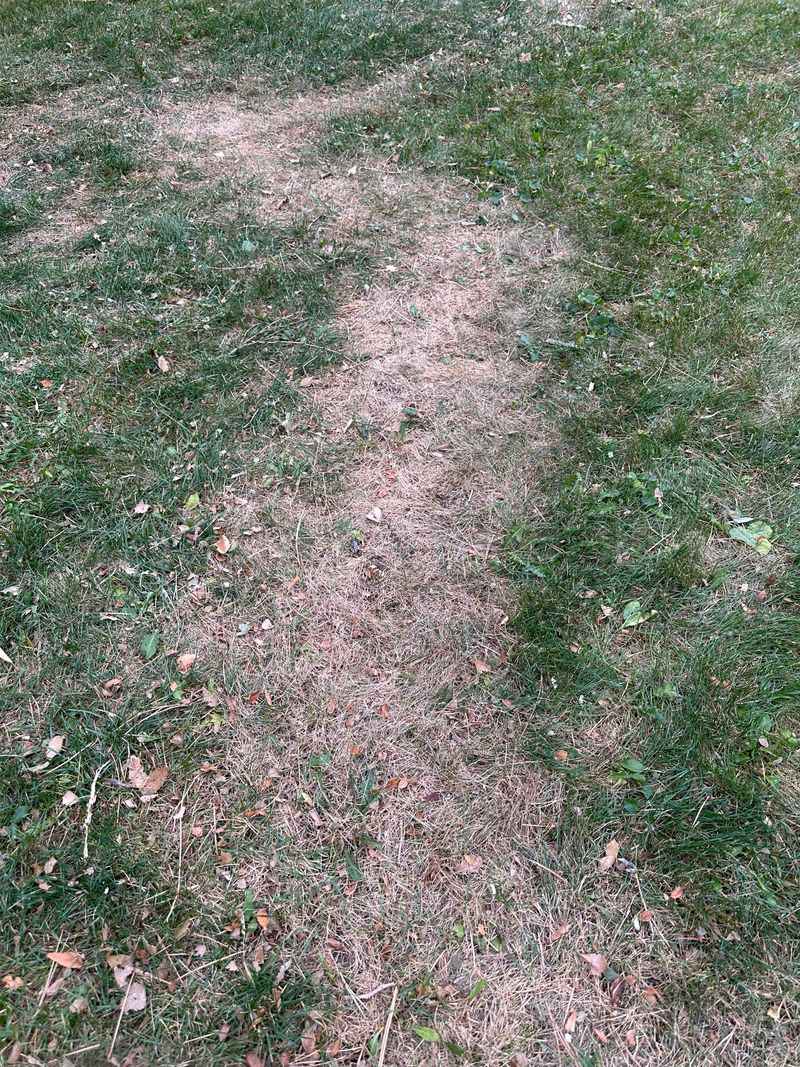
Your lawn is not a welcome mat right now. Dormant grass is fragile, and the crowns sitting at the soil surface are far more vulnerable to physical damage than most people realize.
When fescue goes dormant, the blades become brittle. Walking across them repeatedly crushes the tissue and can seriously damage the growing points that fuel fall recovery.
Compaction is the other problem. Heavy foot traffic presses soil particles together, reducing the air pockets that roots need to breathe and grow during cooler months ahead.
Kids playing the same routes across the yard, dogs running their favorite paths, and party guests cutting across the grass all add up to real damage over a summer.
Redirect traffic whenever possible. Temporary stepping stones, landscape edging, or even a simple rope barrier can guide people around your most vulnerable grass areas.
If you have a spot that gets unavoidable traffic, consider laying a few flat pavers or a mulched path. That protects the grass nearby while giving people a clear route to follow.
Pet damage compounds the issue. Dog urine burns dormant grass and creates bare zones that are slow to recover, especially when the crowns are already heat-stressed.
Try to water pet-affected spots within an hour of contact to dilute the nitrogen concentration. It does not eliminate the damage, but it reduces how deep the burn goes.
Protecting your lawn from foot traffic now is one of the simplest and most effective things you can do. Less damage going in means less repair work coming out.
6. Control Weeds That Keep Growing While Grass Rests
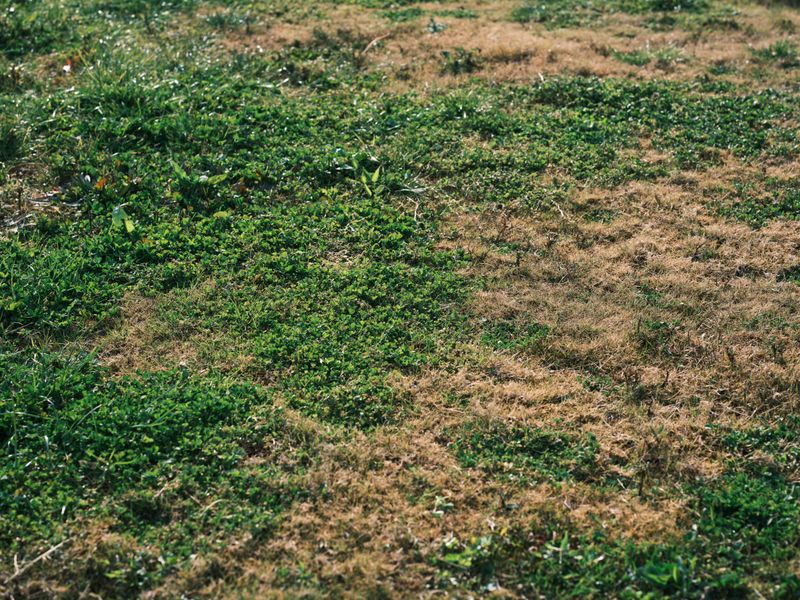
While your fescue takes a summer nap, the weeds are wide awake and working overtime. Crabgrass, spurge, and nutsedge do not slow down in the heat because they are built for it.
Summer is prime growing season for warm-season weeds. They germinate, spread, and set seed fast, and a dormant fescue lawn gives them plenty of open space to colonize.
Crabgrass is the biggest offender in most Middle Tennessee yards. It germinates when soil temperatures hit 55 degrees in spring and keeps spreading aggressively until the first frost brings it to an end.
If you applied a pre-emergent herbicide in early spring, it created a chemical barrier that blocks most crabgrass seeds from germinating. That barrier breaks down over time, though.
Post-emergent herbicides can tackle crabgrass and broadleaf weeds that are already visible. Products containing quinclorac work well on crabgrass without harming dormant fescue when applied correctly.
Nutsedge is a trickier problem. It looks like grass but grows faster and lighter green, and standard broadleaf herbicides will not touch it. Look for products specifically labeled for nutsedge control.
Hand-pulling weeds before they set seed is a smart move. One crabgrass plant can produce up to 150,000 seeds, so removing it early prevents a much bigger problem next year.
Avoid using non-selective herbicides like glyphosate near dormant fescue. Even though the grass looks brown, the crowns are alive and can absorb chemicals through the root system.
Staying ahead of weeds now protects the open space your fescue needs to fill back in during fall. A clean lawn in August makes overseeding in September far more effective.
7. Skip Aeration Until September
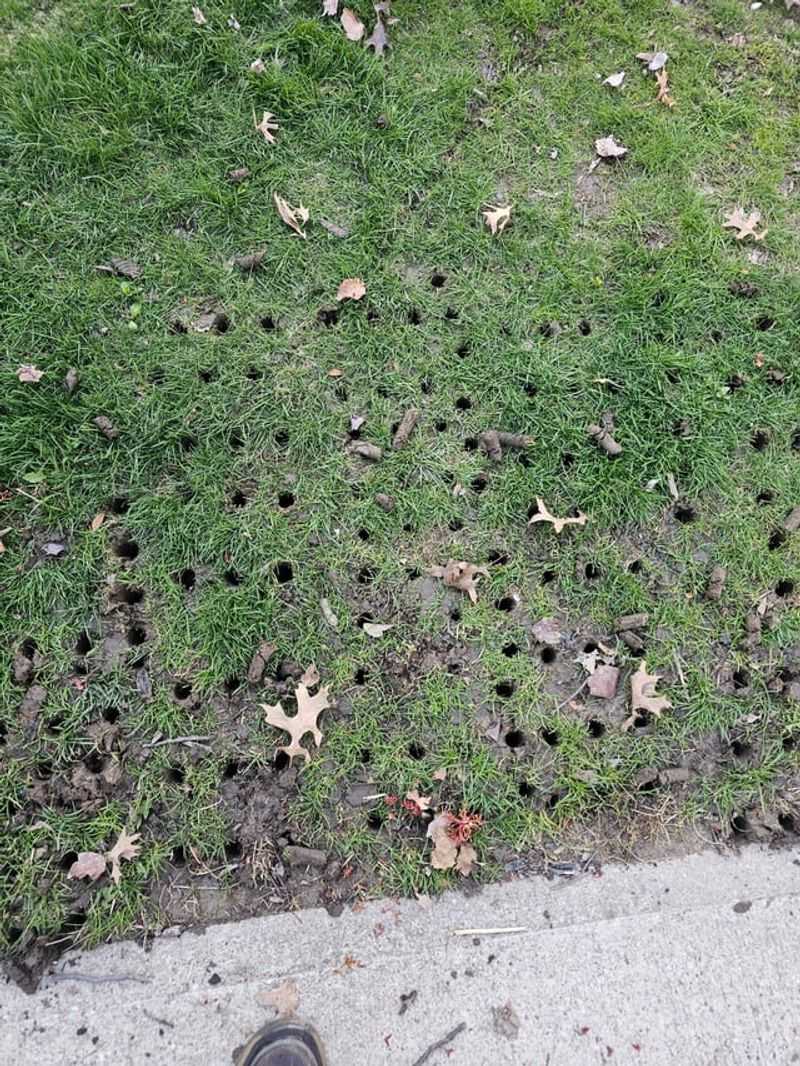
Put the aerator back in the garage. Running a core aerator over heat-stressed, dormant fescue in July or August is a recipe for serious setback, not improvement.
Aeration pulls plugs of soil from the ground, which opens up air channels and relieves compaction. Those benefits are real, but timing is everything with this particular practice.
When you aerate dormant grass, you create dozens of small wounds across the lawn. Those wounds need active growth to heal, and dormant fescue simply does not have the energy to recover quickly.
The open holes from aeration also dry out fast in summer heat. Instead of improving moisture retention, untimely aeration can actually pull more water out of an already stressed root zone.
September is the ideal window for aerating tall fescue in this region. Cooler temperatures have returned, the grass is actively growing again, and the holes fill in quickly with new root growth.
Fall aeration pairs perfectly with overseeding. The open channels created by the aerator give grass seeds direct contact with soil, which dramatically improves germination rates.
If your lawn has severe compaction from summer foot traffic, you might feel the urge to aerate now. Resist it. Mark the problem areas and address them properly once temperatures drop below 85 degrees.
Liquid aeration products are sometimes marketed as a summer-safe alternative. Results vary widely, and they are not a substitute for core aeration done at the right time of year.
Waiting until September to aerate is not procrastination. It is the smart play that protects your investment and sets the stage for a genuinely strong fall recovery.
8. Plan Ahead For Fall Overseeding
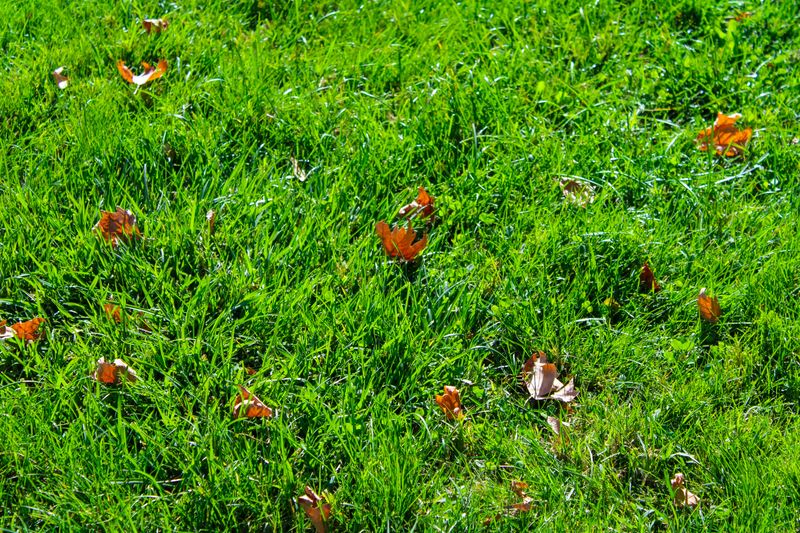
Summer is the planning season, not the planting season. The decisions you make now about fall overseeding will determine how thick and green your lawn looks by October.
Tall fescue does not spread by runners or rhizomes the way bermuda and zoysia do. The main way to fill in thin or bare spots is to overseed, and fall is the best window for that.
The target overseeding window for Middle Tennessee is mid-September through mid-October. Soil temperatures in that range sit between 55 and 65 degrees, which is the sweet spot for fescue germination.
Start planning now by walking your yard and mapping the thin areas. Note which spots get heavy shade, poor drainage, or heavy foot traffic, because those areas need the most attention.
Choosing the right seed variety matters as much as timing. Look for improved tall fescue blends labeled for the transition zone, which includes most of Tennessee. These varieties handle heat and drought better than older types.
Prepare to core aerate just before overseeding. That one-two combination gives new seed the best possible start by putting it in direct contact with loose, open soil.
Stock up on starter fertilizer now. A phosphorus-rich starter blend applied at seeding time feeds new roots without pushing the kind of leafy growth that burns in heat.
Set a reminder on your phone for September 15th. By then, nighttime temperatures will be dropping and the soil will be ready to receive seed that can actually thrive.
What Middle Tennessee lawns need when fescue goes dormant is a homeowner who thinks ahead. Your fall lawn starts with the choices you make on a hot summer afternoon.