How To Level Your Lawn In Tennessee Using Just Simple Tools
When did your lawn stop being a lawn and start being an obstacle course? Your push mower feels it before you do.
Blades stuttering over high spots, scalping turf raw, rattling like a broken shopping cart. That is your yard begging for attention.
My backyard hit rock bottom after a brutal stretch of Tennessee rain. The soil heaved.
Critter tunnels caved. Low spots turned into shallow ponds that refused to drain.
A rake, a wheelbarrow, and the right topdressing mix fixed what two seasons of mowing never could. Bumpy lawns do not fix themselves.
Tennessee clay shifts with every hard rain. Underground critters hollow out tunnels you cannot see until your ankle finds one at dusk.
Foot traffic quietly presses soil into a wavy, uneven mess. But here is the thing nobody tells you.
Every dip and ridge has a fix. No rented equipment. No landscaping crew. Your lawn is closer to smooth than you think. Time to prove it!
Topdress With A Sand, Soil, And Compost Mix
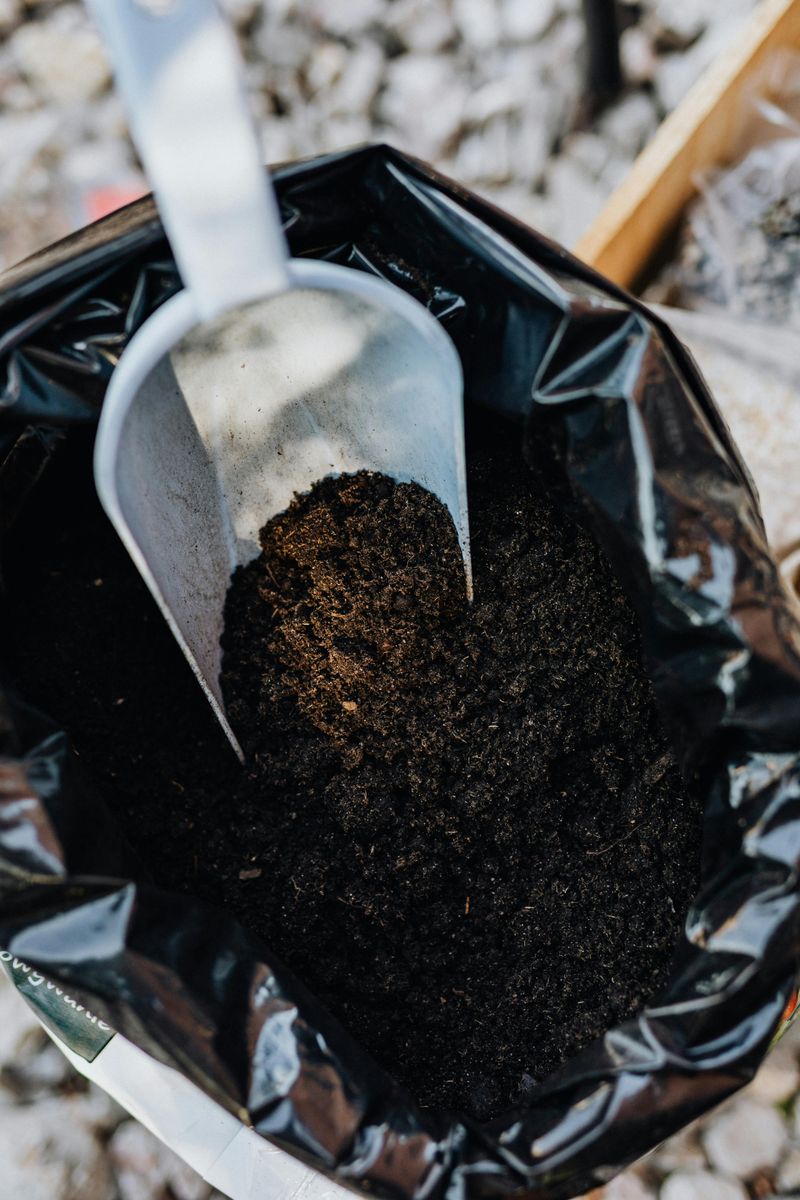
Your lawn is basically asking for a blanket. Topdressing is one of the oldest hand methods for leveling a bumpy Tennessee lawn.
It works by filling shallow low spots with a thin layer of blended mix. A good starting point is roughly equal parts coarse sand, topsoil, and compost.
This mix drains well, feeds the grass, and holds its shape over time. Spread the blend no more than half an inch thick across low areas.
That keeps existing grass from being smothered. A square-edged shovel and a bow rake are your two best tools here.
Scoop small piles across the low zones. Drag the rake in smooth, sweeping strokes to level each mound evenly.
Work in sections so you can step back and check progress. Get your eye level close to the ground.
Sunlight tells the truth about your lawn’s surface better than anything else. Long, raking afternoon light reveals dips and ridges you would never notice standing up.
Once you finish spreading, give everything a good watering. This helps the mix settle into the grass roots below. A smooth finish now sets up every other method for greater success.
Core Aerate By Hand
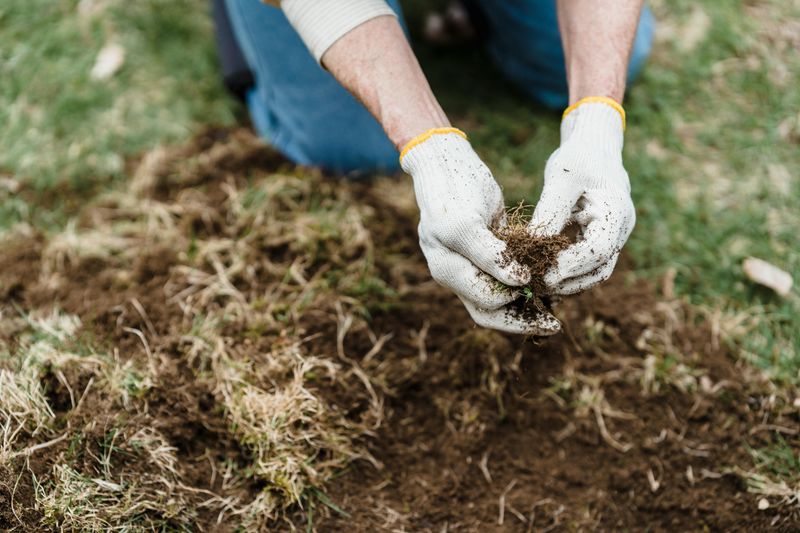
Hard ground is the hidden enemy of a level lawn. When soil compacts, it stops accepting water and nutrients evenly.
That leads to uneven settling and frustrating bumps that multiply every season. Manual core aeration punches small holes into the soil and pulls out plugs of earth.
This loosens the ground and allows air, water, and organic matter to reach the roots. For Tennessee yards packed with heavy clay, this step alone makes a dramatic difference.
A step-type hand aerator does the job well for small to mid-size yards. Press the tines into the soil with your body weight.
Wiggle slightly and pull up a clean plug. Work in a grid pattern across your entire lawn.
Space holes about six inches apart for thorough coverage. Leave the pulled plugs sitting on the surface after you finish.
Your Tennessee Garden Changes Every Week. Your Plan Should Too.
Gardening in Tennessee changes quickly throughout the season. Every Friday you’ll receive a simple weekly plan showing exactly what to plant, prune, fertilize, harvest, and protect so you never miss the right timing.
They break down naturally within a week or two. They return nutrients back into the soil below.
Aerating before topdressing makes the blended mix settle deeper. It bonds better with existing soil. The combination of these two steps is where real, lasting change begins.
Slice And Lift Turf Over Deep Low Spots
Some dips are too deep to simply cover up. When a low spot drops more than two inches, topdressing alone buries the grass.
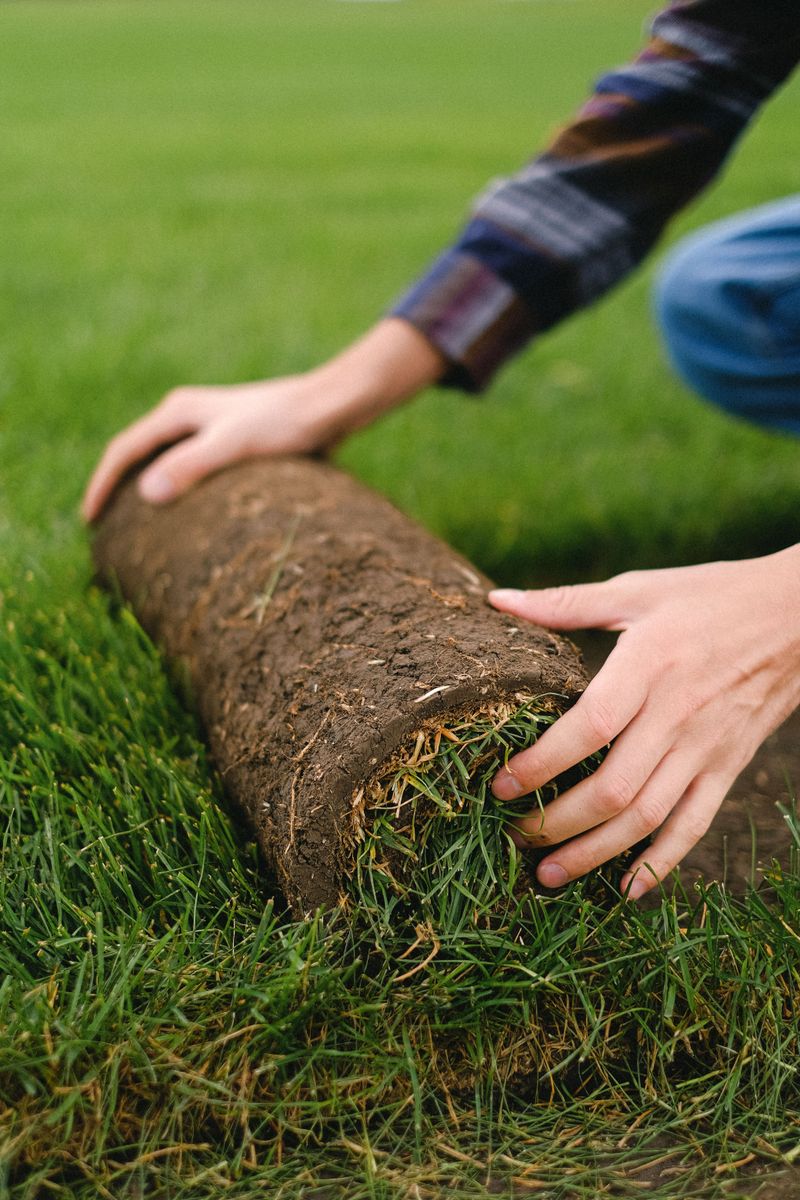
That causes rot before the grass can grow through. The smarter approach is to slice and lift the existing turf like a flap.
Fill the hollow beneath with fresh topsoil. Then lay the grass back down on top of its new foundation.
This feels like lawn surgery but it is surprisingly straightforward. Score a rectangle around the problem area with your spade.
Slide the blade horizontally under the root zone to loosen the turf without tearing it. Gently fold the flap back.
Add soil underneath until the surface matches the surrounding grade. Press the turf flap back into place.
Tamp it down firmly with your foot so roots make solid contact. Watering immediately after is not optional.
The roots were exposed and need moisture right away. Keep the repaired area consistently moist for the first two weeks. When the grass knits back together, you will barely see where the repair was made.
Dethatch With A Rake
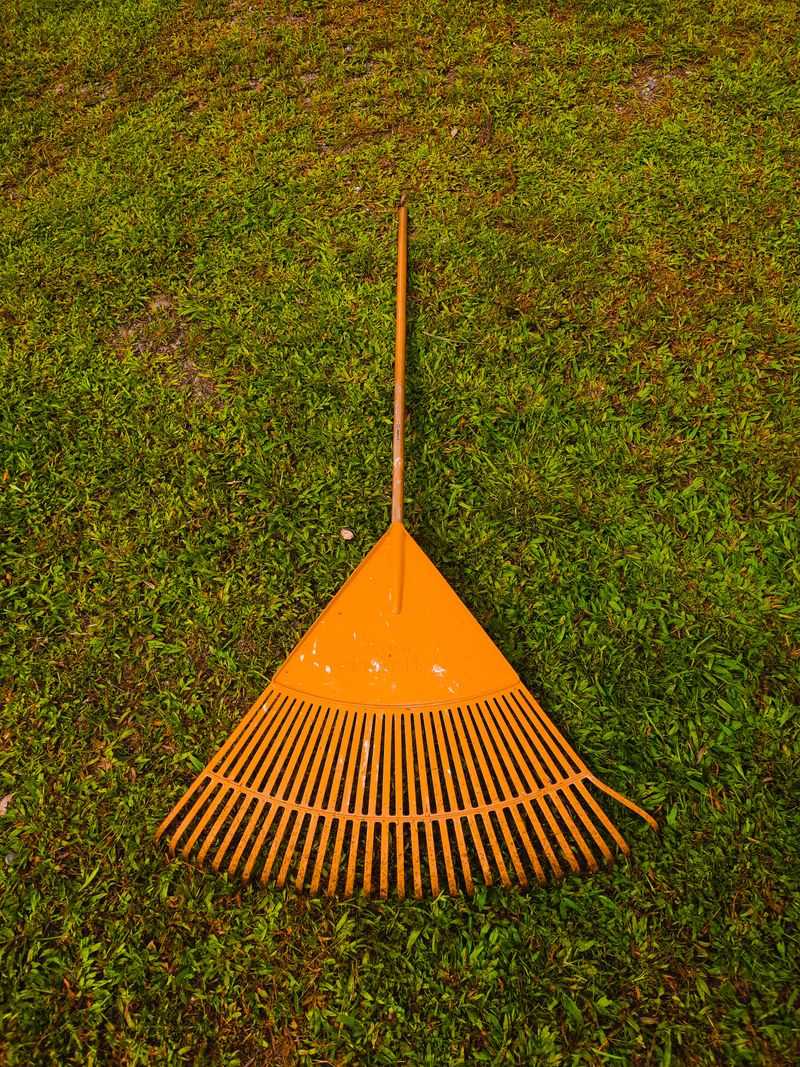
Thatch is the sneaky reason your lawn feels spongy and uneven. It is the tangled mat of old grass stems, roots, and debris that builds up between soil and green blades.
It creates a false surface that shifts and compresses unevenly underfoot. Dethatching with a stiff-tined rake removes that layer.
It gives you a much more accurate read on where your actual ground level sits.
For many Southern lawns, this step reveals low spots hidden under an inch of compressed material.
A dethatching rake has sharp curved tines designed to dig into that layer. Work in one direction first.
Then cross-rake at a ninety-degree angle to pull up as much material as possible. Bag or compost what you collect.
A large thatch pile left on the lawn blocks sunlight and traps moisture. Raking this way is a workout but the payoff is real.
Once thatch clears, your lawn breathes better and drains faster. It also responds more predictably to leveling treatments.
Thin the layer down to a quarter inch or less for the best results. A cleaner surface is a smarter surface to work with.
Tamp Down Raised Mole And Animal Tunnels
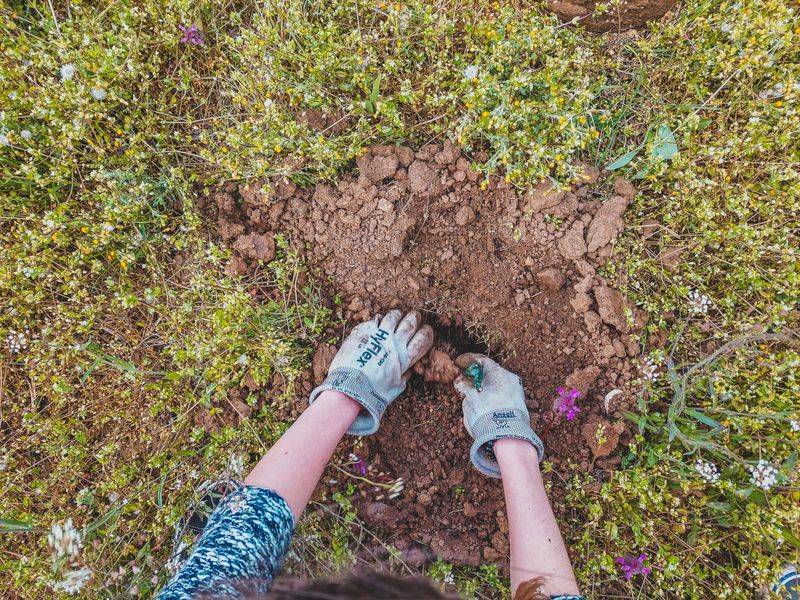
Moles can wreck a lawn faster than almost anything else underground. Those raised ridges and spongy trails are active or recently abandoned tunnels just below the surface.
They create one of the most common causes of an uneven Tennessee lawn. The fix does not require digging them out entirely.
Simply pressing the tunnels back down reconnects lifted roots with the soil and restores a flatter surface quickly.
Walk the tunnel lines and press down with firm, steady foot pressure first. For stubborn ridges, a hand tamper with a flat steel plate gives you more force.
Work the entire tunnel path from one end to the other. Do not leave hidden air pockets that will collapse later on their own. After tamping, check the area again the next morning.
Fresh activity overnight means the mole is still working. You may need to tamp again before the leveling holds.
Once tunneling stops, overseed any thin or bare areas along the former tunnel paths. A tamped and reseeded tunnel line can fully recover within one growing season with consistent watering.
Fill Erosion Ruts With Topsoil
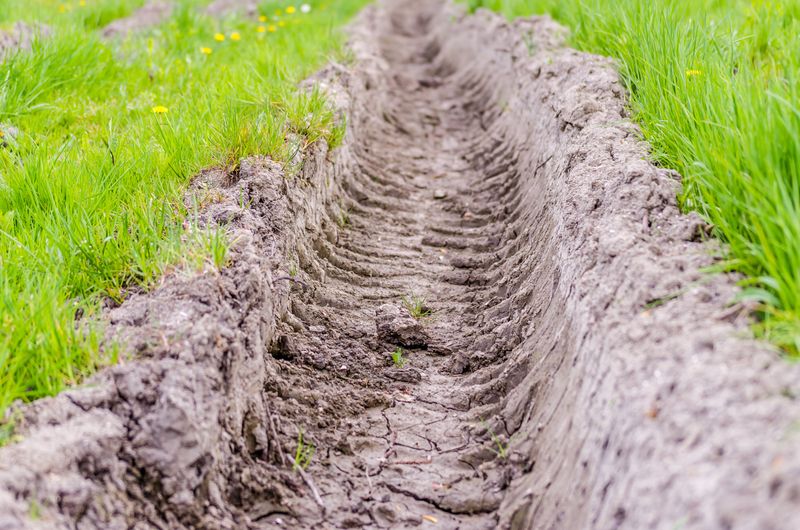
Rain has a way of carving channels where you least want them. Erosion ruts are long, narrow grooves that heavy rainfall carves into sloped lawn areas.
Left alone, they deepen with every rainstorm. They eventually become wide enough to catch a mower wheel or twist an ankle.
Filling them with topsoil is the most direct solution but doing it right means more than dumping dirt into the groove.
Start by loosening the compacted walls with a hand cultivator or the corner of a spade.
This helps fresh soil bond properly with existing ground. Fill the rut in two or three thin layers.
Tamp each layer down firmly before adding the next. This prevents the fill from settling unevenly after the first hard rain.
Finish the top layer flush with the surrounding lawn grade. Rough up the surface slightly with a rake to encourage good seed-to-soil contact.
If the rut was caused by a drainage problem, address the water source before refilling. Otherwise the groove will return within a season.
Overseed the repaired rut immediately. Grass roots hold soil better than anything.
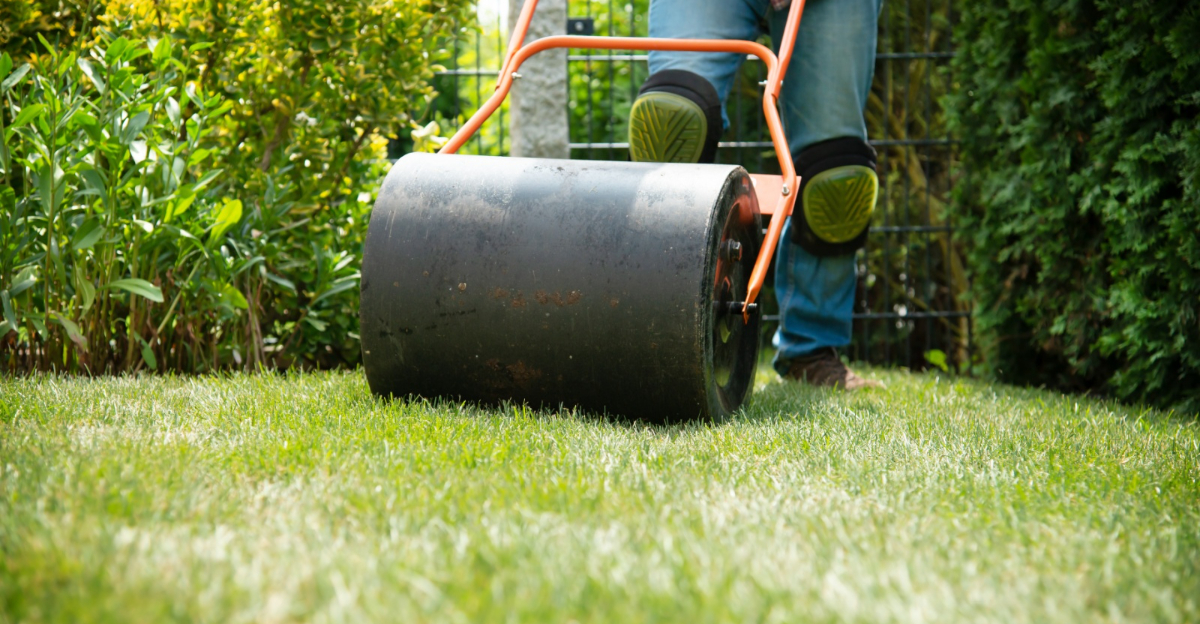
Use A Manual Water-Filled Lawn Roller
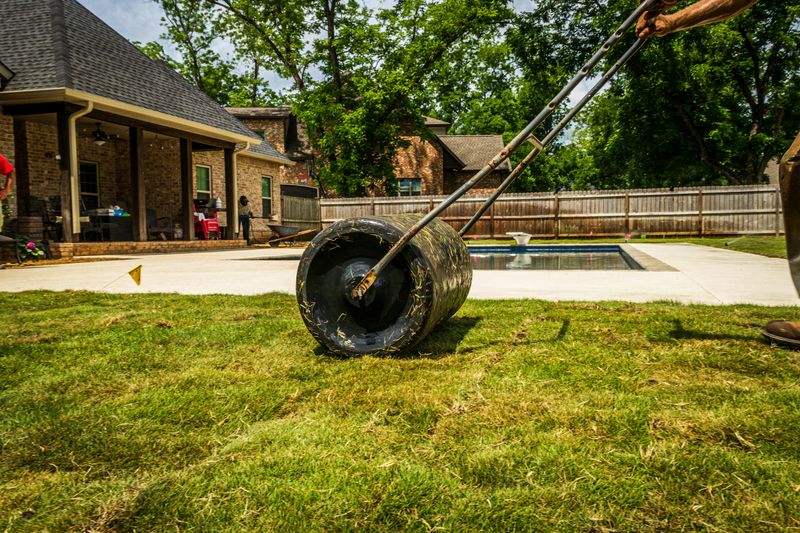
Sometimes the lawn just needs a good firm press. A manual water-filled lawn roller is a hollow drum you fill with water to add weight.
You push it across the lawn to flatten minor bumps and firm up soft or recently disturbed soil. For leveling after topdressing or tunnel tamping, a roller helps press new material into gaps.
It creates a more uniform surface without any digging. Most rollers hold between 100 and 300 pounds of water.
That is enough to make a real impact on soft ground. Always roll when the soil is slightly moist but not saturated.
Rolling wet clay soil compacts it too deeply and causes drainage problems. Make overlapping passes in one direction.
Then repeat at a right angle to catch any spots you missed. Rolling alone will not fix deep dips or serious grading issues.
Think of it as a finishing step rather than a standalone solution. Pair it with topdressing or aeration for the best outcome.
After rolling, crouch low and look across the lawn surface toward a light source. A smooth surface that no longer catches shadows means you are making real progress.
Improve Drainage In Problem Areas
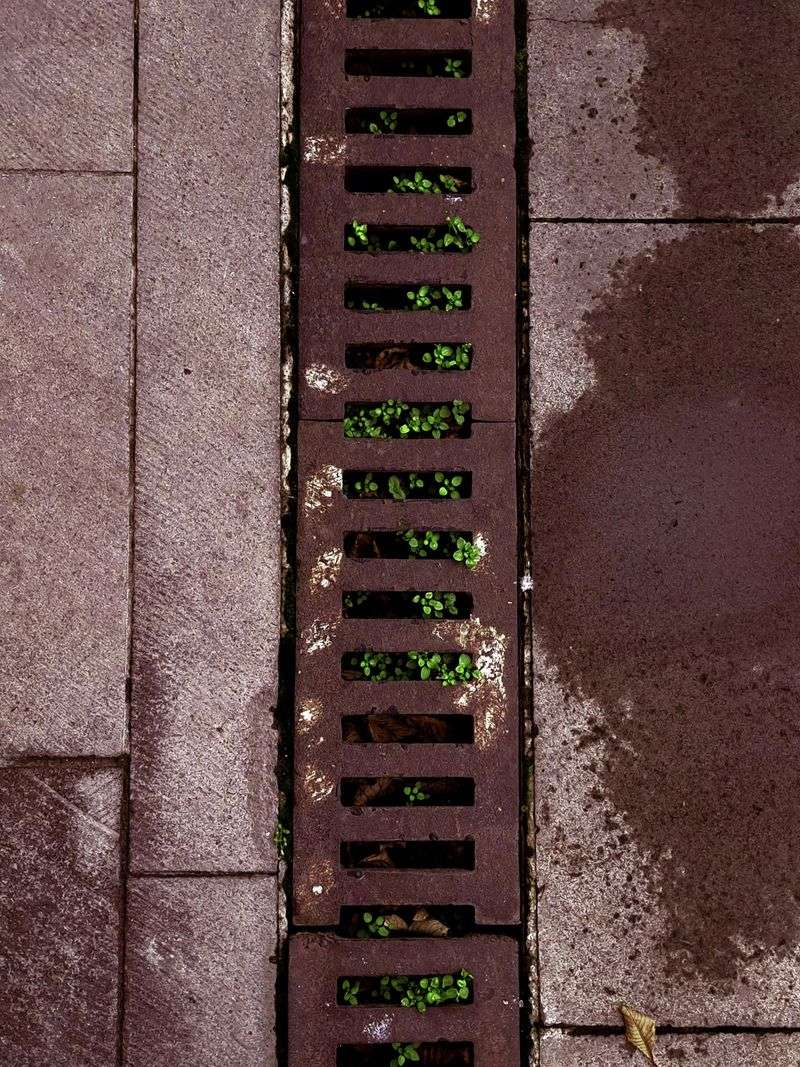
Standing water and a level lawn cannot coexist. Poor drainage is often the root cause behind persistent low spots.
Water collects, soil erodes, and the ground sinks further every time it rains. Improving drainage by hand does not always mean installing complex pipe systems.
Simple hand-dug French drains, shallow swales, or redirected downspouts can move water away from problem zones.
A basic French drain starts with a narrow trench dug by hand using a flat spade.
Slope it gently away from the problem area toward a suitable outlet. Line the trench with landscape fabric and fill it halfway with gravel.
Cover it back over with soil and sod. This buried channel quietly redirects subsurface water without leaving any visible scar on the lawn.
For less severe spots, breaking up compacted soil and amending it with coarse sand and compost can improve drainage enough to prevent future settling.
Check your problem areas after a heavy rain. See exactly where water pools and for how long.
That information tells you precisely where to focus your drainage work. A dry lawn is a stable lawn.
Overseed Bare Or Disturbed Patches
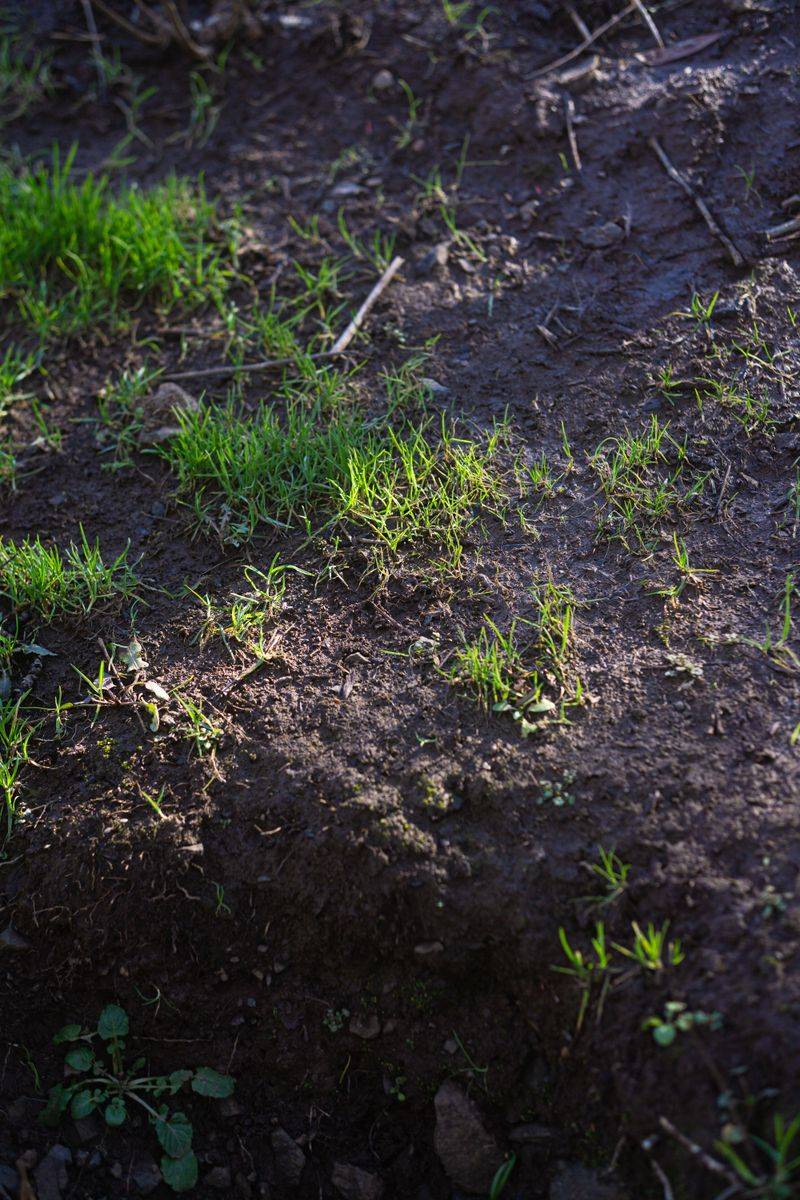
Bare soil is an open invitation for erosion to start all over again. Every time you level, fill, tamp, or repair a section, you disturb existing grass and often leave exposed soil.
Overseeding those bare or thinned patches is not the last step before walking away. It is the step that makes all your other work permanent.
It anchors the repaired soil with living roots. Choose a grass variety that matches your existing lawn and suits the Tennessee climate.
Tall fescue and bermudagrass are both popular choices in the region. Sprinkle seed generously over bare areas.
Rake it lightly into the soil surface for good contact. Press it down gently with the back of the rake or your palm. Keep seeded areas consistently moist for the first three weeks while germination happens.
Thin, patchy coverage is usually a sign of inconsistent watering. Avoid foot traffic on newly seeded spots until grass reaches at least three inches tall.
Once those new blades fill in and roots take hold, the repaired sections blend seamlessly with the rest of the lawn.
Repeat Topdressing Annually Each Fall Or Spring
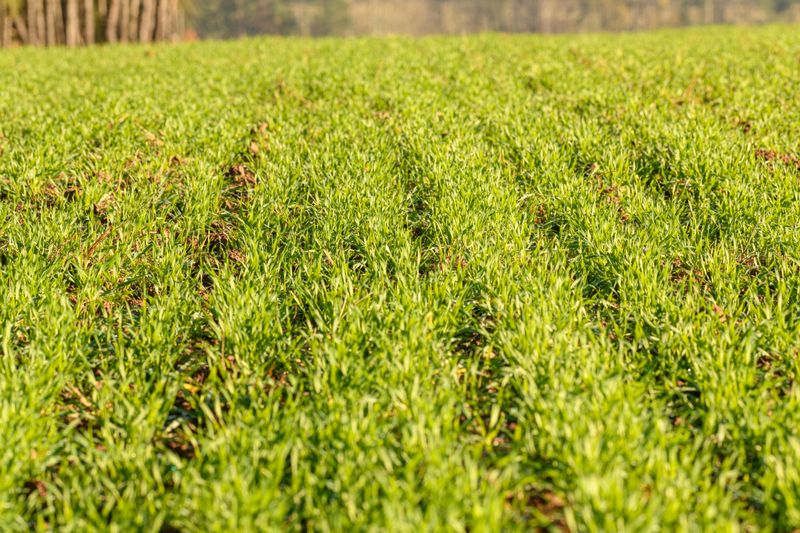
One round of leveling is a great start but one round is rarely enough. Repeating topdressing annually is the single habit that separates a consistently smooth lawn from one that goes bumpy again within a year or two.
Soil settles, roots shift, and seasonal freeze-thaw cycles in Tennessee gradually push the ground back out of level.
A thin annual topdressing keeps pace with those natural changes before they become noticeable problems.
Fall is the preferred timing for cool-season grasses like tall fescue. The ground is still warm enough for roots to absorb new material before winter sets in.
Spring works better for warm-season varieties like bermudagrass or zoysia. They are actively growing and can push through a fresh layer quickly.
Either way, the process is the same as the first time around, just lighter and faster. You are maintaining rather than correcting. Think of your lawn as a long-term project rather than a one-season fix.
Each annual pass of topdressing builds on the last. It gradually raises low spots and smooths the overall grade with minimal effort.
Over three to five years of consistent care, even a seriously uneven yard transforms into something genuinely flat, lush, and satisfying to walk across barefoot.