Why Tennessee Soil Compacts So Quickly In Summer, And How To Loosen It Without Harming Roots
If you have been walking across your Tennessee lawn lately and it feels more like a parking lot than a yard, something is off. That dense, unyielding ground underfoot is not just unpleasant, it is a sign your soil is in trouble.
Tennessee’s clay-heavy soil is already predisposed to compaction, and summer turns that predisposition into a full-blown problem. Heat bakes the surface, foot traffic presses it down further, and before long, your grass roots are sitting in soil so tight they can barely function.
Water stops absorbing the way it should, and growth slows. The lawn that looked decent in May starts showing its cracks by July. Compaction is fixable, but how you fix it makes all the difference.
Push too hard, too fast, and you end up damaging the very root system you are trying to save. Get the approach wrong and the fix becomes the problem.
Tennessee Soil And Its Tendency To Compact Quickly In Summer
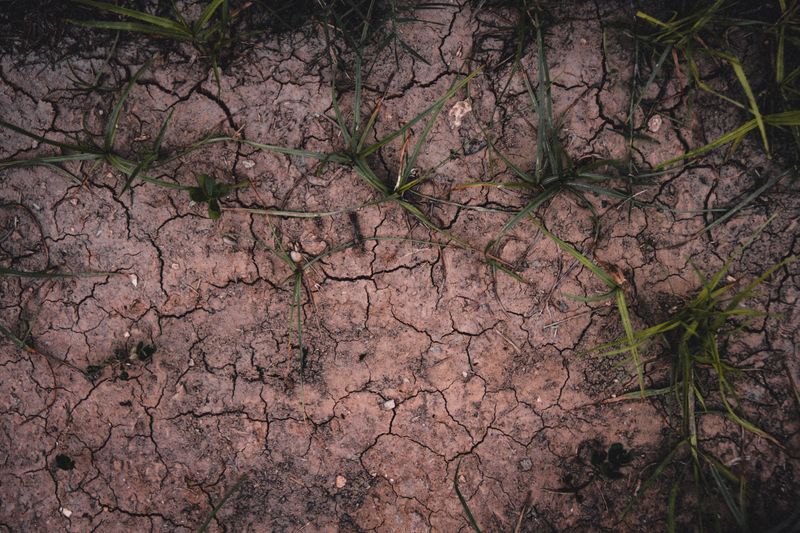
Tennessee soil has a reputation, and not the good kind. Much of the state sits on thick beds of clay-rich earth that behave very differently from sandy or loamy soils found in other regions.
Clay particles are incredibly small and flat. When pressure is applied, they press together tightly, leaving almost no space for air or water to move through.
Summer makes this worse in a big way. Heat pulls moisture out of the top layer of soil fast, causing clay particles to shrink and lock into place like tiny puzzle pieces snapping shut.
Once that moisture is gone, the ground hardens quickly. By August, some Tennessee lawns feel firm enough underfoot to stop a screwdriver cold at two inches.
The problem with Tennessee soil compaction in summer goes beyond looks. Grass roots need loose, porous soil to spread out and absorb nutrients effectively.
When soil is too dense, roots hit a wall. They cannot push through compacted layers, so they stay shallow and weak instead of growing deep and strong.
Shallow roots mean your lawn dries out faster and struggles during heat waves. The cycle feeds itself, making compaction a seasonal challenge every homeowner in the state eventually faces.
Knowing your soil type is the foundation of every smart lawn decision you will make going forward. Test your soil before you treat it.
Summer Heat And Heavy Foot Traffic Make Compaction Worse
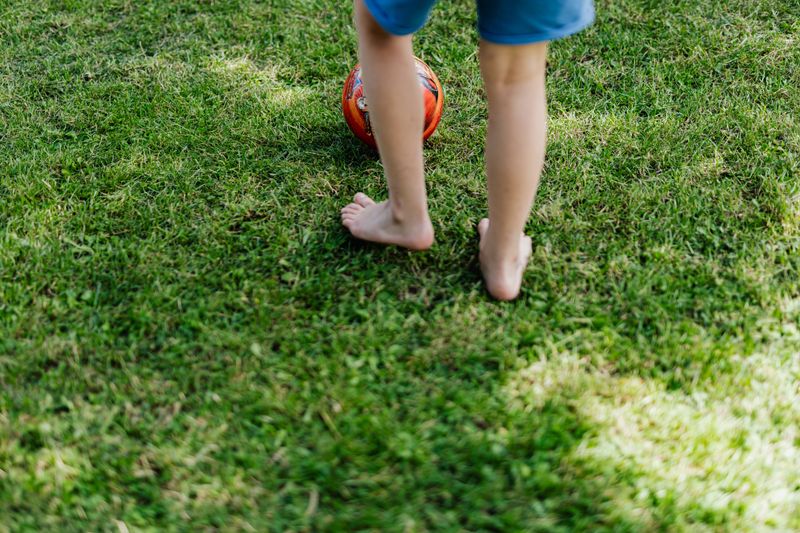
Summer gatherings put serious pressure on your lawn. Kids running, chairs dragged across the grass, and pets circling the yard for hours all add up fast.
Every footstep pushes soil particles closer together. Every pass of a lawn chair leg presses the surface down just a little more.
Summer heat speeds up this process dramatically. When soil is warm and dry, it loses the small amount of flexibility that moisture provides, making it far more vulnerable to pressure.
Think of it like bread dough. Wet dough bounces back when you press it, but dry dough just cracks and stays flat.
Your Tennessee Garden Changes Every Week. Your Plan Should Too.
Gardening in Tennessee changes quickly throughout the season. Every Friday you’ll receive a simple weekly plan showing exactly what to plant, prune, fertilize, harvest, and protect so you never miss the right timing.
Repeated foot traffic over a single afternoon of heavy use can push compaction noticeably deeper into the soil. Weeks of the same pattern drive it even further down.
The worst areas are usually high-traffic paths, spots near gates, and play zones where kids spend the most time. These patches often turn brown first because roots beneath them are starving for oxygen.
Lawn mowers also contribute more than most homeowners realize. Running a mower over the same dry path every week creates a compressed strip that resists water and fertilizer equally.
Rotating your mowing pattern and setting up temporary barriers during parties can make a surprising difference. Small changes in summer habits protect your soil more than any product can.
Signs Your Tennessee Lawn Is Dealing With Compaction
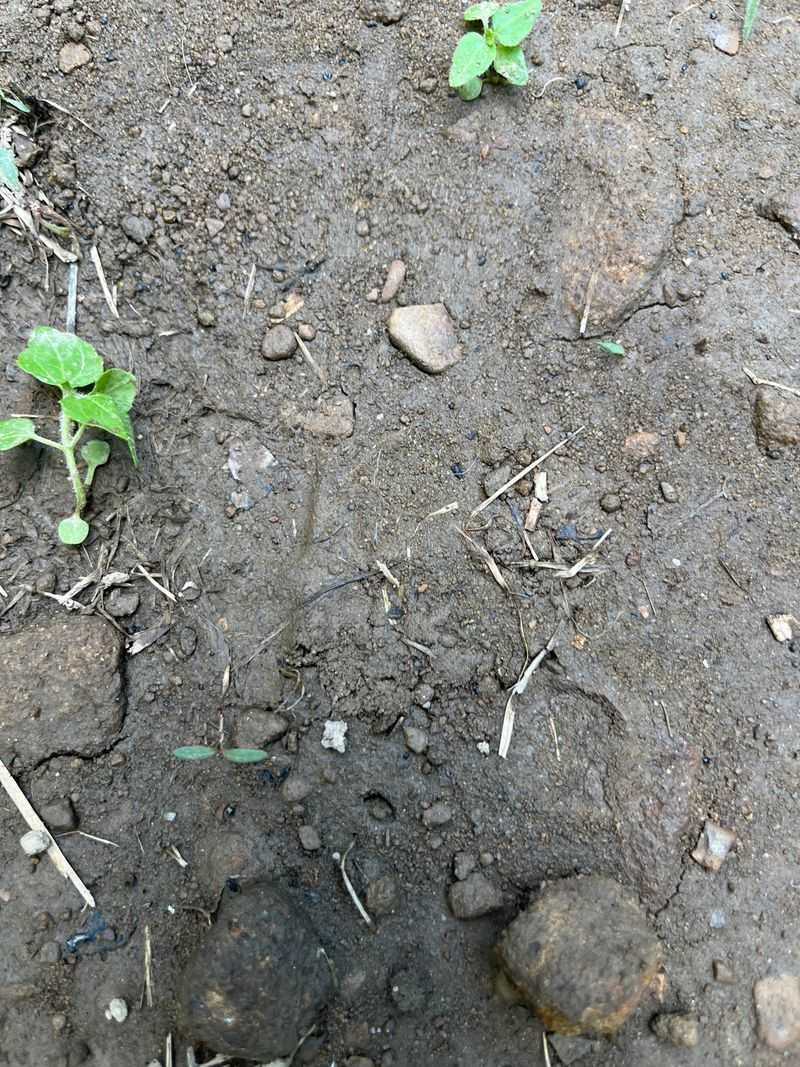
Your lawn talks to you, but most people do not know how to listen. Compacted soil sends out signals long before your grass turns completely brown.
Water pooling on the surface after rain is one of the clearest signs. When soil is too dense, water cannot soak in, so it just sits on top and eventually runs off.
Bare patches that appear in high-traffic areas are another red flag. Grass struggles to grow where roots cannot spread, and thin spots show up fast in compacted zones.
Try the screwdriver test. Push a standard screwdriver into your lawn with your hand, no hammering allowed.
Healthy soil lets the screwdriver slide in four to six inches without much effort. Compacted soil stops it cold at two or three inches, sometimes even less.
You might also notice your lawn feels unusually hard underfoot, almost like walking on a packed dirt path. That spongy, cushioned feeling that healthy turf provides simply disappears when compaction sets in.
Weeds like crabgrass and plantain love compacted soil. They have aggressive, shallow root systems that thrive in conditions where your grass cannot compete.
If weeds are taking over spots that used to grow grass just fine, compaction is likely part of the problem. A simple soil test paired with the screwdriver check gives you all the information you need to act fast.
The Best Time To Aerate A Tennessee Lawn
Timing is everything when it comes to loosening compacted Tennessee soil. Aerating at the wrong time can stress your grass more than the compaction itself ever did.
For warm-season grasses like Bermuda and Zoysia, which are common across middle and west Tennessee, late spring to early summer is the sweet spot. The grass is actively growing and can recover quickly from the disruption.
Cool-season grasses like tall fescue, which thrive in east Tennessee’s higher elevations, do best when aerated in early fall. Soil temperatures are cooler, and roots are preparing for a strong growth push.
Avoid aerating during peak summer heat, especially in July and August. Pulling cores out of already-stressed soil during a heat wave gives weeds an open invitation to move in before your grass can recover.
The ideal window for most Tennessee homeowners falls between late August and mid-October. Nights are cooling down, moisture is returning, and grass has enough energy left to bounce back beautifully.
Aeration right before a forecasted rain is a smart move. The water works its way into the fresh holes and loosens deeper soil layers naturally, giving your roots a head start.
Never aerate when soil is bone dry or soaking wet. Slightly moist soil gives you the cleanest cores and the least root disturbance possible.
Mark your calendar now, because timing this right makes every other step you take more effective.
Aeration Methods That Work Without Stressing The Root System
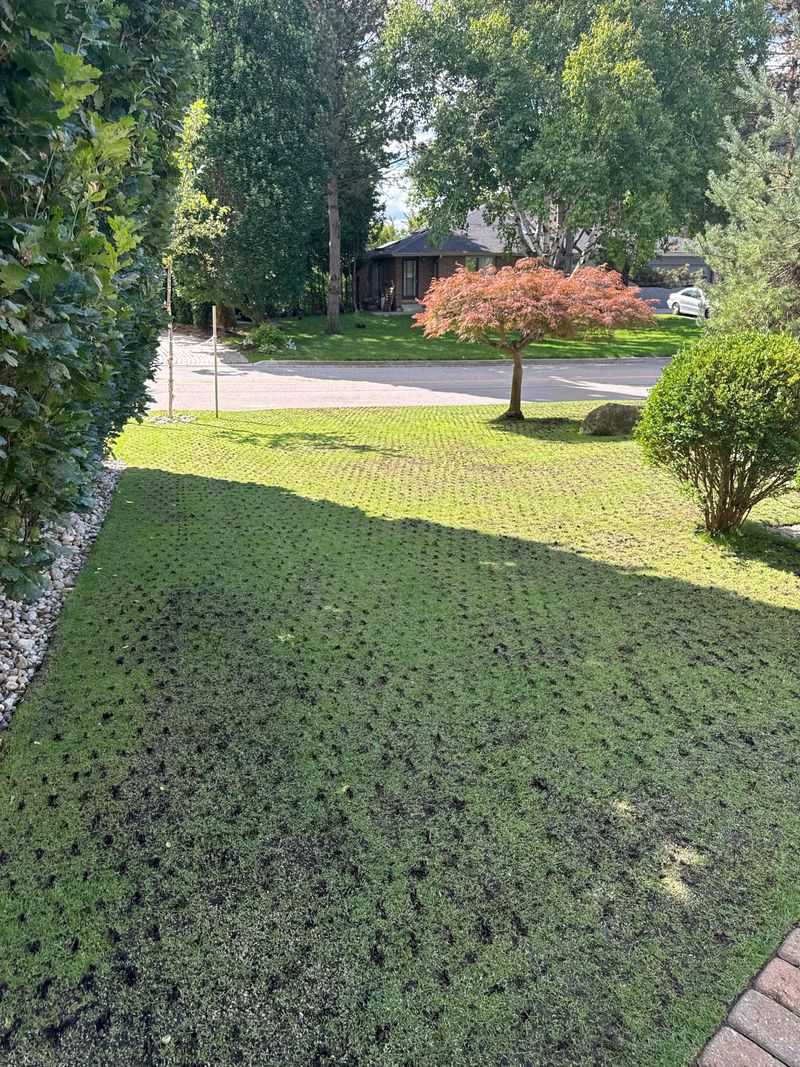
Not all aeration methods are created equal, and choosing the wrong one can set your lawn back instead of moving it forward. The goal is to open up the soil without shredding the root system underneath.
Core aeration is the gold standard for compacted Tennessee clay. A machine pulls small plugs of soil out of the ground, leaving behind open channels for air, water, and nutrients to reach the roots.
Those little soil cores left on the surface are not trash. Leave them in place and let them break down naturally over a week or two, returning organic matter back into the lawn.
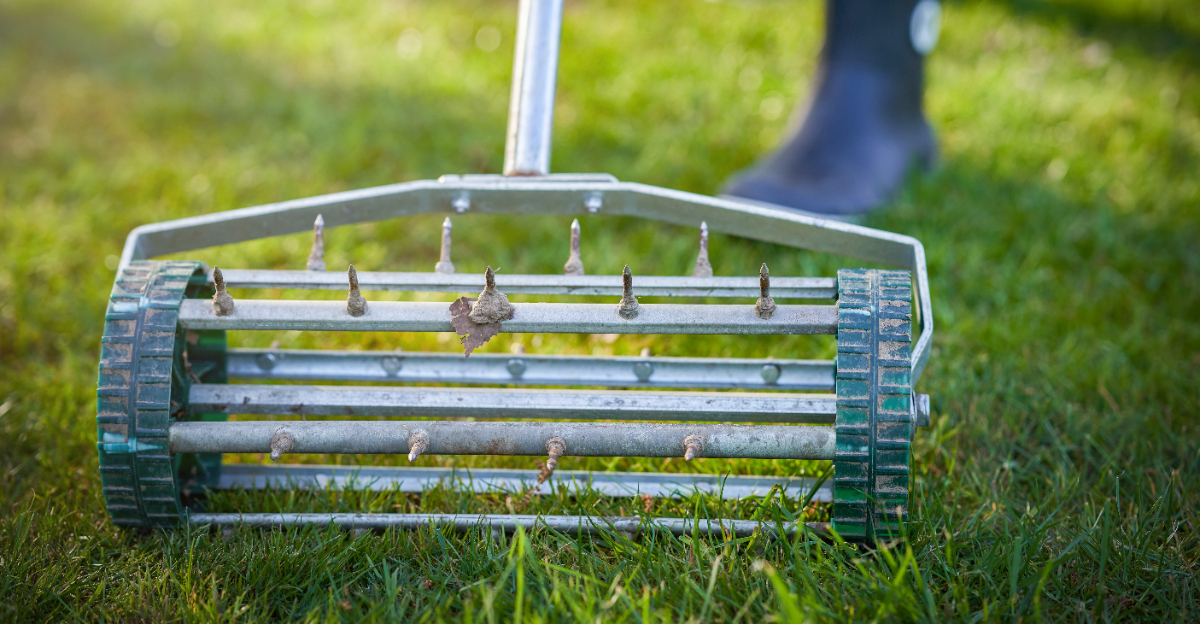
Spike aeration, which simply pokes holes without removing soil, is less effective on clay-heavy ground. It can actually push particles together more tightly around the spike, worsening compaction in some cases.
Liquid aeration products have gained popularity as a gentler option. These solutions penetrate the soil and help break up clay particles chemically, without any mechanical disturbance to roots at all.
Liquid options work best as a complement to core aeration, not a replacement. Using both together gives you the most thorough results on stubborn Tennessee clay.
Hand aerators are great for small patches or garden beds where a machine cannot fit. They let you work carefully around established plants and shallow-rooted perennials without causing damage.
Whichever method you choose, water the lawn lightly the day before to soften the soil just enough for clean, deep penetration.
Keeping Tennessee Soil Loose And Healthy Through Fall
Getting your soil loose matters, but keeping it that way is where most homeowners fall short. Keeping it that way through fall and into next spring is where the real long-term magic happens.
Top-dressing with compost right after aeration is one of the most effective steps you can take. A thin quarter-inch layer of quality compost fills the aeration holes and adds organic matter that physically improves soil structure over time.
Organic matter is what separates healthy, porous soil from tight, lifeless clay. It creates space between particles and feeds the microbes that keep your soil biology working in your favor.
Overseeding immediately after aeration gives new grass plants a direct path to loose, open soil. Seeds fall into the aeration holes and establish roots in conditions that are far better than the surrounding compacted ground.
Avoid heavy foot traffic on your lawn for at least three to four weeks after aerating. New roots and recovering grass need that window to establish without being pushed back down again.
A fall fertilizer application supports root development through the cooler months. Strong roots going into winter mean a faster, fuller green-up when spring arrives.
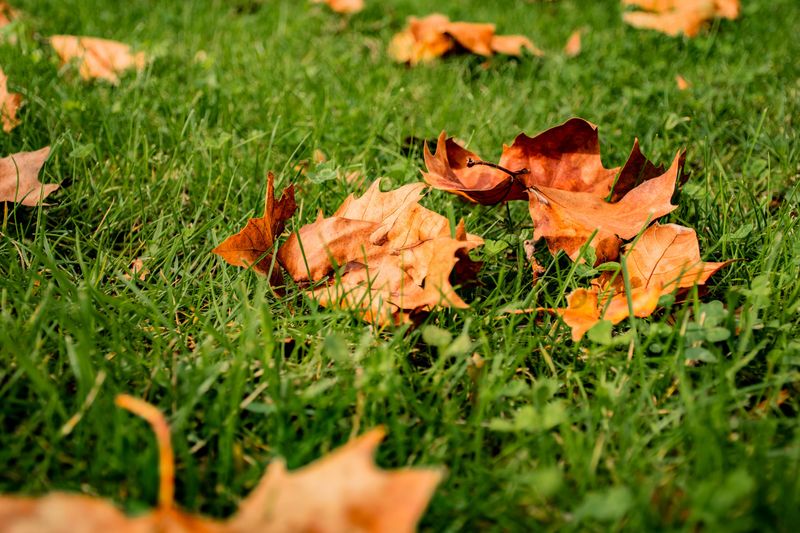
Mulching your fall leaves instead of raking them away adds another layer of slow-release organic material to the soil surface. A mulching mower chops them fine enough to break down before the first frost hits.
Tennessee soil compaction is a recurring challenge, but a consistent fall routine keeps it from gaining ground year after year.