8 Florida Plants That Make Sandhill Cranes Stop By And Put Yard Insects On Notice
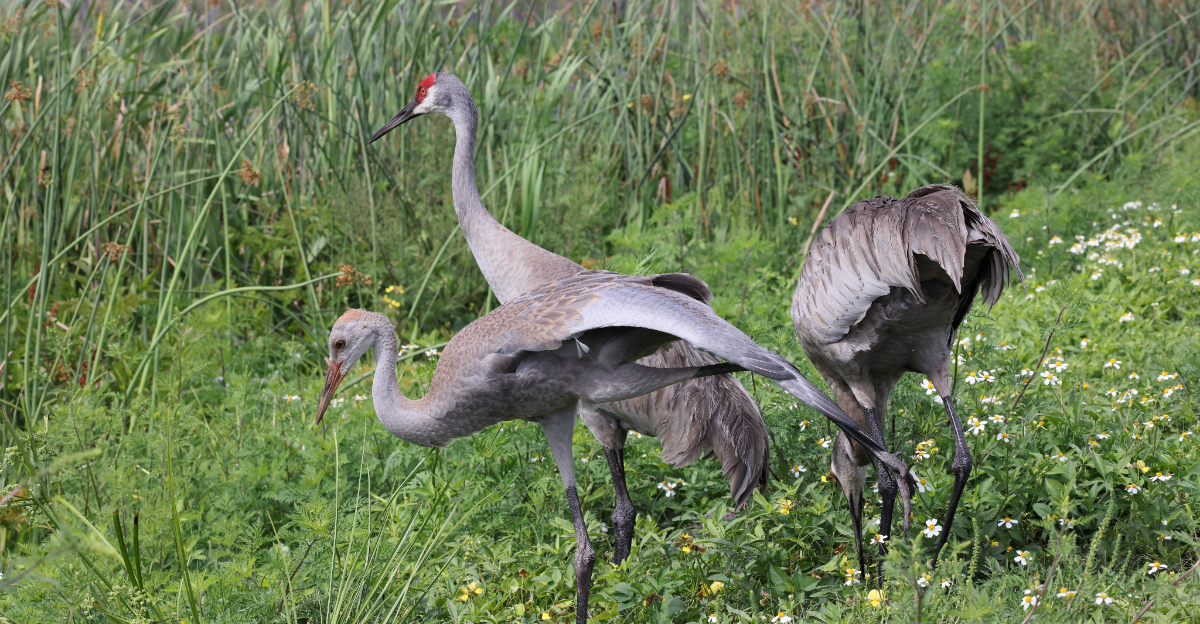
Sandhill cranes are one of Florida’s most recognizable backyard visitors, and they are not just passing through for the scenery.
These tall, gray birds are actively hunting for food, including insects, grubs, mole crickets, worms, seeds, and berries hidden in and around your yard.
A crane walking slowly across your lawn is running a precision search pattern, and what it finds depends almost entirely on what you have planted.
Many Florida homeowners who want cranes around focus on the wrong things.
The birds are not drawn to decorative plantings or manicured beds. They are drawn to habitat. Open ground near planted edges.
Shallow water with productive margins. Soil that is biologically active enough to hold the invertebrates they are looking for.
The right mix of native Florida plants creates exactly that kind of environment.
You do not need a massive property to get started, just smart plant choices that work with Florida’s wildlife rather than decorating around it.
These eight native plants make your outdoor space far more attractive to sandhill cranes while putting yard insects on notice at the same time.
1. Live Oak Drops The Acorn Signal
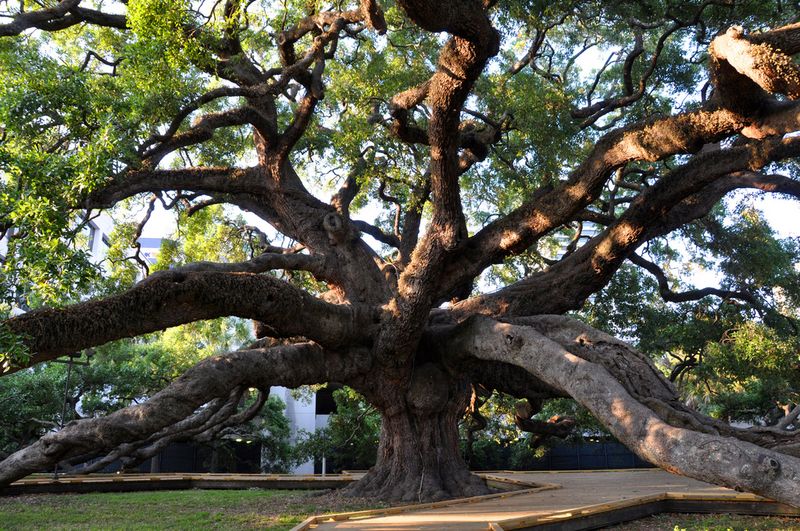
A big-canopied live oak anchoring a Florida backyard, dropping acorns steadily from fall into winter, does more than feed squirrels.
That steady rain of acorns signals to cranes and other wildlife that this yard has something worth investigating. Where acorns fall, insects follow. Where insects gather, cranes show up.
Live oaks, Quercus virginiana, are among the most wildlife-productive trees in Florida.
Their leaf litter creates a warm, moist layer where beetles, earthworms, and other invertebrates set up shop. Cranes will methodically work through leaf litter, probing with their bills for anything edible moving underneath.
A well-established live oak can pull in crane activity simply because the insect community beneath it stays active year-round.
Beyond insects, the shade and structural complexity of a live oak make surrounding plants thrive.
Understory plants grow better in partial shade, and that diversity builds a richer food web overall. Cranes tend to favor open ground near tree lines where they can see potential threats and still access foraging areas easily.
Live oaks also support hundreds of species of caterpillars, which in turn feed birds and other wildlife throughout the food chain.
UF IFAS Extension lists live oaks among the top native trees recommended for Florida wildlife gardens. Planting even one in a large yard can shift the whole ecological energy of the space over time.
Acorn season is essentially nature ringing the dinner bell, and cranes are usually the first to answer.
2. Saw Palmetto Adds Berries Near Cover
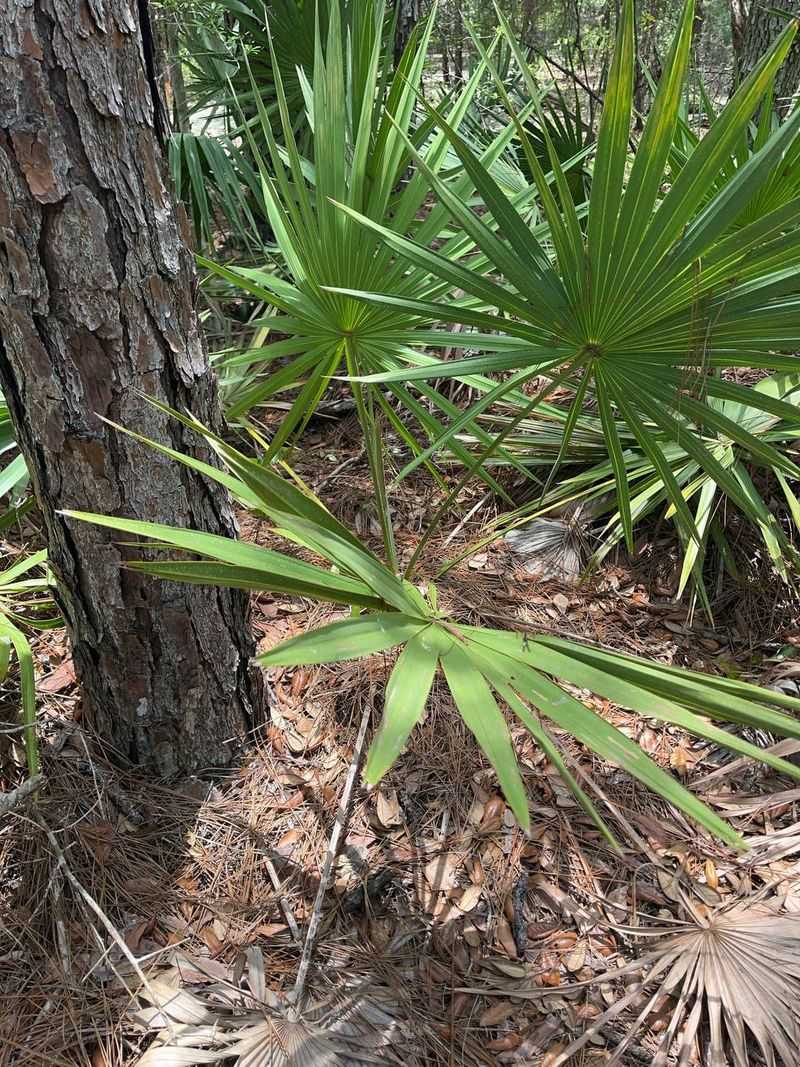
Saw palmetto might look tough and scrubby, but for Florida wildlife it is basically a well-stocked grocery store with a security fence built in.
The plant’s dense, low fronds offer excellent cover, and its dark berries ripen in late summer and fall, right when many animals need the calories most.
Serenoa repens grows naturally across much of Florida, thriving in sandy soils and full sun.
Your Florida Garden Changes Every Week. Your Plan Should Too.
Gardening in Florida changes quickly throughout the season. Every Friday you’ll receive a simple weekly plan showing exactly what to plant, prune, fertilize, harvest, and protect so you never miss the right timing.
Cranes are not the primary consumers of saw palmetto berries, but the insects, lizards, and small animals that gather around saw palmetto plantings absolutely attract crane attention.
Mole crickets and ground beetles love to work the sandy soil edges near saw palmetto, and cranes know exactly where to look.
The structural cover saw palmetto provides also matters.
Cranes feel safer foraging near areas where they can quickly step into cover if a threat appears. Low, dense plantings like saw palmetto act as a natural backdrop that makes open foraging zones feel more secure to wary birds.
UF IFAS Extension notes that saw palmetto is one of the most valuable native shrubs in Florida for wildlife habitat, with its berries supporting over 100 species of animals.
Planting saw palmetto along a yard edge or as a natural hedge creates a wildlife corridor that insects, birds, and reptiles will use regularly.
Once established, saw palmetto requires almost no care and handles Florida drought and heat without complaint, making it a smart long-term investment for any wildlife-friendly yard.
3. Pickerelweed Builds A Shallow Feeding Edge
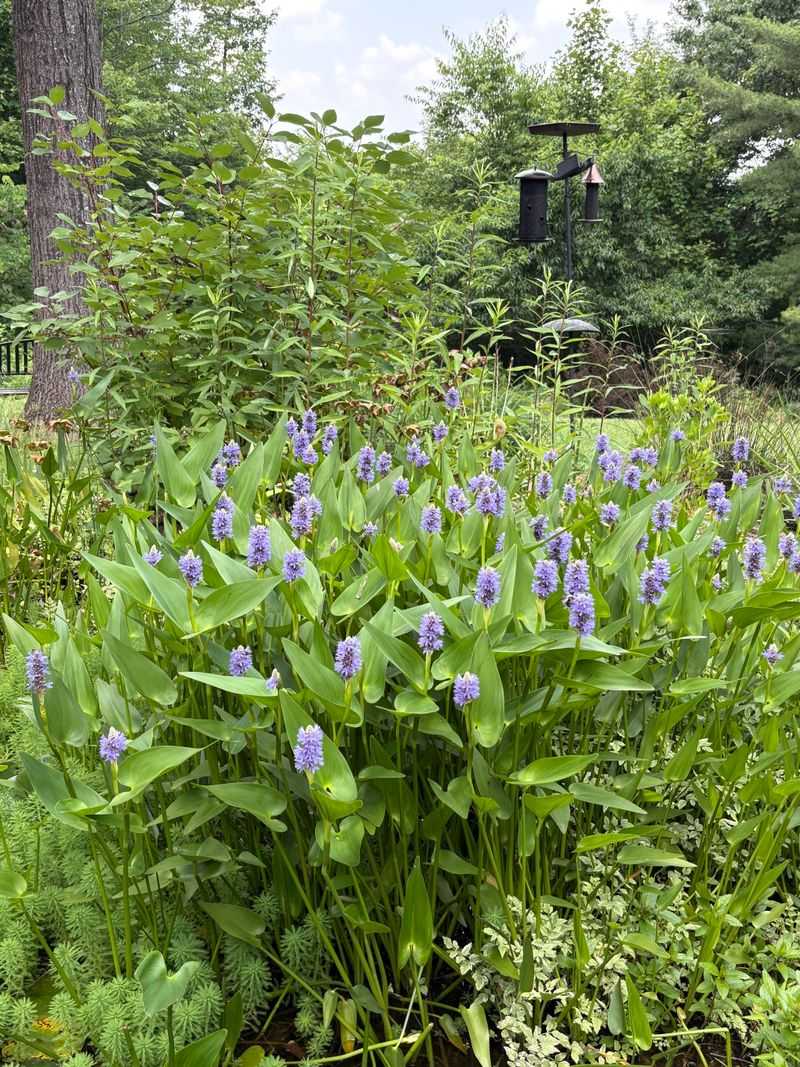
Walk up to any healthy Florida pond edge and you will almost certainly find pickerelweed pushing up through the shallows.
Those upright purple flower spikes are eye-catching, but what really matters to a sandhill crane is what is happening just below the water surface around the plant’s roots.
Pontederia cordata creates a rich transition zone between open water and dry land.
Aquatic insects, small frogs, tadpoles, crayfish, and other invertebrates gather in the shallow, vegetated margins that pickerelweed helps form.
Cranes wade into exactly these kinds of zones, probing the soft mud and shallow water for anything small enough to swallow.
Florida Fish and Wildlife Conservation Commission data confirms that sandhill cranes regularly forage along pond edges, wetland margins, and flooded low areas.
Pickerelweed planted along a backyard pond or retention area helps establish the kind of shallow, productive edge cranes prefer. The plant also filters runoff, improves water clarity, and stabilizes pond banks against erosion.
Pickerelweed blooms attract native bees and other pollinators, which adds yet another layer of insect activity to the area.
Dragonflies and damselflies also breed near pickerelweed, and their larvae are a favorite food for wading birds.
The plant spreads steadily in the right conditions, filling in shallow areas and making the feeding edge wider and more productive over time.
For a backyard pond, pickerelweed is one of the hardest-working native plants you can put in the water.
4. Duck Potato Pulls Life Into Wet Soil
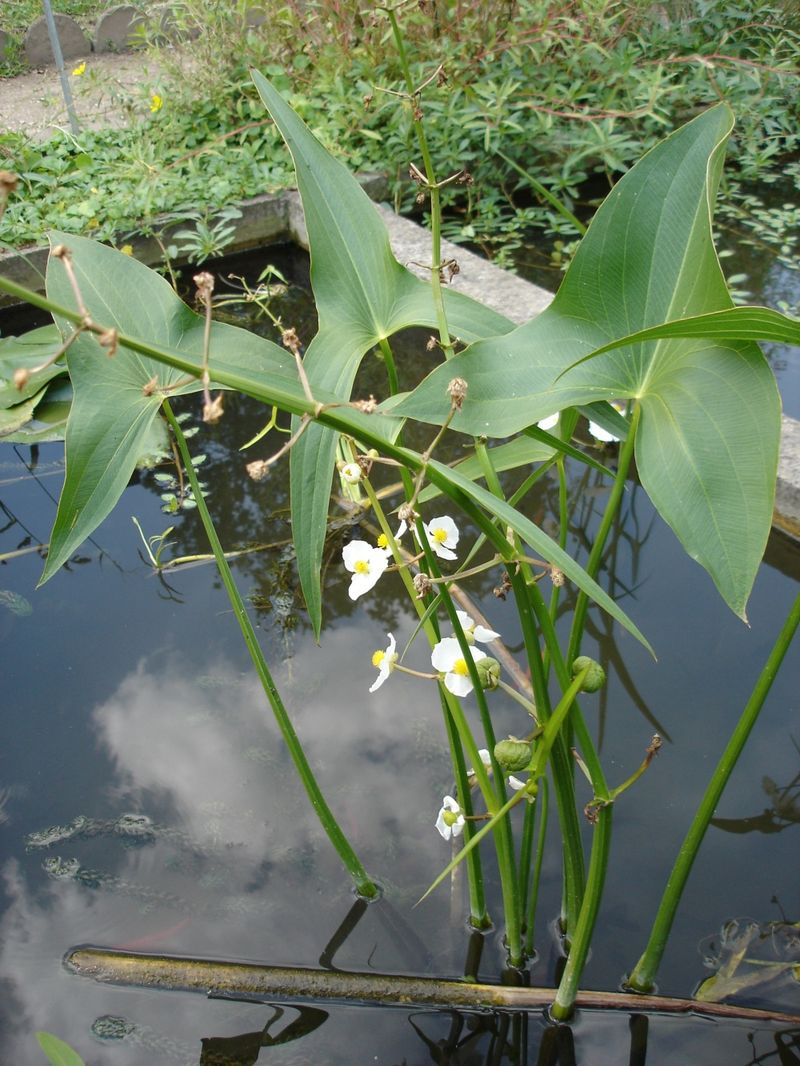
Not many plants can claim to be named after something a duck would actually eat, but duck potato earns that title honestly.
Sagittaria lancifolia produces starchy tubers in wet soil that waterfowl and other wildlife snack on readily, and the plant’s presence in or near water signals a healthy, productive wetland edge.
For sandhill cranes, the real attraction around duck potato is the living community it supports.
Wet, organically rich soil around aquatic plants like this one teems with earthworms, aquatic insect larvae, and small invertebrates.
Cranes use their long bills to probe soft mud, pulling out prey that would be invisible to a casual observer. Duck potato creates exactly the kind of substrate that makes that probing worthwhile.
The plant grows well in Florida’s natural wet areas, pond margins, and even in shallow containers with standing water.
Its arrow-shaped leaves are distinctive, and its white flowers attract pollinators throughout the warmer months. That pollinator activity contributes to overall insect diversity in the yard, keeping the food web active and varied.
UF IFAS Extension recognizes Sagittaria species as important native aquatic plants for Florida wildlife gardening projects.
Pairing duck potato with pickerelweed along a pond edge creates a layered, productive shoreline that benefits cranes, herons, frogs, and dozens of other species.
A small backyard pond planted with both species can attract significantly more wildlife than bare concrete edges or invasive plants ever could.
5. Soft Rush Gives Cranes A Clean Margin
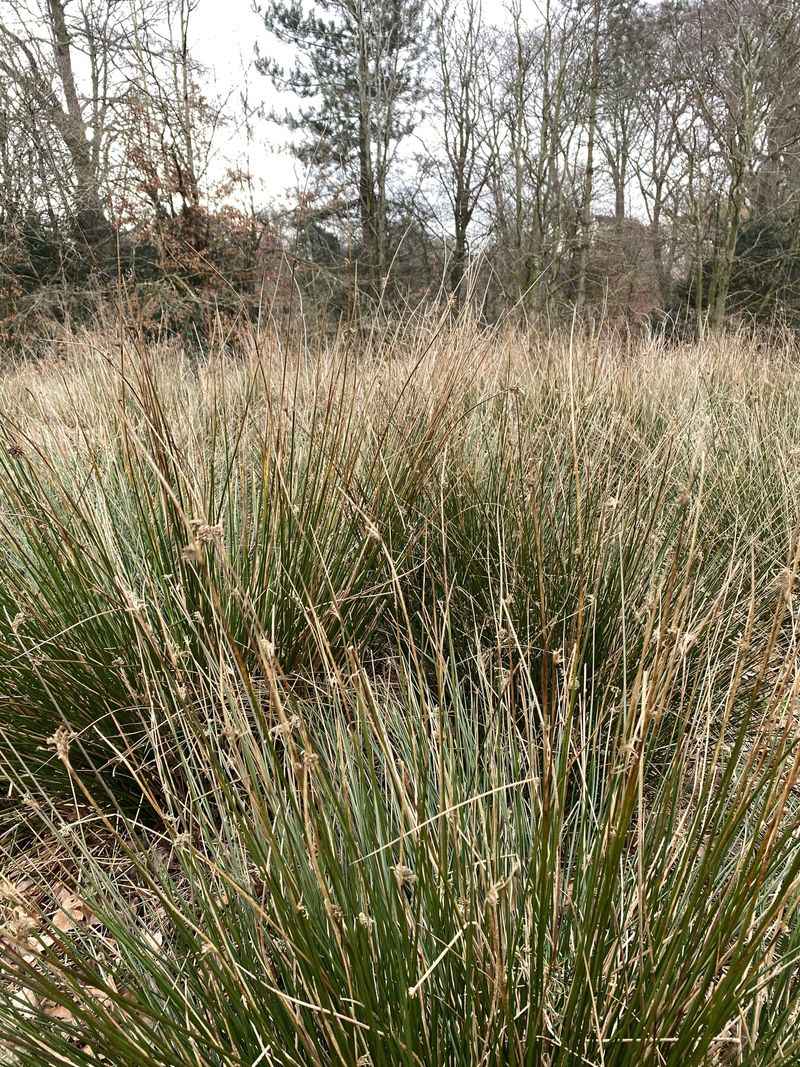
Cranes are surprisingly particular about where they put their feet.
Open, uncluttered ground near water is what they prefer when foraging, and soft rush does a remarkable job of defining that edge without closing it off.
It creates a clean, natural boundary between water and open lawn that cranes seem to genuinely appreciate.
Juncus effusus grows in dense, upright clumps that stabilize pond banks and wet soil margins. It does not sprawl aggressively or crowd out the open areas cranes need to move through freely.
Instead, it forms a tidy border that marks the transition from shallow water to dry ground, exactly where crane foraging activity tends to concentrate.
The stems and root zone of soft rush support aquatic insects, small invertebrates, and even small fish fry that hide among the base of the plant.
Cranes working a pond edge will often pause near rush clumps, probing the soft soil at the plant’s base for worms or grubs disturbed by water movement.
The plant also provides cover for small birds and frogs, which adds biodiversity to the overall habitat.
Soft rush is native to Florida and extremely adaptable, tolerating both seasonal flooding and brief dry spells.
UF IFAS Extension lists Juncus species among the most recommended native plants for stabilizing Florida pond edges in residential settings.
A clean rush margin is not just beautiful. It is functional wildlife infrastructure that works quietly every single day.
6. Native Grasses Keep Insects Moving
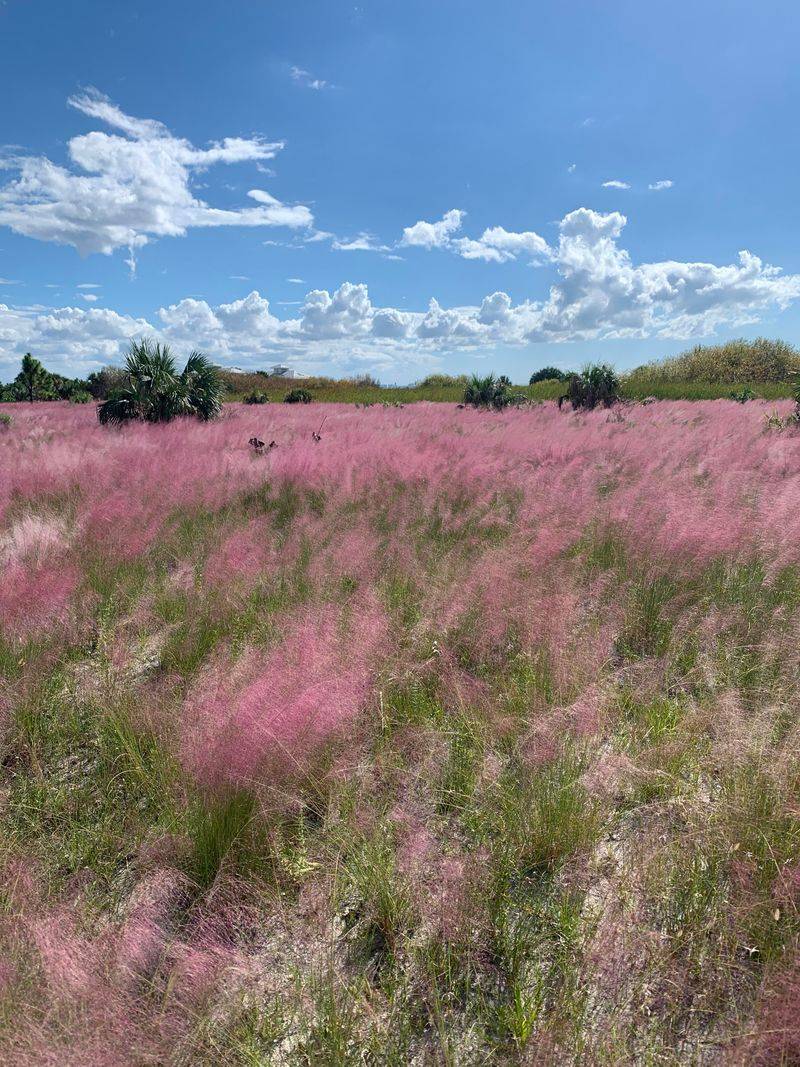
There is a reason cranes spend so much time walking slowly through grassy areas.
Native grasses are insect highways, supporting grasshoppers, beetles, caterpillars, spiders, and ground-dwelling bugs that live, breed, and feed within the grass structure.
More grass diversity means more insect variety, and more insect variety means more reasons for a crane to linger.
Florida has excellent native grass options for residential yards.
Muhly grass, Muhlenbergia capillaris, produces stunning pink-purple plumes in fall and supports a variety of insects in its fine-textured foliage.
Fakahatchee grass, Tripsacum dactyloides, grows in larger clumps and provides both structure and seed for wildlife.
Lopsided indiangrass, Sorghastrum secundum, is another excellent choice for sunny, open areas with well-drained soil.
Planting native grasses in clusters or along yard edges creates movement corridors for insects and small animals.
Cranes tend to work these areas methodically, walking slowly and watching for movement.
A crane hunting through a native grass planting is running a precision search pattern for mole crickets, beetles, and anything else hiding in the thatch layer below.
UF IFAS Extension strongly recommends native grasses for Florida wildlife gardens because of their low maintenance needs and high ecological value.
Unlike turf grass, native grasses require no irrigation once established and support far more wildlife.
Replacing even a portion of a conventional lawn with native grass clusters can meaningfully increase the insect activity that draws cranes and other foraging birds into your yard throughout the year.
7. Beautyberry Adds A Seasonal Snack Stop
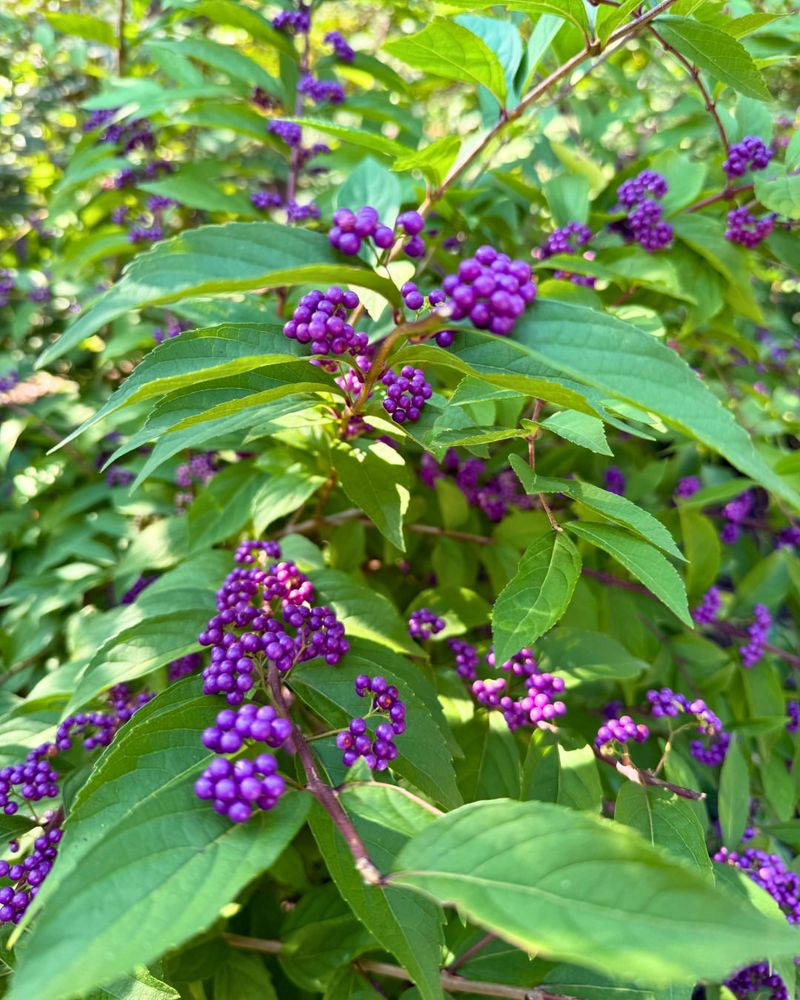
Few native shrubs stop people in their tracks quite like beautyberry in full fruit.
Those tight, almost electric clusters of magenta-purple berries packed along every stem are genuinely stunning, and they are not just decorative.
They are a serious food source for birds, small mammals, and the insects that gather around the plant throughout the growing season.
Callicarpa americana, American beautyberry, is native to Florida and thrives in partial shade to full sun with average soil.
It grows quickly and produces berries reliably each fall, right when many wildlife species are building up energy reserves.
Mockingbirds, robins, and other fruit-eating birds go after the berries enthusiastically, but cranes are more interested in what beautyberry attracts than the berries themselves.
Beautyberry’s dense branching structure and leaf litter create excellent habitat for ground-dwelling insects.
Beetles, earwigs, and other invertebrates shelter under the shrub’s canopy, and cranes will probe the open soil around beautyberry plantings when conditions are right.
The shrub also supports caterpillars that feed on its foliage, adding another link in the yard’s food web.
Planting beautyberry near a pond edge or along a shaded yard border increases the structural complexity of the habitat, which benefits a wide range of wildlife.
UF IFAS Extension lists beautyberry as one of the top native shrubs for Florida wildlife gardens. It requires very little care, handles Florida summers well, and comes back reliably each year.
A beautyberry in full fruit is basically a wildlife announcement board that says something good is happening in this yard.
8. Open Lawn Plants Put Grubs On The Menu
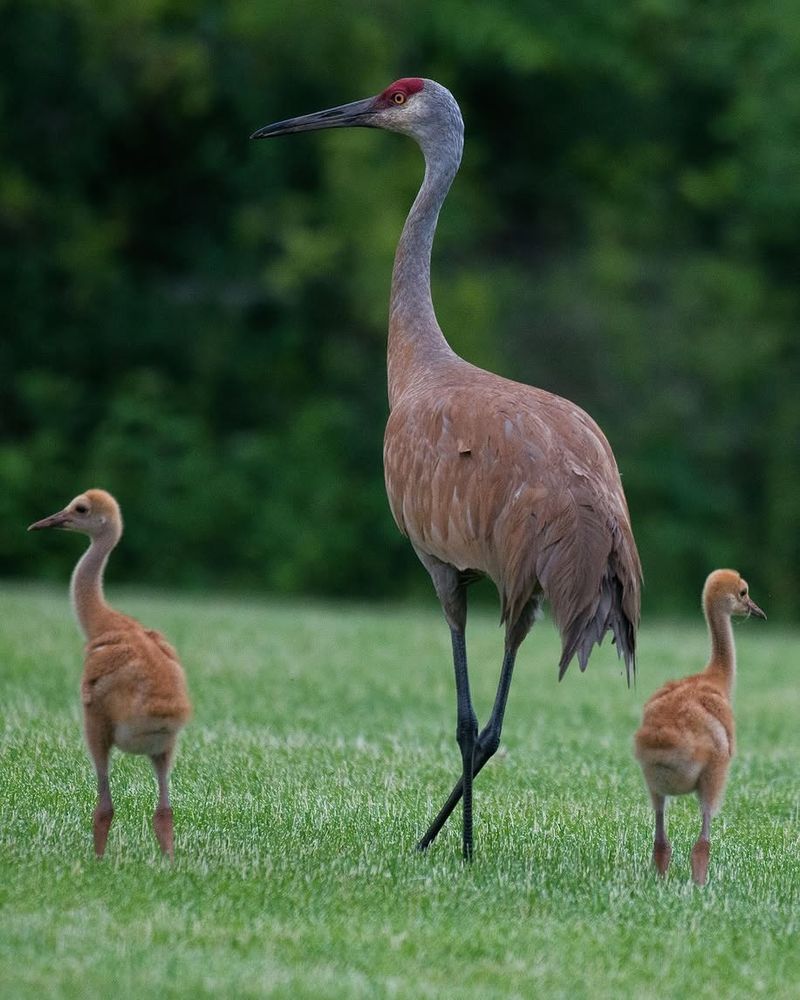
Sandhill cranes are accomplished foragers, and one of their favorite hunting grounds is open, short-grass lawn area near planted edges.
Grubs, mole crickets, and earthworms living just below the soil surface are a high-value food source, and cranes are very good at finding them. The trick is creating a yard that makes that prey accessible.
Low, open lawn-edge plantings using native ground covers like sunshine mimosa, Mimosa strigillosa, or creeping fog fruit, Phyla nodiflora, maintain a short, walkable surface while supporting soil health and insect activity below.
Unlike heavily treated, compacted turf, soil beneath native ground covers tends to stay looser and more biologically active.
That biological activity is exactly what brings grubs and worms closer to the surface where cranes can reach them.
Reducing or eliminating synthetic pesticide use is one of the most important steps a homeowner can take to make a yard crane-friendly.
Pesticides lower insect populations broadly, removing the prey that cranes are searching for. Healthy, chemical-free soil supports a full community of invertebrates that cranes can tap into during their foraging rounds.
Florida Fish and Wildlife Conservation Commission notes that sandhill cranes forage most successfully in open areas with short vegetation and soft, moist soil.
Pairing native ground covers with reduced lawn chemical use creates the conditions cranes prefer without sacrificing a usable, attractive yard.
Mole crickets in particular are a known crane food source in Florida, and a yard with active soil biology is far more likely to produce the kind of foraging action that keeps cranes coming back regularly.