What Massachusetts Homeowners Can Do To Save Struggling Rhododendrons
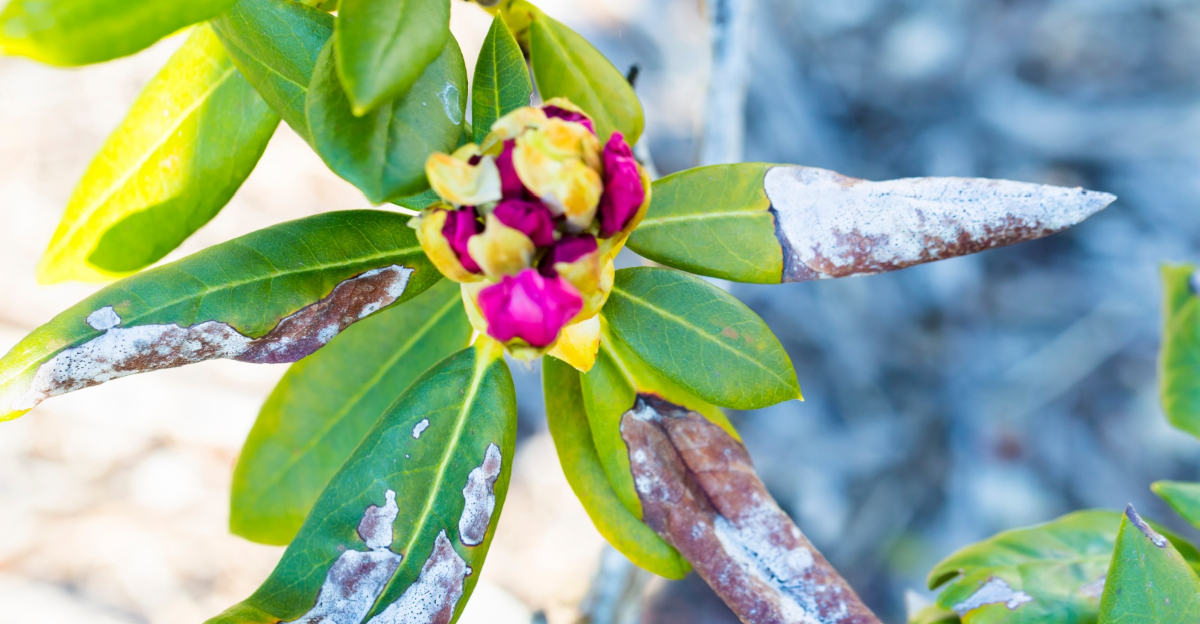
Remember when your rhododendrons stopped traffic every May, dripping in color like they had something to prove?
Fast forward to now, and the same shrub looks like it’s checked out completely. Leaves curled tight and pointing down.
Brown, crispy margins creeping in from the edges. A general air of visible stress that makes you wonder if you did something wrong without even trying.
Take a breath. If you’re a Massachusetts gardener watching a once-glorious plant droop in the yard, you’ve landed in good company, not a lost cause.
Rhododendrons wear their feelings on their leaves. They wilt at the first sign of stress, whether that’s a harsh winter, thirsty roots, or soil that isn’t draining well.
But underneath that sagging exterior usually lies a plant that just needs the right fix. The fix might be simpler than you think, and it starts right below.
1. Water Deeply Once Or Twice Weekly, Not Daily
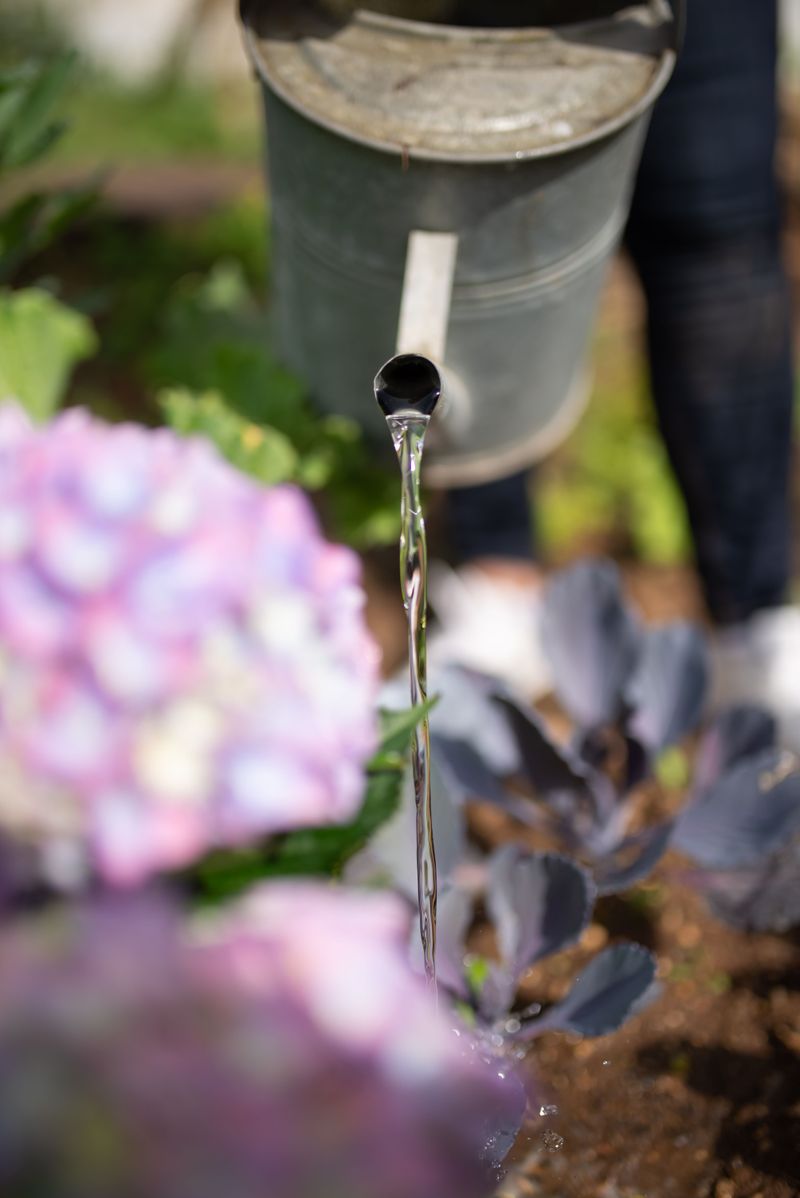
Overwatering is sneaky. It feels generous, but daily shallow watering actually trains roots to stay near the surface, where they dry out fast.
Rhododendrons need deep, infrequent soaks to grow strong root systems. Watering once or twice a week gives the soil time to breathe between sessions.
Think of it like eating a full meal versus snacking all day. One solid drink does far more good than constant little sips that never reach the roots.
In Massachusetts summers, heat spikes fast and soil dries unevenly. A deep weekly soak helps moisture reach six to eight inches below the surface, which is where roots actually drink.
If your shrub is wilting mid-week, check the soil before reaching for the hose. Wilting does not always mean thirst. Sometimes it means stress from heat or even too much moisture sitting around the roots.
Struggling rhododendrons often bounce back quickly once watering habits change. Commit to the deep-and-infrequent approach for two to three weeks and watch for new leaf firmness.
The goal is moist, not soggy. Soggy roots become oxygen-starved, and oxygen-starved roots cannot pull nutrients no matter how rich your soil is.
You are giving your plant a chance to breathe and rebuild. That shift alone can be the turning point for a shrub that has been quietly struggling all season long.
2. Mulch Thickly Around The Base
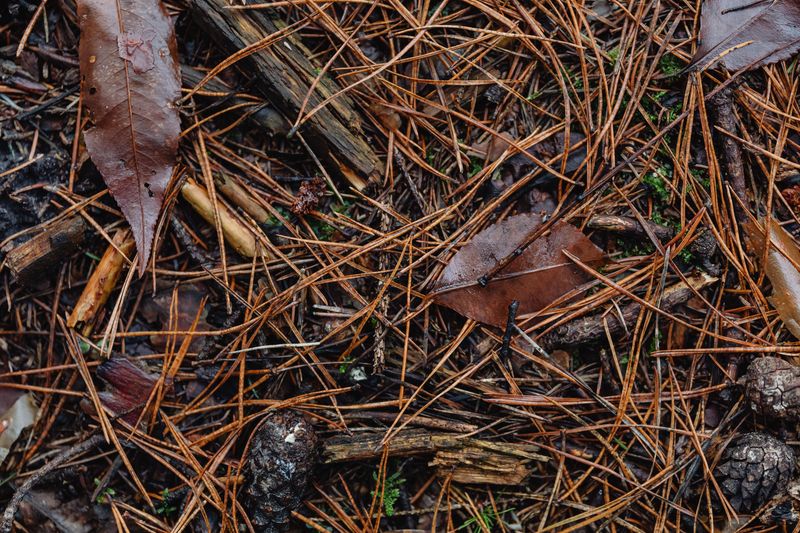
Bare soil bakes fast in summer and freezes hard in winter. A thick ring of mulch acts like a cozy blanket that protects roots from both extremes.
For struggling rhododendrons, mulch is one of the easiest fixes with one of the biggest payoffs. Spread a three to four inch layer of shredded bark or wood chips around the base.
Keep the mulch a few inches away from the main stem. Piling it against the trunk traps moisture and invites rot, which is the last thing a stressed shrub needs right now.
Mulch does three important jobs at once. It holds soil moisture, regulates soil temperature, and slowly breaks down to feed the soil with organic matter over time.
Your Massachusetts Garden Changes Every Week. Your Plan Should Too.
Gardening in Massachusetts changes quickly throughout the season. Every Friday you’ll receive a simple weekly plan showing exactly what to plant, prune, fertilize, harvest, and protect so you never miss the right timing.
In Massachusetts, where spring and fall temperatures swing wildly, that temperature buffer matters more than most homeowners realize. Roots are vulnerable to sudden freezes, and mulch slows those temperature drops significantly.
Pine bark mulch is a popular choice for rhododendrons because it slightly and gradually acidifies the soil as it breaks down over time.
These shrubs prefer acidic conditions, though a soil test is still the best way to confirm and manage pH.
You do not need expensive materials. A bag of basic shredded wood mulch from any garden center works perfectly well for most home landscapes.
Lay it down, step back, and let the mulch do the quiet work of protecting your struggling rhododendron from the ground up. Roots that stay cool and moist recover faster than any other factor.
3. Check Soil Before Watering
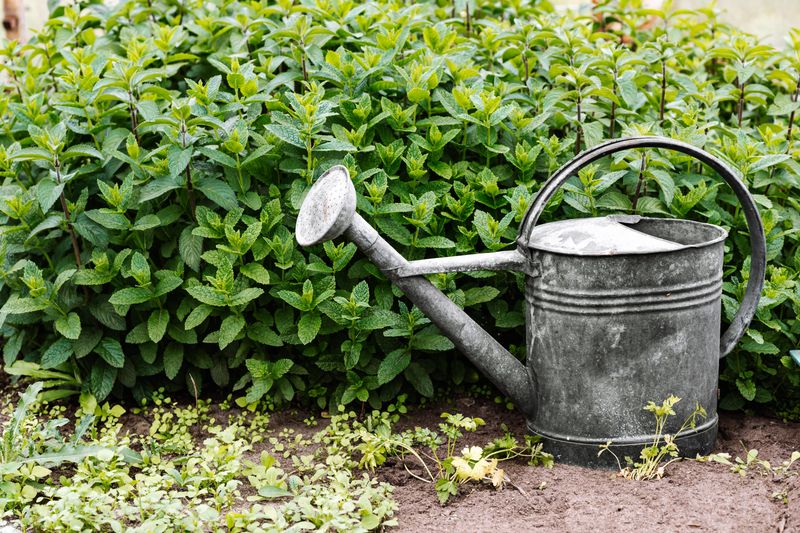
Your finger is actually a fantastic gardening tool. Press it two inches into the soil near your rhododendron and feel what is actually going on down there.
If the soil feels damp, skip watering that day. If it feels bone dry, it is time to soak. This simple two-second check prevents most overwatering mistakes homeowners make.
Soil moisture meters are also inexpensive and widely available. They give you a number instead of a guess, which helps if you are new to reading soil by touch.
Massachusetts soil varies wildly by neighborhood. Sandy soil near the coast drains fast and may need water more often. Heavy clay soil in western areas holds moisture longer and needs less frequent attention.
Knowing your specific soil type changes everything about how you care for your rhododendron.
A plant in sandy loam and one in clay loam may need completely different watering schedules even in the same week.
Root rot is a leading cause of shrub decline, and it almost always starts with watering on a schedule instead of watering based on actual soil conditions.
Checking before watering also helps you catch drainage problems early. If soil stays wet three days after a rainstorm, you may have a compaction issue that needs addressing.
Smart watering starts with observation, not routine. Get in the habit of checking before you reach for the hose, and your struggling rhododendrons will thank you with new growth.
4. Skip Fertilizer Until Recovery
It is tempting to dump fertilizer on a sick plant and hope for the best. That instinct, however well-meaning, can actually make things much worse for your rhododendron.
Fertilizer pushes plants to grow, and growth requires energy. A recovering shrub simply does not have the reserves to handle that demand right now.
Think of it like forcing someone with a bad cold to run a marathon. The extra push does not help recovery. It depletes whatever strength is left in the system.
Fertilizer salts can also burn already-stressed roots. If your rhododendron is struggling because of drought, poor drainage, or root damage, adding fertilizer salts to the mix speeds up root decline.
Hold off on any fertilizer until you see clear signs of recovery. New leaf buds, firmer foliage, and fresh green growth are all signals that the plant is ready to handle some added nutrition.
Once your shrub has stabilized, choose a slow-release fertilizer designed specifically for acid-loving plants. Rhododendrons need a lower pH environment, and the wrong fertilizer can shift soil chemistry in the wrong direction.
Early spring, before new growth emerges, is the best window for fertilizing healthy rhododendrons. Avoid feeding late in the season, since new growth triggered in fall cannot harden before the first frost arrives.
Patience is the real fertilizer here. Giving your struggling rhododendron time to recover without added pressure is often the single most powerful thing you can do all season.
5. Trim Only Damaged Branches
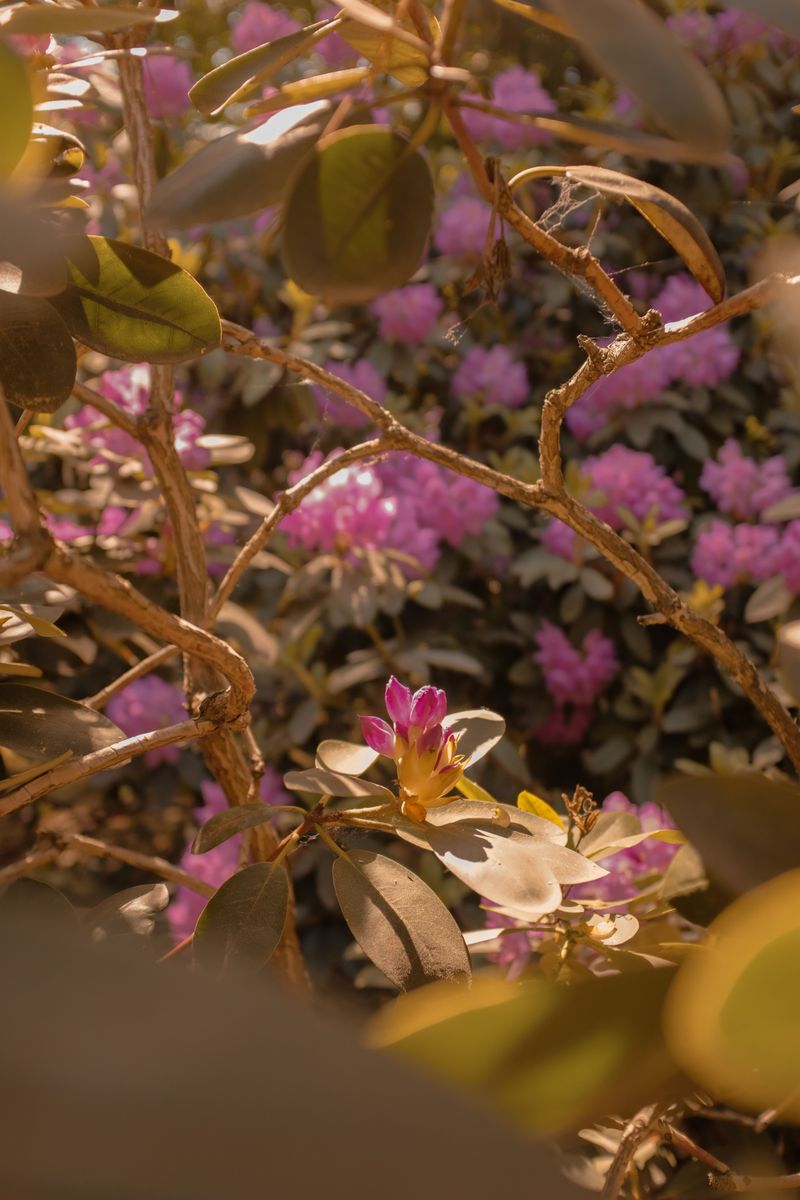
Grab your pruning shears, but go slowly. Cutting too much off a stressed shrub can send it into shock, which is exactly the opposite of what you want right now.
Focus only on branches that are clearly lifeless, broken, or diseased. Wood with no life left is easy to spot: it snaps instead of bending and has no green beneath the bark.
Scratch a small patch of bark with your fingernail. Green underneath means the branch is alive. Brown or tan means it is no longer living, and removing it will not hurt the plant at all.
Removing lifeless wood actually helps the shrub redirect its energy. Instead of wasting resources trying to sustain tissue that’s no longer functioning, the plant can focus on pushing out new healthy growth.
Do not prune for shape right now. Aesthetic trimming can wait until your rhododendron is back to full health and producing strong new growth on its own schedule.
Use clean, sharp pruning shears for every cut. Dull blades crush stems instead of cutting them cleanly, which creates entry points for disease and slows the healing process significantly.
Wipe your blades with rubbing alcohol between cuts if you suspect any branch shows signs of disease. Spreading fungal or bacterial issues from one branch to another is a common and avoidable mistake.
Every careful cut you make is an act of encouragement for your struggling rhododendron. Less unproductive weight means more energy directed toward the recovery your shrub is already working hard to achieve.
6. Add Afternoon Shade If Sunny
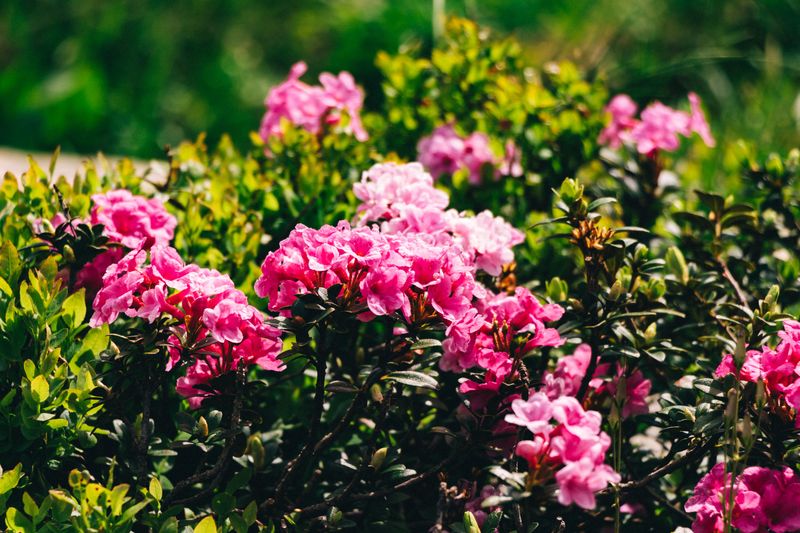
Rhododendrons are woodland plants at heart. They evolved under tree canopies, and direct afternoon sun in a New England summer can genuinely scorch their leaves.
If your struggling shrub sits in a spot that gets full afternoon sun, that heat exposure might be the main culprit behind its decline. Shade is not optional here. It is essential.
Shade cloth is an inexpensive and easy fix. Stretch it over a simple frame of wooden stakes to block the harshest rays between noon and four in the afternoon.
Even a nearby tree or a tall fence that casts partial afternoon shadow can make a significant difference. You do not need to build anything elaborate to give your plant some relief.
Morning sun is actually beneficial for rhododendrons. It dries dew off the leaves quickly, which reduces fungal problems. The goal is to filter out the intense midday and afternoon heat specifically.
Leaf scorch shows up as brown, crispy edges on otherwise green foliage. If that pattern looks familiar in your yard, afternoon shade is likely the fix your shrub has been waiting for all summer.
Longer-term, consider transplanting your rhododendron to a shadier location in early fall. Moving it while temperatures cool gives roots time to settle before winter sets in across Massachusetts.
Protecting your struggling rhododendron from intense sun is one of those changes that costs almost nothing but pays back in lush, healthy foliage that makes your whole yard look more alive.
7. Watch Leaves For Curling
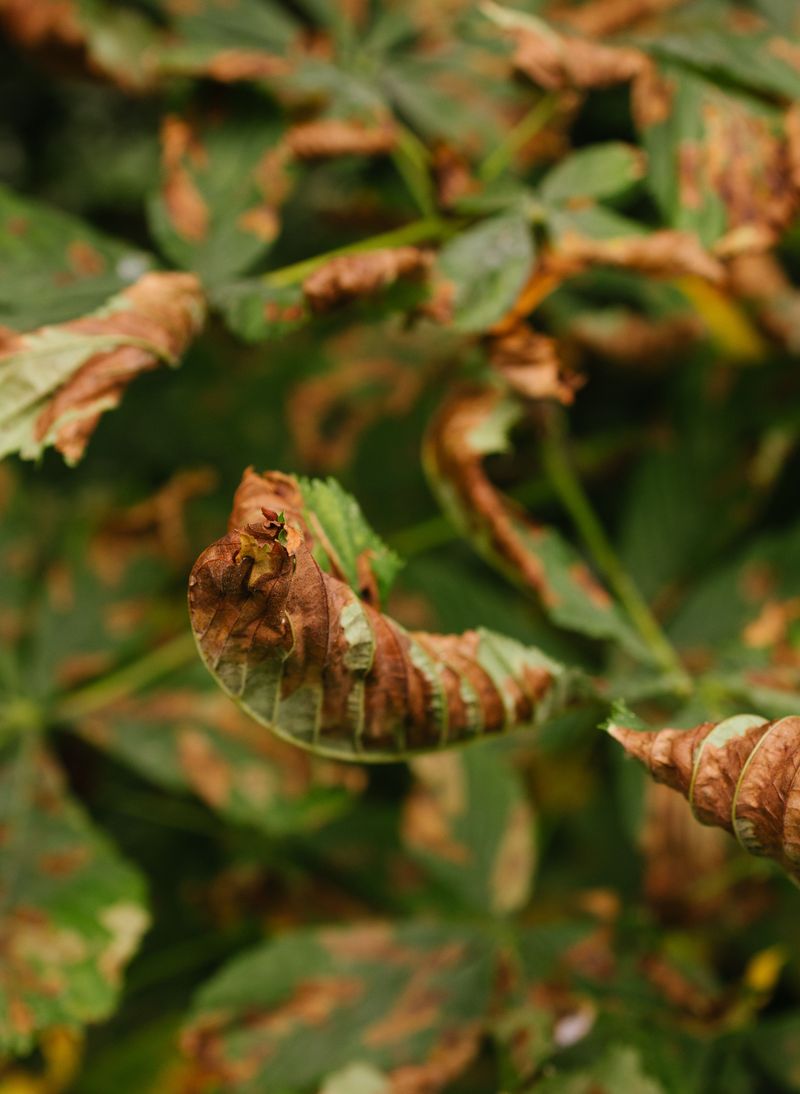
Curling leaves are your rhododendron speaking a language worth learning. The direction and timing of that curl tells you a surprising amount about what the plant actually needs.
In winter, rhododendron leaves curl downward and inward as a natural defense against cold. This protects them from freezing wind and is completely normal behavior for a healthy shrub.
During summer, however, curling is a stress signal. It usually means the plant is losing moisture faster than it can absorb it, which points to either drought stress or root problems.
Check the soil immediately when you notice summer curling. Dry soil calls for a deep soak. Wet soil suggests a drainage or root rot issue that requires a different approach entirely.
Curling combined with yellowing often signals a nutrient imbalance, particularly an iron deficiency caused by soil that is too alkaline. A simple soil pH test can confirm whether that is the problem.
Rhododendrons prefer a soil pH between four-point-five and six. Outside that range, they cannot absorb nutrients even if the nutrients are present in the soil around them.
Sulfur amendments can help lower pH gradually over several months. Do not rush this process. Dramatic pH swings stress roots just as much as the original problem did.
Reading your struggling rhododendron’s leaves is the fastest way to understand what it needs. Every curl, spot, and color shift is a clue pointing you toward the right solution.
8. Use A Soaker Hose For Deep Watering
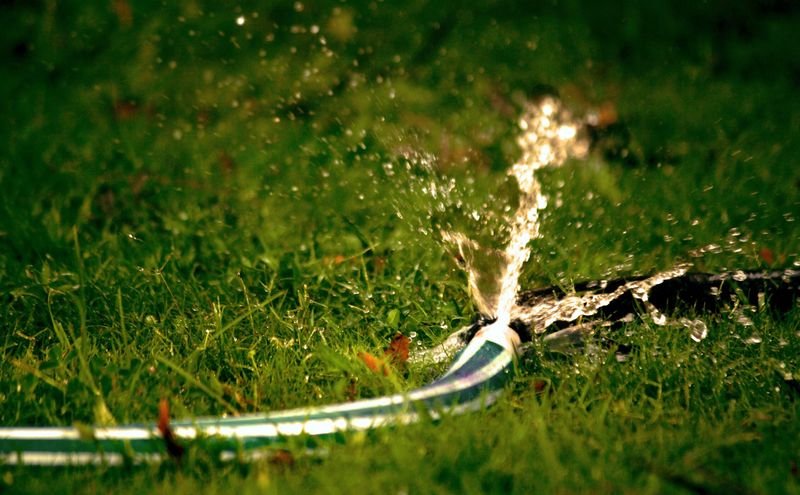
A regular garden hose sprays water fast and wide, but most of it runs off before soaking in deep. A soaker hose changes that completely by delivering water slowly right at the root zone.
Soaker hoses seep water along their entire length at a pace the soil can actually absorb. That slow delivery means moisture reaches six to ten inches down, which is exactly where rhododendron roots need it.
Lay the hose in a loop around the base of your struggling rhododendron, following the drip line of the outermost branches. That outer edge is where the most active feeder roots are located.
Run the soaker hose for roughly thirty to sixty minutes once or twice a week, adjusting based on your soil type, hose flow rate, and recent rainfall. Sandy soil needs more frequent sessions than heavy clay does.
Soaker hoses also keep water off the leaves, which matters for rhododendrons. Wet foliage sitting overnight invites fungal issues like leaf spot and powdery mildew, both common in Massachusetts humidity.
You can connect a soaker hose to a basic timer for a hands-off setup that waters consistently without any guesswork. Consistency is one of the most underrated factors in shrub recovery.
Soaker hoses are inexpensive and available at any garden or hardware store. A fifty-foot hose costs less than a single bag of fertilizer and does more good for root health than almost any product on the shelf.
For struggling rhododendrons, deep and steady watering through a soaker hose is one of the smartest tools you can add to your recovery plan this season.