7 Ways To Protect Your Vegetable Garden Under Massachusetts’ Most Restrictive Drought Ban Yet
Your tomatoes are already struggling. Massachusetts just made things harder. This summer hit different, and what officials are calling one of the most restrictive outdoor water bans in recent memory landed without warning.
Suddenly, everything you planted feels uncertain. Can your garden hold on through what is coming?
Thousands of growers across Massachusetts are asking the same question right now, and the smart ones are already moving.
Practical strategies exist that work within the ban and actively protect your crops. Some cost almost nothing, and others will strengthen your soil long after the drought lifts.
Peppers, cucumbers, and tomatoes can still produce even when your hose stays coiled and dry. Backyard growers and seasoned farmers alike are putting these moves to work today.
Every drop counts more than it ever has this season. The right knowledge, applied at the right moment, is the only thing standing between you and a thriving garden.
1. Collect Rainwater Using Barrels, Which Are Ban-Exempt
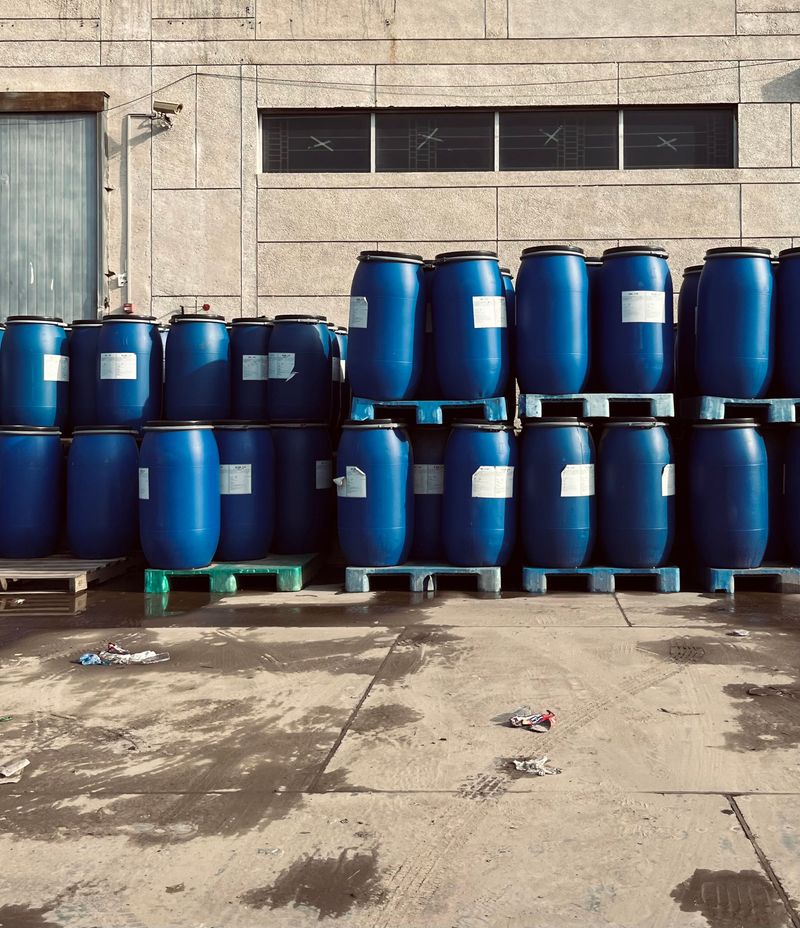
Rain barrels are one of the most practical tools in drought gardening. In most cases, Massachusetts drought bans do not restrict rainwater collection, but always confirm the rules with your local water district before installing a barrel.
Set a barrel under your downspout and the system collects water passively once it is in place. A single inch of rain on a 1,000-square-foot roof produces over 600 gallons of runoff.
A standard 55-gallon barrel can cover a small raised bed for several days. Look for food-grade barrels at local farm supply stores or online, and check whether your town offers subsidized options through its conservation program.
Many Massachusetts municipalities do exactly that. Connect a spigot near the base so you can attach a hose or fill a watering can easily. Keep a lid on the barrel to stop mosquito breeding and slow evaporation between rain events.
Position your barrel on a slight elevation, like a cinder block platform, to improve water pressure at the spigot. That small lift makes a noticeable difference when filling cans quickly during busy mornings.
If one barrel fills fast, daisy-chain a second using a simple overflow connector kit. Two barrels hold over 100 gallons, which stretches your supply through extended dry spells without any additional cost.
Label the barrel clearly so neighbors and family know its purpose. Protecting your vegetable garden starts with harvesting every drop the sky gives you freely, before it runs off your roof and disappears into the street.
2. Mulch Heavily Around Plants To Cut Evaporation
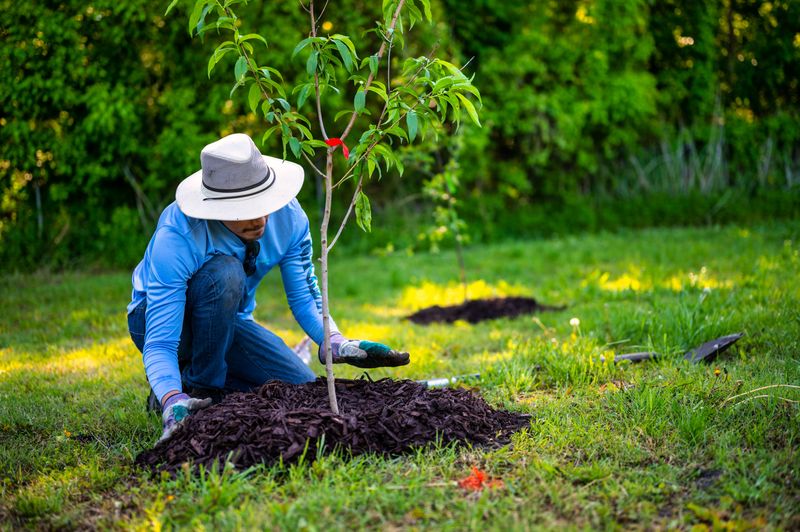
Bare soil loses moisture fast. On a hot July afternoon, unprotected ground can lose a significant amount of moisture before your plants even get a sip, reducing the effectiveness of every watering effort you make.
Mulching is one of the most proven methods in gardening, and the results are consistent. A thick layer of organic material acts like a blanket, trapping moisture right where roots need it most.
Aim for three to four inches of mulch around each plant. Straw, shredded leaves, wood chips, and even layered newspaper all do the job well depending on what you have available.
Your Massachusetts Garden Changes Every Week. Your Plan Should Too.
Gardening in Massachusetts changes quickly throughout the season. Every Friday you’ll receive a simple weekly plan showing exactly what to plant, prune, fertilize, harvest, and protect so you never miss the right timing.
Straw is a favorite for vegetable beds because it is light, cheap, and breaks down slowly through the season. Shredded leaves are completely free if you saved them from last fall, making them one of the smartest no-cost solutions in drought gardening.
Keep mulch a few inches away from plant stems to avoid rot and fungal issues. That small gap allows air to circulate while the rest of the bed stays protected and cool beneath the surface.
Mulch also suppresses weeds, which compete directly with your vegetables for the water you work so hard to apply. Fewer weeds mean more moisture stays exactly where it belongs.
During a drought ban, every gallon counts. Research consistently shows mulching can significantly reduce soil moisture loss, with some studies reporting reductions of 50 percent or more depending on mulch type and soil conditions.
Pairing mulch with careful hand watering gives your vegetable garden the strongest possible defense against a long, dry Massachusetts summer.
3. Water By Hand With A Shut-Off Nozzle Only
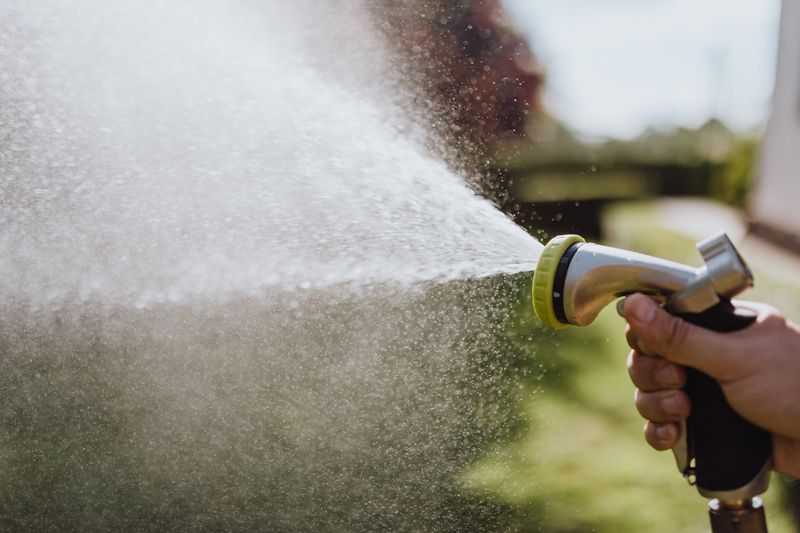
Hand watering with a shut-off nozzle is permitted under Level 1 and Level 2 Massachusetts drought bans. Under Level 3 or Level 4, all nonessential outdoor water use is banned, including hand watering.
Always check your current ban level before picking up the hose. That detail matters enormously when your garden is at stake. A shut-off nozzle lets you control every single drop.
You squeeze, water flows. You release, it stops instantly with no waste. That precision makes it both drought-compliant and surprisingly efficient compared to conventional sprinklers left running unattended.
Standard hose-end sprayers left running are often banned even when hand watering is permitted. Always check your local water district rules first.
Restrictions vary by town and can change fast. Watering by hand also forces you to slow down and actually look at your plants.
You will spot pest damage, wilting, or disease signs much faster than someone who simply sets a timer and walks away. That daily attention is one of the best investments a home gardener can make.
Focus your stream at the base of each plant rather than spraying leaves from above. Wet foliage invites fungal problems, especially during hot, humid Massachusetts summers when conditions already favor disease.
Morning is the best time to hand water because temperatures are lower and soil absorption is higher. Evening watering leaves moisture sitting overnight, encouraging mold and mildew to take hold.
Use a watering can for small beds if the hose is restricted in your zone. Track how much you apply by counting fills or placing a simple rain gauge nearby. Hand watering puts control directly in your hands.
4. Target Roots Directly By Deep-Watering Less Often
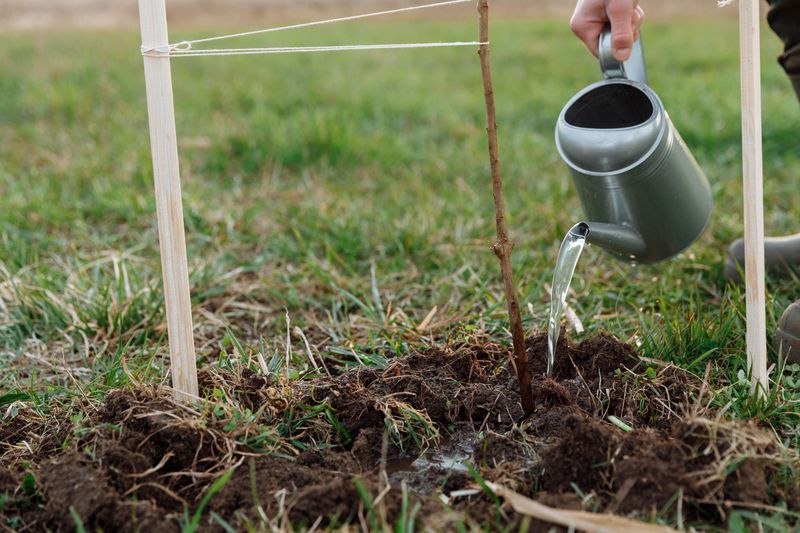
Shallow watering every day trains your plants to be weak and needy. Deep, infrequent watering builds strong root systems and makes your garden far more resilient when restrictions tighten.
The goal is to push water down six to eight inches into the soil. At that depth, roots stay cooler and moisture evaporates far more slowly than at the surface, giving plants a meaningful reserve to draw from between sessions.
Instead of a quick daily sprinkle, try watering deeply every two to three days. Your plants will actually perform better and need less overall water when you commit to this method consistently.
Stick your finger two inches into the soil before reaching for the hose. If it still feels damp, skip that day and check again tomorrow.
A wooden dowel or chopstick pushed into the ground works just as well as a moisture probe. Pull it out and check whether soil clings to it, signaling there is still enough hydration below.
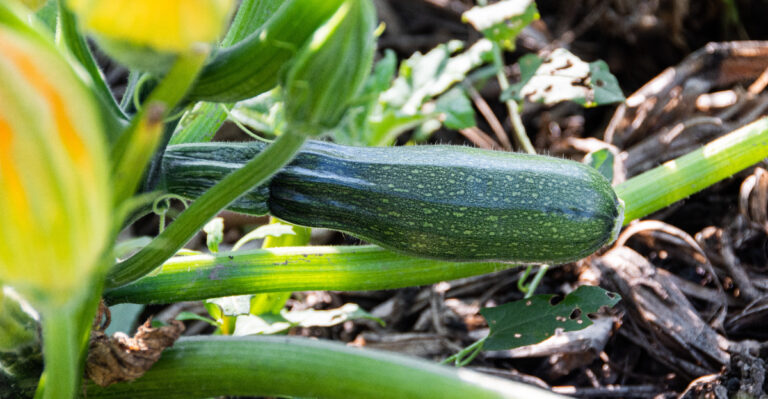
For larger plants like zucchini or tomatoes, consider slow-fill methods using a buried pipe or a punctured plastic bottle. Water seeps directly to the roots without touching the surface at all.
This approach pairs well with mulching because covered soil holds deep moisture much longer. Together, these two strategies can cut your water use nearly in half during a ban.
Deep roots also mean plants can handle a missed watering day without visible stress. Drought resilience is built deliberately, one deep watering at a time.
5. Keep Grass Tall To Shade And Protect Soil
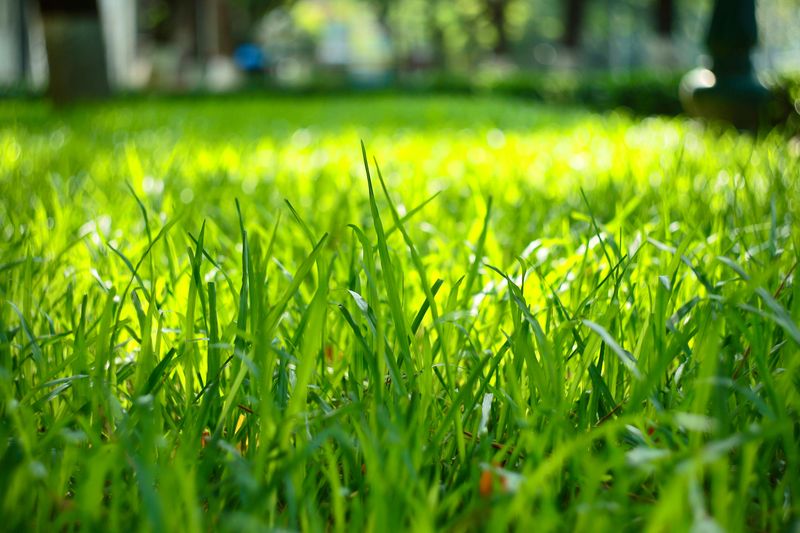
Cutting your lawn short during a drought is one of the worst things you can do. Tall grass shades its own roots, keeping soil cooler and holding onto moisture far longer.
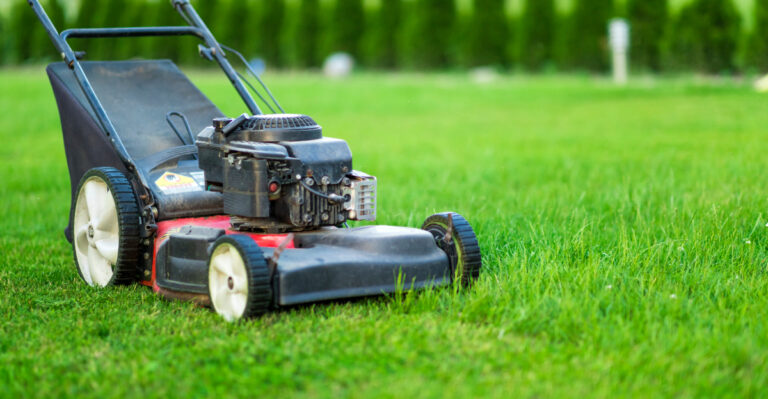
Most lawn care guides recommend raising your mower blade to at least three and a half to four inches during dry stretches. That extra height makes a genuine, measurable difference in soil temperature.
Grass that is mowed too short turns brown faster and creates bare patches where sun bakes the ground hard. Hard, compacted soil absorbs water poorly, which hurts your entire yard including the vegetable beds nearby.
Taller turf also acts as a windbreak around low-growing garden beds. Wind pulls moisture from leaves and soil faster than most people realize, especially on dry, breezy summer days.
Leave your grass clippings on the lawn after mowing instead of bagging them. Those clippings act like a mini mulch layer, returning moisture and nutrients directly back into the ground.
Avoid mowing during the hottest part of the day. Cutting grass in peak heat adds unnecessary strain to already dry turf.
If your lawn is already brown and dormant, do not panic. Dormant grass is not gone for good. It bounces back quickly once conditions improve.
Protecting your vegetable garden also means protecting the ecosystem around it. Healthy turf nearby keeps the whole yard cooler and more resilient when drought conditions intensify.
6. Switch To Drip Irrigation, Permitted Under Level 1 and Level 2 Massachusetts Drought Bans
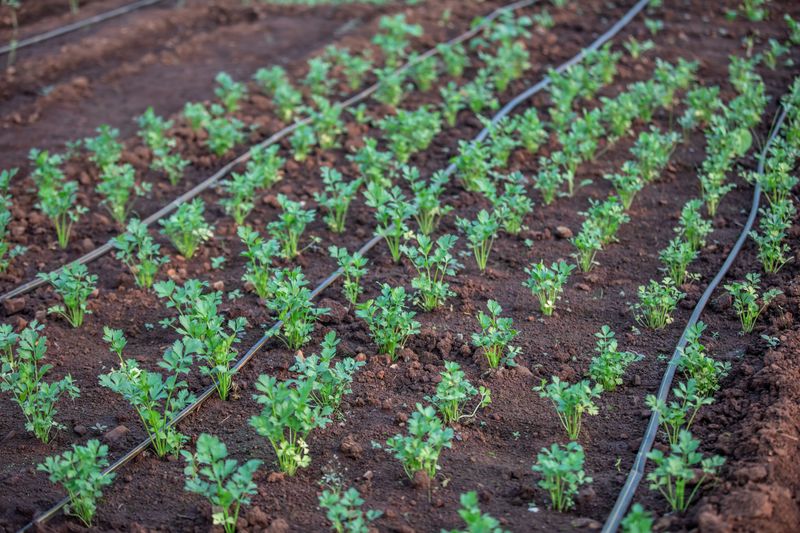
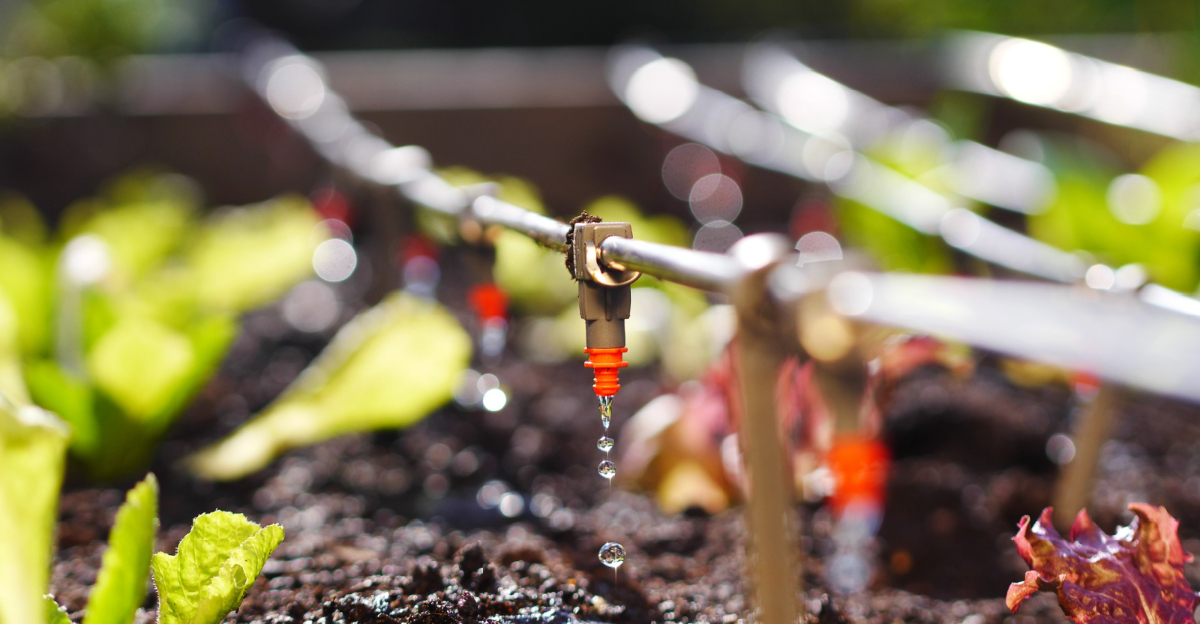
Drip irrigation is one of the most effective options for drought-friendly gardening. Under Level 1 and Level 2 Massachusetts drought bans, drip systems are typically permitted because they deliver water directly to roots with almost no waste.
Under Level 3 or Level 4, even drip systems may be restricted. Always check your current ban level and confirm with your local water authority before installing.
A standard sprinkler can lose up to 50 percent of its water to evaporation before it even hits the ground. Drip systems lose almost none because the water goes straight into the soil.
Setting up a basic drip line is easier than most people expect. A starter kit from a garden center includes tubing, emitters, and connectors that click together without special tools.
Run your lines along plant rows and place an emitter right at the base of each plant. Timers can automate the whole process so you do not have to think about it every morning.
Drip systems also keep foliage dry, which significantly cuts down on fungal disease. Wet leaves and humid summers are a recipe for powdery mildew and blight.
Even a low-pressure gravity-fed drip system works well when connected to a rain barrel. Pair your barrel collection with drip lines and you have a fully ban-compliant watering setup.
Check emitters weekly for clogs, especially if your water has high mineral content. A clogged emitter leaves one plant dry while the rest of the row thrives.
Protecting your vegetable garden with drip irrigation is one of the smartest investments a home grower can make. The setup pays for itself in saved water and healthier harvests within a single season.
7. Amend Soil With Compost To Boost Water Retention
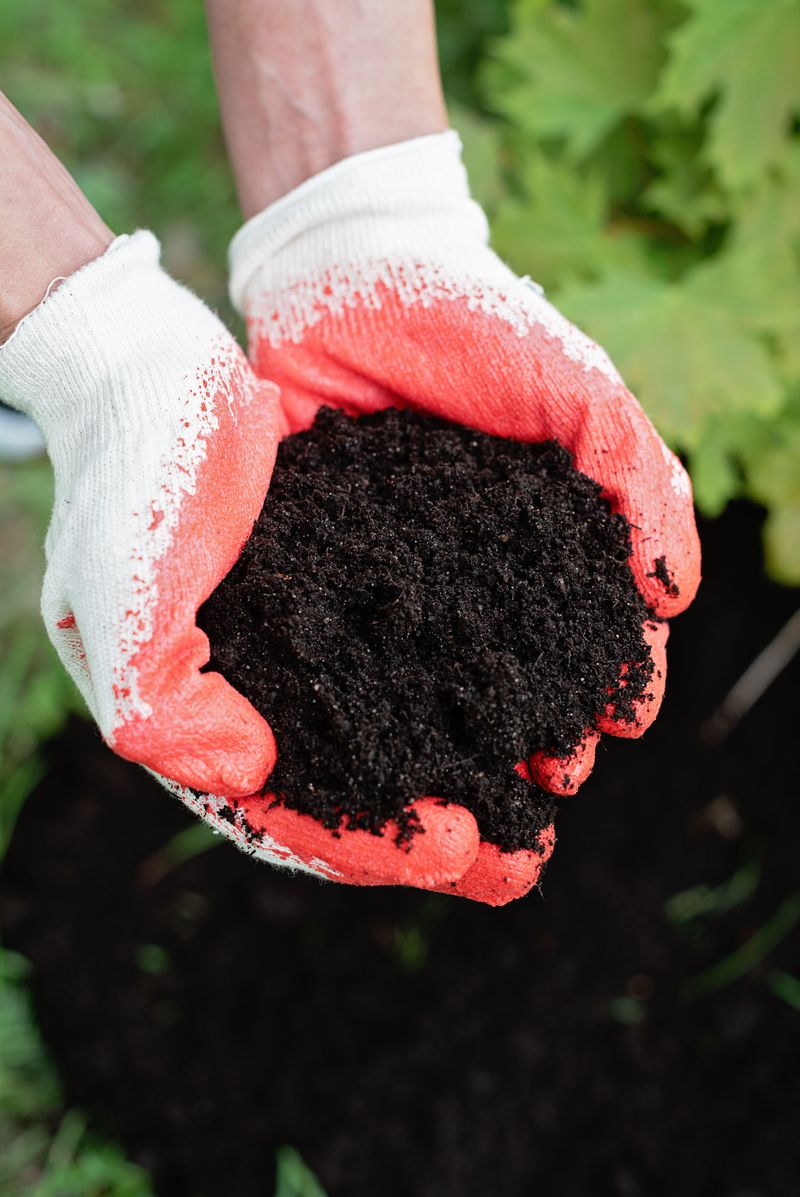
Sandy soil drains fast and holds almost no moisture between waterings. Clay soil gets waterlogged, then cracks dry like a desert when conditions shift. Compost fixes both problems at the same time.
Adding two to three inches of finished compost to your beds and working it in improves soil structure dramatically. Amended soil acts like a sponge, absorbing water quickly and releasing it slowly to roots.
You do not need to buy expensive bags from the store if you have been composting at home.
Kitchen scraps, yard waste, and coffee grounds break down into a highly effective amendment that improves soil structure and moisture retention.
If your compost bin is not ready, look for municipal compost programs in your area. Many towns offer free or low-cost finished compost to residents during the growing season.
Work compost into the top six inches of soil rather than just spreading it on the surface. Deeper incorporation means moisture retention happens where roots actually live and feed.
Compost also feeds beneficial soil organisms that naturally improve drainage and aeration. Healthy soil biology means your plants access nutrients more efficiently, even under drought conditions.
Worm castings are another powerful amendment worth adding in small amounts alongside compost. They significantly improve water retention and give plants an extra boost during dry conditions.
Protecting your vegetable garden through Massachusetts drought restrictions comes down to building better soil. Invest in your ground now, and your plants will keep rewarding you long after the ban lifts.