What Those Deer Tracks Through Your Michigan Beds Really Mean For Your Plants
You step outside on a cool Michigan morning, coffee in hand, and spot a trail of heart-shaped hoof prints cutting right through your flower bed.
Those tracks are not just a sign that a deer passed through. They are clues that tell a whole story about what is happening to your plants, when it is happening, and what might come next.
Many gardeners see the damage and react. The smarter move is to read the evidence first and understand what you are actually dealing with before spending money on fencing, repellents, or replacement plants.
Deer in Michigan are creatures of habit. They follow the same routes, target the same plants, and visit at the same hours night after night.
Everything they do leaves behind a record, and that record is sitting in your beds right now waiting to be read.
Learning to interpret those signs changes how you respond, and more importantly, where you focus your efforts.
These clues explain what those tracks, torn stems, missing buds, and scraped bark are actually trying to tell you about your Michigan garden.
1. Tracks Mean Your Beds Are On A Route
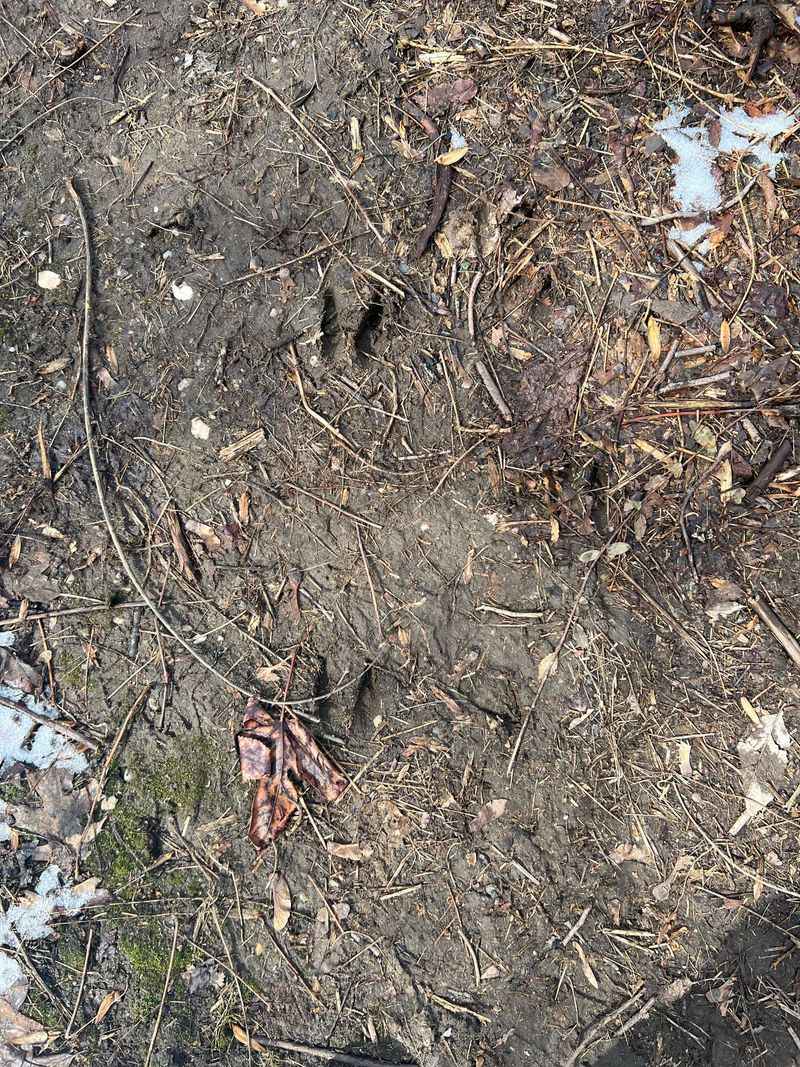
A single set of hoof prints in your mulch might look like a one-time thing, but tracks that appear morning after morning tell a completely different story.
Deer in Michigan follow established travel corridors between food sources, bedding areas, and water. When those prints cut through your beds in a consistent line, your garden has been added to that regular route.
Michigan State University Extension notes that white-tailed deer are creatures of habit.
They use the same paths repeatedly unless something changes in the landscape. A worn trail through soft soil or crushed mulch is a strong sign that multiple deer may be using the same line, not just one animal passing through.
Once a route is established, deer return to it night after night, especially during early morning hours before sunrise.
The tracks are your earliest warning that pressure on your plants will likely increase, not decrease, over time. Spotting a route early gives you the best chance to redirect it before browsing starts.
Pay attention to where the tracks enter and exit your yard.
They often follow fence lines, woodland edges, or open lawn corridors. Knowing the entry and exit points helps you plan where to focus your protection efforts first.
The tracks are essentially an arrow pointing directly at your most vulnerable plants.
2. Ragged Stems Point To Browsing
A snapped stem with clean edges usually means a rabbit or insect was responsible.
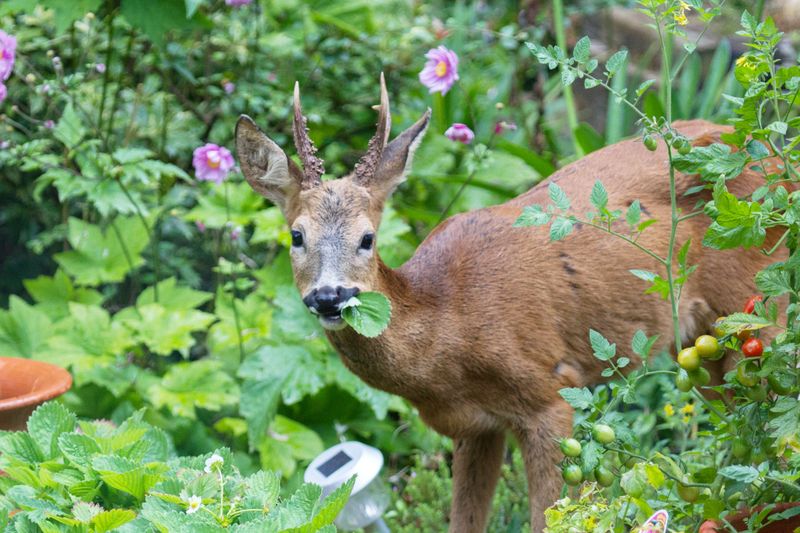
But when you find stems that look shredded, twisted, or torn with a rough, upward-pulling pattern, a deer has been feeding there. Deer lack upper front teeth, so they grab plant material and yank it rather than cutting cleanly through it.
That tearing motion leaves behind a distinctive ragged wound on the remaining stem.
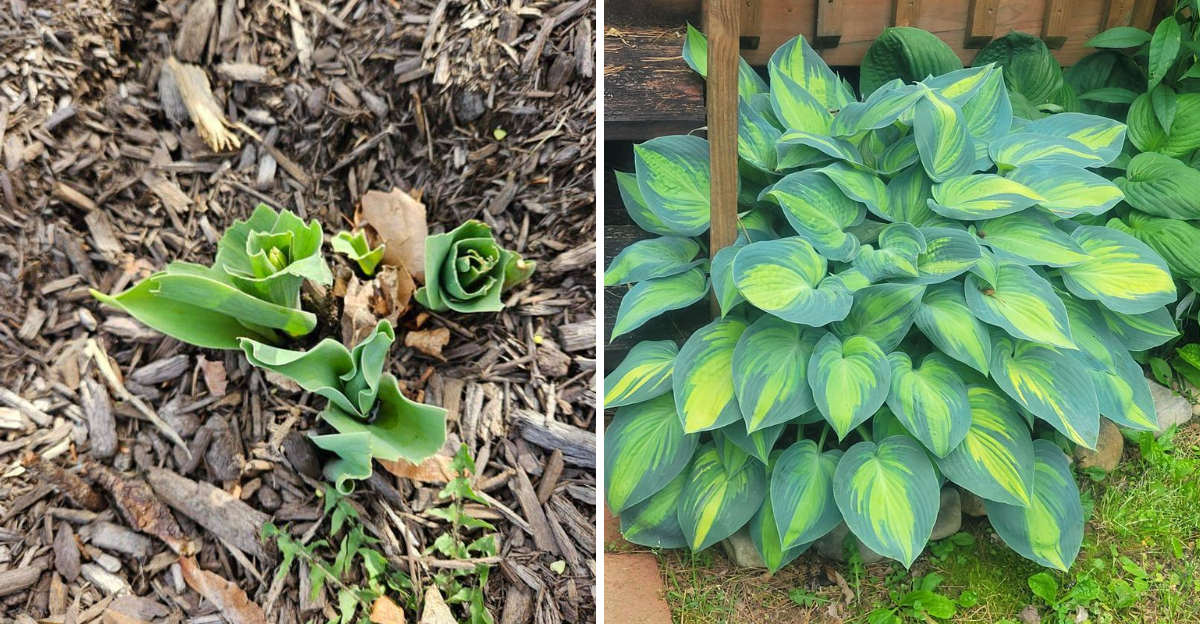
Hostas, daylilies, and young vegetable transplants are especially prone to this kind of damage in Michigan gardens.
The torn tissue also opens up the plant to disease and stress, making recovery slower during the already short growing season.
Your Michigan Garden Changes Every Week. Your Plan Should Too.
Gardening in Michigan changes quickly throughout the season. Every Friday you’ll receive a simple weekly plan showing exactly what to plant, prune, fertilize, harvest, and protect so you never miss the right timing.
Browsing damage tends to appear between two and five feet off the ground, since that is the comfortable feeding range for an adult white-tailed deer.
Damage lower than that might suggest a fawn or a deer that reached down to something especially appealing.
Check your beds after spotting tracks and look specifically at stem tips, which are the most nutritious and tender parts of the plant.
Missing or ragged tips on multiple plants in the same bed strongly confirm deer feeding rather than other wildlife. Once you identify the feeding pattern, you can match it to the specific plants deer are targeting in your yard.
3. Missing Buds Warn Of Repeat Visits
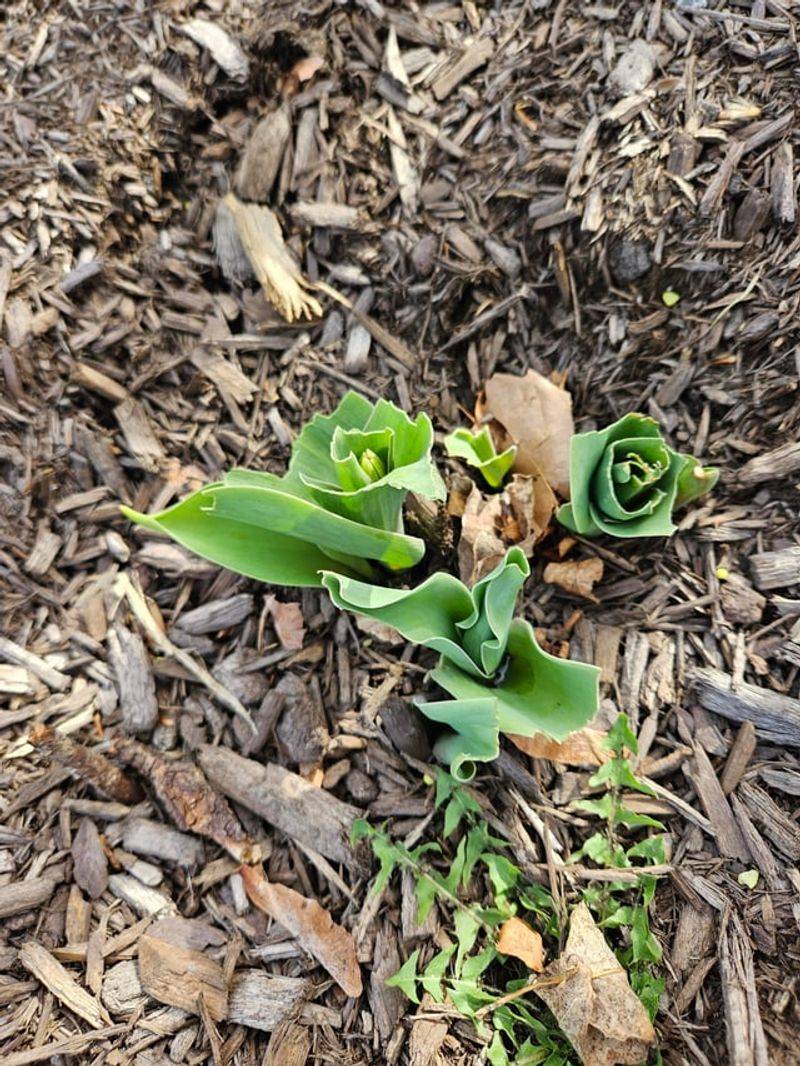
You planted a full row of tulips last fall and watched them push up green shoots in April.
Then one morning, the buds are simply gone. No petals on the ground, no torn leaves nearby, just empty stems standing in the bed.
Deer are almost certainly the reason, and the clean removal of buds is one of their favorite feeding habits.
Tulips, roses, hostas, and impatiens are among the top targets in Michigan according to MSU Extension deer-resistance guides.
Buds are high in protein and moisture, making them especially attractive during spring when deer are recovering from winter.
A deer that finds your bed full of flower buds will remember that location and come back before the next bud fully opens.
Repeat visits are the real problem here.
One browsing event can set a plant back, but multiple visits within the same season can exhaust the plant entirely.
Perennials that are browsed repeatedly may not produce blooms for the rest of the year, and some may struggle to return the following spring.
Missing buds also tell you that deer are visiting during the night or in the very early morning when you are not outside to notice them.
Tracking which plants lose buds first helps you prioritize which beds need protection before the next flush of growth appears.
4. Hoof Prints Show Where Fences Should Go
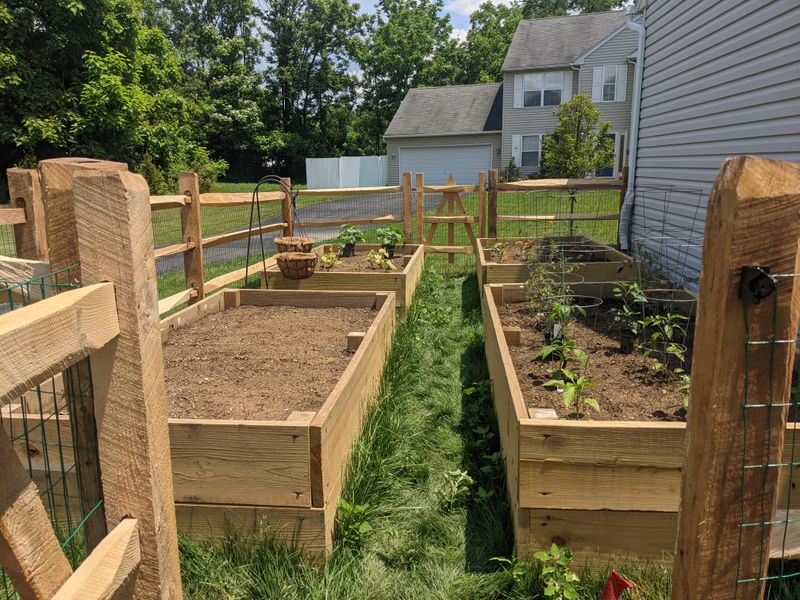
Before you spend money on fencing, let the tracks do the planning for you.
The pattern of hoof prints in and around your beds reveals exactly where deer are entering your yard, which direction they travel, and where they spend the most time near vulnerable plants.
That information is more valuable than a general guess about where to put a barrier.
A fence placed across a known travel route is far more effective than one installed in a random location.
Michigan State University Extension recommends at least an eight-foot fence to reliably stop deer, since white-tailed deer are strong jumpers.
However, a shorter fence placed directly on a travel route can still interrupt the habit and force a detour away from your beds.
Track patterns can also show you where a single-point entry is happening, which is much easier and less expensive to block than a wide-open perimeter.
A gap in a hedge, a low spot along a fence line, or an open corner between two structures are common entry points that tracks will reveal clearly.
Motion-activated lights or sprinklers can be positioned using the same track data.
Placing a deterrent right at the entry point gives it the best chance of startling a deer before it reaches your plants. The hoof prints are essentially a free site survey that tells you exactly where your garden is most exposed.
5. Pellets Confirm The Nighttime Guest
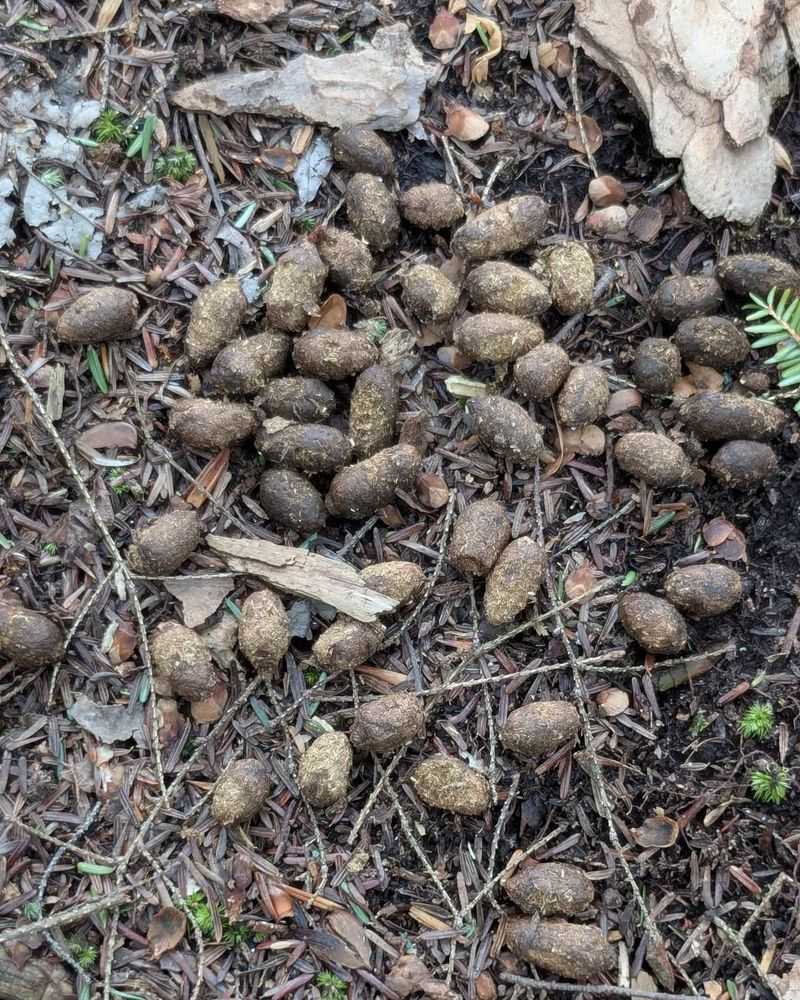
Tracks tell you a deer was there, but finding droppings in or near your beds confirms something even more useful.
Deer scat, which looks like small dark oval pellets clustered together, tells you the animal was relaxed enough to stop and spend time in that spot.
A deer on the move rarely leaves droppings, but one that is feeding or resting certainly will.
Finding pellets repeatedly in the same area of your garden is a strong sign that your beds have become a reliable stop on a nightly feeding circuit.
Deer are most active from dusk to dawn, so the absence of any daytime sightings does not mean your plants are safe. The pellets are the overnight visitor’s calling card.
Fresh droppings appear moist and dark, while older ones are drier and lighter in color.
Checking for fresh pellets after you spot tracks can help you figure out how recently the deer was there and whether the activity is ongoing.
Droppings near specific plant groups also confirm which plants are drawing deer into the bed.
If the pellets are clustered near your hostas or vegetable transplants, those are the plants getting the most attention.
That targeted evidence helps you prioritize which plants to protect first before the feeding pressure increases further.
6. Rubbed Bark Signals Fall Buck Activity
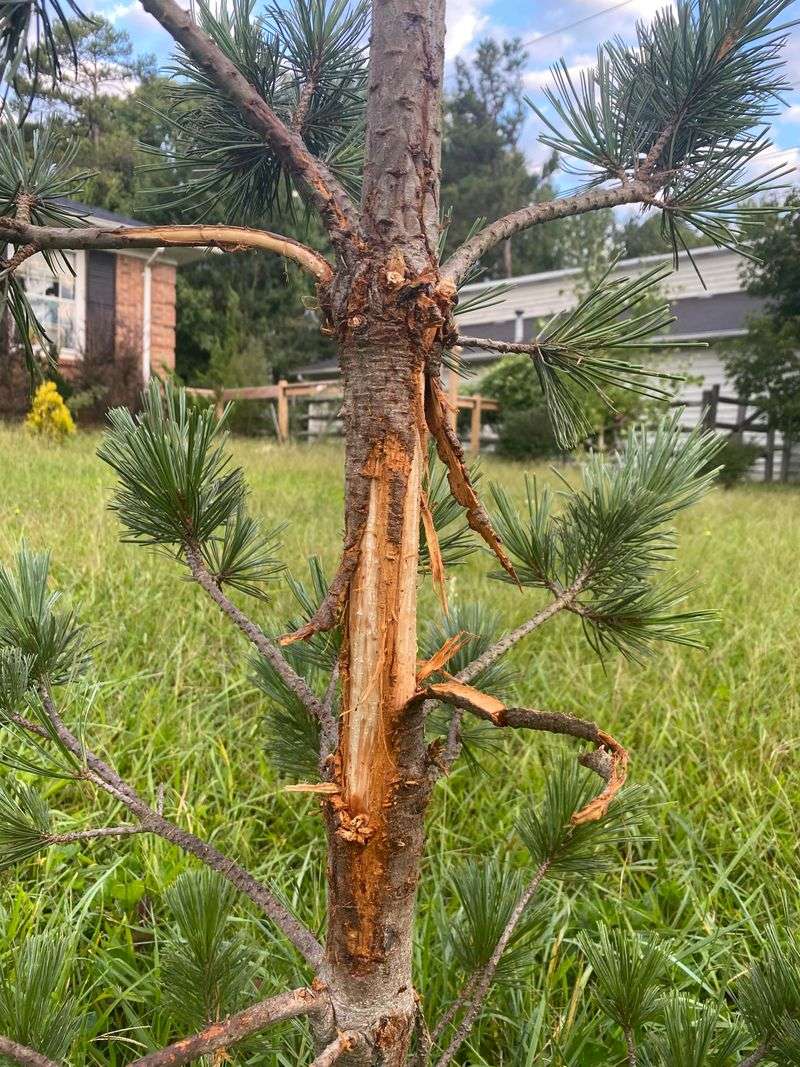
Come September and October, a new kind of deer damage shows up in Michigan yards.
Young trees and shrubs start showing scraped, shredded bark near the base of their trunks. This is not browsing.
This is a buck marking his territory and removing velvet from his antlers, and it can seriously wound a young tree in just one visit.
Bucks choose saplings and thin-trunked shrubs because the bark is easy to scrape.
Trees between one and four inches in diameter are most at risk. The damage strips away the outer bark layer and can cut into the cambium layer beneath, which is the living tissue that carries water and nutrients up through the tree.
Rubbing damage is easy to identify.
Look for vertical scraping marks, shredded bark hanging in strips, and exposed pale wood underneath. The ground around the base may also show disturbed soil or broken small branches.
Protecting young trees during the fall rut is straightforward.
Plastic tree tubes, wire cages, or burlap wraps placed around the trunk before September can prevent most rubbing damage. MSU Extension recommends keeping protective wraps in place through late November when buck activity typically slows down.
Checking your young plantings weekly during this period helps you catch any new rub sites quickly.
7. Favorite Plants May Become A Buffet Line
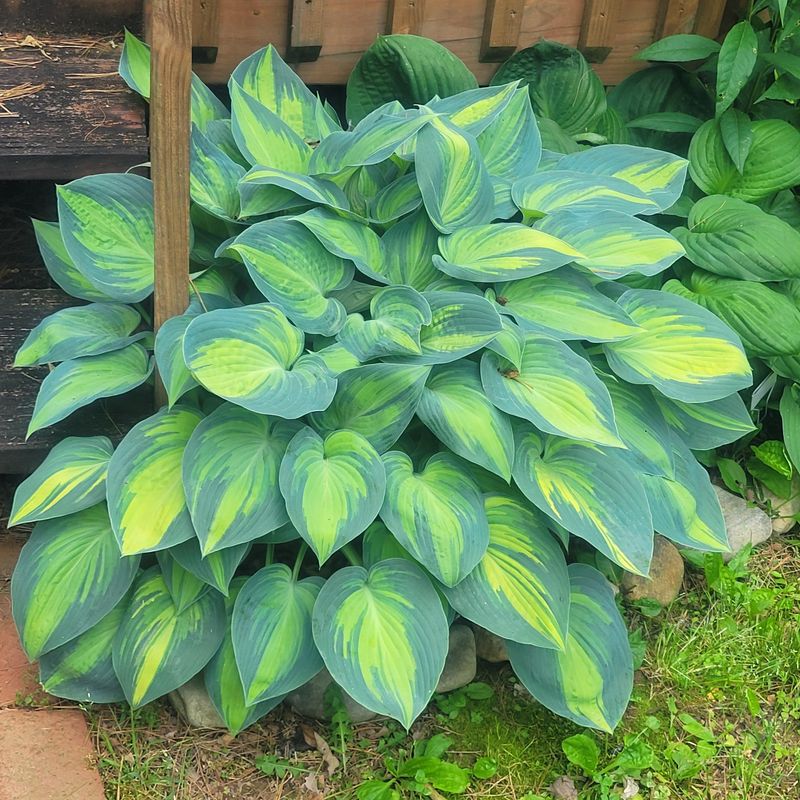
Not every plant in your yard carries the same risk.
Deer have strong preferences, and once they discover a plant they love, they return to it with impressive consistency.
Hostas are often called deer candy in Michigan gardening circles, and for good reason. They are soft, leafy, moisture-rich, and available through much of the growing season.
Other top targets in Michigan include tulips, daylilies, impatiens, arborvitae, and young vegetable transplants like beans and lettuce.
Roses are also highly attractive, especially when new growth is tender in spring. MSU Extension maintains a detailed plant preference list that separates plants by how frequently deer browse them in the region.
The problem with a favorite plant is that one successful feeding visit reinforces the behavior.
The deer learns your yard contains something worth coming back for.
Over time, more deer in the local population may follow that same route, especially during drought years when natural food sources are limited and suburban gardens become more appealing by comparison.
Knowing which plants are on the high-preference list helps you make smarter choices when planning new beds.
Clustering high-risk plants in a more protected or visible spot can reduce how often they are reached before you notice the damage.
8. Resistant Borders Can Redirect The Traffic
One of the most practical things you can do after reading your deer tracks is redesign your plant borders.
Deer tend to browse from the outer edges of a bed inward, following the path of least resistance.
Placing plants that deer find unappealing along the outer edges of your beds creates a natural buffer that can redirect browsing pressure away from your most vulnerable plants.
Strongly scented plants are among the best natural deterrents.
Lavender, catmint, Russian sage, and ornamental alliums are all considered low-preference plants by MSU Extension and tend to be left alone even in yards with heavy deer pressure.
Mixing these into your borders adds color and texture while quietly making your beds less inviting.
Deer-resistant does not mean deer-proof, and that distinction matters.
During harsh Michigan winters, deep snow years, or drought summers, deer will browse plants they normally avoid. The goal of a resistant border is to reduce visits and slow feeding pressure, not to create an invisible wall.
Pairing a resistant border with repellent sprays, motion-activated deterrents at entry points, and physical barriers around individual specimens gives you the best results.
Reading the tracks first tells you where the pressure is highest, so you can layer your defenses in the spots where they will actually make a difference in your specific yard.