The Fast-Spreading Vine Taking Over Wisconsin Yards
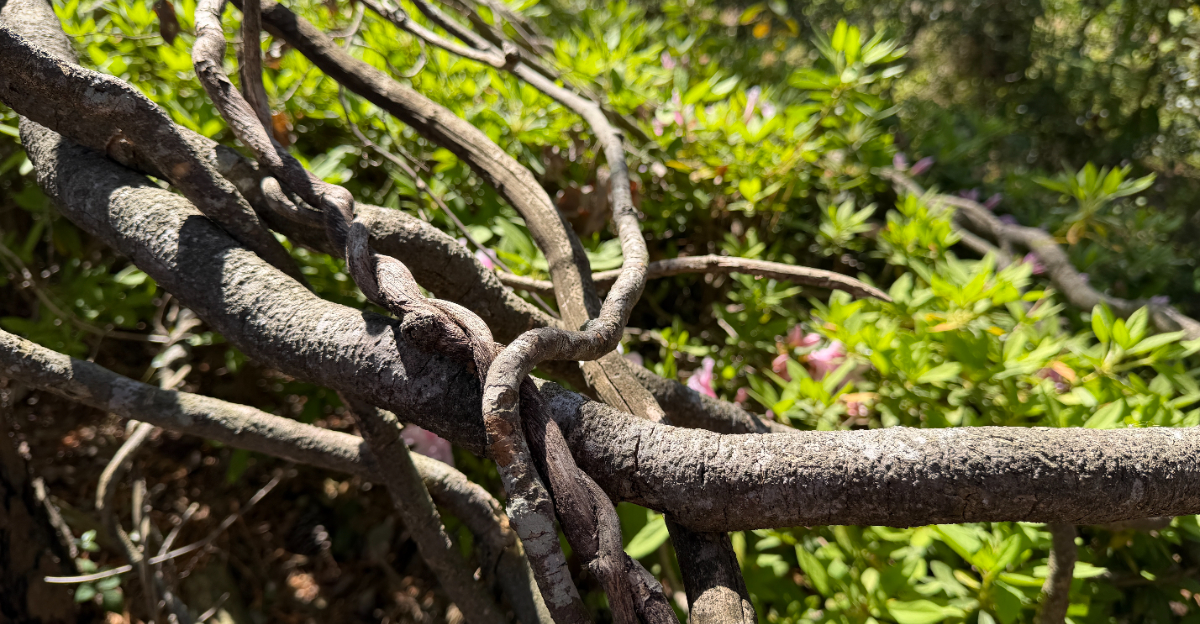
Something is quietly rewriting the landscape in Wisconsin backyards, and barely anyone notices until it’s too late. It starts small, just a thin green tendril curling around a fence post or a low branch.
Within a single season, that tendril becomes a rope, and the rope becomes a stranglehold. Homeowners often mistake it for something native, something that belongs. Its leaves look ordinary.
Its growth feels almost decorative, climbing fences and trellises like it was invited there. But this plant plays a longer game. By the time the damage shows, branches are cracking under the weight, and entire shrubs have vanished beneath a tangled green curtain.
Some trees never recover. What looks like a minor yard nuisance today can quietly reshape an entire landscape within a few short years, one silent season at a time.
The Vine Quietly Climbing Over Wisconsin Trees And Fences
It starts at the base of a fence post, thin as a shoelace. Within one season, that same vine can stretch over ten feet and start squeezing nearby trees.
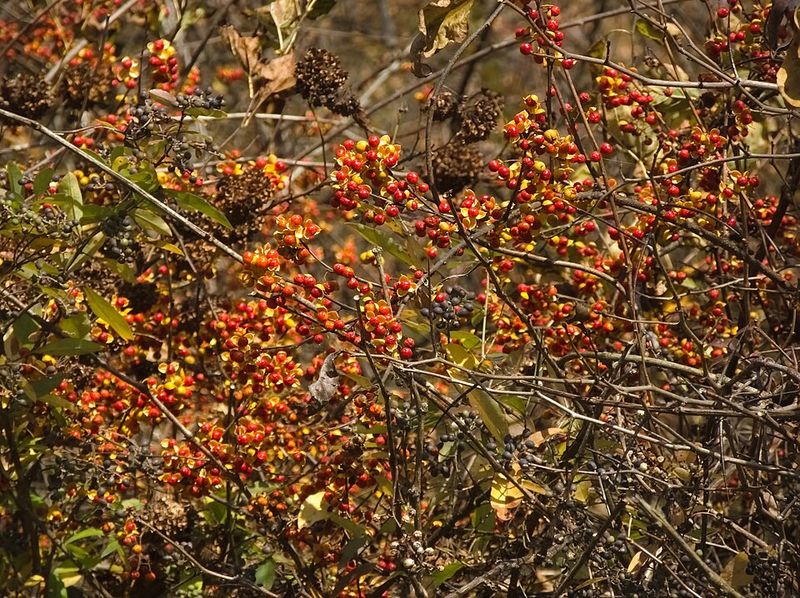
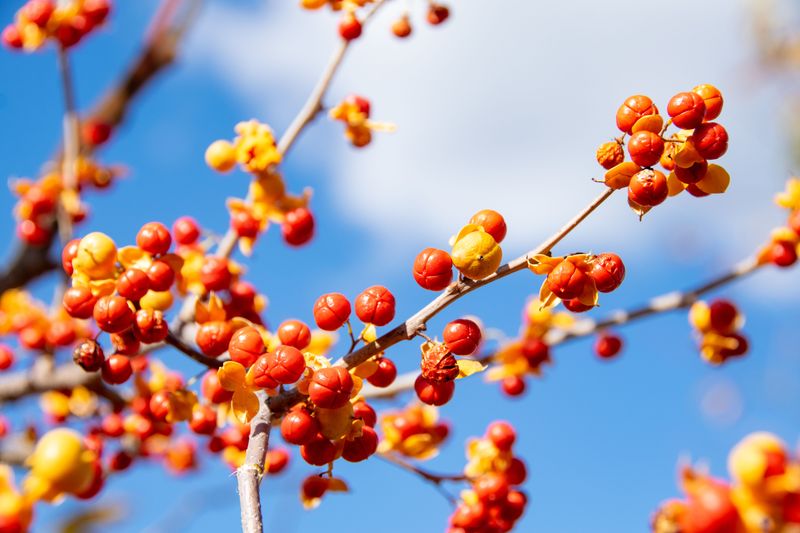
Oriental bittersweet is the fast-spreading vine taking over Wisconsin yards at an alarming pace. Many homeowners first notice it in fall, when clusters of orange and yellow berries pop against bare branches.
The vine climbs by wrapping tightly around whatever it touches. Over time, that grip gets stronger and harder to break.
Birds love the berries and carry seeds far and wide. A vine that starts in one corner of a yard can show up across the property by the following spring.
Homeowners often mistake it for a native plant or harmless decoration. The bright berries even get used in fall wreaths, which accidentally spreads seeds further.
Oriental bittersweet thrives in disturbed soil, sunny edges, and roadsides. It also tolerates shade, which makes it very difficult to contain naturally.
The vine was originally brought from East Asia as an ornamental plant. Few expected it to spread this aggressively across the Midwest.
It is one of the invasive plants Wisconsin has restricted, and it keeps turning up in yards across the state. Understanding what you are dealing with is the first step toward stopping it.
How Oriental Bittersweet Spreads So Fast
Small mammals also eat the berries and can move seeds through the landscape. Root fragments left behind after digging can sprout new plants too.
Each mature plant can produce hundreds of berries in a single season. Birds eat those berries and deposit seeds far from the original plant.
Deer also munch on the berries and move seeds through the landscape. Even mowing over a stem fragment can create a new plant in the right conditions.
The root system grows deep and wide underground. New shoots can pop up several feet away from the main vine without any visible connection.
Soil disturbance actually helps this plant thrive. Construction zones, garden edges, and freshly turned compost beds are prime spots for germination.
Unlike many invasive plants, Oriental bittersweet does not need perfect conditions to grow. Poor soil, low water, and even partial shade are no problem for this aggressive climber, which makes natural containment extremely difficult.
One overlooked factor is human activity. Gardeners who compost vine material with ripe berries or toss cut vines into brush piles often spread the problem accidentally.
The vine also grows faster than most native species around it. That speed advantage lets it outcompete slower-growing shrubs and ground covers before they have a chance to establish.
Knowing how it spreads helps you cut off those pathways early. Acting fast after spotting it is the smartest move a homeowner can make.
The Real Damage This Plant Causes To Trees And Shrubs
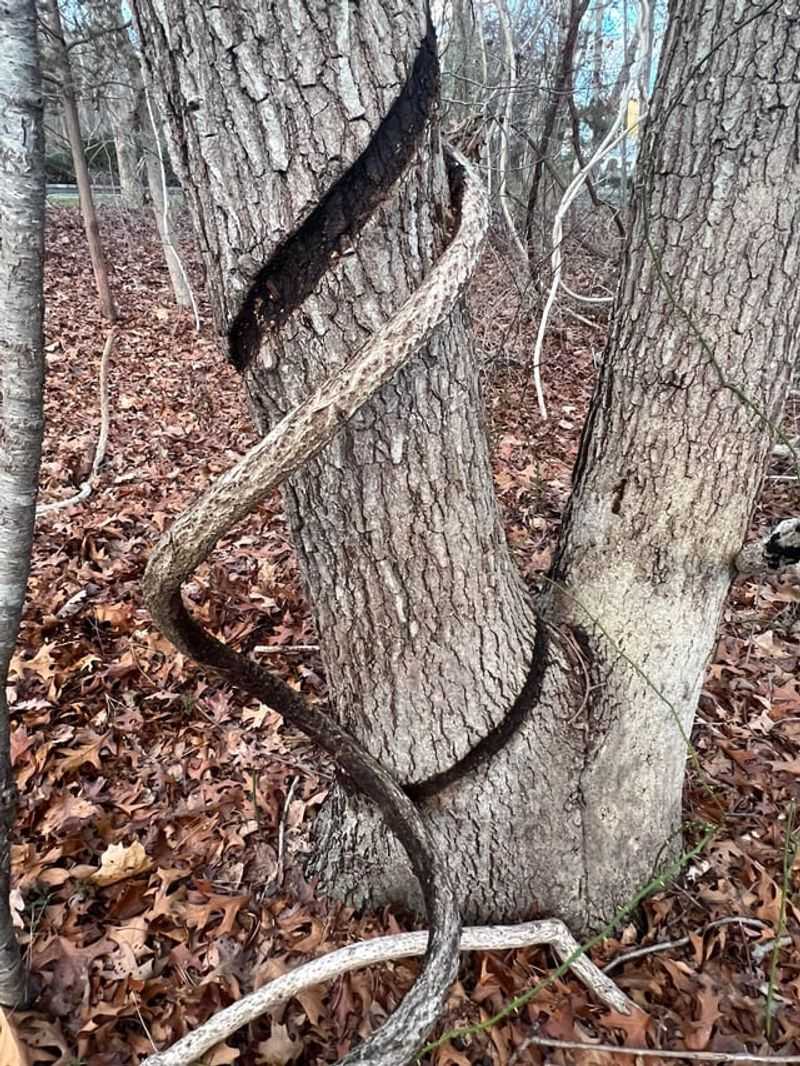
Picture a rope slowly tightening around a tree trunk for years. That is exactly what Oriental bittersweet does, and the damage is very real.
As the vine wraps upward, it cuts off the flow of water and nutrients beneath the bark. The tree slowly weakens from the outside in.
Heavy vine growth also adds enormous weight to branches. During ice storms or high winds, that extra weight causes branches to snap or entire trees to fall.
Shrubs suffer even faster than large trees. A young shrub can be completely smothered within a single growing season if the vine goes unchecked.
The vine also blocks sunlight by creating a thick canopy layer. Plants underneath stop photosynthesizing properly and eventually stop growing altogether.
Mature trees that survive the initial wrapping often show long-term stress. Reduced leaf production, early leaf drop, and stunted growth are all warning signs.
Fruit trees are especially vulnerable because their branches spread wide and low. Oriental bittersweet uses that open structure to climb quickly into the canopy.
Forest edges near Wisconsin neighborhoods have seen significant tree loss because of this vine. What starts in a backyard can spread into natural areas within a few years.
The damage goes beyond aesthetics or inconvenience. Losing established trees affects property value, wildlife habitat, and local ecosystems in lasting ways.
Telling This Vine Apart From Its Native Look-Alike
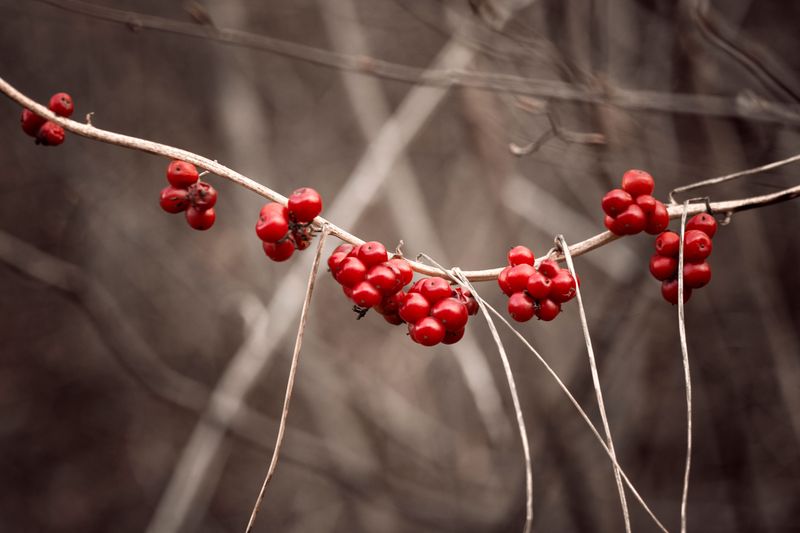
Not every bittersweet you spot is the bad kind. American bittersweet is a native vine that plays an important role in local ecosystems.
Telling them apart takes a sharp eye, but the difference is worth knowing. Misidentifying the native as invasive could lead you to remove a plant that actually belongs there.
One helpful clue is berry placement. On Oriental bittersweet, berries grow all along the stem in small clusters at every leaf joint.
American bittersweet only produces berries at the tips of its branches. That difference is one of the quickest ways to confirm which plant you have.
Leaf shape also differs slightly. Oriental bittersweet leaves are rounder and more finely toothed, while American bittersweet leaves are longer and more pointed at the tip.
The bark of Oriental bittersweet has a light gray or tan color with small raised bumps. American bittersweet bark tends to be smoother and slightly darker in tone.
Both plants produce orange and red berries in fall, which causes a lot of confusion. Looking at where the berries grow, not just their color, clears up the mystery quickly.
If you are unsure, take a photo and submit it to your local UW Extension office. They can confirm the species and advise on next steps.
Knowing exactly what you have before removing anything saves time and protects native plants. Correct identification is the foundation of smart, effective yard management.
The Right Way To Remove This Vine From Your Yard
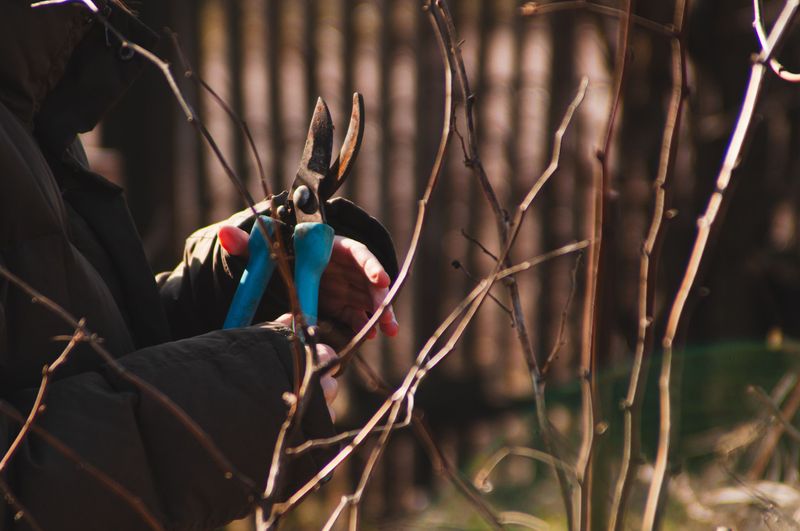
Pulling randomly at vines often makes the problem worse. Snapping a stem without removing the root sends energy back into the ground, triggering new growth.
A reliable manual method starts at the base of the vine. Cut the stem close to the ground, then dig out as much of the root system as possible.
Wear thick gloves because the stems can irritate skin during prolonged contact. Long sleeves are also a smart choice when working through dense tangles.
Do not yank vines down from trees by force. Sudden pulling can strip bark and cause additional damage to the tree you are trying to protect.
Instead, cut the vine at the base and let the upper portion wither in place. Over time, it will loosen on its own and fall away naturally.
For large infestations, a combination of cutting and targeted herbicide works best. Apply herbicide directly to freshly cut stumps within minutes of cutting for maximum absorption.
Glyphosate and triclopyr are both effective on Oriental bittersweet. Read the label carefully and follow the safety directions before applying any product.
Timing matters too. Fall, before the first hard freeze, is a strong window for herbicide treatment because the plant is moving nutrients downward into the roots. Cut-stump treatment can continue through winter whenever the ground is not frozen.
Expect to repeat the process for two or three seasons. Persistence matters just as much as any product or technique in your removal kit.
Preventing Oriental Bittersweet From Coming Back
Removing the vine once is a victory, but the real challenge is keeping it gone. Seeds left in the soil can sprout for years after the parent plant is removed.
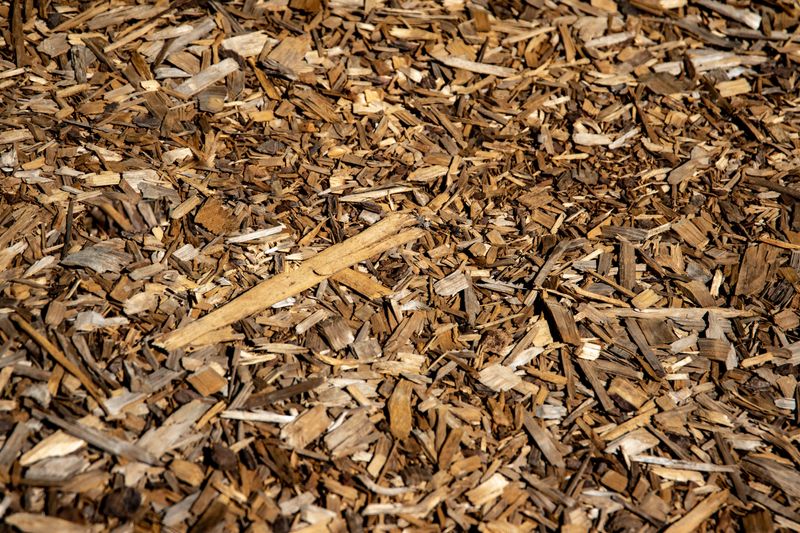
Mulching bare soil immediately after removal is a highly effective prevention step. A thick layer of wood chip mulch blocks light and makes it harder for seeds to germinate.
Replacing bare ground with native plants closes the gap even faster. Dense native ground covers like wild ginger or Pennsylvania sedge crowd out new seedlings before they establish.
Walk your yard edges each spring and fall with fresh eyes. Catching new sprouts when they are just a few inches tall takes seconds to fix compared to a full season of growth.
Check fence lines, tree bases, and garden borders closely. Those spots are where birds perch and drop seeds most frequently.
Ask neighbors to check their yards too, since seeds travel easily across property lines. A coordinated neighborhood effort produces far better results than solo removal.
Avoid buying or planting bittersweet from garden centers without checking the label carefully. Some nurseries still sell Oriental bittersweet, sometimes mislabeled as the native variety.
Report large infestations to your local county extension office or invasive species hotline. Community-level tracking helps land managers stay ahead of new outbreaks before they spread further.
Staying alert year after year is what finally wins the battle against the fast-spreading vine taking over Wisconsin yards. Consistent attention tends to outperform a single removal effort.