The Season Is Supposed To Be Over But Something Tiny Is Still Waiting In Your New Jersey Leaf Pile
Some frogs in your yard can freeze solid this winter, heartbeat paused, and hop away in March. That trick happens under the same brown leaves you were planning to bag.
I learned this the humbling way. I raked a corner of my New Jersey garden in the fall and uncovered a fuzzy caterpillar curled into a tight ring, plus a lumpy papery bundle wrapped in an oak leaf.
You might notice your yard looks quiet once the last mums fade. Underneath, a whole crowd of tiny tenants has signed the winter lease.
Some are sleeping, some are hunting, and at least one is worth avoiding. In New Jersey, that crowd is bigger than most people guess.
After I tested a messier approach for two winters, my spring garden buzzed louder than ever. Fireflies returned, bees showed up early, and the soil felt softer under my trowel. Before you bag those leaves, meet the neighbors you didn’t know you had.
1. A Fuzzy Woolly Bear Caterpillar Picked Your Leaves For Winter
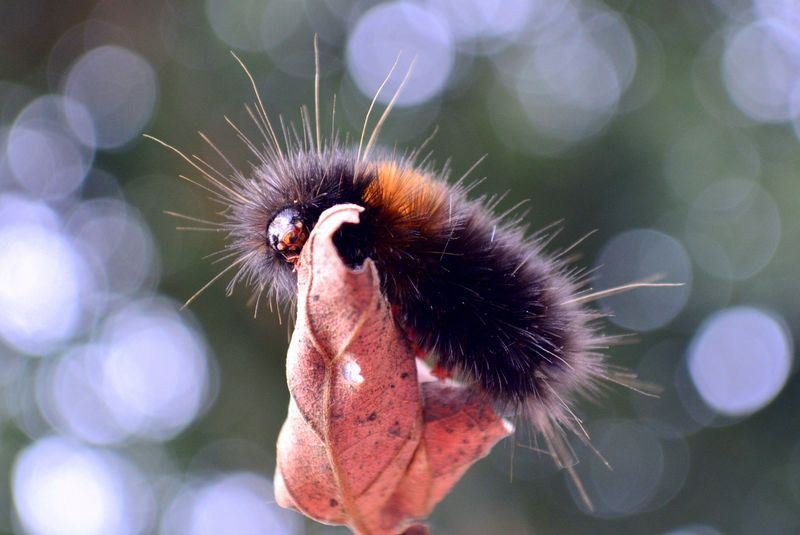
That rusty-and-black fuzzball you spotted crossing the driveway in October did not wander off to some faraway place. It most likely crawled under the nearest leaf pile and settled in for the cold months.
Woolly bears are the caterpillars of the Isabella tiger moth, and they spend winter as caterpillars, not as eggs or cocoons. When temperatures drop, they curl into a tight ring and let their bodies freeze.
Their tissues produce a natural antifreeze that protects their cells while they wait out the cold.
Come spring, they thaw, nibble a few fresh weeds like plantain or dandelion, and then spin a cocoon. A few weeks later, a soft yellow-orange moth flutters out.
The whole cycle depends on having a sheltered, insulated spot to hide during the frosty stretch.
A loose layer of leaves is ideal for them. It blocks harsh wind, holds a little moisture, and keeps temperatures steadier than bare lawn.
Fun fact for the skeptics in your family: folklore says the width of the brown band predicts winter weather.
Scientists say the band mostly reflects the caterpillar’s age and growing conditions. Still, it makes for a great kitchen table debate while you leave a corner of the yard unraked.
2. Bumble Bee Queens Are Napping Just Below The Leaf Layer
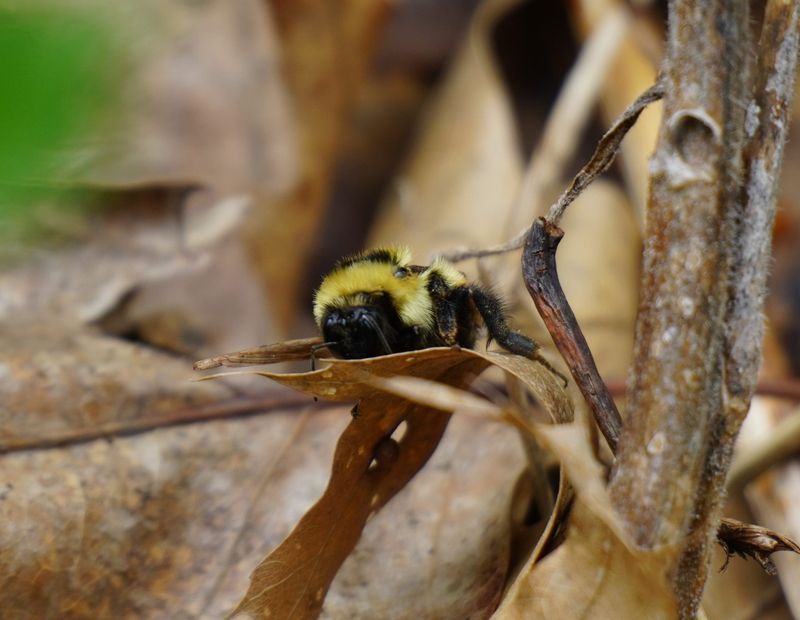
Here is a surprise most gardeners miss: the entire bumble bee colony you enjoyed all summer is gone by late fall, except for one very important bee. Only the newly mated queens survive, and each one is carrying next year’s colony inside her.
Each queen digs a small chamber a few inches into loose soil, often right under a blanket of leaves. She stays there for months in a resting state called diapause.
The leaf cover acts like a fluffy comforter, buffering her from freeze-thaw swings that can stress her body.
The Xerces Society, a leading pollinator group, encourages gardeners to keep leaves on beds partly for these queens. When she wakes in early spring, she will be one of the first pollinators visiting early blooms like willows, red maple, and spring ephemerals.
So go easy with heavy equipment in garden corners. Leaf blowers, vacuums, and shredding mowers can disturb or crush insects resting near the surface.
A practical idea is to rake leaves gently from the lawn into nearby flower beds and under shrubs. Your grass stays healthy, and the queens get a cozy spot nearby. Then wait until spring is truly underway before cleaning those beds.
3. Luna Moth Cocoons Hide In Plain Sight Among Fallen Leaves
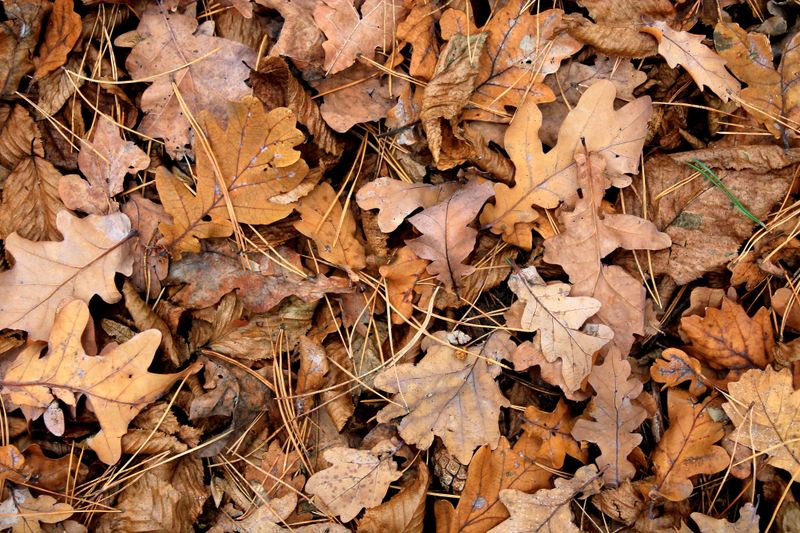
My favorite leaf pile discovery looked like trash at first. It was a crumpled brown leaf that felt oddly heavy, and inside sat a silky, papery cocoon.
Luna moth caterpillars spin their cocoons wrapped in leaves of host trees like hickory, walnut, sweetgum, and birch. When those leaves drop in autumn, the cocoons fall too and spend winter on the ground.
They blend in so well that most people rake them up without a second glance. In spring, a pale green moth with long curving tails emerges. Adult luna moths do not even have working mouths, so they live only about a week to find a mate.
That short, dazzling life starts in the humble leaf litter under your trees. Other big silk moths, like the polyphemus moth, use the same trick.
Several butterfly species also spend winter in the leaves, including chrysalises of some swallowtails and caterpillars of the great spangled fritillary.
If you have native trees in your yard, try leaving the leaves under their branches. That spot is exactly where cocoons land. A simple rule works well here: what falls under a tree can stay under that tree until spring.
4. Firefly Larvae Spend The Cold Months Hunting In Leaf Litter
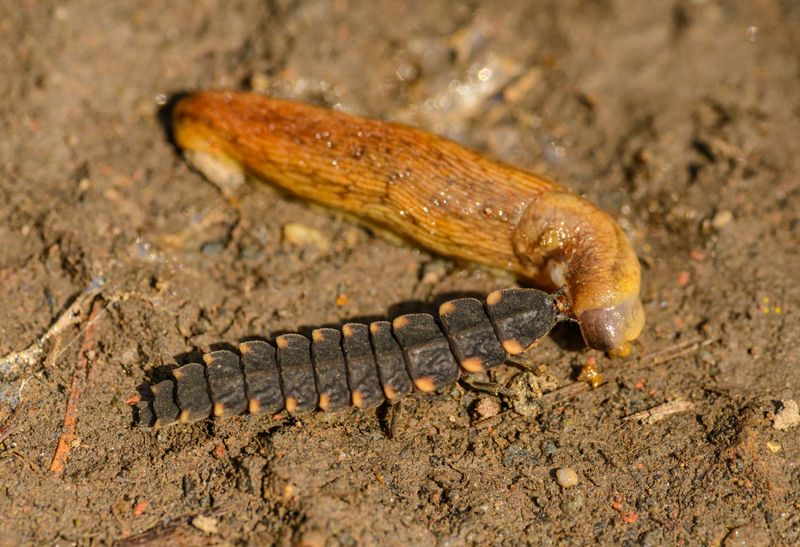
Ever wonder where fireflies go the rest of the year? They spend most of their lives underground or in leaf litter as larvae, which look like tiny, armored, segmented bugs.
Firefly larvae are fierce little predators. They hunt slugs, snails, and soft-bodied worms in moist leaves and soil.
Many species spend one or even two winters as larvae before they ever flash over your lawn on a June night.
Some larvae even glow faintly, which is why people call them glowworms. If you sit quietly near a damp leafy area on a mild evening, you might catch a tiny spot of light low to the ground.
Those summer light shows depend on what happens now. Bagging every leaf, spraying lawn pesticides, and keeping the yard bare can all shrink firefly numbers over time.
Moist, sheltered ground gives the larvae food and protection. Want more blinking lights next summer? Keep a leafy, slightly wild strip along a fence line or under shrubs.
Turn off unneeded outdoor lights in summer too, since bright lights can confuse adults trying to find mates. Your slug problem may shrink a bit as a nice bonus.
5. Wood Frogs Freeze Solid Beneath The Leaves And Thaw Out In Spring
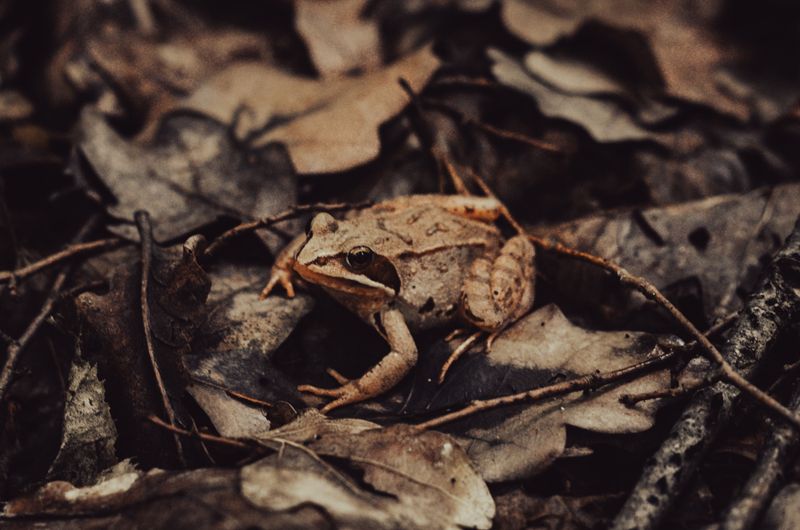
Brace yourself, because this one sounds like science fiction. Wood frogs, the tan frogs with a dark mask across their eyes, can freeze for weeks with no heartbeat and no breathing.
Instead of digging deep or sitting in a pond, wood frogs tuck themselves under leaf litter on the forest floor. As ice forms, their livers flood their bodies with glucose.
This sugary syrup protects their cells, while ice collects in spaces outside the cells. When the ground warms, they thaw from the inside out and start moving again. Wood frogs are found in wooded parts of New Jersey, especially in the northern and central regions.
They are often among the first frogs calling in late winter, with a clucking sound some say resembles quacking ducks.
Spring peepers and gray treefrogs use similar freeze-tolerance strategies under leaves and loose bark. All of them rely on that insulating layer to avoid the harshest temperature swings.
If your yard backs up to woods or sits near wetlands, leaving leaves along the edges helps these remarkable frogs. Skip the leaf blower in shady, damp corners. It is a small kindness with a very loud thank-you chorus come March.
6. Toads And Eastern Box Turtles Dig Down Under The Pile
Last October, an American toad watched me from the edge of a perennial bed. A week later, it had vanished into the loose soil beneath the leaves.
Toads are not freeze-tolerant like wood frogs, so they burrow below the frost line. Loose, leaf-covered soil makes that digging much easier. The leaves on top add extra insulation, which helps the ground stay a little warmer.
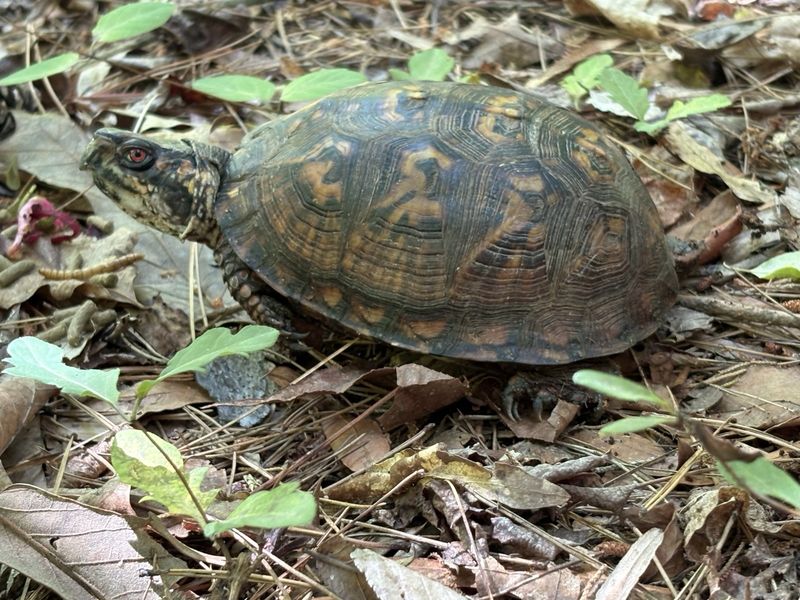
Eastern box turtles use a similar plan. They dig into soil and leaf litter in fall and stay put until spring warms the ground.
Box turtles are a species of special concern in New Jersey, and the state does not allow people to collect them from the wild.
Spotted salamanders, red-backed salamanders, and garter snakes also shelter under leaves, logs, and rocks during cold months. Many of them come back to the same spots year after year.
Leave leaves in garden beds and along woodland edges, and avoid deep digging or tilling in late fall. Mow high and slowly in late season, check the yard before using equipment, and if you find a turtle, admire it and let it be.
7. Blacklegged Ticks Are Waiting Too, So Rake Smart Near Paths
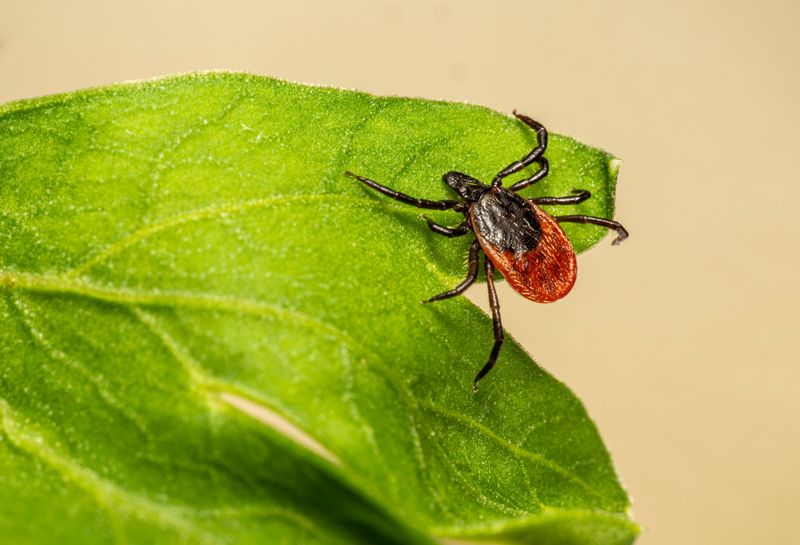
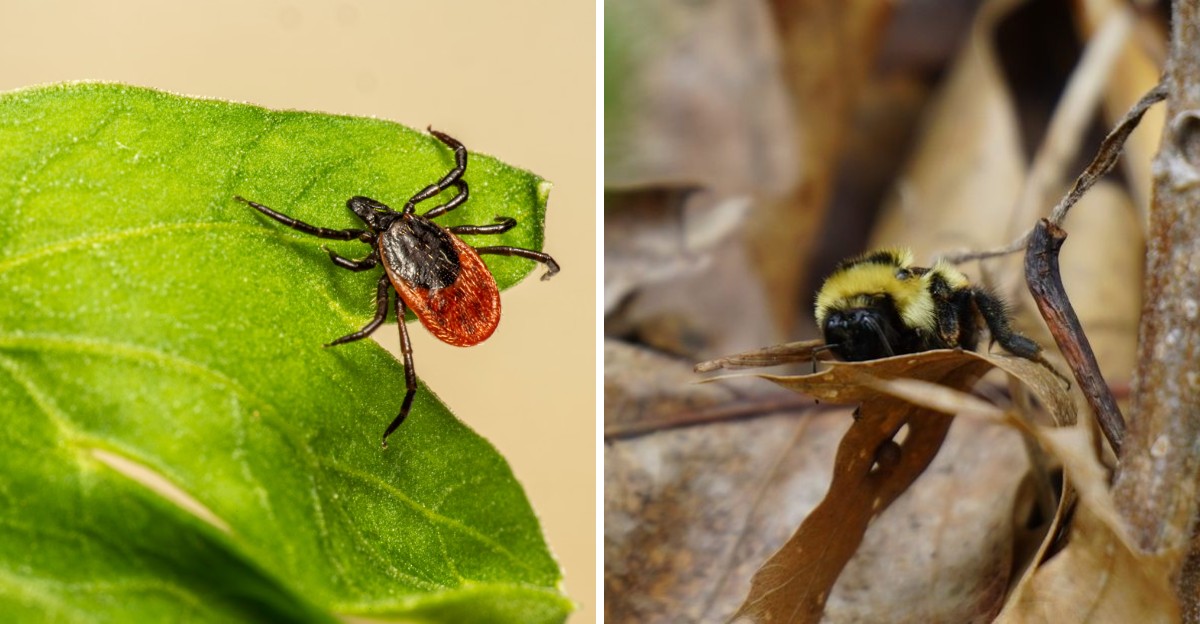
Not every leaf pile guest deserves a welcome mat, and honesty matters here. Blacklegged ticks, also called deer ticks, shelter in leaf litter, and adults stay active through fall and winter on days above freezing.
These ticks can carry Lyme disease, which is common across much of the state. Rutgers Cooperative Extension and health agencies note that adult blacklegged ticks are quite active in fall.
A sunny 45-degree day in December can still bring them out. The fix is not to bag every leaf in sight. It is to be strategic about where leaves stay.
Rake leaves away from lawns, patios, play areas, and the paths you walk daily. Move them into beds, under shrubs, or along woodland edges where people rarely tread.
A strip of wood chips or gravel between lawn and woods can also help reduce tick movement into play spaces.
After yard work, check yourself, your kids, and your pets carefully. Pay attention to the scalp, behind the knees, and waistbands.
Toss work clothes in a hot dryer for about ten minutes. Gloves and light-colored pants make spotting ticks easier, and they keep you comfortable on chilly cleanup days too.
8. Spread Those Raked Leaves On Garden Beds Instead Of Bagging Them
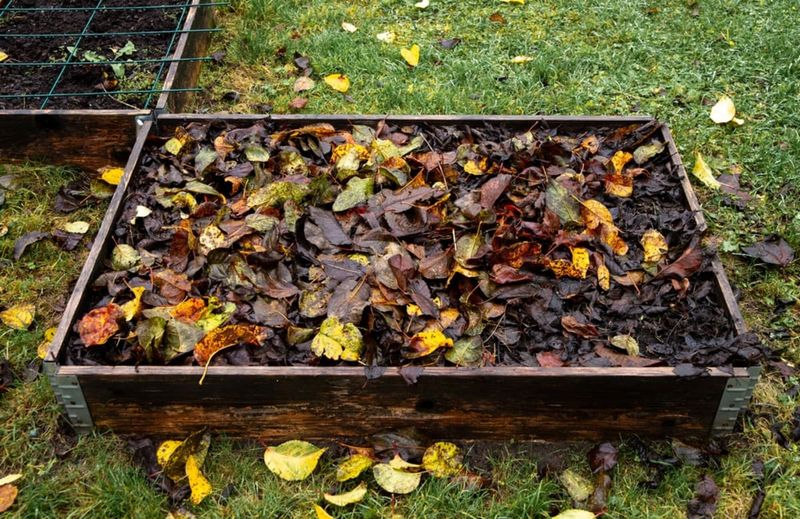
Meet the night shift. Ground beetles and wolf spiders spend winter tucked into leaf litter, and they are some of the hardest-working predators in your yard.
Ground beetles are shiny, dark, fast-moving insects you may have startled while lifting a flowerpot. Many species overwinter as adults or larvae in loose soil and leaf debris.
When spring arrives, they hunt slugs, cutworms, caterpillars, and other pests that chew on young seedlings. Wolf spiders use the leaf layer the same way. They do not spin webs to catch dinner.
Instead, they stalk prey across the soil and leaves, which makes them excellent partners for any vegetable bed.
Last spring, I noticed far fewer chewed seedlings in the bed where I left the leaves. I cannot prove the beetles deserve the credit, but I am not about to argue with them.
Their winter survival depends on one thing: a stable, insulated blanket of leaves. Remove it, and they lose both shelter and a steady supply of tiny prey.
To keep these helpers around, leave some leaf cover in vegetable beds until spring and skip broad-spectrum insecticides, which wipe out helpful hunters along with the pests. A few flat stones or a small log pile at the garden’s edge gives them extra hiding spots too.
Your reward is a garden that largely protects itself, with a crew you will rarely see doing the work.
9. Ground Beetles And Wolf Spiders Guard Your Garden Until Spring
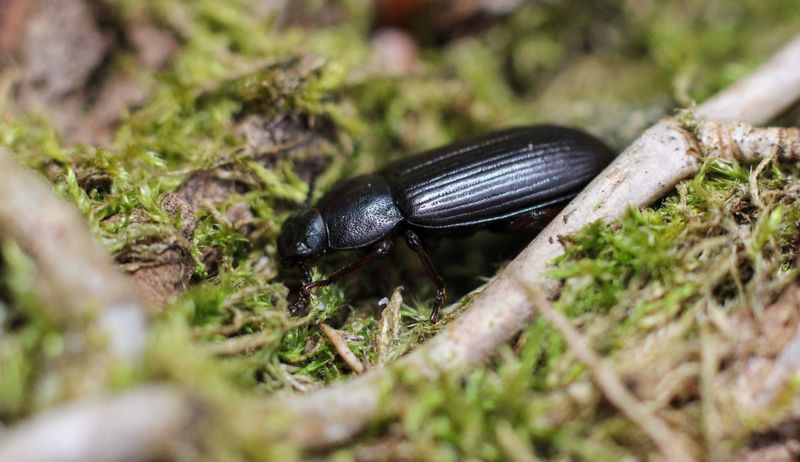
Meet the night shift. Ground beetles and spiders spend winter tucked in leaf litter, and they are some of the hardest-working predators in your yard.
Ground beetles are shiny, dark, fast-moving insects that you may have startled when lifting a flowerpot. Many species overwinter as adults or larvae in loose soil and leaf debris, waiting for warmer weather.
Once spring arrives, they hunt slugs, cutworms, caterpillars, and other pests that chew on your seedlings.
Wolf spiders and other ground-dwelling spiders use the leaf layer the same way. They do not spin webs to catch dinner.
They stalk prey across the soil and leaves, which makes them excellent partners for any vegetable bed.
Their winter survival depends on one thing: a stable, insulated layer of leaves. Remove it, and they lose both shelter and a steady supply of tiny prey.
Here is the payoff for you. A garden with a healthy crowd of these predators needs less pest control, and you may never notice the work they do. That is exactly how good garden helpers operate.
To keep them around, leave some leaf cover in vegetable beds until spring and skip broad-spectrum insecticides, which wipe out helpful hunters along with the pests. A few flat stones or a small log pile at the garden’s edge gives them extra hiding spots too.