What’s Behind The Brown Edges On Wisconsin Hostas
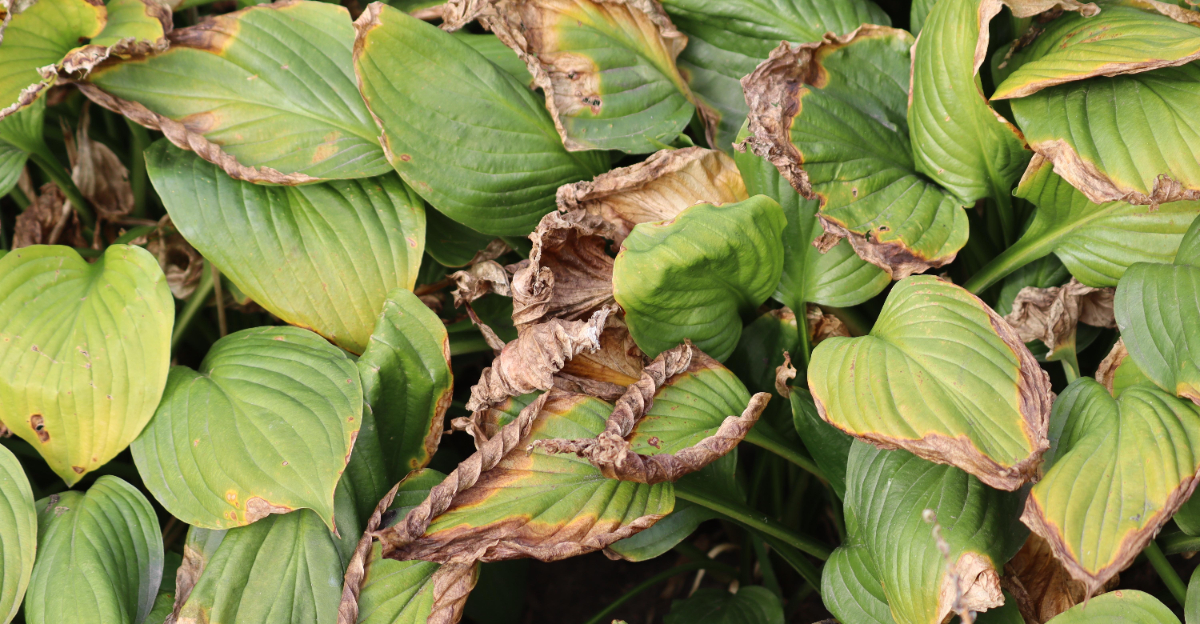
You crouch down for a closer look, and there it is: those hosta leaves that looked lush just last week now have edges the color of burnt toast. It happens fast, and it happens almost every July across Wisconsin gardens.
One morning the foliage looks fine, the next it looks like it fought a losing battle with the sun. Here’s the part most gardeners miss: brown edges rarely mean one single problem.
Heat spikes, uneven watering, root stress, even the mineral content in your tap water can all leave the same telltale mark on hosta leaves. Wisconsin’s swing between soaking rain and dry, sticky heat makes this especially tricky to diagnose by guesswork alone.
The margins are talking to you. They’re telling you something specific is off balance, whether that’s moisture, light exposure, or something happening below the soil line.
There’s A Simple Reason Your Hosta Leaves Look Crispy
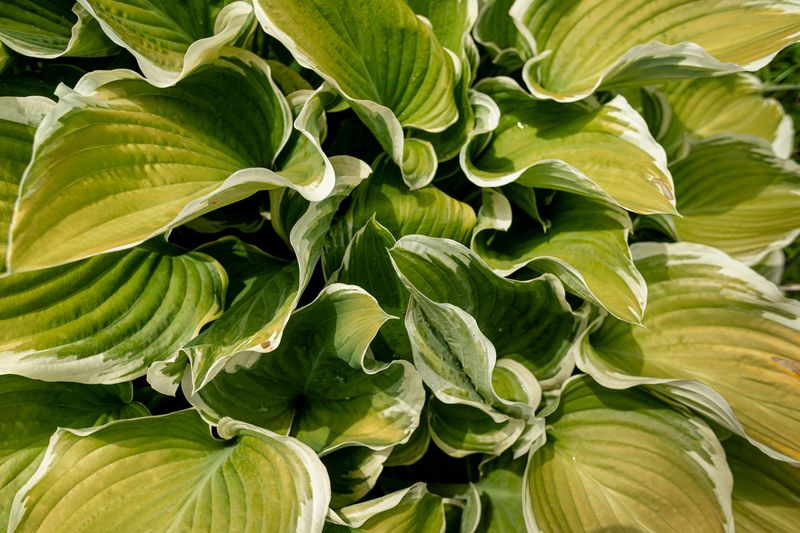
Your hosta looked perfect in May, and now it looks toasted. Brown edges on Wisconsin hostas most often trace back to moisture stress, though other factors can play a role too.
When a plant loses water faster than its roots can replace it, the leaf edges are the first to suffer. Think of the leaf margin as the last stop on the water delivery route.
Wisconsin summers can flip from cool and rainy to hot and dry in just a few days. That sudden shift catches hostas off guard, especially ones planted in spots with afternoon sun exposure.
The brown edges you see are leaf tissue that has lost its vitality, drying out and browning from the outside in. Once that tissue dries out, it typically will not turn green again, even with extra watering.
Soil type plays a big role here too. Sandy soils drain fast and hold little moisture, leaving roots thirsty between waterings.
Clay soils can actually cause the opposite problem, where waterlogged roots suffocate and stop absorbing water effectively. Both extremes lead to the same crispy result.
The fix starts with understanding your specific soil and sun conditions. Brown edges on hostas are a symptom, not a disease, and that makes them very manageable.
Mulching around the base helps lock in soil moisture during dry stretches. A two-inch layer of shredded bark can make a dramatic difference within just one season.
Start with the basics before blaming bugs or disease. Most of the time, the answer is simpler than you think.
Leaf Scorch Starts At The Edges First
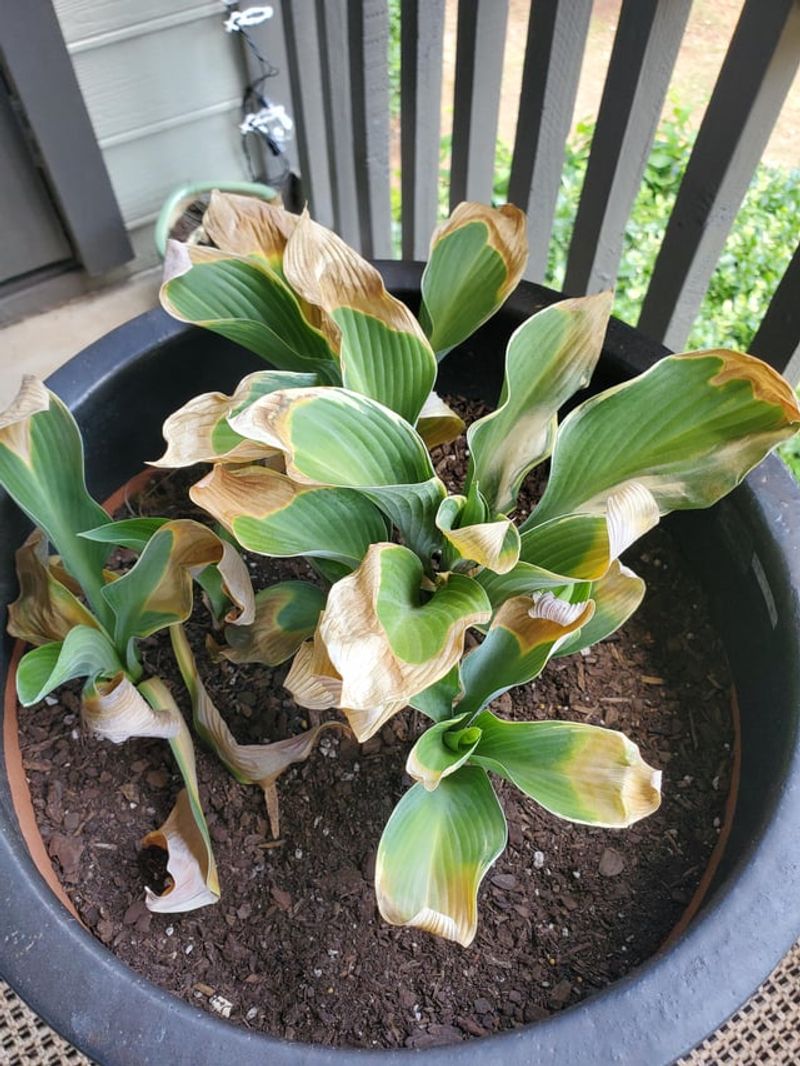
Leaf scorch has a very specific look, and once you recognize it, you will spot it everywhere. The damage typically begins at the outer edge of the leaf and works its way inward.
Brown edges on hostas caused by scorch have a papery, dry texture. The browning is usually uniform across the leaf tip and margin rather than patchy or spotted.
Scorch happens when a leaf loses more water through evaporation than the plant can pull up from the soil. Hot wind speeds up that process dramatically, even on cloudy days.
Your Wisconsin Garden Changes Every Week. Your Plan Should Too.
Gardening in Wisconsin changes quickly throughout the season. Every Friday you’ll receive a simple weekly plan showing exactly what to plant, prune, fertilize, harvest, and protect so you never miss the right timing.
Wisconsin gardeners often underestimate wind as a factor. A steady afternoon breeze across an exposed garden bed can dry out hosta leaves just as fast as direct sun.
The color of the browning matters when diagnosing the cause. True scorch produces tan or light brown edges with a clear boundary between the damaged tissue and the healthy green behind it.
If you see yellow halos or irregular blotches, that points toward a different problem entirely. Clean, sharp brown lines along the margin almost always mean scorch.
Watering deeply and less frequently trains roots to grow deeper into cooler, moister soil. Shallow watering keeps roots near the surface where heat stress hits hardest.
Moving a hosta to a more protected spot can solve chronic scorch problems. A location shielded from west and south winds makes a noticeable difference in leaf health.
Scorch is stressful for the plant, but it rarely causes permanent harm. Acting early keeps your garden looking sharp all season long.
Shallow Hosta Roots Make Scorch Worse In Wisconsin Summers
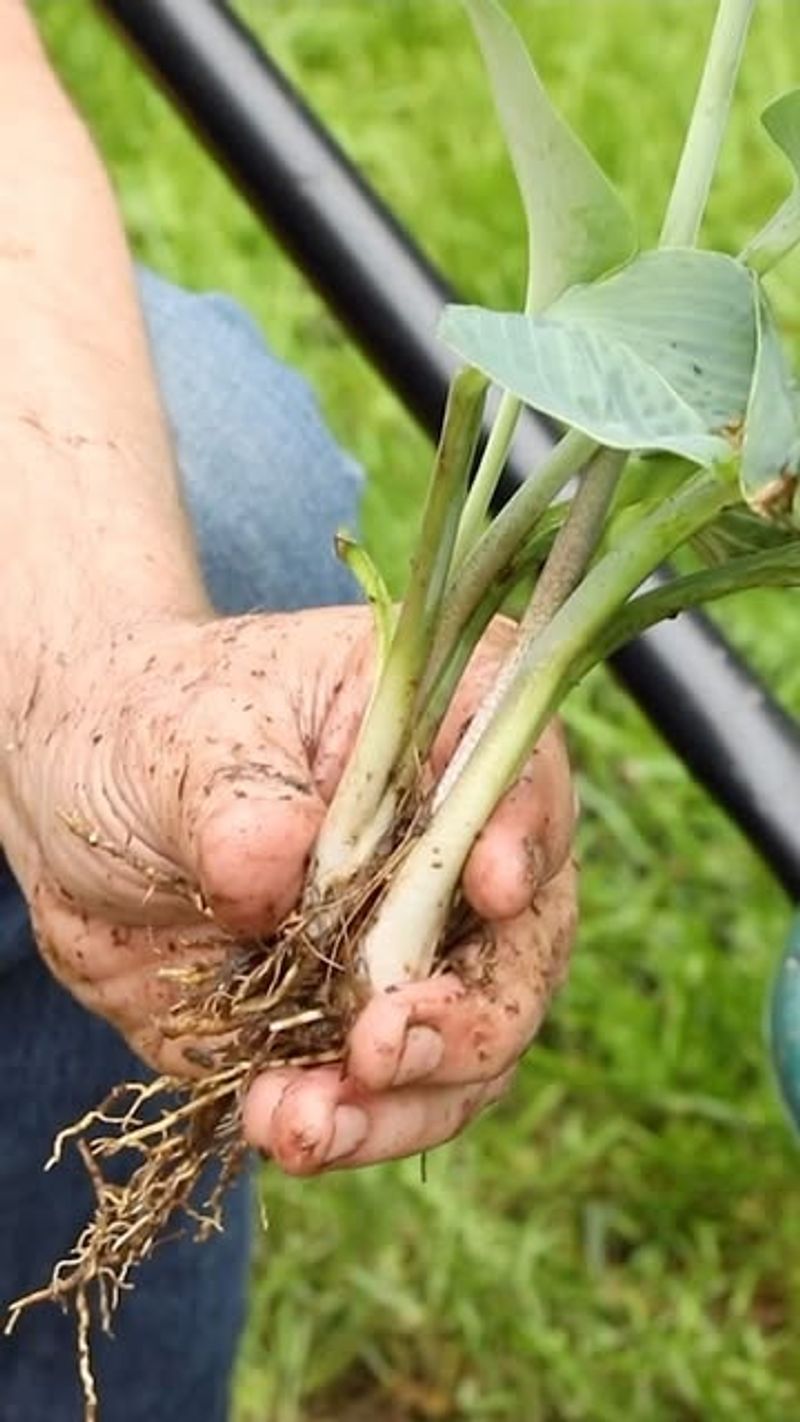
Hostas are surprisingly shallow-rooted plants, and that becomes a real problem during Wisconsin heat waves. Their roots sit mostly in the top several inches of soil, often no deeper than eight to twelve inches.
That zone heats up fast when temperatures climb into the upper eighties. Warm soil holds less moisture, and stressed roots struggle to keep up with leaf water demand.
Compacted soil makes the situation worse by limiting root spread. Roots packed into a tight, hard layer cannot access the cooler, wetter soil just a few inches deeper.
Loosening the soil around your hostas each spring helps roots expand more freely. A gentle pass with a garden fork around the drip line does the job without damaging the crown.
Mulch is your best friend when dealing with shallow roots in summer heat. It insulates the soil, slowing the temperature rise that triggers moisture stress.
Organic mulches like wood chips or shredded leaves also break down over time, improving soil structure. Better structure means better water retention and healthier root systems.
Watering in the early morning gives roots time to absorb moisture before afternoon heat peaks. Evening watering can leave foliage damp overnight, which creates its own problems.
Consistent moisture is more important than heavy occasional soaking. Roots in evenly moist soil stay active and keep leaves hydrated through hot stretches.
Protecting those shallow roots from heat is one of the most effective ways to prevent brown edges on Wisconsin hostas. A well-mulched bed can transform a struggling plant into a thriving one.
Some Hosta Varieties Are More Prone To Scorch Than Others
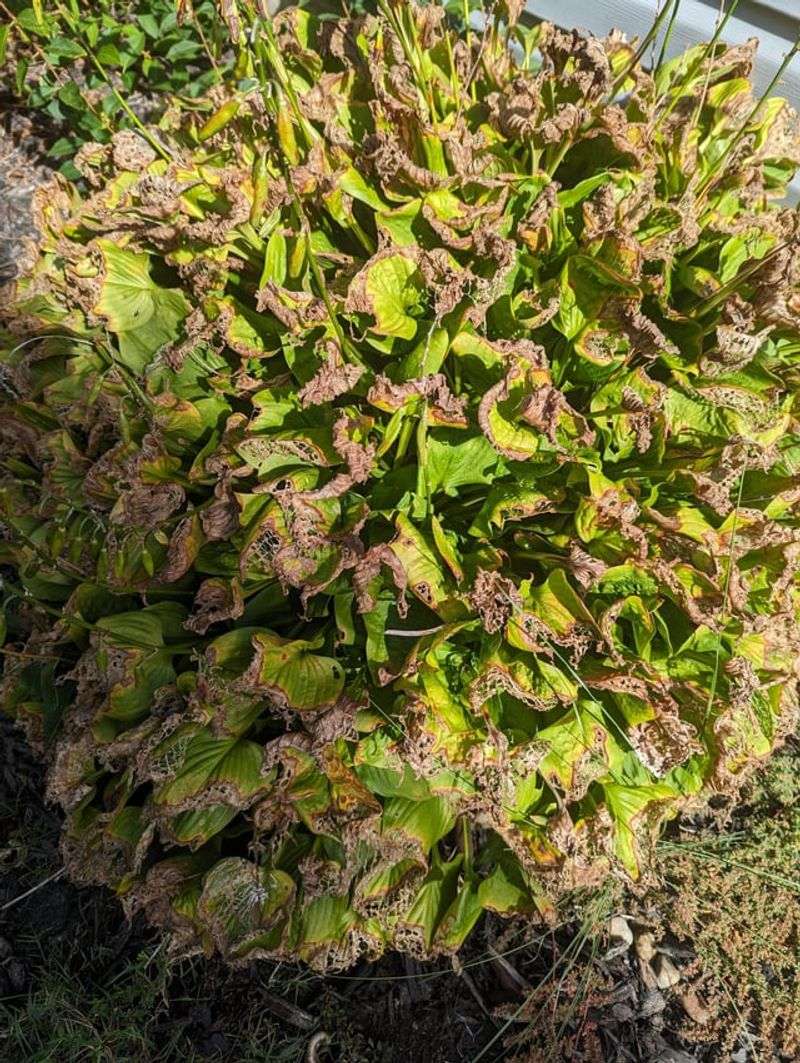
Not all hostas are built the same, and variety choice matters more than most gardeners realize. Thin-leaved hostas scorch faster than their thick-leaved cousins.
Varieties with blue-green foliage tend to have a waxy coating called bloom on their leaves. That coating acts like natural sunscreen, slowing moisture loss during hot days.
Gold and chartreuse varieties look stunning but often lack that protective coating. They are beautiful in spring and can look rough by August in a tough Wisconsin summer.
Slug-resistant, thick-leaved types like Sum and Substance or Halcyon hold up better in heat because leaf thickness alone can slow water loss, even without the waxy bloom found on blue-leaved varieties.
Placement matters just as much as genetics when it comes to scorch resistance. Even a tough variety can struggle if it is stuck in a spot with four hours of afternoon sun.
Reading plant tags carefully before buying saves a lot of frustration. Tags that say full shade or protected location are telling you something important about that plant’s limits.
Mixing varieties with different tolerances across your garden creates visual interest and reduces risk. If one type struggles in a spot, another may thrive right next to it.
Breeders have developed many newer cultivars with improved heat and drought tolerance. Checking with a local Wisconsin nursery for regionally tested varieties is usually a smart move.
Choosing the right variety for your specific conditions is one of the easiest wins in gardening. The right plant in the right place rarely shows brown edges on Wisconsin hostas.
Telling Scorch Apart From Anthracnose Or Fungal Disease
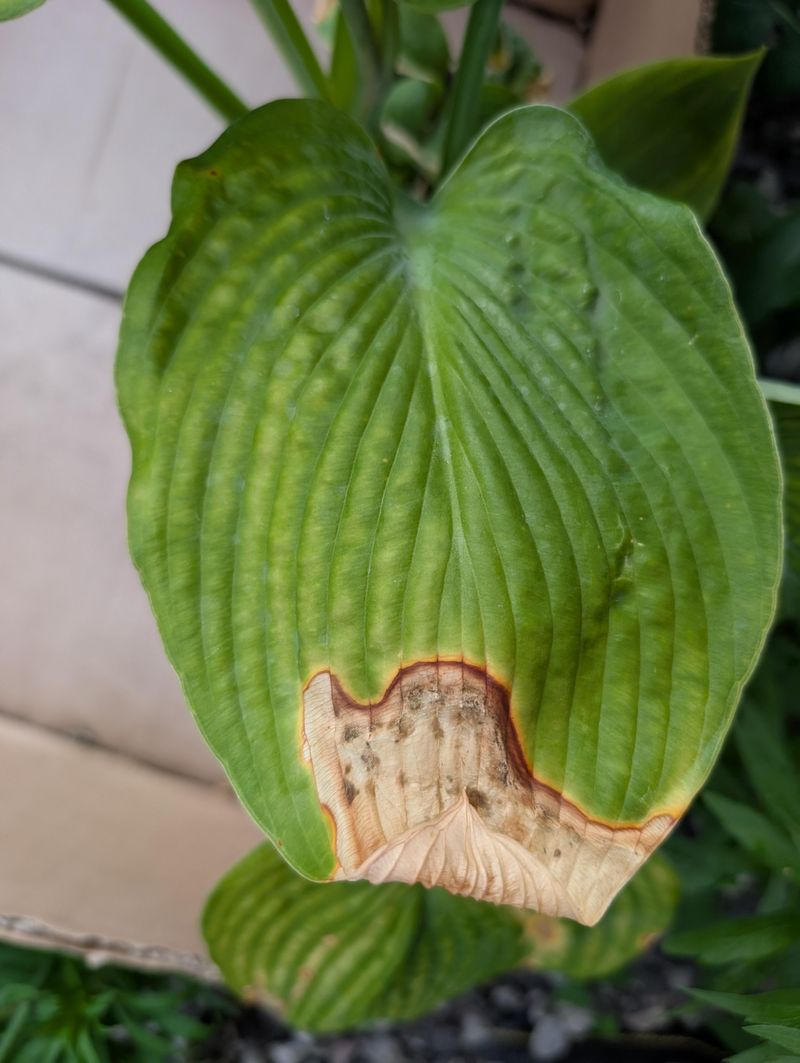
Brown edges look simple until you realize they can mean several different things. Getting the diagnosis right is what separates a quick fix from a season-long struggle.
Anthracnose is a fungal disease that causes irregular tan spots with dark borders, often in the middle of the leaf. It does not follow the clean edge pattern that scorch produces.
Fungal leaf spot diseases tend to show up after stretches of wet, humid weather. Wisconsin summers create ideal conditions for fungal issues, especially in densely planted beds.
Scorch damage, by contrast, appears after hot and dry or windy periods. The timing of when the damage appears is one of your best diagnostic clues.
Look at the shape of the brown areas carefully. Ragged, irregular patches with a yellow halo almost always signal a pathogen rather than a weather event.
Crisp, uniform browning along the leaf margin with no yellow border points strongly toward scorch. The tissue looks dry rather than rotted or water-soaked.
Fungal diseases can spread from leaf to leaf, so removing affected foliage helps slow their progress. Scorch damage tends to stay put and rarely spreads to neighboring leaves.
Improving air circulation around crowded hostas reduces fungal pressure significantly. Thinning out nearby plants or dividing large clumps opens up airflow through the bed.
When in doubt, your local county extension office can help identify the problem. Correct diagnosis means correct treatment, and that keeps brown edges on hostas from turning into a bigger issue.
Steps To Prevent Brown Edges Next Season
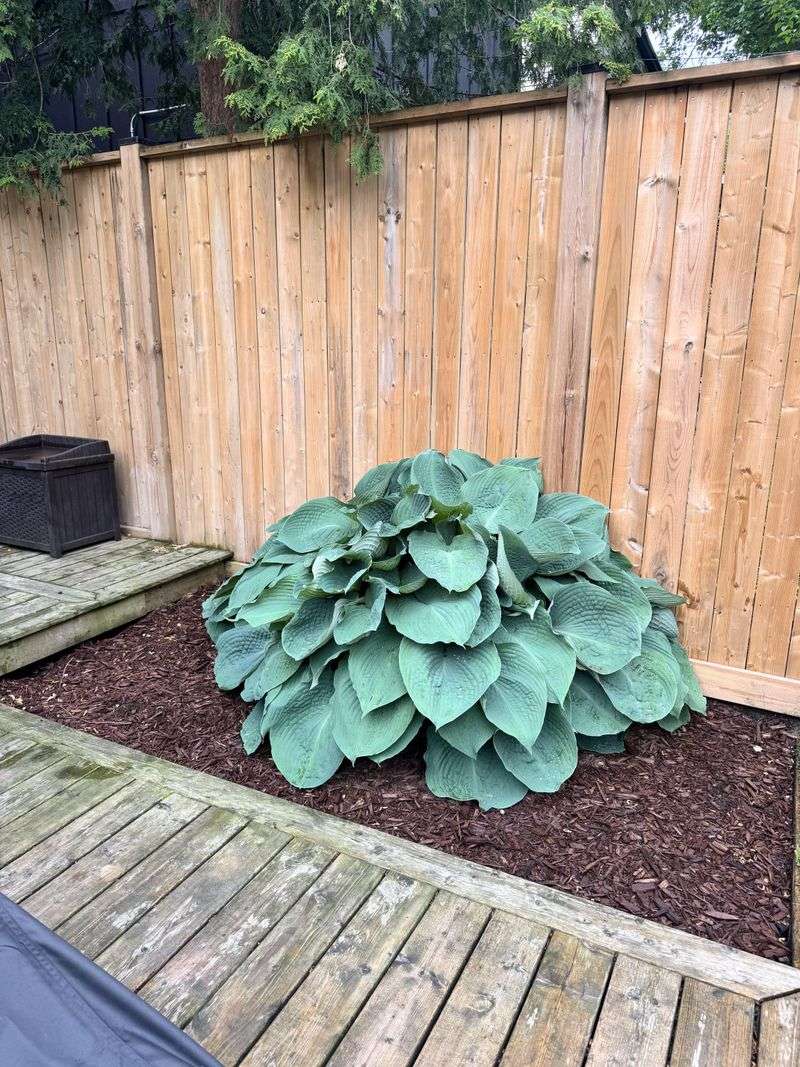
Prevention almost always beats recovery in the garden. A few smart moves in spring can keep your hostas looking clean and green all the way through August.
Start by amending your soil with compost before new growth emerges. Compost improves both drainage in clay soils and water retention in sandy ones.
Apply a two-to-three-inch layer of mulch around each plant after the soil warms up. Keep it a few inches away from the crown to avoid rot issues.
Choose planting spots that receive morning sun and afternoon shade. East-facing beds are often perfect for hostas in most Wisconsin landscapes.
Install a soaker hose or drip irrigation system for consistent deep watering. Consistent moisture at the root zone is far more effective than overhead sprinkler coverage.
Divide overgrown clumps every three to four years to reduce competition for water. Crowded roots struggle more during dry spells and show stress faster at the leaf edges.
Scout your beds weekly during summer heat stretches. Catching early signs of stress lets you adjust watering before serious damage sets in.
Avoid fertilizing heavily in midsummer, as too much nitrogen pushes soft new growth that scorches easily. A light spring feeding is usually all hostas need for the season.
Protecting hostas from strong west winds with a fence, shrub, or structure can reduce scorch risk noticeably. Every layer of protection adds up over a long Wisconsin summer.
Staying consistent with these habits is the best way to keep brown edges on Wisconsin hostas to a minimum.