When To Water Your Plants During An Illinois Heat Wave
Illinois summers don’t ease you in. One week it’s mild rain and green lawns, the next it’s a wall of heat that hits 95 degrees before noon and doesn’t let up until dusk.
Your tomatoes look tired by 2pm. Your hydrangeas droop like they need a break. And if you’re watering on autopilot, guessing at times and amounts, your plants probably aren’t getting what they need.
Here’s the truth: watering during an Illinois heat wave isn’t just about frequency. It’s about timing, soil type, and reading what your plants are actually telling you before they struggle.
Get it wrong and you’ll stress the roots, use more water than necessary, or overwater a plant that was already under pressure. Get it right and your garden looks better in August than it did back in June.
Below, you’ll find exactly when to water, how much, and why Illinois humidity changes the whole equation compared to drier climates. No guesswork. Just a plan that keeps your yard looking good when the thermometer refuses to cooperate.
Early Morning Watering Works Best During A Heat Wave
The alarm goes off at 6 a.m., and your garden is already counting on you. Early morning is hands-down the best time to water your plants during a heat wave.
Soil temperatures are still cool before sunrise. Water soaks deep into the roots before the sun starts pulling moisture back up.
Watering early also means leaves dry off fast once the sun rises. Wet leaves left sitting in heat can invite fungal problems you really do not want.
Morning watering gives plants a full tank of hydration before the intense midday heat arrives. Think of it like fueling up before a long road trip.
The air is calmer in the morning, which means less evaporation happens right away. Your water goes further with less waste.
Many gardeners find that 6 a.m. to 9 a.m. tends to work best. Set a reminder tonight so tomorrow morning you are ready.
Consistent early watering builds stronger root systems over time. Roots grow downward chasing moisture, making plants more heat-resistant overall.
Start your mornings with a hose in hand and a cup of coffee nearby. Your garden will absolutely thank you for the effort.
Midday Watering Stresses Your Plants
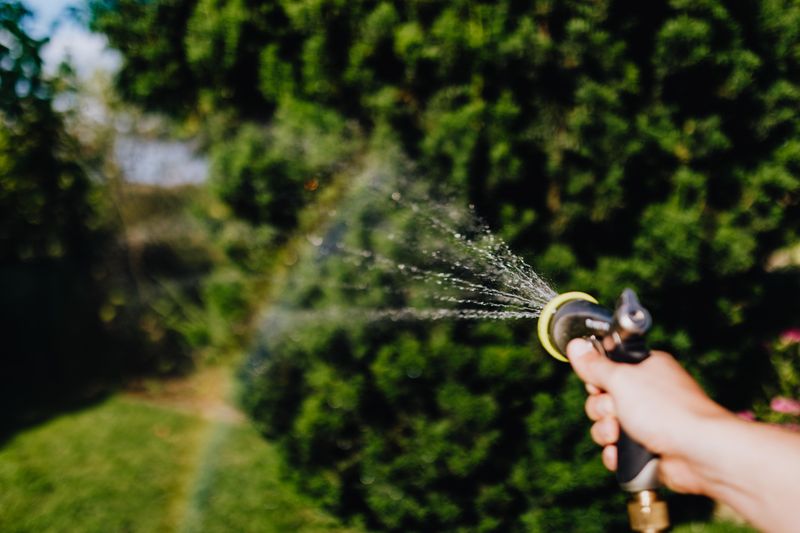
High noon looks beautiful on a postcard but harsh in your backyard. Watering at midday during a heat wave can actually hurt your plants more than help them.
When the sun is at its peak, water evaporates almost instantly from the soil surface. Your plants barely get a sip before the moisture vanishes into thin air.
Splashing cold water on very hot foliage can shock the leaves and contribute to stress. The brown, crispy patches you see afterward are usually a sign of heat and moisture stress building up over time.
The soil also absorbs heat during midday hours. Pouring water on very hot, dry soil can cause it to run off the surface instead of soaking in, wasting water and leaving shallow roots without much relief.
Your Illinois Garden Changes Every Week. Your Plan Should Too.
Gardening in Illinois changes quickly throughout the season. Every Friday you’ll receive a simple weekly plan showing exactly what to plant, prune, fertilize, harvest, and protect so you never miss the right timing.
Some gardeners panic when they see wilting at noon and rush to grab the hose. That wilting is often a normal defense response, not a true emergency.
Plants naturally close their pores during peak heat to conserve moisture. Watering them at that moment disrupts that protective process.
If you absolutely must water midday, aim directly at the soil base only. Skip the leaves entirely and use a slow drip to reduce evaporation loss.
Save your water and your energy for the early morning shift instead. Midday watering is mostly a waste that leaves your plants worse off.
Evening Watering Has Its Own Risks
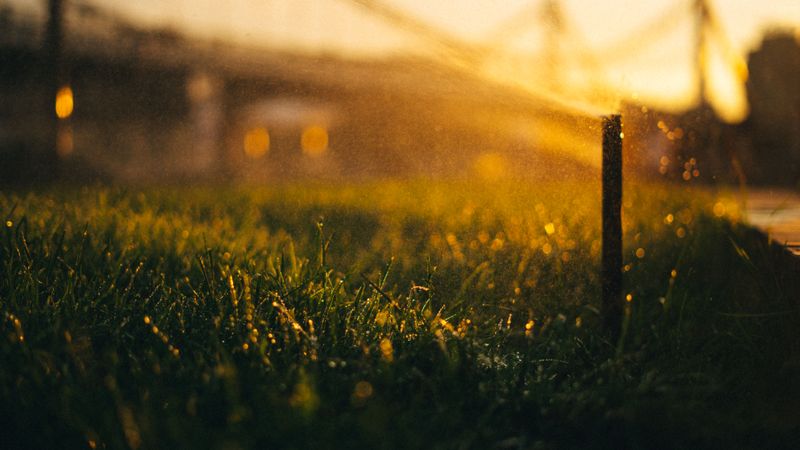
Evening watering feels satisfying after a long hot day outside. The air cools down, the sun drops low, and it seems like the perfect moment to hydrate your garden.
There is a catch, though. Wet soil and damp leaves overnight create a cozy environment for mold and fungal disease.
Fungal issues like powdery mildew thrive when moisture lingers on plant surfaces for hours. Evening watering can set that process in motion without you realizing it.
If morning watering is not possible, late afternoon around 4 p.m. to 6 p.m. is the next best option. That timing gives leaves enough daylight to dry before dark.
Avoid watering right at sundown or after. That moisture will sit on your plants all night with nowhere to go.
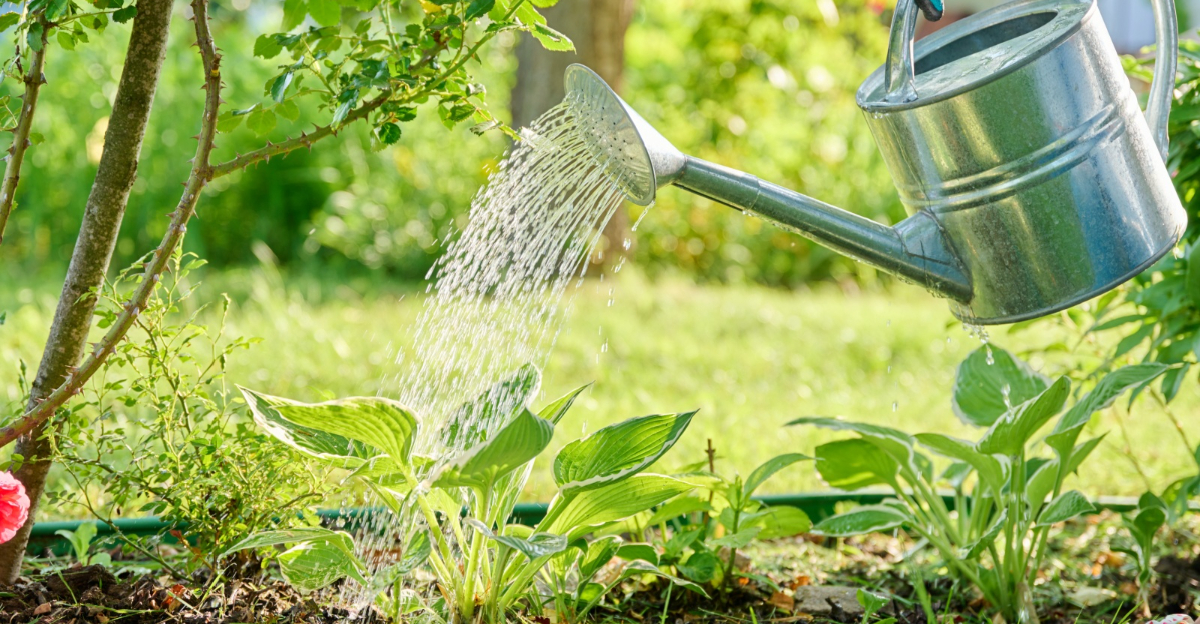
Drip irrigation systems are a smart solution for evening schedules. Water goes straight to the roots and never touches the foliage at all.
Container plants on patios tend to dry out faster than in-ground beds. Those may need a careful evening drink on especially hot days.
Pay attention to your specific plant types because some are more fungal-prone than others. Adjust your watering schedule based on what your garden actually needs right now.
Illinois Heat Waves Change Watering Needs
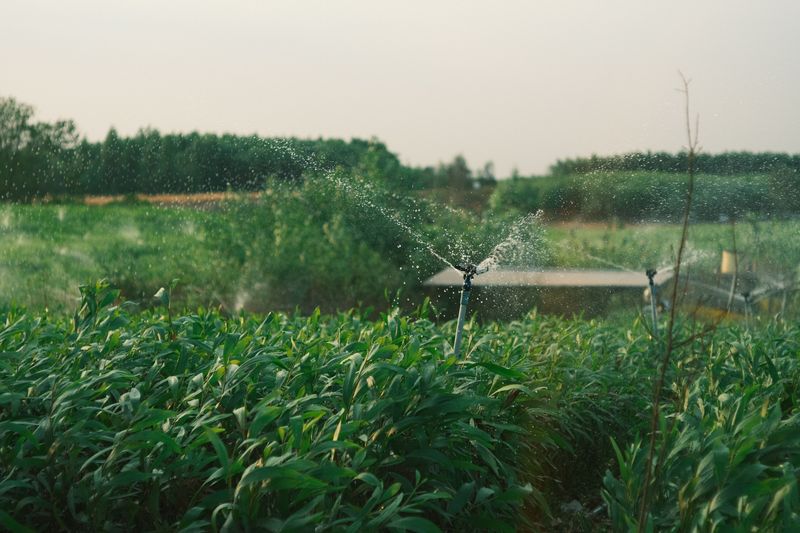
Normal watering rules fly out the window when a heat wave rolls through the Midwest. Illinois summers can push plants far past their usual stress limits.
A standard watering schedule that works in June may not be enough by late July. Heat waves demand that gardeners pay closer attention and adjust quickly.
During a heat wave, soil moisture evaporates at a much faster rate than normal. What felt like enough water yesterday may leave roots parched by tomorrow morning.
Clay-heavy soils common across much of Illinois hold moisture longer than sandy soils do. Knowing your soil type helps you figure out how often to add more water.
Raised beds and containers dry out especially fast during heat events. Those setups may need watering more than once a day during extended stretches of extreme heat.
Native plants and drought-tolerant varieties handle the stress better than exotic or tropical species. Grouping plants by water needs makes your whole routine more efficient.
Mulching around your plants helps lock in soil moisture during extreme heat. A two-inch layer of mulch can cut moisture loss by a significant amount.
Heat waves in Illinois are not rare anymore, so adapting your watering habits now makes future summers far less stressful. Your plants and your water bill will both benefit.
Proper Techniques Reduce Water Loss
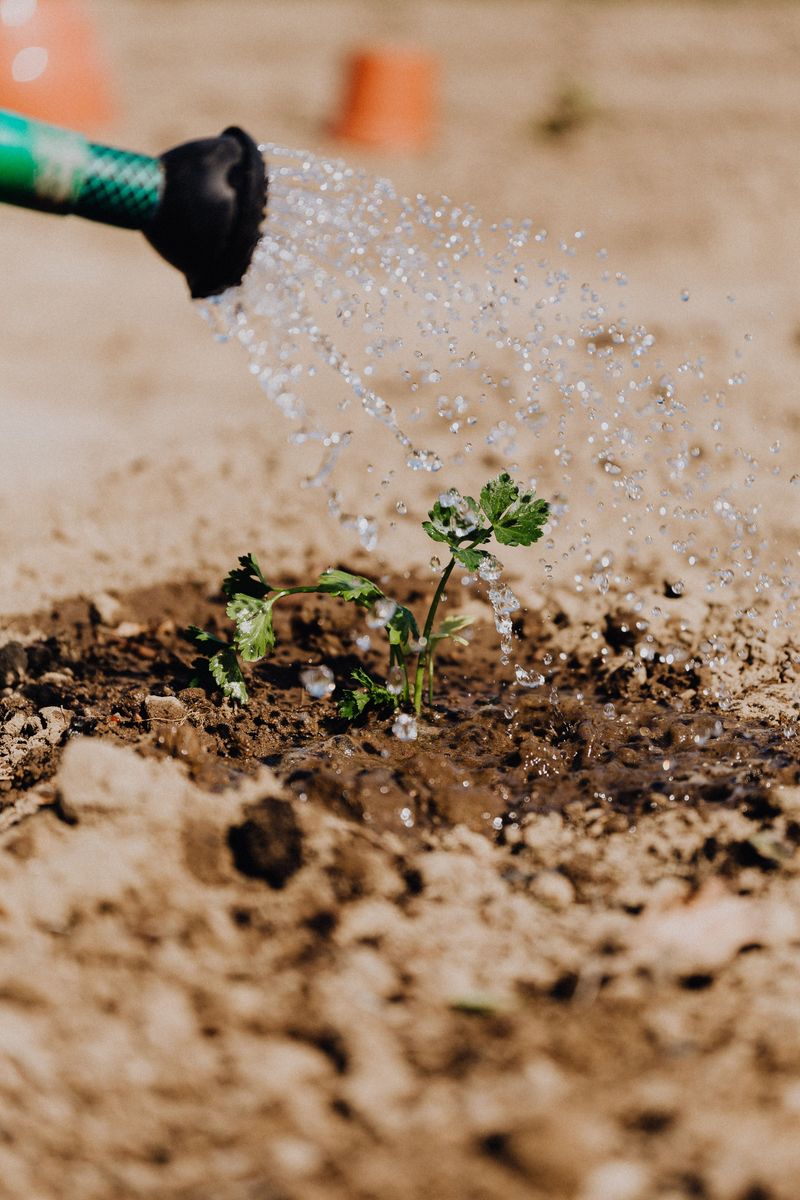
Technique matters just as much as timing when the heat climbs. Pouring water carelessly means a lot of it never reaches the roots where it belongs.
Slow and deep watering beats fast and shallow every single time. Deep watering encourages roots to grow downward, making plants naturally more drought-resistant.
Drip irrigation and soaker hoses are the most efficient tools for hot-weather gardening. They deliver moisture directly to the root zone with minimal evaporation loss.
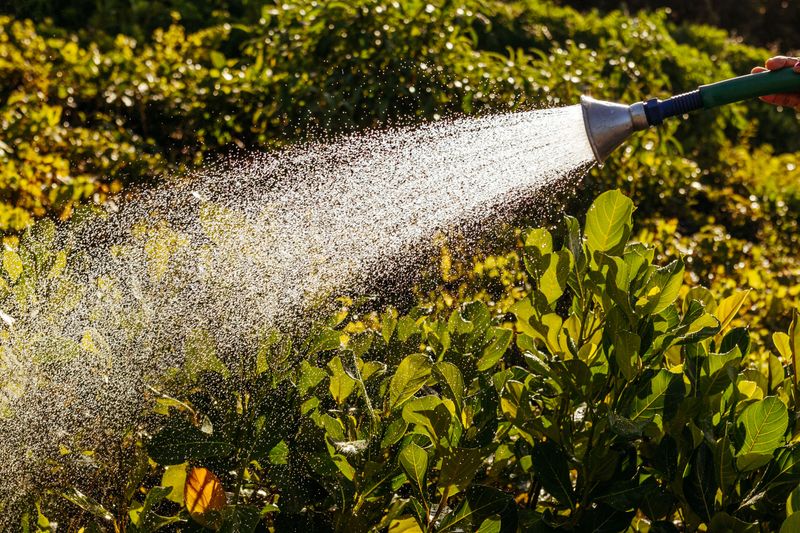
Overhead sprinklers during a heat wave waste a surprising amount of water to evaporation. The fine mist they create disappears quickly in hot, dry air.
Watering deeply every few days beats light daily watering in terms of root development. Shallow watering keeps roots near the surface where heat hits hardest.
Adding a layer of organic mulch around your plants is one of the smartest moves you can make. Straw, wood chips, or shredded leaves all slow moisture loss significantly.
Group your pots and containers together during a heat wave. Clustered plants create a small humid microclimate that reduces moisture loss for each one.
Check soil moisture before reaching for the hose by pushing a finger two inches into the dirt. If it feels dry at that depth, your plants need water right away.
Frequency Matters More In Extreme Heat
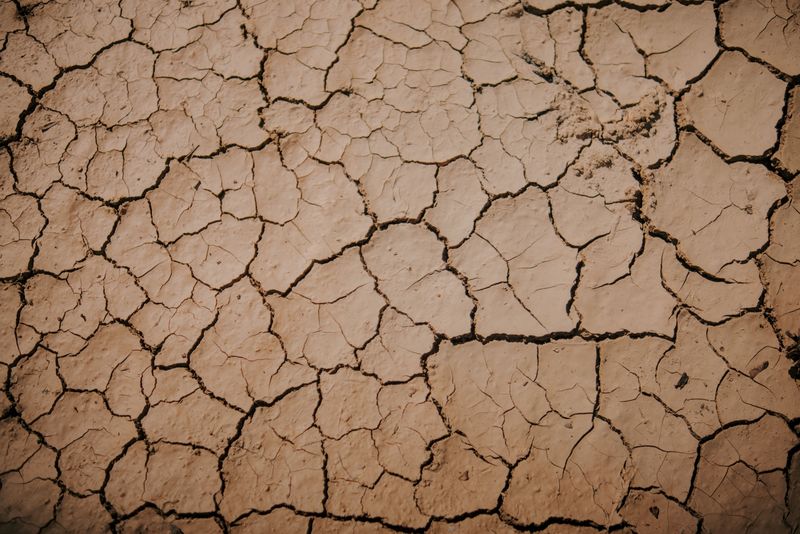
When temperatures push past 95 degrees for days in a row, your usual watering schedule needs a serious upgrade. Frequency becomes your most powerful tool during extreme heat.
Most established garden plants need about one inch of water per week under normal conditions. A heat wave can noticeably increase that requirement in just a few days.
Shallow-rooted plants like lettuce and herbs struggle fast when the top layer of soil dries out. Those varieties may need attention every single day during a heat event.
Deep-rooted plants like tomatoes and peppers handle short dry spells better. Still, consistent moisture during fruit development prevents problems like blossom drop and cracking.
Checking your garden daily instead of on a fixed schedule gives you a more accurate picture. Soil conditions change quickly when temperatures are extreme and relentless.
A simple moisture meter from any garden center takes the guesswork out of the equation. Push the probe into the soil and get an instant reading within seconds.
Newly planted seedlings have no deep root system yet to rely on. Those require extra attention and possibly twice-daily watering when heat is most intense.
Staying consistent with your watering frequency during a heat wave prevents the cycle of stress and recovery that weakens plants over time. Steady moisture keeps everything growing strong.
Wilting And Dry Soil Are Warning Signs
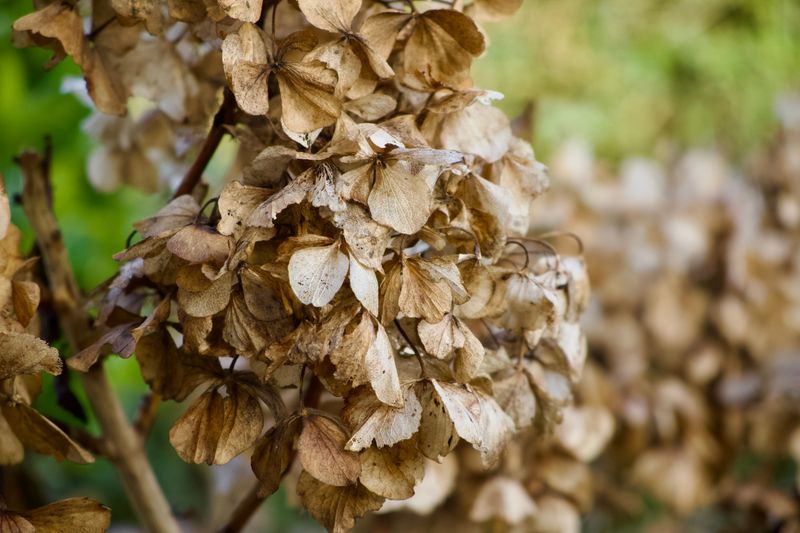
Your garden speaks to you when it is struggling. You just need to know how to listen to what it is saying out loud.
Wilting leaves are the most obvious warning sign plants show during a heat wave. Catching that sign early gives you a chance to act before real damage sets in.
Not all wilting means a plant is dangerously dry, though. Some plants wilt temporarily during peak afternoon heat as a normal response to conserve energy.
Check the soil before panicking about a droopy plant. If the top two inches feel dry and powdery, that plant genuinely needs water as soon as possible.
Leaves that curl inward, turn yellow, or develop brown crispy edges are showing advanced stress. Those signs mean the plant has been struggling for longer than just one afternoon.
Dry soil that pulls away from the edges of a pot or garden bed is another red flag. That gap means the soil has shrunk from extreme moisture loss.
Watering slowly when soil is this dry helps prevent runoff. Bone-dry soil repels water at first, so go slow and let it absorb in stages.
Learning to read these warning signs turns you into a more confident and responsive gardener. Staying alert during an Illinois heat wave keeps your plants alive and thriving all summer long.