This Invasive Texas Tree Gets Less Attention Than Fire Ants But Destroys More Native Habitat Every Year
Everyone in Texas knows about fire ants. They’re infamous, they’re everywhere, and nobody needs convincing that they’re a problem.
But there’s an invasive species doing arguably more damage to Texas native habitat every single year that barely gets talked about at all. It doesn’t sting.
It doesn’t swarm. It just grows, quietly and relentlessly, crowding out native plants and reshaping ecosystems in ways that are very difficult to reverse. It’s a tree. And it’s everywhere.
This invasive tree has spread across Texas landscapes with a speed and thoroughness that should be alarming, but because the damage happens gradually and silently, most people simply don’t notice until the native plants they grew up around are just gone.
Wildlife loses critical habitat. Native wildflowers and grasses disappear. And the tree keeps spreading, producing seeds that travel far and establish fast.
If you have it on your property, you need to know. Here’s what it is and why it matters more than most people realize.
Meet Chinese Tallow
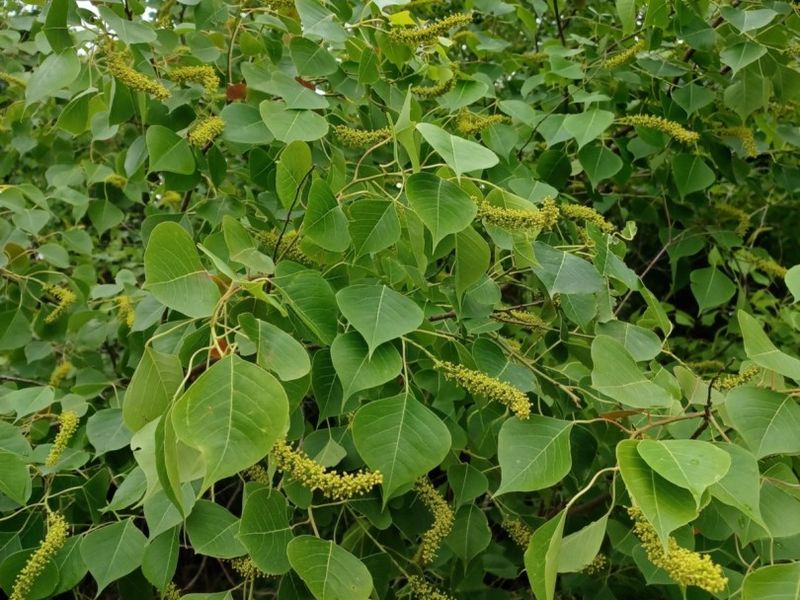
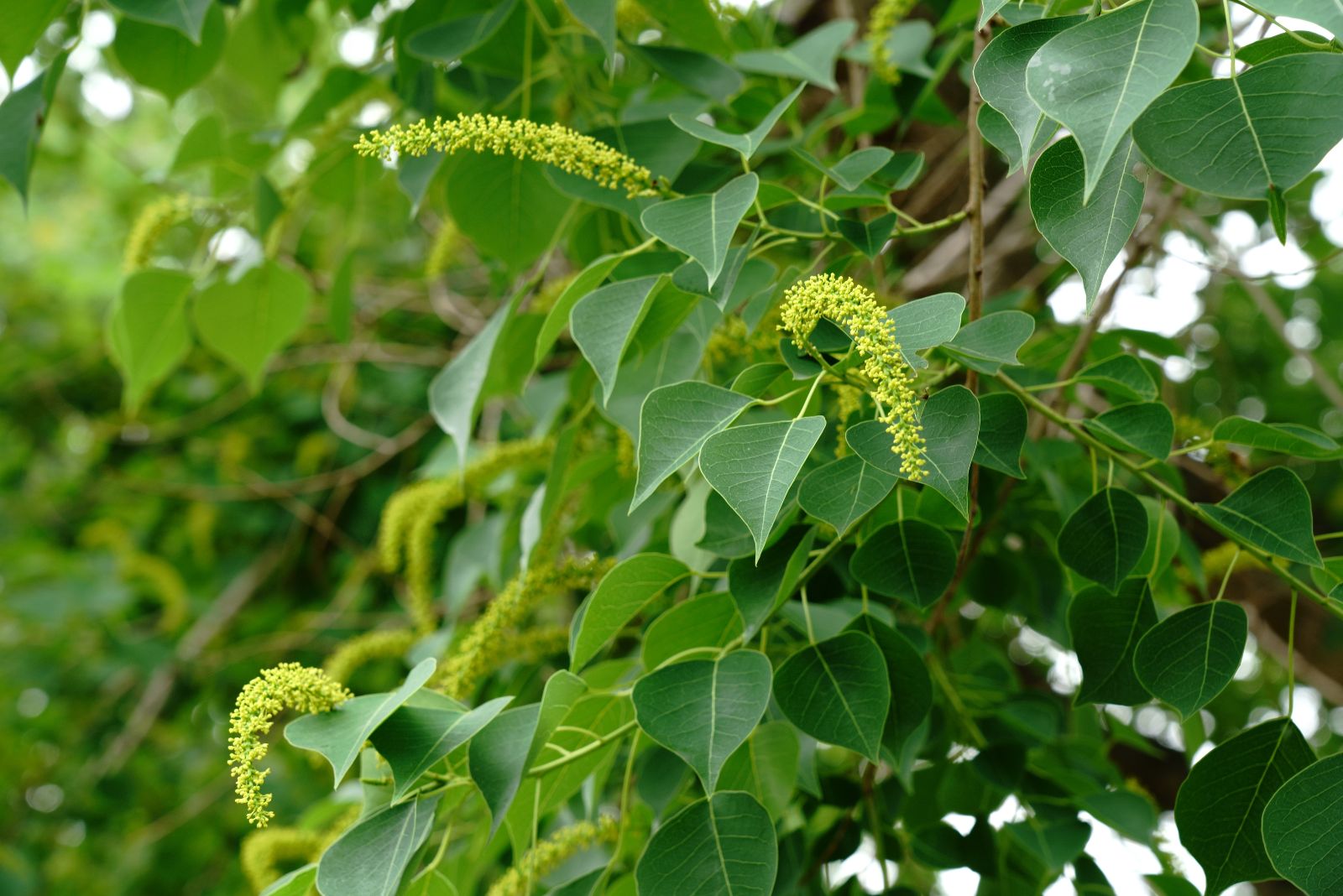
Picture a tree so good at blending in that most people think it belongs here. That is exactly what the Chinese tallow tree, known scientifically as Triadica sebifera, has been doing across Texas for over a century.
People often call it the popcorn tree because its small white seed clusters look just like freshly popped popcorn. It sounds harmless, even charming, but looks can be very deceiving.
Chinese tallow originally came from China and Japan, where it was grown for the waxy coating on its seeds, which was used to make candles and soap. It was brought to the United States in the 1700s as a potential crop plant.
Over time, it escaped cultivation and found Texas to be an ideal home. Warm temperatures, wet soils, and plenty of open land gave it everything it needed to spread far and wide.
Today, Chinese tallow is listed as one of the most problematic invasive plants in Texas and across the Gulf Coast region. The Texas Invasives database and the U.S.
Department of Agriculture both flag it as a serious ecological threat. Despite that, it still gets planted in yards and along streets because it grows fast, provides shade, and puts on a colorful fall show.
Many homeowners have no idea they are growing one of the state’s most destructive non-native trees. Recognizing it is the very first step toward protecting Texas land from its ongoing spread.
Why It Spreads So Fast
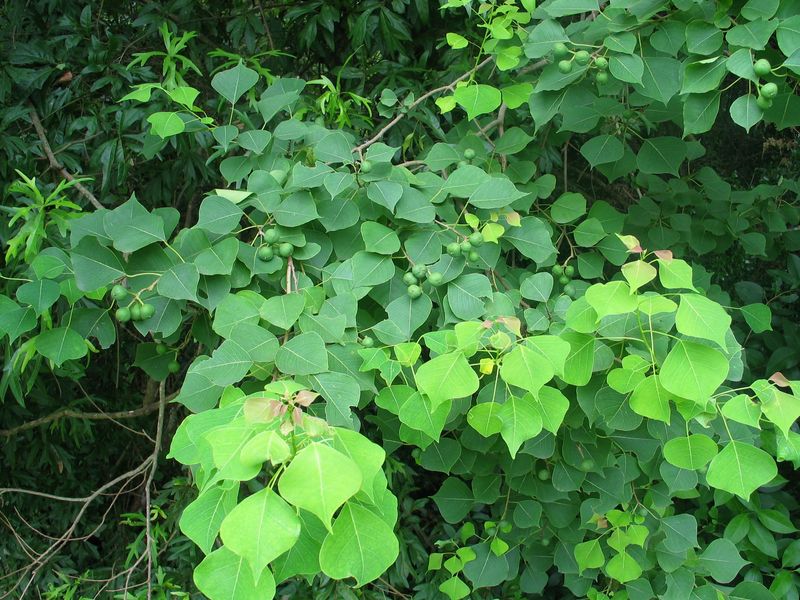
Few invasive plants are as relentless as Chinese tallow when it comes to reproduction. A single mature tree can produce up to 100,000 seeds in just one growing season.
That number alone should raise some eyebrows. Those seeds are small, lightweight, and coated in a fatty white wax that makes them attractive to birds, which eat the seeds and then deposit them far from the parent tree in their droppings.
Water does its part too. Seeds that fall near streams, ditches, or wetlands get carried downstream and deposited in new locations along the banks.
Your Texas Garden Changes Every Week. Your Plan Should Too.
Gardening in Texas changes quickly throughout the season. Every Friday you’ll receive a simple weekly plan showing exactly what to plant, prune, fertilize, harvest, and protect so you never miss the right timing.
Floodwaters can scatter seeds across wide areas in a short period of time. Even soil disturbance helps the tree along.
When land is cleared, graded, or plowed, Chinese tallow seeds that were already in the soil get the light and space they need to sprout quickly.
Once a seedling gets started, it grows remarkably fast. Young trees can gain several feet of height per year under good conditions.
That rapid growth means a seedling that sprouts in spring can already be competing with nearby native plants by fall. Roadsides, fence lines, forest edges, and open prairies are all vulnerable.
The tree does not need rich soil or careful tending. It thrives in poor, wet, or disturbed ground with very little help at all.
This combination of massive seed production, multiple ways to spread, and fast growth gives Chinese tallow a serious head start over most native plants trying to hold their ground in Texas landscapes.
How It Crowds Out Natives
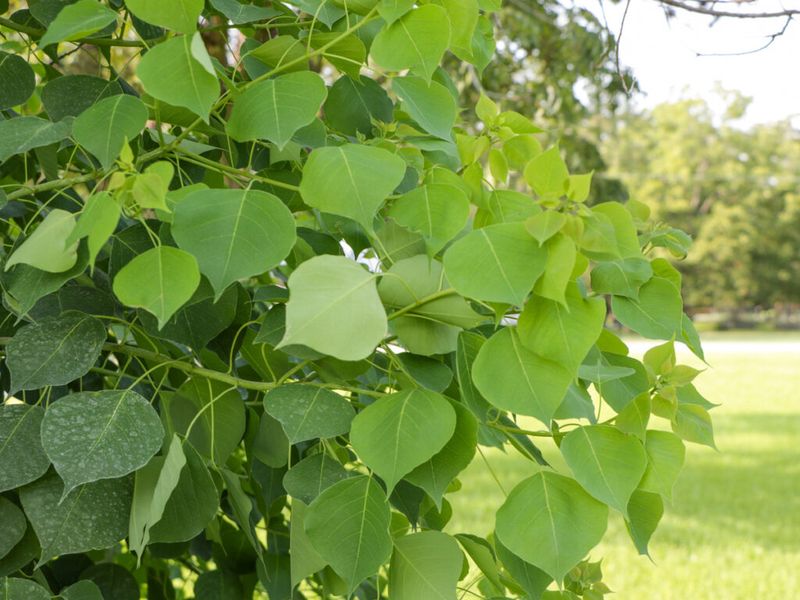
Speed is only part of what makes Chinese tallow so damaging. The real problem is what happens after it establishes itself in a new area.
Once a few trees take hold, they grow quickly into dense thickets that block sunlight from reaching the ground. Native grasses, wildflowers, shrubs, and young trees all need light to survive. When the canopy closes in, those plants simply cannot keep up.
Research from Texas A&M and other institutions has shown that areas invaded by Chinese tallow can lose more than half of their native plant species within a relatively short time frame. That loss of plant diversity sets off a chain reaction.
Native insects that rely on specific host plants disappear. Birds that feed on native seeds and berries lose their food sources.
Deer, rabbits, and other wildlife find fewer of the plants they depend on for food and shelter. The whole web of life in that area starts to unravel.
Chinese tallow also changes the soil itself. Its fallen leaves break down differently than native leaf litter and can alter soil chemistry in ways that favor its own seedlings over native species.
Some studies suggest the tree may even release compounds that discourage other plants from growing nearby. So even if you removed the trees, the ground beneath them may not bounce back quickly without active restoration work.
That makes Chinese tallow especially tricky to manage once it has moved in and settled. Prevention and early removal are far more effective strategies than trying to restore an area after a full-scale takeover has already happened.
Why Texas Habitat Suffers
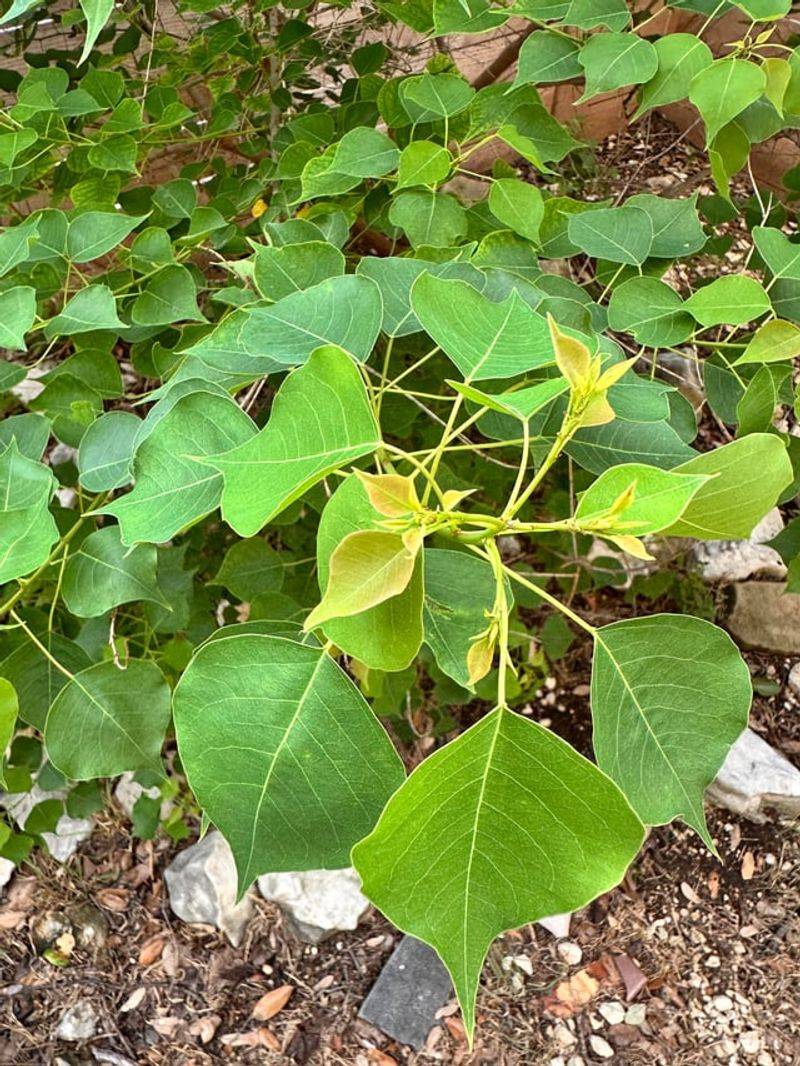
Texas has some of the most ecologically rich and diverse landscapes in the entire country. The Gulf Coast prairies, East Texas bottomlands, coastal wetlands, and river floodplains support hundreds of native plant and animal species found nowhere else.
These habitats took thousands of years to develop, and Chinese tallow can begin reshaping them in just a few decades.
East Texas and the upper Gulf Coast are ground zero for Chinese tallow invasion. The tree loves wet, low-lying areas with mild winters, and those conditions are exactly what coastal Texas delivers.
Wetlands that once featured open water, native sedges, and marsh grasses are increasingly being swallowed by tallow thickets.
Coastal prairies, which are already one of the most endangered ecosystems in North America, face added pressure from tallow encroachment on top of development and agricultural conversion.
Migratory birds that stop along the Texas coast during their seasonal journeys depend on native plants for food and cover. When Chinese tallow replaces those plants, the quality of stopover habitat drops significantly.
Neotropical songbirds, shorebirds, and waterfowl all feel the effects. Even inland areas are not safe.
Bottomland hardwood forests along rivers like the Trinity, Sabine, and Neches are seeing Chinese tallow move into the understory and edges. Over time, it can shift the character of those forests entirely.
The tree essentially converts high-value, biologically rich habitat into low-value, single-species woodland that supports far fewer native creatures. For a state that prides itself on its natural heritage, that is a serious and ongoing loss worth paying attention to.
Why Homeowners Miss The Problem
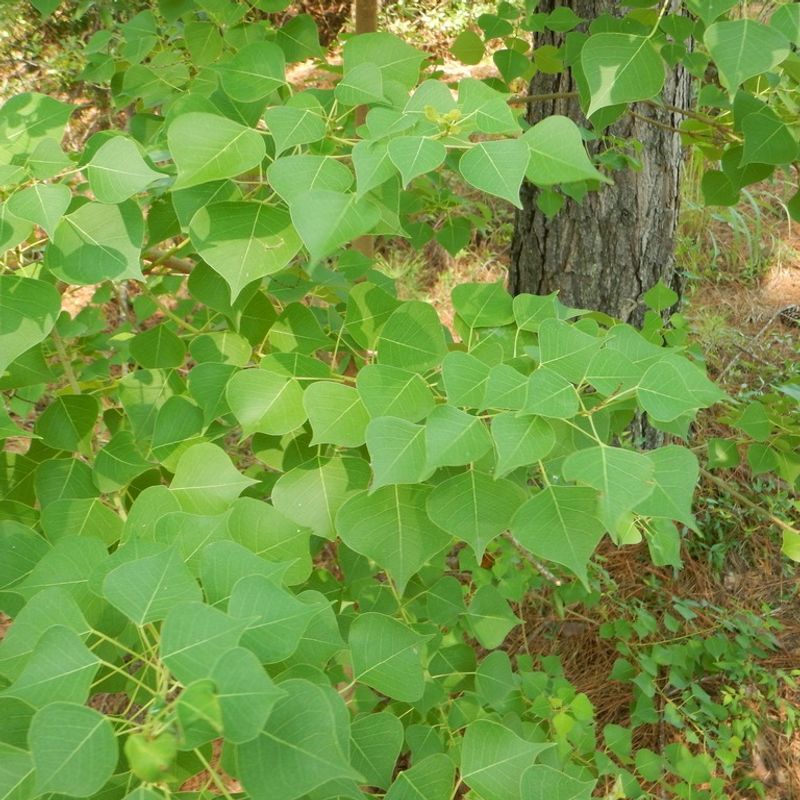
Honestly, it is not hard to understand why so many Texas homeowners still plant Chinese tallow. Walk past one in October and the fall color is genuinely stunning.
The leaves turn shades of red, orange, purple, and yellow that rival maples found up north. In a state where fall foliage is not always dramatic, that color display feels like a real gift. Add fast growth and generous shade, and it seems like the perfect yard tree.
Nurseries sold Chinese tallow for years, and many older neighborhoods across Houston, Beaumont, and other Gulf Coast cities are full of them. Homeowners who have grown up around these trees often see them as normal, even desirable.
The name popcorn tree sounds friendly and fun. Nothing about the tree announces itself as a threat when it is sitting neatly in a suburban backyard. That friendly appearance is exactly why it slips under the radar so easily.
The danger comes when seeds leave the yard. Birds perch in the tree, eat the seeds, and fly off to nearby parks, greenbelts, and natural areas.
A tree that seems perfectly contained in your backyard can be sending its offspring into wild spaces every single season without you ever noticing. Homeowners are not doing anything wrong on purpose; they simply do not have the full picture.
Spreading awareness is not about blaming people who already have one in their yard. It is about helping more Texans understand what happens downstream, literally and ecologically, when those seeds travel beyond the fence line into places where native plants are struggling to survive.
What To Plant Instead
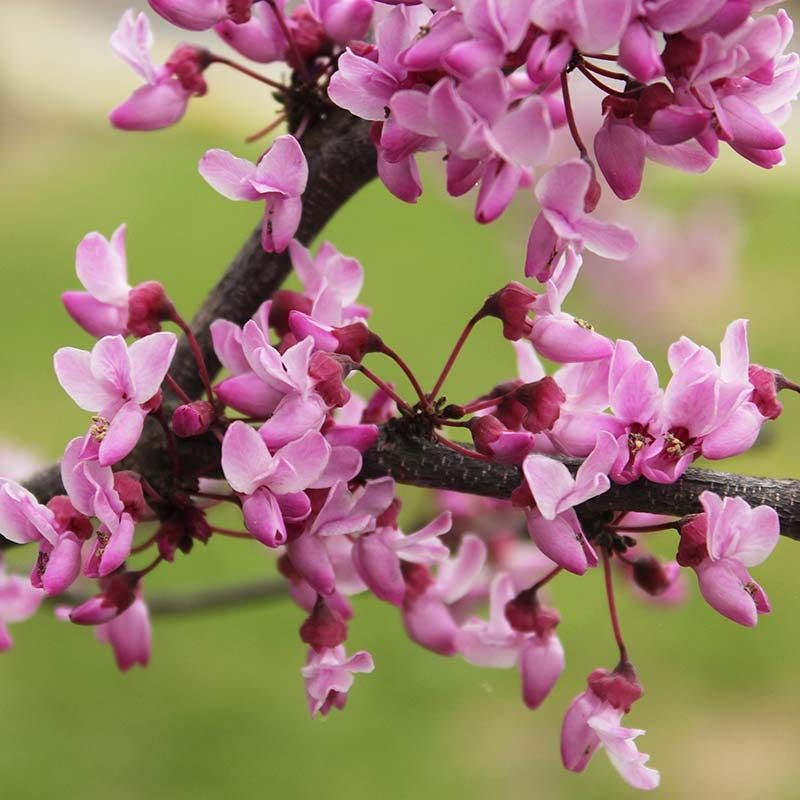
Swapping out Chinese tallow for a native tree is one of the best things a Texas homeowner can do for local wildlife and long-term landscape health.
The good news is that Texas has a fantastic lineup of native trees that offer beauty, shade, and wildlife value without any of the invasive baggage. Matching the right tree to your space and soil type makes all the difference.
Live oak is a classic choice for larger yards. It provides deep shade, supports hundreds of species of native insects, and stays green through most of the year.
Cedar elm handles tough urban conditions well and turns a warm yellow in fall. Texas redbud brings gorgeous pink blooms in early spring and stays a manageable size for smaller lots.
Mexican plum is another spring bloomer with fragrant white flowers and fruit that birds absolutely love.
For wet or low-lying spots, possumhaw holly and yaupon holly are outstanding options. Both produce bright red berries that feed birds through winter, and yaupon is nearly indestructible once established.
American beautyberry is a shrubby option with striking purple berries that songbirds cannot resist come fall. If you already have a Chinese tallow on your property, removing seedlings as soon as they sprout is the most practical first step.
Young seedlings pull out easily by hand after rain. Larger trees may need professional removal, but the effort pays off quickly.
Replacing even one tallow with a native tree adds real value to your yard and to the broader Texas landscape that surrounds it.