The Overlooked Pennsylvania Native Wildflower That Helps Create A Less Rat-Friendly Backyard Garden
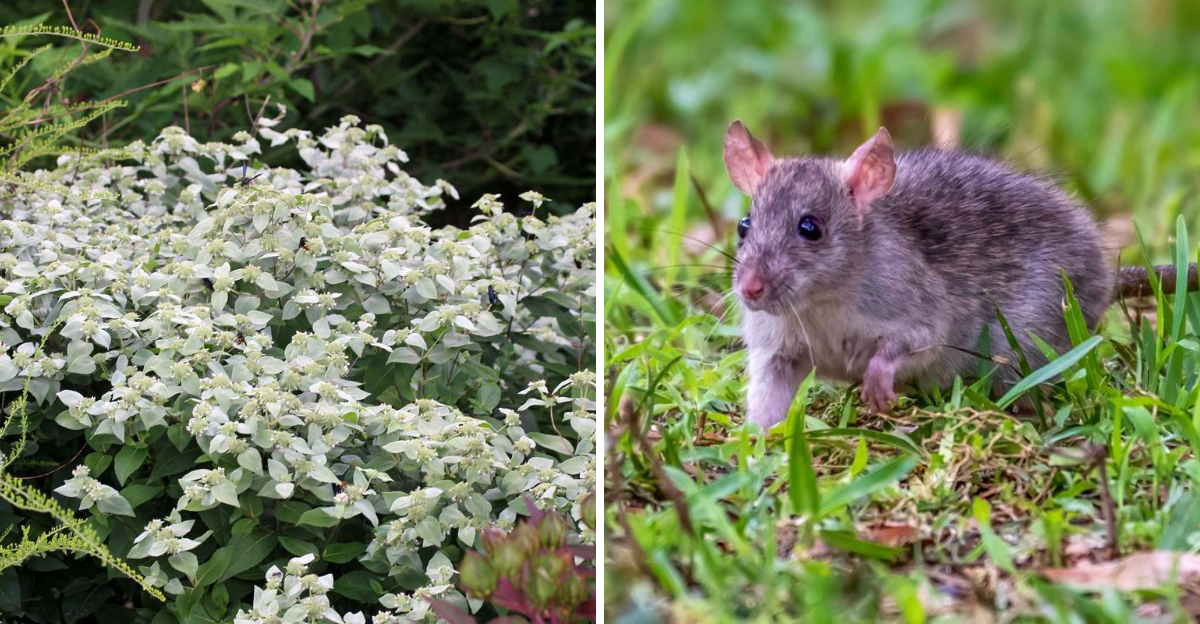
Clustered mountain mint is one of those Pennsylvania natives that tends to fly completely under the radar, which is a shame because it is genuinely doing a lot.
Aromatic minty foliage, cheerful summer blooms that seem to attract every pollinator in a three-yard radius, and a tidy, upright growth habit that makes a sunny border look intentional rather than accidental.
It is a hardworking plant that asks for very little in return. There is also a practical side to this one worth talking about honestly.
No single plant keeps rats away on its own, and anyone telling you otherwise is overselling it.
But a well-maintained native planting like clustered mountain mint, combined with smart garden sanitation habits, can contribute to a cleaner, less cluttered yard environment that is genuinely less welcoming to rodents looking for a comfortable place to settle in.
1. Clustered Mountain Mint Adds Aromatic Foliage
Run your hand along the edge of a clustered mountain mint plant on a warm Pennsylvania afternoon, and you will notice the scent right away. The leaves release a sharp, clean, minty fragrance that feels refreshing in a garden setting.
That aromatic quality is one of the reasons this native wildflower stands out among other border plants.
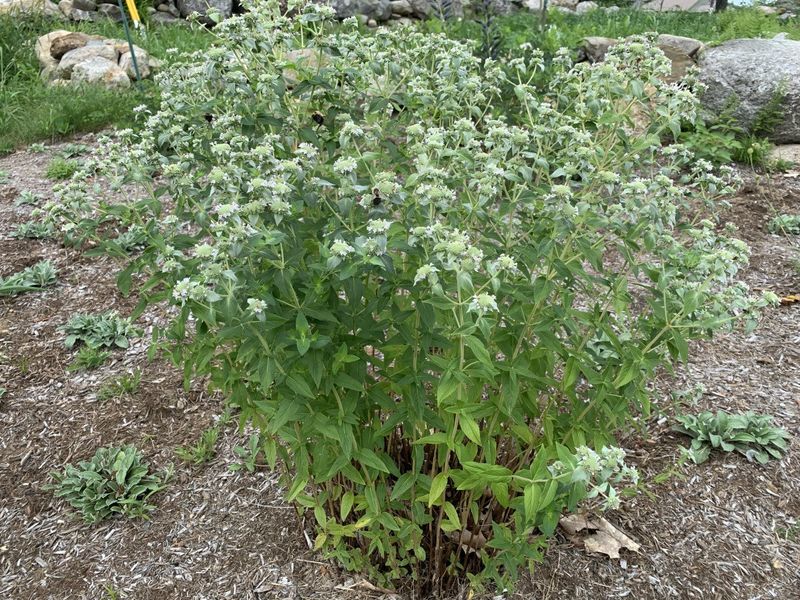
Clustered mountain mint, known botanically as Pycnanthemum muticum, is native to the eastern United States, including Pennsylvania.
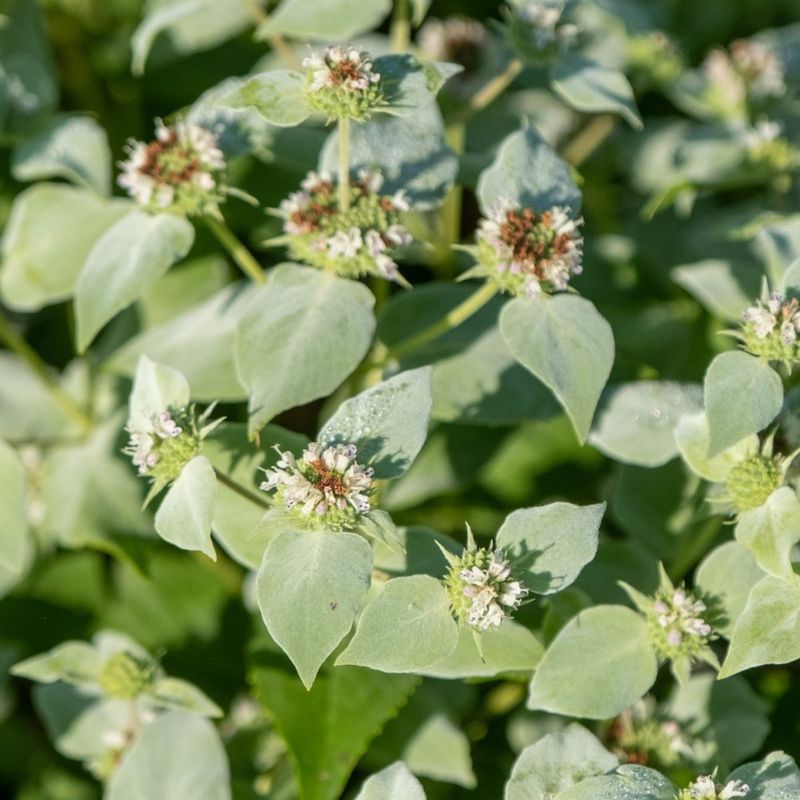
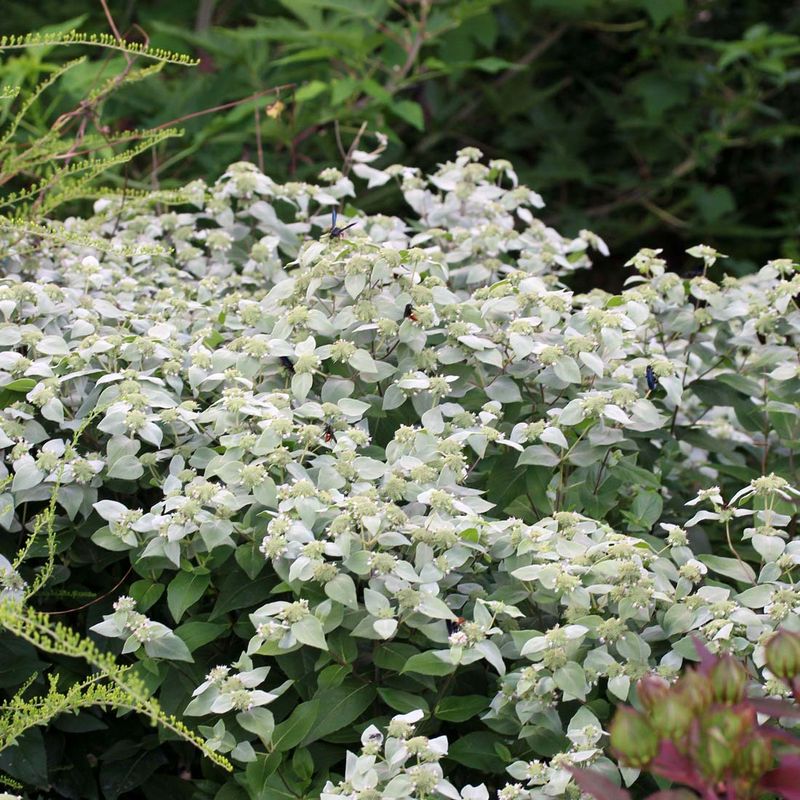
The silvery-green foliage has a slightly dusty appearance near the top of the plant, which gives it a soft, attractive look even before the blooms appear.
It grows in upright clumps and can reach around two to three feet tall by midsummer.
The aromatic foliage is not just pleasant to smell. It makes the plant feel noticeably different from typical garden filler.
When planted along a sunny border or near a garden edge, the minty scent adds a sensory layer that many Pennsylvania gardeners find surprisingly enjoyable. The fragrance comes from natural plant compounds found throughout the leaves and stems.
While the scent is appealing to people and beneficial insects, it does not work as a guaranteed rodent deterrent on its own. The real value of aromatic foliage in a garden setting is the way it signals a thoughtfully maintained space.
A border that smells fresh and looks intentional often reflects a yard that is better kept overall.
2. Minty Leaves Make Garden Edges Feel Cleaner
There is something about a well-defined garden edge that makes an entire backyard feel more organized.
When clustered mountain mint is planted along a border in a Pennsylvania yard, its upright growth habit and silvery foliage create a clean visual line that separates lawn from planting bed.
That sense of order matters more than most gardeners realize.
Minty-smelling leaves have long been associated with freshness, and that association carries over into how a garden feels when you walk through it. A tidy edge planted with clustered mountain mint gives the impression of a yard that is actively cared for.
That impression is not just aesthetic. It reflects real maintenance habits that can reduce conditions rodents find attractive.
Your Pennsylvania Garden Changes Every Week. Your Plan Should Too.
Gardening in Pennsylvania changes quickly throughout the season. Every Friday you’ll receive a simple weekly plan showing exactly what to plant, prune, fertilize, harvest, and protect so you never miss the right timing.
Rats and mice tend to favor edges that offer cover, clutter, and easy access to food. A clearly defined planting bed with low, well-maintained plants like mountain mint removes some of that cover along the border zone.
The plant itself spreads moderately through rhizomes, so it can fill in gaps over time without becoming invasive in most Pennsylvania garden settings.
Keeping garden edges neat, whether with mountain mint or other native plants, is a practical step toward a more intentional yard.
Pair that tidy edge with regular removal of debris, fallen fruit, and leaf piles, and the overall effect on your Pennsylvania backyard becomes noticeably more managed.
A cleaner edge is a small but meaningful part of smarter garden design.
3. Pollinators Flock To The Summer Blooms
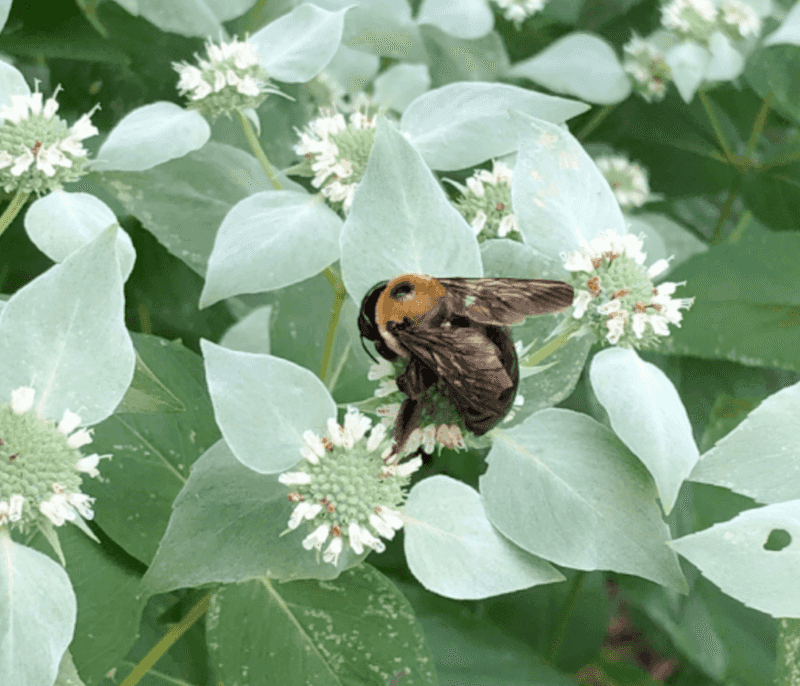
Watch a patch of clustered mountain mint on a sunny July morning in Pennsylvania, and the activity around it can be remarkable.
Bees, butterflies, and other beneficial insects move steadily from bloom to bloom, drawn in by the small but abundant white flower clusters that appear from midsummer through early fall.
Few native plants attract that kind of consistent pollinator traffic.
The blooms of Pycnanthemum muticum are compact and dome-shaped, sitting atop silvery bracts that make them easy to spot from a distance. Native bees, including sweat bees and bumblebees, visit frequently.
Skippers, fritillaries, and other butterfly species are also commonly observed on the flowers throughout the warmer months in Pennsylvania gardens.
Pollinator activity is one of the most talked-about benefits of growing clustered mountain mint, and for good reason.
Supporting native pollinators through intentional planting is one of the most ecologically meaningful things a Pennsylvania homeowner can do in a residential backyard.
The blooms provide nectar and pollen during a period when many other garden plants have already finished flowering.
Beyond the ecological value, a garden buzzing with pollinators signals health and activity. An actively managed pollinator bed also tends to be a well-maintained one.
Regular attention to bloom timing, deadheading, and plant spacing keeps the area open and tended, which naturally reduces the kind of overgrown, neglected conditions that make backyards more hospitable to unwanted wildlife.
4. Dense Planting Helps Reduce Bare Gaps
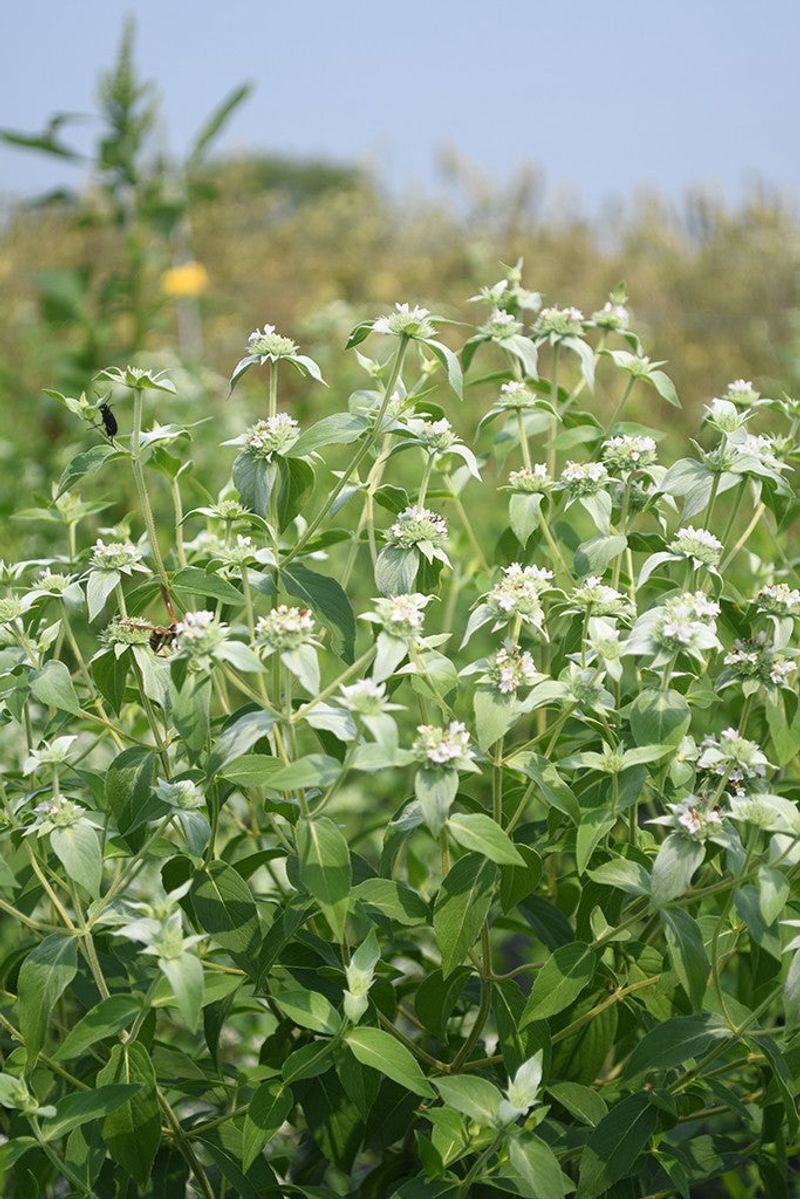
Bare patches of soil along a garden border are more than just an eyesore. Open ground near a fence line, shed, or compost area can become a convenient pathway or resting spot for small animals moving through a Pennsylvania backyard.
Filling those gaps with intentional plantings is a simple way to make a border feel less open and more structured.
Clustered mountain mint spreads gradually through underground rhizomes, which allows it to fill in a planting bed over a few seasons without requiring constant replanting. Once established, it forms a fairly dense stand that covers the soil beneath it.
That kind of ground coverage can make a border less appealing as a travel corridor for animals looking for shelter or food near the edge of a yard.
Dense planting also reduces the amount of bare soil exposed to weed growth, which in turn reduces the need for heavy mulching in some areas.
Thick layers of mulch, while useful for moisture retention, can sometimes provide nesting material or cover for small rodents if left unmanaged near structures.
A well-filled planting bed with established natives like mountain mint can help reduce that risk over time.
For Pennsylvania gardeners working on a sunny border or a naturalized edge near a fence, clustered mountain mint offers a low-maintenance way to fill space with purpose.
It is not a fix-all solution, but a densely planted native border is a more intentional and less gap-prone design choice than leaving soil exposed.
5. Sunny Borders Suit Mountain Mint Best
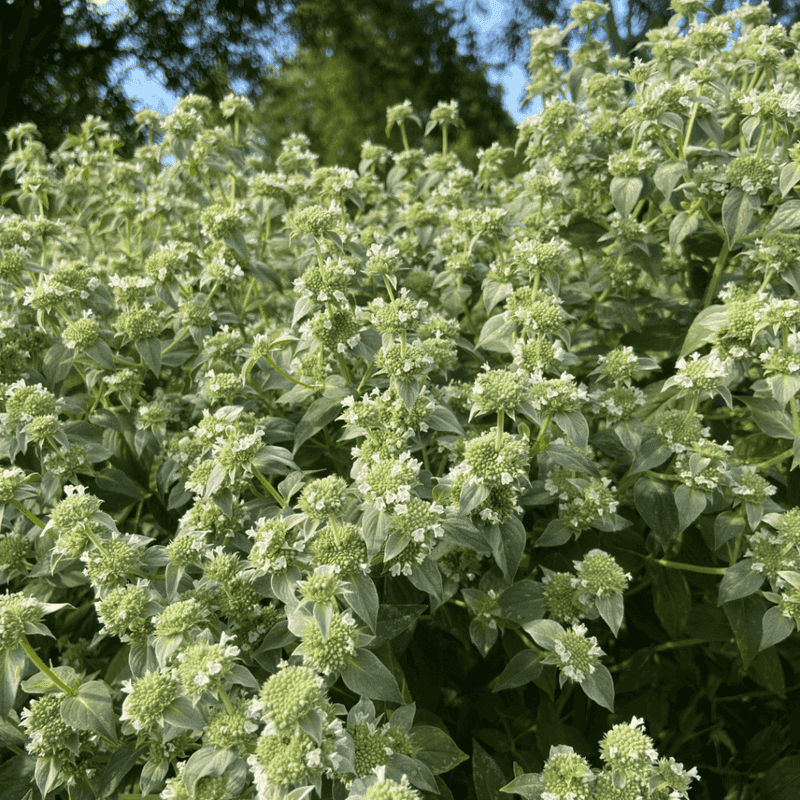
Spend time in a Pennsylvania garden center in spring, and you will find plenty of shade-tolerant natives, but far fewer options that truly thrive in hot, dry, full-sun borders.
Clustered mountain mint is one of the standout choices for those challenging spots.
It prefers full sun and handles moderately dry to average soil conditions with little fuss once established.
Sunny borders along fences, driveways, and south-facing yard edges are exactly the kind of spots where mountain mint performs well. These areas often receive the most heat during summer and can dry out quickly between rain events.
Many ornamental plants struggle in those conditions, but mountain mint tends to stay upright, bloom consistently, and spread steadily without needing extra irrigation in most Pennsylvania summers.
Choosing the right plant for the right location is a foundational principle of low-maintenance gardening. When a plant is well-suited to its spot, it requires less intervention, grows more vigorously, and fills in more reliably.
A thriving mountain mint planting along a sunny Pennsylvania border does more for the garden than a struggling plant placed in the wrong conditions.
Sunny border areas near sheds, patios, and yard perimeters are also worth thinking about from a rodent-aware design standpoint.
Keeping these edges planted, maintained, and clearly defined removes some of the cover that makes those zones attractive to unwanted visitors.
Mountain mint fits that role well while also adding seasonal beauty and pollinator value to the yard.
6. Less Clutter Matters More Than Scent
Stacks of old flowerpots near the shed, a pile of lumber along the fence, and bags of birdseed left open in the garage are far more inviting to rodents than any plant scent is repelling.
Clutter is one of the primary reasons Pennsylvania backyards attract unwanted wildlife, and it is one of the most controllable factors a homeowner can address without spending much money.
Rats look for three things in a habitat: food, water, and cover. Dense clutter near structures provides cover.
Open bags of pet food or birdseed provide food. Standing water in low spots or clogged gutters provides water.
When all three are available within a small area of a Pennsylvania backyard, the conditions become noticeably more attractive to rodents regardless of what is planted nearby.
No plant scent, including the minty fragrance of clustered mountain mint, has been shown to reliably keep rats out of a yard on its own. The aromatic foliage is a pleasant bonus, but it should not be treated as a pest-control strategy.
The more meaningful step is reducing clutter, sealing gaps in structures, and removing easy food access points around the yard.
Pairing a tidy, clutter-free yard with intentional native plantings like mountain mint creates a more cohesive and better-managed outdoor space. The plant contributes to a cleaner, more purposeful garden aesthetic.
But the real rodent-aware work happens when homeowners commit to regular cleanup, organized storage, and consistent removal of anything that offers food or hiding spots near the home.
7. Good Sanitation Keeps Rats Less Comfortable
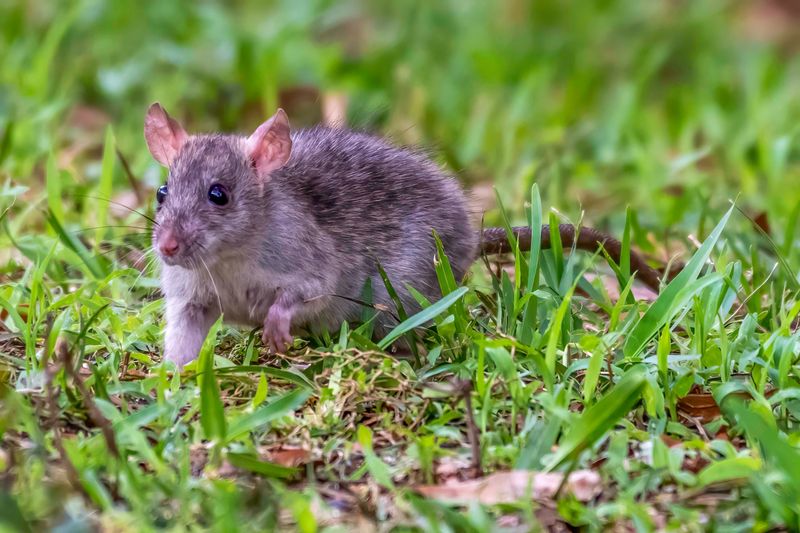
Spilled birdseed beneath a feeder might seem harmless, but it is one of the most common reasons rats become regulars in Pennsylvania backyards.
Seeds that fall to the ground and go uncollected create a reliable food source that draws in small rodents, especially during cooler months when natural food becomes harder to find.
Addressing that one habit alone can make a noticeable difference.
Good sanitation in a backyard garden means more than just keeping the lawn mowed. It includes picking up fallen fruit from trees, not leaving pet food outdoors overnight, keeping compost bins closed and properly managed, and storing birdseed in sealed containers.
These steps do not require expensive products or professional services. They require consistency and a bit of attention to what is happening in the yard.
Open compost piles are another common issue in Pennsylvania residential yards. A compost bin that contains meat scraps, cooked food, or large amounts of grain-based material can attract rodents.
Switching to a closed bin design and limiting what goes into the pile can reduce that draw significantly. Green materials like vegetable peels and yard waste are generally less attractive than cooked or processed food waste.
When sanitation habits improve across the yard, the overall environment becomes less comfortable for rats.
Combined with a tidy, well-planted native border using plants like clustered mountain mint, a Pennsylvania backyard can shift toward a cleaner and less inviting setup for unwanted wildlife.
Sanitation is the foundation that everything else builds on.
8. A Native Wildflower With Real Backyard Value
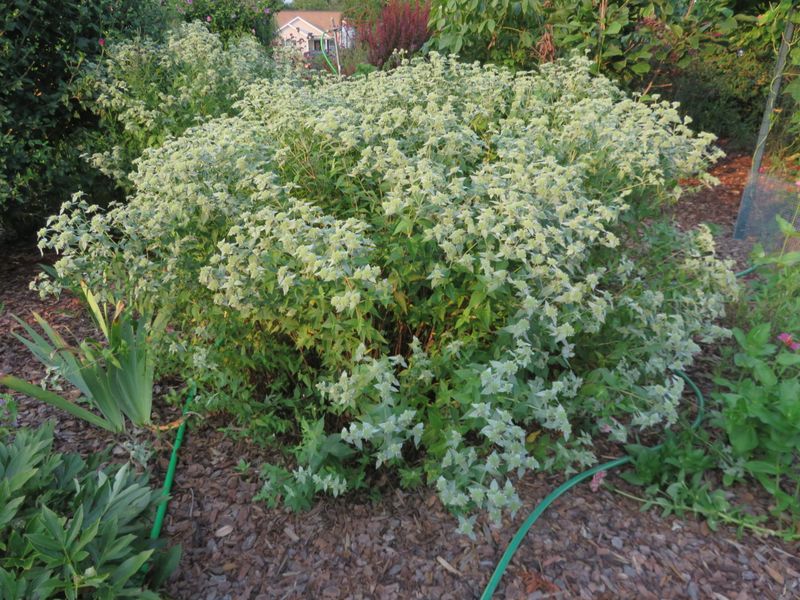
Few native plants offer the combination of low maintenance, pollinator support, aromatic foliage, and adaptability that clustered mountain mint brings to a Pennsylvania garden.
It is not a flashy showstopper like coneflower or black-eyed Susan, but it earns its place in a border through steady performance and ecological usefulness across the growing season.
For Pennsylvania homeowners thinking about native plantings along sunny edges, near patios, or along fence lines, clustered mountain mint is worth serious consideration.
It establishes reasonably well in average soils, tolerates summer heat, and spreads gradually to fill gaps without becoming difficult to manage.
Once it takes hold, it tends to return reliably each year with minimal intervention.
The broader value of growing native wildflowers in Pennsylvania backyards goes beyond any single plant benefit.
Native species support local food webs, provide habitat for pollinators and beneficial insects, and tend to require fewer inputs than non-native ornamentals.
Choosing plants like clustered mountain mint is part of a larger shift toward more ecologically aware residential landscaping.
When combined with good sanitation habits, reduced clutter, sealed food storage, and intentional garden design, a native planting like clustered mountain mint helps contribute to a backyard that feels cleaner, more purposeful, and less hospitable to unwanted visitors.
It will not solve every yard challenge on its own, but as part of a thoughtful Pennsylvania garden plan, it offers genuine and lasting value worth recognizing.