The Watering Habit That’s Quietly Weakening Massachusetts Flower Beds
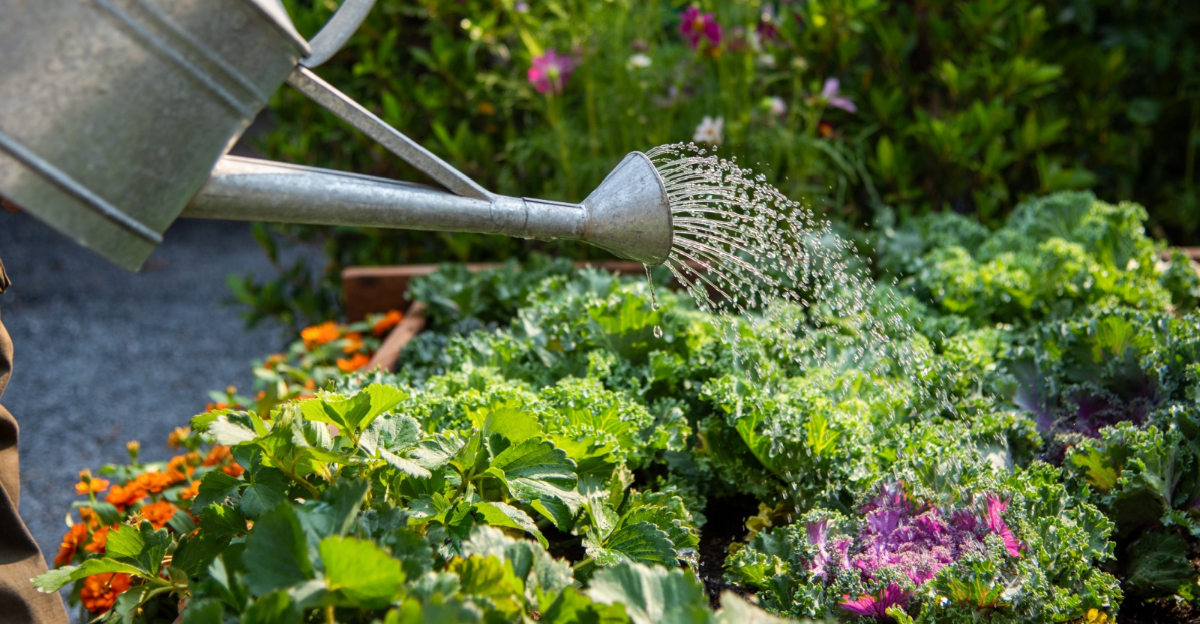
Your hydrangeas look content. The mulch is dark, the leaves are perked up, and you dragged the hose out again this evening because that’s just what good gardeners do.
But underneath that tidy surface, something is going sideways. Every Massachusetts backyard seems to run on the same routine: a quick splash each night, just enough to wet the top inch of soil.
It feels responsible. It looks like care. It is actually leaving your plants vulnerable the moment a real Massachusetts heat wave rolls through.
Roots don’t guess where water might be. They grow toward where it already is. Keep that water sitting near the surface and your roots will stay there too, shallow, exposed, and completely unprepared for drought.
This piece walks through what that daily habit does to your soil, why it tricks even experienced gardeners, and what to do instead before summer makes your beds harder to manage.
The Habit Quietly Weakening Massachusetts Flower Beds
Every morning, the hose comes out. It feels responsible, even loving. But daily shallow sprinkling is the watering habit quietly affecting Massachusetts flower beds from the ground up.
Most gardeners judge watering by what they see on top. The soil looks wet, so the job feels done. But that moisture rarely travels more than an inch below the surface.
Roots chase water wherever it goes. When water stays shallow, roots stay shallow too. That sets up a cycle that is hard to break once it starts.
Shallow roots cannot reach the cooler, moister soil deeper down. When a heat wave rolls through in July, those plants have nowhere to pull from.
They stress fast and wilt hard. The watering habit that is quietly weakening Massachusetts flower beds is not dramatic. It does not look like overwatering or neglect.
It looks exactly like doing everything right. That is what makes it easy to overlook. Gardeners keep doing it because the plants seem okay, at least for a while.
The damage builds slowly, invisibly, season after season. New England summers can shift from rainy to dry conditions fairly quickly. Shallow-rooted beds have less resilience for that kind of swing.
They depend entirely on the gardener showing up daily. Breaking this habit does not require expensive tools or a total garden overhaul.
It starts with understanding what is actually happening underground. Once you see it, you cannot unsee it.
Why Daily Shallow Watering Feels Right But Isn’t
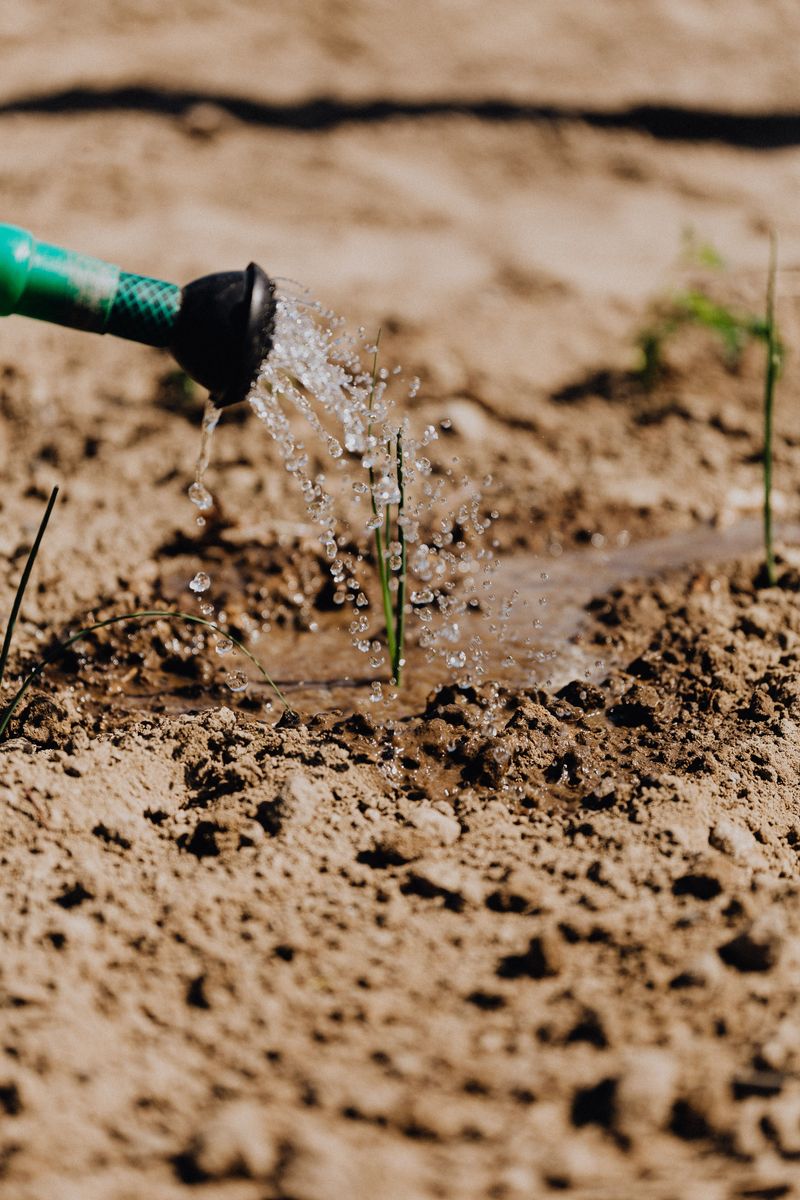
Watering every day sounds like dedication. It feels like the kind of care that grows prize-winning dahlias and lush coneflower borders.
The logic seems airtight: plants need water, so give them water often. But frequency is not the same as effectiveness.
A light sprinkle every morning can actually be less effective than deeper, less frequent watering in the long run. Here is the problem.
When only the top inch of soil gets wet, it evaporates by noon. The plant absorbs almost none of it before it is gone. That daily routine also encourages plant roots to grow toward the surface.
Your Massachusetts Garden Changes Every Week. Your Plan Should Too.
Gardening in Massachusetts changes quickly throughout the season. Every Friday you’ll receive a simple weekly plan showing exactly what to plant, prune, fertilize, harvest, and protect so you never miss the right timing.
Over weeks, they grow upward and outward, hugging the top layer of soil. That is the opposite of what you want. Many drought-resistant perennials develop roots that reach six to twelve inches deep, depending on the species.
They find moisture stored in lower soil layers during dry spells. Shallow-watered plants simply do not build those roots.
New England gardeners often feel guilty skipping a day. That guilt is actually a sign the plants have become dependent on the habit.
Healthy plants should handle a missed day without drama. The emotional pull of daily watering is real.
It becomes a ritual, a way to connect with the garden each morning. But rituals can cause harm when they are built on faulty assumptions. Rethinking this habit is not about watering less.
It is about watering smarter. Your flower beds will reward the shift almost immediately. One more note for dahlia growers: these plants aren’t winter-hardy in Massachusetts.
They’re typically grown as annuals or dug up and stored indoors over winter, which makes getting their watering right during the growing season even more important.
How Shallow Roots Set Beds Up To Struggle
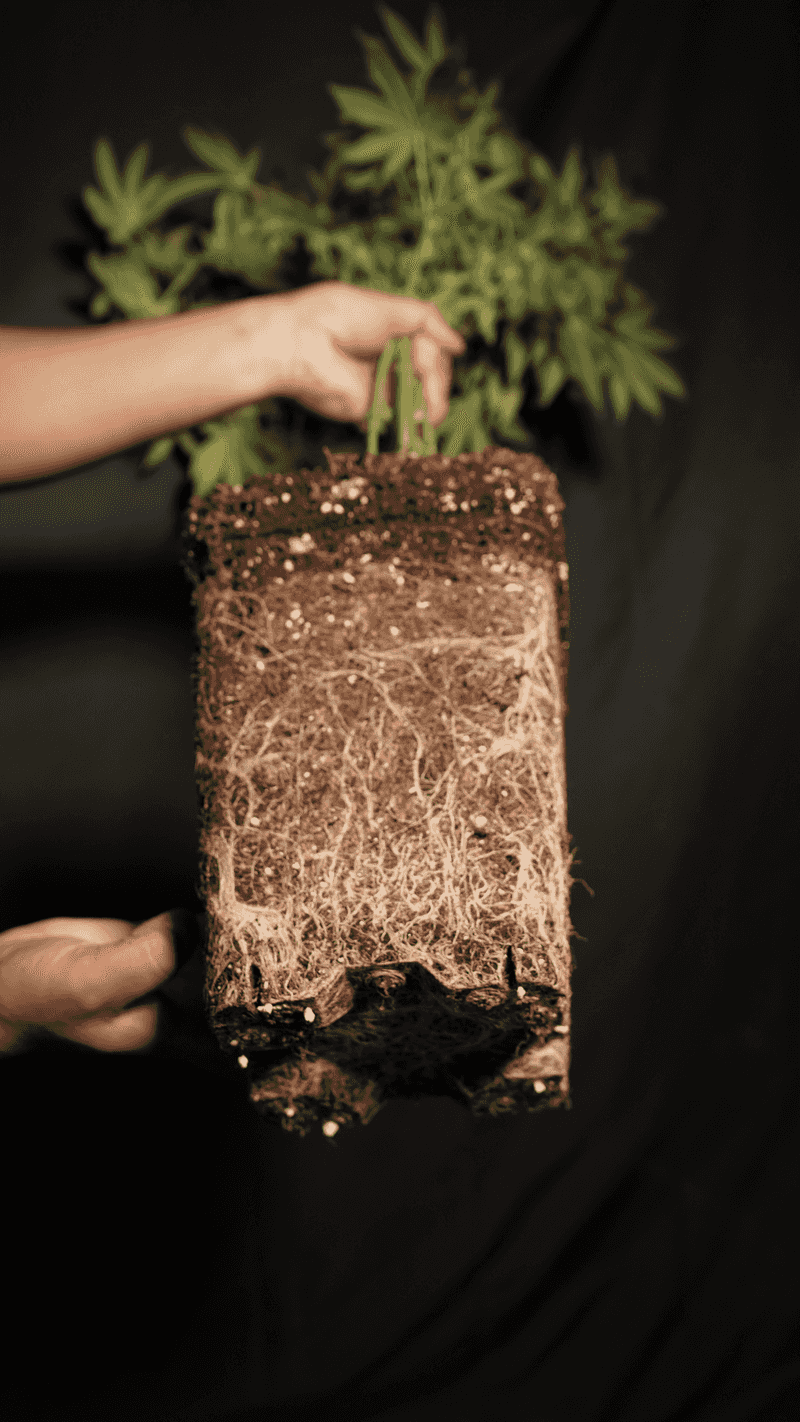
Picture a tree in a windstorm. The ones that fall are always the ones with weak, surface-level roots. Flower beds work the same way, just on a smaller and slower scale.
Shallow roots are fragile by design. They sit in the zone most affected by heat, cold, foot traffic, and soil compaction. That zone is also the first to dry out.
When summer temperatures climb into the 90s, the top two inches of soil can lose moisture within hours. Shallow-rooted plants feel that loss immediately and show it fast.
Wilting, yellowing leaves, and drooping stems are all signs of root stress. Many gardeners respond by watering more often. That actually makes the problem worse, not better.
Roots also anchor plants physically. Shallow roots mean less grip in the soil. Heavy rain, wind, or even a curious squirrel can uproot a plant that never built a strong base.
Soil structure matters here too. Deep roots help break up compacted layers and allow air and water to move through more freely. Shallow roots do none of that work.
Over multiple seasons, beds watered lightly every day tend to become harder and more compacted on top. Water runs off instead of soaking in.
The cycle of shallow watering deepens. Fixing shallow roots takes patience, but it is absolutely possible. The key is giving roots a reason to grow downward.
That reason is water placed where you want the roots to go.
The Soil Test That Reveals What’s Really Happening

You do not need a lab or expensive equipment for this one. The most revealing test in gardening fits in the palm of your hand, and it takes about thirty seconds.
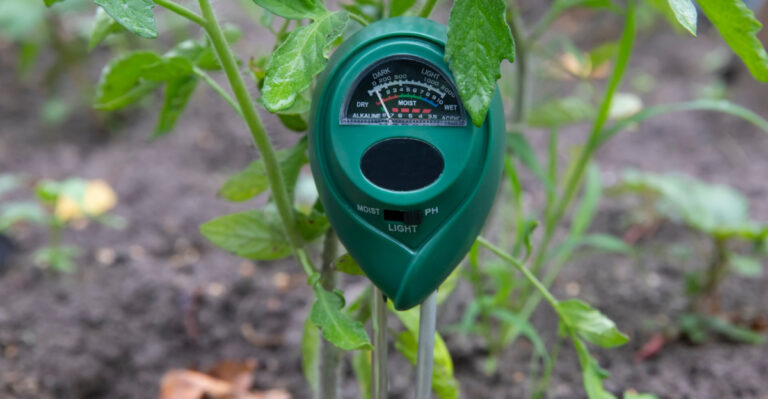
After your usual morning watering session, wait fifteen minutes. Then push your finger or a wooden dowel straight down into the soil near your plants.
If moisture stops at one inch or less, your watering habit is not reaching the root zone. Many common flower species generally need water reaching at least two to four inches to support healthy root function, though exact needs vary by plant.
Try this test in a few spots across the bed. Dry soil underneath wet surface soil is a clear signal that the watering habit quietly weakening Massachusetts flower beds is active in your yard.
A screwdriver works great for this too. Push it into moist soil and it slides easily. Push it into dry, compacted soil and you will feel real resistance before you hit two inches.
This test changes how gardeners see their work. Suddenly, the hose routine that felt thorough looks completely different.
The gap between what you thought was happening and what is actually happening can be surprising.
Repeat this test after your first deep watering session and compare the results. You will likely find moisture reaching four to six inches down.
That difference is what healthy roots feel like. Knowledge is the turning point here. Once you know what the soil is actually doing, you can water with purpose instead of habit.
What Deep, Infrequent Watering Does Differently
Slow and deep changes everything. When water soaks six inches into the soil, roots follow it there. That is not a theory. That is plant biology working exactly as intended.
Deep watering encourages roots to grow downward toward stable moisture. Those deeper soil layers hold water longer, shielded from surface heat and evaporation. Plants tapping into that zone are far more resilient.
The difference shows up fast. Many gardeners notice stronger stems and less wilting within weeks of switching to deep, infrequent watering. The beds start looking more confident.
Infrequent means watering two or three times a week instead of every day. That schedule lets the top inch of soil dry out between sessions, which discourages fungal growth and pests.
Soaker hoses and drip irrigation are the gold standard for deep watering, delivering water slowly at the base of plants so it sinks rather than runs off. Even a regular hose works well with patience. Hold it at the base of each plant and count to twenty before moving on.
Coneflowers and black-eyed Susans, common in New England beds, respond especially well to this method. They evolved to handle dry spells followed by soaking rain, making deep watering a natural fit for how they grow.
One exception: hostas prefer consistently moist soil and benefit more from steady moisture than drying out between waterings.
This method suits them less than it suits coneflowers or black-eyed Susans. For most other perennials, though, deep watering is less work, with far better results overall.
Simple Steps To Fix Your Watering Routine
Changing a watering habit feels harder than it is. The actual steps are simple, and most gardeners start seeing results within one week of making the switch.
Start here. First, stop watering every day. That is the whole foundation of the fix. Skipping a day is not neglect. It is strategy.
Second, when you do water, go slow and go long. Spend at least two minutes soaking each section of your bed. Let the water pool slightly and soak in before moving forward.
Third, water in the morning. Morning watering gives moisture time to reach deep roots before afternoon heat kicks in. Evening watering leaves foliage wet overnight and invites fungal problems.
Fourth, add a layer of mulch two to three inches thick around your plants. Mulch slows evaporation dramatically and keeps deeper soil cool and moist between watering sessions.
It is one of the best tools you have. Fifth, use the finger test every time you think about grabbing the hose. If the soil feels moist below the surface, skip the watering that day.
Trust the test over the schedule. Sixth, invest in a simple hose timer. Timers remove the guesswork and the guilt. Set it for longer sessions every two to three days and let the system do the thinking.
The watering habit that is quietly weakening Massachusetts flower beds is fixable right now. Small, consistent changes in how you water will build stronger, deeper roots and more beautiful beds all season long.
Signs Your Flower Bed Is Already Under Stress
Some flower beds are already sending signals. The signs are easy to miss because they look like normal summer stress.
But they are actually the signs of shallow watering. Wilting in the morning is the biggest red flag. Afternoon wilting can be normal on a hot day.
Morning wilting means the plant could not recover overnight, which points to root stress. Yellowing lower leaves are another clue.
When roots cannot pull enough moisture, the plant sacrifices older leaves first. It is a stress response, and it is not a good sign.
Stunted growth mid-season is also telling. Plants that started strong in May but stopped growing by July are often stuck in a shallow root loop. They are holding on, not thriving.
Powdery mildew and other fungal issues show up more often in shallow-watered beds too. Wet surface soil that dries and rewets daily creates the perfect conditions for fungal spores to spread.
Soil that cracks or pulls away from plant stems after a dry day is another warning. Healthy, deeply watered soil stays more stable. Shallow-watered soil swings between soggy and cracked fast.
Weeds also love shallow watering. Many common weeds have short, aggressive surface roots that thrive on the exact conditions your habit creates. More frequent shallow watering means more weeds competing with your flowers.
Spotting these signs early gives you the chance to course-correct before the season is lost. The beds that look worst right now often bounce back the fastest with a smarter approach.