North Carolina Vegetables That Look Fine In July But Are Already Setting Up For A Failed August
Some of the most discouraging moments in a North Carolina vegetable garden happen in August, when plants that looked perfectly healthy just weeks earlier suddenly decline faster than anything can be done to stop it. That decline rarely starts in August.
It builds quietly through July in ways that are easy to miss because the plants above ground show no obvious signs of trouble while conditions below the surface or within the plant’s internal systems are already moving in the wrong direction.
Knowing which North Carolina vegetables are prone to this pattern, and their early, invisible warning signs, allows gardeners to intervene before irreversible August damage hits.
1. Tomatoes
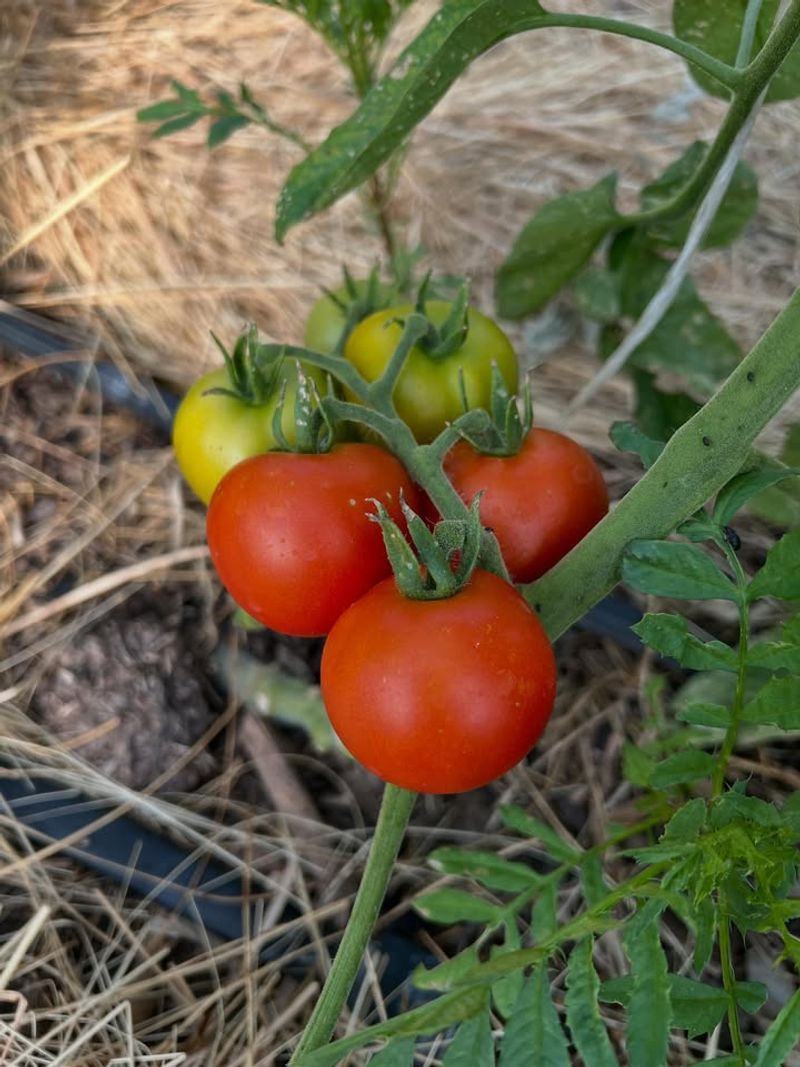
Tomatoes are one of the most rewarding vegetables you can grow in North Carolina, but they are also one of the easiest to lose before you realize trouble has started. A plant that looks full and green in July may already be struggling underneath all those leaves.
Uneven watering causes blossom end rot, where the bottom of the fruit turns dark and sunken before it even ripens.
Too much nitrogen fertilizer pushes heavy leaf growth but weakens fruit production. Heat stress during the hottest weeks of July causes flowers to drop before they can set fruit, which means fewer tomatoes in August than you expected.
Early signs of leaf diseases like early blight often start on the lowest leaves, and most gardeners miss them until the problem spreads up the plant.
Fruit pests like stink bugs and tomato fruitworms can start feeding on young green tomatoes long before you notice the damage. Water at the soil level rather than overhead to keep leaves dry, and add a thick layer of mulch to hold moisture steady.
Pull off any lower leaves that touch the soil, avoid heavy feeding in midsummer, and check your young fruit and lower leaves every few days to stay ahead of problems before August arrives.
2. Cucumbers
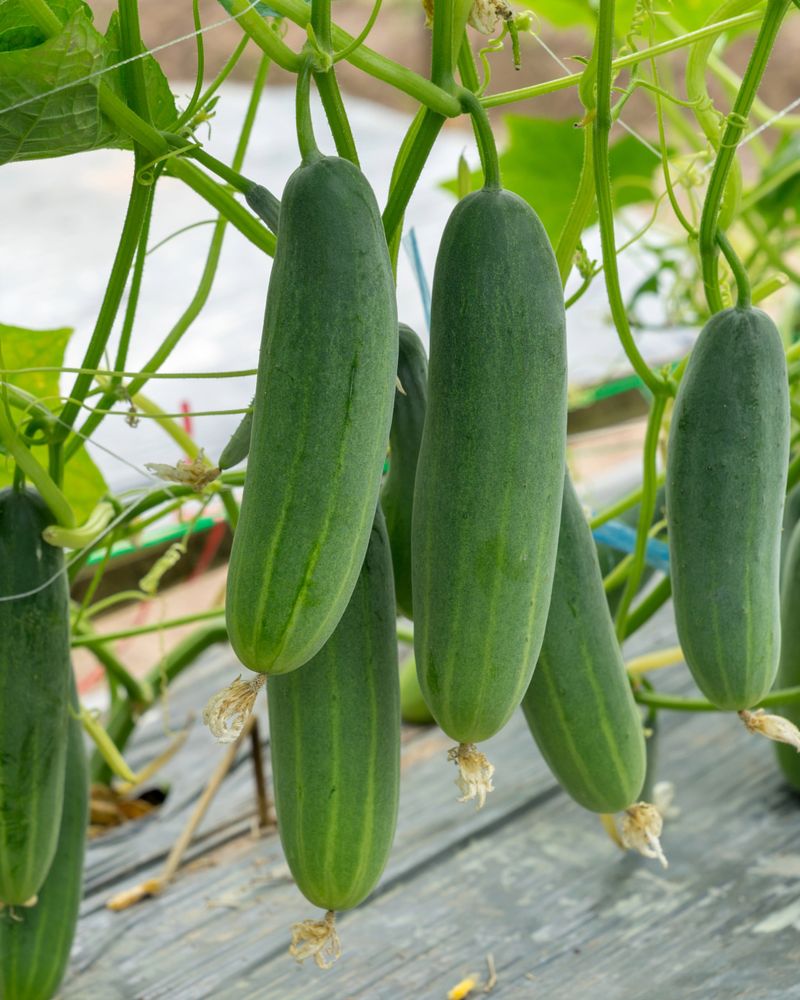
Few things are more satisfying than pulling a crisp cucumber off the vine on a hot summer morning. But cucumber vines in North Carolina have a reputation for looking perfectly healthy in July while quietly falling apart by mid-August.
Cucumber beetles are one of the biggest reasons, and they do more than just chew leaves. They spread bacterial wilt, a disease that blocks water movement inside the plant and causes vines to collapse fast.
Cucumber mosaic virus is another problem that spreads through aphids, causing leaves to mottle and fruit to become misshapen and bitter. Crowded vines trap humidity and make disease spread faster, so good spacing really matters.
Irregular watering causes fruit to taste bitter or develop hollow centers, which is frustrating after all that waiting.
One mistake many gardeners make is leaving oversized cucumbers on the vine. When cucumbers grow too large, the plant slows down and stops pushing out new fruit.
Harvest every single day or every other day during peak season to keep production going strong.
Keep vines picked clean, water steadily at the base of the plant, and walk your rows often to check stems and leaves for early signs of beetles, wilting, or unusual spotting before August heat turns small problems into big ones.
Your North Carolina Garden Changes Every Week. Your Plan Should Too.
Gardening in North Carolina changes quickly throughout the season. Every Friday you’ll receive a simple weekly plan showing exactly what to plant, prune, fertilize, harvest, and protect so you never miss the right timing.
3. Summer Squash
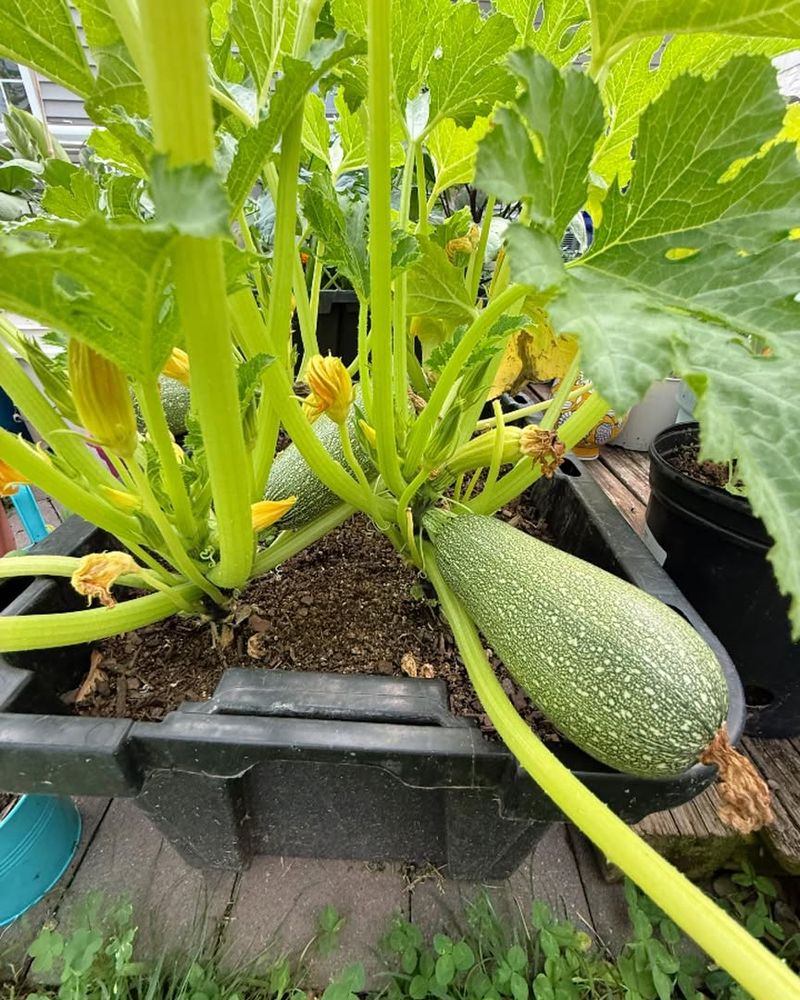
Summer squash is one of those vegetables that fools you completely. The plants look enormous and unstoppable in July, with broad leaves shading the ground and fruit coming in fast.
What you cannot easily see is what may already be happening at the base of the plant. Squash vine borers lay their eggs on stems near the soil line, and by the time you notice wilting, the larvae are already tunneling inside.
Squash bugs are another sneaky threat. They cluster in groups under large leaves and along stems, sucking the life out of plants while staying completely hidden from a quick glance.
Their bronze-colored egg clusters on leaf undersides are easy to miss unless you make a habit of flipping leaves regularly. Powdery mildew starts as small white patches on older leaves and spreads quickly when airflow is poor.
Missed harvests make everything worse. When summer squash grows too large, the plant puts energy into those oversized fruits instead of making new ones.
Pick young squash frequently, even if you cannot use them all, because keeping the plant producing is the goal.
Space plants well for good airflow, inspect stems and leaf undersides at least twice a week, and remove any squash that got away from you before it signals the plant to slow down heading into August.
4. Zucchini
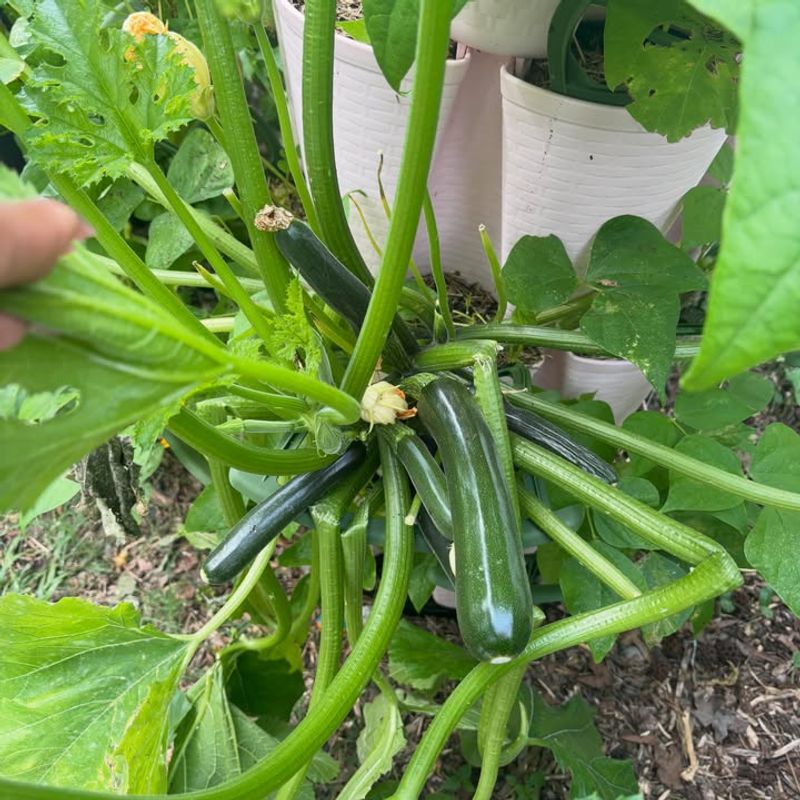
Zucchini has a reputation for producing so much fruit that gardeners joke about leaving bags of it on neighbors’ porches. But even the most productive zucchini plant can slow down dramatically by August if the right problems go unchecked in July.
Squash vine borers are the number one threat, and they work silently. You might see a small hole or some sawdust-like frass near the base of the stem before the plant suddenly wilts on a warm afternoon.
Squash bugs pile on top of that, hiding under the wide leaves and draining plant energy through feeding. Powdery mildew coats the leaves in a white dusty film, reducing the plant’s ability to capture sunlight and push out new fruit.
When mildew takes over a large portion of the leaf surface, production drops noticeably within a couple of weeks.
Here is something many gardeners overlook: leaving large zucchini on the plant is one of the fastest ways to slow down new production. The plant treats an oversized fruit as a success and eases off making new ones.
Harvest zucchini when they are small, around six to eight inches long, for the best flavor and the strongest continued output.
Check the base of the plant every couple of days, water the soil rather than the leaves, and stay consistent so August stays productive instead of disappointing.
5. Peppers
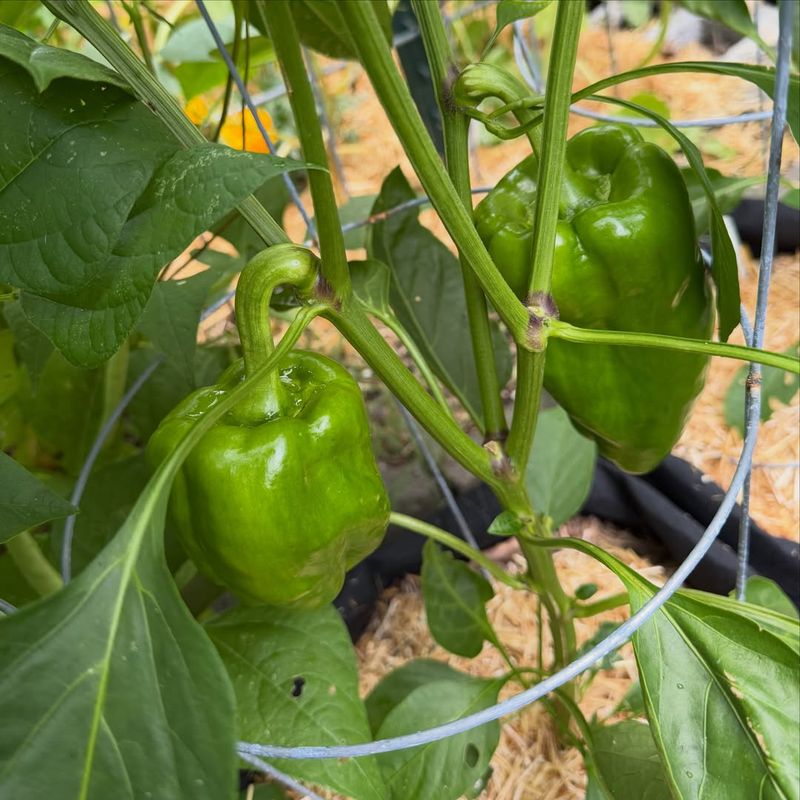
Pepper plants are surprisingly quiet about their problems. They stand upright, hold their leaves, and look perfectly fine on the surface while heat, inconsistent moisture, and pest pressure are already affecting what August flowers and fruit will look like.
North Carolina summers push peppers hard, and the hottest stretch of July is when things can quietly go sideways.
Aphids cluster on new growth and leaf undersides, sucking out plant sap and leaving behind a sticky residue that attracts mold.
Spider mites thrive in hot, dry conditions and cause tiny yellow speckles across the leaf surface, which is easy to miss until the damage is widespread.
Overfeeding with nitrogen-heavy fertilizer pushes lots of leafy growth but reduces flowering, which means fewer peppers when you want them most.
Inconsistent watering causes blossom drop and a condition called blossom end rot, similar to what tomatoes face. Peppers need deep, steady moisture at the roots, not surface splashes.
Mulch around the base of each plant to keep soil temperature down and hold moisture in longer. Support any branches that are heavy with fruit so they do not snap in summer storms.
Make it a habit to check new growth and leaf undersides at least twice a week, because catching aphids or mites early makes all the difference between a strong August harvest and a weak one.
6. Eggplant
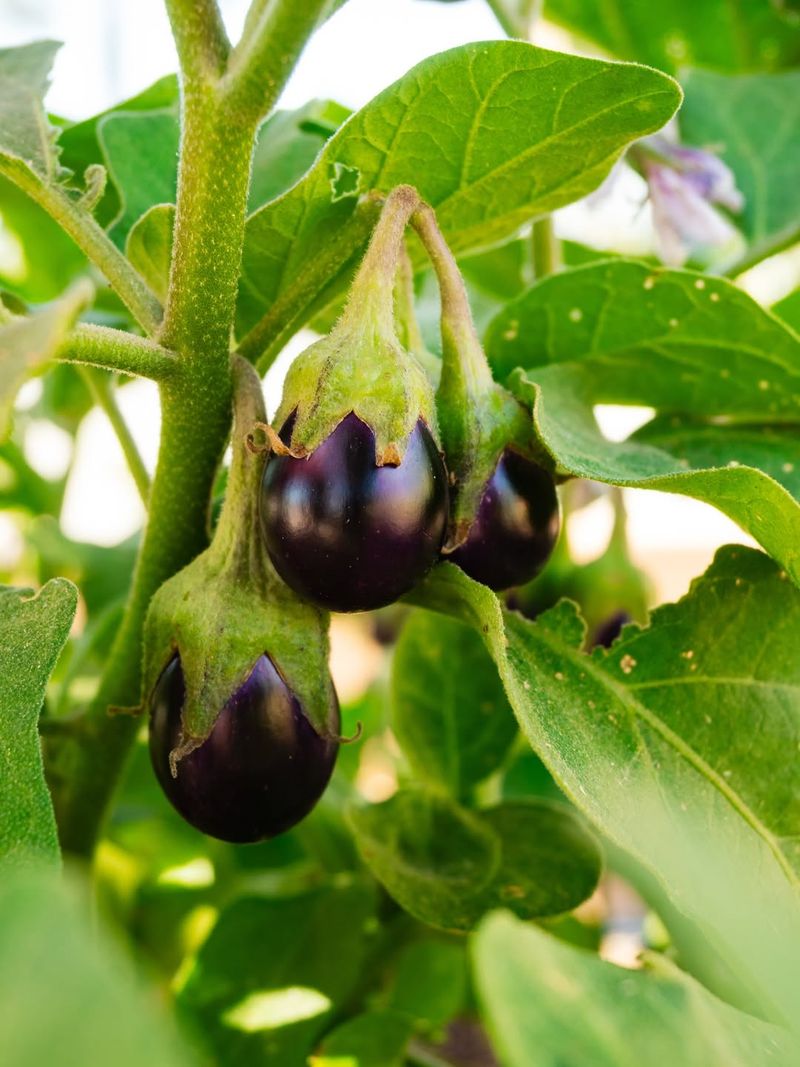
Eggplant is one of those vegetables that looks bold and beautiful in the garden, with its glossy purple fruit and broad dark leaves catching the eye from across the yard. But look closer at those leaves in July and you might find something troubling.
Flea beetles punch tiny holes through the leaf surface, leaving what looks like the leaf was hit with a fine spray of buckshot. At first, a few holes seem harmless enough.
The problem is that flea beetle damage adds up quickly, especially on plants that are already stressed from heat or dry soil.
Lace bugs are another pest that feeds on eggplant leaves, leaving them looking bleached and papery on top while the undersides are dotted with dark specks.
Spider mites love the hot, dry conditions that July brings and can weaken plants significantly before August even begins.
Dry soil speeds up all of these problems because a stressed plant cannot recover as well from pest feeding. Keeping moisture steady is one of the most important things you can do for eggplant in midsummer.
Control weeds around the base of the plant since they compete for water and nutrients. Inspect leaves regularly, both top and bottom, and protect young transplants with row cover early in the season.
Catching flea beetles and mites while populations are still small keeps your eggplant productive well into late summer.
7. Okra
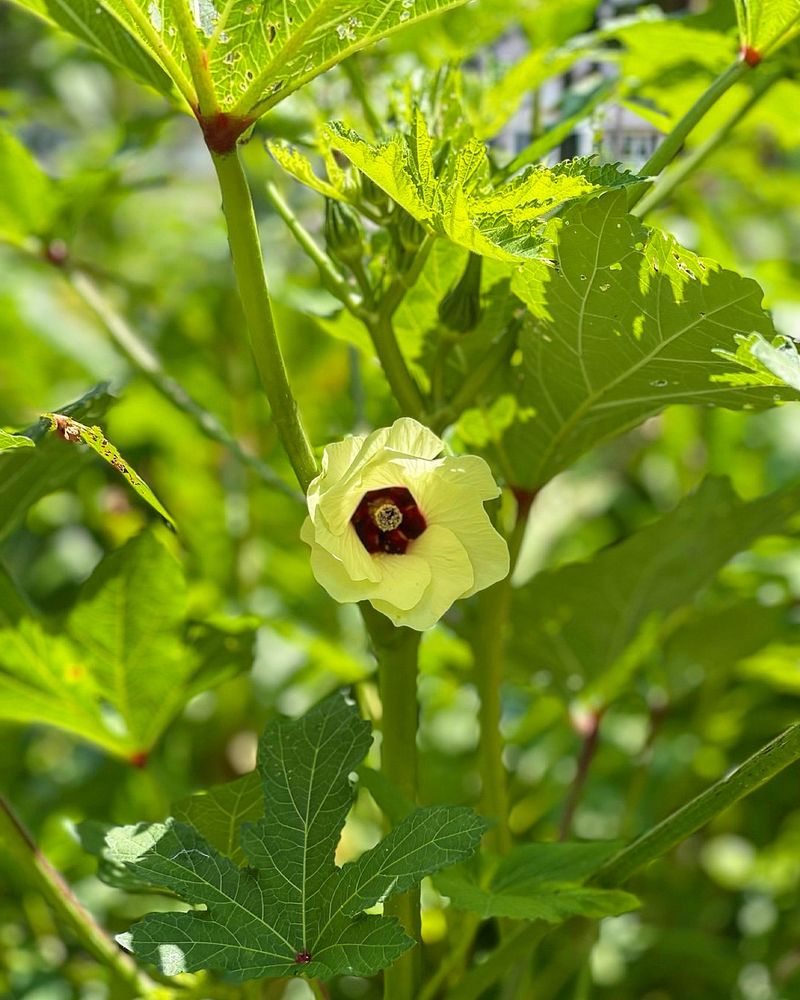
Okra is one of the toughest vegetables you can grow in a North Carolina summer. It handles heat better than almost anything else in the garden, keeps flowering through the hottest weeks, and rarely shows obvious distress.
That toughness is exactly what makes okra tricky, because the most common way gardeners set up a poor August harvest has nothing to do with disease or pests at all.
It comes down to the pods. Okra grows fast, sometimes adding an inch or more in a single day during peak summer heat.
When pods are left on the plant too long, they turn woody, fibrous, and too tough to enjoy at the table. More importantly, those oversized pods signal the plant to slow down flowering and focus energy on seed production instead of making new pods.
Checking okra every single day during peak growing season is not an exaggeration. Every other day is the absolute minimum if you want to stay ahead of the harvest.
Remove any pod that has grown past its ideal size, usually around three to four inches for most varieties, even if you cannot use it right away. Leaving large pods on the plant is one of the fastest ways to reduce your August yield.
Stay consistent with harvesting, keep the plant watered during dry spells, and okra will reward you generously all the way through summer.
8. Green Beans
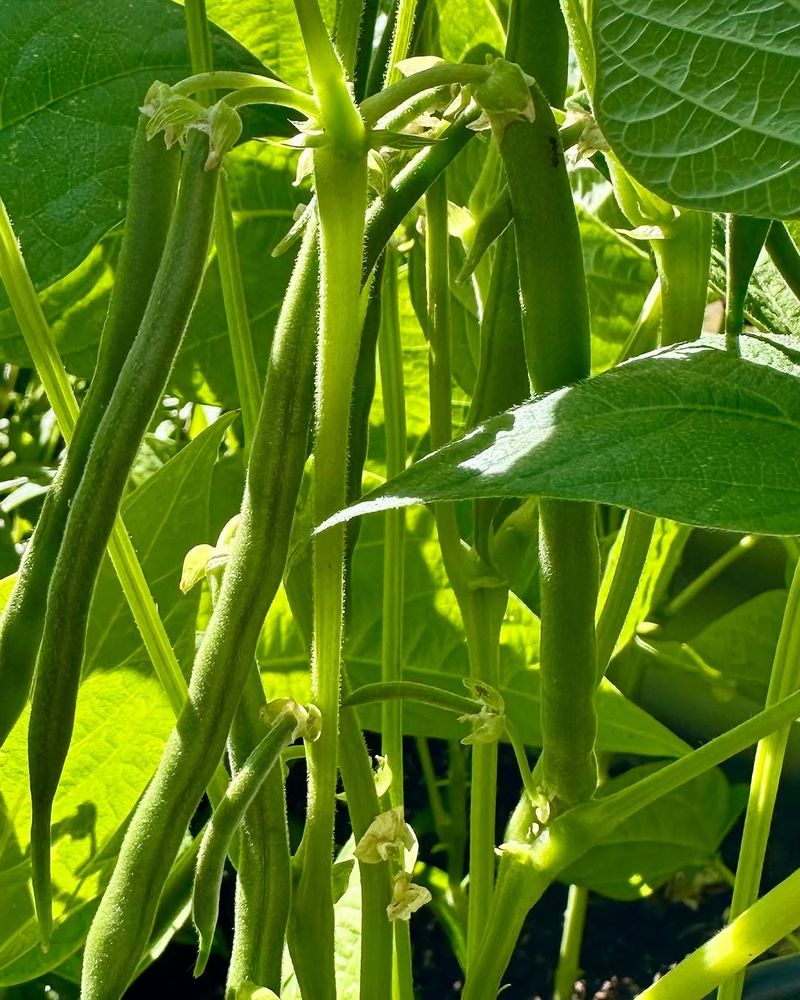
Green beans have a reputation for being one of the easier vegetables to grow, and in many ways that reputation is earned. They come up fast, produce quickly, and do not demand a lot of fuss.
But in North Carolina, July brings a combination of heat, humidity, and pest pressure that can quietly set up a disappointing August for gardeners who are not paying close attention to what is happening between the rows.
Spider mites thrive in hot and dry conditions, leaving tiny yellow or white speckles across the leaf surface in a pattern called stippling. Mexican bean beetles chew through leaves and pods, reducing both the look and yield of the planting.
Weeds are another underestimated problem. NC State Extension notes that weeds compete directly with vegetable crops for water, nutrients, and light, and in mid-summer that competition can be intense.
Irregular watering causes pods to become tough and stringy before you even get a chance to pick them. Pods left on the vine too long do the same thing, signaling the plant to slow down production rather than push out a new flush.
Keep the bed as weed-free as possible, water evenly and consistently at the soil level, and pick pods while they are still slender and tender.
Walk your rows every couple of days and check leaves for stippling, chewing damage, or yellowing to catch problems early.
9. Southern Peas
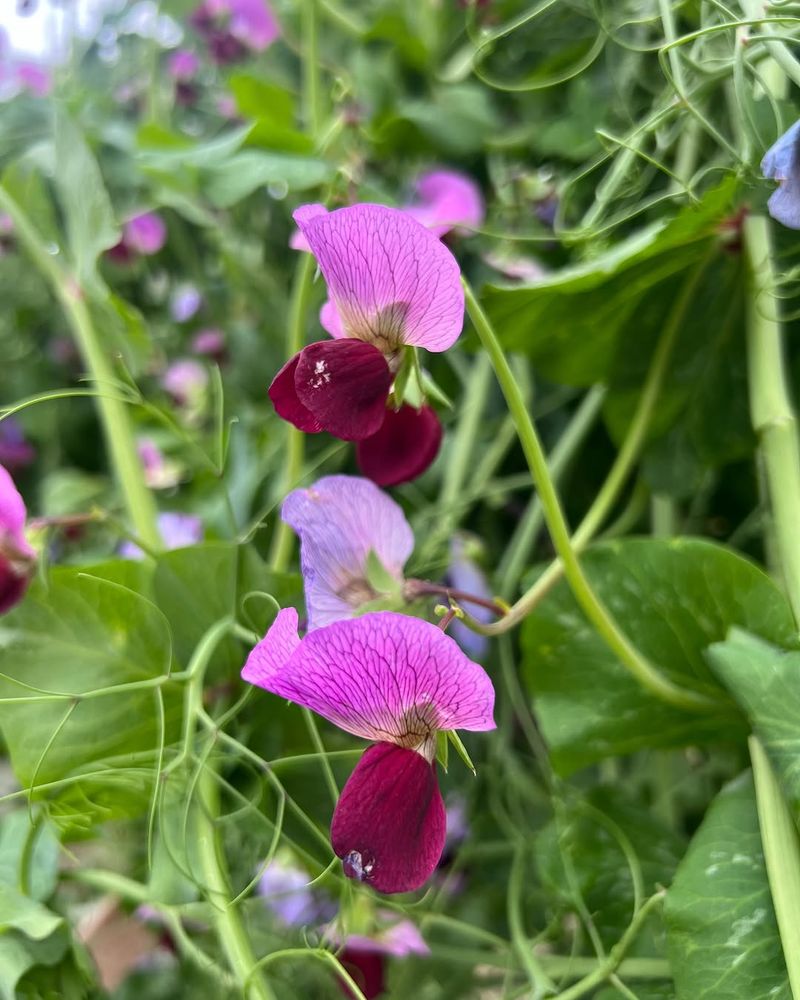
Southern peas, including varieties like crowder peas, black-eyed peas, and zipper creams, are a true staple of North Carolina summer gardens. They handle heat well, fix nitrogen in the soil, and produce a reliable harvest when conditions cooperate.
But looking strong in July does not always mean August will go smoothly. Some of the most damaging problems are already at work before the pods even fill out.
Stink bugs and leaf-footed bugs are the biggest threats to southern peas. They pierce pods and feed on developing seeds, leaving behind shriveled or discolored peas that look fine on the outside but are ruined inside.
By the time you open the pods at harvest and find the damage, those bugs have already moved on to the next round of pods. Checking the undersides of leaves and the pods themselves regularly is the only way to catch them early.
Weeds compete aggressively with southern peas for water and nutrients, and a weedy bed in July means a stressed planting by August.
Dry soil compounds everything, reducing pod fill and making plants more vulnerable to pest feeding. Keep the bed open, weed-free, and well-watered during dry stretches.
Harvest pods at the right stage for your variety, whether that is fresh shell stage or fully dry, because leaving pods too long signals the plant to stop producing and shifts all its energy toward finishing those seeds instead.