Oregon Gardeners, This Simple Spent-Flower Trimming Trick Keeps Blooms Going All Summer
Oregon flowers can be a little dramatic in summer. Give them sunshine, water, and a prime spot in the garden, and they will still start looking tired the second spent blooms pile up.
That is where a simple deadheading trick saves the day. Instead of just pinching off the sad, crispy petals, trim the faded flower stem back to a healthy set of leaves or a new bud.
It is a tiny move with big “keep the show going” energy. Many annuals and perennials take the hint and push out fresh blooms instead of wasting strength on seed production.
Petunias, dahlias, cosmos, zinnias, salvia, coreopsis, and many Oregon garden favorites can all benefit. The best part?
You do not need fancy tools or a full garden makeover. Just a few smart snips can keep your beds looking brighter, fuller, and way less like summer already won.
1. The Trick Is Cutting Below The Spent Bloom
Most people make one simple mistake when they try to deadhead their flowers. They snap off just the bloom itself and leave a long, bare stem sticking up.
That bare stem does nothing for the plant. It just sits there looking untidy while the plant wastes energy trying to figure out what to do with it.
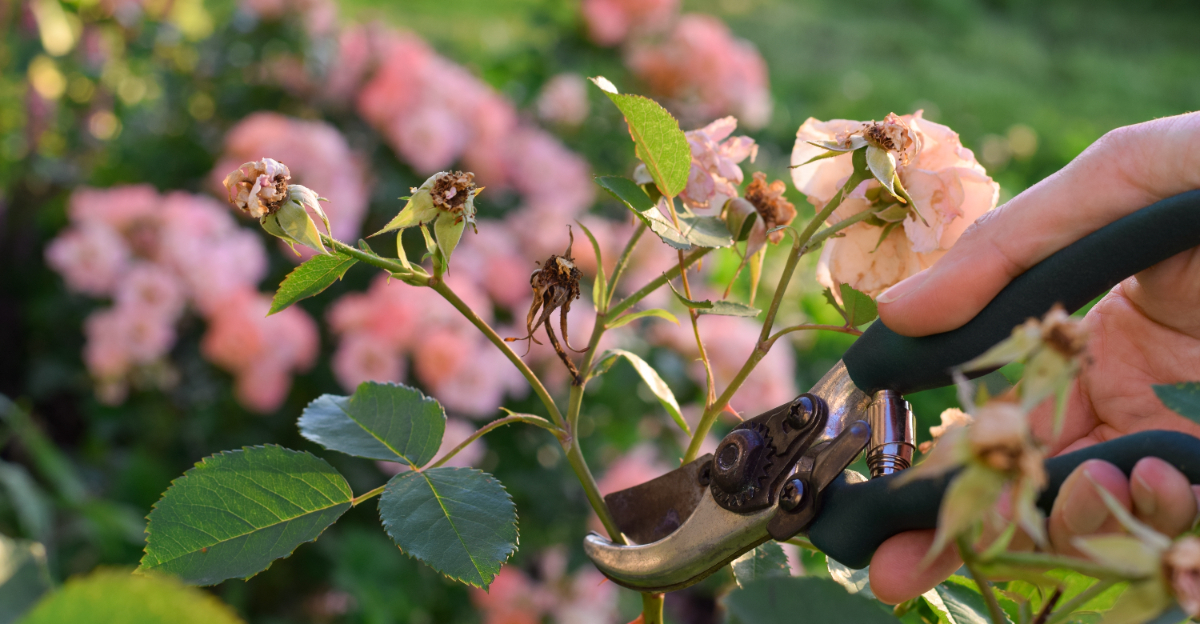
The real trick is to cut further down the stem, not right below the flower head. You want to go below the spent bloom and into the healthy, green part of the stem.
This signals the plant to send new growth upward from that point. It also keeps your garden looking neat and well-cared-for instead of scraggly and unfinished.
For most flowering plants, you should cut the stem back by at least a few inches. Some plants, like roses, do best when you cut back to a strong outward-facing bud lower on the cane.
Others, like salvias, prefer a cut just above the nearest set of healthy leaves. The exact spot depends on the plant, but the general rule stays the same.
Always go below the spent bloom and into living stem tissue. This one habit, done consistently throughout the season, makes a bigger difference than almost anything else you can do for a blooming garden.
Give it a try the next time you spot a faded flower, and watch how quickly your plants respond with fresh new buds.
2. Find The First Healthy Leaf Pair
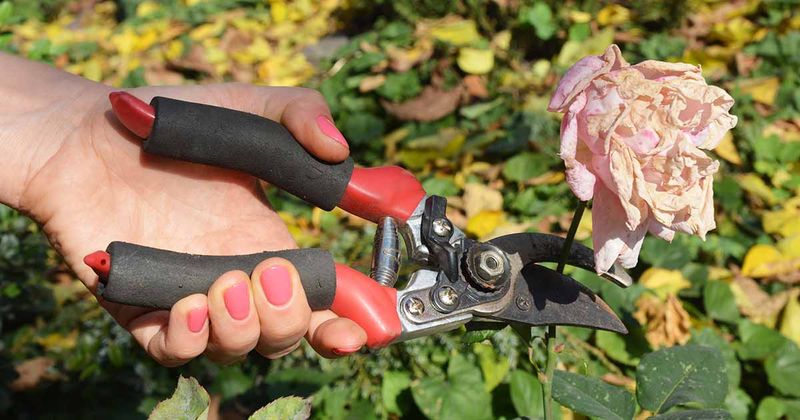
Before you make any cut, take a second to look down the stem. You are searching for the first pair of leaves that looks full, green, and healthy.
This spot is more important than most people realize. Cutting to the right leaf pair is what gives the plant a clear signal to push out new growth.
Healthy leaf pairs are easy to spot once you know what to look for. They sit firmly on the stem, have a rich green color, and look full and open.
Avoid cutting to leaves that are yellowing, wilting, or damaged. Those leaves will not help the plant bounce back.
Your Oregon Garden Changes Every Week. Your Plan Should Too.
Gardening in Oregon changes quickly throughout the season. Every Friday you’ll receive a simple weekly plan showing exactly what to plant, prune, fertilize, harvest, and protect so you never miss the right timing.
You want strong, active growth points to take over after you make your cut.
On plants like dahlias and zinnias, the first healthy leaf pair is usually just a few inches below the spent bloom. On others, like coneflowers, you may need to go a bit further down the stem.
Do not rush this step. A few extra seconds of looking saves you from making a cut in the wrong place.
Think of the healthy leaf pair as a launching pad. New stems and buds will grow from that exact spot.
The better the leaf pair looks, the stronger the new growth will be. Gardeners who pay attention to this detail tend to have much fuller, more productive plants by midsummer.
It really does make a noticeable difference over time.
3. Snip Just Above A Side Bud
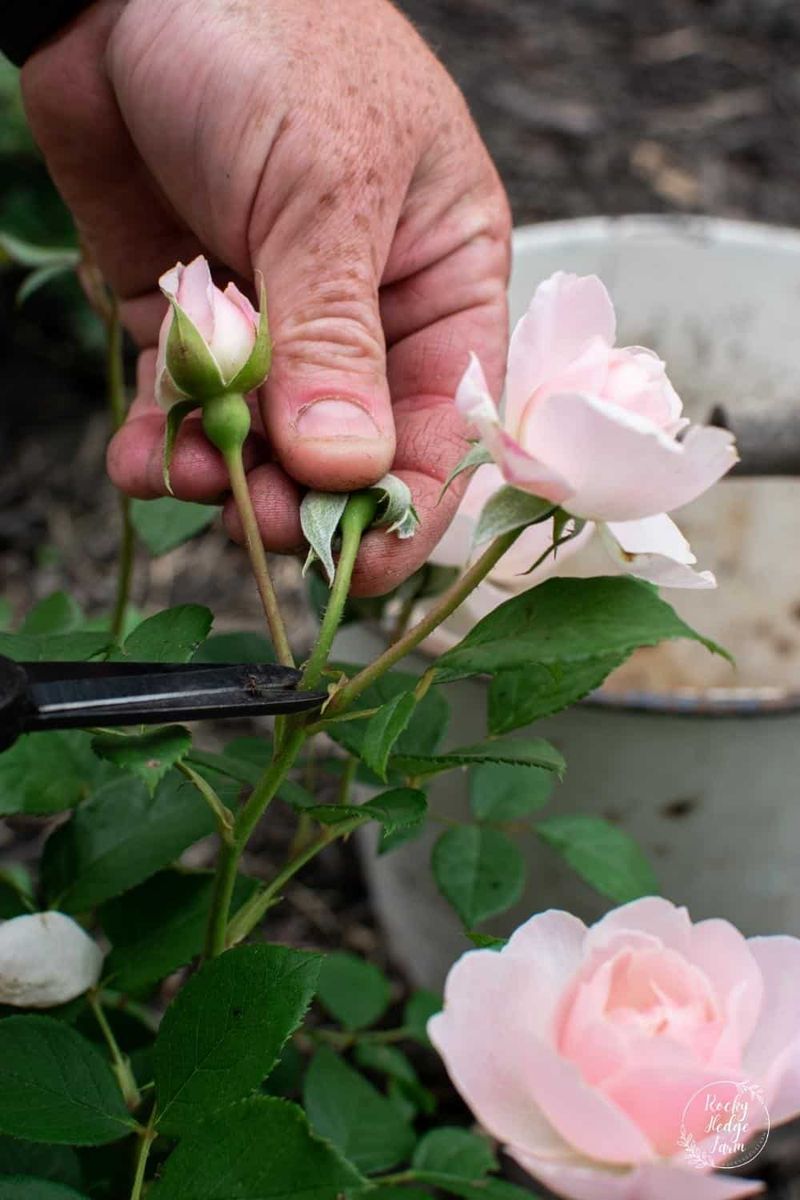
Not every stem has a visible side bud waiting, but when you spot one, that is your best cutting target. A side bud is a tiny, compact growth that sits right where a leaf meets the main stem.
It looks like a small bump or a tightly closed mini-bud. Cutting just above it gives that bud the green light to open up and grow.
Side buds are the secret to faster rebloom. When you leave them intact and cut just above them, they develop into full flower stems much more quickly than a stem starting from scratch.
Some plants, like roses and dahlias, almost always have visible side buds waiting. Other plants, like salvias or penstemons, may have them hiding closer to the base of the stem.
When making the cut, aim for about a quarter inch above the bud. Do not cut right on top of it, since that can damage the bud and slow its development.
Also avoid leaving too much stem above the bud, which can lead to a stubby, bare section that looks awkward. A clean cut at the right distance protects the bud and encourages it to swell and open quickly.
In peak bloom season, a well-placed cut above a side bud can mean new flowers in just a week or two.
That kind of fast turnaround is exactly what keeps a summer garden looking full and vibrant all the way through the warmer months.
4. Don’t Leave Bare Flower Stems Behind
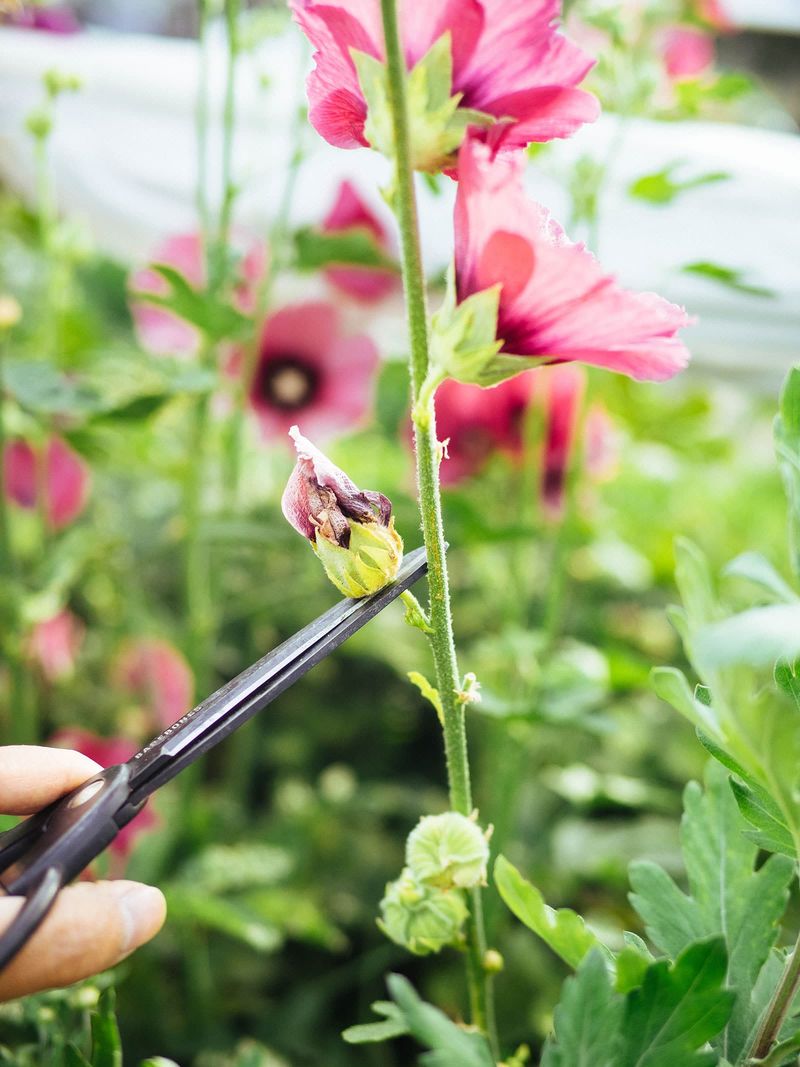
Bare stems sticking up from your garden bed are one of the most common signs of incomplete deadheading. They look messy and, more importantly, they do not help the plant at all.
A bare stem with no leaves and no buds is essentially a dead end. The plant has nowhere to push new energy, so it stalls.
When you leave bare stems behind, you also invite problems. Pests like aphids and spider mites love to cluster on weak, exposed plant tissue.
Bare stems can also dry out faster in the summer heat, stressing the plant more than necessary. Removing them cleanly is a small step that pays off in a big way.
After you make your main cut, look at what is left on the plant. If you see any stems that have no leaves, no buds, and no signs of active growth, go ahead and remove them too.
Cut them back to a healthy branching point or all the way to the base if needed. Some gardeners call this a cleanup cut, and it is a great habit to build into your regular garden routine.
A tidy plant with well-trimmed stems is a healthier, more productive plant. It can move water and nutrients where they are actually needed instead of wasting resources on dead-end tissue.
Your garden will look much better, and your plants will thank you with a stronger second flush of blooms right when you want them most.
5. Petal-Plucking Is Not Enough
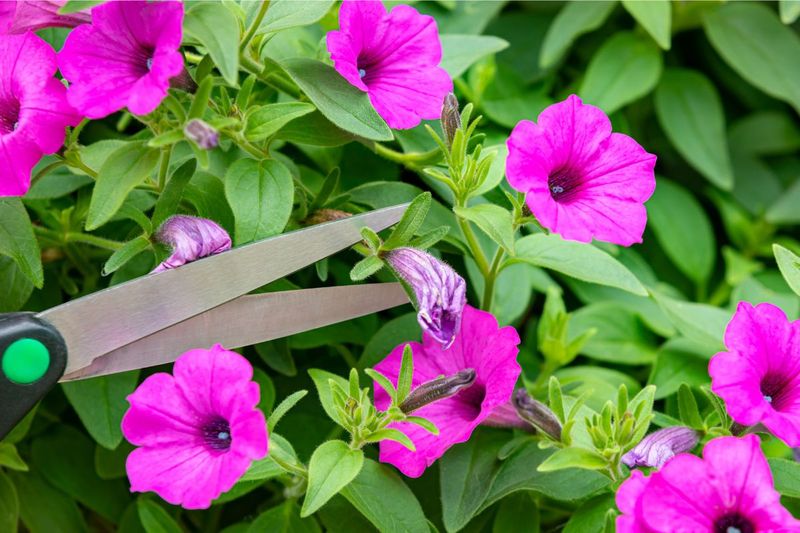
There is a common shortcut that a lot of new gardeners try. They pull off the loose petals of a faded flower and call it done.
It feels satisfying in the moment, and the plant looks a little cleaner right away. But here is the problem: the seed head is still attached and still telling the plant to slow down production.
Plants are goal-oriented in a simple, biological way. Their main mission is to make seeds and pass on their genes.
When a flower finishes blooming and begins forming a seed head, the plant shifts its energy toward that goal. Pulling petals off does not change that signal.
The seed head is still there, still developing, and still drawing resources away from new blooms.
To actually reset the plant and encourage fresh flowering, you have to remove the entire spent bloom along with its stem.
That means cutting all the way back to a healthy leaf pair or side bud, not just tidying up the surface.
It takes a little more effort than petal-plucking, but the results are completely different. Plants that are properly deadheaded bloom again much faster and more fully than plants that only get a quick petal cleanup.
Once you see the difference in your own garden, you will never go back to the shortcut. Proper deadheading is one of those garden habits that feels like extra work at first but quickly becomes automatic and deeply satisfying.
6. Use Fingers For Soft Annuals
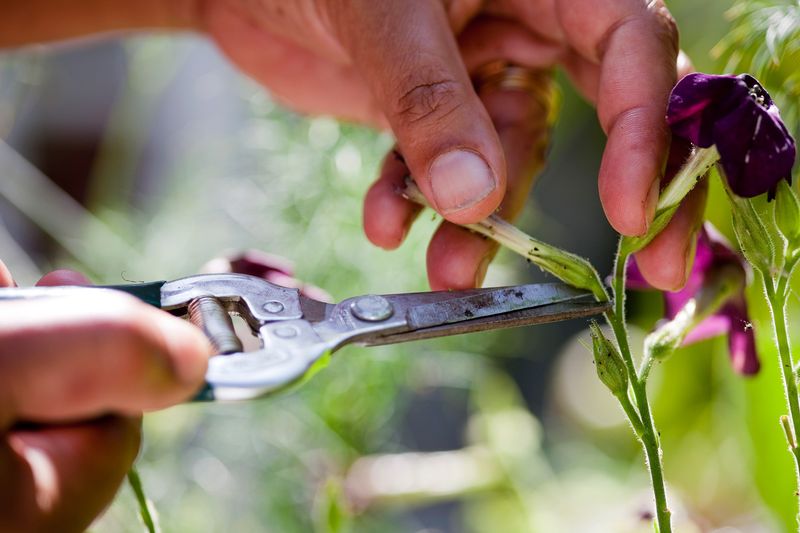
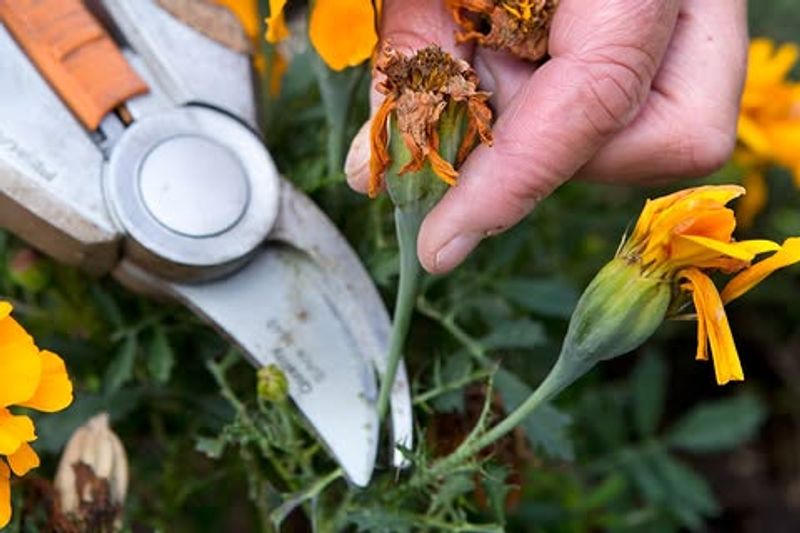
Not every deadheading job needs a pair of scissors. For soft-stemmed annuals like petunias, marigolds, and impatiens, your fingers are actually the best tool.
These plants have tender stems that snap cleanly and easily. A quick pinch right below the spent bloom gets the job done in seconds without any tools to carry around or clean up afterward.
Finger-pinching is also gentler on certain delicate plants. Using scissors or shears on a soft annual can sometimes crush the stem rather than cut it cleanly.
A firm, confident pinch between your thumb and forefinger creates a clean break that heals quickly. It also gives you a better feel for the plant, letting you check for new buds and healthy growth as you go.
This method works especially well when you are doing a quick walk-through of the garden in the morning or evening. No need to grab tools or wear gloves for every outing.
Just stroll through, pinch off anything that looks spent, and toss the old blooms into a bucket or compost pile.
Annuals like zinnias, calibrachoa, and snapdragons respond really well to this kind of frequent, hands-on attention.
The more often you pinch them back, the bushier and more flower-covered they get. By midsummer, a well-pinched annual bed can look twice as full as one that was left to its own devices.
It is one of the most rewarding low-effort gardening habits you can build.
7. Use Snips For Tough Flower Stalks
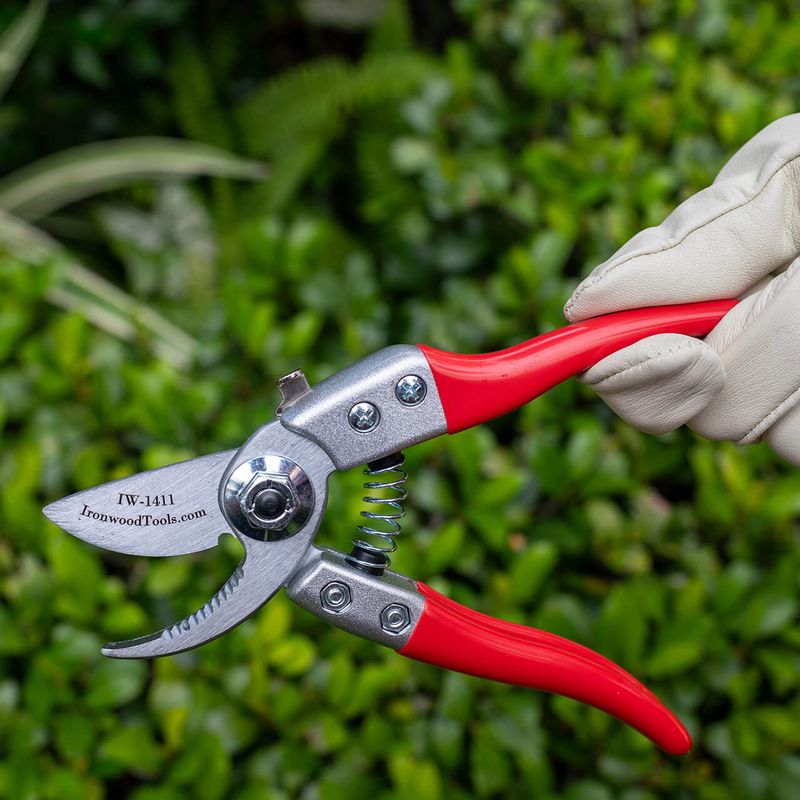
Some plants just laugh at your fingers. Coneflowers, dahlias, yarrow, and ornamental grasses have stems that are thick, fibrous, and woody in places.
Trying to pinch those by hand usually ends with a bruised thumb and a bent stem rather than a clean cut. That is when a good pair of bypass pruning snips becomes your best friend in the garden.
Bypass snips work like scissors, with two blades that slide past each other to create a sharp, clean cut. They are much better for plant health than anvil-style cutters, which crush the stem before cutting through it.
A crushed stem is slower to heal and more vulnerable to disease. A clean cut from bypass snips closes up quickly and lets the plant move on to making new growth right away.
Keep your snips sharp and clean throughout the season. Dull blades tear rather than cut, which stresses the plant and creates ragged edges that invite fungal problems.
Wiping the blades with a damp cloth between plants is a good habit, especially if you are working around any plants that show signs of disease. A quick rinse or wipe takes only seconds.
Sharp, clean snips make deadheading faster, easier, and better for the plants. Investing in a quality pair that fits comfortably in your hand will pay off every single season.
Look for a pair with a locking mechanism so you can carry them safely in your pocket or apron while working.
8. Repeat Every Few Days In Peak Bloom
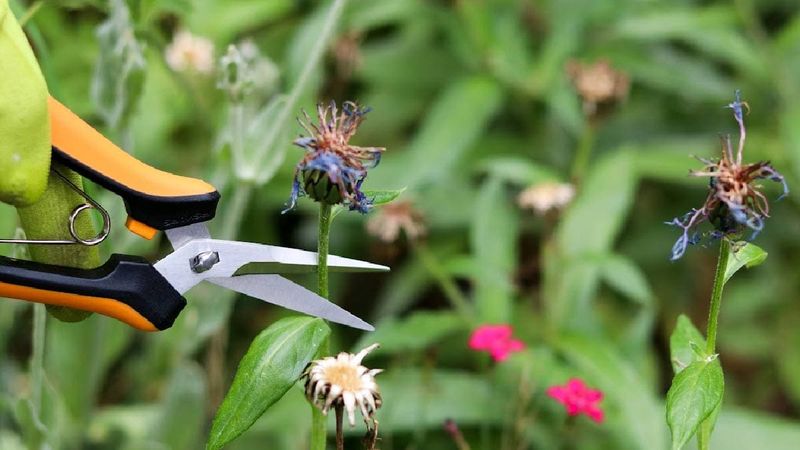
One round of deadheading is great, but it is not a one-and-done deal. During peak bloom season, which typically runs from late June through August in this state, plants are producing new flowers at a fast pace.
That also means they are finishing blooms just as quickly. Checking in every two to three days keeps things from getting ahead of you.
Think of it less like a chore and more like a quick conversation with your garden. A ten-minute walk-through every few days is all it takes to keep most beds looking their best.
Bring a small bucket or a cloth bag to collect the spent blooms as you go. Tossing them into the compost pile puts all that organic material back to work in your soil.
Frequent deadheading also gives you a chance to spot other issues early. You might notice a plant that needs water, a pest that is just starting to move in, or a stem that has snapped in the wind.
Catching these things early makes them much easier to handle. Gardeners who visit their beds often tend to have healthier, happier plants overall.
Regular attention builds a connection between you and your garden that goes beyond just maintenance.
By the end of summer, plants that received consistent deadheading every few days will have produced two to three times more blooms than plants that were left alone.
That kind of payoff makes every walk through the garden feel completely worth it.