The Landscaping Mistakes Oregon Homeowners Make That Turn Yards Into Fire Hazards
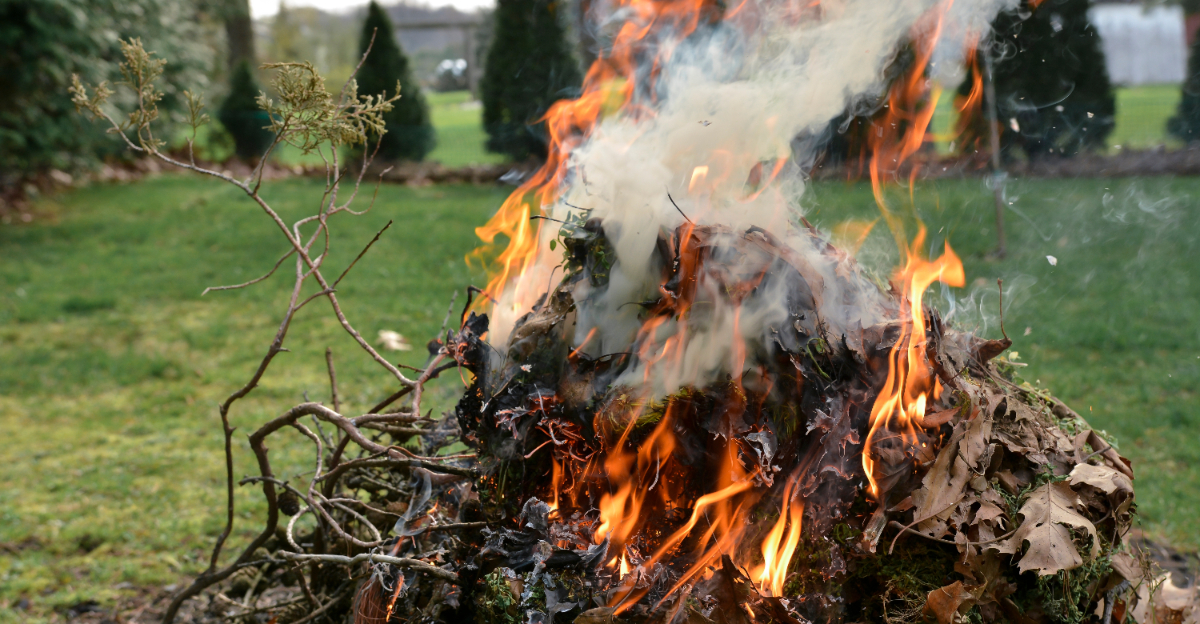
Some Oregon yards look peaceful right up until fire season gives them a very rude reality check.
A few common landscaping habits can quietly turn a pretty property into a pile of kindling with curb appeal.
Dry grass left too long, tree limbs hanging over the roof, withered leaves in gutters, and flammable clutter near fences can all give wildfire an easier path than any homeowner wants.
The scary part is that many of these mistakes do not look dramatic.
They look normal, familiar, and easy to ignore until the weather gets hot, dry, and windy. The good news is that fire-smart landscaping does not mean stripping your yard down to rocks and sadness.
It means making cleaner, smarter choices that reduce fuel, create space, and help protect your home before trouble starts.
A safer Oregon yard can still look beautiful. It just needs fewer fire invitations.
1. Letting Dry Grass Become A Fuse
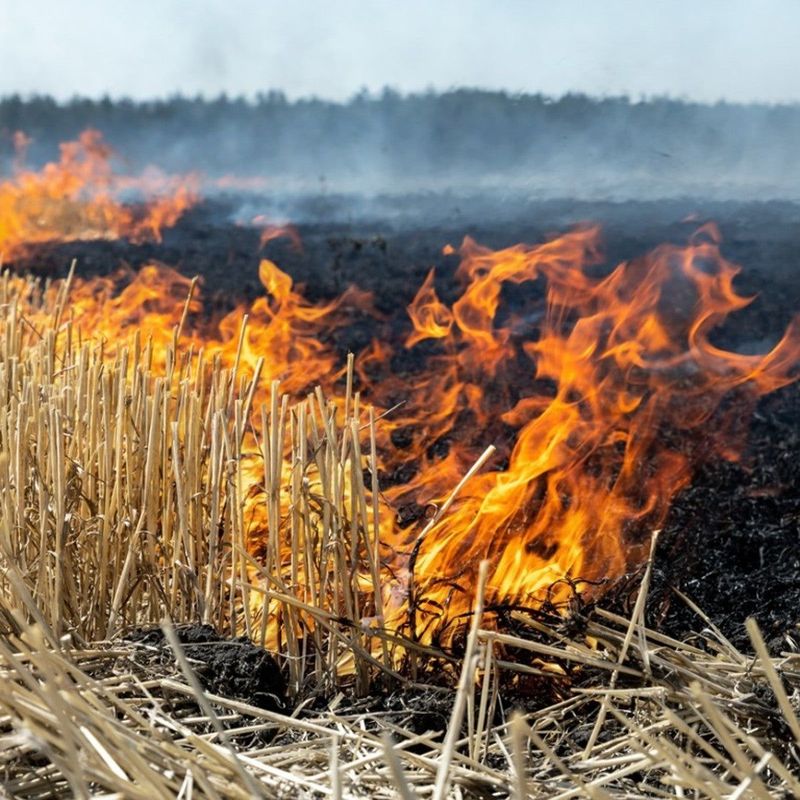
Tall, dry grass is one of the sneakiest fire hazards hiding in plain sight. When summer heat rolls through Oregon, uncut grass turns into something that acts almost like a fuse.
All it takes is a stray spark, and flames can race across a lawn faster than most people expect.
Many homeowners mow in spring and forget about it once the grass stops growing. But dry, standing grass in summer and fall is a serious problem.
It curls up, dries out completely, and becomes incredibly easy to ignite. Even embers floating from a nearby fire can land and start a blaze in seconds.
Keeping your lawn mowed to a height of four inches or less during dry months is one of the simplest things you can do. Short grass holds less fuel and slows down how quickly fire can travel.
If watering the lawn is not an option, consider replacing sections with gravel, stone pathways, or low-water ground covers that stay green longer. Damaged patches should be cleared out rather than left to pile up.
You do not need a perfect lawn, but you do need a safe one. Staying on top of grass height during fire season is a low-effort habit that can make a real difference in protecting your home.
2. Piling Bark Mulch Against Siding
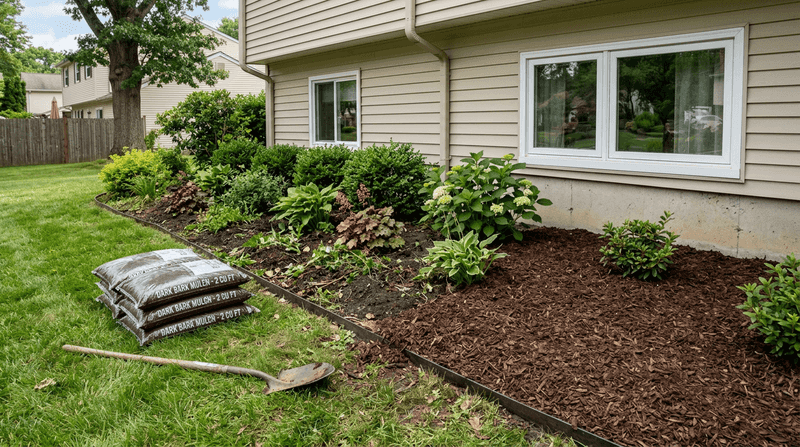
Bark mulch looks great in garden beds, and it does a solid job holding moisture in the soil. But when it gets piled right up against your home’s siding, it quietly becomes a fire problem.
Most homeowners do not realize that mulch is essentially a collection of dry, combustible material sitting inches from their walls.
Some types of mulch, especially shredded bark and wood chips, can smolder for hours after catching an ember. Once the mulch starts burning against your siding, the fire has a direct path into your home’s structure.
Even if the mulch does not fully ignite, the heat and smoke damage can be serious.
A simple fix is to keep a mulch-free zone of at least six inches around your foundation and siding. You can use gravel, decomposed granite, or river rock in that gap instead.
Your Oregon Garden Changes Every Week. Your Plan Should Too.
Gardening in Oregon changes quickly throughout the season. Every Friday you’ll receive a simple weekly plan showing exactly what to plant, prune, fertilize, harvest, and protect so you never miss the right timing.
These materials do not burn, and they still keep weeds down and look tidy. If you love the look of wood mulch, keep it further out in the garden bed where it is not touching any structure.
Also, avoid piling mulch too deep. More than three inches thick can trap heat and stay hot long after a spark lands on it.
Choosing fire-resistant ground covers near your home’s base is a smart, easy switch that most people overlook until it is too late.
3. Planting Dense Shrubs Under Trees
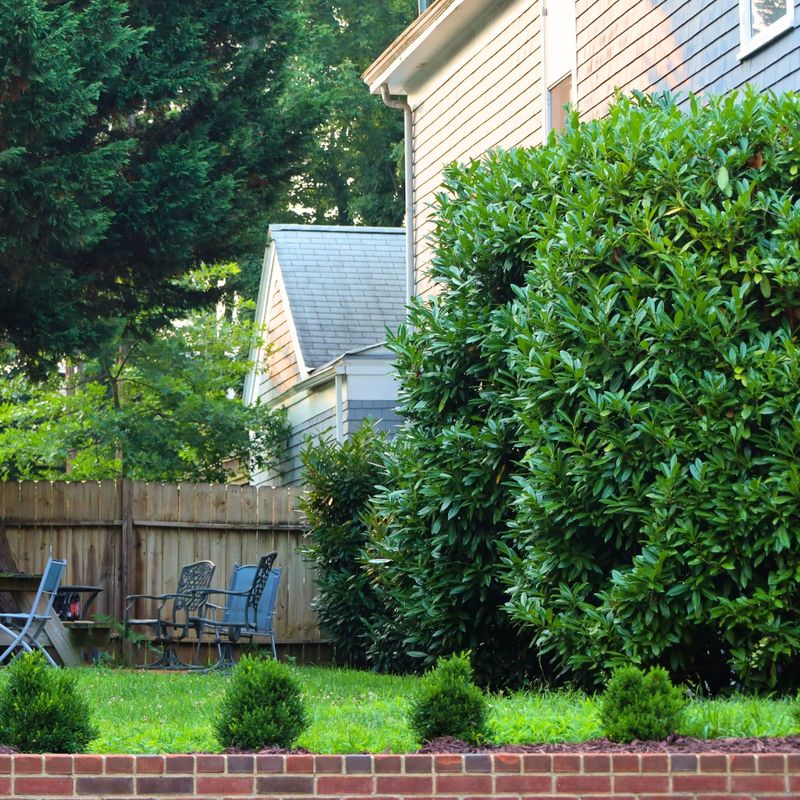
Thick shrubs growing under tall trees might look lush and natural, but they create what fire experts call a fire ladder.
That means flames can climb from the ground cover up through the shrubs and into the tree canopy without any gap to slow them down.
Once fire reaches the tops of trees, it spreads fast and gets very hard to stop.
Oregon has plenty of Douglas fir, cedar, and pine trees in residential yards. These trees are beautiful, but their lower branches hang close to the ground.
When dense shrubs are planted beneath them, you are essentially connecting the ground to the treetops with burnable material.
Pruning the lower branches of trees up to at least six to ten feet off the ground helps break that ladder. Equally important is clearing out or thinning the shrubs underneath.
Replace dense plantings with low-growing, fire-resistant ground covers that stay moist longer, like creeping thyme or certain sedges. Leave open space and visible soil between plants so fire cannot travel in one continuous path.
Spacing matters more than most gardeners think. A yard that looks a little more open and airy is actually a yard that is much safer during fire season.
Rethinking what grows under your trees is one of the most effective changes you can make to reduce fire risk on your property.
4. Leaving Leaves In Corners And Gutters
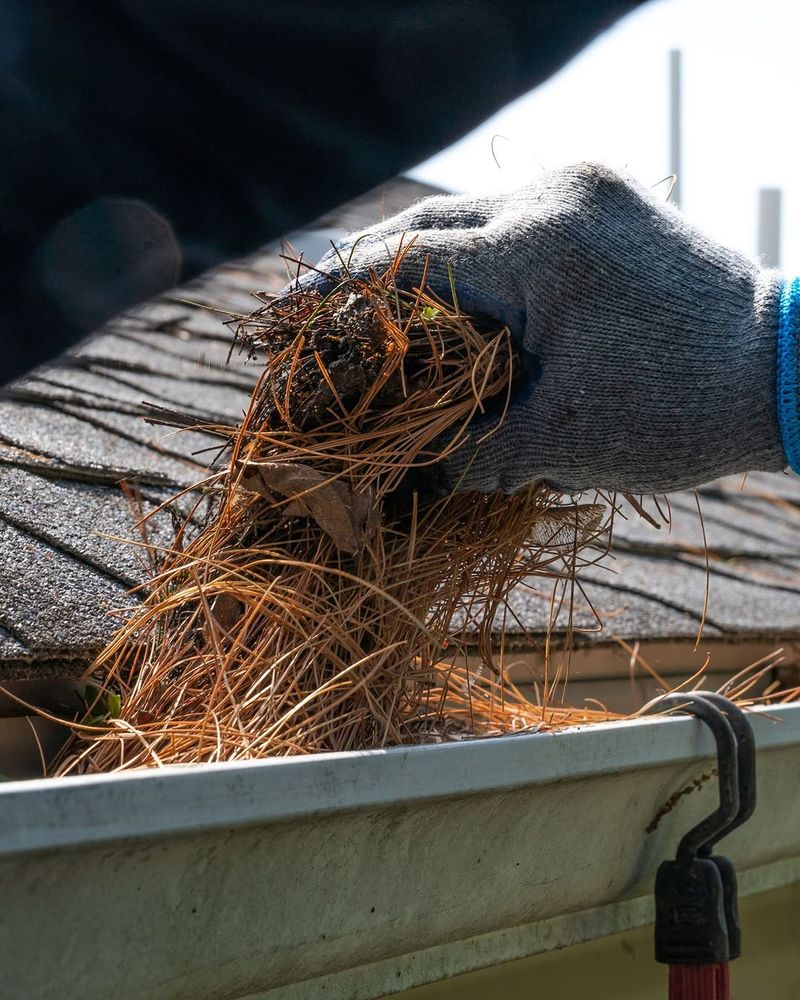
Fallen leaves are easy to ignore. They pile up in corners, blow into fences, and fill gutters without anyone paying much attention.
But during dry months, those leaf piles become one of the most flammable things on your property.
A single floating ember can land in a gutter full of dry leaves and start a fire that works its way right into your roof.
Gutters are especially dangerous because they sit directly on your home. When they are packed with dry debris, any spark that lands there has a perfect nest to grow into a flame.
Many homes in Oregon have been lost not because fire jumped to the yard, but because embers ignited clogged gutters first.
Cleaning gutters at least twice a year, once in late spring and again in fall, is a basic but powerful habit. Installing metal gutter guards can also help keep debris from building up between cleanings.
On the ground, rake leaves away from fences, walls, and the base of your home regularly. Pay special attention to corners where leaves collect and stay dry even after rain.
Composting or bagging leaves keeps them from becoming a fuel source. It is a chore that feels small, but the protection it gives your home during fire season is significant.
Do not let leaf litter be the reason a spark becomes something much worse.
5. Keeping Junipers Too Close To Windows
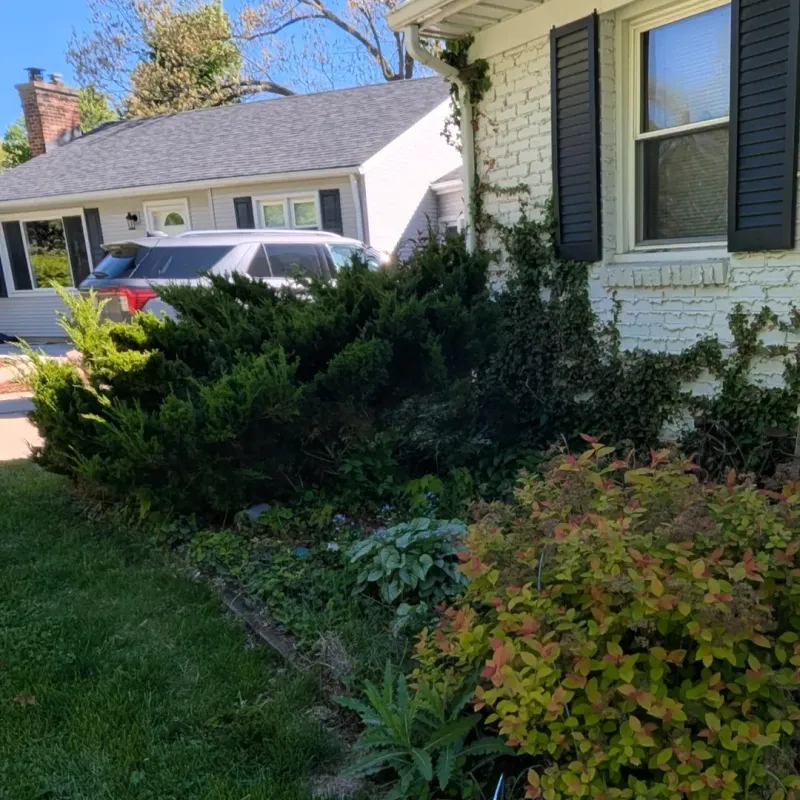
Junipers are one of the most popular landscaping shrubs in Oregon, and it is easy to see why. They are low maintenance, stay green year-round, and come in dozens of shapes and sizes.
But here is the problem: junipers are loaded with oils and resins that make them burn intensely and quickly.
Planting them right under a window is one of the riskiest landscaping choices a homeowner can make.
When a juniper catches fire near a window, the heat can shatter the glass within minutes. Once a window breaks, flames and embers have a direct opening into your home.
Fire departments across the region have pointed to junipers near structures as a major contributing factor in home losses during wildfire events.
If you already have junipers close to your windows, consider relocating them further from the house or replacing them with fire-resistant alternatives.
Shrubs like rockrose, lavender, or certain ornamental grasses hold much less fuel and do not carry the same level of risk.
At minimum, keep any juniper at least five feet away from windows and other openings. Trim them regularly so they do not grow into the siding or roof overhang.
Rethinking your foundation plantings does not mean giving up a beautiful yard. It just means choosing plants that look great and keep your home safer at the same time.
6. Stacking Firewood Against The House
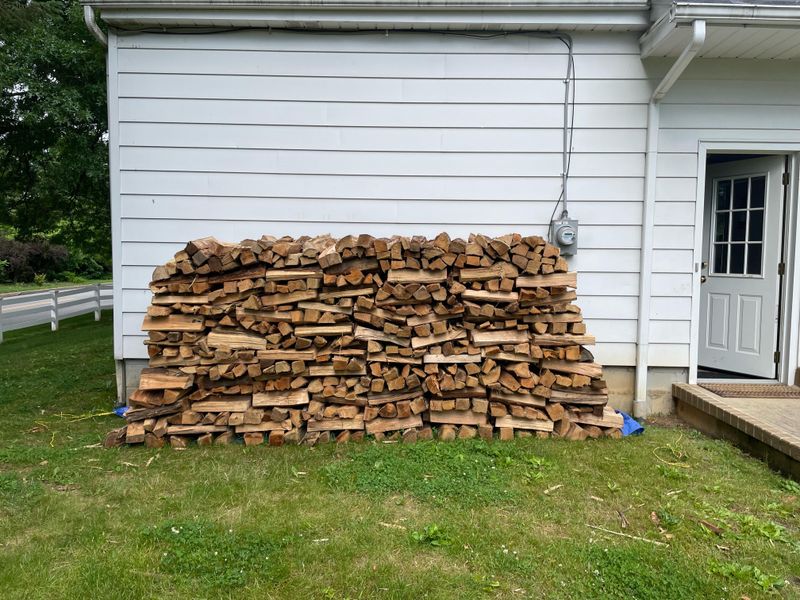
Stacking firewood against the house feels like common sense. It is close to the door, easy to grab on cold evenings, and out of the rain under the eave.
But that convenient pile is also a massive fire hazard sitting right against your home’s most vulnerable surfaces. Firewood is literally fuel, and placing it against your siding gives fire a direct bridge to your walls.
Beyond fire risk, wood piles against the house attract termites, carpenter ants, and rodents that can cause their own kind of damage over time.
During wildfire conditions, embers can land in a woodpile and smolder for a long time before anyone notices.
By the time the pile catches, it may already be too late to stop the fire from reaching the house.
The fix is straightforward: move your firewood at least thirty feet from any structure. Store it on a raised metal rack so air can circulate underneath, which also helps keep it dry.
Cover the top of the pile with a metal or fire-resistant tarp to protect it from rain without trapping moisture. If thirty feet is not realistic in a smaller yard, even ten to fifteen feet creates a meaningful buffer.
Keep the area around the woodpile clear of dry grass and debris. A little extra walking distance to grab logs is a very small trade-off for a much safer home.
7. Letting Branches Hang Over The Roof
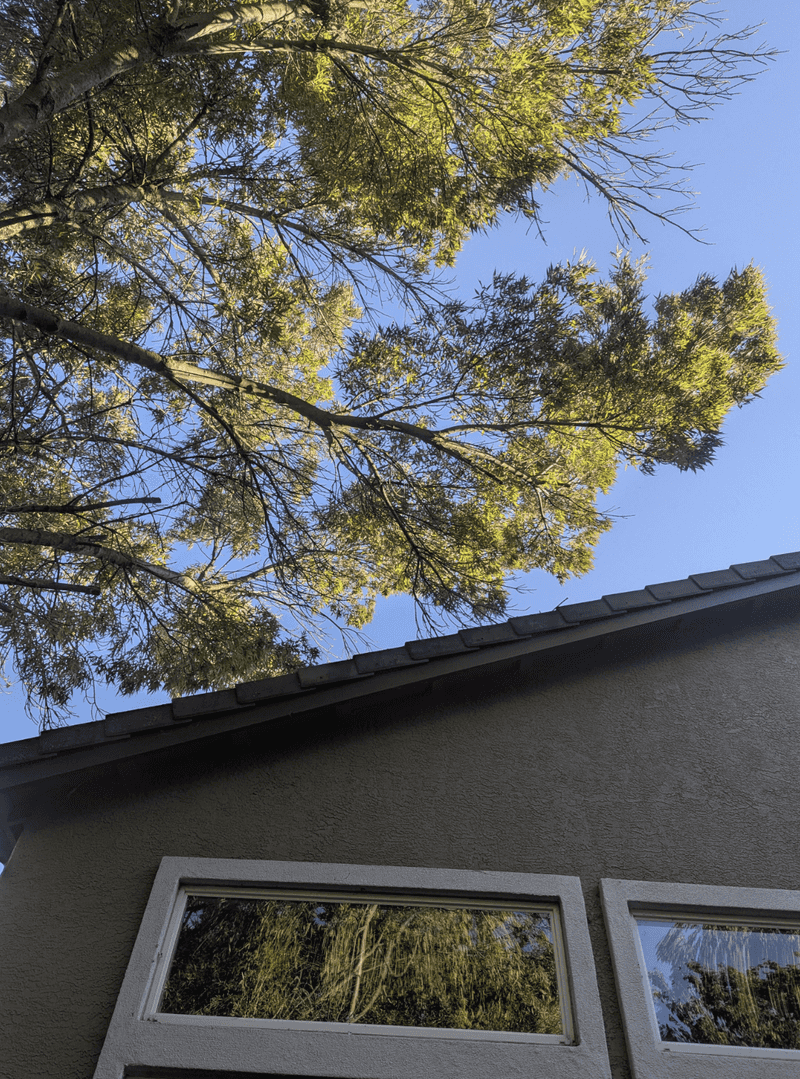
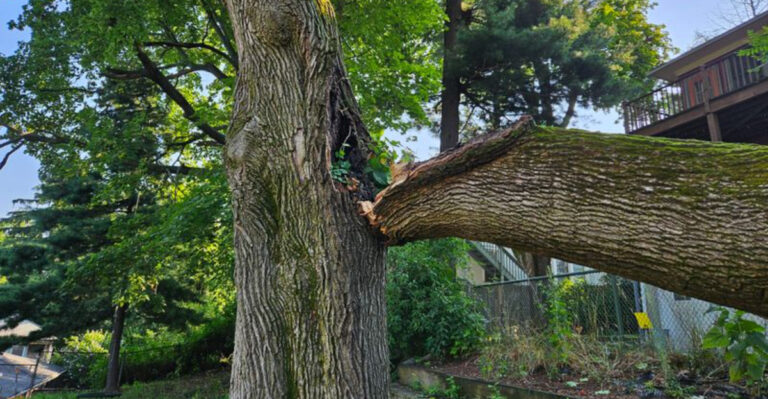
Tree branches that hang over a roof are a problem for more than one reason, but fire risk is at the top of the list.
During a wildfire or even a neighbor’s burn pile gone wrong, embers travel through the air and land on rooftops.
When tree branches hang over the roof, they drop leaves, needles, and twigs that pile up and create a ready-made fuel bed right on top of your home.
Branches that touch or nearly touch the roof also give fire a physical path from the tree to the structure. Once a branch ignites, the fire can move directly onto the roof without needing to jump at all.
In our state, where conifers are common, this is an especially serious issue. Pine needles and fir needles dry out fast and burn hot.
Trimming branches so they stay at least ten feet away from the roof is a solid goal. Hire a certified arborist if the branches are large or high up, since improper cuts can harm the tree and create new problems.
While you are at it, clear any debris that has already collected in the valleys and gutters of your roof. Check the roof after every windstorm, since branches can drop material quickly.
A well-trimmed tree is still a beautiful tree. Keeping branches back from your roof is one of the most effective ways to reduce your home’s vulnerability during fire season.
8. Crowding Plants Into One Continuous Bed

A lush, full garden bed looks incredible in spring. But when plants are packed in so tightly that their leaves and branches touch from one end to the other, you have created a continuous fuel path.
Fire can travel through a crowded bed like it is running down a hallway, moving from plant to plant with nothing to slow it down.
Many homeowners fill beds completely to reduce weeding, which makes sense. But in fire-prone areas, that approach backfires.
The goal should be to interrupt the path fire would take, not to make it easier. Even small gaps of bare soil or gravel between plant groupings can slow fire significantly and give it fewer places to spread.
Try breaking large continuous beds into smaller clusters with non-combustible material between them. Decomposed granite, river rock, or stepping stones work well and still look intentional and designed.
Choose plants that stay relatively moist during dry months rather than ones that dry out and become crispy by July.
Native plants adapted to our dry summers are often better choices than thirsty ornamentals that stress out and drop dry foliage.
Spacing plants properly also helps air circulate, which keeps moisture levels up and reduces the chance of disease.
A thoughtfully spaced garden can look just as full and inviting as a packed one, and it will be far safer when fire conditions arrive each year.
9. Ignoring The First Five Feet Around The Home
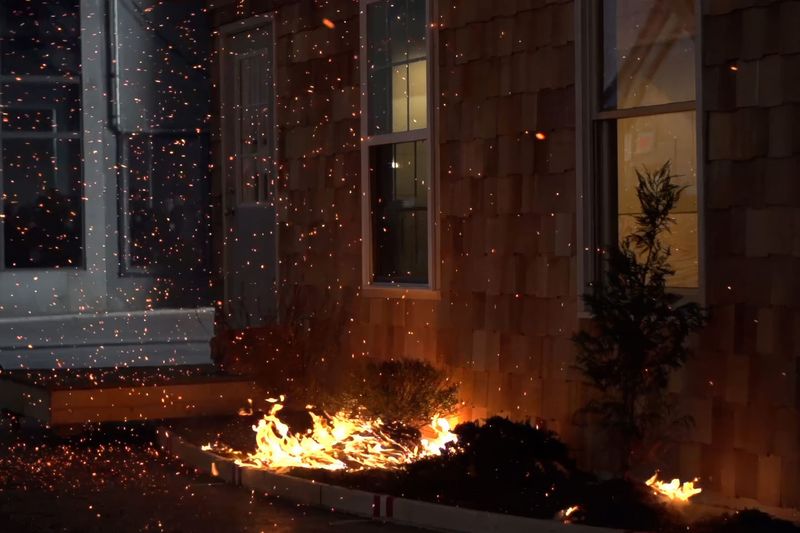
Oregon fire safety experts have a term for the area directly around your home: the home ignition zone. The first five feet from your foundation is the most critical part of that zone.
What lives in that narrow strip can determine whether your home survives a nearby fire or becomes part of it. Most homeowners barely think about it.
Potted plants with dry soil, withered flower stalks, stored garden tools, doormats, and decorative wood pieces all collect in that five-foot zone without anyone noticing the risk.
During a wildfire, embers land everywhere, and that cluttered zone gives them plenty of material to ignite.
Once something catches fire that close to your home, the heat alone can cause serious structural damage even before flames make contact.
Clearing this zone does not mean making it boring or bare. Use gravel, concrete pavers, or fire-resistant succulents like hens and chicks to fill the space attractively.
Avoid wood mulch, dry ornamental grasses, or anything that crumbles and dries out quickly in summer heat.
Keep the zone free of stored items, and move patio furniture and potted plants further from the house when fire danger is high.
Check this area a few times each season and remove anything that should not be there. Small changes in the first five feet around your home can have an outsized impact on how well your home holds up when fire gets close.