These Florida Plants That Attract Herons May Also Solve Snake Problem In Your Yard
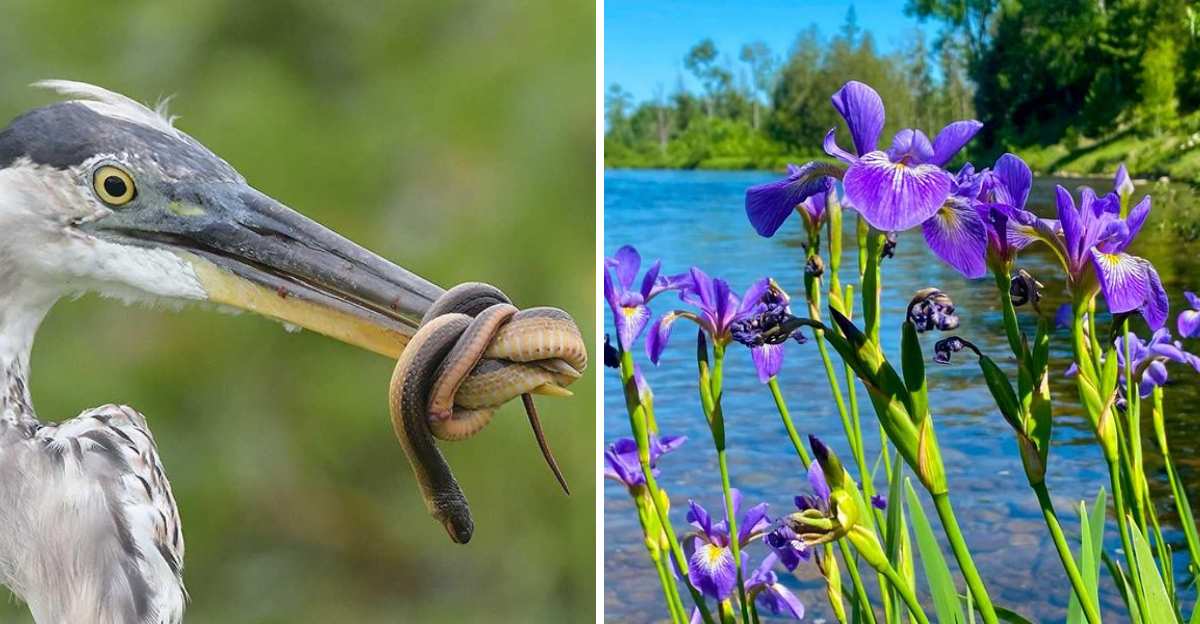
Something is standing at the edge of a Florida backyard pond right now, and it is not just decorating the scene.
Great blue herons are one of the most striking visitors a Florida yard can attract, and the plants growing around your water feature have everything to do with whether they show up or move on to someone else’s pond.
But here is the part most gardening articles skip entirely.
A heron that finds the right habitat does not just look beautiful standing there. It hunts. Frogs, small fish, aquatic insects, and the occasional small snake near the water’s edge all become part of the daily menu.
The right native plants build the shallow, life-filled margins that wading birds need to hunt effectively, which means more heron visits, more wildlife activity, and a backyard pond that genuinely functions as a small ecosystem.
These seven Florida-native plants build that habitat, and each one pulls in a different layer of the food web that keeps herons coming back.
Pickerelweed Builds The Wading Edge
Stand at the edge of a shallow Florida pond on a warm morning and you will almost always spot something hunting.
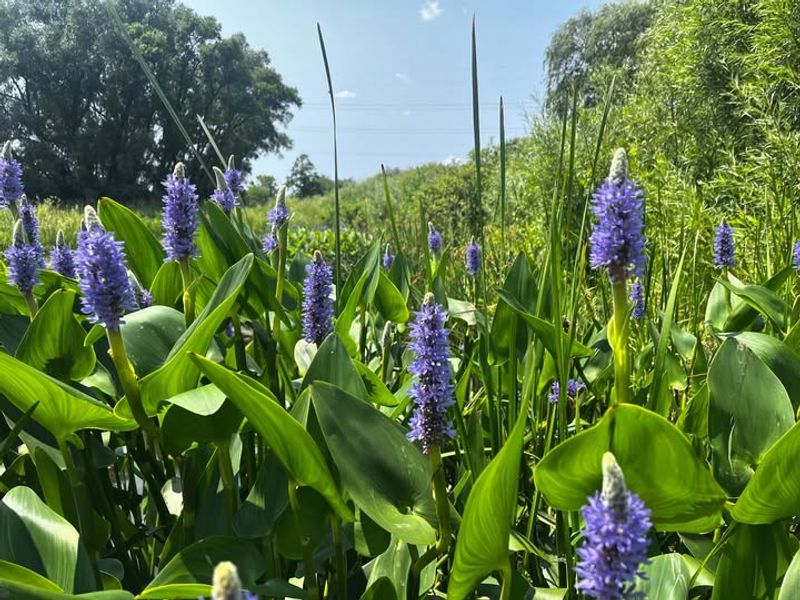
Herons are drawn to those open, firm, shallow margins where they can plant their feet and wait. Pickerelweed, known scientifically as Pontederia cordata, is one of the best native plants for building exactly that kind of edge.
This plant grows in the water itself, typically in depths of six inches to about two feet.
Its thick stems and broad, glossy leaves create a soft boundary between open water and dry land. That boundary is exactly where herons prefer to stand and stalk prey.
The plant does not attract birds by magic. Instead, it builds the physical structure that makes hunting easier and more productive for wading birds.
Pickerelweed also supports a chain of smaller life.
Its flowers attract native bees and butterflies. Its stems and roots shelter aquatic insects, small fish, tadpoles, and frogs.
All of those creatures are heron food. By planting pickerelweed, you are essentially stocking a buffet that wading birds will notice over time.
It handles heat, humidity, and fluctuating water levels with ease.
Plant it in full sun for the best growth and the densest bloom spikes. Those purple flower spikes bloom from spring through fall, giving your pond edge color while the wildlife activity builds below the surface.
Duck Potato Pulls Life Into Shallow Water
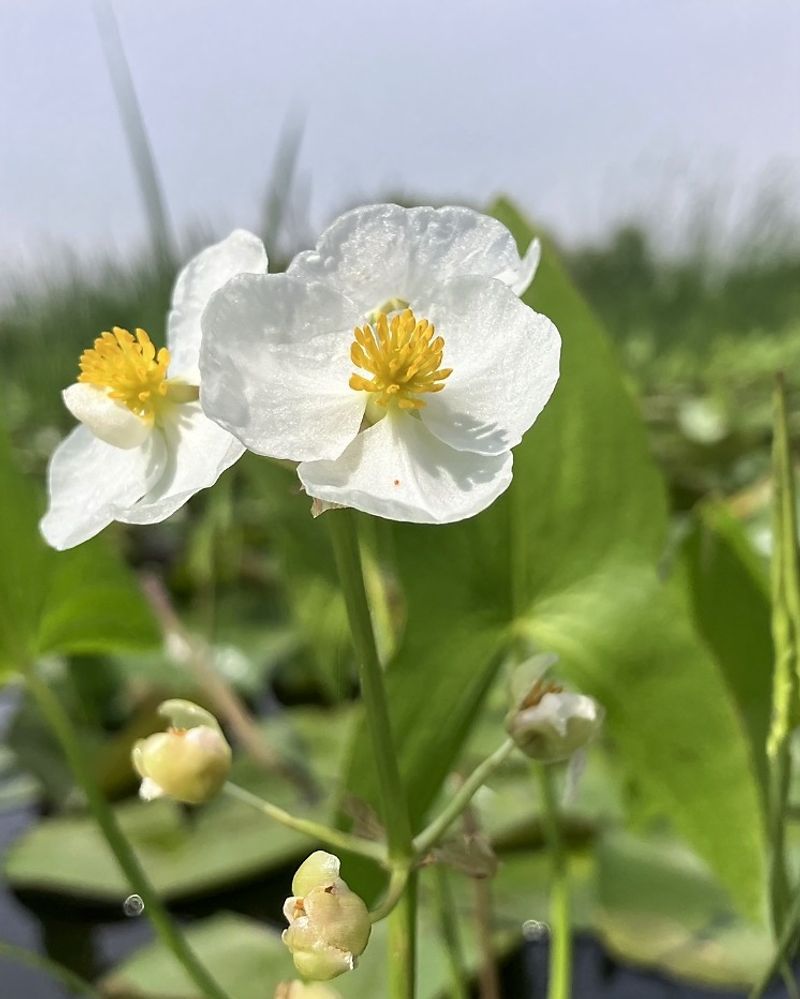
There is something almost old-fashioned about duck potato.
Farmers, hunters, and naturalists in Florida have known about it for generations. Sagittaria lancifolia has been feeding wildlife long before backyard ponds became a landscaping trend.
Its starchy tubers are eaten by ducks, its stems shelter fish fry, and its broad arrow-shaped leaves create the kind of layered, busy shallow-water habitat that herons absolutely love to work.
Duck potato grows in water that is typically just a few inches to about eighteen inches deep.
That range is perfect for the margins of a backyard pond or a rain garden with a wet zone. The plant spreads steadily but is not aggressive enough to take over a well-maintained space.
Your Florida Garden Changes Every Week. Your Plan Should Too.
Gardening in Florida changes quickly throughout the season. Every Friday you’ll receive a simple weekly plan showing exactly what to plant, prune, fertilize, harvest, and protect so you never miss the right timing.
In Florida, it blooms with small white three-petaled flowers in the warmer months, adding a quiet elegance to a naturalized water edge.
The real value here is what the plant supports below and around the waterline.
Aquatic insects colonize the stems. Small fish shelter near the roots. Frogs and small crustaceans move through the leaf litter that builds up around the base.
All of that activity creates a dense, productive food zone for a hunting heron.
It handles partial shade better than pickerelweed, making it a solid choice for ponds with some tree coverage.
Pair it with other native plants to build a layered, self-sustaining habitat that keeps drawing wildlife activity season after season.
Blue Flag Iris Gives Pond Edges Cover
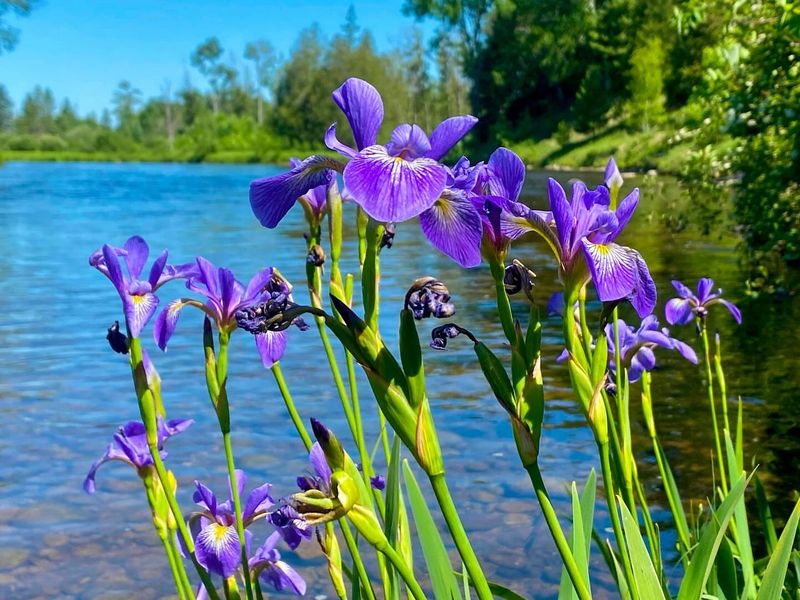
Walk past a Florida pond in spring and you might catch a flash of violet blue at the waterline.
That is blue flag iris, and it is one of the most striking native plants you can add to a backyard water feature. Iris virginica grows in shallow water or consistently moist soil, and it brings both beauty and practical structure to a pond edge that wading birds can use.
Herons are cautious birds. They prefer to approach hunting areas with some visual cover nearby.
Blue flag iris provides exactly that. Its tall, sword-shaped leaves grow in dense fans that create a screen around the water margin.
A heron can step quietly along the edge, partially hidden by the foliage, and wait for a frog or small fish to move within striking range.
That kind of covered approach is a real hunting advantage for a wading bird.
Beyond the heron angle, blue flag iris stabilizes the muddy banks that form at shallow pond edges, reducing erosion during heavy Florida rains.
The flowers attract native pollinators. The dense leaf base provides shelter for small frogs and insects that will become part of the local food web over time.
It prefers full sun to partial shade and handles the wet-dry cycles that Florida weather brings.
Plant it in clusters of three or more for the best visual impact and the most useful habitat structure for visiting herons and other wildlife.
Soft Rush Creates Safe Hunting Margins
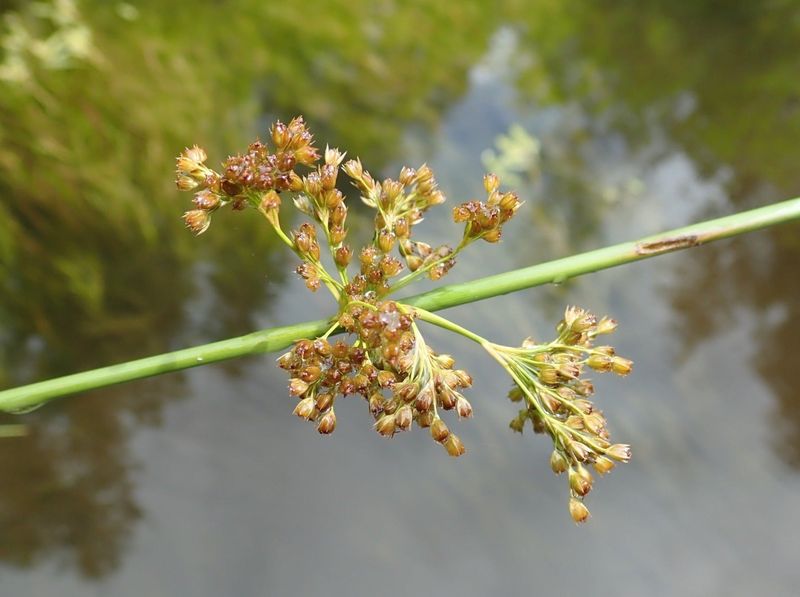
Some plants do their best work quietly, without showy flowers or bold leaves. Soft rush is that kind of plant.
Juncus effusus is a native Florida rush that grows in dense, upright clumps of dark green cylindrical stems. It is not glamorous, but it is genuinely useful for building the kind of habitat edge that makes herons comfortable enough to linger and hunt.
Herons are long-legged birds that need stable footing near water.
Soft rush grows in the saturated soil at the very edge of ponds and wetlands, creating a firm but natural margin between open water and drier ground.
A heron moving along that margin has solid footing, visual cover from the rush clumps, and easy access to shallow water where prey is concentrated.
The plant also supports smaller wildlife in ways that feed up the food chain.
Insects lay eggs among the stems. Small amphibians shelter in the dense base of the clumps. Aquatic invertebrates move through the saturated soil around the roots.
All of that activity creates a productive hunting zone that a patient heron will learn to check regularly.
Soft rush is one of the most widely adaptable native wetland plants in Florida. It tolerates a range of water depths, soil types, and light conditions.
Plant it in masses along your pond margin for the best structural effect, and pair it with flowering natives like pickerelweed or blue flag iris to add visual interest alongside the habitat value.
Lizard’s Tail Brings In Frogs And Insects
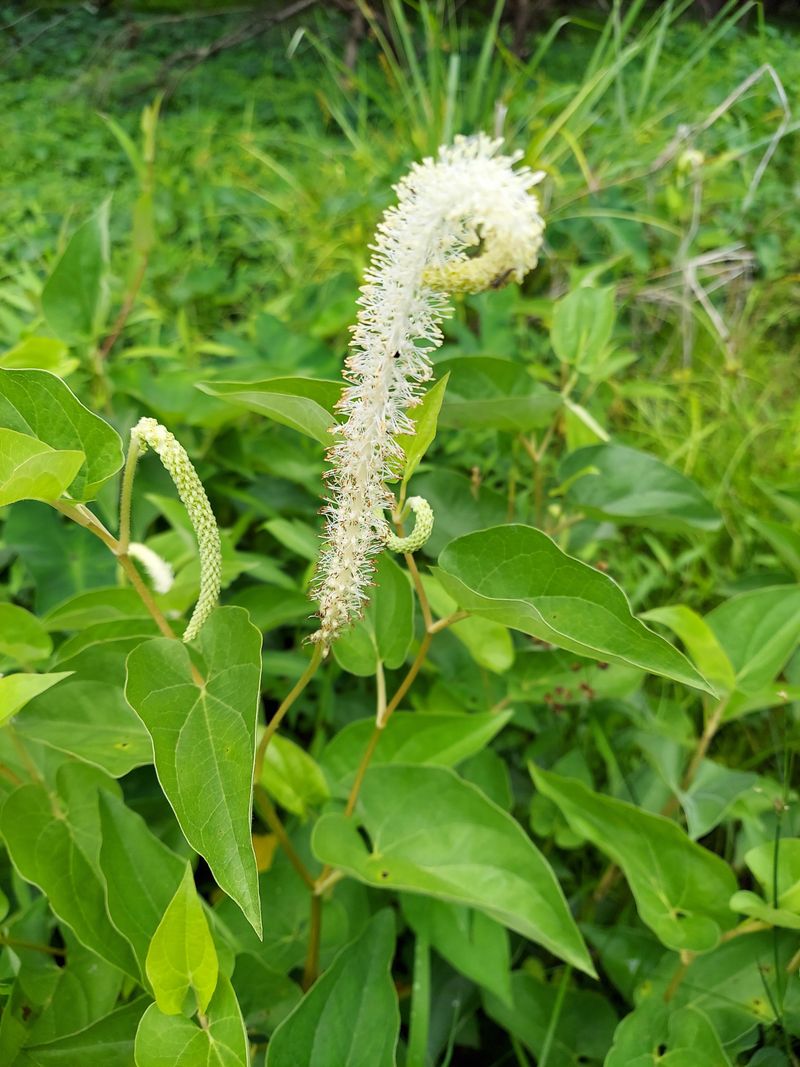
If you have ever seen a white, drooping flower spike curling gently over the surface of a Florida stream or swamp, you have probably met lizard’s tail already.
Saururus cernuus earns its name from those long, arching white blooms that really do look like a lizard’s tail dipping toward the water. But the real story here is not the flower. It is what lives around it.
Lizard’s tail grows in shallow water and saturated soil, forming dense colonies of heart-shaped leaves that create a lush, layered microhabitat at the water’s edge.
Frogs find the shaded, moist understory beneath those leaves absolutely ideal. Tree frogs, green frogs, and southern leopard frogs all use this kind of dense emergent vegetation for shelter, breeding, and hunting insects.
And where frogs gather, herons follow.
Insects are equally drawn to the plant. The flowers attract small native bees and other pollinators, while the stems and leaf surfaces host aquatic insects and their larvae.
That insect activity feeds tadpoles, small fish, and invertebrates, building a layered food web right at the water’s edge.
A heron working a section of pond lined with lizard’s tail has access to multiple prey types in a very small area.
It is a reliable native choice for shaded or partially shaded pond edges, which makes it a strong companion plant for areas where full-sun species like pickerelweed may struggle.
It spreads gradually by rhizomes and forms a lush, naturalistic colony that looks as though it has always been there.
Spatterdock Makes Small Prey More Visible
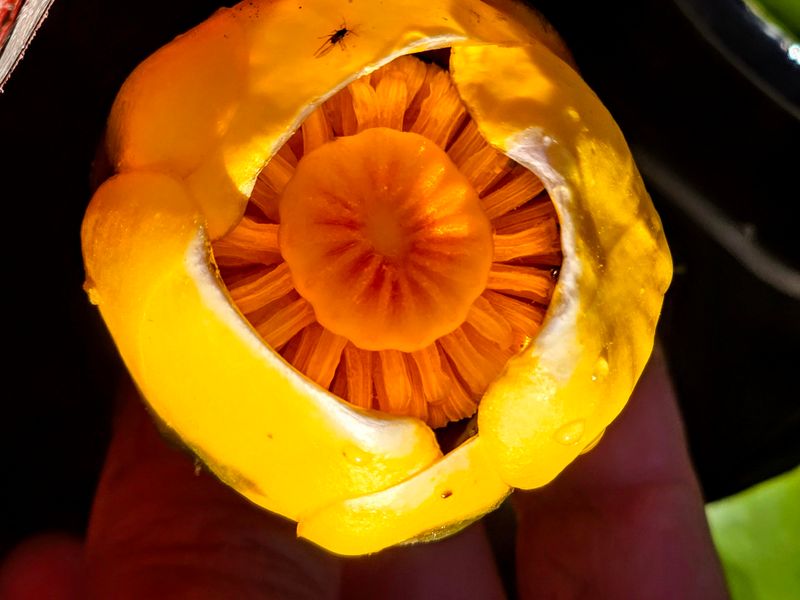
Open water with nothing in it is actually harder for a heron to hunt than water with structure.
Floating and emergent vegetation concentrates prey. Small fish shelter near stems and under leaves. Frogs rest on floating pads. Insects hover over the surface.
Spatterdock, also called yellow pond lily or Nuphar advena, is a native Florida plant that creates exactly that kind of structured, prey-rich surface on a backyard pond.
Spatterdock grows from thick rhizomes anchored in the pond bottom, sending up large, round, floating leaves and distinctive yellow globe-shaped flowers.
The leaves shade the water below, keeping it cooler and reducing algae growth. That shaded zone beneath the pads becomes a refuge for small fish, tadpoles, and aquatic insects, all of which are regular items on a heron’s menu.
From a hunting perspective, spatterdock pads create a helpful contrast.
A small frog or fish resting near the edge of a pad is much easier for a heron to spot than the same animal hiding in a uniform stretch of open water.
The gaps between pads give the heron clear sightlines while the pads themselves concentrate prey along their edges.
It handles Florida’s heat and full sun with ease.
Give it room to spread, because a mature spatterdock colony can cover a good portion of a small pond surface, which is exactly what you want for building active, heron-worthy habitat.
Herons Put Pressure On Small Snakes
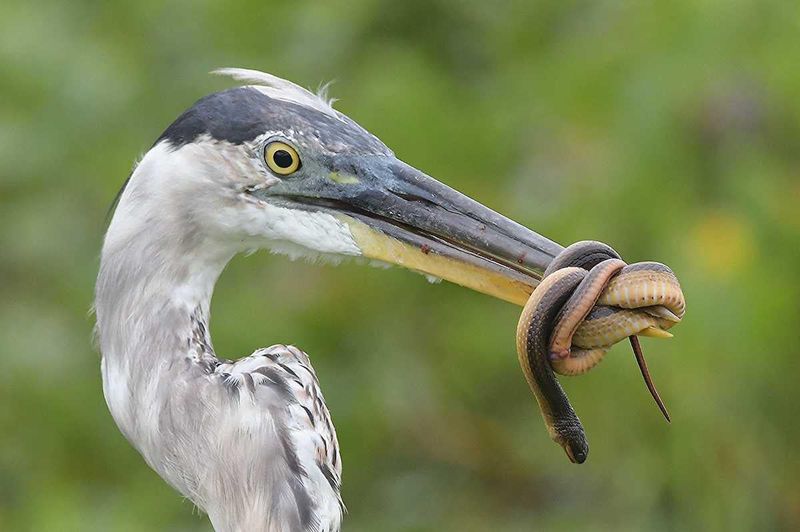
Here is where things get interesting, and where it pays to be honest.
Herons are opportunistic hunters. A great blue heron will eat fish, frogs, insects, crayfish, small lizards, and yes, small snakes.
Florida Fish and Wildlife Conservation Commission records confirm that great blue herons and great egrets will take small snakes when they encounter them near water.
That is real. But calling herons a snake solution is a stretch that backyard wildlife should not be sold on.
Herons hunt near water.
Most of the snakes that concern Florida homeowners spend most of their time in brush piles, under debris, or in garden beds that are far from a pond edge.
A heron is not going to patrol your flower beds or check under your deck. It will work the waterline, and that is about it.
That said, if you have a backyard pond with native plants and a heron visits regularly, it will eat whatever small animals it finds near that water.
Small water snakes and young individuals of other species that venture near the pond margin are genuinely at risk of becoming a heron meal. So the pressure is real, but it is limited to the pond zone.
A healthy, plant-rich backyard pond changes the local food web in ways that are genuinely interesting to watch.
Just do not cancel your pest control subscription based on bird sightings.