Jumping Worms Are Spreading Through Connecticut Gardens, And The Signs Are Hard To Miss
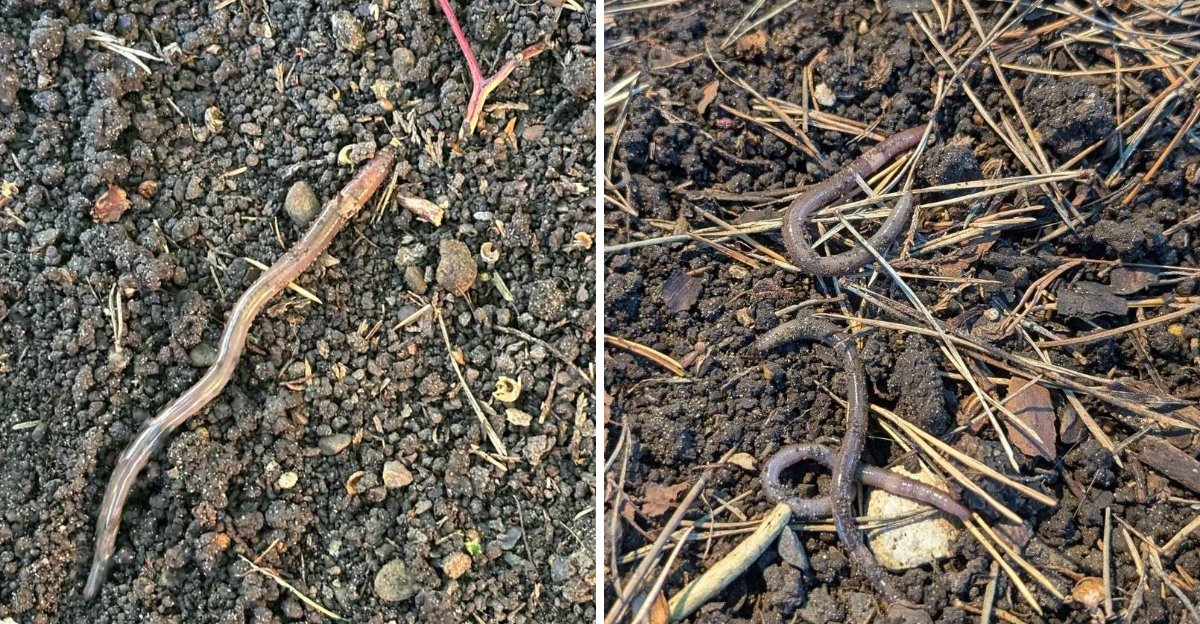
Something is moving beneath Connecticut’s garden beds, and it isn’t the earthworms most homeowners remember from childhood rain puddles. A newer arrival, quietly working through topsoil across the state, behaves nothing like its calmer cousins.
These worms thrash violently when disturbed, sometimes shedding part of their tail as a defense trick. Their appetite for organic matter strips soil of its structure, leaving a grainy, coffee-ground texture behind.
Flower beds lose their sponge-like feel, tree roots start poking through bare patches, and mulch seems to vanish faster than usual. Gardeners across the state are noticing the change, often without connecting it to what’s actually causing it.
Catching the signs early could mean the difference between a small patch of trouble and soil that takes seasons to bounce back. This unwelcome newcomer is worth a closer look before it spreads further into lawns, woodlands, and backyard corners.
1. Soil That Suddenly Looks Like Coffee Grounds
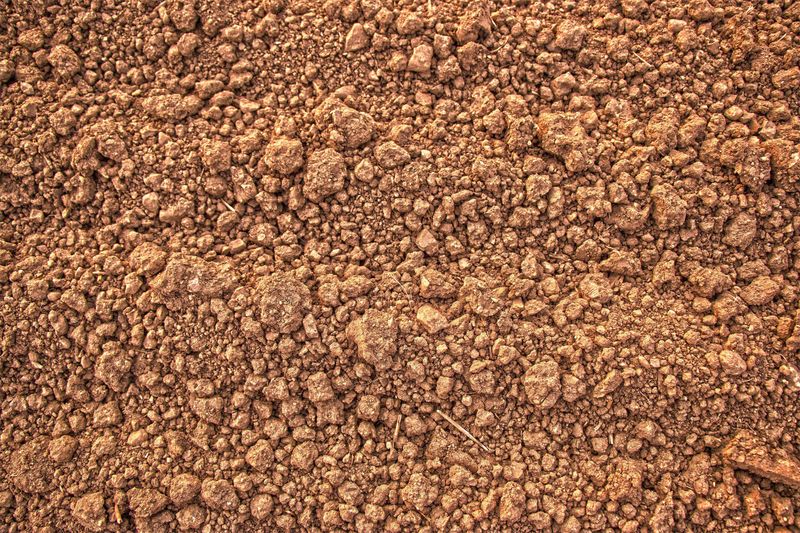
Your garden bed looked totally normal last spring. Now the surface looks like someone dumped a bag of dark, granular coffee grounds all over it.
That strange texture is one of the clearest signs of jumping worm activity in your yard. These invasive worms digest organic matter so fast that they leave behind a distinct, granular waste called castings.
Regular earthworm castings are clumped and moist. Jumping worm castings are dry, loose, and oddly uniform in size, almost like tiny pellets scattered across your topsoil.
Gardeners in Connecticut have been noticing this texture change in raised beds, woodland edges, and even container gardens. Once you notice it, it becomes hard to overlook.
This altered soil structure holds less water and fewer nutrients than healthy ground. Plants struggle to anchor their roots in this loose, crumbly material.
Walk through your garden and crouch down for a close look at the top inch of soil. If it resembles espresso grounds more than rich earth, you likely have a problem worth addressing right away.
Spreading mulch or compost will not fix the issue on its own. The underlying invasion needs to be managed before your soil structure deteriorates any further.
2. Dry, Crumbly Topsoil That Won’t Hold Together
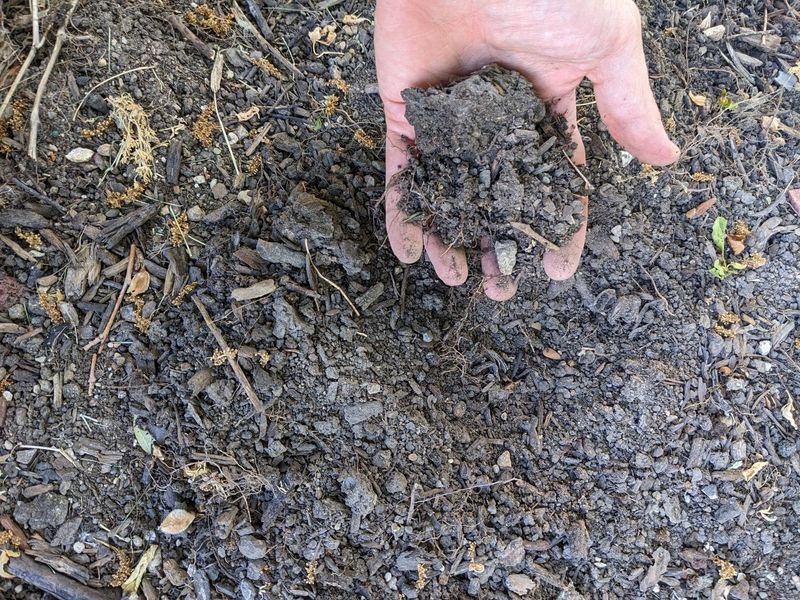
Pick up a handful of your garden soil and squeeze it gently. If it crumbles apart like dry cake and refuses to hold a shape, something is wrong underground.
Healthy soil binds together with moisture and organic matter. Jumping worms strip that binding material away as they feed, leaving behind a loose, powdery mess that gardeners describe as unusable.
This crumbling effect happens because jumping worms consume the top layer of organic material at a shocking rate. They process soil faster than native worms, destroying the structure that plants depend on to survive.
Connecticut gardeners have reported entire raised beds turning into this dry, sand-like consistency within a single growing season. That kind of rapid change is a serious red flag.
Without proper soil structure, water runs off instead of soaking in. Roots struggle to grip loose material, which means even established plants start to wobble and decline.
Your Connecticut Garden Changes Every Week. Your Plan Should Too.
Gardening in Connecticut changes quickly throughout the season. Every Friday you’ll receive a simple weekly plan showing exactly what to plant, prune, fertilize, harvest, and protect so you never miss the right timing.
You might notice puddles forming where your garden used to absorb rain easily. That runoff is a direct result of compromised soil caused by these invasive worms.
The frustrating part is that adding compost or fertilizer offers only short-term relief. Jumping worms will simply consume the new organic material and make the problem worse over time.
Catching this sign early gives you the best chance to slow the spread before your entire garden bed becomes unworkable. Soil health is worth protecting with urgency.
3. Erratic, Thrashing Movement Unlike Common Earthworms
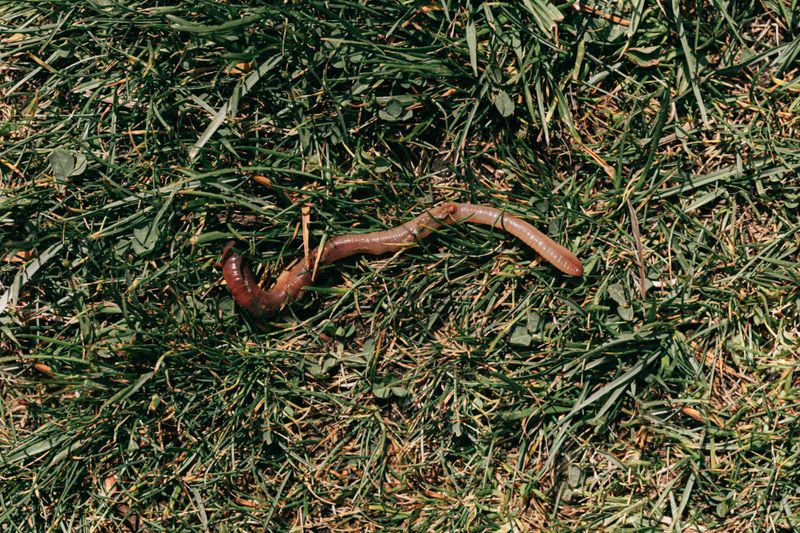
Most people have picked up a regular earthworm and watched it curl slowly in their palm. What jumping worms do is nothing like that, and it is genuinely startling the first time you see it.
These worms thrash, twist, and snap with surprising speed when disturbed. They move in a frantic, snake-like pattern across the soil surface rather than the slow, gentle wiggle of a common earthworm.
The name jumping worm actually comes from this wild, thrashing behavior. Some people describe it as watching a worm that has been electrified.
When you dig in an infested area and expose one, it will immediately begin whipping across the ground. That sudden, aggressive movement is one of the most reliable ways to identify this invasive species in your yard.
Native earthworms move slowly and tend to stay put when handled. A jumping worm will actively try to escape with a speed that feels almost mechanical.
Kids who have grown up handling garden worms are often shocked by the behavior difference. It genuinely looks like a different creature entirely, which in many ways it is.
If you see this erratic movement in your Connecticut garden, do not assume it is just an overactive worm. The behavior is a strong indicator that you are dealing with an invasive species that needs attention.
Document what you observe and report it to your local cooperative extension office. Your report helps researchers track the spread of jumping worms across the region.
4. A Milky-White Band That Wraps Fully Around The Body
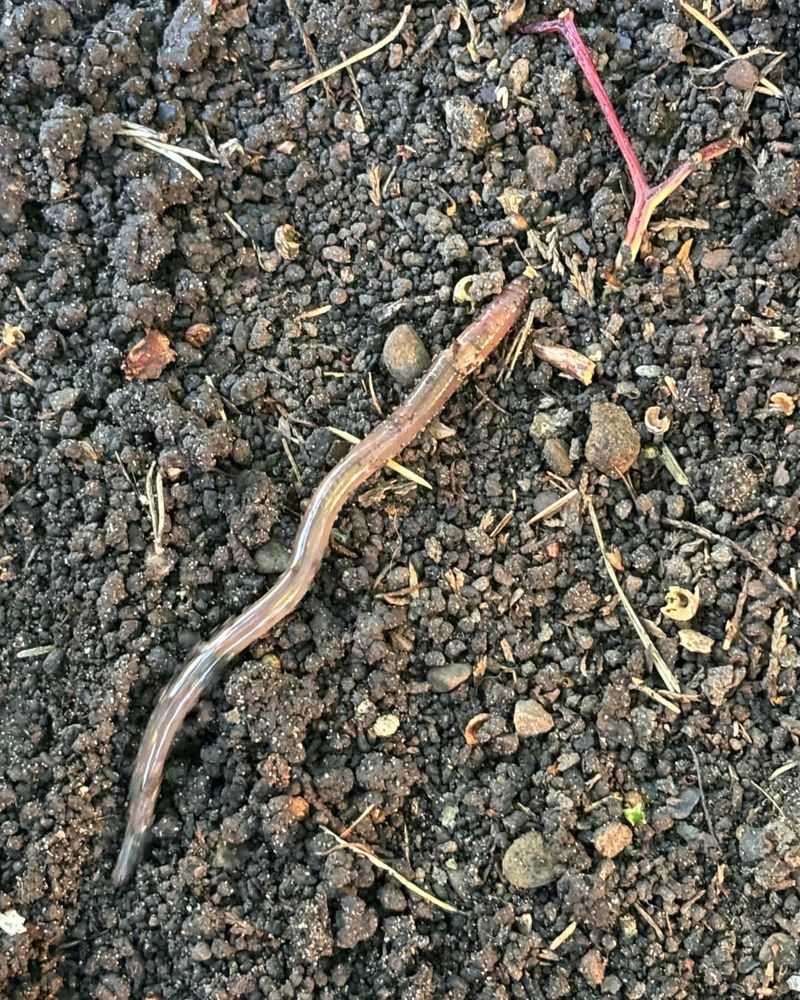
Worms all look kind of the same at first glance, right? Look closer, because jumping worms have one very specific feature that sets them apart from most native species you’ve ever seen.
The clitellum, the band that circles a worm’s body, looks strikingly different on a jumping worm. On native earthworms, this band is raised, pinkish, and only partially wraps around the body.
On a jumping worm, the clitellum is smooth, milky white or pale gray, and wraps entirely around the body like a tight ring. It almost looks like someone painted a white stripe all the way around the worm.
This single visual detail is one of the most reliable identification features gardeners can use. You do not need a magnifying glass or a science degree to spot it.
Once you know what to look for, you will notice it immediately when you dig up a suspicious worm. The contrast between the worm’s dark body and that pale white band is quite striking.
Extension offices and university researchers recommend this band as the go-to identification marker for homeowners and gardeners. It removes most of the guesswork from an otherwise confusing identification process.
Sharing this tip with neighbors is genuinely helpful, especially in areas where jumping worms have already been confirmed. Community awareness slows the spread more effectively than individual action alone.
When in doubt, photograph the band and send it to your local extension office for confirmation. Accurate identification leads to smarter management choices.
5. Worms That Break Apart Easily When Handled
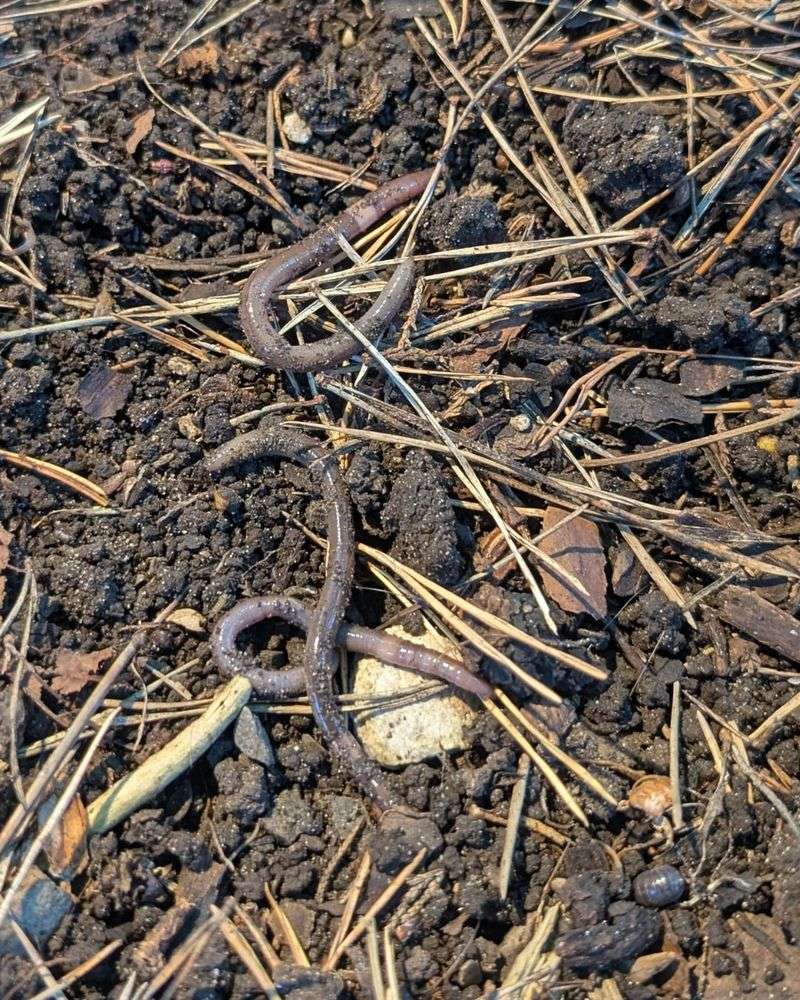
Grab a regular earthworm and it bends and stretches with flexibility. Pick up a jumping worm and something very different happens almost immediately.
These invasive worms break apart with alarming ease when handled or disturbed. Their bodies are more fragile than native earthworms, and they may shed part of their tail when handled or threatened.
This fragility is not accidental. It may actually be a survival strategy that helps the worm escape predators by leaving a piece behind while the rest of the body escapes.
For gardeners, this trait creates a real problem. A broken worm segment left in the soil does not necessarily mean the worm is gone for good.
Handling them without care can scatter biological material across a wider area of your garden. That accidental spreading is one reason why jumping worms are so hard to contain once established.
Researchers recommend using gloves when handling suspected jumping worms and disposing of them in sealed plastic bags placed in the trash. Avoid composting them or tossing them into a nearby wooded area.
The fragile body is yet another clue that you are not dealing with a native worm species. Most gardeners who encounter this trait for the first time are genuinely surprised by how quickly the worm falls apart.
Knowing this ahead of time helps you handle the situation correctly and avoid accidentally spreading the invasion further into your garden or a neighbor’s yard.
6. Thinning, Yellowing Plants With Weak Root Systems
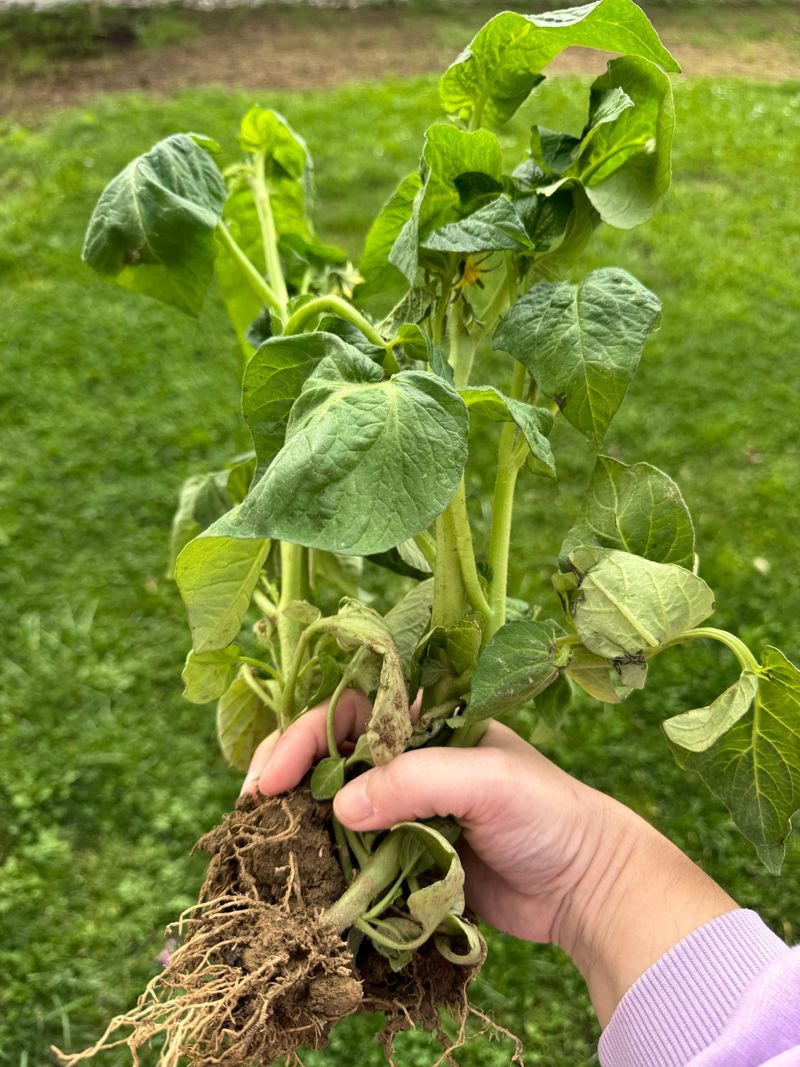
Your hostas were lush and full last year. Now they look pale, thin, and like they barely survived winter even though the weather was mild.
Thinning foliage and yellowing leaves are not always a watering or fertilizer problem. When jumping worms degrade the soil, plants struggle to absorb nutrients even when those nutrients are technically present.
The loose, granular texture left behind by these invasive worms makes it nearly impossible for roots to anchor properly. Shallow, weak root systems are a direct result of that structural breakdown.
Plants that once thrived in your beds may begin to lean, topple, or simply fail to grow with their usual vigor. That visible decline often shows up before gardeners even think to check the soil.
Perennials are especially vulnerable because they depend on stable soil to support deep root growth year after year. When that foundation crumbles, even the toughest garden plants struggle to bounce back.
Pull a struggling plant gently from the ground and examine its roots. If they are short, sparse, and surrounded by dry, crumbly material, jumping worms are a likely cause of the decline.
Adding fertilizer to damaged soil is a bit like putting a fresh coat of paint on a cracked wall. The real fix has to happen at the soil level first.
Addressing the jumping worm problem directly gives your plants a fighting chance to recover over the following growing season.
7. Large Numbers Of Worms Near The Soil Surface
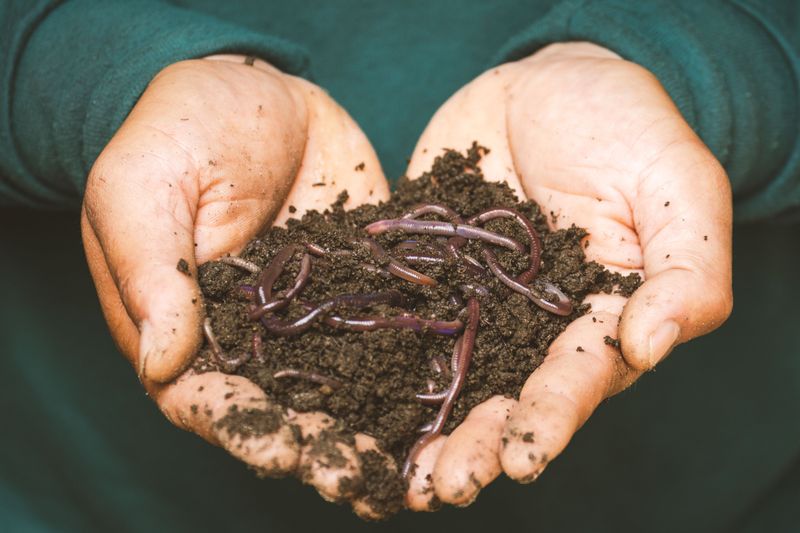
After a good rain, you might spot a few earthworms on your sidewalk. That is totally normal and no cause for alarm whatsoever.
But finding dozens of worms clustered near the surface of your garden beds in midsummer is a very different story. Jumping worms tend to stay in the top few inches of soil, which makes them far more visible than native species.
Native earthworms burrow deep into the ground and generally stay out of sight. Jumping worms are shallow dwellers, and large surface populations are a hallmark of a well-established infestation.
Gardeners in Connecticut have described lifting a single layer of mulch and finding a writhing mass of worms beneath it. That kind of density is deeply unsettling and a clear sign of serious trouble.
The sheer number of worms accelerates soil damage significantly. More worms means faster consumption of organic material and more rapid breakdown of healthy soil structure.
Surface activity also increases the risk of spreading the invasion through garden tools, boots, and transported soil or mulch. Moving material from an infested bed risks carrying eggs or worms elsewhere.
Checking under mulch and near the base of plants is a smart habit for any Connecticut gardener this season. Early detection of large surface populations gives you the best window to act before the problem expands.
Jumping worms spread faster than most gardeners expect, and high surface numbers are one of the clearest warning signs to watch for.
8. More Weeds Taking Over Previously Stable Beds
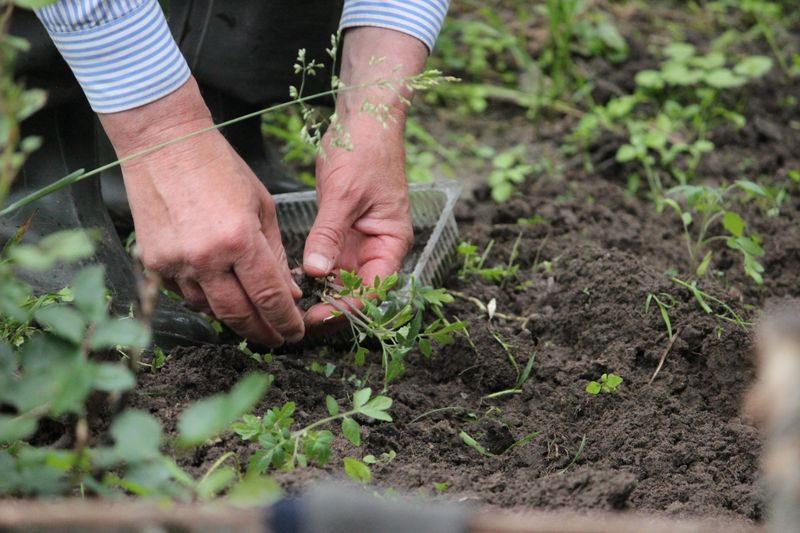
You spent years building a beautiful, weed-resistant garden bed. Now weeds are popping up everywhere, and your usual maintenance routine is not keeping up.
Jumping worms may be the hidden reason behind that sudden surge. When these invasive worms break down soil structure, they create conditions that favor opportunistic weeds taking root and spreading.
Loose, disturbed soil is essentially an open invitation for weed seeds. Without the dense, stable ground that supports your intentional plants, unwanted species move in fast and crowd out everything you worked to grow.
Weeds like garlic mustard and stiltgrass often move into these disturbed conditions. They are often the first visible sign that something has gone wrong underground, even before gardeners notice the soil texture change.
Many gardeners spend extra time pulling weeds and assume the problem is seasonal. The real cause is lurking beneath the surface, quietly dismantling the healthy soil ecosystem they spent years building.
Weed pressure alone is not proof of a jumping worm problem, but combined with other signs like grainy soil and yellowing plants, it paints a very clear picture. Putting the clues together helps you take the right action.
Managing weeds in infested beds is an uphill battle until the soil is rehabilitated. Pulling weeds without addressing the underlying invasion offers only temporary relief.
Recognizing this pattern early is empowering because it points you toward the real solution. Jumping worms are spreading across Connecticut gardens, and knowing the signs is the first step to protecting yours.