The Spotted Lanternfly Has Reached Connecticut, And Homeowners Should Take Notice
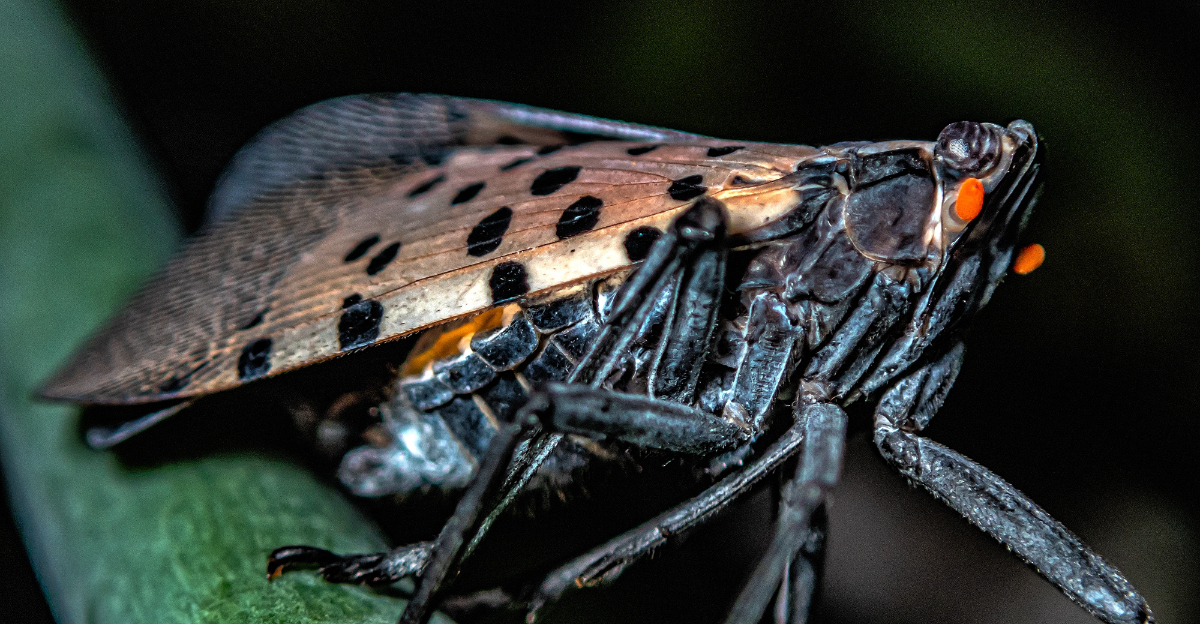
Connecticut has a new resident, and it did not exactly ask for permission. The spotted lanternfly showed up with wings that look like they belong on a butterfly, not a pest capable of draining the life out of a maple tree.
It first turned up in Pennsylvania in 2014, then spent the following years working its way northeast, county by county, state by state. Connecticut was simply next on the list.
Here is the part most homeowners miss: this bug is not just an eyesore crawling up your porch railing. It feeds on sap, weakens plants, and leaves behind a sticky mess that invites mold and other problems.
But panic is not the answer. Recognizing the signs early and knowing how to respond can genuinely slow the spread.
The Spotted Lanternfly Has Spread To Every Connecticut County
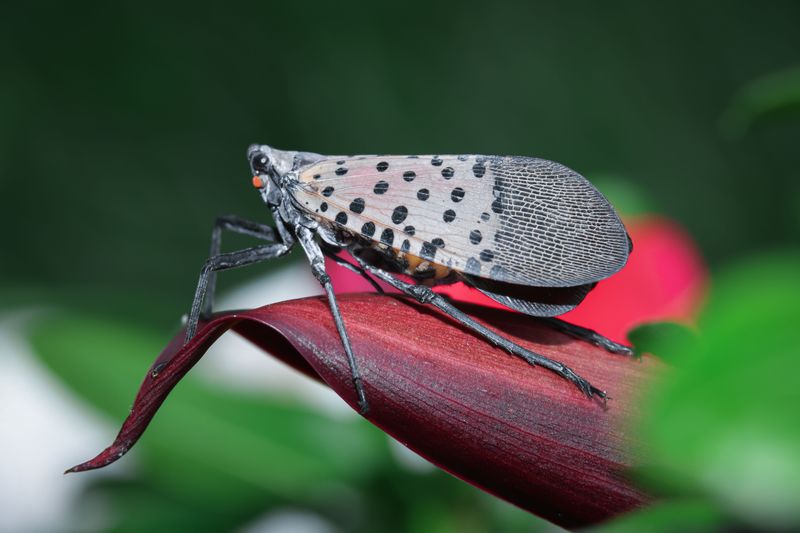
Nearly every county in the state now has a confirmed spotted lanternfly population, and the numbers keep climbing.
This pest arrived in Connecticut around 2020, and it wasted no time spreading. Researchers and residents began reporting sightings in Fairfield County first, then quickly across the entire state.
The insect hitches rides on cars, trains, and outdoor furniture. It clings to firewood, plant pots, and even camping gear without anyone noticing.
Once it reaches a new area, it reproduces fast and establishes itself within a single season. A single egg mass can contain 30 to 50 eggs, and one adult female can lay multiple masses.
State agricultural officials have been tracking the spread closely. The Connecticut Agricultural Experiment Station has confirmed populations from Litchfield County down to New London County.
Homeowners near wooded areas or properties with tree-of-heaven plants face the highest risk. That invasive tree is the spotted lanternfly’s favorite host, and it grows along roadsides and backyards statewide.
Knowing the pest is already in your county should change how you think about your yard. Your backyard observations could help scientists map the spread and protect your neighbors too.
Identifying A Spotted Lanternfly At Each Life Stage
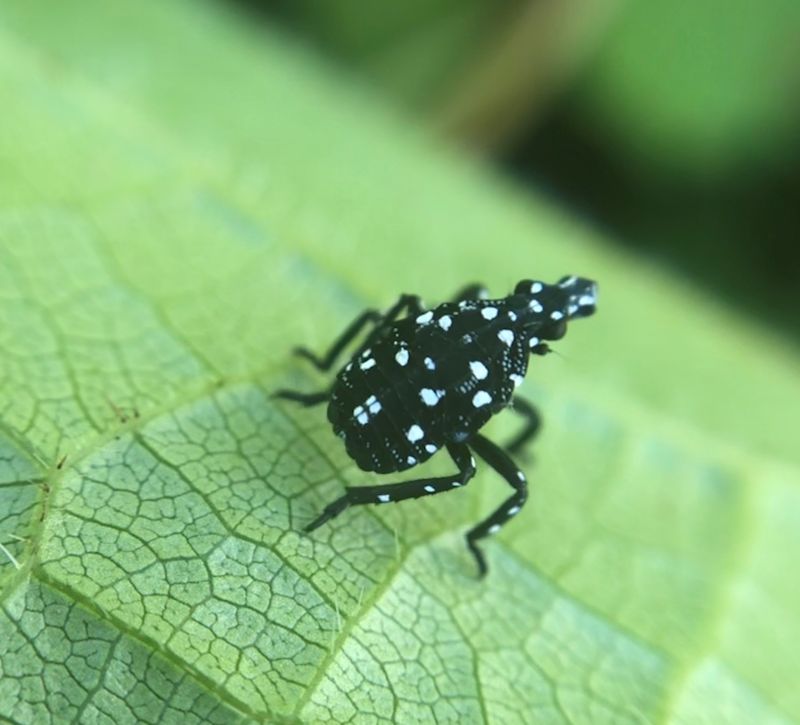
Spotting this insect sounds easy until you realize it looks completely different depending on its age. Knowing each stage could save your garden.
In early spring, the eggs hatch into tiny black nymphs covered in white dots. These first-stage nymphs are only about an eighth of an inch long and easy to miss.
As summer arrives, the nymphs grow and turn red with black and white markings. At this stage they move fast and jump aggressively when disturbed.
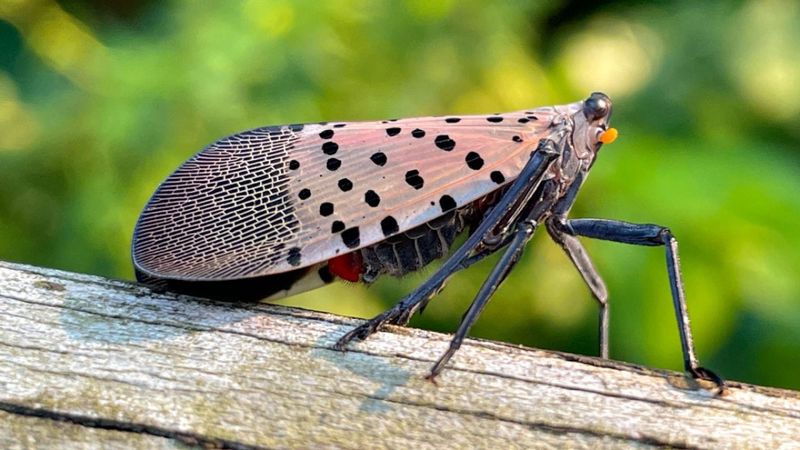
By late summer, adults emerge with grayish-brown forewings covered in black spots. When they open their wings, a flash of red, black, and white appears underneath.
Adults are roughly an inch long and tend to gather in large groups on tree trunks and fence posts. Seeing dozens of them clustered together on a single plant is a common sign of heavy infestation.
One trick for identification is watching how they move. Spotted lanternflies prefer to walk upward on surfaces rather than fly immediately when startled.
Your Connecticut Garden Changes Every Week. Your Plan Should Too.
Gardening in Connecticut changes quickly throughout the season. Every Friday you’ll receive a simple weekly plan showing exactly what to plant, prune, fertilize, harvest, and protect so you never miss the right timing.
They also produce a sticky, sweet substance called honeydew as they feed. This liquid drips onto surfaces below and encourages the growth of black sooty mold.
Learning these visual cues at each stage means you can catch an infestation early. Early detection gives you far more options for managing the problem before it gets out of hand.
Trees, Grapes, And Gardens All Pay The Price
This insect does not just look bad on your plants. It actively drains the life from them in ways that compound over time.
Spotted lanternflies use piercing mouthparts to suck sap from stems, trunks, and leaves. That feeding weakens the plant and makes it harder to survive through winter.
Grapevines are among the most vulnerable plants in any yard or farm. A single season of heavy feeding can reduce a vine’s ability to produce fruit the following year.
Apple trees, hops, and ornamental maples are also high on this insect’s target list. Even healthy, established trees can show signs of stress after repeated attacks.
The sticky honeydew the pest secretes lands on lower plants and garden furniture. That residue leads to black sooty mold, which blocks sunlight from reaching leaves and stunts plant growth.
Beyond individual yards, the economic threat is serious for Connecticut’s agricultural sector. Vineyards, orchards, and nurseries across the state are watching this situation with growing concern.
Economic studies estimate the damage could reach hundreds of millions of dollars a year in states with heavy infestations, mostly hitting grape, fruit, and forestry industries.
Protecting your backyard plants is not just a personal matter. Every garden you defend is one fewer breeding ground feeding the larger regional problem.
Take Action The Moment You Spot One
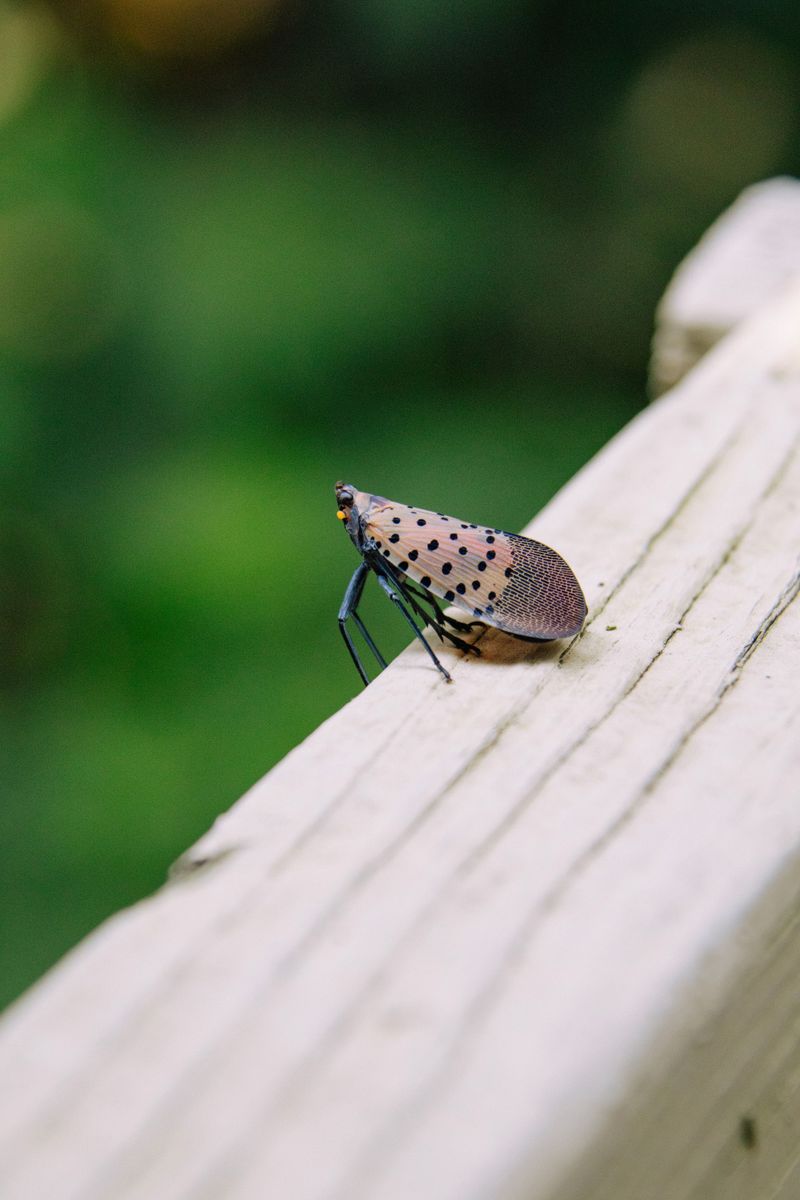
State officials have a message that is refreshingly direct: stomp them. It rarely takes special equipment or outside help.
When you see an adult spotted lanternfly on a hard surface, crushing it immediately is one of the most effective actions a homeowner can take. Speed matters because these insects move quickly and jump far.
Some people keep a small container of soapy water nearby during peak season from July through November. Knocking lanternflies into the solution is an easy way to handle multiple insects at once.
Sticky traps placed around tree trunks can also capture large numbers of nymphs and adults. These traps are available at many garden centers and work best when checked and replaced regularly.
One important note about sticky traps: use circle-style traps with a barrier that prevents birds and small animals from getting stuck. Standard tape-style traps have caused problems for non-target wildlife in other states.
Pesticide sprays are available for severe infestations, but manual removal is encouraged first for smaller populations. Overusing chemicals can harm pollinators and beneficial insects in your garden.
Neem oil and insecticidal soaps can reduce populations when applied directly to nymphs. These options are gentler on surrounding plants and safer around pets and children.
Every insect you remove from your yard is progress. Small consistent actions across thousands of homeowners add up to a real difference in the overall population.
Scrape Egg Masses Before They Hatch
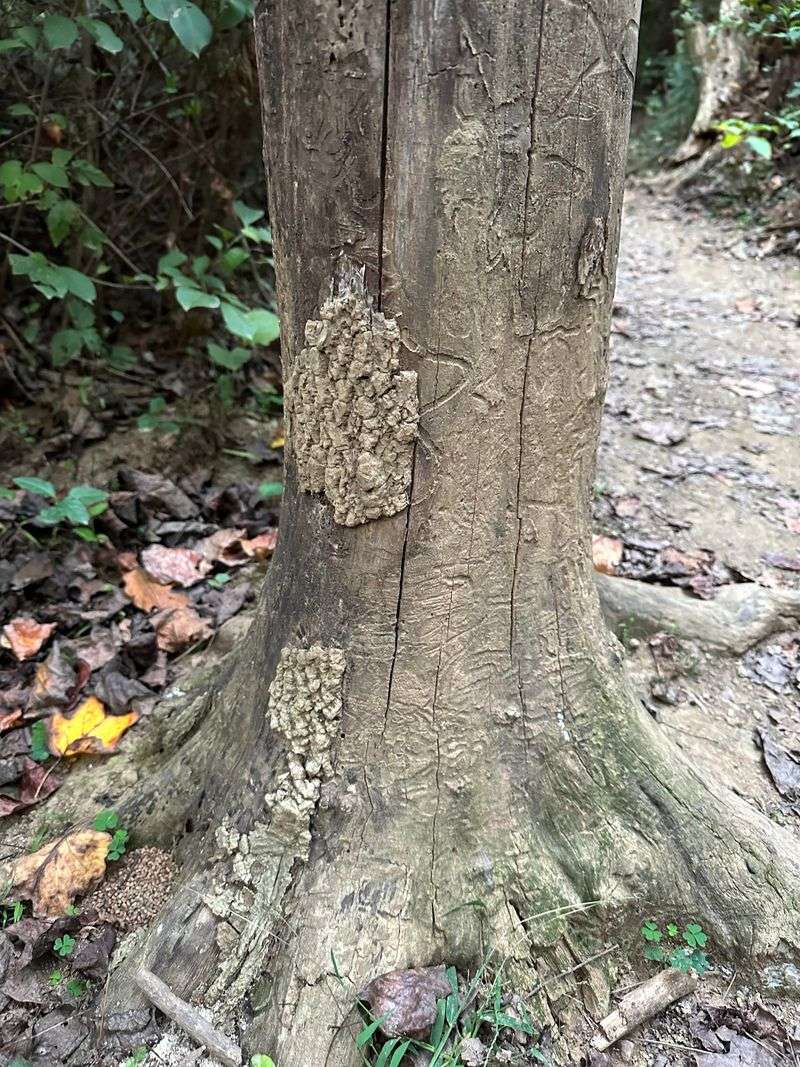
Finding egg masses in fall and winter is one of the most powerful moves a homeowner can make against this pest. One scraped mass means up to 50 fewer insects next spring.
Egg masses look like smears of dried mud or putty on flat surfaces. They appear on tree bark, fence posts, patio furniture, stone walls, and even the sides of vehicles.
Each mass is about an inch long and contains rows of seeds covered by a grayish, waxy coating. Fresh masses look slightly shiny, while older ones appear more cracked and dull.
To remove them, use a stiff card, putty knife, or old credit card to scrape the mass off the surface. Crush the mass thoroughly, then seal it tightly inside a bag before throwing it away, since eggs left exposed can still survive.
Leaving scraped masses on the ground is not enough since some eggs can still hatch in warm conditions.
Check every hard surface on your property from September through May. Egg-laying season peaks in October, so fall inspections are especially important for getting ahead of the next generation.
Do not forget to inspect your car, especially if you have parked near wooded areas or traveled through infested regions. A single egg mass transported on a bumper can start a new population miles away.
Consistency wins this battle. A thorough sweep of your property each autumn puts you miles ahead of the problem.
Check Vehicles Before Traveling
Your phone is one of the most useful tools in this fight. Reporting a spotted lanternfly sighting takes under two minutes and helps scientists track the spread in real time.
The Connecticut Agricultural Experiment Station has an online reporting form where residents can submit photos and location details. The more reports they receive, the better their maps of infestation zones become.
You can also report through the USDA’s Hungry Pests website or the iMapInvasives app. These platforms compile data from across the country and feed into national response strategies.
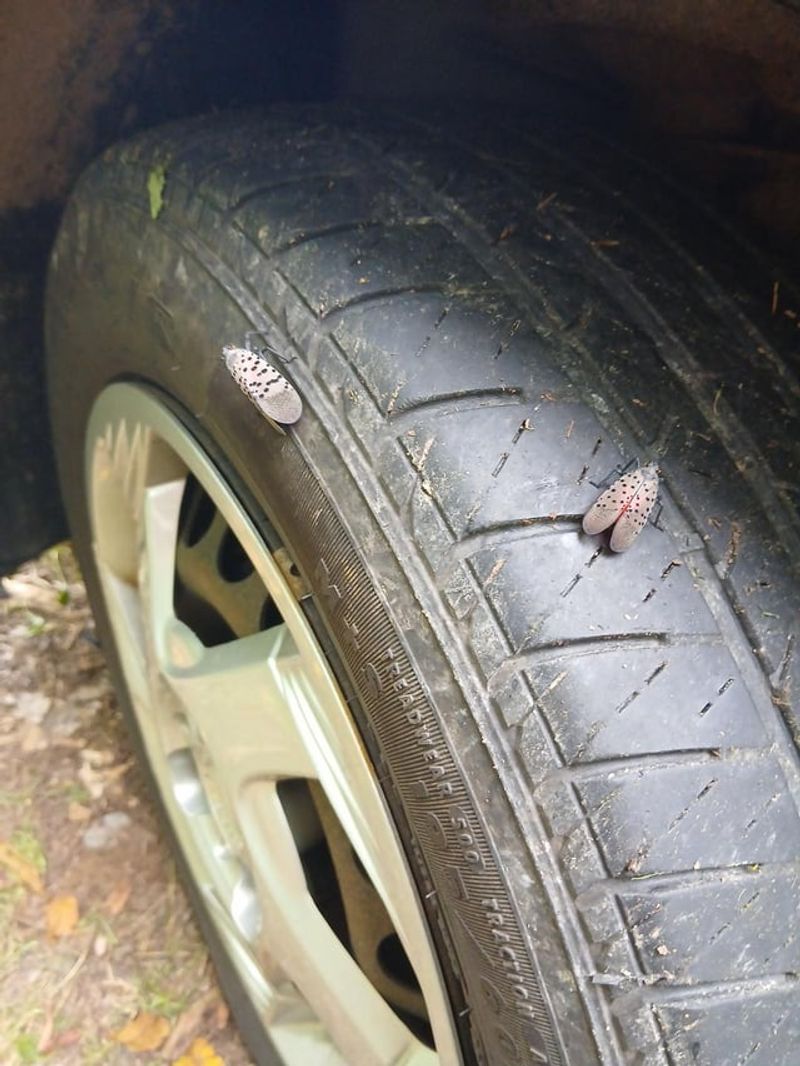
Before any road trip, do a quick walk around your vehicle if you have parked near wooded areas or orchards. Check the wheel wells, undercarriage, roof rack, and bumpers carefully.
Spotted lanternflies are surprisingly good at blending into bark-colored surfaces. A flat egg mass on a dark bumper can look like a smudge of dried dirt at first glance.
If you are hauling outdoor gear like kayaks, bikes, or camping equipment, inspect every strap and surface before loading up. These items are common unintentional carriers.
Nursery plants and cut firewood are among the highest-risk items for transporting this insect. Avoid moving firewood from infested areas, and buy plants from certified local sources when possible.
Every report filed and every vehicle checked is a small act that protects the broader community. Staying alert about the spotted lanternfly is how Connecticut homeowners turn awareness into real action.