What Draws Raccoons To Connecticut Yards At Night And How To Actually Stop Them
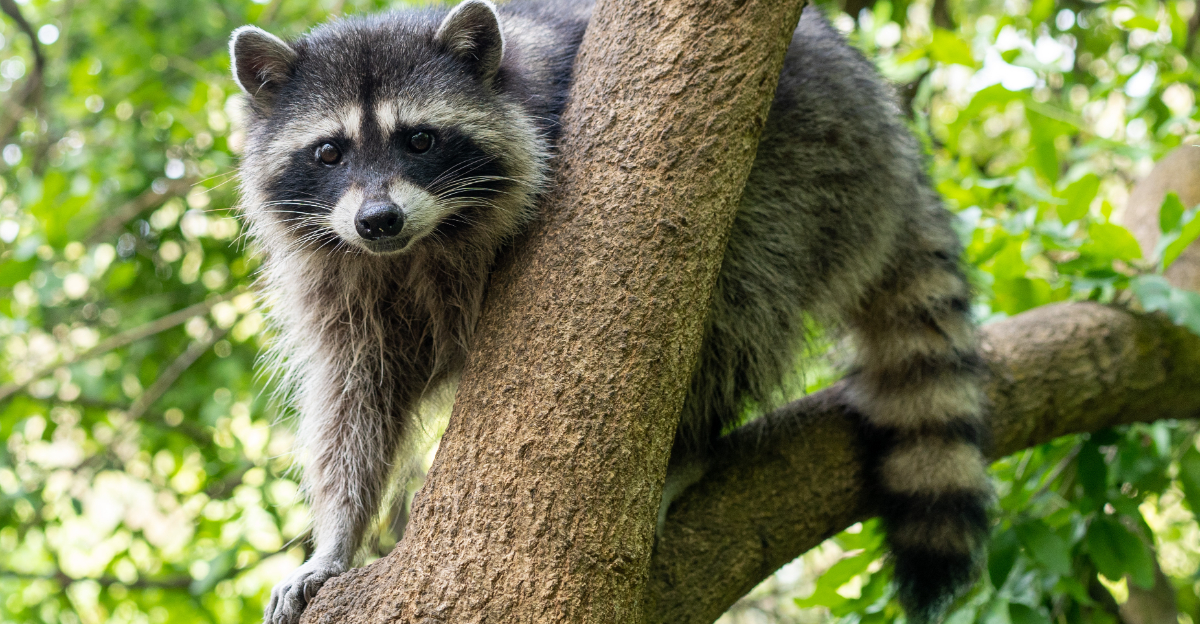
Raccoons do not stumble into Connecticut yards by accident. They scout, they remember, and they come back, often night after night, because something in your yard is worth the trip.
Maybe it is the trash cans by the garage, the fallen apples near the fence, or the gap under the deck that looks like a perfectly good place to sleep.
Whatever the draw, these animals are not random visitors. They are regulars.
Connecticut’s mix of woods and residential neighborhoods is practically designed for raccoon movement. More homeowners deal with this than they realize.
Once a raccoon decides your yard is worth visiting, breaking that habit takes more than wishful thinking.
Here is what keeps bringing them back, and what it actually takes to stop them.
The Three Things Pulling Raccoons Into Yards

Raccoons are not mysterious creatures, they are hungry ones. Every nighttime visit to your yard comes down to three basic needs: food, shelter, and water.
Unsecured trash cans are basically an open buffet for these animals. Raccoons have nimble front paws and can work off unsecured lids without much effort.
Pet food left outside is another powerful magnet. Even a small bowl of kibble sitting on a porch is enough to bring a raccoon back night after night.
Birdseed spilled beneath feeders, fallen fruit from trees, and compost piles all broadcast the same signal: free food here. Raccoons tend to pick up on these cues quickly and often return to reliable sources.
Water sources matter just as much. A low birdbath, a leaky hose, or a puddle near a garden bed gives a raccoon everything it needs to settle in.
Shelter is the final piece. Dense shrubs, woodpiles, and spaces under decks offer ideal nesting spots close to food. Once a raccoon finds all three in one yard, it stops looking elsewhere, and your yard becomes its home base.
Why Connecticut Yards Are Especially Appealing To Raccoons
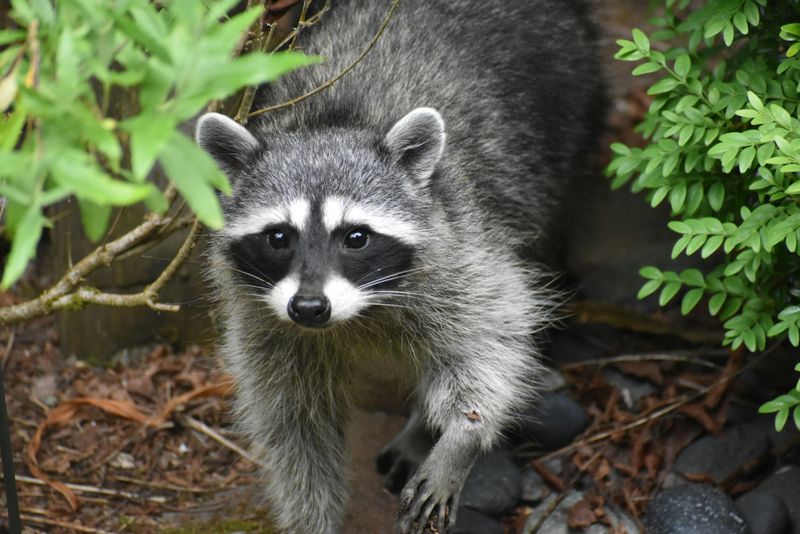
Connecticut offers conditions that work particularly well for raccoons. The mix of dense suburbs, mature trees, and close-knit neighborhoods creates a near-perfect habitat.
Connecticut sits in a forested region where raccoon populations were already high before suburbs expanded. Development tends to give raccoons more resources rather than fewer.
Mature oak and fruit trees are everywhere in older neighborhoods. These trees drop acorns and fruit that raccoons absolutely love, especially in fall.
Storm drains, crawl spaces, and old stone walls give raccoons hidden travel routes through residential areas. They can move from yard to yard without ever crossing open ground.
Composting has become popular across the state, and while it is great for gardens, open compost bins are a raccoon’s dream snack bar. The smells carry far on a cool night breeze.
Suburban Connecticut also has mild enough winters that raccoons stay active much longer than people expect. They do not truly hibernate, so they are out foraging well into December and back again by February.
Your yard is not just a yard to a raccoon, it is a prime piece of real estate in a very desirable neighborhood.
Your Connecticut Garden Changes Every Week. Your Plan Should Too.
Gardening in Connecticut changes quickly throughout the season. Every Friday you’ll receive a simple weekly plan showing exactly what to plant, prune, fertilize, harvest, and protect so you never miss the right timing.
The Role Of Seasons In Raccoon Activity Around Your Home
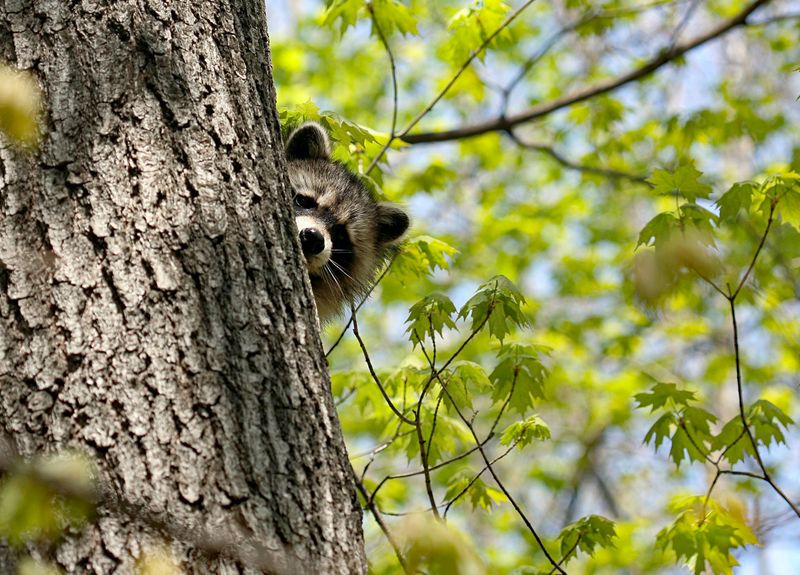
Raccoon behavior shifts dramatically depending on the time of year. Knowing the seasonal patterns helps you stay one step ahead of them.
Spring is the most active and chaotic season. Mother raccoons are raising young kits and need large amounts of food, which means they tend to forage more aggressively and are less easily deterred.
Summer brings juveniles out on their own for the first time. Young raccoons are less cautious and more likely to wander into yards during early evening hours.
Fall is prime foraging season. Raccoons are packing on fat reserves before winter slows them down, so they are eating constantly and hitting every food source they can find.
Winter does not mean raccoons disappear. They enter a state called torpor, which is lighter than true hibernation, and they will venture out on warmer nights to search for food.
Each season brings a different reason for raccoons to show up at your door. Adjusting your prevention strategy by season, tightening security in spring and fall especially, makes a real difference.
Staying proactive year-round keeps your yard from becoming a seasonal raccoon destination.
How Raccoons Find Their Way Back To The Same Yard
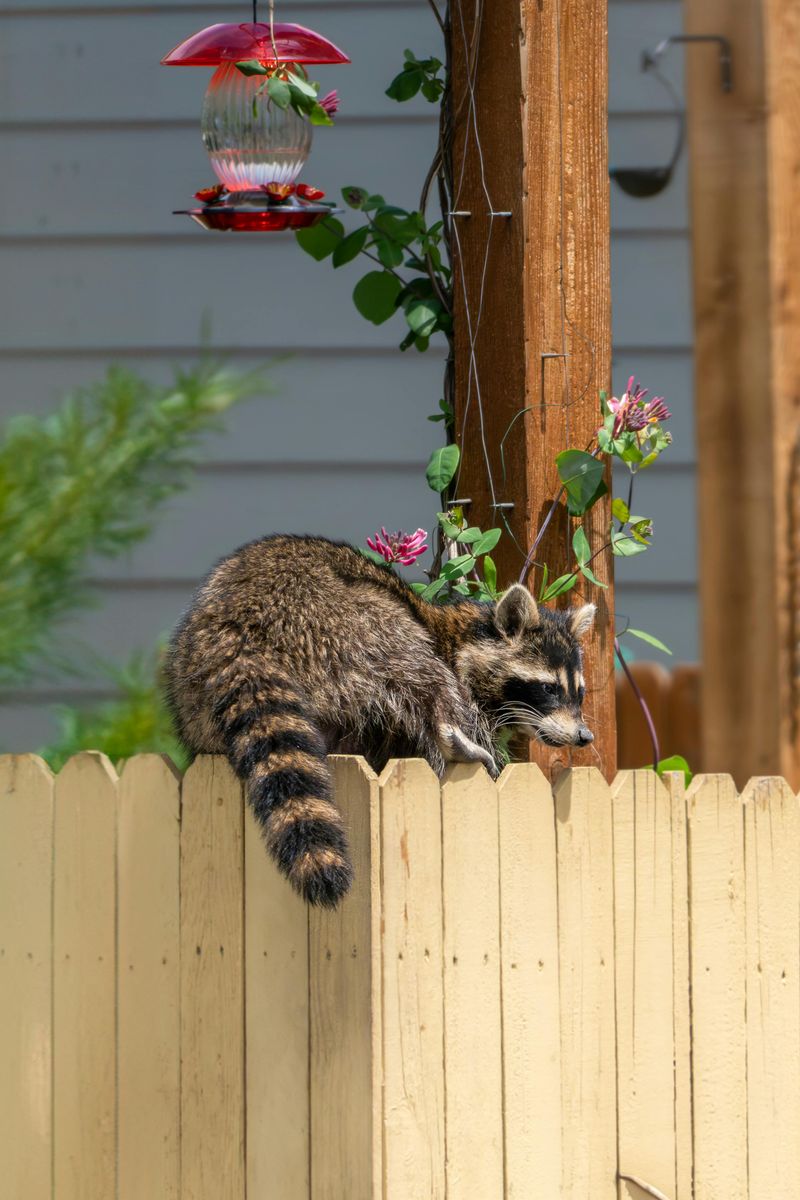
Raccoons have reliable spatial memory. Once they locate a consistent food source, they build a mental map and return on a regular schedule.
Their home range is typically one to three miles, but they will revisit the same spots within that range on a near-nightly basis. Your yard, once discovered, becomes a stop on their regular route.
Scent plays a huge role in navigation. Raccoons leave behind scent markings near food sources, almost like leaving themselves a bookmark for next time.
In areas with overlapping home ranges, multiple raccoons may independently discover and use the same yard.
Removing the food source is the most effective way to break the cycle. Without a reward, the mental map loses its value and the visits slowly stop.
But timing matters. If a raccoon has been visiting for weeks, it may take several weeks of no reward before it gives up and redirects elsewhere.
Consistency in removal is the key ingredient, one slip means starting the clock over again.
What Happens When Raccoons Feel Safe In Your Space
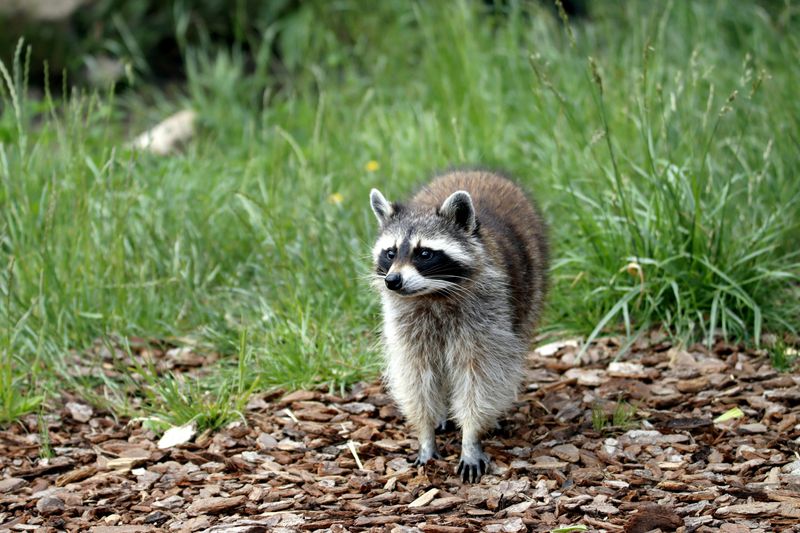
A raccoon that feels comfortable in your yard tends to become bolder over time. Comfort leads to boldness, and boldness leads to damage.
At first, a raccoon might just tip a trash can or nibble fallen fruit. That seems minor, until the animal decides your attic vent looks like a cozy den entrance.
Raccoons that lose their wariness of humans are more likely to approach people or pets. That changes a nuisance situation into a genuine safety concern.
They also begin to mark territory more aggressively once they feel settled. Latrines appear near entry points, garden beds, and decks, which creates a hygiene issue beyond simple property damage.
Noise is another sign of escalating comfort. Raccoons that once came quietly at midnight start showing up at dusk, making noise on roofs and pulling at soffits.
The best prevention is never letting comfort develop in the first place. Consistent deterrents, removed food sources, and motion-activated lights all send the message that your yard is not a safe space.
A raccoon that never settles in is a raccoon that keeps moving down the street.
Yard And Home Features That Make Raccoons Want To Stay
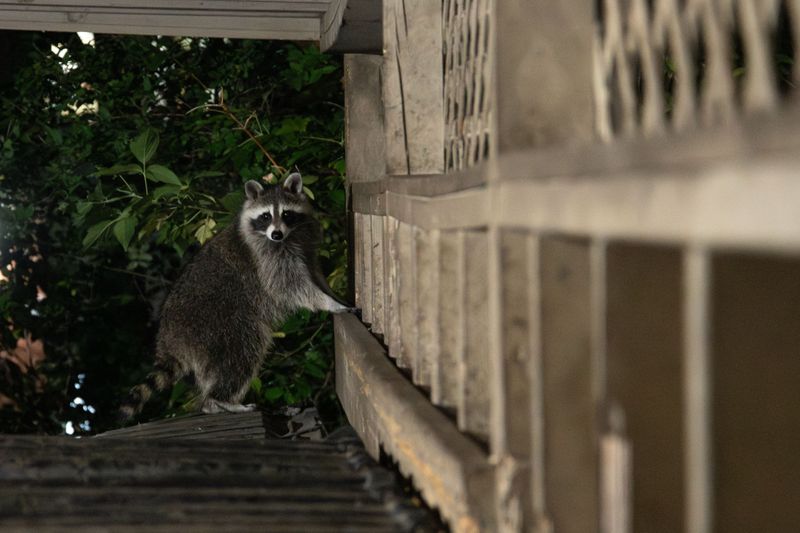
Some yards practically advertise themselves to raccoons. Certain features act as welcome signs that most homeowners do not even realize they have put out.
Woodpiles stacked against the house are a top offender. They offer both shelter and a climbing route to the roof, giving raccoons two benefits in one convenient spot.
Low-hanging bird feeders are another major draw. Raccoons are excellent climbers and will empty a feeder in minutes, then return every night expecting the same reward.
Vegetable gardens without fencing are basically free grocery stores. Sweet corn, tomatoes, and melons are among their favorite targets, and they will work through a garden bed methodically.
Gaps under porches, sheds, or decks invite nesting. A female raccoon looking for a den in spring will squeeze into surprisingly small openings to find a protected space.
Open garage doors left overnight, unsecured crawl space vents, and damaged roof soffits are also common entry points. Raccoons explore every edge and gap they find.
Fixing these features does not require major renovation. Simple hardware cloth, bungee cords on trash lids, and motion lights go a long way toward making your yard feel less like an invitation.
Practical Steps That Make Your Property Less Worth Visiting
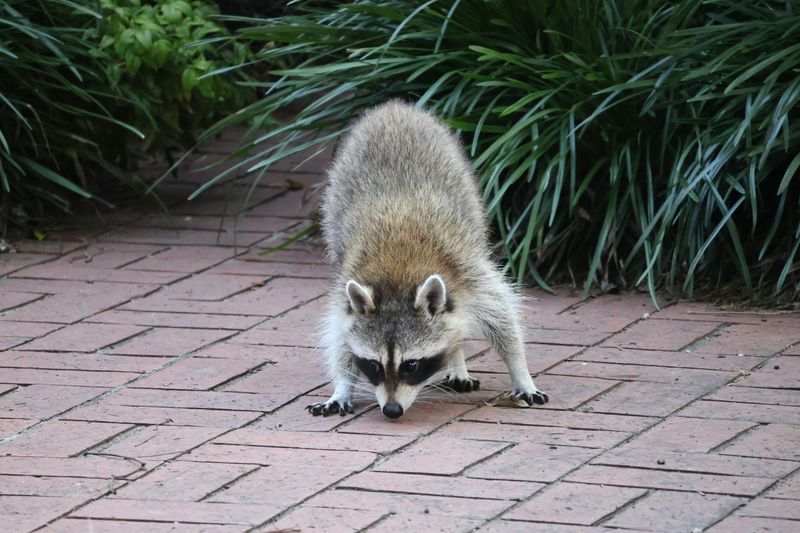
Stopping raccoons from visiting Connecticut yards at night does not require traps or toxic sprays. It requires removing what they came for in the first place.
Start with your trash cans. Use bins with locking lids or secure standard lids with bungee cords, raccoons struggle with latches they cannot pry open.
Bring pet food inside every night without exception. Even a few pieces of kibble left in a bowl is enough to keep a raccoon coming back on schedule.
Install motion-activated lights around the perimeter of your yard. Sudden bright light startles raccoons and makes them feel exposed, which is exactly the feeling you want them to have.
Seal off gaps under decks, porches, and sheds with heavy-gauge hardware cloth. Use a minimum of half-inch mesh and bury the edges a few inches underground to prevent digging.
Trim tree branches that hang over your roof. Raccoons use overhanging limbs as highways onto your home, so cutting access points limits their options significantly.
Repellents are worth adding to the mix. Products containing predator urine or capsaicin create an uncomfortable environment near entry points.
They work best as part of a broader approach rather than a standalone fix. With the right combination of changes, your property stops sending the signals that keep raccoons coming back.