The Michigan Backyard Habit That Creates Perfect Conditions For Late Summer Fungus
Late summer fungal problems in Michigan feel like bad luck or inevitable seasonal decline. Most of them are neither.
They are the predictable result of one specific backyard habit that creates the exact combination of moisture, reduced airflow, and organic debris accumulation that fungal pathogens need to establish and spread.
This habit is so common that it shows up across yards regardless of plant selection, soil quality, or how much attention the garden otherwise receives.
Gardeners who stop see cleaner beds through late summer. By halting the practice, they eliminate the conditions that make annual fungus inevitable without needing new treatments or plants.
1. Evening Sprinklers
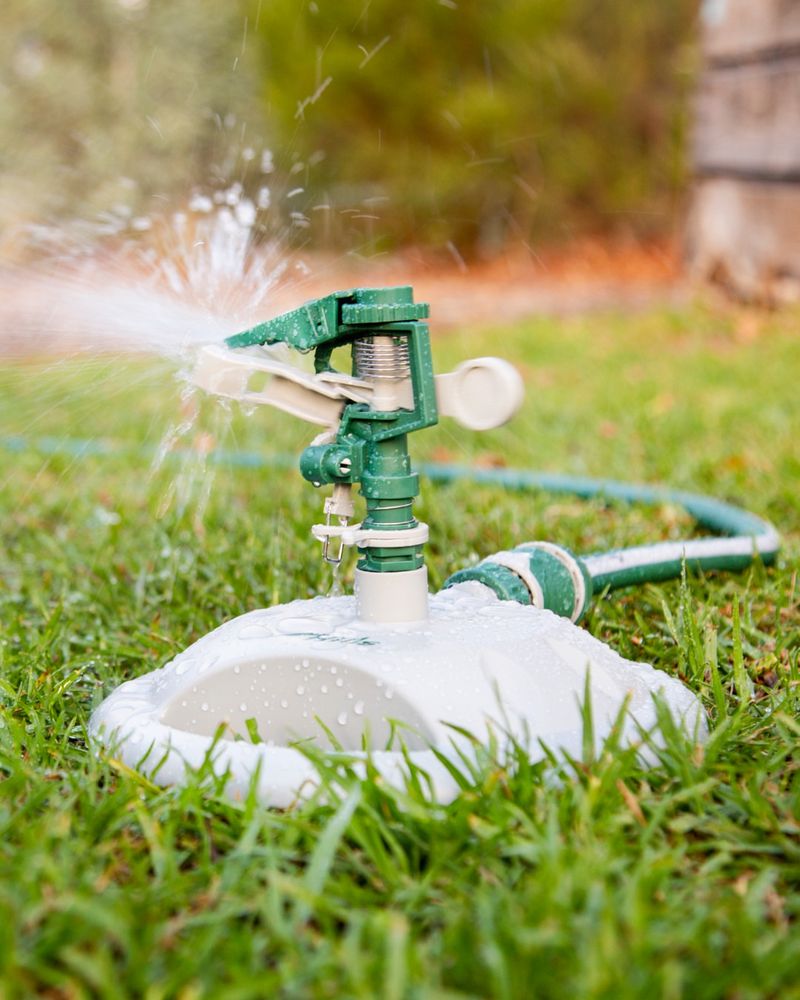
Picture this: the sun is going down, temperatures finally drop, and you head outside to run the sprinklers before bed. It feels like the responsible thing to do, especially during the scorching heat of a Michigan July or August.
But that nighttime watering routine could be quietly setting your yard up for a season full of fungal problems.
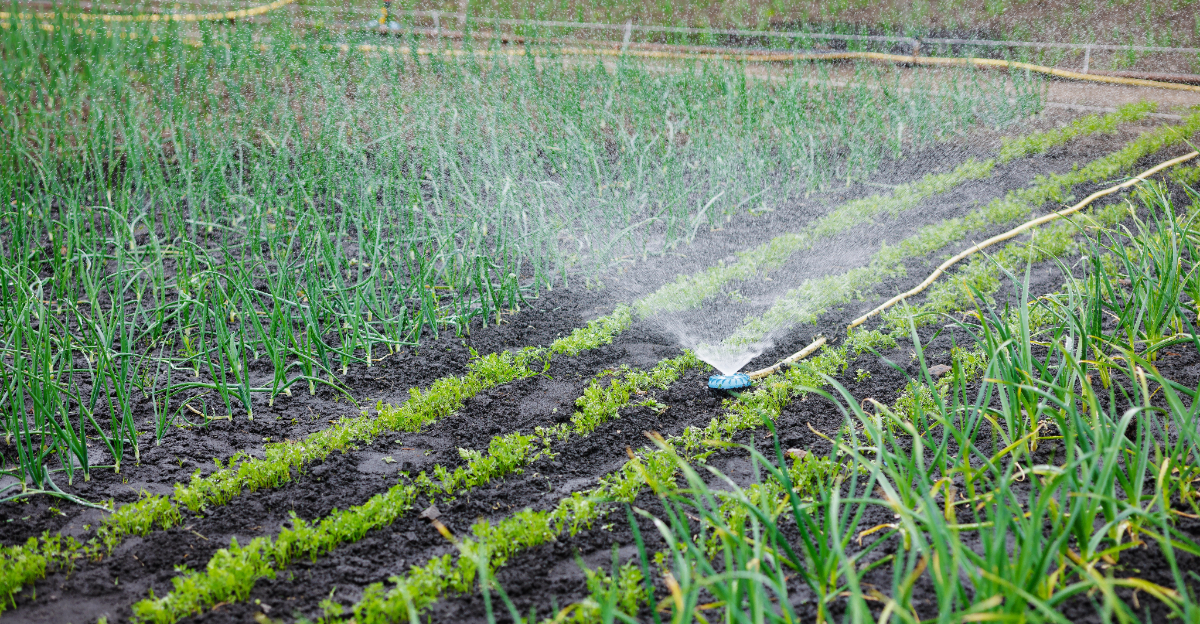
Overhead sprinklers coat every leaf, blade of grass, flower petal, and stem with water. During the evening, there is no strong sun or warm air to dry things off quickly.
Grass, tomatoes, cucumbers, perennials, and shrubs can stay wet for eight hours or more before morning arrives.
Fungus thrives when plant surfaces stay damp for long stretches of time. Warm nighttime temperatures combined with wet leaves create almost ideal growing conditions for spores that are always present in garden soil and air.
Running sprinklers at night does not give plants extra benefit over morning watering, but it does give fungal spores the moisture window they need to get started.
Shifting your watering schedule is one of the simplest and most effective changes you can make to protect your garden all season long.
2. Leaves Stay Wet Through The Night
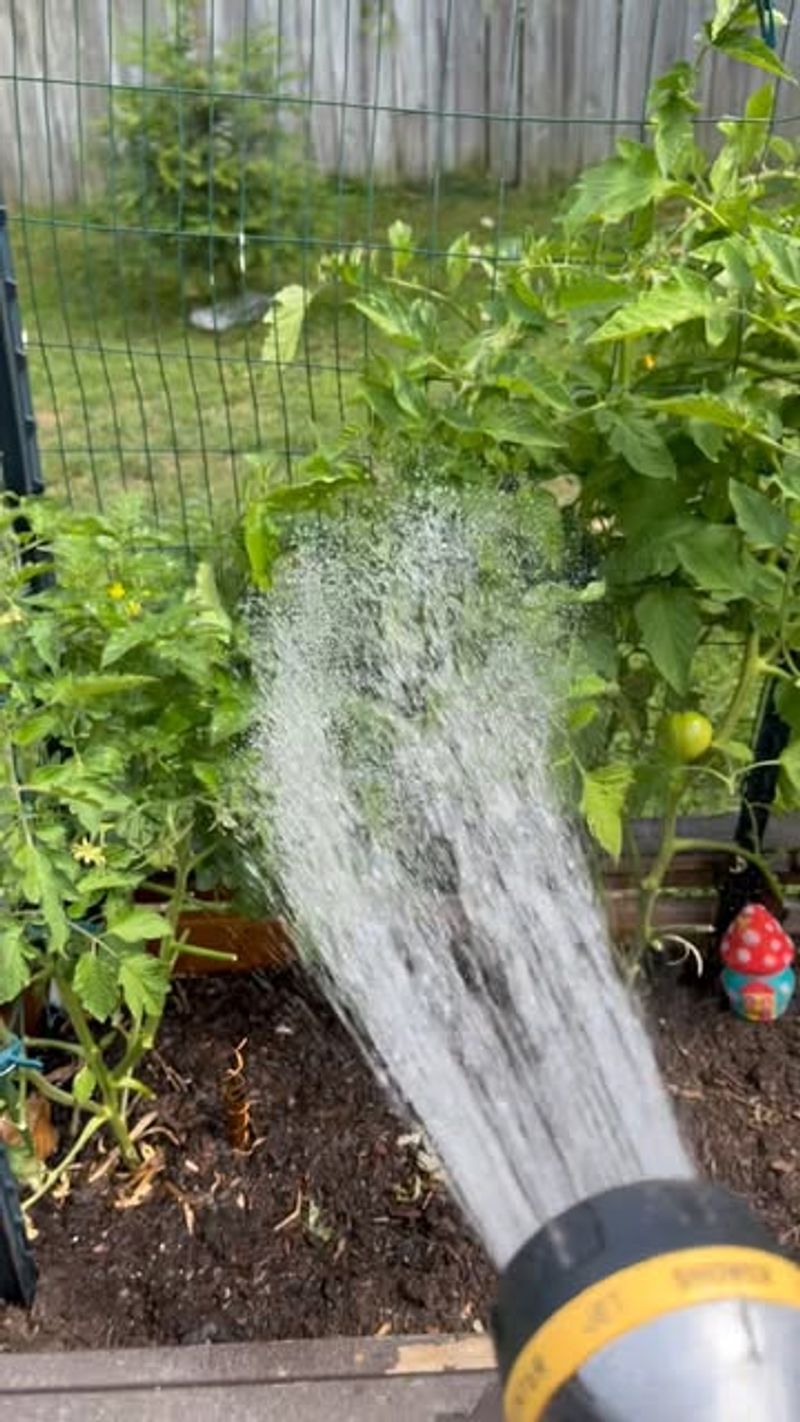
Most people assume that once the sprinkler turns off, the water disappears fairly quickly. In a Michigan backyard during late summer, that is rarely what happens.
Cooler nighttime air slows evaporation significantly, and by the time most households go to sleep, plants are still soaking wet.
Shade from thick canopy growth, fences, and nearby trees keeps moisture trapped even longer. Dense planting beds with big squash leaves, bushy tomato plants, and overgrown perennials create pockets of still, humid air that barely move all night.
Dew that forms naturally in the early morning hours adds even more moisture on top of what the sprinkler already left behind.
Foliage that stays wet from 8 p.m. all the way through 6 a.m. gives fungal spores a very generous window to germinate and spread.
Research from Michigan State University Extension has shown that leaf wetness duration is one of the most important factors in predicting fungal disease outbreaks in home gardens.
The longer leaves stay wet, the higher the risk. Knowing this simple fact changes how you look at evening watering entirely, and makes morning watering feel less like an inconvenience and more like a smart, protective habit worth building.
3. Lawn Fungus Likes Long Wet Periods
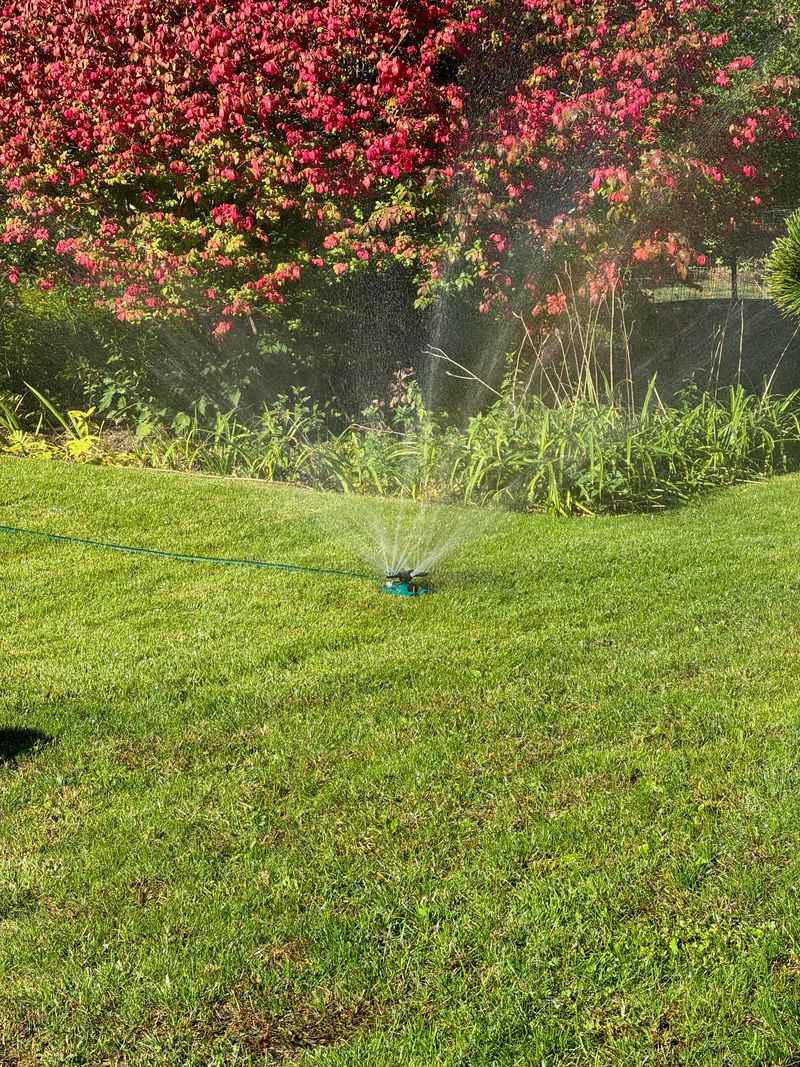
Grass might look tough, but turf is surprisingly vulnerable to fungal disease when it stays wet overnight.
Your Michigan Garden Changes Every Week. Your Plan Should Too.
Gardening in Michigan changes quickly throughout the season. Every Friday you’ll receive a simple weekly plan showing exactly what to plant, prune, fertilize, harvest, and protect so you never miss the right timing.
In Michigan, late summer brings warm nights that hover in the 60s and 70s, and when you add hours of wet grass blades on top of that warmth, conditions become almost perfect for common lawn diseases like brown patch, dollar spot, and gray leaf spot.
Brown patch in particular spreads fast when nighttime temperatures stay above 70 degrees Fahrenheit and grass remains wet for 10 or more consecutive hours. Evening sprinklers tick both boxes easily.
The fungus spreads along the soil surface and up grass blades, creating circular tan or brown patches that can grow several feet wide in just a few days during peak conditions.
Switching to morning watering is one of the most recommended tips from turf specialists and university extension programs across the Midwest.
Watering between 6 and 10 a.m. gives grass roots the moisture they need right before the heat of the day while allowing blades to dry off completely by early afternoon.
Afternoon sun and air movement do the drying work for you. A simple schedule change costs nothing and can keep your lawn looking full and healthy all the way through September without a single fungicide application needed.
4. Vegetable Beds Get Hit From Above
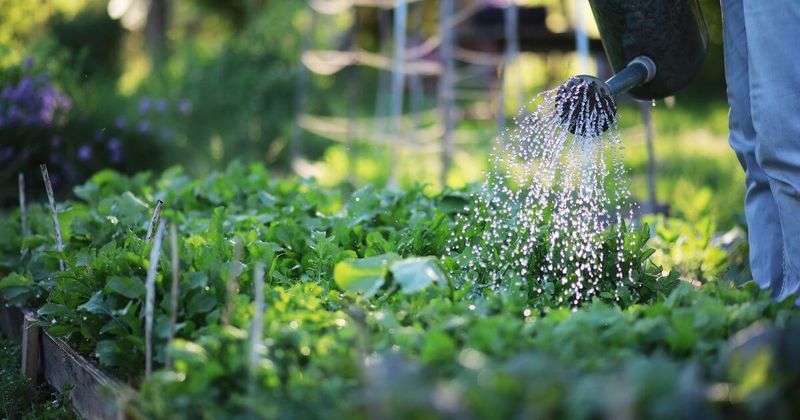
Tomatoes do not drink through their leaves. Neither do cucumbers, squash, beans, or peppers.
Every vegetable in your garden takes up water through its root system, which means spraying the entire plant canopy from above is unnecessary and actually creates problems you did not ask for.
Wet tomato leaves are a direct invitation for early blight, late blight, and Septoria leaf spot, three of the most common and frustrating fungal diseases in Michigan vegetable gardens.
Cucumbers and squash with regularly wet foliage are prime targets for angular leaf spot and downy mildew.
These problems tend to explode in late summer when nights are warm and humidity is already high across much of the state.
The simple fix is to stop watering the canopy altogether and focus all your water at the soil level instead. Aim the hose at the base of each plant, let water soak slowly into the ground, and keep leaves as dry as possible.
Watering the root zone rather than the whole plant not only reduces fungal risk but also uses water more efficiently, which is great for the environment and your water bill.
Healthy vegetable plants that stay dry on top tend to produce more fruit and stay productive well into September, making the change completely worth it.
5. Dense Beds Hold Moisture Longer
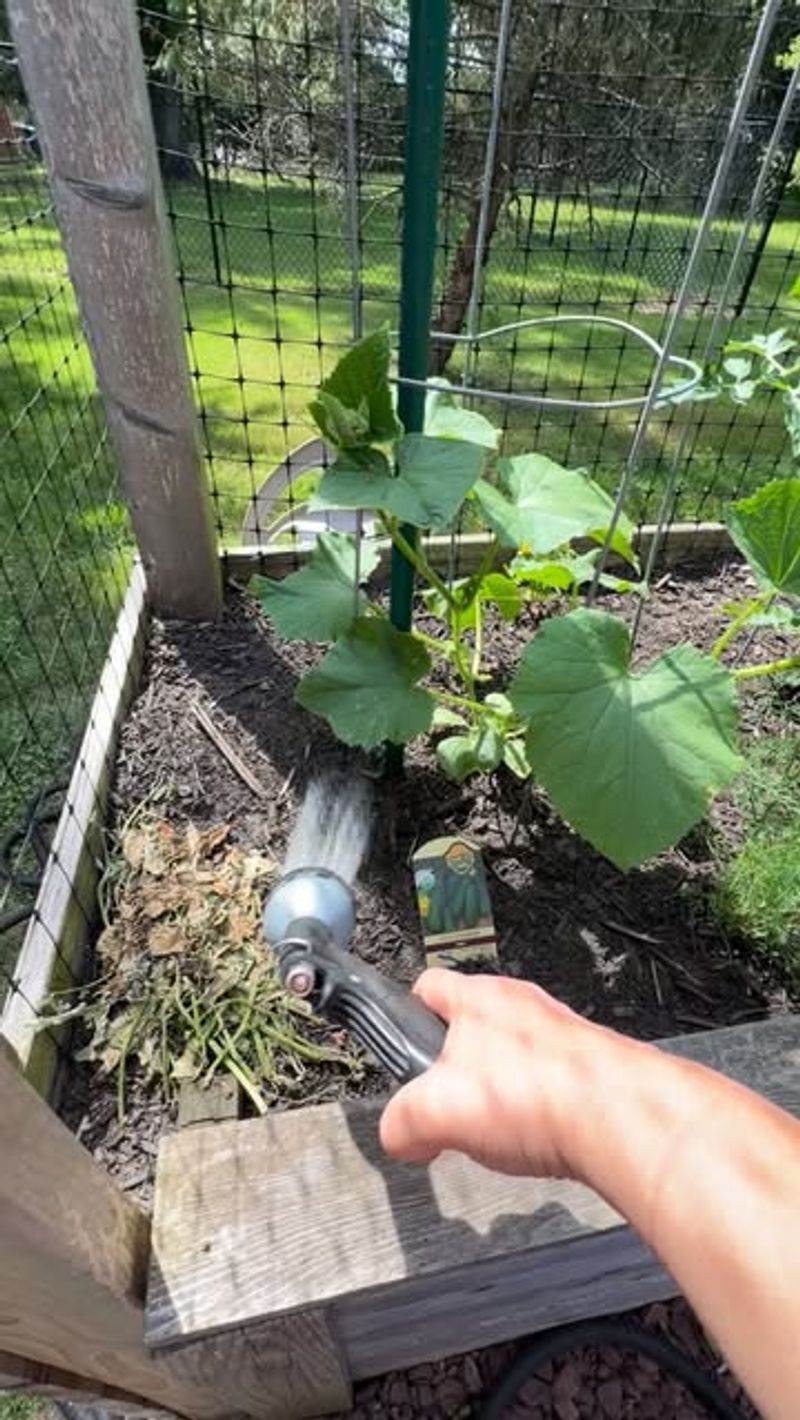
A garden bed bursting with growth looks impressive from the fence, but all that lush density comes with a tradeoff.
When tomato branches overlap, squash leaves stretch wide, weeds fill in the gaps, and flowers crowd together, air stops moving freely through the planting area.
Still air and shade trap humidity right where plants grow, creating a microclimate that stays damp long after watering ends.
By late July, many Michigan gardens have reached peak density. Plants that were small transplants in May are now full-sized and touching each other from every direction.
Weeds that went unmanaged through June add even more bulk. The result is a thick, layered canopy that holds moisture like a sponge, especially at night when evaporation slows down dramatically.
Crowded conditions do not just slow drying time, they also prevent the natural air circulation that helps keep leaf surfaces dry between waterings. Fungal spores love these pockets of stagnant humid air.
Thinning out a few overcrowded branches, pulling weeds regularly, and giving plants a little more breathing room can make a noticeable difference in how quickly beds dry out after rain or irrigation.
You do not need to strip the garden bare, just open it up enough to let a gentle breeze pass through the middle of each bed.
6. Morning Watering Gives Plants Time To Dry
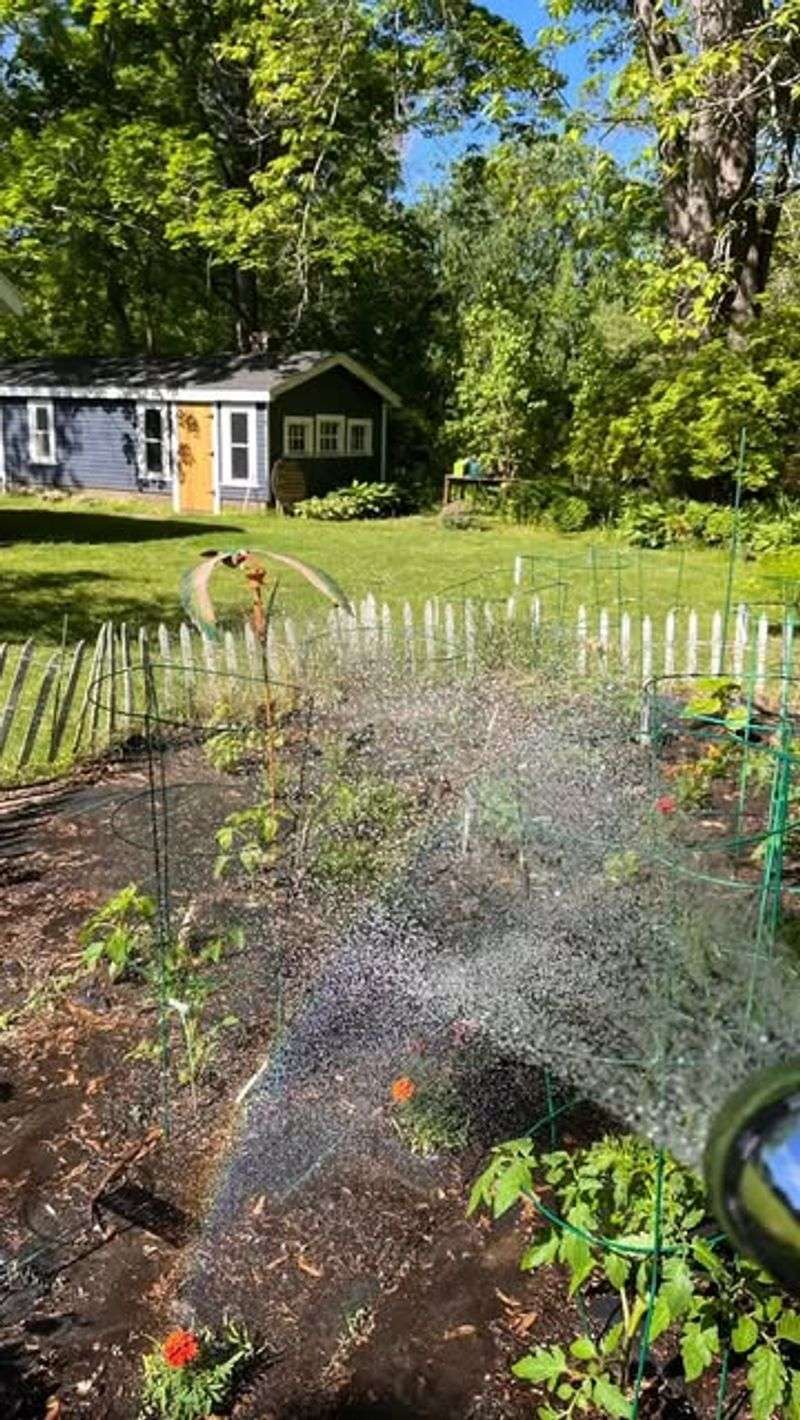
Early morning is the sweet spot for backyard watering in Michigan. The air is still cool, wind is usually calm, and the sun is just beginning to rise.
Any water that lands on leaves during this window has several hours of sunlight and warming temperatures ahead of it, which means foliage dries off naturally before the hottest part of the afternoon arrives.
Roots absorb morning water efficiently because soil temperatures are moderate and plants are just beginning their daily growth cycle.
Watering in the morning also means plants are well-hydrated heading into peak heat hours, which reduces wilting and stress during the hottest stretch of the day.
That combination of good hydration and dry foliage is exactly what healthy late summer gardens need.
Practically speaking, shifting your watering schedule to the morning does not require a major lifestyle change. Setting a sprinkler timer for 6 or 7 a.m. instead of 8 or 9 p.m. takes about thirty seconds to adjust.
If you water by hand, keeping a watering can or hose near the back door makes a morning garden check feel natural and easy.
Over time, this habit becomes second nature, and you will likely notice your plants looking greener, staying cleaner, and producing better results through the end of summer and beyond.
7. Soil Level Watering Is The Better Fix
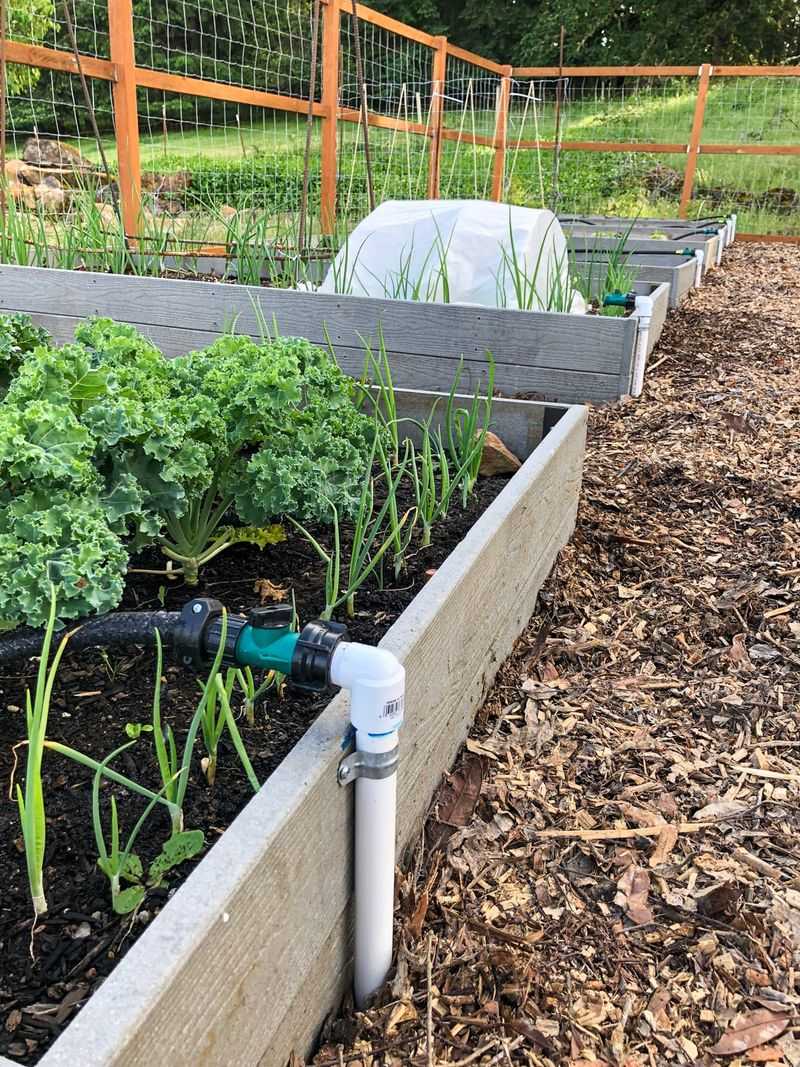
Soaker hoses and drip irrigation systems have been popular with serious gardeners for decades, and for good reason.
Water delivered at the soil level goes directly where roots can use it, none of it is wasted on leaves or evaporated into the air before reaching the ground.
For Michigan gardeners dealing with late summer fungus pressure, switching to ground-level watering is one of the most impactful changes possible.
Drip lines and soaker hoses can be laid along planting rows and connected to a timer so watering happens automatically without any leaf contact at all.
Watering wands with long handles let you direct water precisely at the base of each plant without bending over, making them a practical tool for gardeners of any age or mobility level.
Even careful hand watering with a hose set to a gentle stream can be highly effective when aimed at the soil rather than the canopy.
One important detail is to water slowly enough that moisture actually soaks down into the root zone rather than running off the surface.
A slow, deep watering once or twice a week encourages roots to grow deeper into the soil, which makes plants more resilient during dry spells.
Shallow, frequent surface watering keeps roots near the top where they dry out fast. Deep root zones equal stronger, healthier plants that are far better equipped to handle the humidity and heat of a Michigan August.
8. Powdery Mildew Also Loves Stale Humid Air
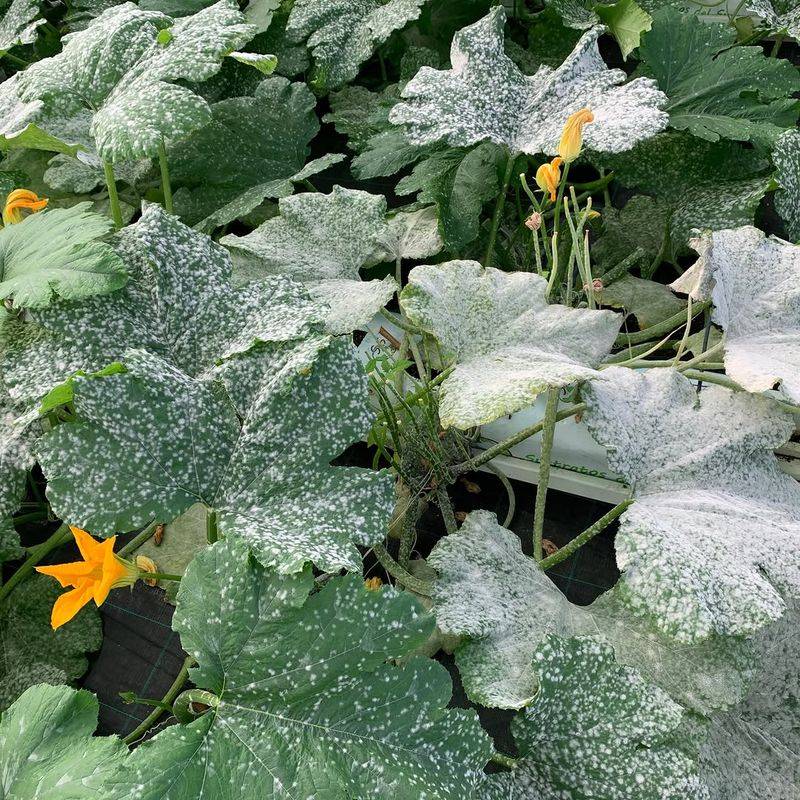
Powdery mildew is one of the most recognizable fungal problems in Michigan gardens, showing up as a white or gray powdery coating on the surface of leaves.
Unlike many other fungal diseases, powdery mildew does not actually need wet leaves to get started.
What it does need is high relative humidity and poor air circulation, which makes crowded, stagnant garden beds the perfect breeding ground.
Zucchini, squash, cucumbers, phlox, bee balm, and roses are among the most commonly affected plants in Michigan backyards. By late August, many of these plants have been growing for months and their beds have become thick and airless.
Spores float in from neighboring yards, land on leaves, and find exactly the humid, still conditions they need to spread rapidly.
Improving airflow is the most effective long-term strategy. Spacing plants properly at the time of planting is the best approach, but mid-season adjustments still help.
Removing a few overcrowded leaves, pulling surrounding weeds, and trimming back any overgrown growth that blocks air movement can slow powdery mildew considerably.
Keeping the garden floor clear of debris also reduces the number of spores hanging around at soil level.
Consistent airflow through the bed, combined with dry leaf surfaces, creates conditions that are much less friendly to powdery mildew and many other common late summer fungal problems.
9. The Better Habit Is A Morning Moisture Check
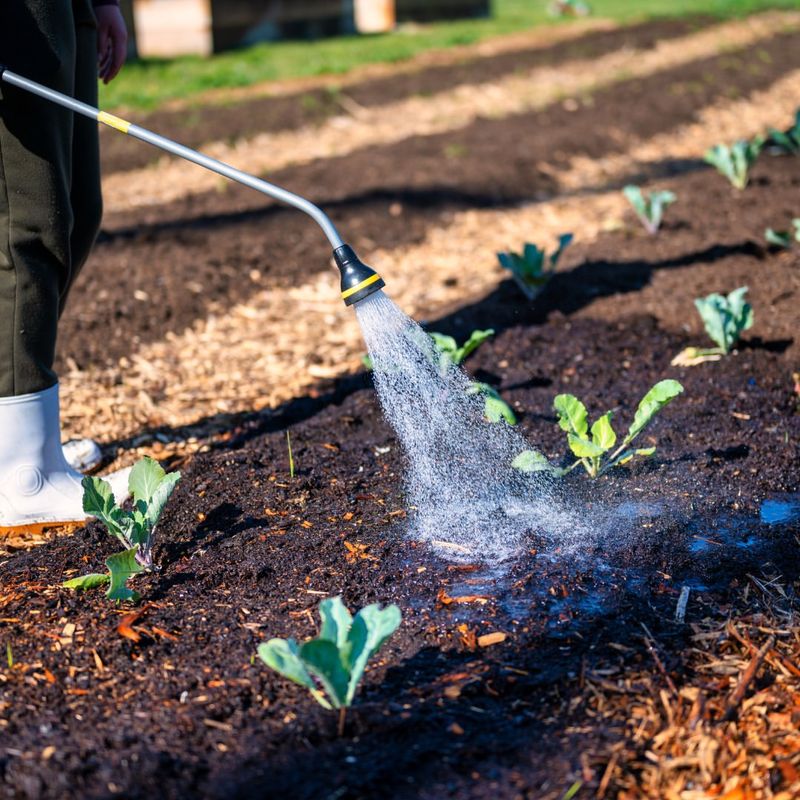
Building a simple morning garden check into your daily routine can completely change how your backyard performs through late summer.
Before reaching for the hose or turning on the sprinkler, take two minutes to walk through the garden and press a finger about an inch into the soil near your most important plants.
If the soil feels moist at that depth, watering can wait another day.
This quick check prevents overwatering, which is just as harmful as underwatering for many plants. It also gives you a chance to spot early signs of crowding, weed growth, or anything unusual before problems get out of hand.
Morning is the best time to observe your garden because the light is good, temperatures are comfortable, and you can see exactly what is going on before the heat of the day changes how everything looks and feels.
When soil does need water, deliver it slowly and directly at the root zone, skip the overhead spray entirely. Pull any weeds you spot during your check so they do not add to humidity and crowding later.
If any branches or stems look tightly packed, open them up a little to improve airflow.
These small, consistent actions add up to a garden that stays healthier, produces more, and resists the fungal pressure that catches so many Michigan backyards off guard every August.
Small habits, practiced daily, create big results over an entire growing season.