Why Bats Show Up In Minnesota Yards At Dusk
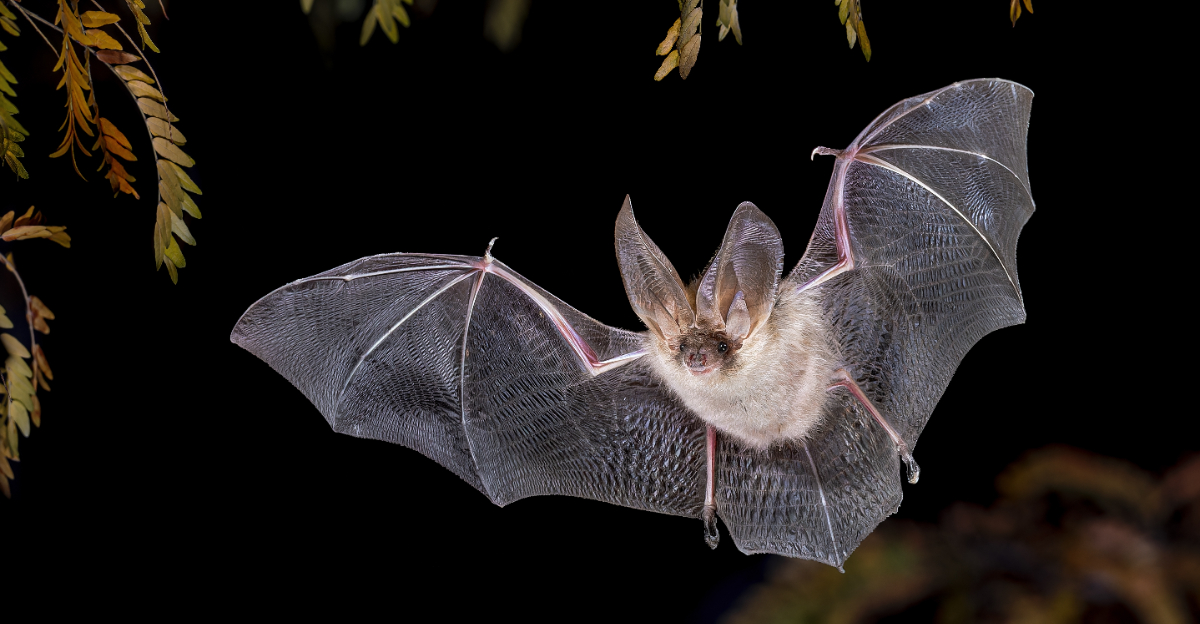
Something small darts through the fading light above your Minnesota lawn, tracing loops too sharp and quick for any bird. It vanishes into the shadows before your eyes can settle on it.
This nightly visitor appears once the air cools and insects start swarming near dusk. Few homeowners realize how much that brief flicker says about their own backyard.
Its arrival is not random, it follows patterns tied to food, warmth and shelter nearby. Once you learn what pulls this flying visitor close, your quiet evenings outside start to look different.
The creature behind that fast, zigzagging shadow is a bat, and Minnesota yards offer exactly what it needs once summer settles in. The reason behind its visit might surprise you more than the sighting itself.
Dusk Timing Helps Bats Avoid Daytime Predators
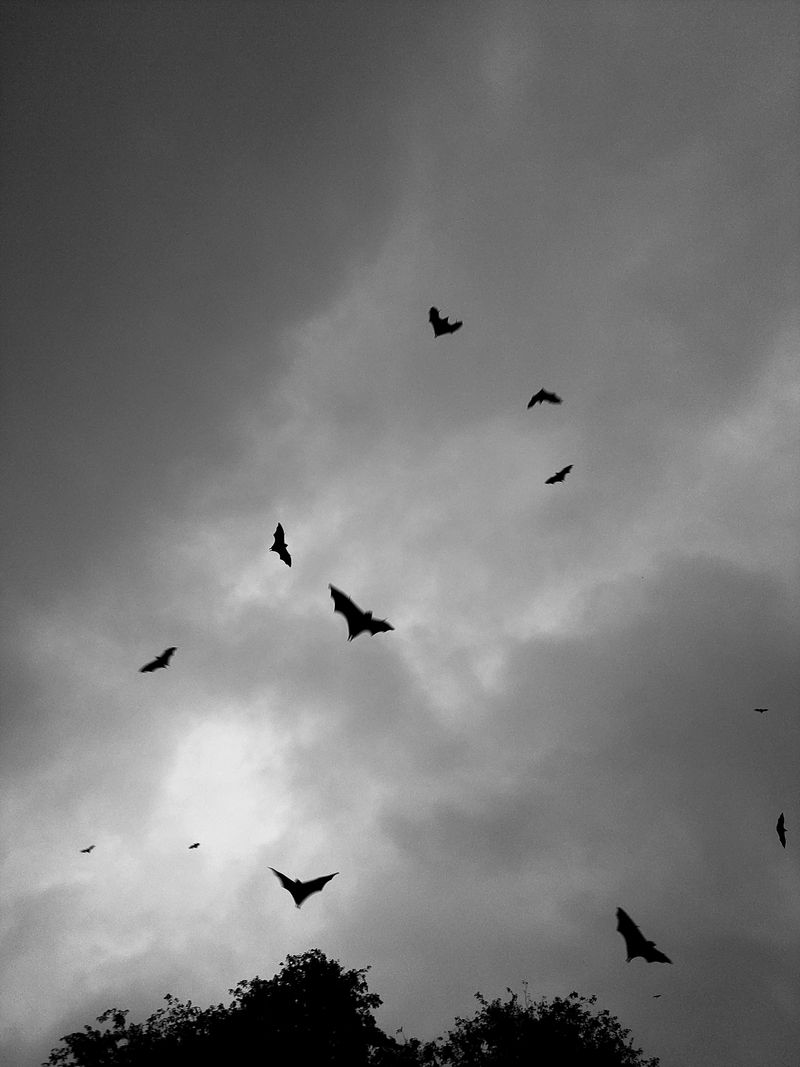
Darkness is a bat’s best friend. These nocturnal flyers have evolved over millions of years to move when hawks, falcons, and other sharp-eyed hunters are heading to roost.
Hawks rely on daylight to spot prey below. Once the sun drops, their advantage fades significantly.
Bats step in right at that window between daylight and dark. That brief twilight moment is when bats show up in Minnesota yards with surprising speed and confidence.
Timing matters more than most people realize. A bat leaving its roost too early risks crossing paths with a hungry bird of prey.
Natural selection has fine-tuned this behavior over generations. The bats that emerged at the safest time survived, and their offspring kept that instinct sharp.
Echolocation helps bats navigate in low light, but it does not protect them from aerial ambush. Staying hidden in darkness is still their strongest shield.
Your yard becomes a safe hunting zone once the light fades. Bats swoop in knowing the skies belong to them after sunset.
Watching them move is like watching a perfectly timed performance. Each pass across your lawn is calculated, not random.
Predator pressure shaped many of the habits these creatures carry. That flicker you catch at the edge of your yard is survival strategy in action.
Next time you spot one, remember it earned that moment through millions of years of careful timing.
Warm Evenings Keep Insects Active Longer
Heat changes everything for insects. On warm Minnesota evenings, mosquitoes, moths, and midges stay active well past sunset instead of settling down early.
Insects are cold-blooded, so warmer air keeps their bodies moving longer. A cool night shuts them down fast, but a muggy evening keeps them swarming.
Bats track this pattern with impressive accuracy. On warmer summer nights, expect more bat activity over your yard.
A humid July evening in the Twin Cities can feel like a buffet for bats. Thousands of insects hang in the air, and bats arrive right on cue.
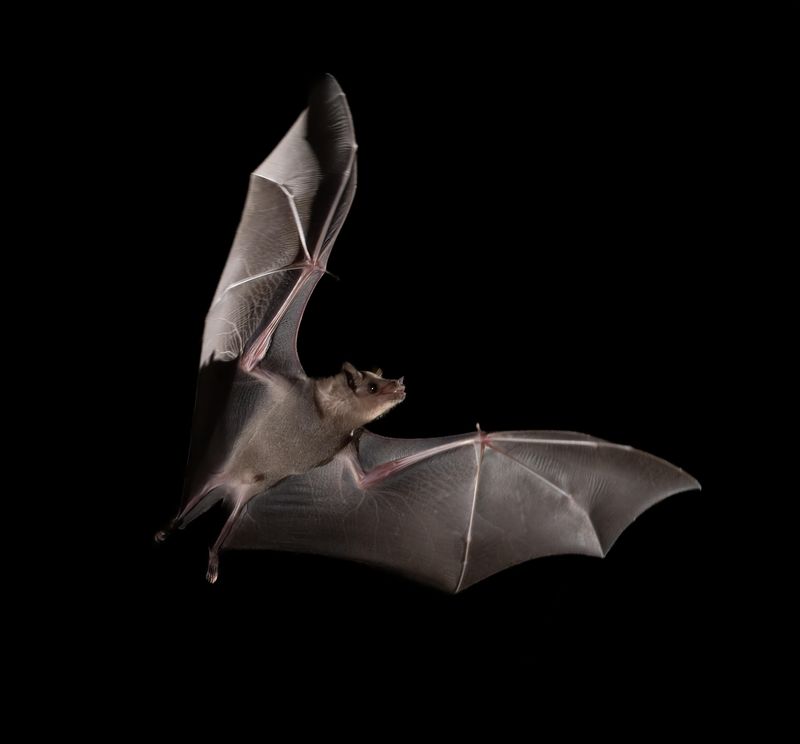
A little brown bat may include mosquitoes among the many insects it hunts during a single outing. That activity tends to pick up on warmer nights when prey density peaks.
Seasonal timing plays a role too. Late June through August tends to bring the most bat sightings in residential areas across the state.
Your Minnesota Garden Changes Every Week. Your Plan Should Too.
Gardening in Minnesota changes quickly throughout the season. Every Friday you’ll receive a simple weekly plan showing exactly what to plant, prune, fertilize, harvest, and protect so you never miss the right timing.
Cooler fall evenings push insects lower and slower. Bats adjust their flight patterns to follow, skimming closer to the ground or water surfaces.
Homeowners who notice fewer bats in September are not imagining things. Dropping temperatures reduce insect activity, and bats follow that food source faithfully.
Think of warm evenings as an open invitation. Your yard becomes a prime feeding spot simply because the air is full of flying food.
That warm, still evening air you enjoy on the porch? Bats love it just as much as you do.
Yards With Healthy Insect Populations Attract Hungry Bats
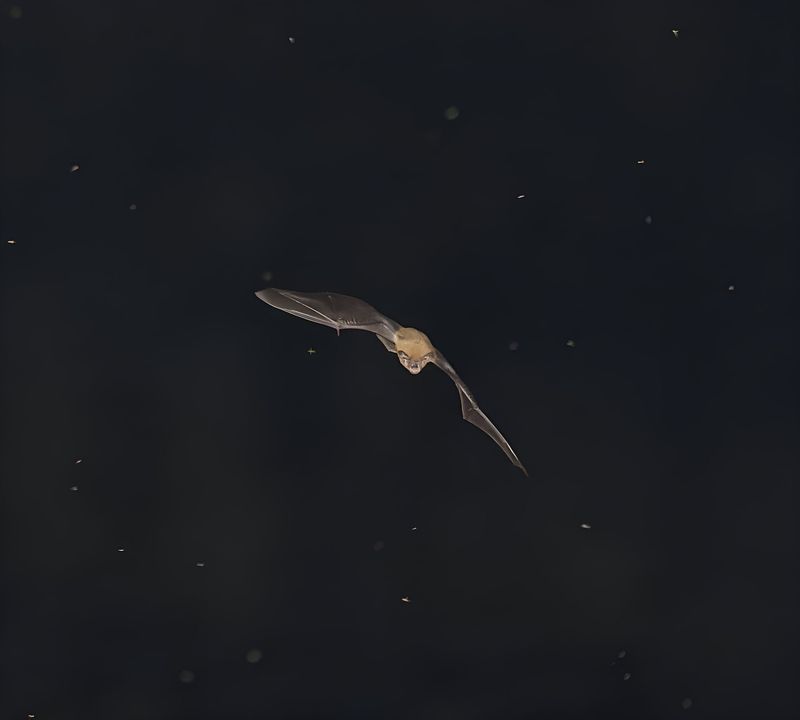
A yard buzzing with life is a bat magnet. If your lawn has clover, native flowers, or leaf litter, you are already hosting a thriving insect community.
Bats do not wander randomly across neighborhoods. They follow the food, and healthy yards signal a reliable meal on most nights.
Gardens with diverse plantings attract beetles, flies, and moths that bats actively seek. A manicured, pesticide-heavy lawn offers far less to a hungry bat on patrol.
Reducing chemical treatments in your yard has a ripple effect. More insects move in, and more bats follow to take advantage of the abundance.
Composting areas are surprisingly attractive to bats. Decomposing material draws gnats and small flies, which become easy pickings during an evening sweep.
Outdoor lighting also plays a surprising role. Porch lights and garden fixtures draw insects in large numbers, and bats quickly learn which yards have the brightest buffet.
Turning off unnecessary lights can actually increase bat visits. Insects spread out more in darkness, giving bats a wider hunting area to work through.
Native plants support native insects, which support native predators like bats. That connection is a simple but powerful ecological chain worth understanding.
Your yard does not need to be wild to attract bats. Even a small patch of unmowed grass or a single flowering shrub can tip the balance.
A yard full of insects is not a problem. For bats, it is an open restaurant with no wait time.
Nearby Water Sources Draw Bats In For Drinking And Feeding
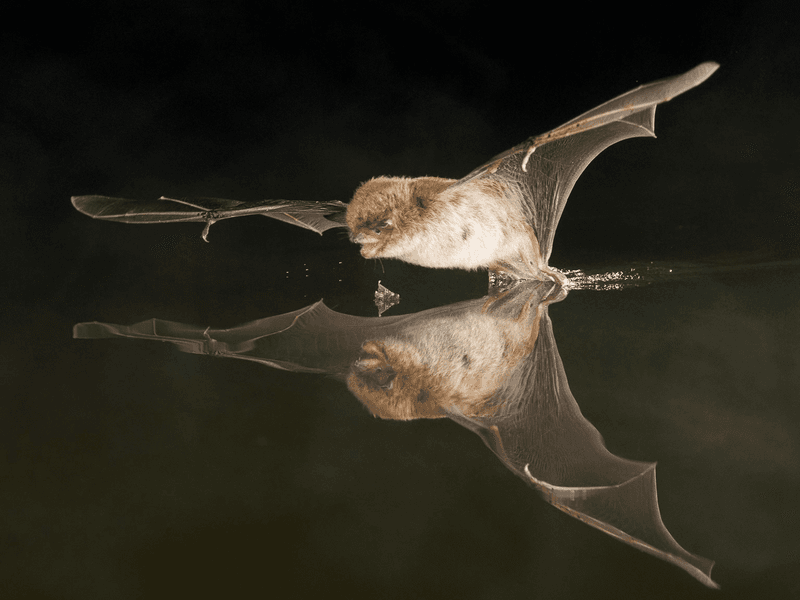
Water is a powerful magnet for bats. A pond, stream, birdbath, or even a flooded low spot in the yard can trigger nightly bat visits all summer long.
Bats drink on the wing, skimming the surface of still water at high speed. Watching this happen over a backyard pond is a rewarding sight for anyone patient enough to catch it.
Still water also concentrates insects in remarkable ways. Mosquitoes breed there, mayflies emerge from it, and midges swarm just above the surface every evening.
That combination of drinking spot and feeding zone makes water features irresistible. Bats may circle a small pond dozens of times in a single night.
Minnesota has no shortage of natural water, which is part of why bat populations here stay strong. Lakes, wetlands, and rivers create a network of feeding corridors across the state.
Backyard ponds extend that network right into suburban neighborhoods. A bat that hunts along a creek may detour through your yard if it spots a glinting water surface.
Birdbaths count too, especially shallow ones. Even a few inches of water can attract a thirsty bat looking for a quick drink between hunting passes.
Keeping water features clean and free of algae helps. Clear water reflects light better and stays more attractive to both insects and the bats that chase them.
Adding a small water feature to your yard is one of the easiest ways to encourage bat visits. It does not need to be large to make a real difference.
Trees, Gardens, And Ponds Create Ideal Hunting Grounds
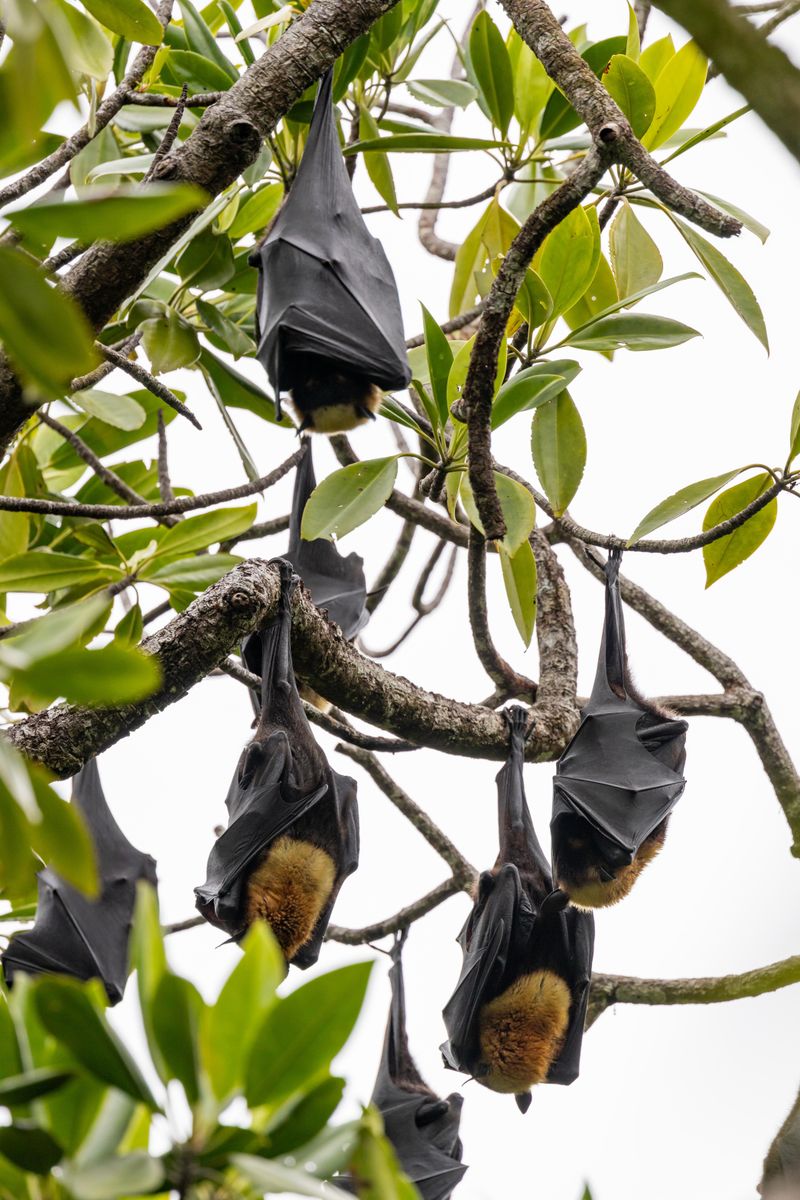
Structure matters when you are a bat on the hunt. Trees, shrubs, garden rows, and water edges all create physical channels that concentrate flying insects beautifully.
Bats are not open-field hunters by preference. They prefer to fly along edges, where insects pile up against vegetation boundaries and tree lines.
A yard with mature trees becomes a natural bat highway. Insects gather under leaf canopies, and bats patrol those zones with precision and speed.
Garden beds add another layer of complexity. Flowering plants attract pollinators during the day, and those same beds draw moths and beetles after dark.
Combining trees, gardens, and water in one yard creates what ecologists call structural diversity. For a bat, that means multiple overlapping food zones in a tight space.
Tall grasses near a pond edge are especially productive. Insects hover in those sheltered spots, and bats have learned to check them on every pass.
Hedgerows and fence lines work similarly. Any linear feature in a yard channels insect movement and gives bats a predictable path to follow.
You do not need acres of wilderness to create this effect. A single tree near a small water feature near a garden bed is often enough.
Layering your yard with different plant heights and textures rewards you with more wildlife visits overall. Bats are just one visible sign of a thriving outdoor space.
A yard built for beauty often becomes a bat’s favorite place to work through the night.
What A Regular Bat Visitor Says About Your Yard’s Ecosystem
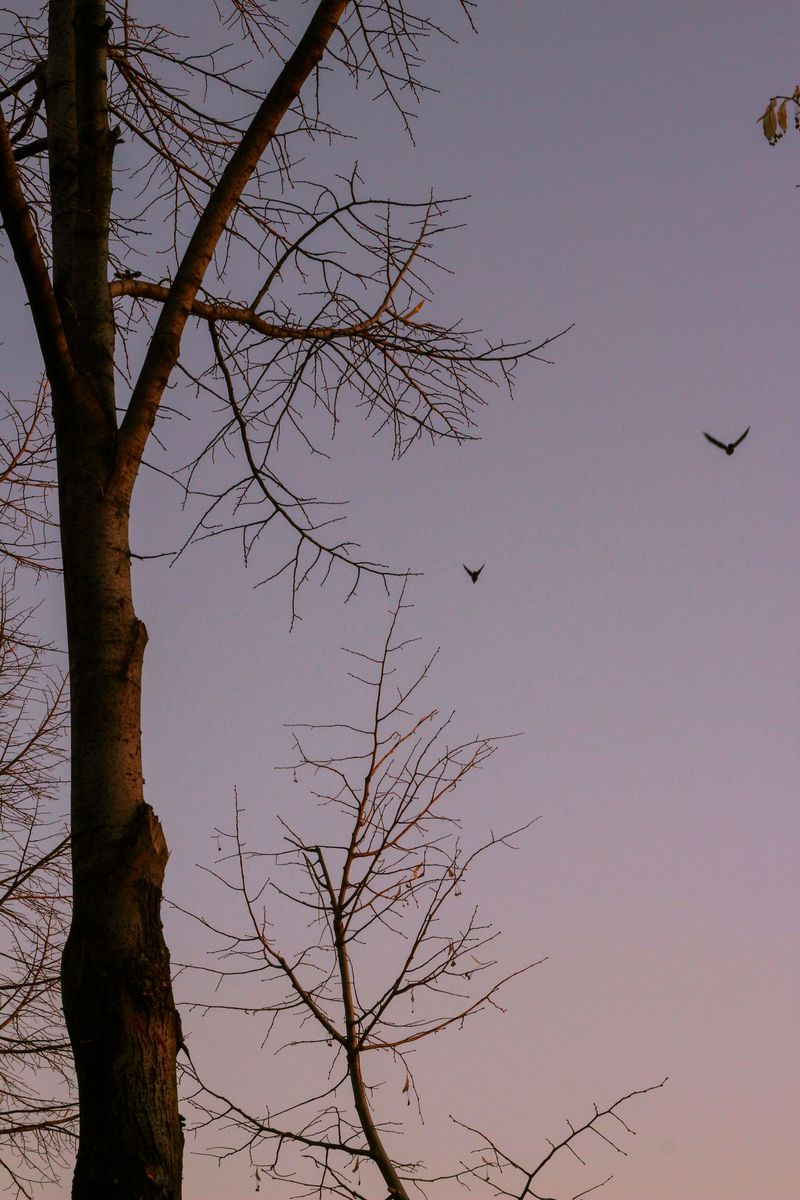
Seeing a bat every evening is not a coincidence. It is a sign that your yard has earned a place on a reliable feeding route.
Bats are creatures of habit when conditions are good. If food, water, and shelter line up consistently, they return to the same spots night after night.
A regular bat visitor signals that your yard supports a layered, living food web. Insects thrive, which means plants and soil are doing their jobs well.
Healthy ecosystems attract healthy predators. A bat overhead means the foundation below it, from soil microbes to flowering plants, is functioning as it should.
Pesticide-heavy yards rarely attract consistent bat activity. When insect populations crash from chemical treatments, bats simply move on to better-stocked territories nearby.
Noticing a bat in your yard for the first time can feel startling. But regular sightings shift that feeling toward quiet appreciation for what your yard supports.
Your yard is doing something right. That is not a small thing in a world where natural habitats are shrinking fast.
Encouraging bats is as simple as keeping native plants, reducing chemicals, and adding a water source. Small changes stack up into a yard that wildlife trusts.
Sharing that information with neighbors can extend the effect across an entire block. A neighborhood full of bat-friendly yards becomes a genuine urban wildlife corridor.
When bats show up in Minnesota yards at dusk, it reflects the balance you have created outside your door.