If A Scorpion Shows Up In Your California Garden, Here’s What To Do
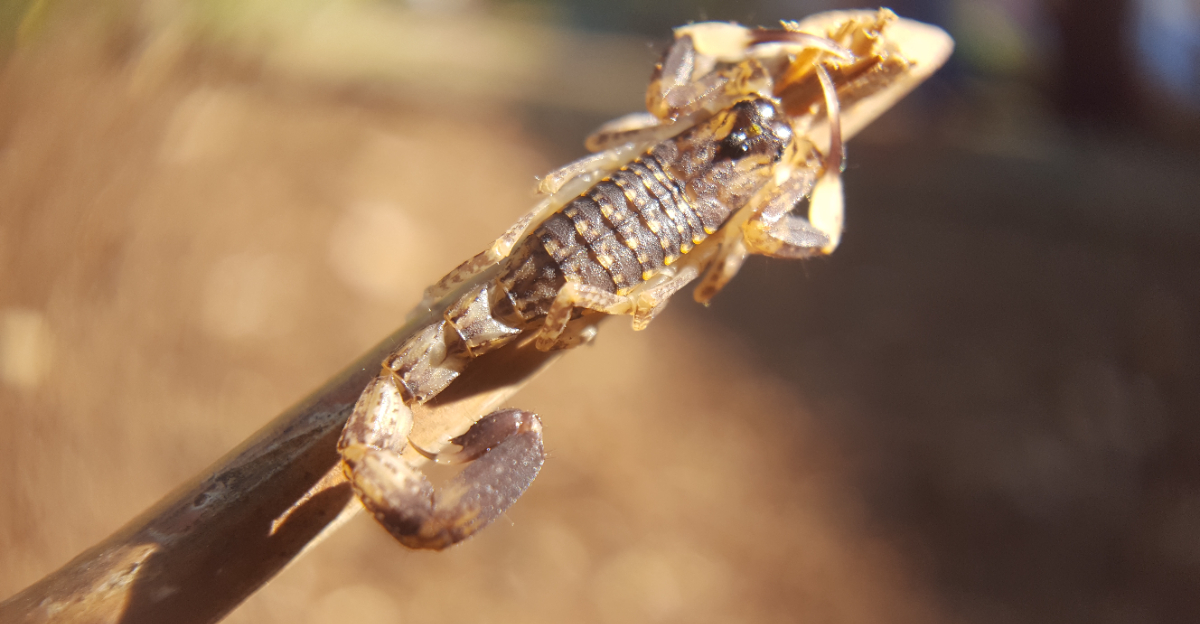
A scorpion in your California garden is not exactly the charming wildlife encounter anyone ordered.
One minute you are pulling weeds, and the next there is a tiny armored nightmare doing its best villain pose near a pot, rock, or woodpile.
Before you scream, sprint, or declare the yard canceled, take a breath. Most garden scorpion encounters are manageable if you keep your hands out of risky hiding spots and avoid grabbing anything you cannot clearly see.
Scorpions like dark, sheltered areas, especially during hot weather, so cluttered corners can become their favorite hideouts.
The smartest move is simple: do not touch it, guide it away safely if needed, wear gloves while gardening, and remove the cozy hiding places that invited it in.
A scorpion sighting does not mean your garden is doomed. It means your yard needs a little less clutter and a lot more “look before you reach.”
1. Don’t Touch It With Bare Hands
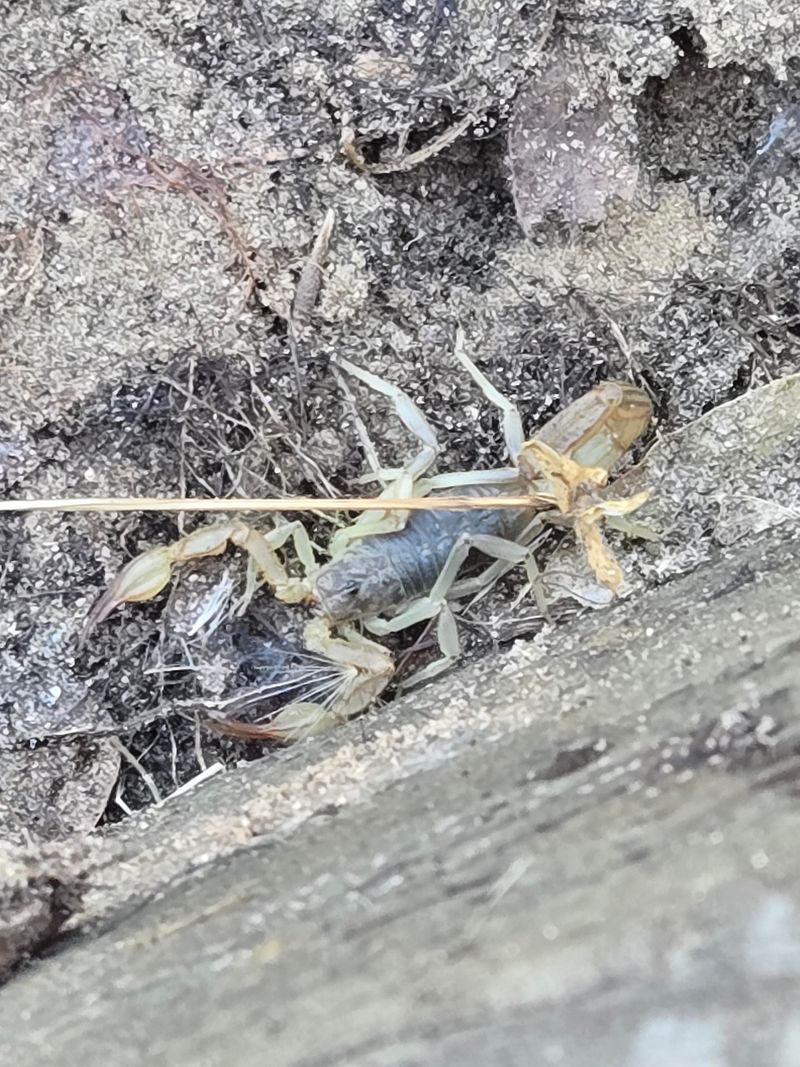
Bare skin and scorpions are a combination you want to avoid at all costs. Even if the scorpion looks small or slow, its stinger can move faster than you expect.
A sting on unprotected skin can cause sharp pain, swelling, and sometimes a stronger reaction depending on your sensitivity.
Your first instinct might be to flick it away or grab a nearby stick. That is actually a reasonable idea, but your hands should never be part of the plan.
Always keep a barrier between you and the scorpion, no matter what. Thick leather gloves are your best friend in this moment.
If you do not have gloves nearby, use a long stick, a garden trowel, or even a folded piece of cardboard to guide the scorpion away from where you are standing.
Never try to pick one up, even with a cloth or thin fabric.
Kids and pets are especially at risk because they tend to react quickly without thinking. If you have children playing nearby, calmly move them away from the area first.
Then deal with the scorpion once everyone is at a safe distance.
Staying calm is the most useful thing you can do. A scorpion that feels cornered is more likely to sting. Give it space, protect your hands, and take things slowly.
2. Give The Scorpion A Clear Exit
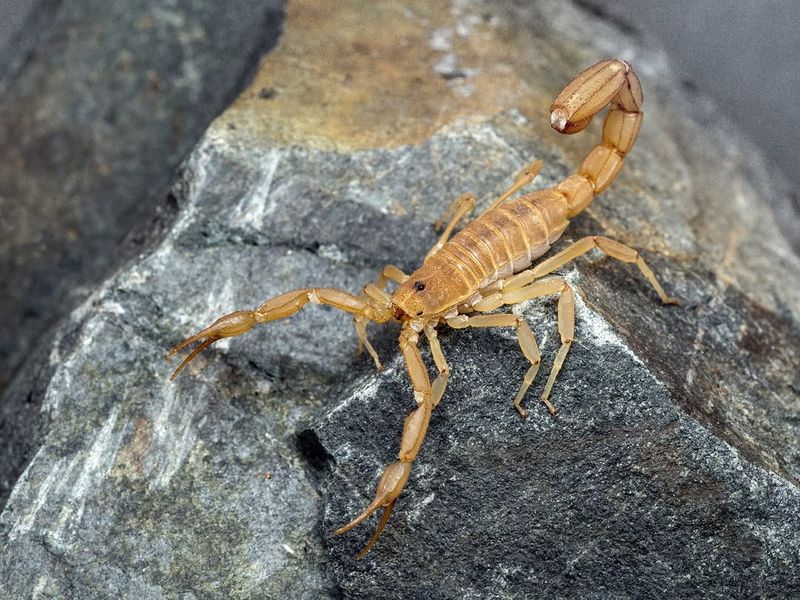
Scorpions do not wander into gardens looking for trouble. Most of the time, they are searching for food or a cooler spot to rest.
When one shows up in your yard, it usually just needs a way out.
One of the easiest and safest things you can do is simply clear its path. Move any objects that might be blocking its route to the garden edge or a nearby natural area.
Flower pots, hoses, and garden tools can act like walls that trap the scorpion in place.
Use a long stick or broom to gently guide it toward an open area. Do not poke at it aggressively.
Move the tool slowly near its tail end to encourage it to walk forward. Most scorpions will take the hint and start moving on their own.
Your California Garden Changes Every Week. Your Plan Should Too.
Gardening in California changes quickly throughout the season. Every Friday you’ll receive a simple weekly plan showing exactly what to plant, prune, fertilize, harvest, and protect so you never miss the right timing.
If your California garden borders a dry, rocky, or brushy area, try to guide the scorpion in that direction. Scorpions are most comfortable in natural habitats with loose soil, rocks, and low ground cover.
They will often settle right in once they reach that kind of environment.
Rushing the process can backfire. A stressed scorpion may curl up, go still, or strike out.
Slow and steady movements give it time to feel less threatened and more willing to move along without incident.
3. Use A Jar If You Must Move It
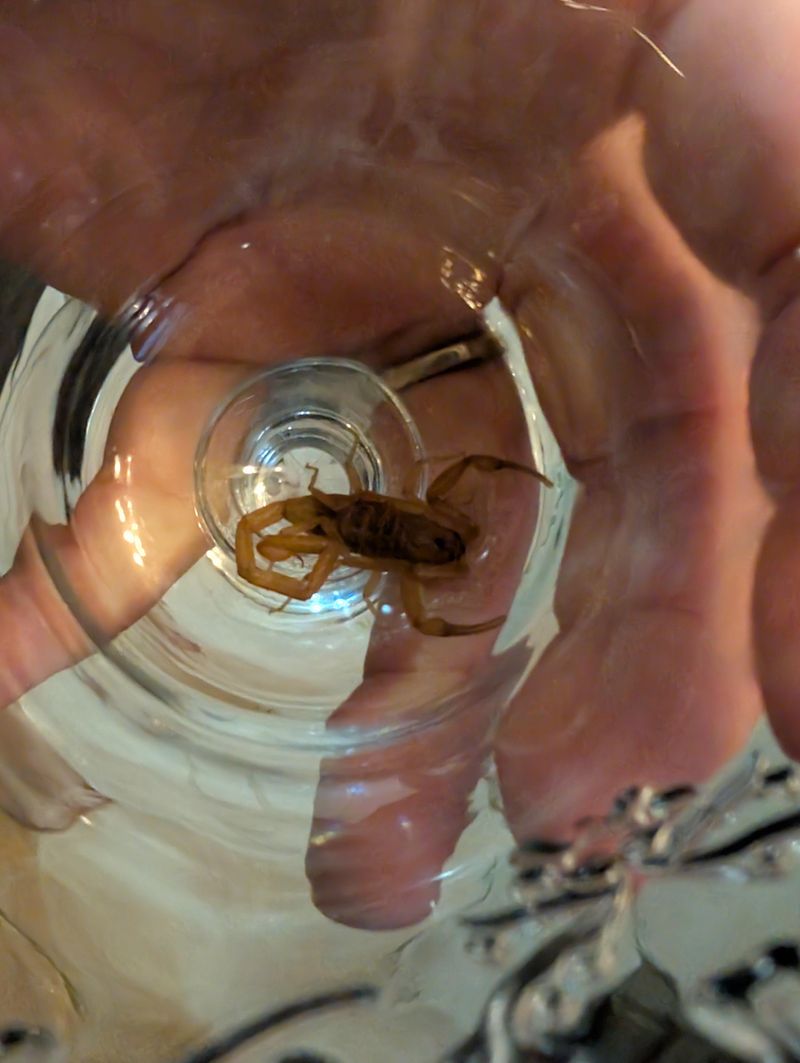
Sometimes a scorpion ends up somewhere you cannot just leave it, like near a doorway, a sandbox, or a spot where kids play. In that case, relocating it is a smart move.
A glass jar is one of the safest tools you can use. Grab a jar with a wide mouth. Place it slowly over the scorpion, pressing the opening flat against the ground.
The scorpion will likely rear up or move around inside, so stay patient and keep the jar steady. Do not rush this step.
Once the scorpion is contained, slide a stiff piece of cardboard or a flat garden stake under the jar opening. Keep the cardboard pressed firmly against the jar as you lift it.
This keeps the scorpion trapped inside while you carry it to a safe release spot.
Carry the jar away from your home and garden. A dry, rocky area or an open field works well.
Tip the jar gently on its side and step back. The scorpion will usually walk out on its own once it senses open space around it.
Wash the jar thoroughly before using it again for anything else. Even though scorpions do not leave behind venom on surfaces, it is just a good habit to clean any tool used for wildlife handling. Better safe than sorry.
4. Check Shoes, Gloves, And Pots Nearby
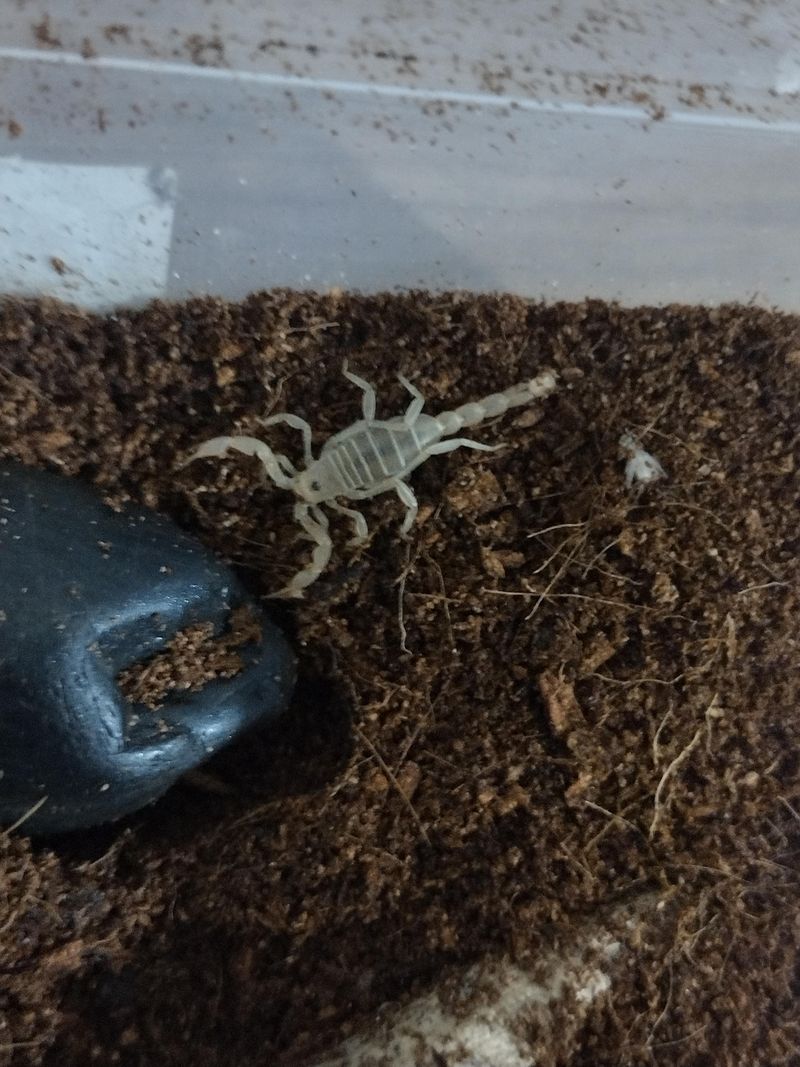
After spotting one scorpion, it is worth doing a quick sweep of the surrounding area. Scorpions are drawn to small, dark, enclosed spaces, and your garden is full of them.
Shoes left outside, stacked gloves, and clay pots sitting on the ground are all perfect hiding spots.
Before you put on any gloves or shoes that have been sitting outdoors, shake them out firmly. Hold them upside down and give them a few good shakes.
Then look inside before putting your hand or foot in. A quick check takes only a few seconds and can prevent an unexpected sting.
Garden pots deserve special attention. Scorpions often hide under the rim or inside the drainage hole at the bottom.
When moving pots, tip them away from your body rather than lifting them straight up. That way, anything hiding underneath moves away from you rather than toward you.
Stacked materials are another concern. Folded tarps, bags of soil, and piles of empty containers all create layered hiding spots that scorpions love.
Make it a habit to store these items in sealed bins or on raised shelving in a shed or garage.
Doing a short check-around after any scorpion sighting is just smart gardening. You might find more than one nearby, and catching them early saves you from a painful surprise later in the day.
5. Woodpiles Give Scorpions Daytime Shelter
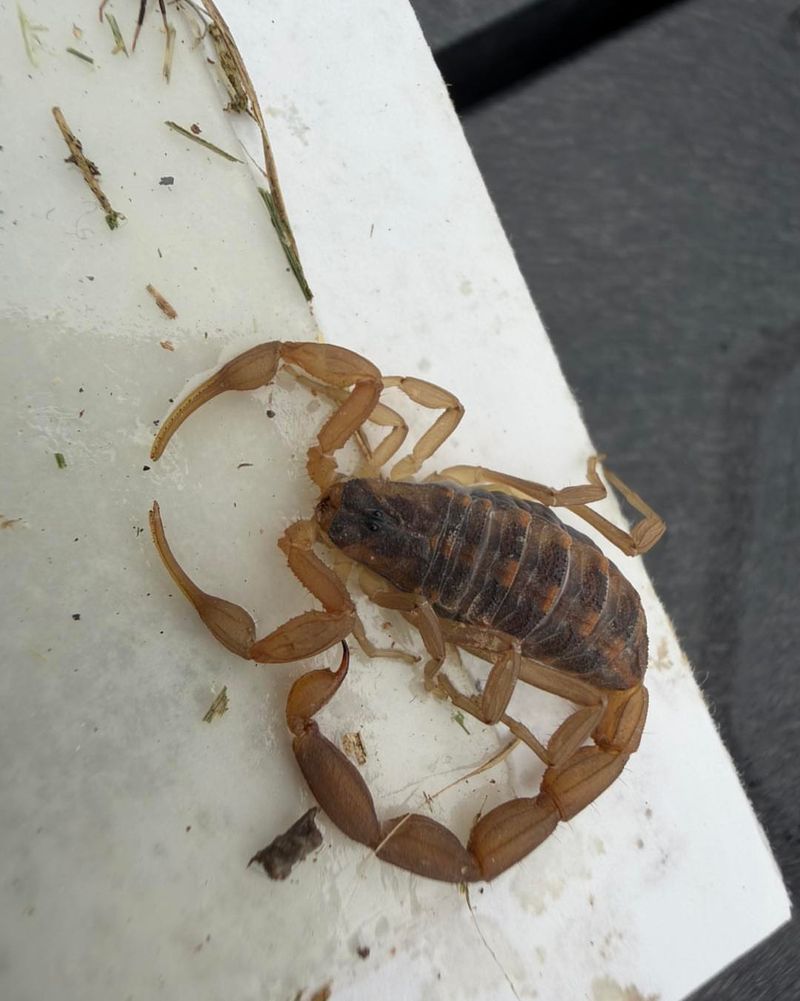
If you store firewood in your backyard, you already have a five-star scorpion hotel. Woodpiles are warm during the day, cool at night, and full of small gaps perfect for hiding.
Scorpions use these spaces to rest, stay moist, and wait for prey like insects and small spiders.
The closer your woodpile is to your house, the higher the chance a scorpion will eventually make its way indoors. Moving the pile at least 20 feet from your home and any garden beds can make a real difference.
Even that small distance reduces the chances of an indoor encounter.
Elevating your woodpile off the ground also helps. Use a simple rack or stack the logs on a pallet.
This reduces direct contact with soil, where scorpions tend to travel most. It also makes the pile less attractive because there is less darkness underneath.
When you grab logs from the pile, use gloves and pick them up from the sides rather than the top. Scorpions sitting on or between logs may not be visible until you move things around.
Slow, careful handling is always worth the extra moment it takes.
Check your woodpile regularly, especially before rainy seasons when scorpions may move in search of drier ground.
Keeping the pile tidy and well-organized also reduces the number of hidden spaces where scorpions feel comfortable settling in.
6. Rock Borders Can Hide More Than One
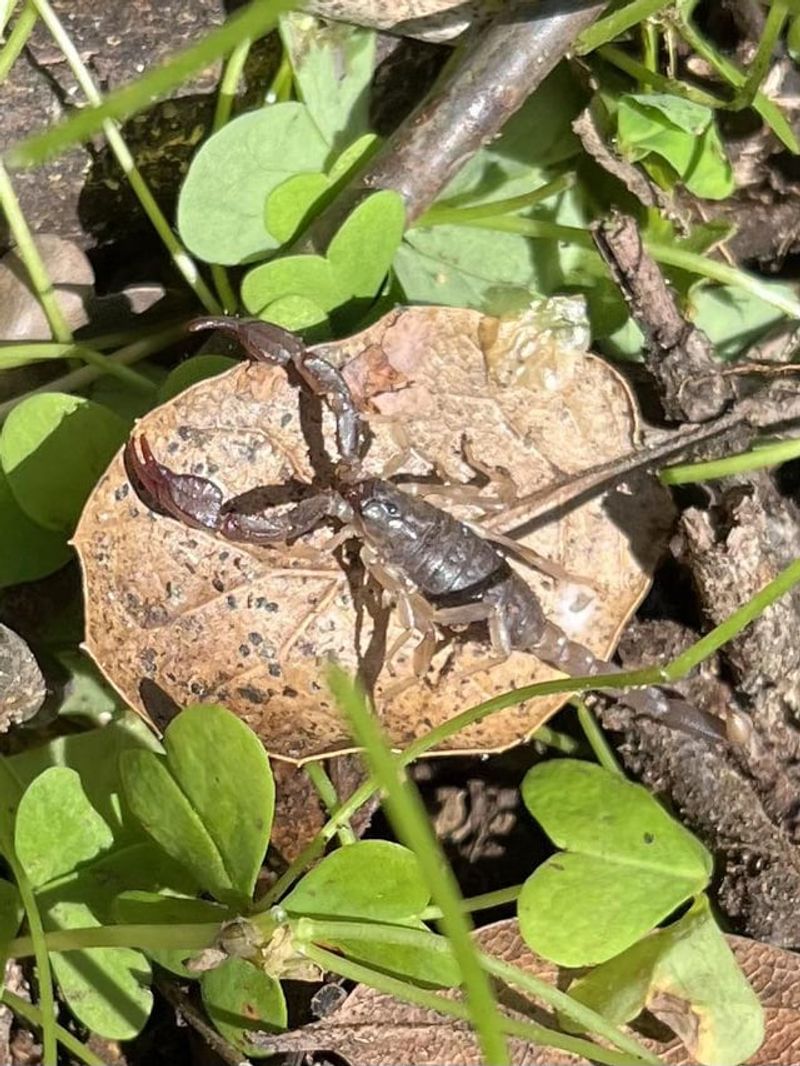
Rock borders look great in a garden and do a wonderful job of keeping soil in place. But those same stacked and overlapping stones create a network of cool, shaded crevices that scorpions absolutely love.
If you have decorative rock borders, there is a real chance more than one scorpion is using them as shelter.
Flat rocks are especially attractive because they absorb heat from the sun and stay warm underneath even as the air cools.
Scorpions are cold-blooded, meaning they rely on outside temperatures to regulate their body heat.
A warm rock on a cool evening is basically a heated blanket for them.
When working near rock borders, always use gloves and move rocks away from your body. Tilt them rather than lifting straight up, so anything underneath has room to move away from you.
Never reach into gaps between rocks with bare fingers.
If scorpions keep showing up near the same rock border, consider replacing the rocks with a different edging material like treated wood, rubber borders, or solid concrete curbing.
These materials offer fewer hiding spots and are easier to inspect. You do not have to remove all your rocks to reduce the risk.
Simply spacing them out more, removing smaller filler rocks between large ones, and clearing away debris like leaves and mulch from the base of the border can make the area much less appealing to scorpions looking for shelter.
7. Nighttime Flashlights Make Them Easier To Spot
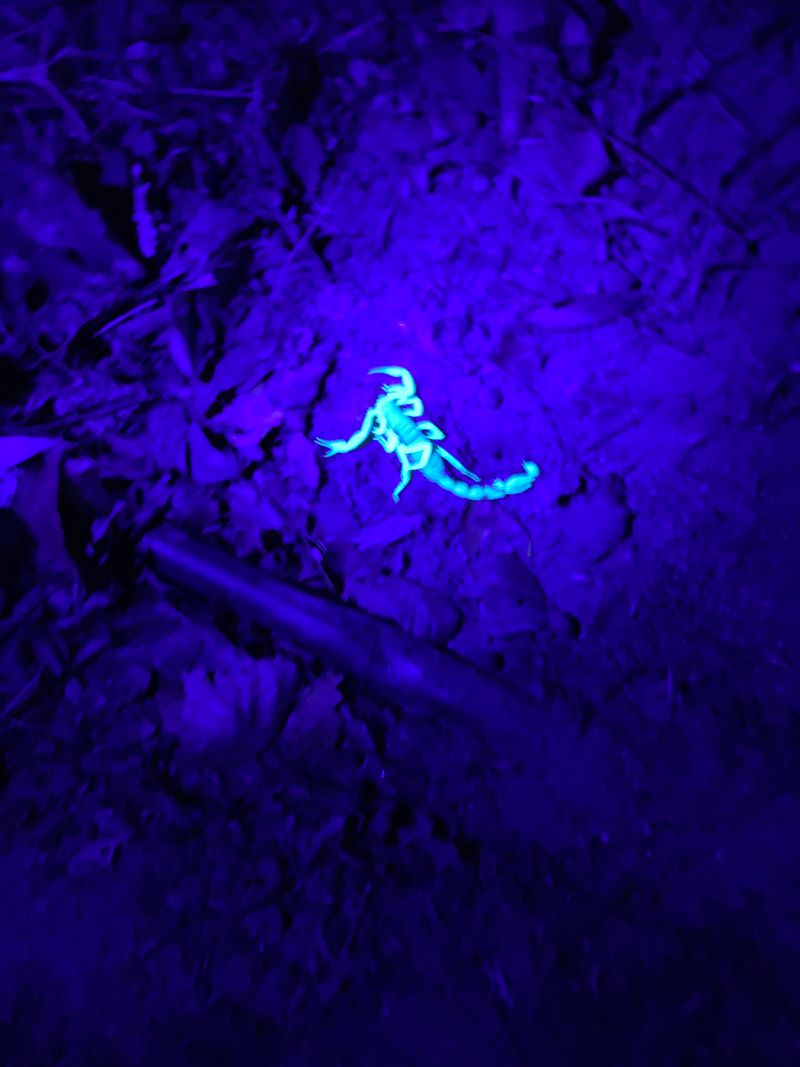
Here is something that surprises a lot of people: scorpions glow under ultraviolet light. Their outer shell contains a compound that causes them to fluoresce a bright blue-green color when a UV blacklight is shined on them.
This makes nighttime inspections surprisingly effective. Scorpions are mostly active after dark. During the day they hide, but once the sun goes down, they come out to hunt.
If you suspect you have more than one scorpion in your garden, a nighttime walkthrough with a UV flashlight can show you exactly how many are active and where they tend to travel.
UV flashlights are affordable and easy to find at hardware stores or online. You do not need a powerful one.
Even a small handheld model works well in a dark yard. Walk slowly and sweep the light along the ground, near rock borders, under plants, and around the base of walls.
Make sure to wear closed-toe shoes and long pants during nighttime inspections. It might sound overly cautious, but scorpions on the move are harder to see, and a flashlight only covers what you are directly shining on.
Protecting your feet and legs adds a useful layer of safety. Nighttime checks are also a great way to track whether your prevention efforts are working.
If you see fewer scorpions each week, you know the changes you have made to your yard are paying off.
8. Seal Gaps Before They Move Indoors
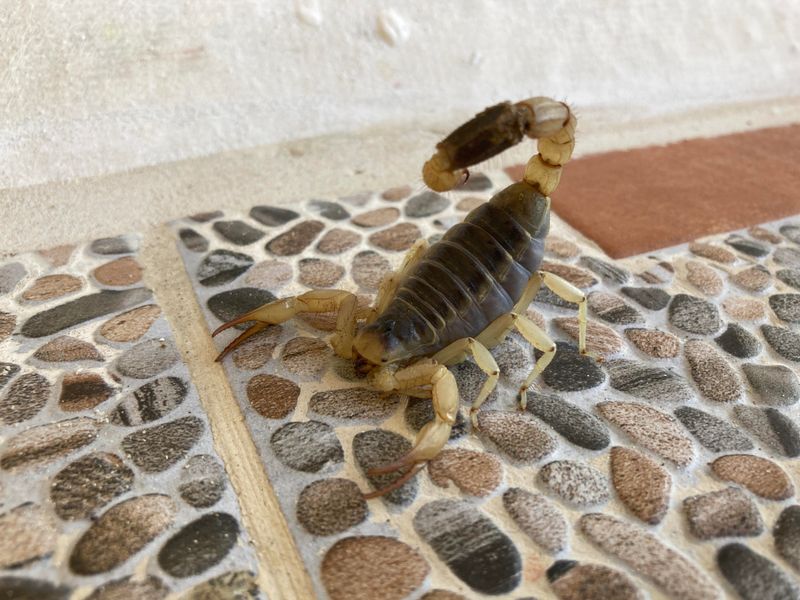
A scorpion that feels comfortable in your garden can easily become a scorpion inside your home.
They can squeeze through gaps that seem impossibly small, including the space under a door, a crack in a window frame, or a gap where a pipe enters the wall.
Sealing these entry points is one of the best long-term steps you can take.
Start with your doors. Check the weatherstripping along the bottom of every exterior door.
If you can see light coming through from outside, a scorpion can come through from outside too. Replace worn weatherstripping and add door sweeps where needed.
Windows are another common entry point. Check the frames for cracks or gaps where the caulk has dried out or pulled away.
A tube of exterior caulk is inexpensive and easy to apply. Focus on the lower corners and any spots where the frame meets the wall.
Pipes that enter through exterior walls often have small gaps around them that go unnoticed. Use foam sealant or caulk to close those spaces.
Check under sinks and behind washing machines for spots where pipes pass through walls near the floor.
Garage doors deserve attention too. The rubber seal at the bottom can degrade over time and leave gaps at the corners.
Replacing it is a simple fix that also keeps out insects, which are a food source that can attract scorpions in the first place.
9. Reduce Insects That Bring Them Closer
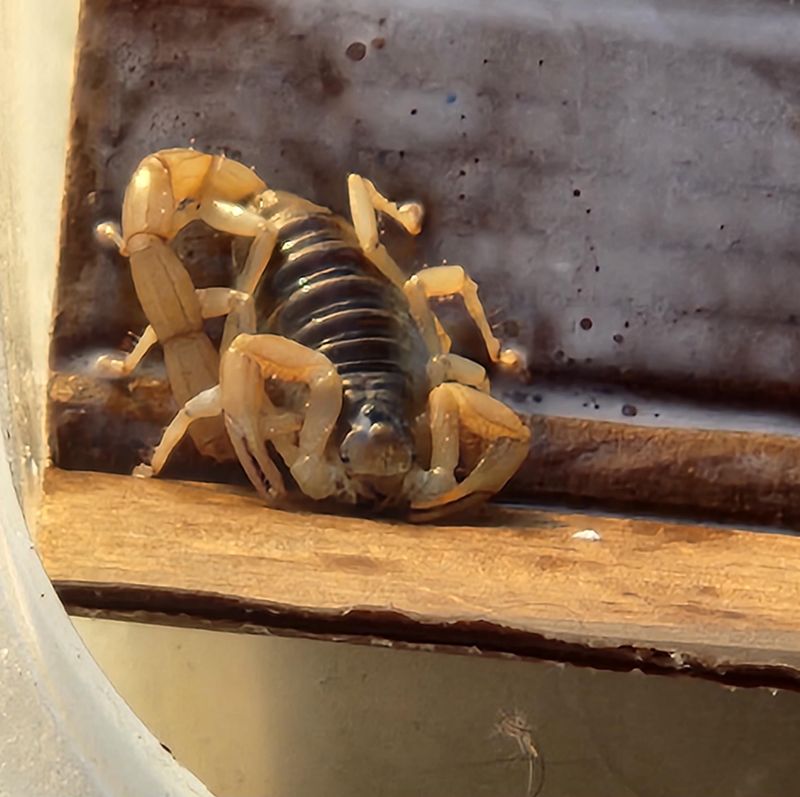
Scorpions do not show up in your California garden by accident. They follow their food.
And their food is mostly made up of insects like crickets, beetles, and cockroaches. If your yard has a healthy insect population, scorpions will notice and stick around to take advantage of it.
Reducing outdoor lighting at night is one simple change that makes a big difference. Bright lights attract moths, gnats, and other flying insects, which then attract the scorpions that eat them.
Switching to yellow or amber LED bulbs reduces the number of insects drawn to your home at night.
Standing water is another major insect magnet. Birdbaths, clogged gutters, saucers under pots, and low spots in the yard that collect rain all create breeding grounds for mosquitoes and other bugs.
Emptying or fixing these problem spots reduces the insect population your yard supports.
Keeping your garden tidy also helps. Piles of withered leaves, overgrown ground cover, and rotting plant material are full of the tiny bugs that scorpions eat.
Regular cleanup removes both the insects and the hiding spots scorpions need to feel safe while hunting.
If insect numbers stay high despite your efforts, consider talking to a pest control professional about targeted treatments.
Reducing the food supply is one of the most effective ways to make your yard less appealing to scorpions over the long term.
10. Most Garden Scorpions Are Not Aggressive
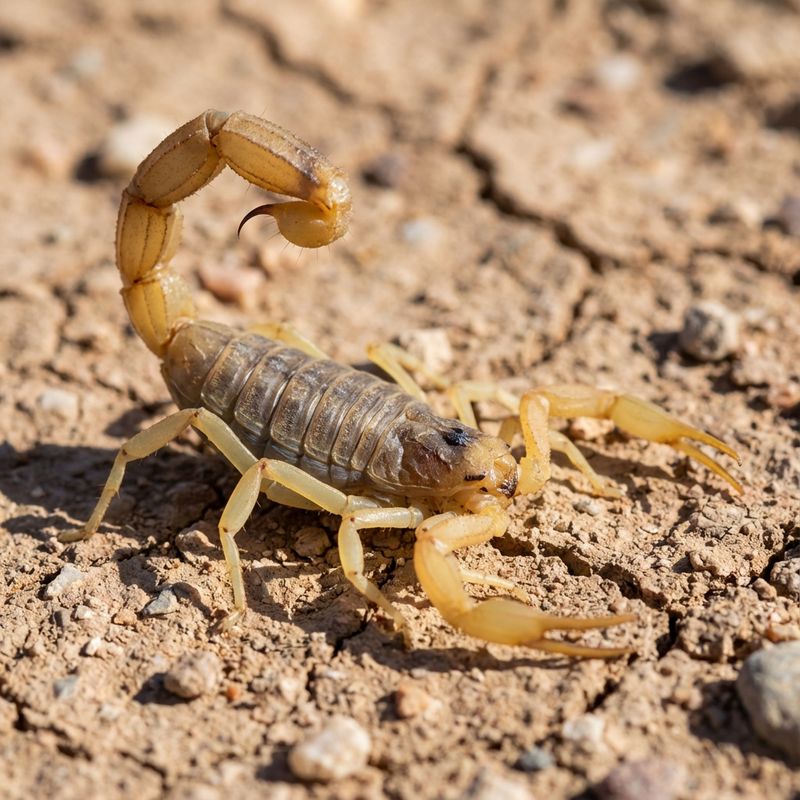
Scorpions have a reputation that is a lot scarier than the reality for most people in California.
The species most commonly found in home gardens here is the Bark Scorpion or the California common scorpion, both of which are venomous but rarely cause serious reactions in healthy adults.
These animals are not hunting you. They are shy, solitary creatures that prefer to avoid large animals entirely.
A scorpion only stings when it feels directly threatened, like when it is accidentally stepped on, picked up, or cornered with nowhere to go. In those moments, stinging is its only defense.
Most encounters happen because someone reaches into a dark space without looking first, or steps on one while barefoot at night.
Both situations are easy to prevent with a little awareness and some basic habits, like shaking out shoes and wearing footwear outdoors after dark.
If someone does get stung, the typical response is sharp local pain, some swelling, and mild numbness. These symptoms usually ease within a few hours.
Children, elderly individuals, and anyone with known allergies should be seen by a medical professional right away if stung.
Knowing that most garden scorpions are simply passing through, looking for food, and hoping to avoid you makes the whole situation feel a lot more manageable.
Respect them from a distance, take sensible precautions, and you and your garden can coexist peacefully.