8 Rare Native California Plants You’ll Almost Never Find At Garden Centers
California has no shortage of famous native plants, but some of the most interesting ones are the hardest to track down.
They are the quiet standouts you rarely spot on nursery benches, even though they bring incredible texture, unusual blooms, and a stronger sense of place to the garden.
That is part of what makes them so appealing. Growing one can feel like discovering a side of California gardening that most people miss completely.
These are not the same familiar picks that show up everywhere each spring.
They tend to be trickier to source, sometimes slower to grow, and often tied to specific habitats or regions, which only adds to their charm. For gardeners who love plants with a story, this is where things get especially fun.
A rare native can make a garden feel more personal, more distinctive, and much more connected to California itself. Sometimes the most memorable plants are the ones you almost never see for sale.
1. California Copperleaf
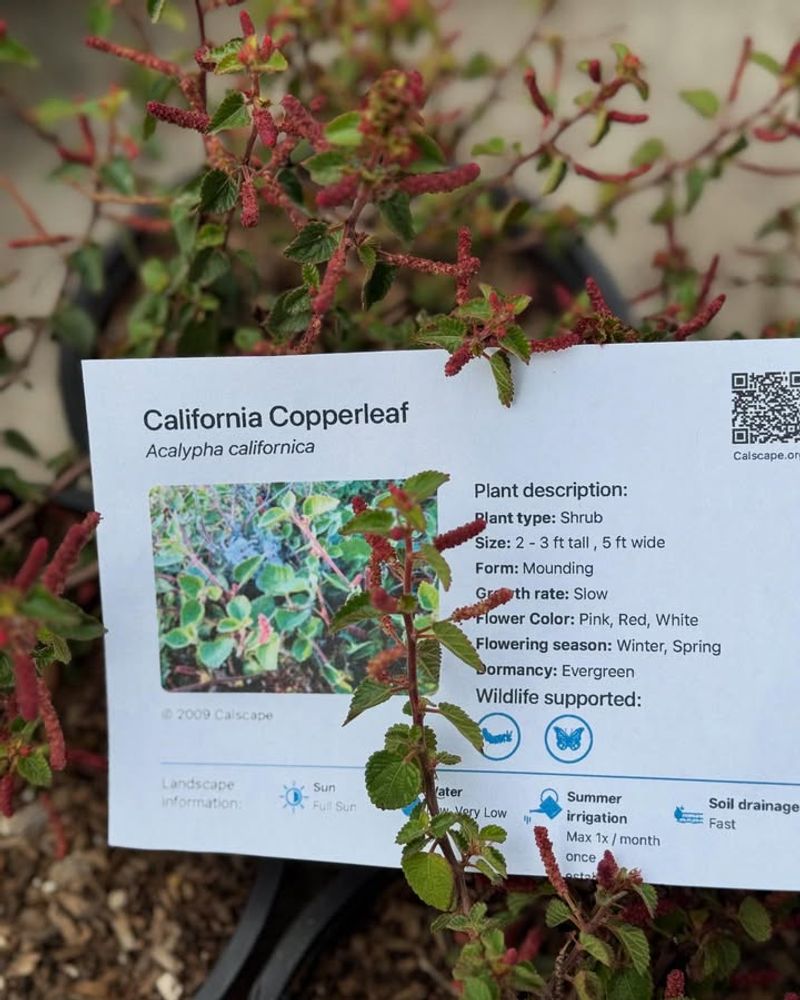
Hidden in dry, sun-baked corners of California, the California Copperleaf is one of those plants most people walk right past without a second glance. Its leaves shimmer with warm copper and reddish tones that catch the light in a surprisingly beautiful way.
It belongs to the genus Acalypha and tends to grow in disturbed soils and open woodland edges throughout parts of California.
What makes this plant so interesting is how well it adapts to tough conditions. It does not need rich soil or extra water to survive.
That kind of toughness is exactly what native California plants are known for, and the Copperleaf fits right into that story.
You will almost never spot this plant at a garden center, even though it could actually work well in a low-water garden. Specialized native plant nurseries occasionally carry it, but you mostly have to go looking in the wild to find it.
The California Native Plant Society is a great resource if you want to learn where populations of this plant exist and how to support its conservation. It is a small plant with a big personality.
2. Shockley’s Goldenhead
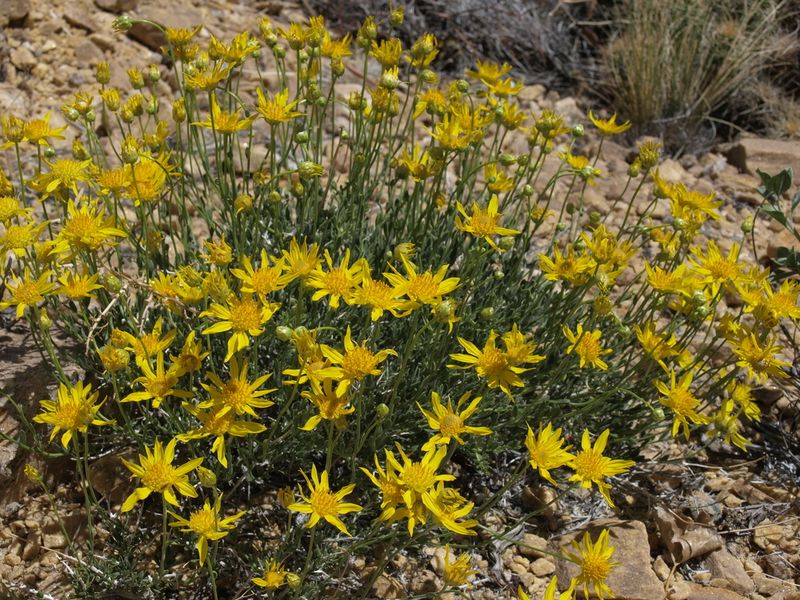
Bright yellow and boldly cheerful, Shockley’s Goldenhead is a desert wildflower that grows near the California-Nevada border in some of the harshest terrain you can imagine. Botanically known as Acamptopappus shockleyi, it produces small, round, golden flower heads that look almost like tiny suns perched on wiry stems.
The plant thrives in gravelly desert washes and dry rocky slopes where very few other plants dare to grow.
Most gardeners in California have never even heard of it. That is partly because it grows in such a remote, specific region of the state.
It is not a plant you would stumble across in the coastal valleys or the Sierra foothills. You really have to venture into the Mojave Desert region to see it in person.
Shockley’s Goldenhead is named after William Henley Shockley, a botanist who explored the Great Basin region in the late 1800s. That history adds a layer of charm to an already interesting plant.
Your California Garden Changes Every Week. Your Plan Should Too.
Gardening in California changes quickly throughout the season. Every Friday you’ll receive a simple weekly plan showing exactly what to plant, prune, fertilize, harvest, and protect so you never miss the right timing.
If you are a native plant enthusiast living in California’s desert communities, this is a species worth researching and learning to identify on nature walks. It is rare, resilient, and genuinely remarkable.
3. San Diego Thornmint
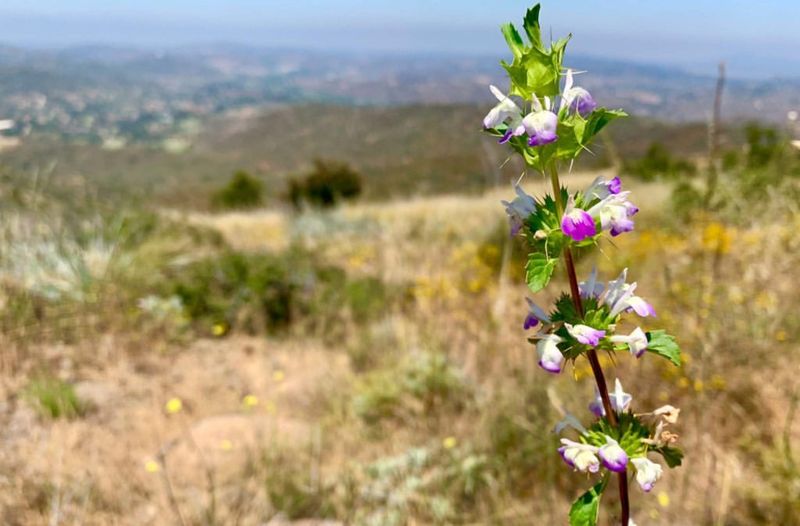
Sharp leaves, pale purple flowers, and a very small range make the San Diego Thornmint one of California’s most fascinating endangered plants. Scientifically called Acanthomintha ilicifolia, it is found only in a few scattered locations in San Diego County and parts of northern Baja California.
It grows in heavy clay soils, often in areas that dry out completely in summer. That combination of traits makes it incredibly hard to cultivate outside its native habitat.
The San Diego Thornmint is listed as a threatened species under the federal Endangered Species Act. Urban development in San Diego has eaten away at much of its habitat over the decades.
What remains is fragmented and vulnerable, which is why conservation groups in California work hard to protect the remaining populations.
Seeing this plant in the wild is a special experience. It blooms in late spring, and the flowers are delicate and pretty despite the plant’s spiny, holly-like leaves.
If you are visiting San Diego and want to see rare native plants up close, some nature preserves in the area protect this species. The California Native Plant Society’s inventory includes detailed location data for those who want to observe it responsibly without disturbing the plants.
4. San Benito Thorn Mint
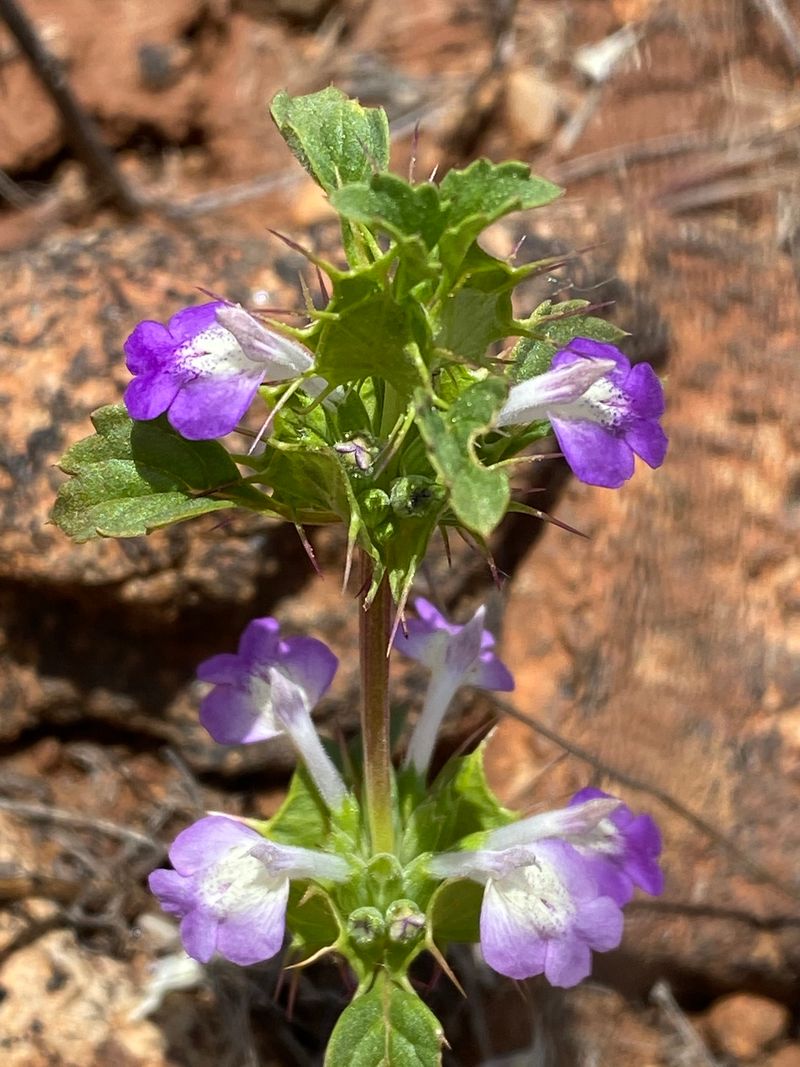
Growing in the rugged hills of San Benito County, the San Benito Thorn Mint is a rare gem that most Californians have never seen. Known scientifically as Acanthomintha obovata, it grows primarily in serpentine soils, which are naturally low in nutrients and high in heavy metals.
Most plants cannot survive in serpentine, but the San Benito Thorn Mint has evolved to do exactly that, giving it a very specialized and limited range.
The plant produces small, spiny-bracted flowers in shades of white to pale pink. Up close, it is surprisingly pretty for a plant that sounds so tough.
It blooms in late spring and is pollinated by native bees that are equally specialized for the local environment. That tight relationship between plant and pollinator is something you just do not find in a typical garden center plant.
San Benito County is a largely rural part of California that does not get as much attention as coastal or mountain regions. But for native plant lovers, it is a treasure trove of rare species.
The San Benito Thorn Mint is one of the best reasons to explore that area. Conservation of serpentine habitats in California is essential to keeping this plant and many others like it alive and thriving for future generations.
5. Montara Sagebrush
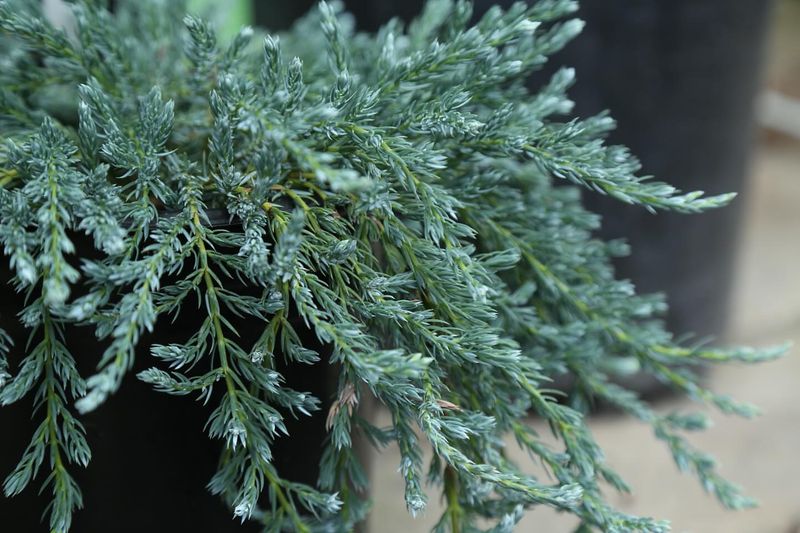
Silvery, soft, and wonderfully fragrant, Montara Sagebrush is a coastal California native that most people have never heard of, even though it grows right along the Pacific shoreline. Scientifically known as Artemisia pycnocephala, it hugs the sandy bluffs and coastal scrub of San Mateo County and a few other spots along the central California coast.
Its silver-green foliage shimmers in the ocean breeze and smells absolutely wonderful when you brush against it.
This plant is adapted to salty air, sandy soils, and coastal fog. Those are conditions that most garden plants struggle with.
That makes Montara Sagebrush an ideal candidate for coastal gardens in California, yet you almost never see it sold anywhere. A handful of native plant nurseries in the Bay Area have carried it, but it remains rare in cultivation.
One of the reasons Montara Sagebrush is so special is that it supports local wildlife. Coastal birds use it for cover, and native insects visit its small yellow flowers in late summer.
If you live near the California coast and want a low-maintenance, drought-tolerant plant with serious visual appeal, this sagebrush is worth tracking down. Contact a California Native Plant Society chapter near you for leads on where to find it.
6. Dwarf Flannel Bush
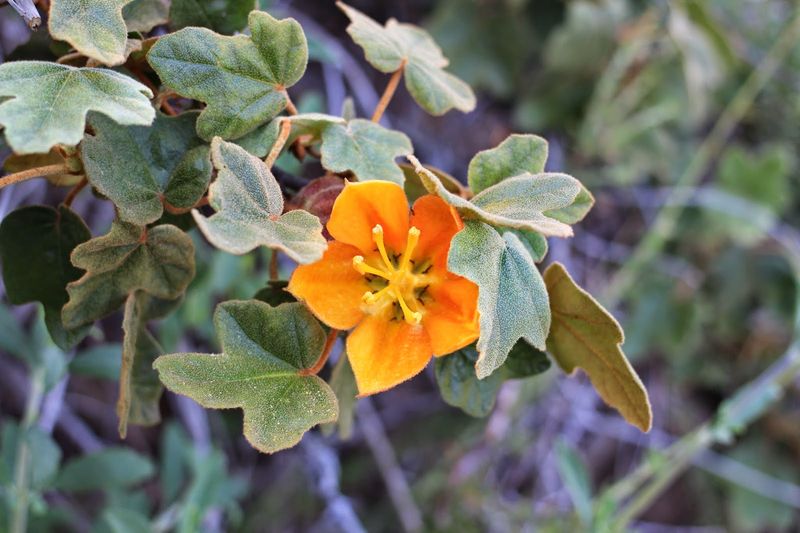
Imagine a shrub that practically drips with bright, buttery yellow flowers every spring, stays low to the ground, and grows in some of the most challenging soils in California. That is exactly what the Dwarf Flannel Bush does.
A subspecies of the well-known Flannel Bush, this variety, Fremontodendron californicum subsp. decumbens, grows only in El Dorado County in the Sierra Nevada foothills. It is found on rocky, serpentine outcrops where few other plants can compete.
The flowers are large and showy, almost tropical-looking compared to the dry, rocky landscape around them. That contrast is part of what makes seeing this plant in the wild such a memorable experience.
It blooms in spring, and the display can be breathtaking on a warm April day in the foothills of California.
Because of its extremely limited range, the Dwarf Flannel Bush is listed as an endangered species. Habitat loss and off-road vehicle activity have put pressure on wild populations.
Some specialty nurseries in California carry related Flannel Bush varieties, but the true Dwarf Flannel Bush is almost never available for purchase. If you want to help protect it, supporting land conservation organizations working in El Dorado County is one of the best things you can do.
7. Siskiyou Lewisia
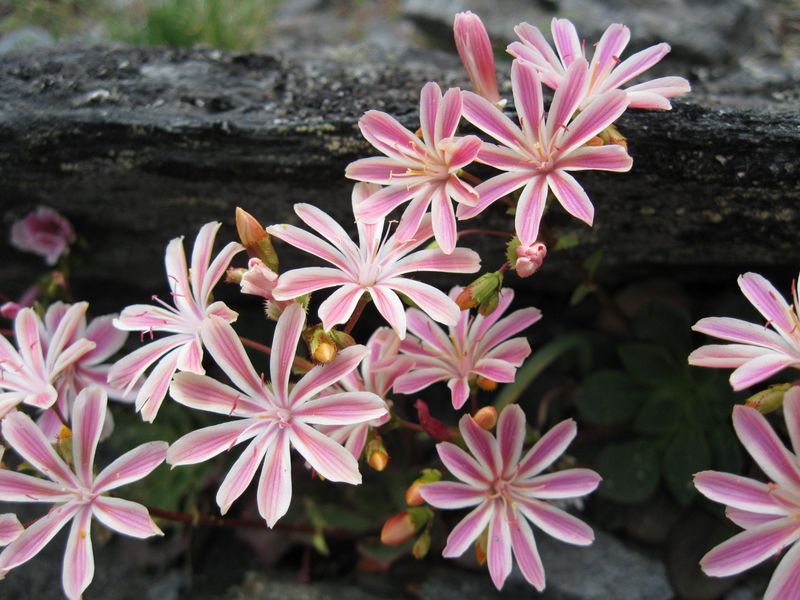
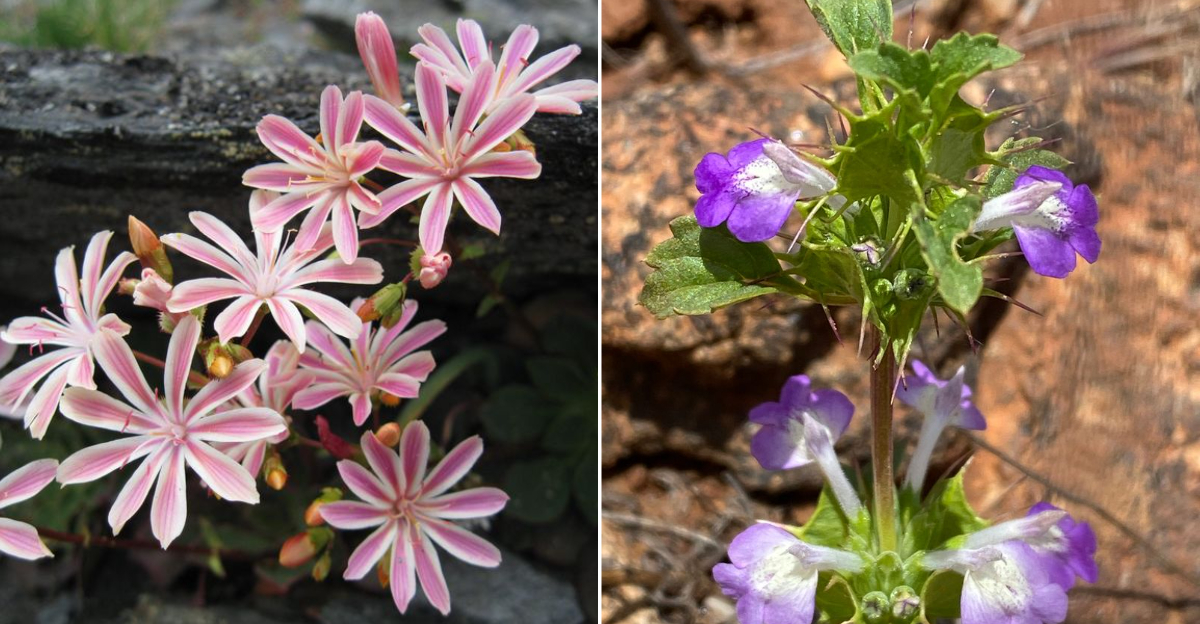
Few native California plants are as eye-catching as the Siskiyou Lewisia. Growing in rocky crevices in Siskiyou County and parts of southern Oregon, this plant produces clusters of stunning flowers in shades of pink, orange, white, and magenta, often with beautiful striped petals.
Scientifically known as Lewisia cotyledon, it clings to cliff faces and rocky outcrops where water drains quickly and roots must work hard to find a foothold.
Lewisia cotyledon is actually one of the more well-known Lewisias among rock garden enthusiasts worldwide. Gardeners in Europe have embraced it far more than most Americans have.
That is a bit ironic, given that it is native to northern California and southern Oregon. You can sometimes find cultivated varieties at specialty nurseries, but the true wild form from Siskiyou County is a genuinely rare sight.
Growing Siskiyou Lewisia in a garden requires excellent drainage. Plant it sideways in a rock wall or a raised bed with gritty soil, and it will reward you with months of spectacular blooms.
It is drought tolerant once established and handles cold winters well. For gardeners in northern California who want a native showstopper, this plant is absolutely worth seeking out from a reputable native plant nursery.
8. Long Petaled Lewisia
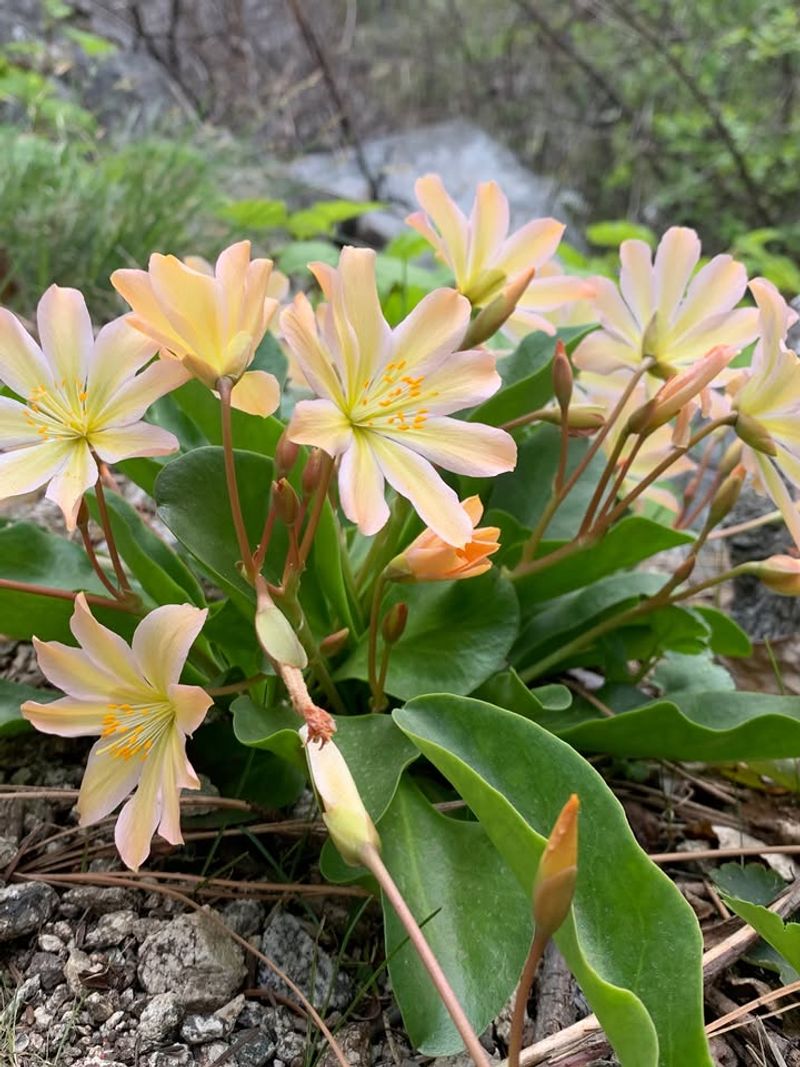
Up in the high Sierra Nevada of California, where snow lingers well into summer and the air is thin and crisp, the Long Petaled Lewisia quietly blooms among the rocks. Known scientifically as Lewisia longipetala, this alpine native produces delicate flowers with noticeably long, narrow petals in shades of soft pink to white.
It is a small plant, but it carries a kind of quiet elegance that stops hikers in their tracks.
Long Petaled Lewisia grows at high elevations, typically above 8,000 feet, in rocky, well-drained soils near snowmelt streams. It is one of those plants perfectly designed for its environment.
The long petals may help attract specific pollinators at altitude, where the growing season is short and every bloom counts.
You will almost certainly never find this plant at a garden center anywhere in California. It needs very specific conditions, cool temperatures, excellent drainage, and bright mountain light, that are nearly impossible to recreate in a typical garden setting.
However, alpine and rock garden specialists occasionally grow it successfully. Seeing it in person requires a hike into the Sierra Nevada backcountry, which is honestly the best reason to lace up your boots and head into the mountains.
It is a reward well worth the effort.