Why Michigan Gardeners Struggle To Plant Around Basement Window Wells
That skinny strip beside a Michigan foundation can look innocent until spring rain exposes the whole plot.
One day it is just sad bare soil near the basement window. The next, water is pooling around the well, clay is holding every drop hostage, and the north wall has turned half the bed into a damp shadow cave.
Not exactly the charming curb-appeal moment anyone had planned.
Michigan makes this spot especially tricky.
Snow piles there. Roof runoff lands there. Freeze-thaw cycles shove soil around. Heavy clay drains slowly. Egress windows need clear access, so plants, mulch, stones, and edging cannot simply crowd in wherever they look cute.
That is why regular flower-bed advice often falls flat along the foundation. This space has rules, pressure, and a little underground drama.
So why do Michigan foundation beds fail even after careful plant choices?
The answer starts with water, safety, shade, and soil that refuses to cooperate until the whole bed gets planned like a system.
1. Drainage Comes Before Pretty Plants
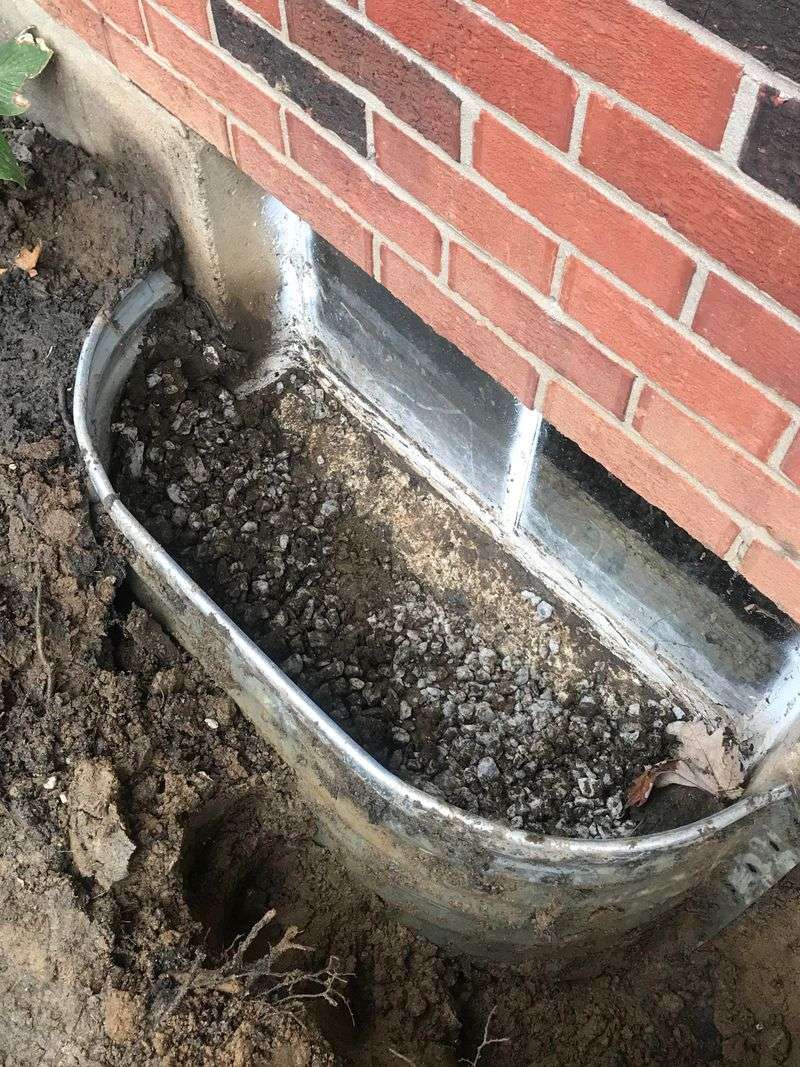
Water is the number one issue in any basement window well planting bed.
Before you even think about which hostas or ferns to tuck in, you need to know where the water goes when it rains hard.
In Michigan, spring thaw and summer storms can dump several inches of water in a short time, and clay-heavy soil does not drain fast enough to keep up.
Window wells are designed to let light into basement rooms, but they can also act like little bathtubs if the drainage underneath is blocked or poorly designed.
Most wells have a gravel pit at the bottom that connects to a drain or simply allows slow percolation. If that gravel gets clogged with roots, sediment, or mulch that washes in, water backs up fast.
Michigan State University Extension recommends keeping the soil around foundations sloped away from the house at a grade of at least six inches over ten feet.
That slope is your best friend. Without it, every rain event pushes water toward the wall instead of away from it.
Avoid planting anything with dense root systems or thick groundcovers right at the well edge.
Those plants trap moisture and slow drainage. Use a layer of coarse gravel around the well collar instead of piling soil or mulch against it.
Good drainage is not glamorous, but it is absolutely the foundation of a healthy planting bed here.
2. Egress Space Must Stay Clear
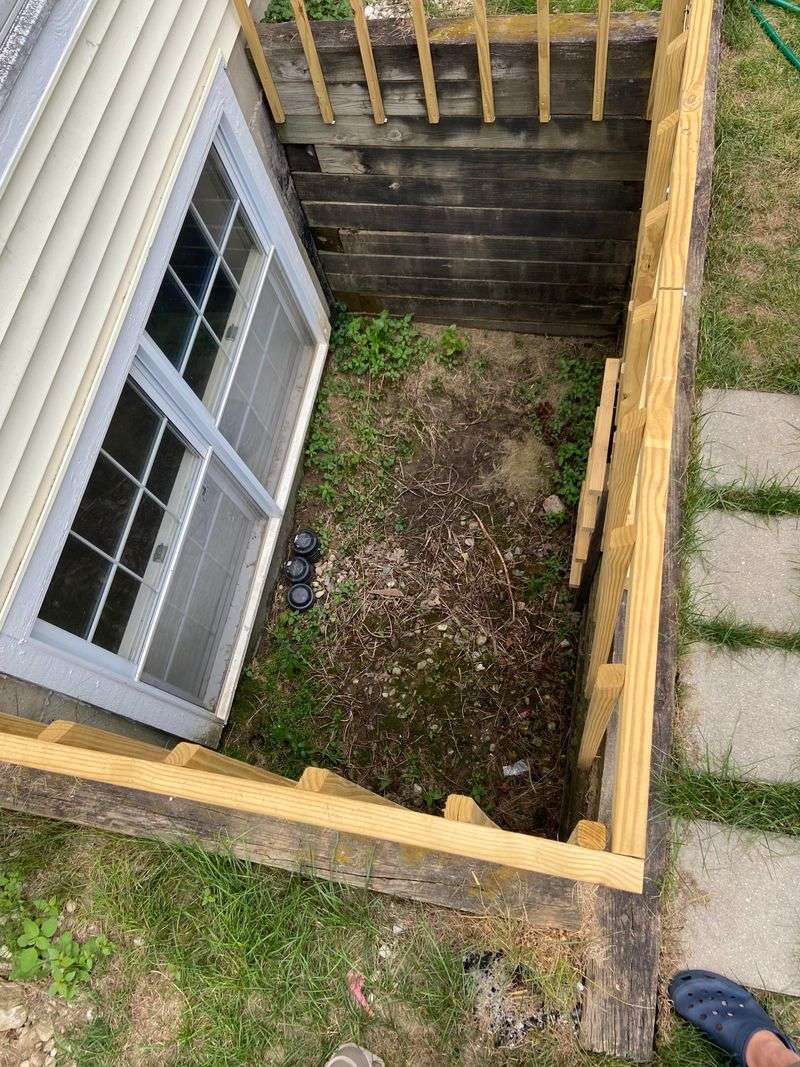
An egress window is not just a design feature. It is a legal emergency exit.
Michigan building codes require that certain basement windows meet minimum size and clearance standards so that a person can climb out quickly in an emergency.
Planting shrubs, tall ornamental grasses, or dense perennials directly in front of or beside these windows puts that safety margin at serious risk.
Think about what happens when a firefighter needs to reach that window from outside, or when someone inside needs to push it open and climb out fast.
Thorny plants, thick stems, or a tangle of vines can turn a ten-second escape into a dangerous obstacle. No flower arrangement is worth that trade-off.
Your North Carolina Garden Changes Every Week. Your Plan Should Too.
Gardening in North Carolina changes quickly throughout the season. Every Friday you’ll receive a simple weekly plan showing exactly what to plant, prune, fertilize, harvest, and protect so you never miss the right timing.
Keep a clear zone of at least eighteen to twenty-four inches around the well opening on all sides.
Use low-growing plants that stay under twelve inches tall in that buffer zone. Creeping thyme, short sedges, or smooth river rock work well here.
Check your window well cover regularly to make sure it opens freely. Safety is not optional, and the garden can still look sharp while respecting that boundary.
3. Roof Runoff Can Overwhelm The Bed
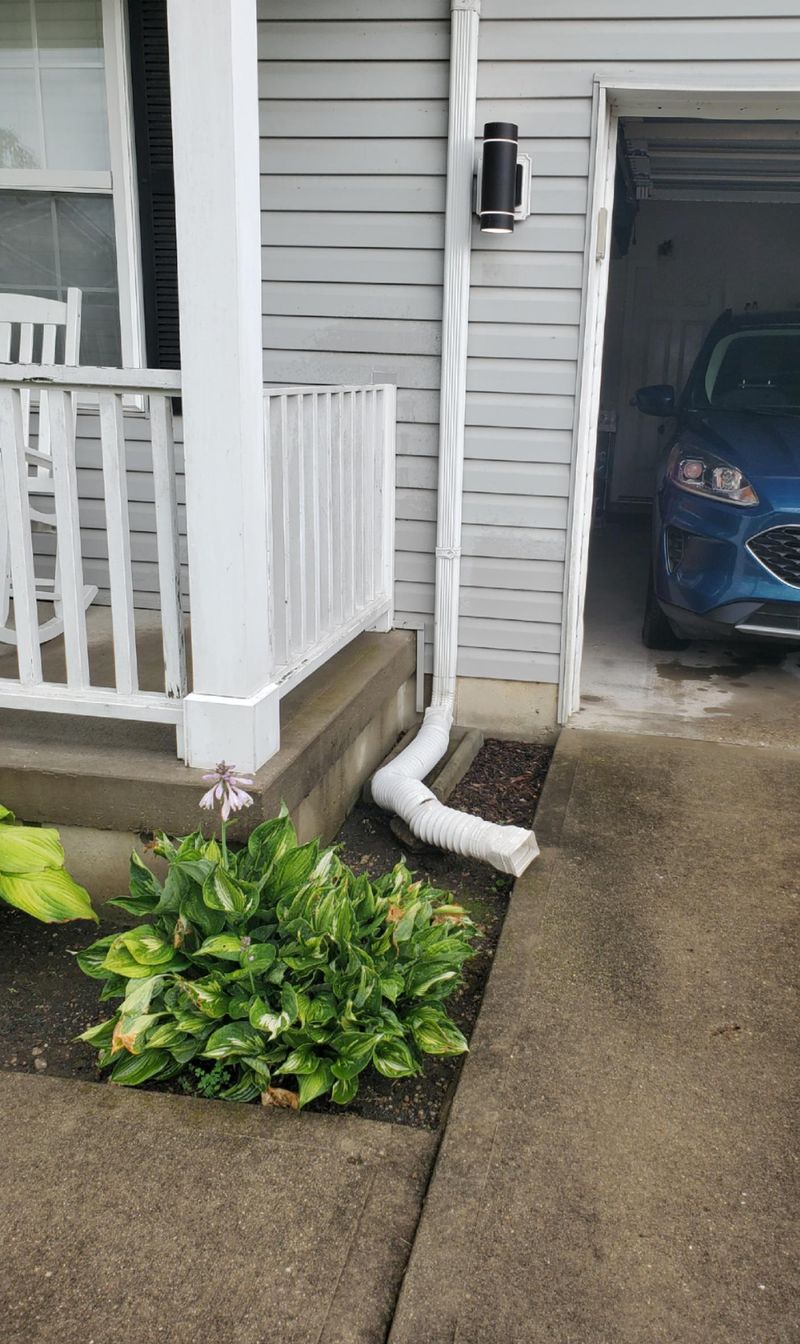
That downspout on the corner of your house is doing something dramatic every time it rains.
Water rushing off a Michigan roof collects in gutters and shoots out at the base of your home with surprising force.
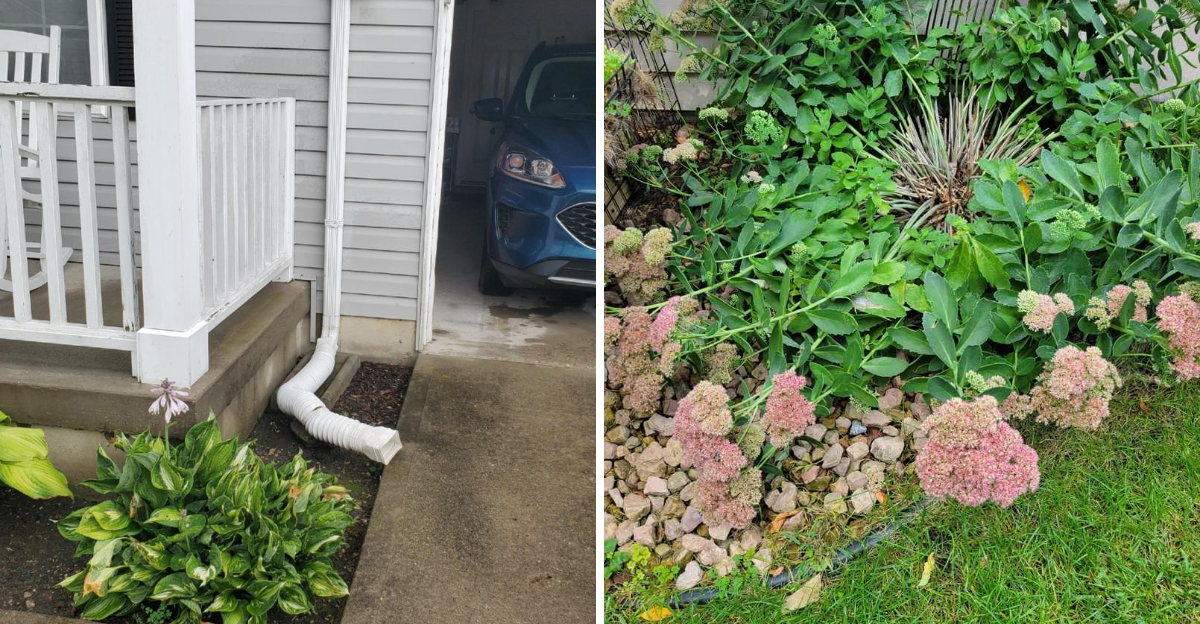
If the downspout empties anywhere near your foundation bed or window well, that concentrated flow can erode soil, splash mud onto your siding, and push far more water into the planting zone than the plants can handle.
A typical Michigan home with a 1,500-square-foot roof can shed hundreds of gallons of water during a single storm.
Without proper gutter extensions or underground drain tiles, it often goes straight into the foundation bed and then pools around the window well.
A six-foot downspout extension that carries water at least six feet from the house is a smarter fix.
Some Michigan homeowners install underground drain pipes that carry roof runoff all the way to a rain garden or a lower part of the yard.
Check your gutters twice a year, especially in fall after the leaves drop.
Clogged gutters overflow and dump sheets of water right along the roofline, soaking the foundation bed below.
Solve the roof runoff problem first, and your window well bed will have a fighting chance at actually growing something healthy.
4. Deep Shade Limits Bloom Choices

Stand at the north wall of a Michigan home on a July afternoon and you will notice something right away. There is no sun.
The house blocks nearly all direct light for most of the day, and what little reaches the bed comes in at a low angle in the early morning or late evening.
Most flowering plants need at least six hours of direct sun to bloom well, and this spot rarely delivers even three.
That does not mean the bed has to look boring. It means you have to shop smarter.
Shade-tolerant plants like hostas, astilbe, bleeding heart, and native wild ginger can actually thrive here.
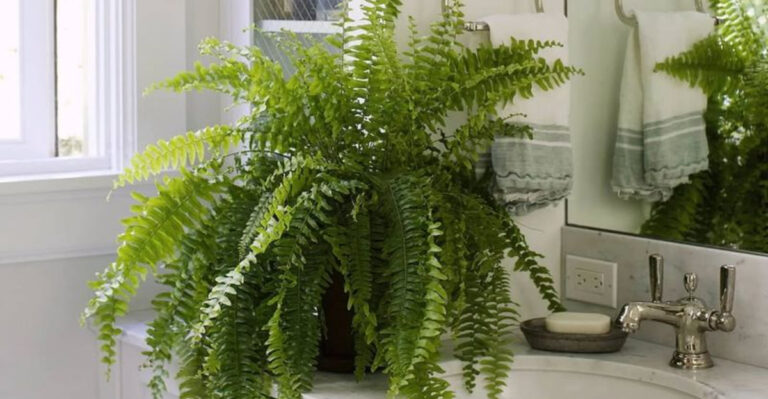
Ferns are a Michigan gardener’s best friend in a shaded foundation bed. They handle the low light, the moisture swings, and the root competition from nearby shrubs without complaining much.
Avoid planting roses, lavender, coneflowers, or black-eyed Susans in deep shade near a north-facing window well.
They will stretch and lean toward any available light, grow weak and floppy, and rarely bloom.
Light also affects soil temperature. Shaded beds stay cooler longer in spring, which delays planting and slows root establishment.
Choose plants specifically labeled as shade-tolerant, match the plant to the light you actually have, and the bed will reward you with lush, reliable greenery all season.
5. Reflected Heat Stresses Small Plants
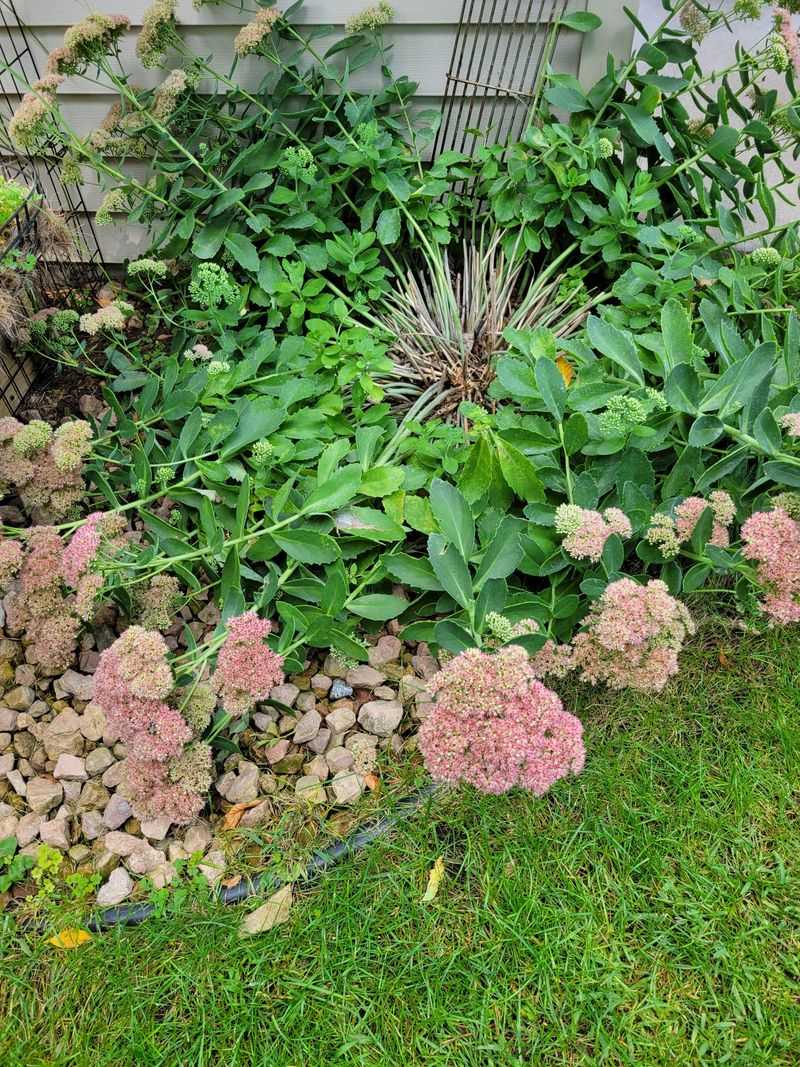
Brick walls, concrete window well collars, and light-colored vinyl siding all do the same sneaky thing on a hot Michigan summer day.
They absorb heat from the sun and radiate it back out into the planting bed, creating a pocket of trapped warmth that can run ten to fifteen degrees hotter than the air temperature just a few feet away.
Small transplants and young perennials feel that heat stress hard.
South and west-facing foundation beds get the worst of it. The sun hits those walls at full strength for hours, the concrete soaks it up, and by late afternoon the bed feels like a slow oven.
Moisture evaporates from the soil twice as fast, roots dry out, and leaf edges scorch even on plants that are supposed to be sun-lovers.
Mulching heavily helps buffer soil temperature and hold moisture.
A two to three inch layer of shredded hardwood mulch can drop soil surface temperatures noticeably. Keep mulch away from the window well collar and the house siding to avoid trapping moisture against the structure.
Choose heat-tolerant plants for these spots.
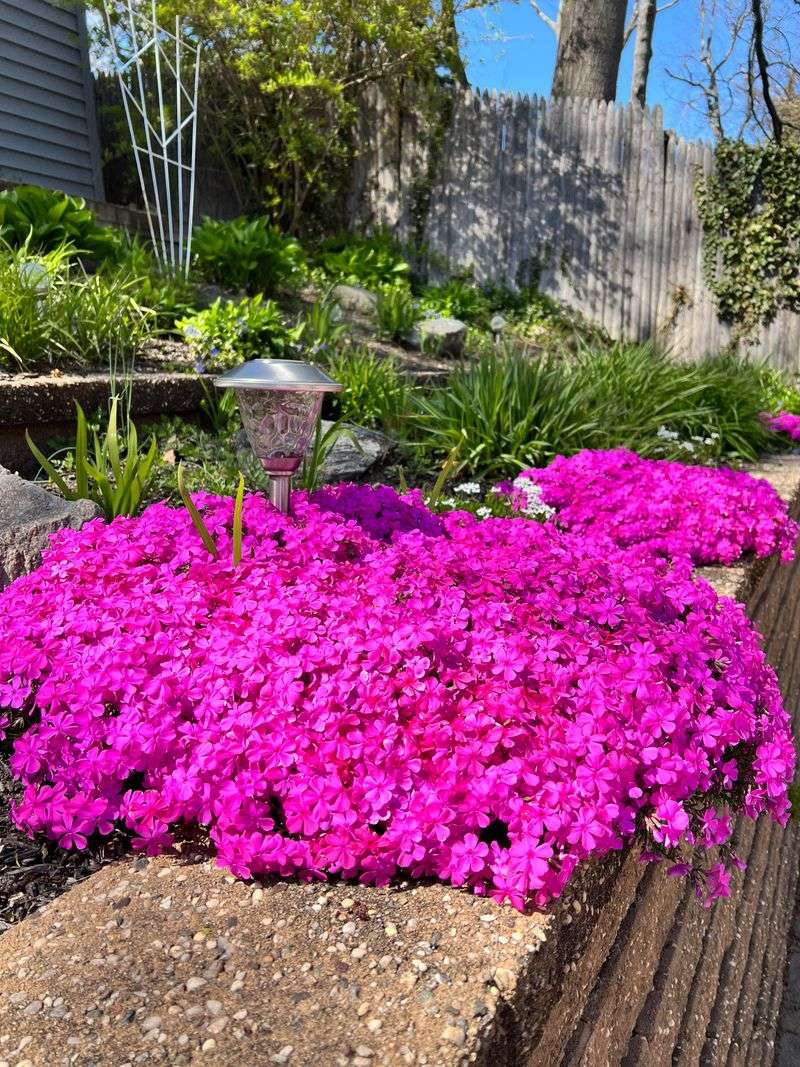
Sedum, creeping phlox, and ornamental grasses handle reflected heat better than soft-stemmed perennials.
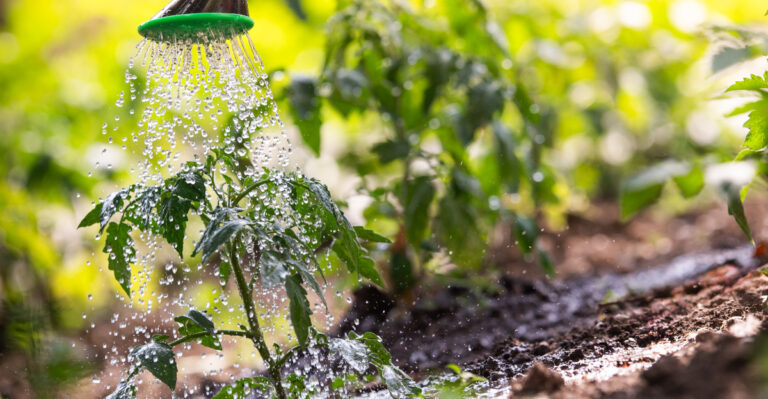
Deep watering encourages roots to grow downward where the soil stays cooler, and a soaker hose on a timer works great in these beds during Michigan’s demanding July and August stretches.
6. Snow Piles Crush Weak Stems
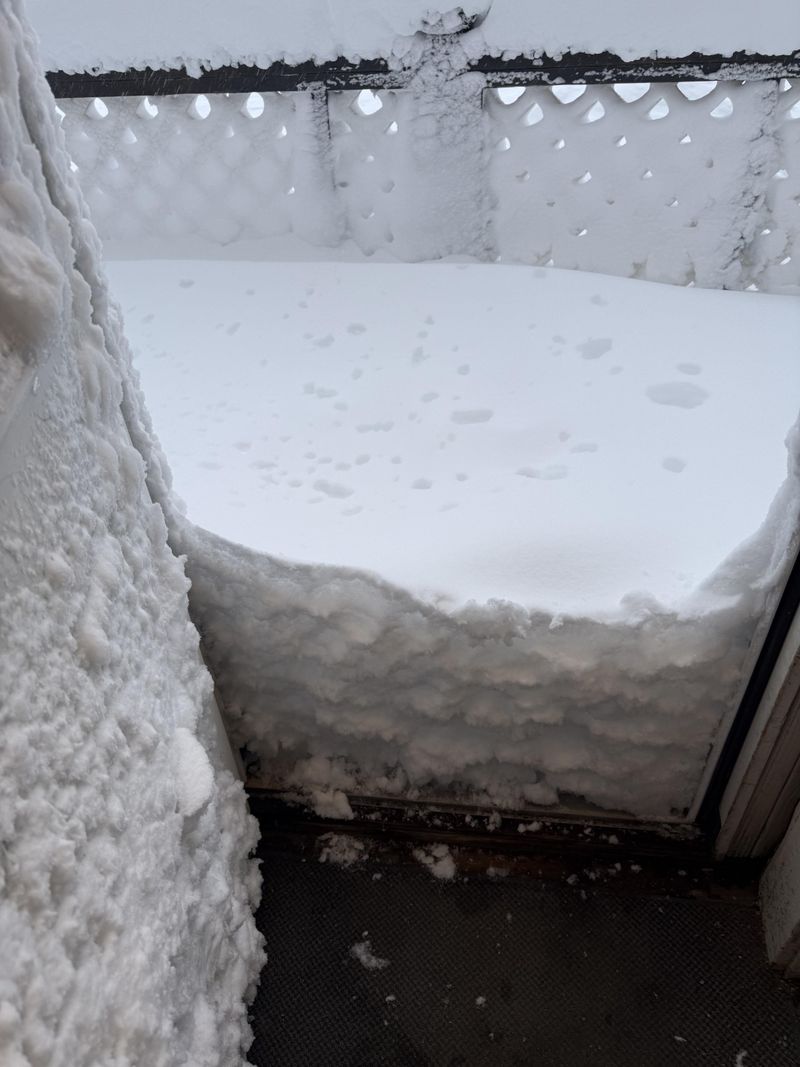
Every Michigan winter tells the same story.
The driveway gets plowed, the sidewalk gets shoveled, and the snow has to go somewhere. More often than not, it lands right in the foundation bed beside the house.
Window well areas become unofficial snow dump zones, and whatever is planted there gets buried under heavy, compacted piles that can sit frozen for weeks.
That weight is brutal on plants with hollow or brittle stems.
Ornamental grasses, tall perennials, and woody-stemmed shrubs can snap under a heavy snow load. When the pile finally melts in March, you uncover a mat of broken, flattened stems sitting in a pool of snowmelt that has nowhere to drain quickly.
Ice is actually more damaging than fluffy snow.
When temperatures swing above and below freezing repeatedly, as they do during a classic Michigan thaw-refreeze cycle, ice forms around plant crowns and roots.
That ice can heave shallow-rooted plants right out of the ground, leaving them exposed and frost-damaged by the next cold snap.
Plan your plantings with snow placement in mind.
Leave a clear zone near the window well where snow can be piled without burying plants. Choose low-growing, flexible plants like creeping thyme or native sedges that bend under snow and spring back when it melts.
Mark the bed edges with short stakes so you can see where the garden ends and the snow pile should begin.
7. Foundation Soil Should Slope Away

Grab a long level and a tape measure and check the grade of the soil around your foundation.
This one check can reveal why your window well floods every spring. Soil that slopes toward the house, even by just an inch or two, funnels rainwater and snowmelt straight toward the wall and into the window well.
Over time, that water works its way through cracks in the foundation and ends up in your basement.
Michigan State University Extension and most foundation experts recommend a minimum drop of six inches over the first ten feet away from the house.
Many older Michigan homes have settled over the decades, and the original slope has flattened out or even reversed in spots.
Fixing the grade is not complicated, but it does take some effort.
Add clean topsoil around the foundation and rake it so the surface drops steadily away from the house. Avoid using straight compost or peat moss right against the foundation, as those materials hold moisture and can stay wet for days after a rain.
Once the grade is correct, protect it.
Dense groundcovers and thick mulch can shift during heavy rains and create low spots over time. Check the slope every spring and add a little soil where it has settled.
Getting the grade right is the single most effective thing you can do to protect your basement and give your foundation bed a fighting chance at staying healthy and dry through Michigan’s wet seasons.
8. Winter Salt Damage Hits Foundation Plants Hard
Every Michigan winter brings a familiar ritual: salting the driveway, the walkway, and anything else that threatens to become a skating rink.
What most homeowners never consider is where all that salt goes when the snow melts. It does not disappear.
It flows with the snowmelt right toward the lowest point of the yard, which in many cases is the foundation bed running alongside the house and window well.
Salt damage in foundation beds is genuinely common in Michigan and genuinely underdiagnosed.
Plants show up in spring looking stressed or sparse, and most homeowners assume winter cold was the problem.
Often it was the salt. Sodium chloride and calcium chloride both interfere with a plant’s ability to absorb water, essentially creating a drought condition at the root level even when the soil contains plenty of moisture.
The symptoms look a lot like drought stress: brown leaf tips, wilted new growth, and plants that never quite recover their vigor after winter.
Brick and concrete window well collars also absorb salt residue over winter and release it slowly into the surrounding soil through the spring thaw, creating a zone of elevated salinity right where plant roots are trying to wake up and grow.
Choosing salt-tolerant plants for foundation beds near driveways and walkways is the most practical long-term solution.
Native sedges, creeping phlox, and certain ornamental grasses handle salt exposure better than soft-stemmed perennials or acid-loving shrubs.
Rinsing the foundation bed with plain water during the first warm spell of spring can help flush accumulated salts deeper into the soil profile before new growth begins in earnest.
If you use de-icing products on your property, switching to sand, kitty litter, or lower-sodium alternatives near planted areas reduces the buildup over time.