Here’s What It Means When You See Holes In Your North Carolina Hosta Leaves And How To Fix Them
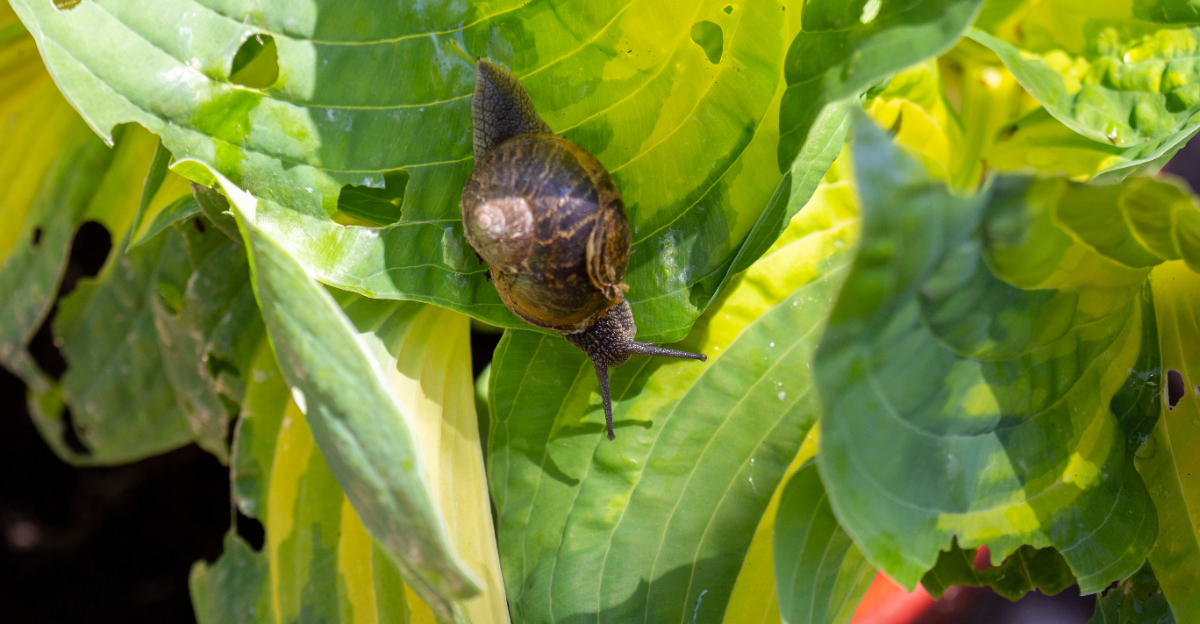
Holes in hosta leaves could be the work of several completely different culprits, and North Carolina gardens host most of the usual suspects at some point during the season.
Slugs leave a distinct pattern. Certain beetles leave another. Even deer and rabbits create damage that looks similar from a distance but tells a different story up close.
The size, shape, and location of the holes, along with what else is happening on the plant, point toward a specific cause once you know what details actually matter.
Identifying the real culprit correctly is what makes the fix effective instead of just another guess that does not solve the actual problem.
1. Irregular Holes Usually Point To Slugs Or Snails
You wake up, grab your coffee, and head outside to check your garden, only to find your hostas look like someone took a hole punch to them overnight.
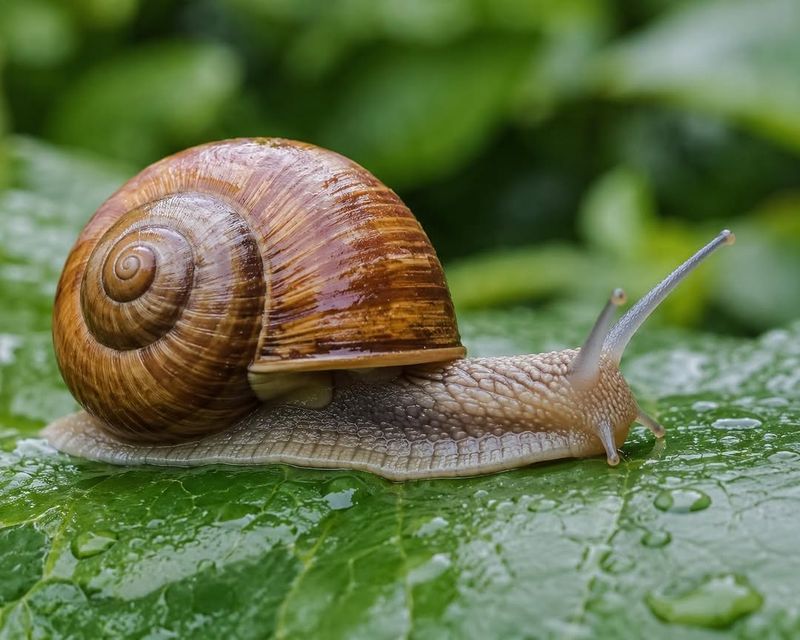
Ragged, uneven holes with rough edges are one of the most common signs that slugs or snails have been visiting your plants after dark.
These pests are sneaky because they feed mostly at night and hide away before sunrise, so you often see the damage long before you ever spot the culprit.
Slugs and snails love soft, lush hosta leaves, and North Carolina’s warm, humid nights give them exactly the conditions they need to thrive.
One of the easiest ways to confirm these pests are the problem is to look for shiny slime trails left behind on the leaves, nearby mulch, or the soil around the base of the plant.
That silvery streak is a giveaway that slugs or snails were active in the area recently. Checking the underside of leaves is also a smart move, since some slugs will cling there during the cooler part of the morning.
Once you know slugs are behind the damage, you can start taking steps to reduce their numbers and protect your plants going forward. Catching the problem early always makes a real difference.
2. Damp Shade Can Make Slug Damage Worse
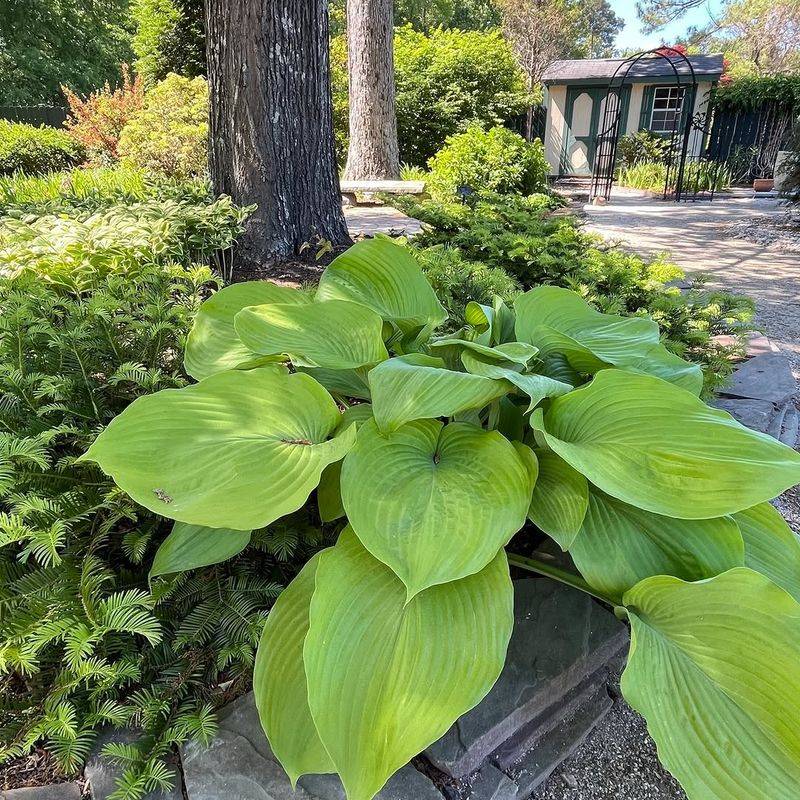
Not all hosta spots are equal when it comes to slug problems. A hosta growing in a damp, crowded, shaded corner of your yard is basically setting out a welcome sign for slugs and snails every single night.
These pests absolutely love cool, moist hiding places, and a thick bed with heavy mulch, fallen leaves, stacked pots, and dense plant growth gives them everything they need to stay comfortable and well-fed all season long.
North Carolina gardens often have shaded areas that stay wet for hours after rain or morning dew, which is exactly the kind of environment slugs prefer.
The more clutter and moisture you have in a bed, the more likely you are to see those ragged holes appearing on your hostas week after week.
The good news is that making a few simple changes to the space can reduce the problem significantly without tearing up your whole garden.
Improving airflow by thinning out crowded plants helps the soil dry out faster between waterings.
Your North Carolina Garden Changes Every Week. Your Plan Should Too.
Gardening in North Carolina changes quickly throughout the season. Every Friday you’ll receive a simple weekly plan showing exactly what to plant, prune, fertilize, harvest, and protect so you never miss the right timing.
Pulling mulch back slightly from the base of your hostas removes one of the most popular daytime hiding spots slugs rely on.
Removing boards, extra debris, and anything lying flat on the soil also cuts down on the sheltered spots where slugs spend their days waiting for nightfall to arrive.
3. Big Missing Chunks May Mean Deer Are Browsing
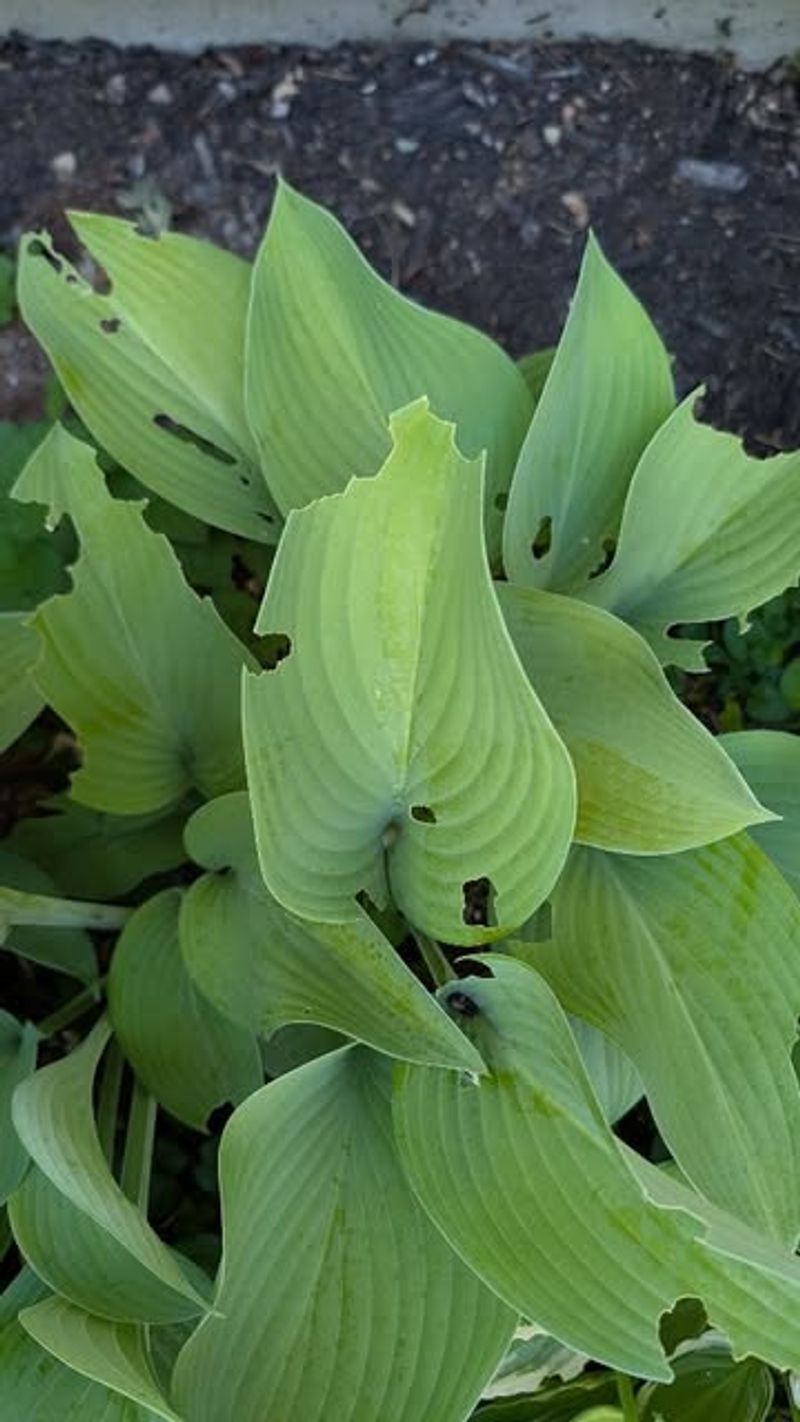
Slugs leave ragged holes, but deer leave something much more dramatic behind.
If you walk out and find large torn sections of leaves, whole leaf edges stripped away, or entire stems that look like they were yanked rather than chewed, deer are likely the ones responsible.
Unlike the clean, small feeding patterns of insects, deer browsing tends to look rough and hasty, almost like something grabbed the plant in a hurry.
NC State University notes that deer enjoy hosta foliage, and gardens located near wooded edges in North Carolina are especially likely to see this kind of browsing.
Deer are most active at dawn, dusk, and through the night, so again, you may not catch them in the act.
The size and pattern of the damage, combined with any hoof prints in soft soil nearby, can help you figure out what paid your garden a visit.
Addressing deer pressure takes a bit more effort than dealing with slugs. Physical fencing is one of the most reliable solutions, especially for a smaller garden area.
Motion-activated repellent sprinklers and strong-smelling deer repellents can also discourage browsing, though they need to be reapplied regularly.
Moving your most prized hostas closer to the house or to a more protected area of the yard is another practical option worth considering.
4. Tiny Holes And Shredded Leaves Can Come From Hail
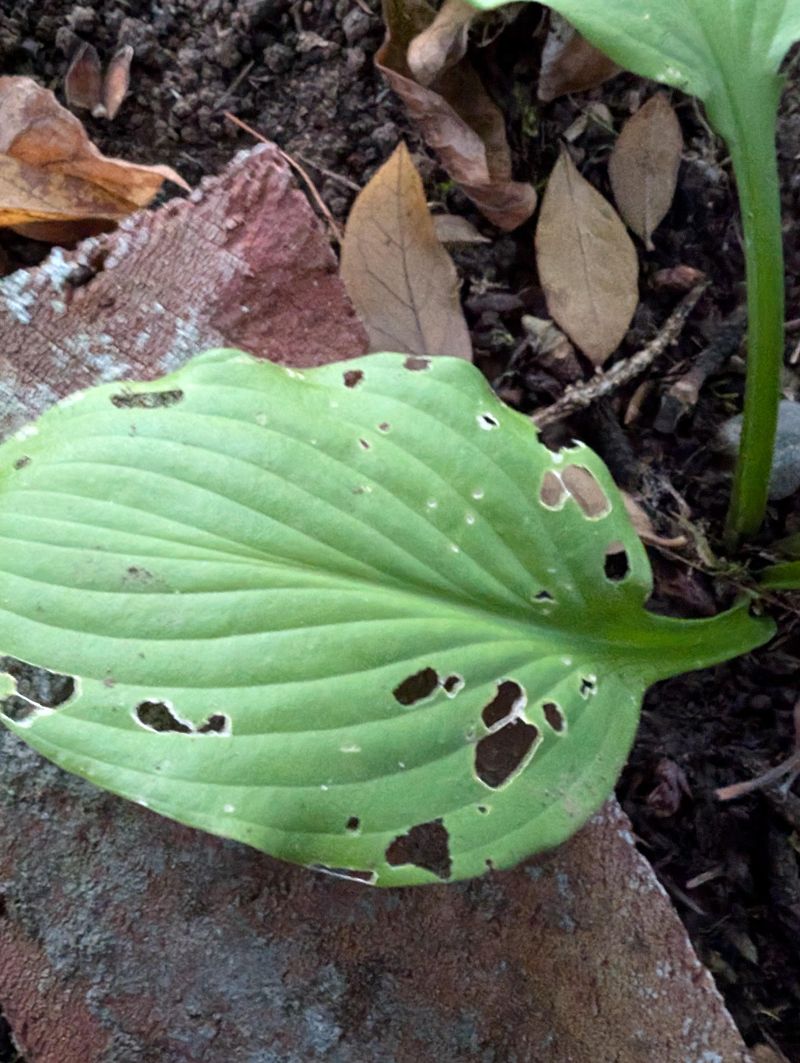
Sometimes the garden looks fine in the morning and completely battered by the afternoon, and the culprit has nothing to do with any pest at all.
North Carolina summers can bring fast-moving storms with heavy rain, strong winds, and even hail, all of which can leave your hostas looking like something has been chewing on them.
Small holes, ragged tears, and bruised or discolored patches that appear suddenly after a storm are strong clues that weather caused the damage rather than an insect or animal.
NC State University includes hail as a recognized cause of hosta leaf damage, which is a helpful reminder that not every hole in your garden needs a pest-control solution.
Before you start treating for slugs or setting up deer fencing, always take a moment to think back on recent weather.
If a storm rolled through the night before, there is a very good chance that is the explanation you are looking for.
Hail damage cannot be undone, but it is worth knowing that hostas are resilient plants that often push through rough weather and bounce back with fresh growth over time.
Removing the most heavily shredded leaves can help the plant look tidier and redirect its energy into healthy new growth.
Keeping a simple weather journal for your garden can also help you connect the dots more quickly next time a storm passes through your area.
5. Brown Crispy Spots May Be Leaf Scorch Instead Of Chewing
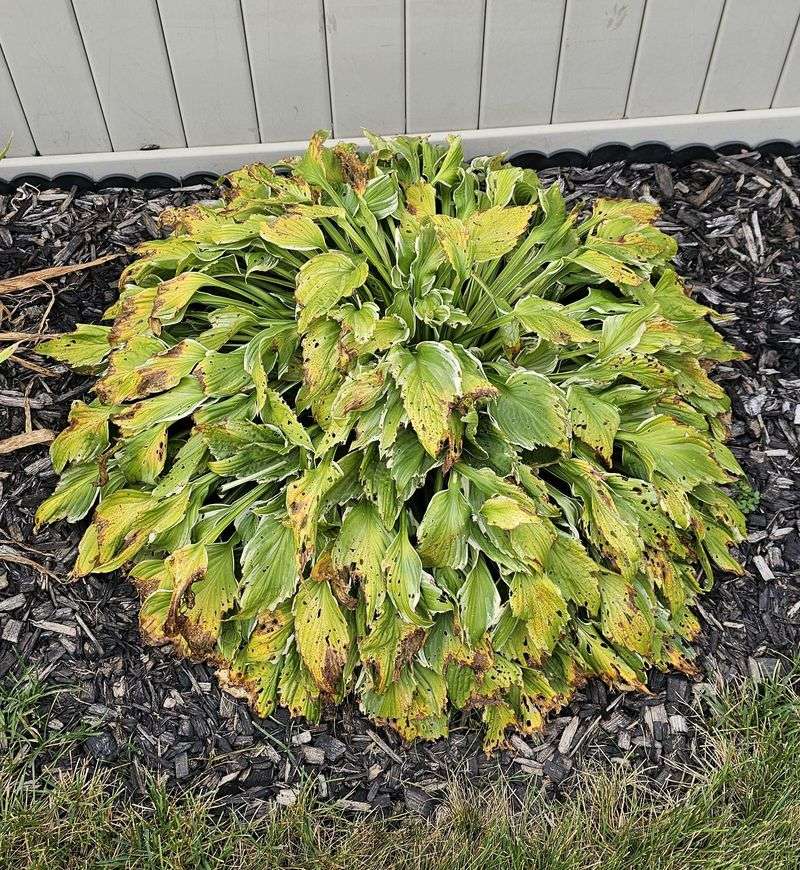
Here is something many gardeners get wrong: not every spot of damage on a hosta leaf means something has been eating it.
Some of the most common hosta complaints in the South actually come from the sun rather than from any pest.
When a hosta gets too much direct sunlight, especially during the intense heat of a North Carolina summer afternoon, the leaves can develop dry, pale, or crispy-looking patches that can easily be mistaken for feeding damage at first glance.
Leaf scorch tends to show up as bleached or tan areas, often starting at the tips or edges of the leaf and working inward.
The texture feels dry and papery rather than torn or ragged, and you will not find any slime trails, frass, or other signs of pest activity nearby.
Hostas generally perform best in full shade or dappled shade in the South, and even varieties marketed as sun-tolerant can struggle when exposed to harsh afternoon rays.
Moving a scorched plant to a shadier location is often the most effective fix. If relocating is not an option, adding a shade cloth during the hottest part of the day can protect the leaves from further damage.
Watering consistently also helps, since dry soil combined with strong sun puts extra stress on the plant and makes scorch symptoms appear much faster and more severely than they otherwise would.
6. Spots With Yellowing May Mean Leaf Disease
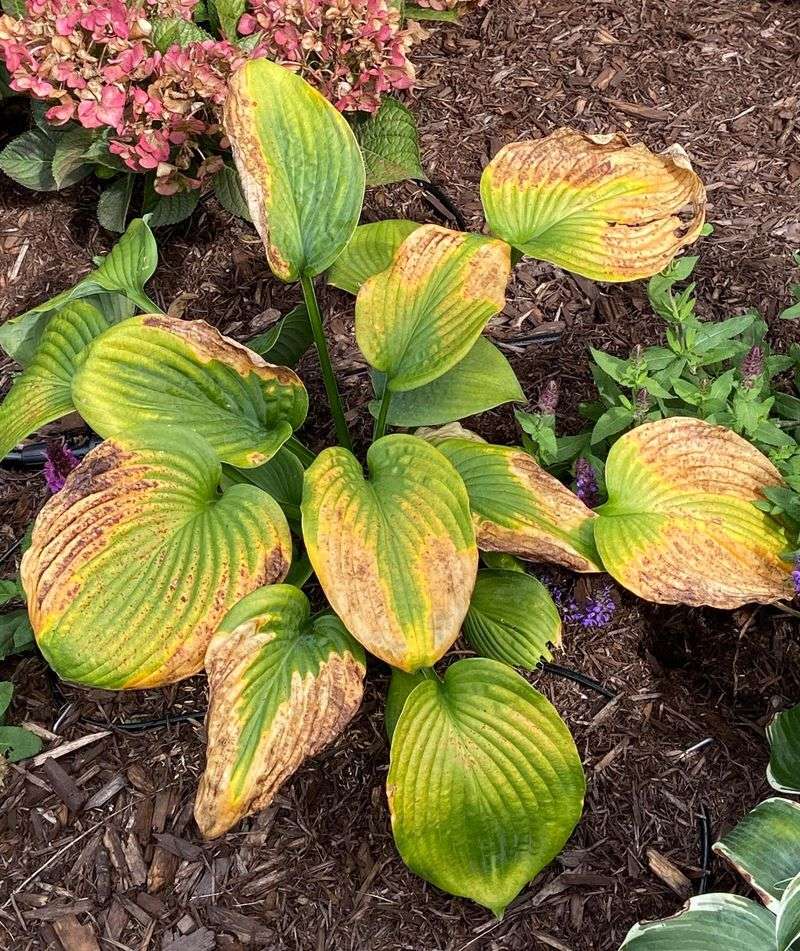
Yellowing leaves with spots or lesions tell a different story than simple holes, and treating them the same way will not get you very far.
Leaf spot disease can affect hostas, particularly in gardens where moisture lingers on the leaves and air circulation is poor.
North Carolina’s humid summers create conditions where fungal and bacterial leaf spot can spread from plant to plant with very little encouragement.
The spots usually start small and may look water-soaked or have a darker ring around a lighter center.
As the disease progresses, affected areas can turn yellow or brown and the leaf tissue may eventually break down, leaving behind a ragged appearance that sometimes gets confused with pest feeding.
One key difference is that disease damage tends to follow a pattern across the leaf surface rather than creating random open holes.
Fixing a leaf spot problem starts with removing the most badly affected leaves and disposing of them away from your garden beds.
Watering at the soil level instead of overhead keeps the foliage dry, which slows the spread of fungal issues significantly.
Giving your hostas more breathing room by spacing them further apart improves airflow around the leaves and helps the garden dry out more quickly after rain.
Consistent care over a full growing season usually brings noticeable improvement.
7. Distorted Or Streaked Leaves Need Closer Inspection
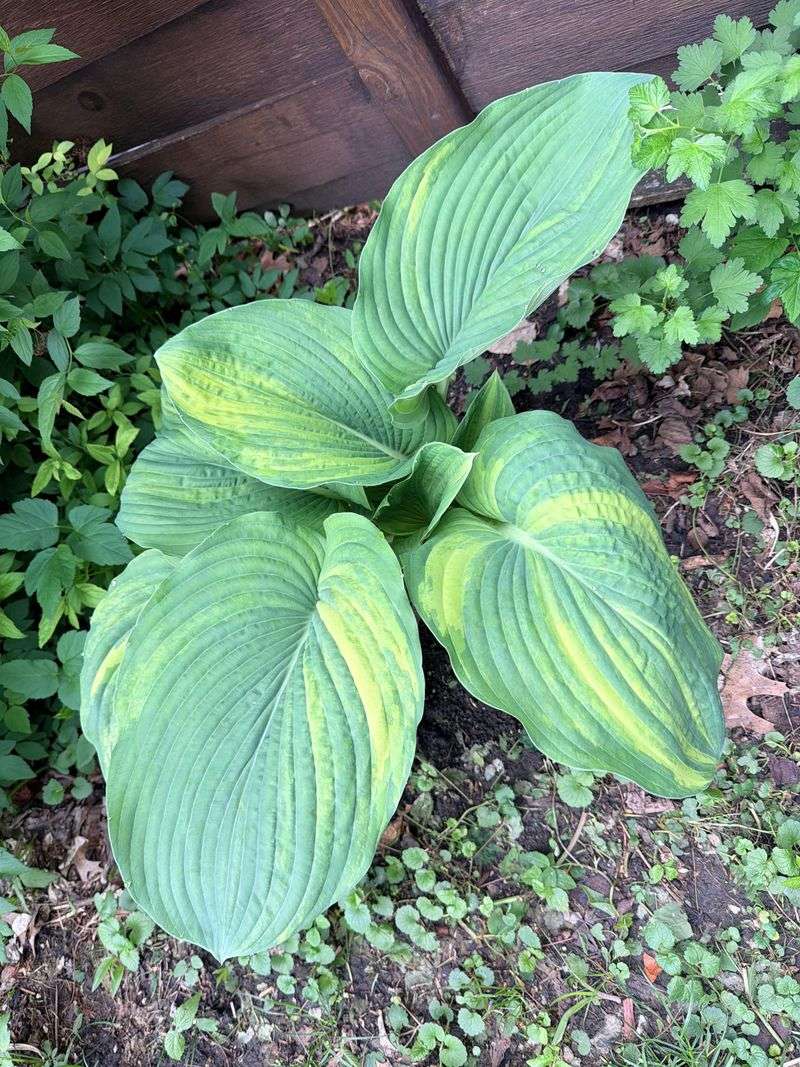
Strange streaking, unusual color patterns, or leaves that grow in a twisted, puckered shape are not your average slug problem, and they deserve a closer look before you take any action.
Hostas can be affected by nematodes, which are tiny microscopic roundworms that damage the tissue inside the leaf rather than chewing through it from the outside.
NC State University also lists viruses among the possible problems hostas can face, and both of these issues can produce symptoms that look quite different from typical pest or weather damage.
Nematode damage often shows up as brown or tan streaking between the leaf veins, following the natural lines of the leaf in a way that looks almost deliberate.
Viral symptoms can include unusual yellow mosaic patterns, color breaks, or leaves that develop an odd, mottled appearance across the entire plant.
Neither of these problems has a simple spray-and-done solution, which is why correctly identifying the issue first is so important before spending time and money on treatments that will not help.
If your hosta leaves look truly unusual and nothing in your experience seems to explain the pattern, reaching out to your local North Carolina Cooperative Extension office is a genuinely helpful step.
Extension agents can look at photos or samples and give you accurate guidance based on what is actually happening with your plant. Getting the right diagnosis early saves a lot of wasted effort.
8. Voles Can Make The Plant Look Weak From Below
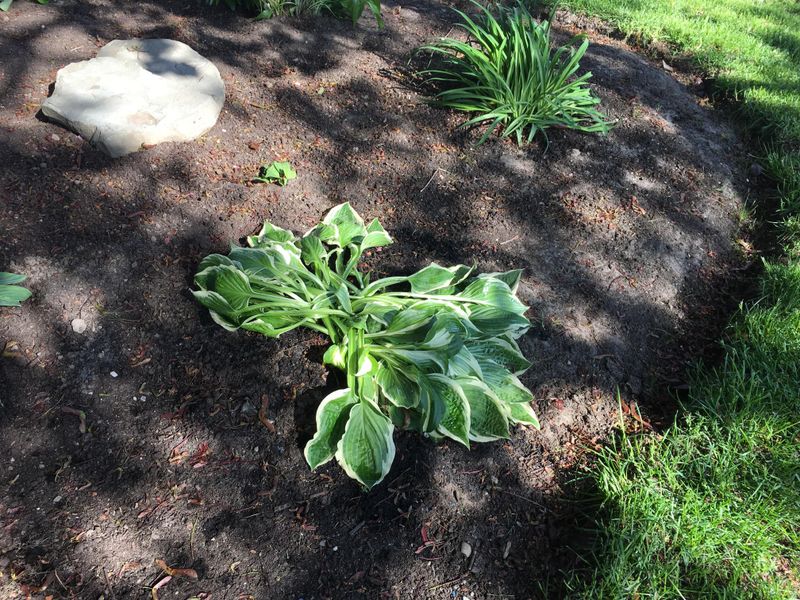
Sometimes the problem with a hosta is not what you can see on the leaves but what is happening underground.
Voles are small rodents that tunnel through garden soil and feed on plant roots, and NC State University notes that they can cause damage to hostas by targeting the root system below the surface.
When a hosta’s roots are compromised, the whole plant starts to struggle in ways that can look a lot like disease or drought stress from above.
Signs that voles may be involved include leaves that wilt without an obvious reason, a plant that seems to be declining even though you are caring for it properly, or a crown that feels loose and wobbly when you gently press on it.
Vole tunnels are usually small, smooth pathways running just below the soil surface, and you may be able to spot them by pressing lightly on the ground near your plants.
A plant with serious root damage may lift out of the soil far too easily when you tug on it gently. If you suspect voles, checking the surrounding soil carefully is a smart first move.
Hardware cloth buried around garden beds can act as a physical barrier to keep voles from tunneling in.
Reducing heavy mulch layers, which voles love to travel through, also helps make your garden less inviting to these underground visitors before they get a chance to cause serious harm.
9. Cleaning Up Hiding Places Can Reduce New Holes
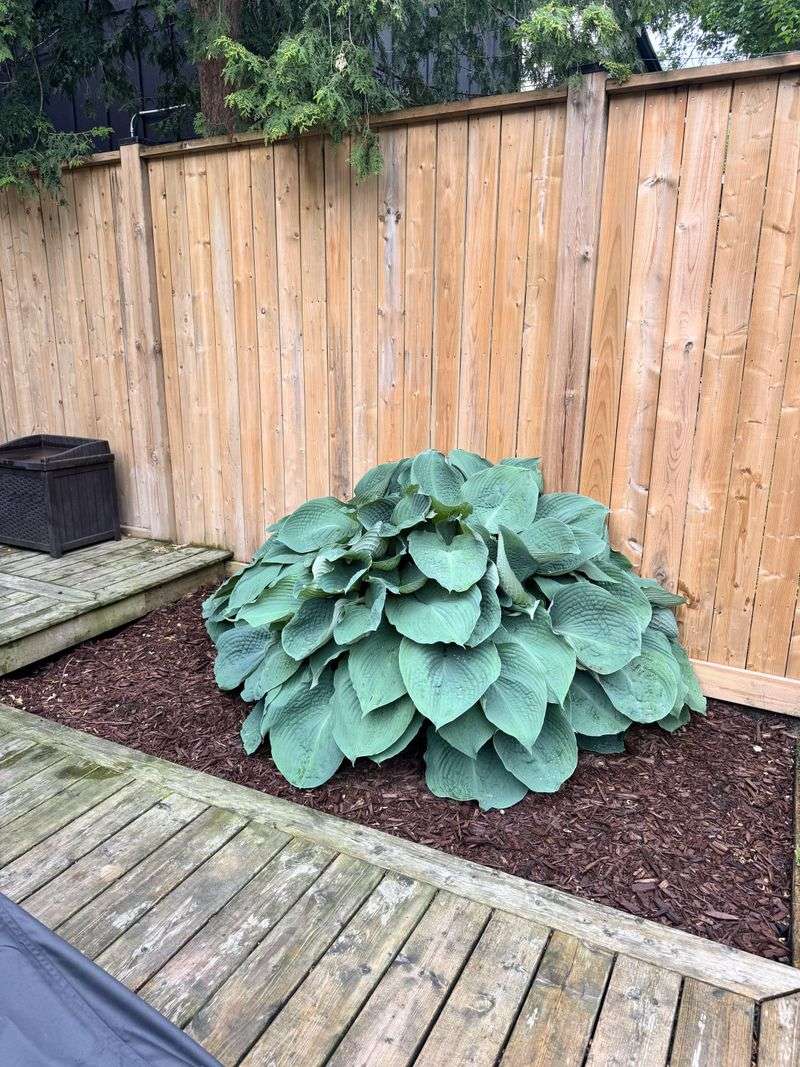
One of the most effective things you can do for your hostas does not come in a bottle or a bag from the garden center.
Managing the physical space around your plants is a powerful way to reduce slug and snail pressure before it becomes a real problem.
Slugs need cool, damp, sheltered spots to survive during the day, and a cluttered garden bed gives them exactly what they are looking for without any effort on their part.
Start by pulling mulch slightly back from the crowns of your hostas so the soil around the base of the plant dries out more quickly between waterings.
Thinning out crowded plants improves airflow and reduces the dense, shady microenvironments that slugs prefer.
Removing boards, flat rocks, stray pots, and any other objects lying directly on the soil eliminates some of the most popular daytime hiding spots in a typical garden bed.
Raking up fallen leaves and keeping the bed generally tidy through the growing season also helps.
You do not need to strip the bed completely bare or remove all mulch entirely, since some ground cover is still beneficial for moisture retention and soil health.
The goal is simply to make the space a little less comfortable for pests without sacrificing everything that makes a shaded hosta bed look so attractive and well-tended throughout the season.
10. Hand Picking Works Best At The Right Time
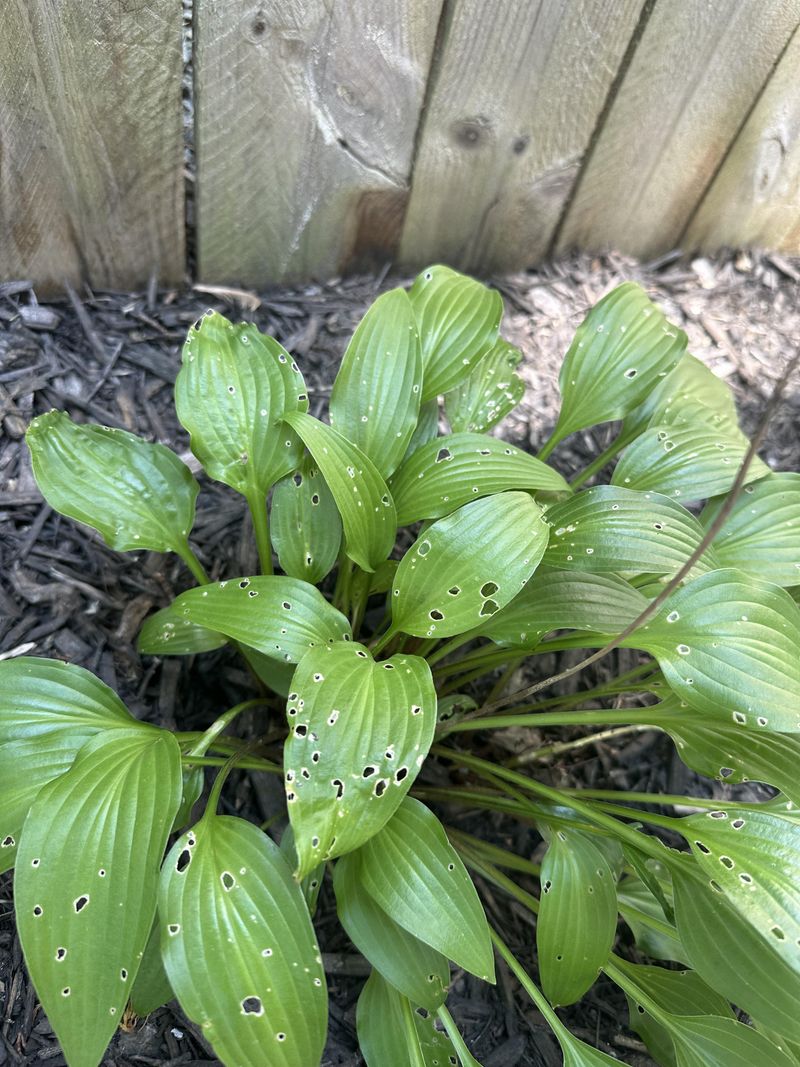
Timing really is everything when it comes to finding and removing slugs and snails from your garden by hand.
Heading outside in the middle of a sunny afternoon to look for these pests will mostly lead to frustration, because slugs and snails spend the brightest hours of the day hidden away in cool, dark spots.
The best times to find them actively moving around on your hostas are in the evening after sunset, in the early morning just before or around sunrise, and right after a good rain when moisture brings them out in greater numbers.
Bringing a flashlight with you on an evening garden walk makes hand picking much more productive and even a little satisfying once you start finding the culprits.
Wearing gloves keeps things comfortable and makes it easier to collect slugs quickly without hesitation.
Dropping collected slugs and snails into a container of soapy water is a widely recommended disposal method that is simple and does not require any special products or equipment.
Your local North Carolina Cooperative Extension office can also provide guidance on other management options if hand picking alone is not keeping up with the population in your garden.
Combining hand picking with habitat reduction, like pulling back mulch and clearing debris, creates a much more effective overall approach than relying on any single strategy by itself. Consistency over several evenings is what really moves the needle.