Why Tennessee Basil Bolts In Summer, And The Fix Most Gardeners Miss
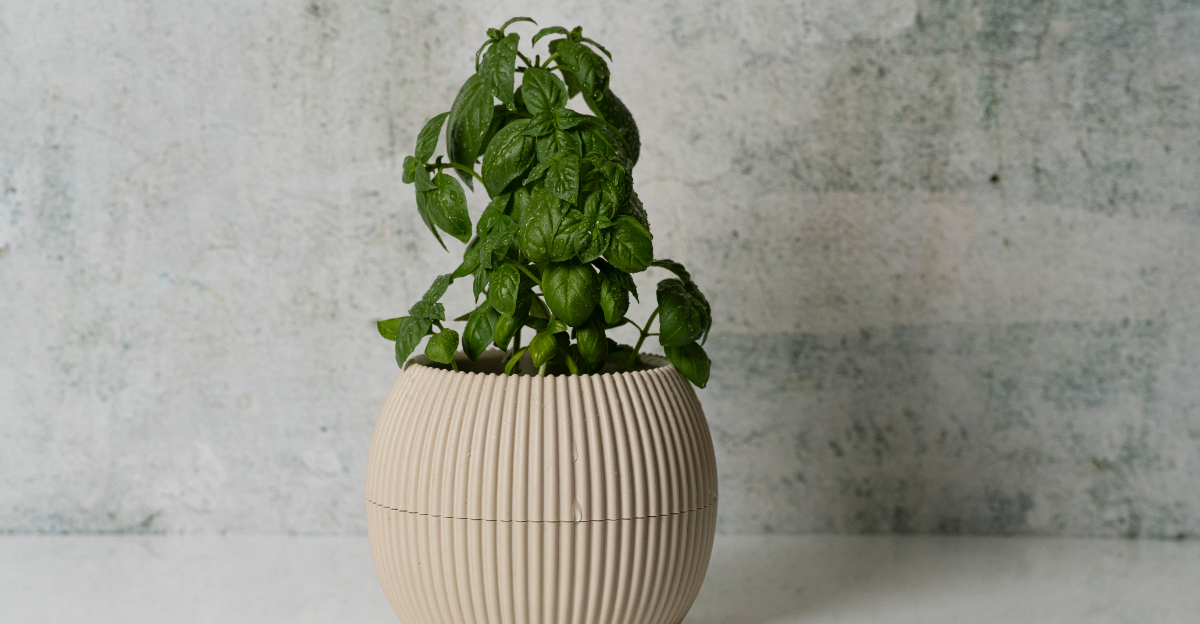
You pictured jars of pesto and plates of caprese all summer. Instead, your basil threw up a tall, stubborn spike and stopped growing leaves almost overnight.
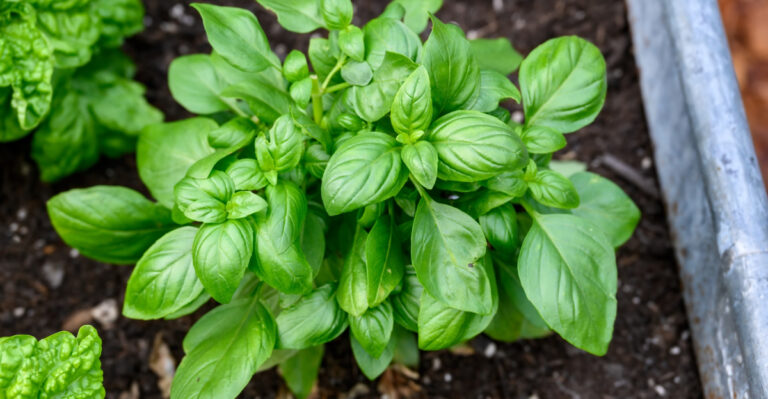
Tennessee heat pushes basil into panic mode faster than most gardeners expect. Once that spike appears, the plant redirects its energy toward seeds, and the leaves left behind turn thin and sharp tasting.
Most people blame the sun or forget to water enough, but the real triggers hide in details nobody talks about. Long daylight hours, root crowding in containers, and even how you pinch your stems can quietly push basil toward flowering weeks before it should.
The plant is not simply reacting to weather. It is responding to a mix of signals happening below the soil line and inside its stem structure, and once those signals click into place, everything about your basil changes.
Stick around, because the fix has almost nothing to do with watering more.
Heat And Long Days Push Basil To Bolt
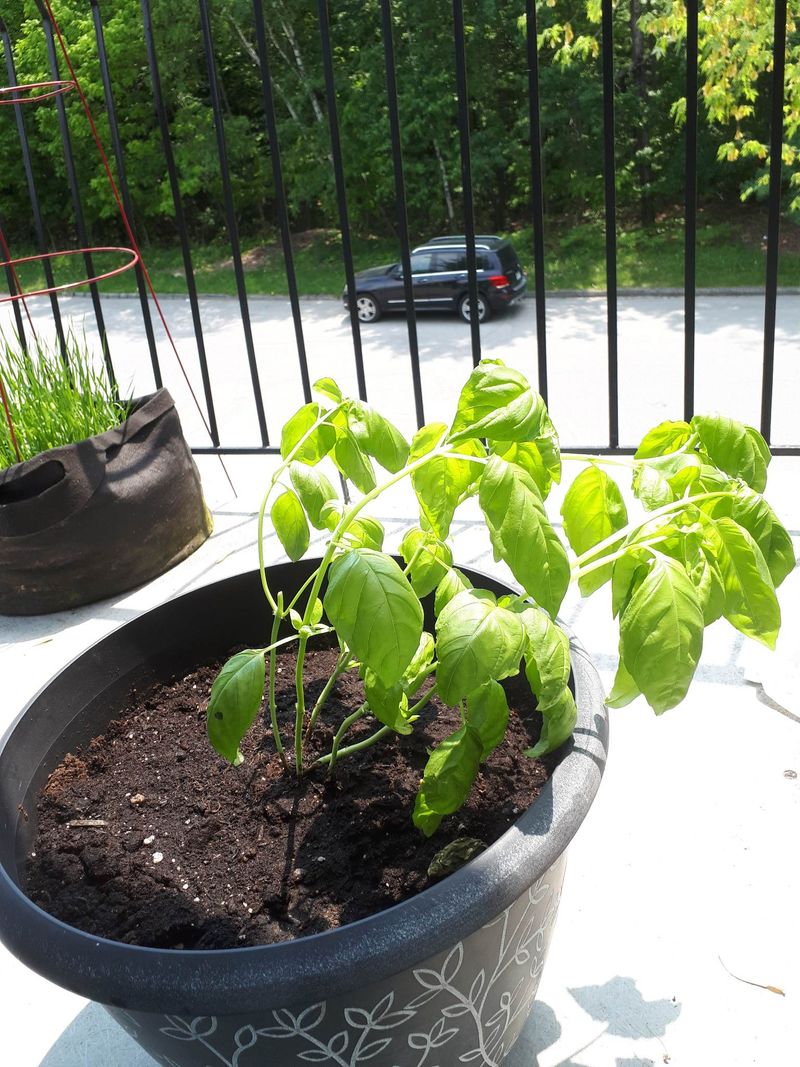
Basil bolts fast when summer days stretch long and hot. That is not an accident, it is pure plant biology doing exactly what it was designed to do.
Basil is a warm-weather annual with one goal: reproduce before conditions turn harsh. When days stretch past roughly 14 hours, many basil varieties begin to interpret that as a cue to flower.
It shifts energy away from leaf production and toward making flowers and seeds. Tennessee summers are particularly punishing in this way. By late June, days routinely hit 14 or more hours of daylight.
Pair that with temperatures regularly climbing past 90 degrees, and your basil gets a double trigger pushing it into bolt mode. Most gardeners blame the heat alone, but light duration is actually the bigger driver. Even a basil plant with plenty of water and shade can bolt once day length crosses that threshold.
The plant is not struggling, it is following ancient survival programming. Knowing this changes how you approach the problem. Shade cloth that blocks afternoon sun can slow the process slightly.
Planting basil in spots that get morning sun and afternoon shade helps reduce heat stress. But neither trick fully stops bolting caused by long days.
The real fix is staying ahead of the plant by harvesting aggressively before it locks into flower mode. Basil bolts in summer because the season is biologically set up to trigger it.
Your job is to outsmart the calendar before the plant makes its move.
Drought Stress And Its Role In Speeding Up Bolting
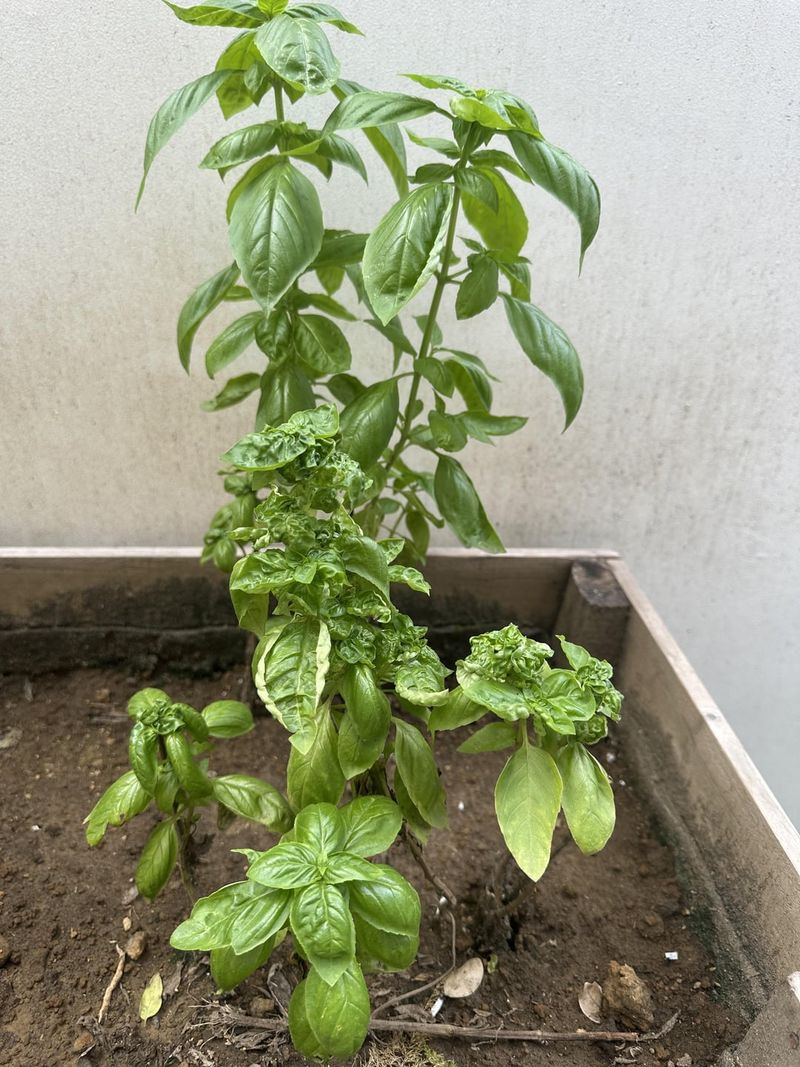
Dry soil sends a panic signal straight through the roots. Basil does not wait around when water runs short, it rushes to set seed before it cannot anymore.
Drought stress is one of the fastest triggers for bolting that most gardeners underestimate. When soil moisture drops too low, even for a day or two, basil interprets that as an environmental threat.
The plant shifts its focus immediately from growing leaves to producing flowers. Tennessee summers can swing from rainy stretches to dry spells within the same week.
Your Tennessee Garden Changes Every Week. Your Plan Should Too.
Gardening in Tennessee changes quickly throughout the season. Every Friday you’ll receive a simple weekly plan showing exactly what to plant, prune, fertilize, harvest, and protect so you never miss the right timing.
That inconsistency is actually worse than a steady drought. Fluctuating moisture levels keep the plant under repeated low-grade stress, which pushes bolting along faster than steady dry conditions alone.
Mulching around basil plants makes a surprising difference here. A two-inch layer of straw or shredded leaves holds soil moisture far longer between waterings.
Roots stay cooler, and the plant experiences fewer stress spikes throughout the week. Watering deeply and consistently matters more than watering often and lightly.
Shallow watering encourages roots to stay near the surface, where soil dries out fastest. Deep watering once or twice a week trains roots to grow downward into cooler, more stable ground.
Basil bolting in summer is not just about temperature or light. Water management is equally critical. Keeping moisture steady gives your plant one less reason to panic and one more reason to keep pushing out the lush, flavorful leaves you planted it for.
Container-Grown Basil Bolts Faster In Tennessee Summers
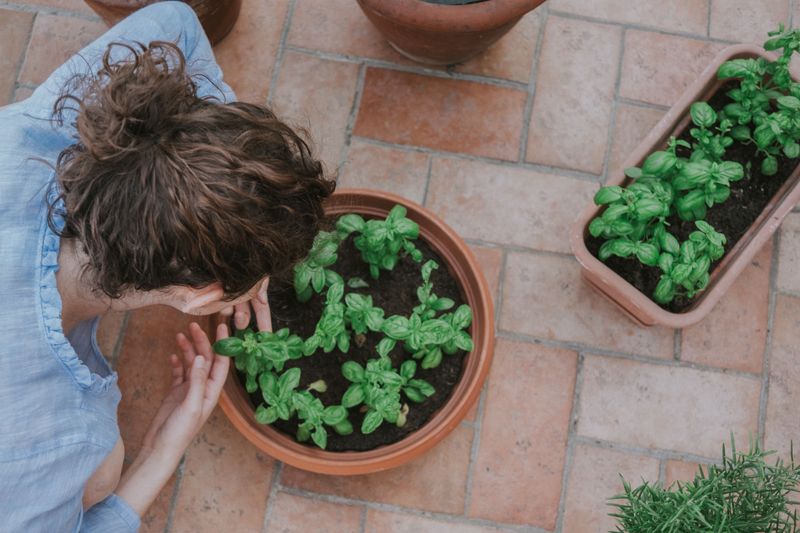
Pots heat up like little ovens in the summer sun. Container-grown basil faces stresses that in-ground plants simply never have to deal with.
Terracotta and dark plastic containers absorb heat aggressively throughout the day. By mid-afternoon, soil temperatures inside a pot can climb 10 to 20 degrees higher than the surrounding air.
Roots cooking in that heat trigger stress responses almost immediately, and bolting follows close behind. Container soil also dries out far faster than garden beds.
A pot sitting on a sunny patio or concrete surface can go from moist to bone dry within 24 hours during a Tennessee heat wave. That rapid moisture loss stacks drought stress right on top of heat stress, creating a perfect storm for early bolting.
Switching to lighter-colored or glazed ceramic containers helps reflect heat instead of absorbing it. Moving pots to locations with afternoon shade during July and August reduces soil temperature spikes significantly.
Even placing a pot on a wooden surface instead of concrete can lower root zone temps by several degrees. Pot size matters more than most people realize.
Small containers hold less soil, which means less moisture reserve and faster temperature swings. A container that holds at least two gallons of soil gives basil roots more stable conditions to work with.
Choosing the right pot and placement is one of the simplest fixes available, and most gardeners never even consider it.
The Difference Between Picking Leaves And Harvesting Full Stems
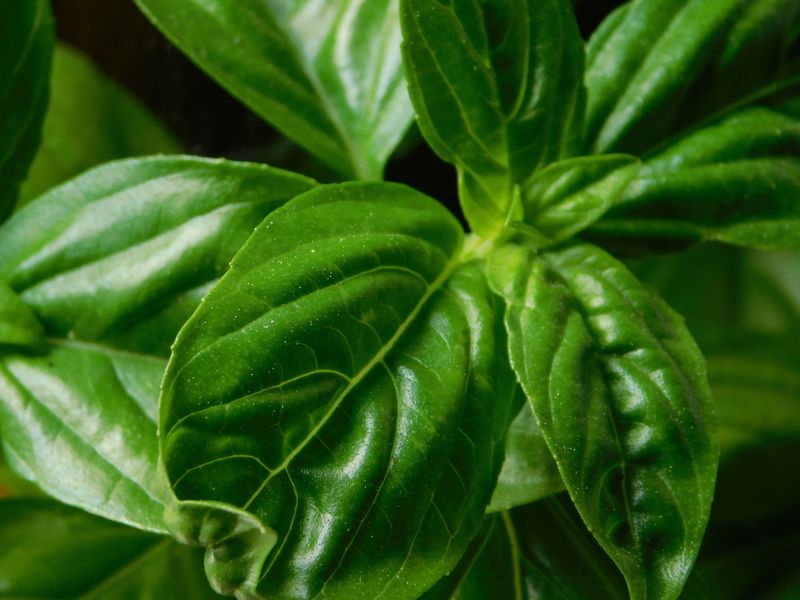
Grabbing a few leaves here and there feels harmless enough. But that casual approach is quietly encouraging your basil to bolt faster than you might expect.
When you pick individual leaves, you leave the main stem and its growing tip fully intact. That growing tip is where the plant stores its strongest impulse to flower.
Leaving it untouched gives the plant a clear runway to push upward toward bloom. Harvesting full stems changes the plant’s growth pattern in a meaningful way.
Cutting a stem back to just above a leaf node forces the plant to branch outward instead of growing taller. Two new stems emerge from that cut point, which means double the future harvest from a single snip.
Most gardeners learn this technique eventually, but many still stop short of cutting deeply enough. Cutting only the top inch or two of a stem does not remove the bolt-triggering growing tip effectively.
You need to cut back to a point where two healthy leaf pairs are still visible below the cut. Frequency matters as much as technique.
Harvesting full stems every seven to ten days keeps the plant focused on vegetative growth. Regular cutting sends a clear signal that the plant’s job is to produce leaves, not flowers.
Think of it like a conversation between you and the plant. A full-stem harvest tells the plant to keep growing, keep leafing out, stay productive. Skipping a week or two nudges it back toward bolting.
Pinching Flowers Alone Is Not Enough
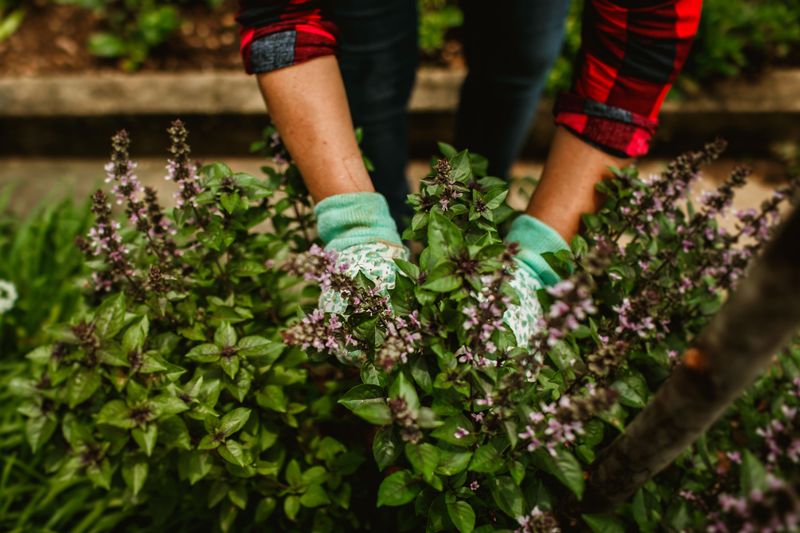
Pinching off flower buds feels productive, and it does buy you a little time. But treating it as your main strategy is where most gardeners get stuck in a losing cycle.
Once a basil plant commits to flowering, removing the visible buds does not reset its internal programming. The plant quickly redirects energy to the next set of buds waiting lower on the stem.
You end up playing a slow, exhausting game of whack-a-mole with flower spikes all summer long. Pinching works best as a short-term bridge, not a long-term fix.
If you spot flower buds forming and cannot do a full harvest that day, pinching buys you a few extra days. It is a delay tactic, not a solution.
The real problem is that pinching does not address the underlying conditions driving the plant to bolt. Heat, long days, and drought stress are still present.
Removing the symptom without fixing the cause just means the symptoms tend to come back faster. Combining pinching with aggressive full-stem harvesting is where the strategy actually works.
Pinch the buds you see today, then come back within a week and cut full stems down to healthy leaf nodes. That combination disrupts the flowering cycle more effectively than either action alone.
Basil bolting in summer is a process, not a single event. Catching it early with smart harvesting habits keeps the plant focused on leaf production far longer.
Pinching alone is the fix most gardeners rely on, and it is exactly why they run out of fresh basil by mid-August.
Cutting Full Stems Weekly To Keep Basil Producing Longer
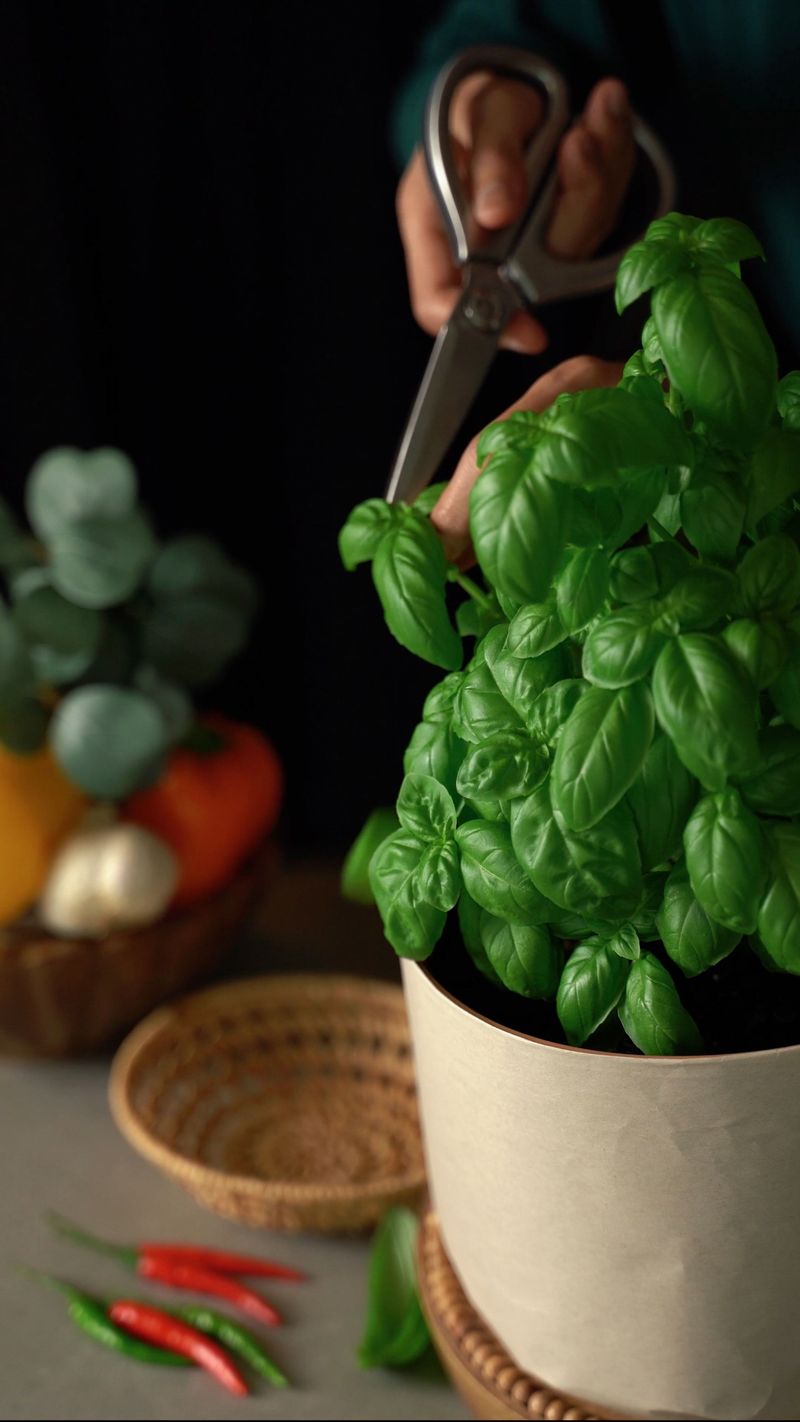
One weekly cut can make a real difference in how long your basil survives summer. It sounds almost too simple, but the consistency is what makes it work.
Cutting full stems down to a healthy leaf node every seven days keeps the plant locked into a steady vegetative cycle. Each cut stimulates two new growth points, and within a week those points push out fresh, flavorful leaves ready for the next harvest.
The plant stays bushy, productive, and focused on what you want from it. Timing your cuts matters more than most gardeners think.
Harvesting in the morning, when the plant is fully hydrated from overnight recovery, produces noticeably better flavor and reduces stress on the cut stems. Afternoon harvests during peak heat can slow recovery and leave the plant more vulnerable.
Using clean, sharp scissors or pruning snips makes a real difference too. Ragged cuts from dull blades create larger wounds that take longer to heal.
Clean cuts just above a leaf node close up quickly and push out new growth within days. Keeping a simple weekly schedule removes most of the guesswork.
Set a reminder, grab your scissors every Saturday morning, and work through the plant stem by stem. Even if growth looks slow, cutting consistently trains the plant to keep producing rather than bolting.
A weekly full-stem cut is the fix most gardeners miss, and once you start, you will wonder why you ever did it any other way.