The One California Plant That Attracts Dragonflies And Reduces Mosquito Activity
A backyard that attracts dragonflies already sounds like it belongs in a glossy garden magazine.
But when those winged little hunters also help cut down mosquito activity, suddenly it feels like outdoor genius.
In California, the right water-wise, habitat-friendly planting can make a yard more inviting to beneficial insects without turning it into a swampy mosquito resort.
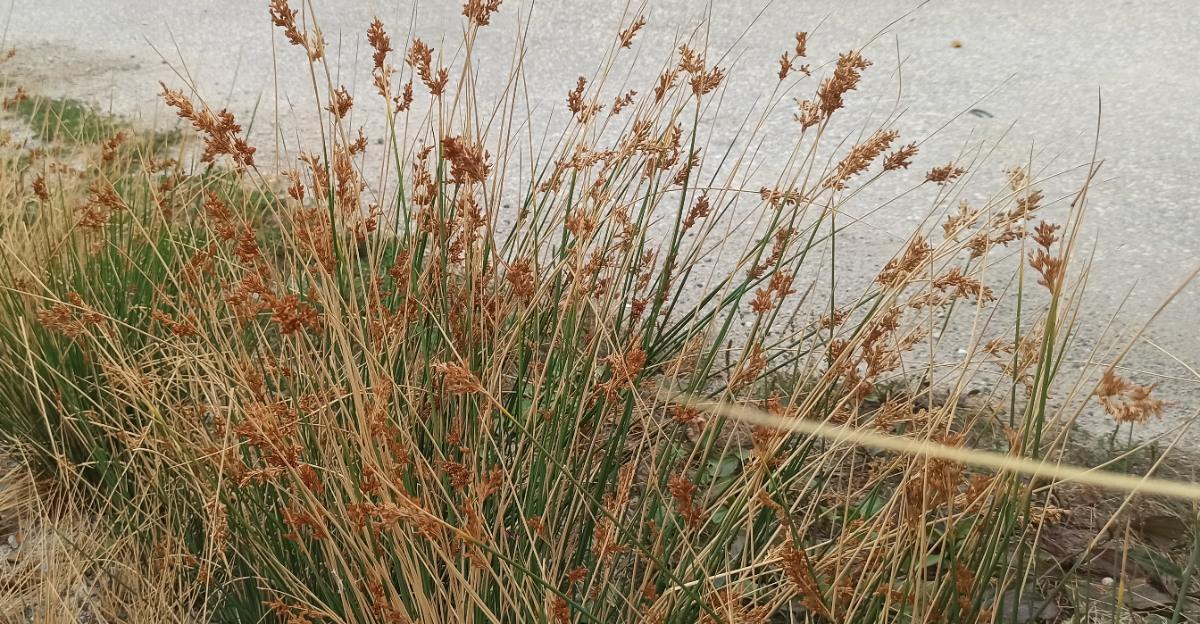
That is where California gray rush earns its moment. This understated native brings structure, texture, and a natural pond-edge feel while supporting the kind of habitat dragonflies love.
And since adult dragonflies feed on mosquitoes and other small flying insects, encouraging them is a much better vibe than spending every evening swatting your ankles.
The trick is understanding how to use this plant the smart way, especially around water features, rain gardens, or damp spots.
Your yard gets beauty, movement, and fewer mosquito vibes. Honestly, that is a pretty solid garden glow-up.
1. California Gray Rush Gives Dragonflies A Landing Spot
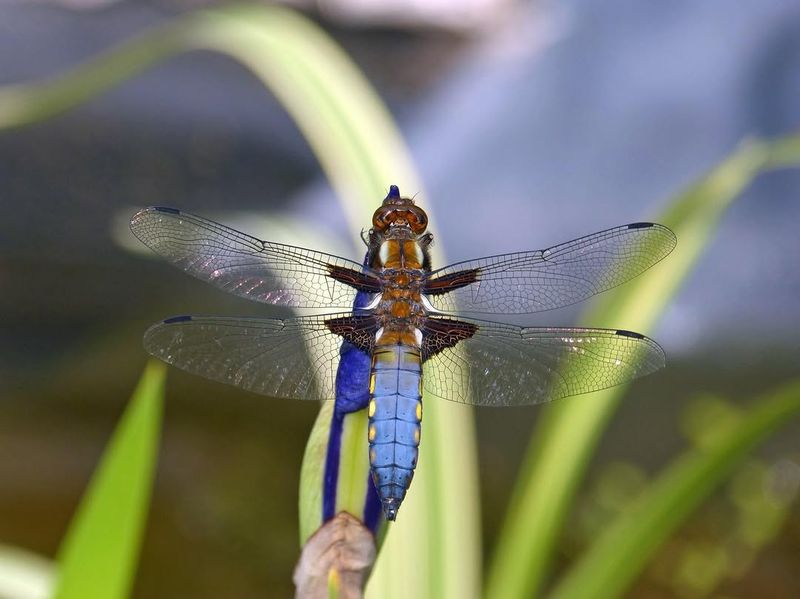
Most people think dragonflies just need water to survive. But the truth is, they also need vertical structure.
Without tall, firm stems to land on, dragonflies spend more energy hovering and less time actually hunting. That is where Gray Rush earns its place in a water garden.
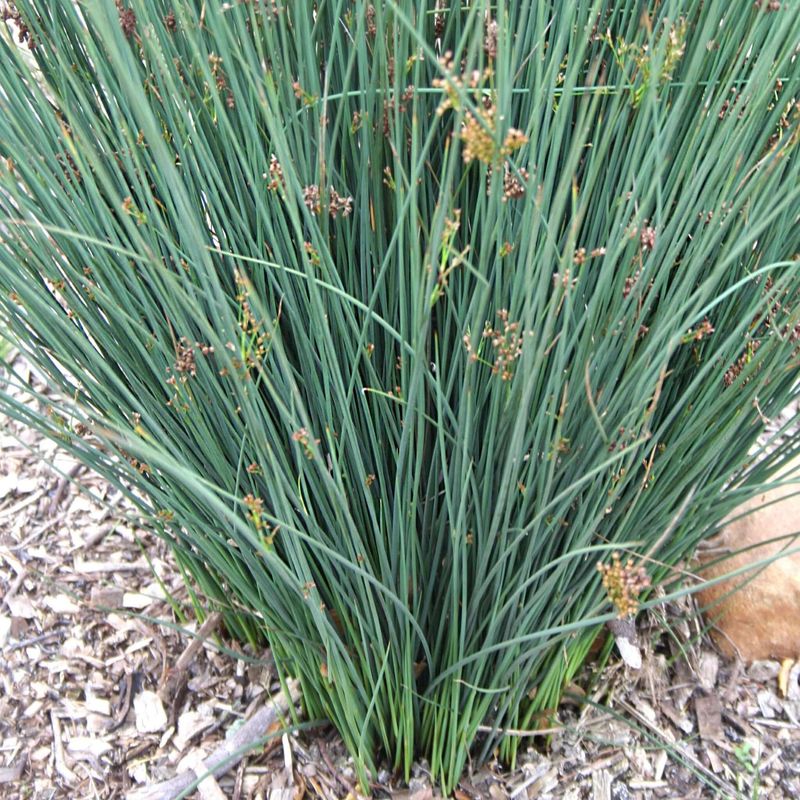
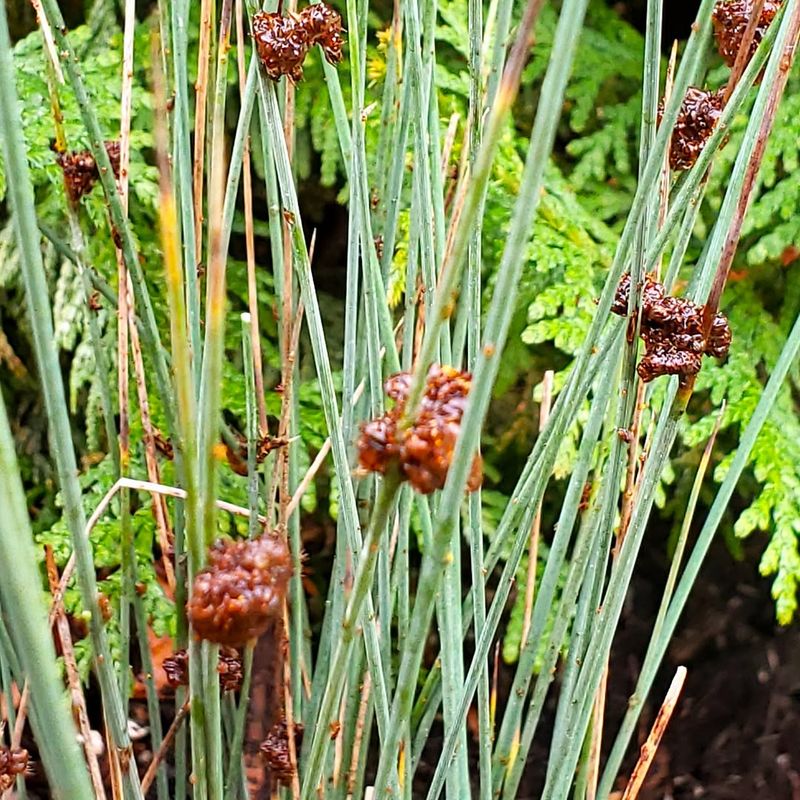
Gray Rush grows in tight, upright clusters that can reach two to four feet tall. The stems are stiff and smooth, making them ideal perches for dragonflies of all sizes.
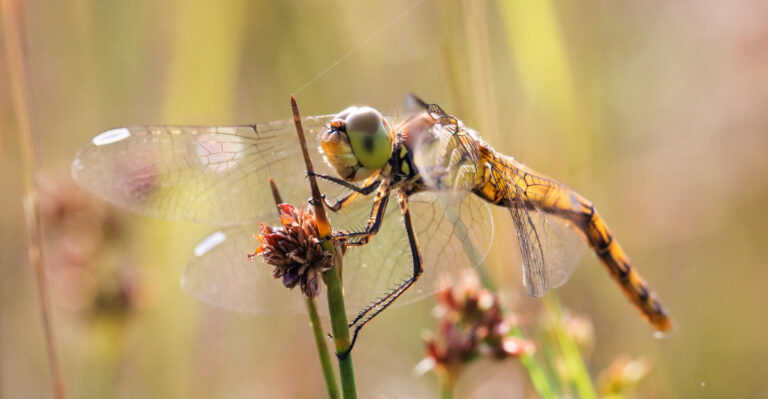
When a dragonfly lands on one of these stems, it gets a clear view of the surrounding water surface. From that height, it can spot mosquito larvae and adult mosquitoes with ease.
Dragonflies are visual hunters. They rely on high perches to scan for prey before launching an attack.
Gray Rush gives them exactly that advantage. A pond without tall emergent plants is like a hunting blind with no walls. It just does not work as well.
Adding Gray Rush around your pond edge creates a natural dragonfly station. You do not need dozens of plants to get started.
Even a small cluster of three to five plants gives dragonflies enough reason to stick around. Over time, more dragonflies will visit, and mosquito numbers will naturally drop.
It is a simple, low-effort way to invite nature to do the pest control work for you.
2. Its Upright Stems Help Pond Edges Feel Alive
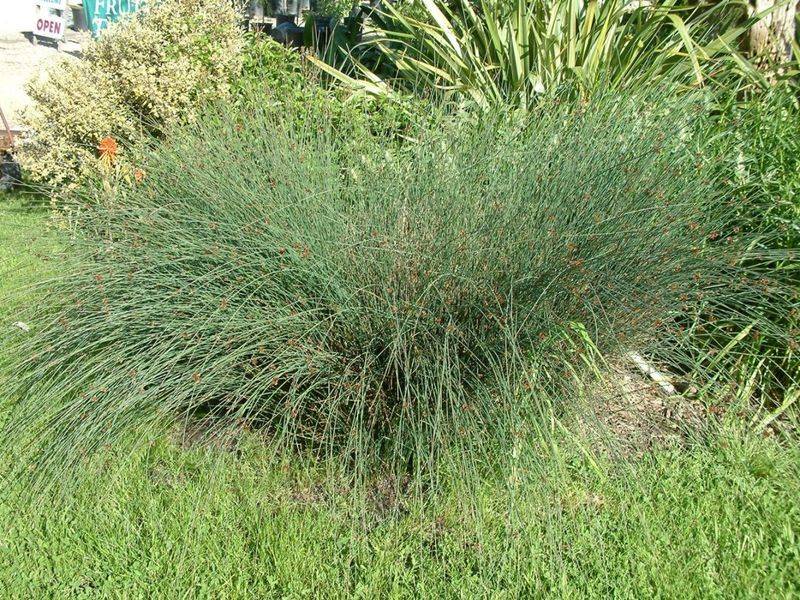
A bare pond edge is not just unattractive. It is also less functional for the wildlife that depends on it.
Frogs, dragonflies, and beneficial insects all need structure along the waterline to feel safe enough to stay. Gray Rush provides that structure in a way that feels natural and effortless.
The plant’s upright gray-green stems create visual depth at the water’s edge. They sway slightly in the breeze, which adds movement and life to what might otherwise be a flat, still scene.
That gentle motion also signals to visiting dragonflies that the area is active and worth exploring.
Beyond looks, the stems serve a real ecological function. Dragonfly nymphs, which live underwater, need something to climb when they are ready to emerge as adults.
Your California Garden Changes Every Week. Your Plan Should Too.
Gardening in California changes quickly throughout the season. Every Friday you’ll receive a simple weekly plan showing exactly what to plant, prune, fertilize, harvest, and protect so you never miss the right timing.
Smooth, firm stems rising out of the water give them the perfect exit route. Without those stems, many nymphs do not make it to adulthood.
Planting Gray Rush along your pond edge also helps stabilize the soil. Its roots grip the mud and prevent erosion during rain or heavy watering.
That keeps the water clearer and reduces the buildup of sediment that mosquitoes love to breed in.
So while the plant is making your pond look better, it is also quietly improving the conditions for helpful insects and making things harder for the ones you do not want around.
3. Dragonflies Need Water, Not Just Flowers
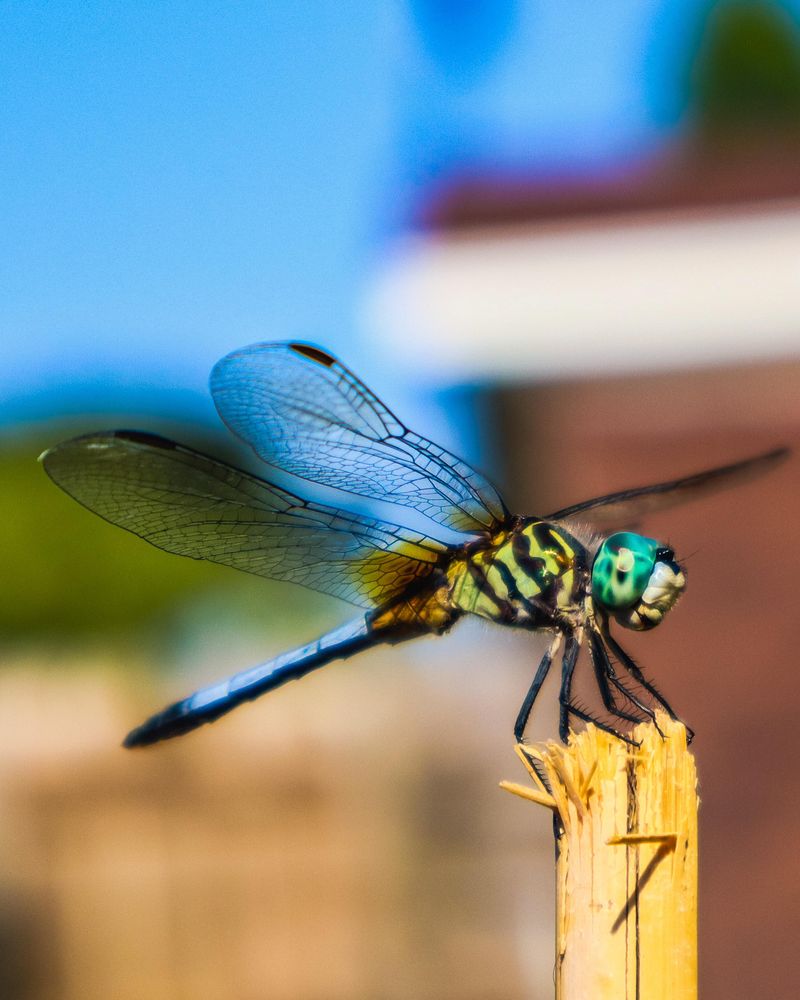
Many California gardeners focus on flowers when they want to attract beneficial insects. Flowers are great for bees and butterflies, but dragonflies work differently.
They are tied to water, not pollen. If you want more dragonflies in your yard, you need to think about water features, not just flower beds.
Dragonflies spend most of their lives as aquatic nymphs. They live underwater for months or even years before emerging as the flying adults we recognize.
During that time, they need clean, stable water with good plant coverage. Gray Rush provides the edge habitat that supports both the nymph and adult stages of their life cycle.
Once they emerge, adult dragonflies stay close to water. They hunt there, rest there, and return there to mate.
A yard with a pond or water garden planted with Gray Rush becomes a reliable stop on their patrol route. The more consistent the habitat, the more dragonflies will return season after season.
You do not need a large pond to make this work. Even a half-barrel water garden with a few Gray Rush plants can attract dragonflies in suburban yards across California.
The key is keeping the water clean and making sure there are emergent plants for the nymphs to climb. Water plus plants equals dragonflies.
And dragonflies equal fewer mosquitoes. That math is pretty hard to argue with.
4. A Planted Edge Works Better Than Bare Pond Liner
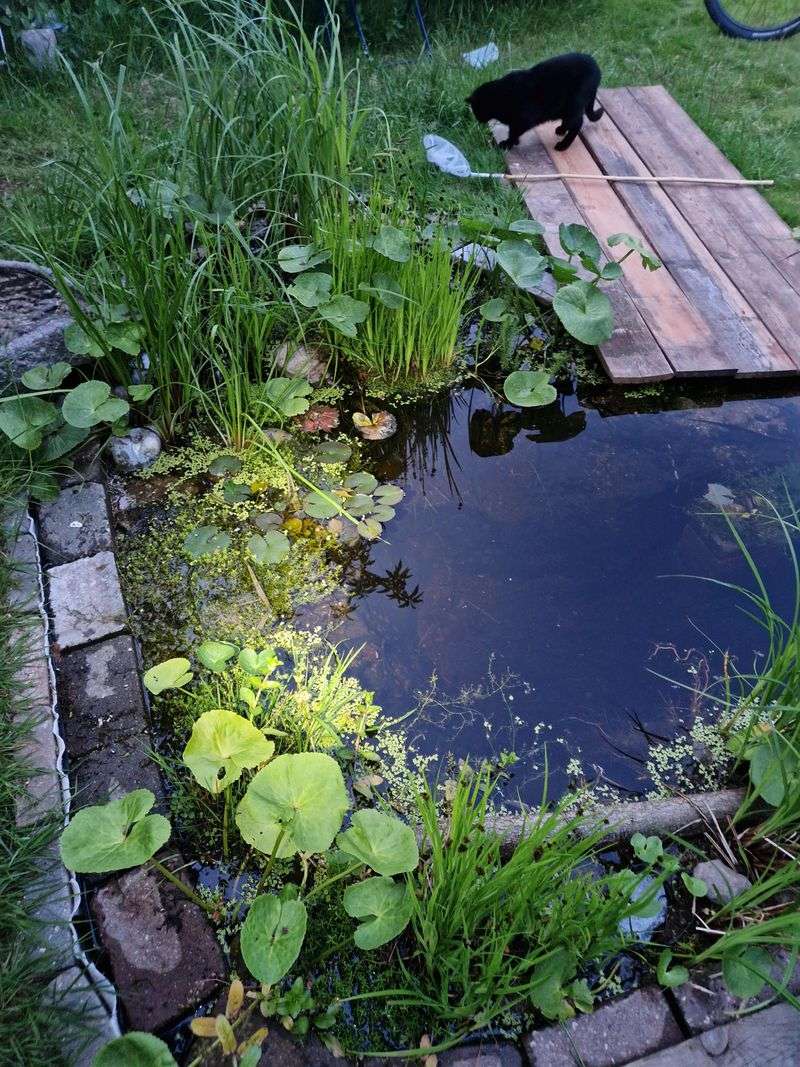
Bare pond liner might look clean at first, but it creates a poor environment for the insects you actually want around. Dragonfly nymphs cannot climb rubber liner.
Frogs have nowhere to hide. And mosquitoes find the exposed, still water edges perfect for laying eggs. A planted edge changes all of that.
Gray Rush planted along the waterline fills in the gap between land and water. Its roots anchor into the wet soil just at the pond margin, and its stems rise cleanly above the surface.
That transition zone is exactly where the most ecological activity happens. It is where nymphs emerge, where frogs wait for prey, and where adult dragonflies return to rest between hunts.
Planting the edge also shades the shallow water near the bank. Mosquito larvae prefer warm, still, sunlit water.
When Gray Rush shades those shallow zones, the water stays cooler and less inviting for egg-laying mosquitoes. That is passive mosquito management that requires zero effort once the plants are established.
In northern regions of California, where wetland habitats are more common, Gray Rush grows naturally along pond and stream edges.
Mimicking that natural setup in your backyard is one of the smartest things you can do for a water garden.
Skip the bare liner look. A planted edge is not just prettier.
It is smarter, more ecological, and far more effective at supporting the insects that keep pest populations in check.
5. Mosquito Control Still Starts With Moving Water
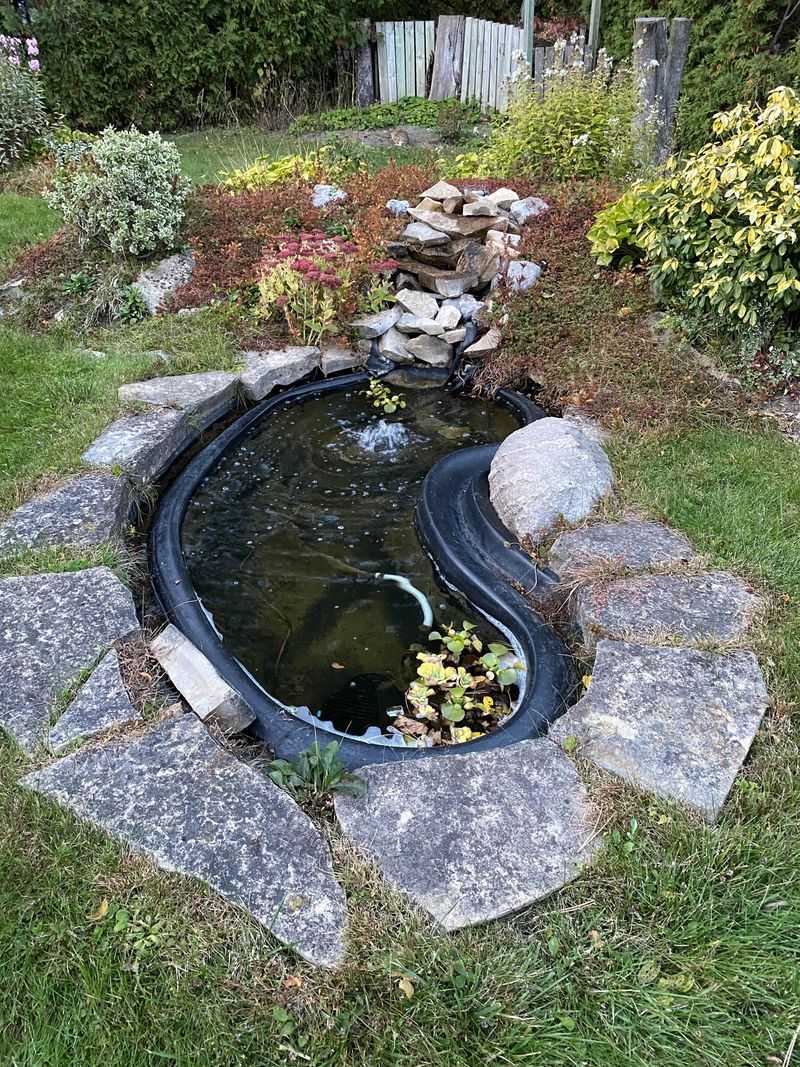
Gray Rush does a lot of good work around a pond, but it cannot do everything on its own. Mosquitoes need still water to breed.
Even a small patch of stagnant water the size of a bottle cap can support dozens of larvae. So while you are adding plants, you also need to think about water movement.
A small pump or fountain placed in your pond creates constant surface movement. That movement disrupts the calm surface that mosquito eggs need to stay in place.
It also adds oxygen to the water, which benefits fish, dragonfly nymphs, and other aquatic life that naturally prey on mosquito larvae.
Gray Rush works best as part of a complete strategy. The plant brings in dragonflies, which hunt adult mosquitoes.
Moving water discourages egg-laying in the first place. Together, these two elements cover both ends of the mosquito life cycle.
You are not just reacting to the problem. You are preventing it before it starts.
Goldfish or mosquito fish are another layer of control worth considering. They eat larvae directly and are easy to maintain in a backyard pond.
When you combine fish, moving water, and a healthy stand of Gray Rush, you create a system that naturally suppresses mosquito populations without chemicals. Each part supports the others.
And the whole setup is low-maintenance once it is running. That is the kind of California garden design that keeps working even when you are not paying attention to it.
6. Stagnant Water Can Undo The Whole Idea
Here is something that surprises a lot of first-time water gardeners. You can plant all the right native plants and still end up with a mosquito problem if your water is not moving.
Stagnant water is the single biggest factor in mosquito breeding, and no amount of Gray Rush can fully overcome it.
When a pond sits still for too long, the surface becomes a perfect nursery. Mosquito eggs float, larvae hang from the surface film, and pupae rest just below the waterline.
All of that activity happens in still water. The moment you add movement, the whole system falls apart for them.
Gray Rush helps by shading parts of the water and by drawing in dragonflies that eat adult mosquitoes. But if the water beneath those stems is not moving, mosquitoes will still find a way to use those quiet corners.
Shallow, still water near the plant roots is a common breeding spot that gardeners overlook.
Check your pond regularly. Look for areas where water is not circulating.
If you spot still pockets near the planted edges, reposition your pump or add a small bubbler nearby.
Keeping water moving throughout the pond, not just in the center, is the most effective way to back up what your plants are already doing.
Gray Rush and moving water are a team. One without the other is only half the solution, and mosquitoes are very good at finding that missing half.
7. Skip Dense Overplanting In Small Water Features
More plants does not always mean better results. In a small water feature, overcrowding plants can actually work against you.
When Gray Rush or any emergent plant fills every inch of a small pond, open water disappears. And open water is exactly what dragonflies need to hunt effectively.
Dragonflies hunt over open water. They skim the surface, spot prey, and dive.
If the entire surface is covered with plant stems and leaves, they have no room to work. A good planting plan leaves at least half the water surface open and clear.
That balance gives dragonflies the hunting ground they need while still providing perching stems along the edges.
In small container ponds or half-barrel water gardens, one to three Gray Rush plants is usually enough. Let them grow naturally and trim back any stems that start to crowd the center of the water.
Keeping the plant growth focused on the edges creates that ideal combination of structure and open space.
Overcrowding also slows water circulation and creates more still pockets near the plant roots. That is the opposite of what you want when you are trying to reduce mosquito activity.
A thoughtfully spaced planting is more effective than a dense one. Less really is more in a small water feature.
Give your dragonflies room to hunt, keep the water moving, and let California Gray Rush do its job from the edges where it naturally belongs.