North Carolina Perennials That Multiply Themselves And Fill Bare Spots Without Any Help
Bare spots in a North Carolina garden do not stay bare for long when the right perennials are already growing nearby.
A specific group of plants spreads through self-seeding, offsets, and underground runners in ways that are controlled enough to be useful rather than aggressive, showing up in gaps and problem areas as if they understood exactly where they were needed.
These are not plants that take over.
They are plants that fill in, gradually and deliberately, turning a patchy border into something that looks intentionally planted even in areas that received no direct attention.
For gardeners tired of replanting the same bare spots every season, these perennials change the entire dynamic of how a North Carolina bed maintains itself over time.
1. Green And Gold
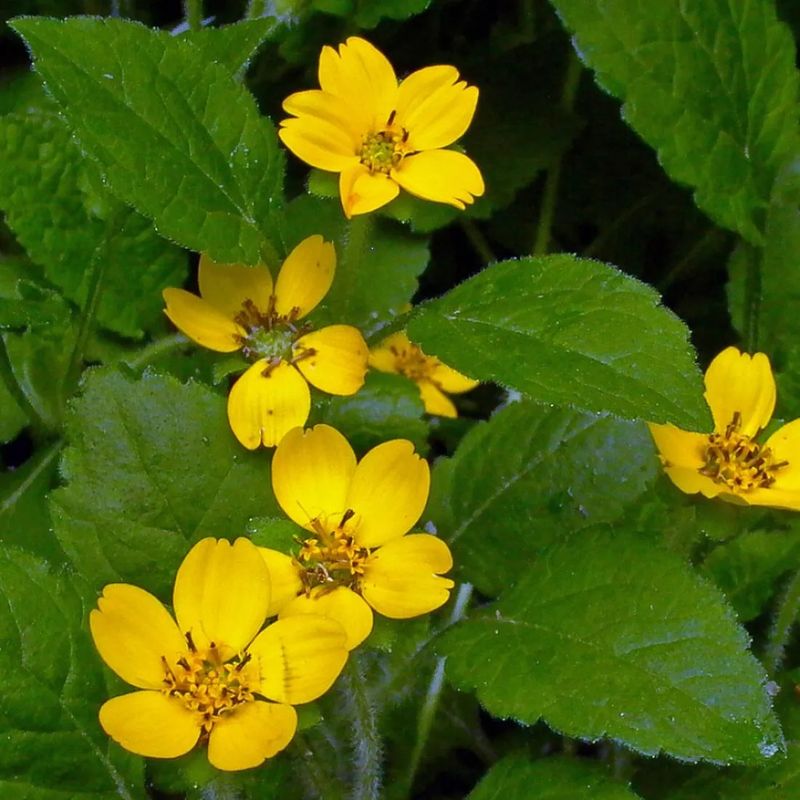
Tucked beneath the shade of tall trees, Green and Gold quietly does something most plants only dream about: it fills bare ground with cheerful yellow flowers and rich green foliage without being asked twice.
This low-growing native perennial, known scientifically as Chrysogonum virginianum, is a semi-evergreen groundcover that stays attractive even through mild North Carolina winters.
It spreads steadily by underground rhizomes and may also self-seed, gradually building a soft carpet across shaded soil.
Gardeners love it because it works in spots where grass and other plants struggle. Part shade to full shade suits it best, and it thrives in moist, acidic, humus-rich soil.
A woodland garden floor, a shaded pathway edge, or a bare slope under a canopy of oaks are all perfect places to let it roam freely.
It stays low enough to walk around without worry. Planting it once is really all you need to do. Each spring, small golden flowers appear above the foliage, brightening up dark corners beautifully.
Because it spreads at a manageable pace, it rarely becomes overwhelming. Pair it with ferns or native ginger for a layered look that feels completely natural.
For anyone tired of mulching bare shady spots year after year, Green and Gold is genuinely one of the best investments a North Carolina gardener can make.
2. Golden Ragwort
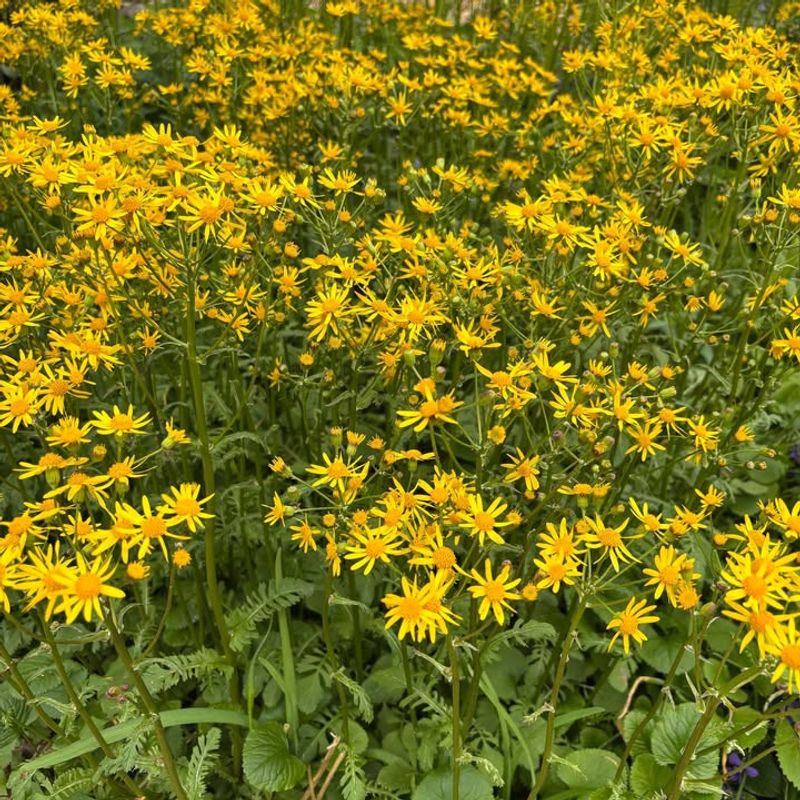
Few plants can match Golden Ragwort when it comes to sheer filling power in moist, shady spaces.
Packera aurea is a native North Carolina perennial that takes its job seriously, spreading by self-seeding and forming thick mats that crowd out weeds naturally.
Once it finds a spot it loves, it colonizes with impressive speed, weaving together a dense blanket of foliage that looks great even when not in bloom.
In spring, it puts on a real show with clusters of bright yellow, daisy-like flowers that attract early pollinators.
The blooms sit above rounded, heart-shaped basal leaves that stay green through much of the year.
Medium to wet soil conditions are where it performs best, making it an excellent candidate for rain gardens, stream banks, or low-lying areas that collect moisture after heavy rains.
One honest note for gardeners: Golden Ragwort can become somewhat weedy where conditions really suit it.
In a naturalized area or woodland garden, that spreading habit is a huge advantage.
Your North Carolina Garden Changes Every Week. Your Plan Should Too.
Gardening in North Carolina changes quickly throughout the season. Every Friday you’ll receive a simple weekly plan showing exactly what to plant, prune, fertilize, harvest, and protect so you never miss the right timing.
In a more formal bed, it may need occasional editing to keep it from taking over neighboring plants. Think of it as a plant with ambition.
Used in the right place, it transforms a soggy, bare problem area into something genuinely beautiful and full of life with very little ongoing effort from you.
3. Creeping Phlox
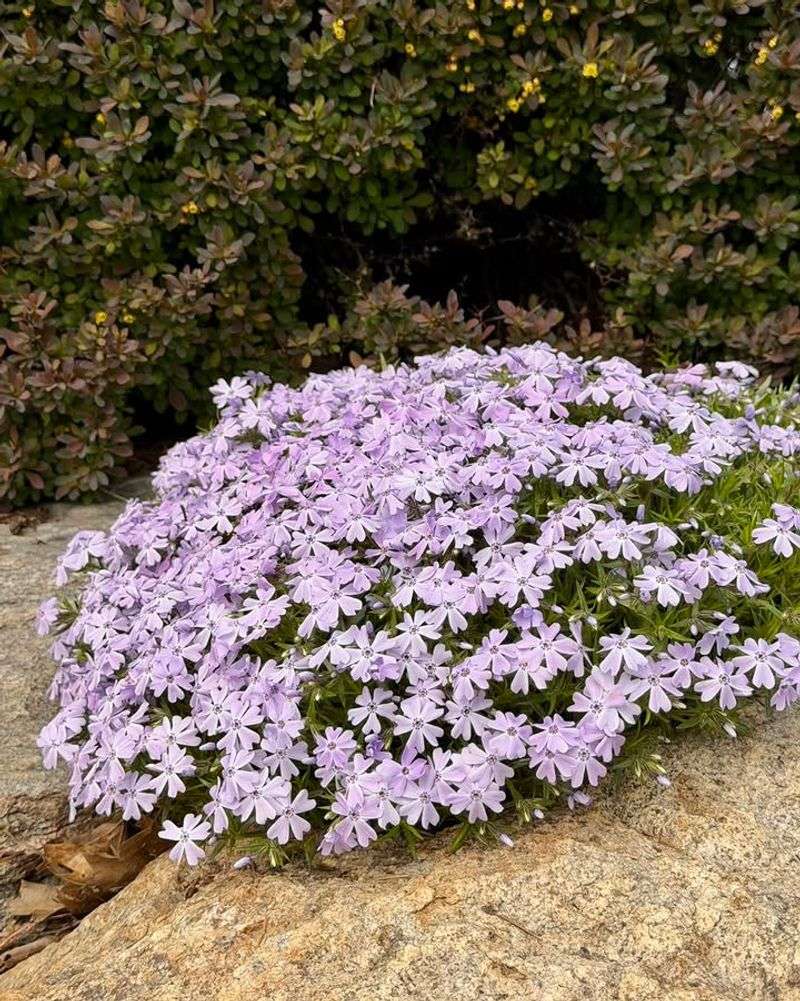
Walk along the edge of any thriving North Carolina woodland garden and you just might spot Creeping Phlox hugging the ground with its cheerful blooms.
Phlox stolonifera is a native groundcover that spreads in a wonderfully practical way: its above-ground leafy stems creep outward and root right at the nodes, quietly building a mat of foliage that thickens over time.
It fills bare spots without any fuss, asking very little in return. Spring brings a flush of pink, lavender, or white flowers that practically glow in dappled light.
Part shade is its sweet spot, making it ideal for woodland edges, shaded borders, or areas beneath deciduous trees where grass never quite manages to grow well.
The foliage stays semi-evergreen, giving the garden some visual interest even in cooler months when most other plants have gone quiet.
New plantings do appreciate consistent moisture during the first growing season while roots establish, but once Creeping Phlox settles in, it becomes noticeably more drought tolerant.
That shift from needy newcomer to independent groundcover is one of the things gardeners appreciate most about it. You water it faithfully at first, and then it simply takes care of itself.
Over a few seasons, a single plant can spread into a generous patch that covers surprising amounts of bare ground, saving you both mulch and maintenance time.
4. Wild Strawberry
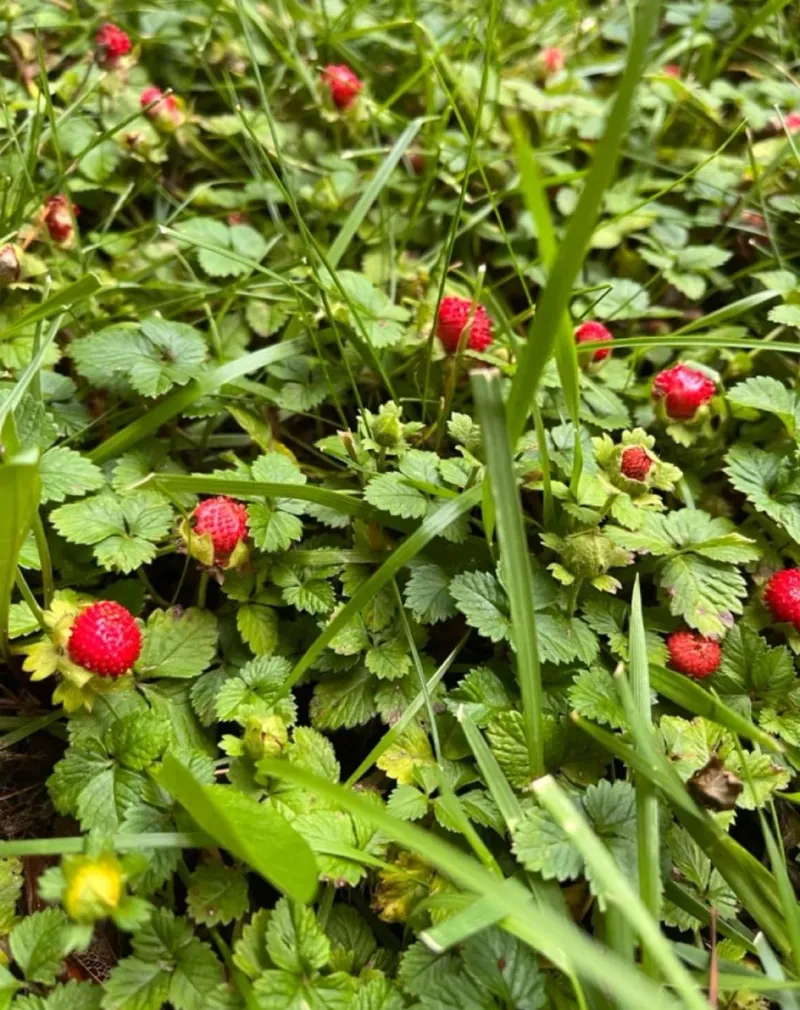
Wild Strawberry is the kind of plant that surprises you. You put one in the ground, and before long, a whole colony has quietly moved in and made itself at home across bare soil.
Fragaria virginiana spreads through runners that sprawl outward from the mother plant and root wherever they touch fertile ground, building colonies that get thicker and more attractive with each passing season.
It works beautifully as a low groundcover in sun to part shade, which gives it real versatility in the home garden.
Fertile, moist to dry, well-drained soil suits it best, and it handles a range of conditions with admirable adaptability.
In spring, small white flowers appear above the familiar three-leaflet foliage, followed by tiny red berries that birds and wildlife absolutely love.
Pollinators visit the flowers too, so this little plant pulls double duty in the garden ecosystem.
Runners are easy to redirect or trim if you want to keep the planting tidy, but in a naturalized setting, just letting it roam freely gives you a charming, low-maintenance groundcover that looks intentional even when it is not.
It stays low enough not to overwhelm nearby plants and fills in gaps quickly enough to genuinely reduce weeding.
For a sunny slope, a meadow edge, or a casual border, Wild Strawberry is an excellent choice that keeps giving back year after year.
5. Plantain Pussytoes
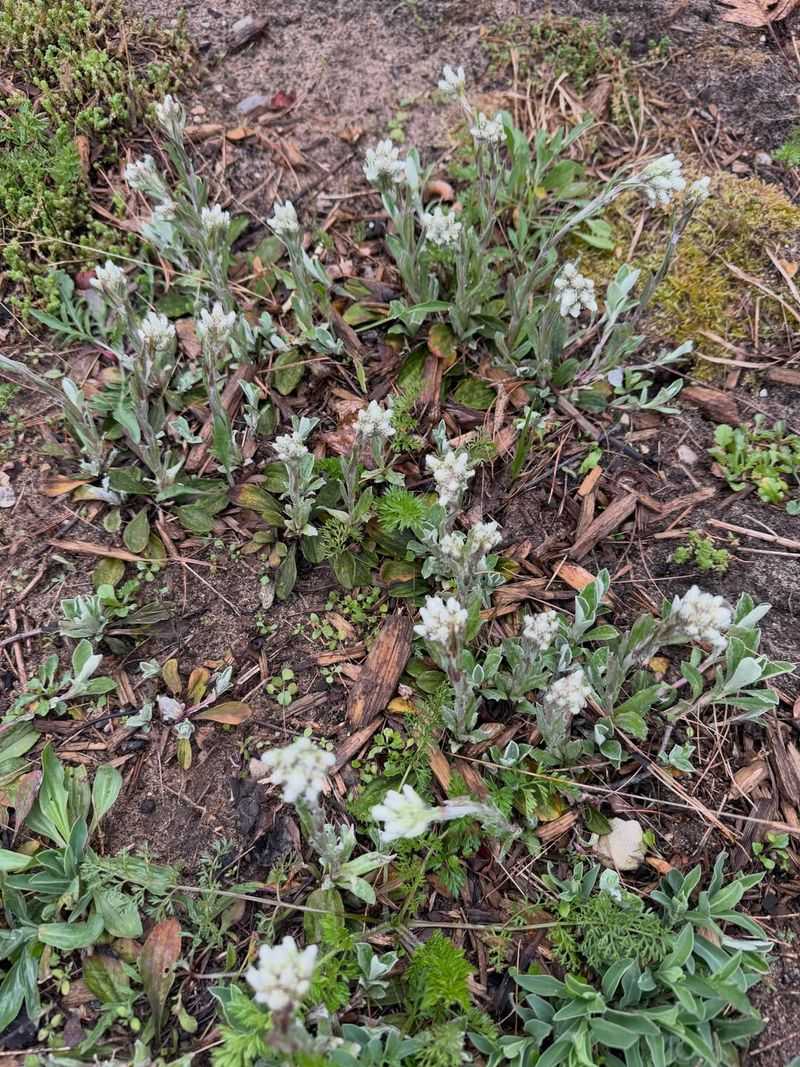
Dry, rocky, lean soil is not a problem for Plantain Pussytoes. It is actually where this tough little native perennial does its best work.
Antennaria plantaginifolia forms stolons that root close to the mother plant, slowly building a small-scale groundcover in spots where most plants would simply give up.
Its silvery-green, spoon-shaped leaves hug the ground tightly, creating a soft mat that looks surprisingly elegant in rugged settings.
Early spring brings clusters of fuzzy white flower heads that resemble tiny pom-poms, which is exactly where the playful common name comes from.
The blooms are a welcome early food source for native bees emerging from winter. After flowering, the foliage remains attractive through the warmer months, holding its ground in dry, sandy, or rocky soils that drain quickly after rain.
Rich, fertile soil or poorly drained areas are not its friends. In those conditions, Plantain Pussytoes tends to struggle and spread more slowly.
But place it in a sunny, lean spot and watch it quietly fill in over time without any fertilizing, heavy watering, or extra fuss.
It is an ideal choice for rocky slopes, gravel gardens, or difficult dry edges along driveways and paths.
Gardeners looking for a groundcover that genuinely thrives on neglect in challenging conditions will find Plantain Pussytoes to be a reliable, low-effort solution worth planting.
6. Foamflower
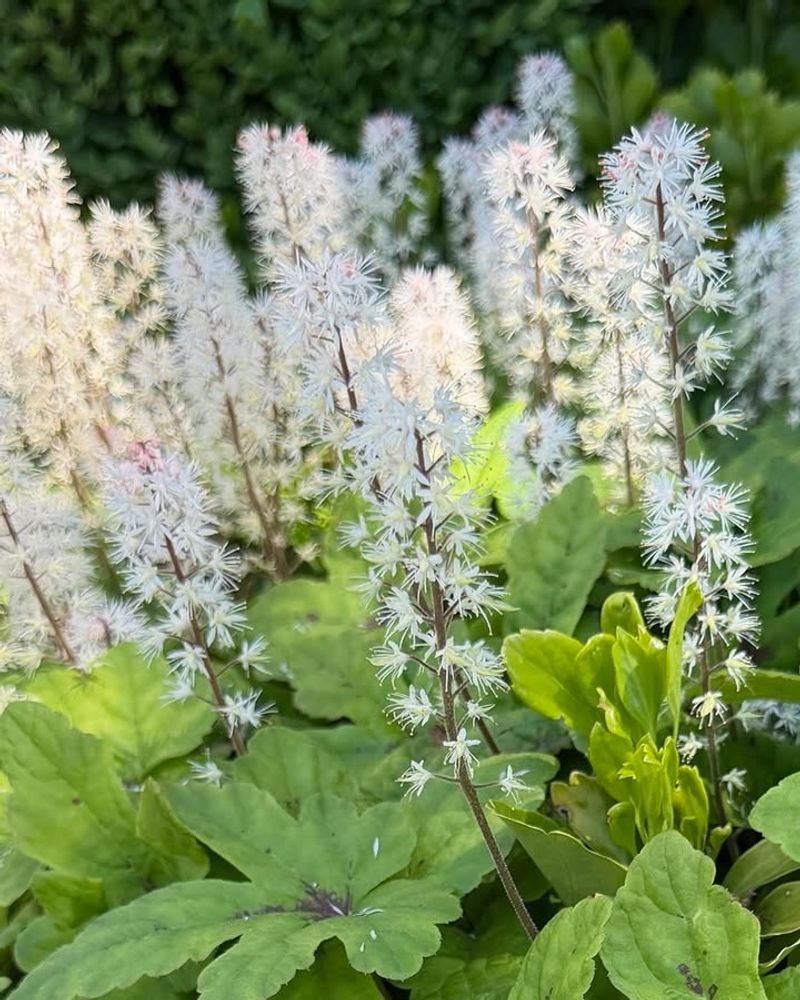
Foamflower earns its name every spring when slender spikes covered in tiny, frothy white blossoms rise above a carpet of heart-shaped leaves.
Tiarella cordifolia is one of North Carolina’s most beloved native shade perennials, and for good reason.
It spreads by slender runners that creep outward and root, forming colonies that thicken beautifully over time in the right conditions.
Heavy shade is no obstacle for this plant; it actually prefers it. Moist, humus-rich soil is what Foamflower needs to truly perform.
A woodland garden floor, a shaded rain garden, or a cool north-facing border are all excellent placements.
The foliage is attractive beyond just bloom time, with some varieties showing burgundy veining or mottled patterns that add texture and visual interest to the shade garden even when flowers are not present.
Dry, exposed sites are where Foamflower hits its limits. Without adequate moisture, the runners slow down and the leaves can look stressed and ragged.
Keep the soil consistently moist and this plant will reward you generously, spreading steadily to cover bare ground in areas where few other plants can compete.
It pairs naturally with ferns, Wild Ginger, and Green and Gold for a layered, lush woodland floor.
If your shaded garden has bare spots that seem impossible to fill, Foamflower is almost certainly the answer you have been looking for all along.
7. Common Blue Violet
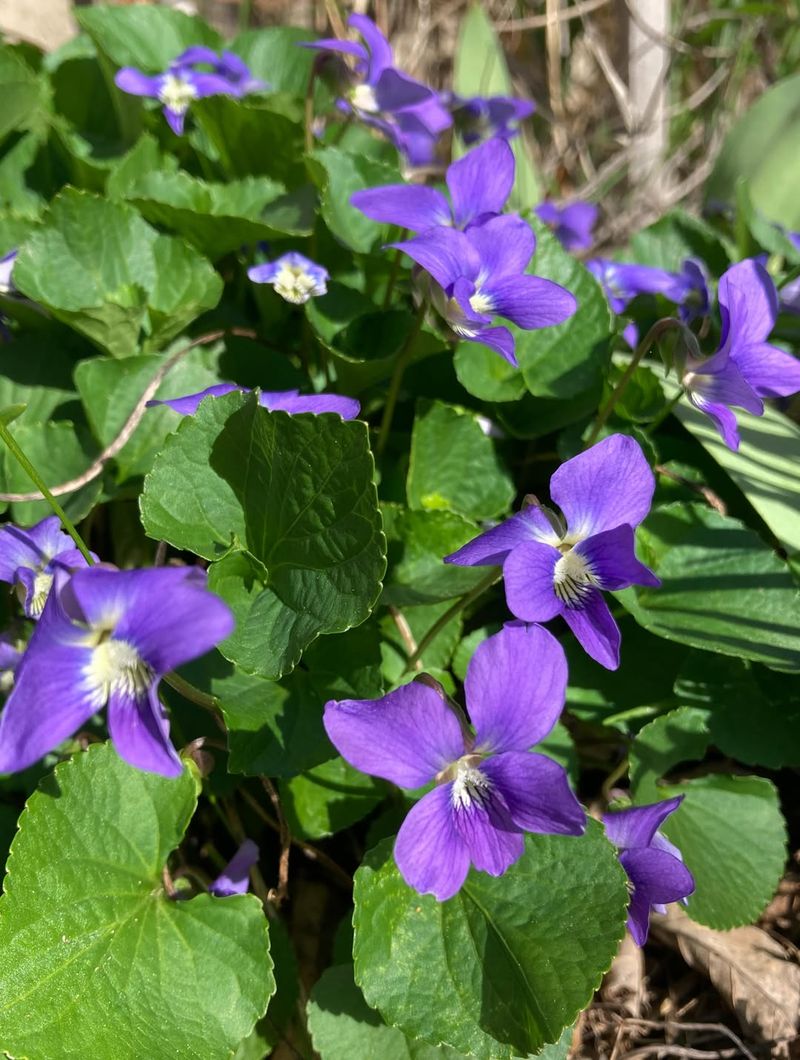
Common Blue Violet has a reputation for showing up uninvited, but in the right garden setting, it is one of the most charming and useful native perennials North Carolina has to offer.
Viola sororia spreads through two very effective strategies: it grows rhizomes underground and freely self-seeds, often producing cleistogamous seeds that form and scatter without the flowers even fully opening.
That combination means it fills bare spots efficiently and with very little help from the gardener.
Moist, fertile soil in open woodland gardens, along path edges, or in informal borders is where it performs best and spreads most generously.
The classic blue-purple flowers appear in early spring, providing an important early nectar source for native bees and serving as a host plant for several native fritillary butterfly species.
That ecological value alone makes it worth including in a naturalized planting. Formal beds may find Common Blue Violet a little too enthusiastic.
In manicured settings, it can pop up between other plants in ways that require regular editing.
But in a relaxed, naturalistic garden where spreading is welcome, it builds a beautiful, layered groundcover that feels genuinely wild and intentional at the same time.
Letting it roam freely along a woodland edge or shaded border creates a soft, flowing carpet of foliage and flowers that changes subtly with the seasons and keeps the garden looking full and alive.
8. White Wood Aster
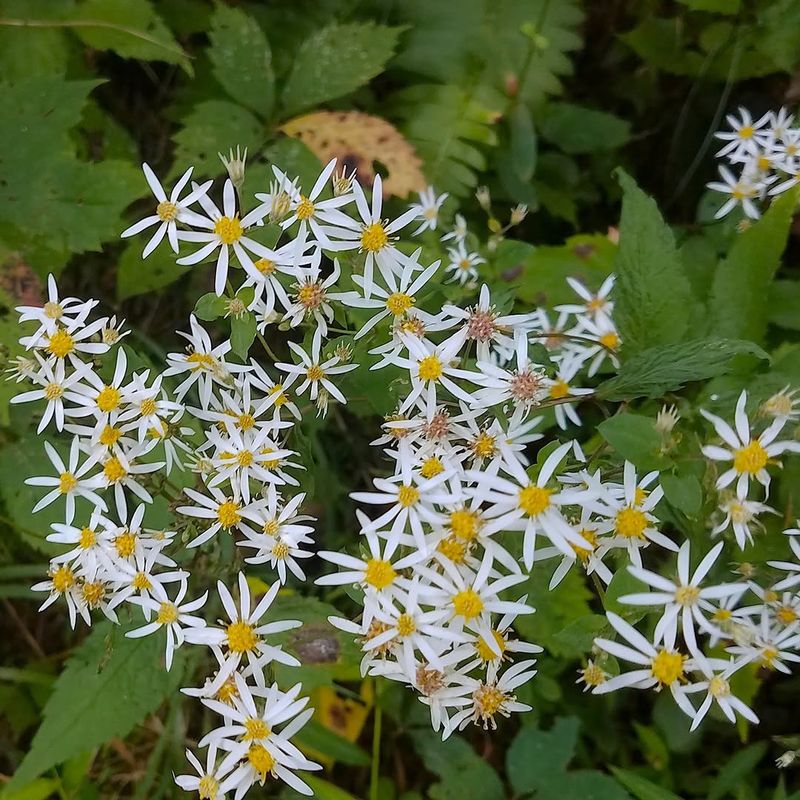
Late summer and fall in a shaded North Carolina garden can feel a little quiet, but White Wood Aster changes that completely.
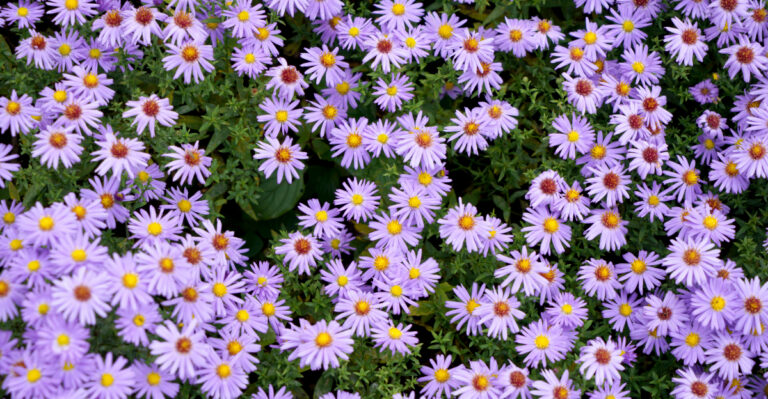
Eurybia divaricata bursts into bloom when most shade plants have long since finished, covering itself with clouds of small white daisy-like flowers on dark, wiry stems that look striking against the green woodland backdrop.
It is a plant that knows how to steal the spotlight at exactly the right moment.
Spreading vigorously by rhizomes, White Wood Aster can build from a single plant into a substantial colony within just a few growing seasons.
That spreading habit makes it a powerhouse for filling large bare areas under trees or along shaded slopes.
Open shade and dappled light suit it well, and it handles average woodland soil without needing amendments or extra feeding. Smaller garden beds may find it a bit ambitious.
White Wood Aster genuinely needs room to spread comfortably, and in a tight planting pocket it can crowd out neighboring plants before you realize what has happened.
Naturalized areas, large woodland gardens, and open shaded slopes are where it truly shines.
Pair it with native ferns or Wild Ginger for a dynamic combination that covers ground beautifully.
When pollinators arrive in fall to work the flowers, the whole planting comes alive with movement and energy that makes every square foot feel worthwhile.
9. Blue Mistflower
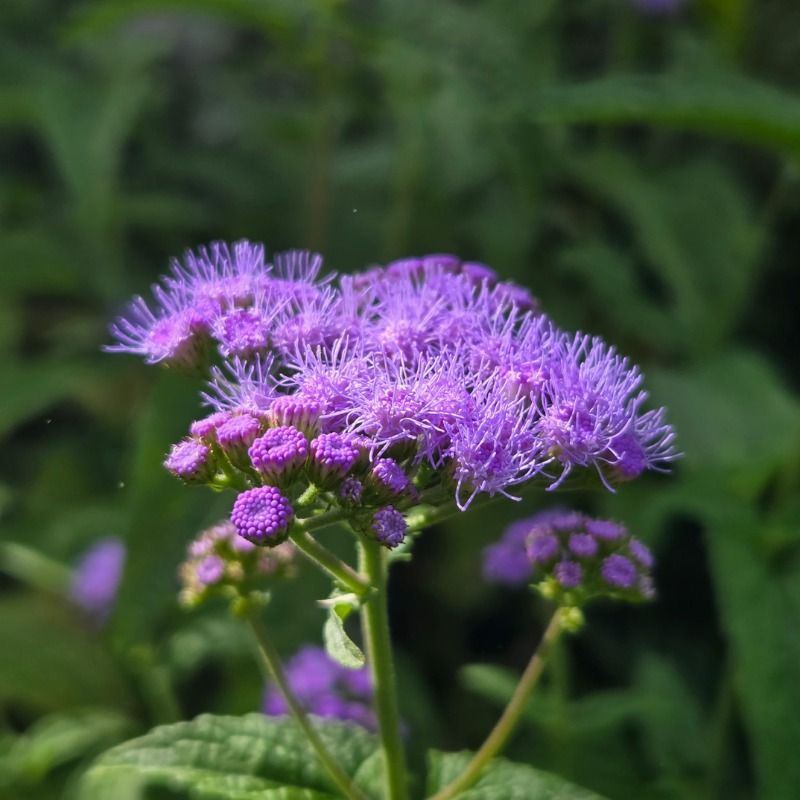
Blue Mistflower has a way of making a moist, naturalized area look absolutely magical in late summer and early fall.
Conoclinium coelestinum produces clusters of soft, fuzzy blue-purple flowers that butterflies and native bees simply cannot resist.
The blooms appear right when many other native plants are winding down, making it an important late-season resource for pollinators across North Carolina gardens and natural areas.
Its spreading strategy is a double one: rhizomes push outward underground while self-seeding adds new plants in surrounding soil.
That combination gives Blue Mistflower serious filling power in spots where moisture is consistently available.
Stream banks, rain gardens, low-lying areas, and moist meadow edges are all excellent placements where it can spread freely and build the kind of colony that looks lush and full without any intervention.
Small planting pockets or tidy formal borders are not the right home for this plant.
Blue Mistflower can spread aggressively when conditions favor it, and trying to confine it to a small space usually means a lot of extra editing work. Give it a generous, moist area and simply let it do what it does naturally.
Over a few seasons, it builds a dense, weed-suppressing mass that covers bare ground beautifully while also feeding the garden’s pollinator community.
For a naturalized moist area that practically manages itself, Blue Mistflower is a standout performer every single year.
10. Rose Verbena
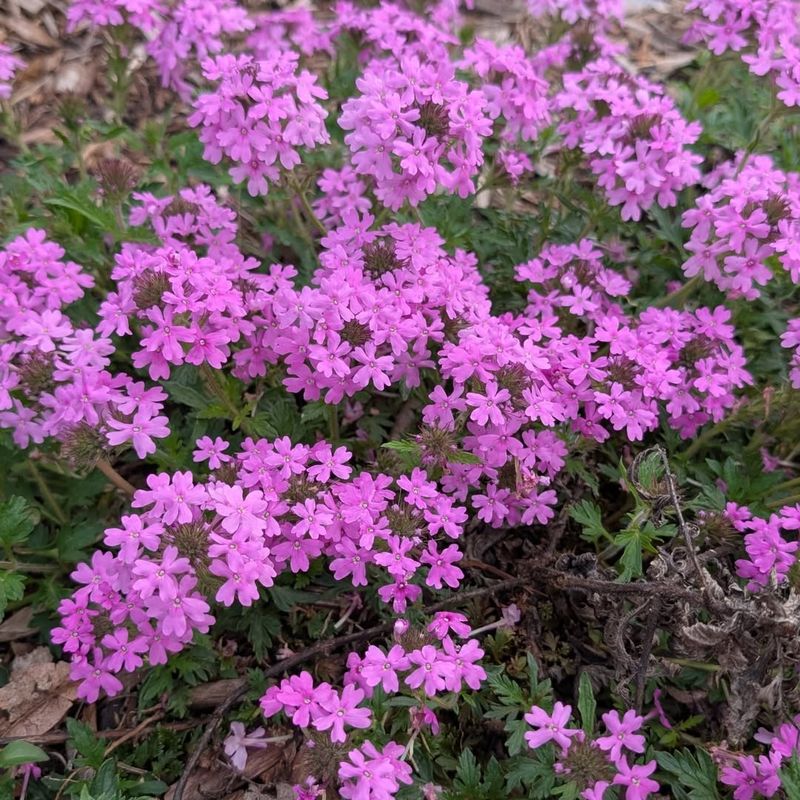
Rose Verbena is one of those plants that looks like it belongs in a cottage garden catalog but grows naturally right here in North Carolina.
Glandularia canadensis produces clusters of vivid pink-magenta flowers on low, sprawling stems that creep along the ground and root at the nodes as they go.
That rooting habit lets it fill sunny, dry bare spots in a way that feels both casual and completely intentional.
Well-drained soil and full sun are its preferred conditions, and it handles heat and drought with impressive resilience once established. Rocky slopes, dry borders, and sunny gravel gardens are all excellent placements.
Beyond just filling space, Rose Verbena attracts butterflies throughout the growing season, adding movement and life to areas that might otherwise feel static and bare during the warmest months of the year.
One practical thing to know: Rose Verbena tends to be relatively short-lived compared to other perennials.
Individual plants may not persist for many years, but self-seeding helps the patch continue naturally over time.
Gardeners who want the colony to keep going should resist the urge to tidy up too aggressively at the end of the season.
Leaving a few stems in place allows seeds to drop and germinate the following spring, keeping the patch full and vibrant.
With just a little patience and restraint, Rose Verbena rewards you with color-filled, low-maintenance ground coverage year after year.
11. Mouse Eared Coreopsis
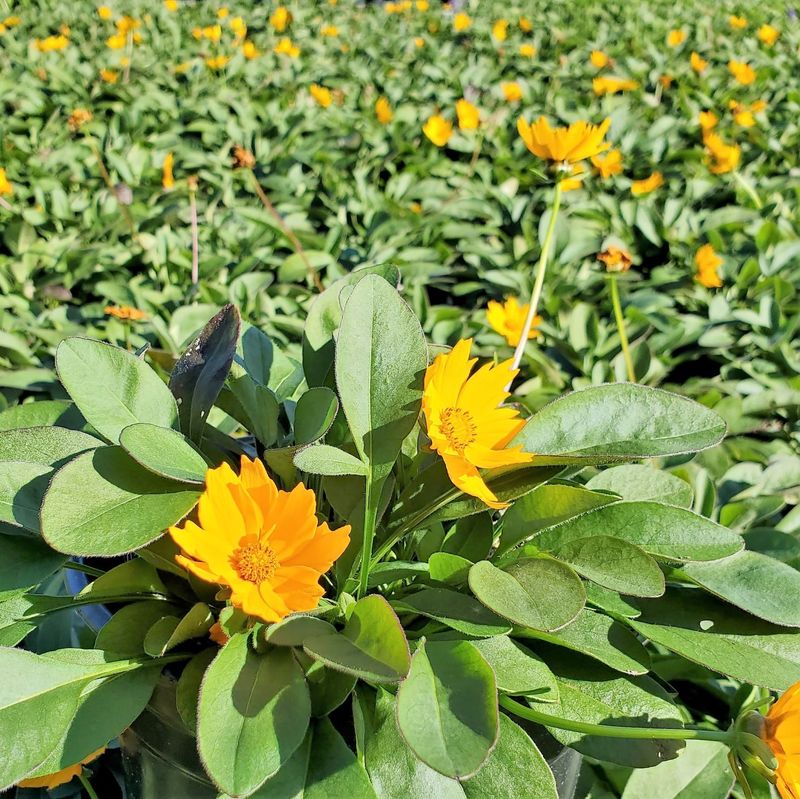
Bright yellow flowers and a naturally spreading habit make Mouse Eared Coreopsis one of the most cheerful groundcovers a North Carolina gardener can choose.
Coreopsis auriculata is a stoloniferous native perennial, meaning it sends out horizontal stems that root and produce new plants as they travel.
Over time, a single planting gradually builds into an attractive, dense mass that covers bare ground in sunny borders and naturalized beds with very little prompting.
Full sun to light shade suits it well, and it adapts to a range of soil conditions as long as drainage is reasonable.
Spring brings a generous flush of golden-yellow blooms that pollinators visit eagerly, and removing spent flowers can encourage additional bloom cycles through the season.
The foliage stays low and tidy, making it a visually appealing groundcover even when not in flower.
One of the nicest qualities of Mouse Eared Coreopsis is that it spreads at a pace that feels manageable rather than overwhelming.
If you want a neater edge along a border or path, simply trim back the outermost stems in late spring or early summer before they root too deeply.
That small amount of maintenance keeps the planting looking polished without much effort.
For gardeners who want a native groundcover that naturalizes easily, fills bare spots steadily, and adds reliable seasonal color, Mouse Eared Coreopsis checks every single box with ease.
12. Moss Phlox
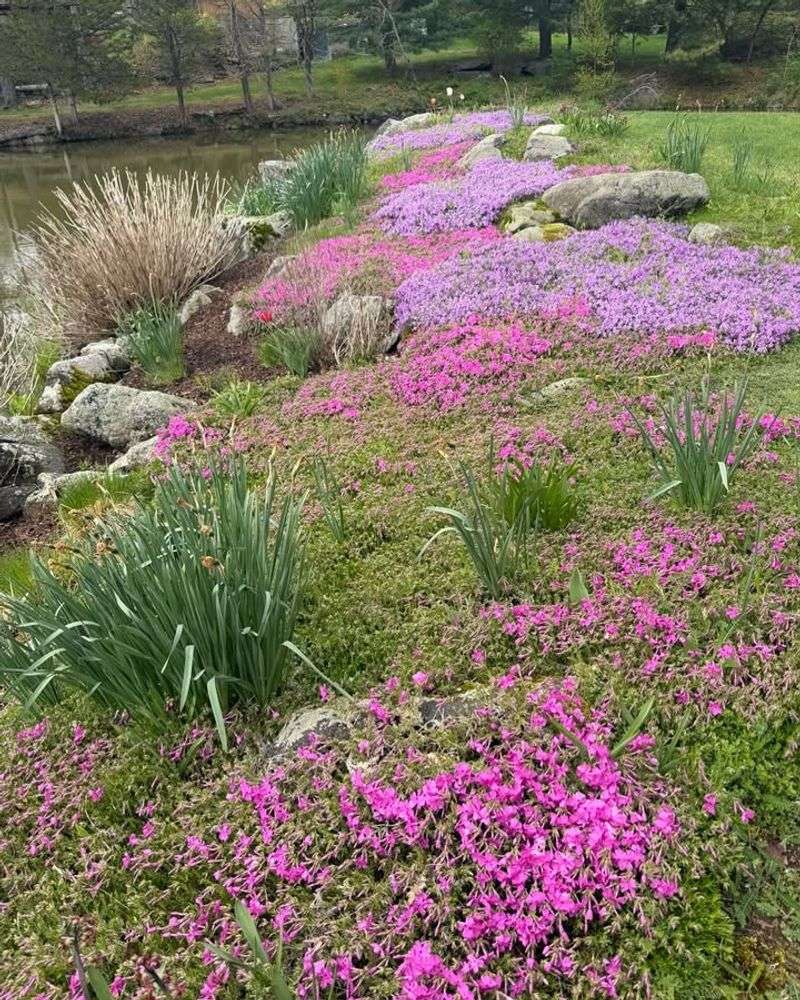
Rocky slopes in the North Carolina mountains have a secret weapon, and it comes in shades of pink, white, and lavender.
Moss Phlox, or Phlox subulata, is a native perennial that forms a remarkably dense, low mat of needle-like evergreen foliage that spreads outward steadily each year.
In early spring, the mat practically disappears under a blanket of small, five-petaled flowers that cover every inch of visible stem and leaf.
It is one of the most visually dramatic groundcovers available to home gardeners. Sunny, dry, well-drained spots are where Moss Phlox performs at its absolute best.
Rocky slopes, raised beds, stone wall edges, and sunny embankments all suit its natural preferences beautifully.
It occurs naturally in the mountain regions of North Carolina, which tells you everything you need to know about its tolerance for lean soil, temperature swings, and dry conditions.
Once established, it asks for almost nothing beyond good drainage and sunshine. Older, more established plantings sometimes thin out in the center as new growth pushes outward from the edges.
Rather than seeing that as a problem, think of it as an invitation to let the plant trail and widen naturally into available space.
Trimming lightly after bloom each year can help encourage fuller, more even growth across the mat.
For a dry, sunny bare spot that needs a tough, beautiful, self-sufficient groundcover, Moss Phlox is genuinely hard to beat in any North Carolina garden.