North Carolina Gardeners Who Do This One Thing In July Have Less Pest Problems Through September
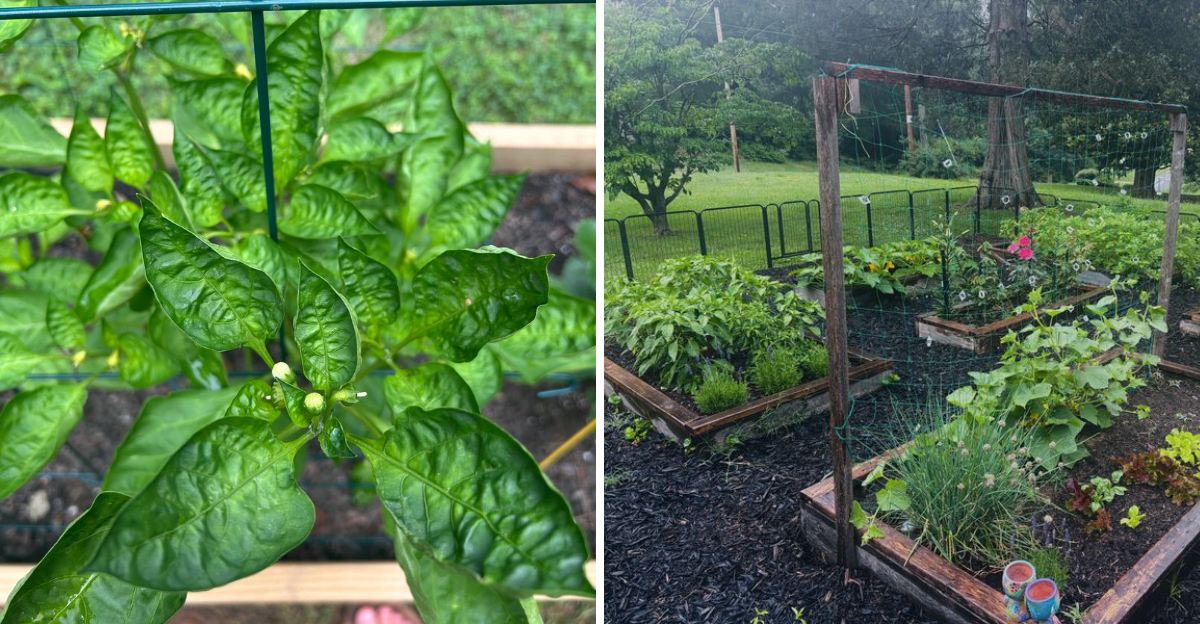
Most pest management in North Carolina gardens is reactive. Something shows up, damage appears, and then the response begins.
The gardeners who consistently experience lower pest pressure through late summer are not doing more spraying or monitoring more frequently.
They are doing one specific thing in July that changes the conditions pest populations depend on to build and sustain themselves through the back half of the growing season.
It takes very little time. It does not require any products or specialized knowledge.
But the timing matters more than most people realize, and July is precisely when this one action has its highest return on the pest pressure that otherwise defines August and September in North Carolina gardens.
1. Walk The Garden Every Week In July
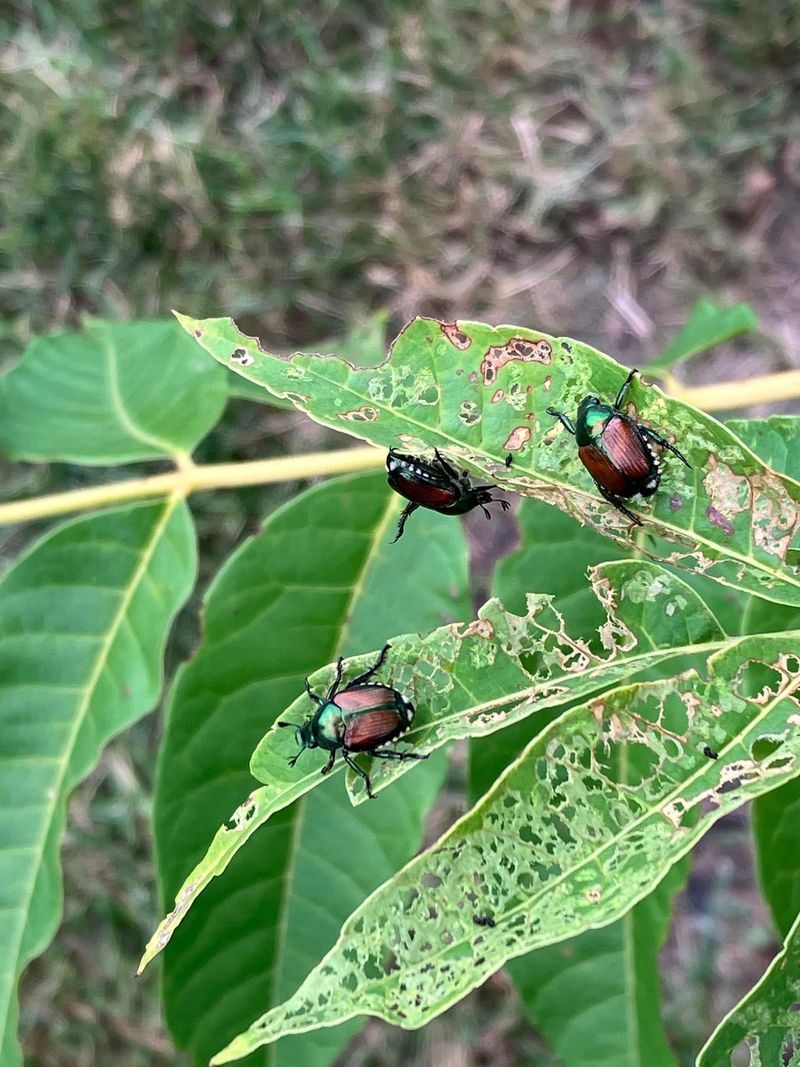
July in North Carolina is a wild month for a garden. Temperatures climb, humidity settles in, and crops like tomatoes, squash, beans, and peppers are pushing hard to grow.
That combination of heat and moisture creates exactly the kind of environment where insects thrive and reproduce fast.
Walking the garden every single week during July gives you a front-row seat to what is actually happening out there. You notice the first chewed leaf before half the plant is affected.
You spot a cluster of eggs before they hatch into hundreds of hungry insects. That kind of early awareness is the whole foundation of smart pest management.
NC State Extension describes integrated pest management as combining pest knowledge, cultural practices, and the least disruptive methods first. Regular scouting is the starting point for all of that.
Without it, you are essentially guessing, and guessing usually means overreacting or missing the window entirely.
A good weekly walk does not need to take long. Fifteen to twenty minutes moving slowly through your beds, looking at plants from multiple angles, is enough to catch most developing issues.
The key is consistency. One walk a month will not cut it in July because insect populations can build surprisingly fast in warm conditions.
Think of it as a check-in rather than a chore. You are building a relationship with your garden, learning what normal looks like so that anything unusual stands out immediately.
Gardeners who do this in July almost always have a calmer, more manageable garden through August and September.
2. Check The Undersides Of Leaves
Most gardeners look at the top of a leaf and move on. That habit misses a lot.
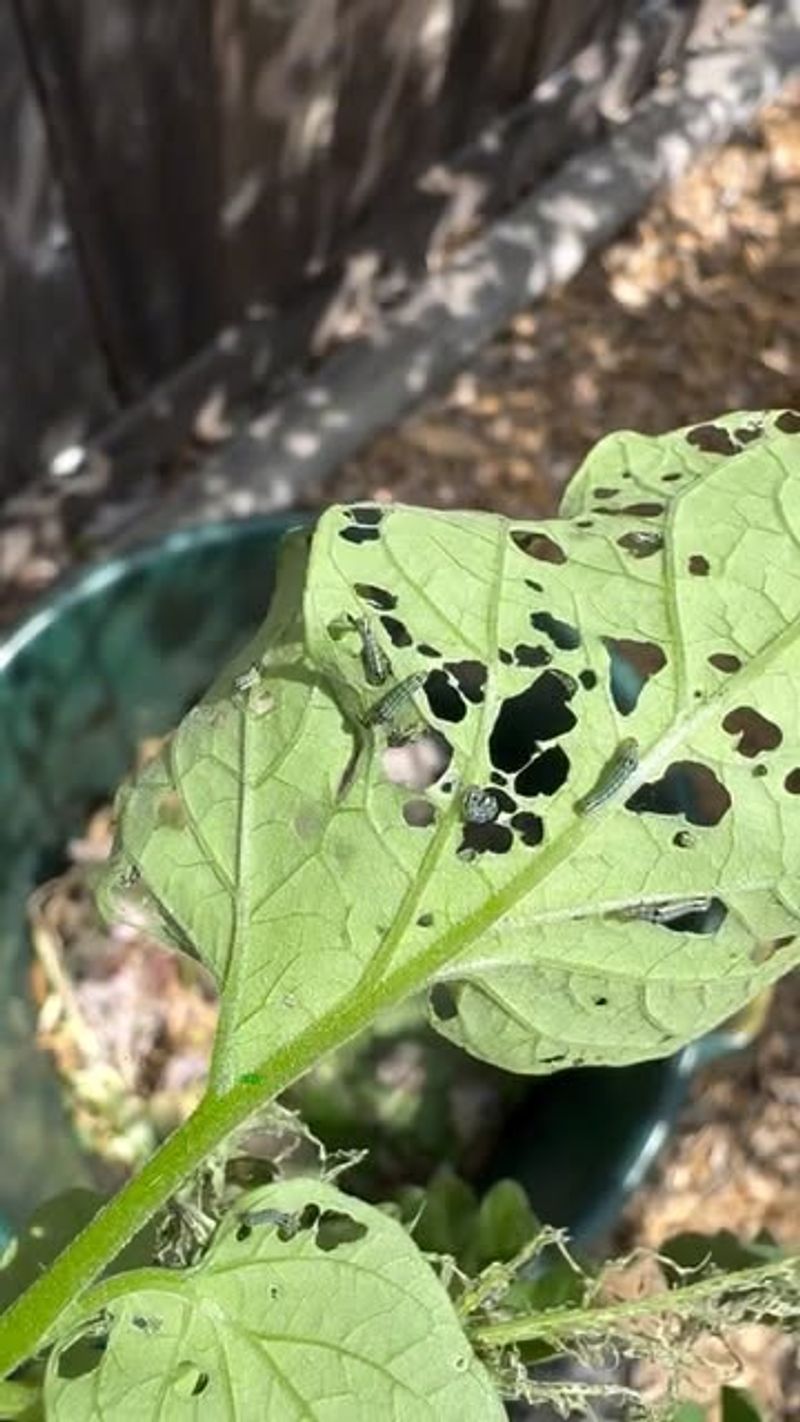
Aphids, squash bug eggs, spider mites, and whiteflies almost always set up on the undersides of leaves first, where shade and shelter make conditions comfortable for them to feed and reproduce without much interference.
Squash bug eggs are a perfect example. They are copper-colored, neatly arranged in small clusters, and tucked right against the underside of squash and cucumber leaves.
If you never flip the leaf, those eggs hatch into nymphs that spread quickly across the bed. By the time you notice damage from the top, you are already behind.
Aphids work the same way. They cluster along stems and leaf undersides, draining plant sap and leaving behind a sticky residue called honeydew.
Your North Carolina Garden Changes Every Week. Your Plan Should Too.
Gardening in North Carolina changes quickly throughout the season. Every Friday you’ll receive a simple weekly plan showing exactly what to plant, prune, fertilize, harvest, and protect so you never miss the right timing.
That residue can attract sooty mold and other problems. Catching a small aphid colony early means you can rinse them off with water or remove the affected leaf before the population expands.
Mites are even smaller and harder to see, but the damage they cause, a dusty, stippled look on leaf surfaces, is a clear sign something is feeding below. Regular leaf-flipping during your July walks trains your eye to notice these subtle changes quickly.
Making this a habit takes about thirty extra seconds per plant. Tilt the leaf, glance underneath, and move on if things look clear.
It feels minor, but it is one of the most reliable ways to catch pest pressure before it has a chance to grow into a real problem.
3. Look At Stems And Crowns
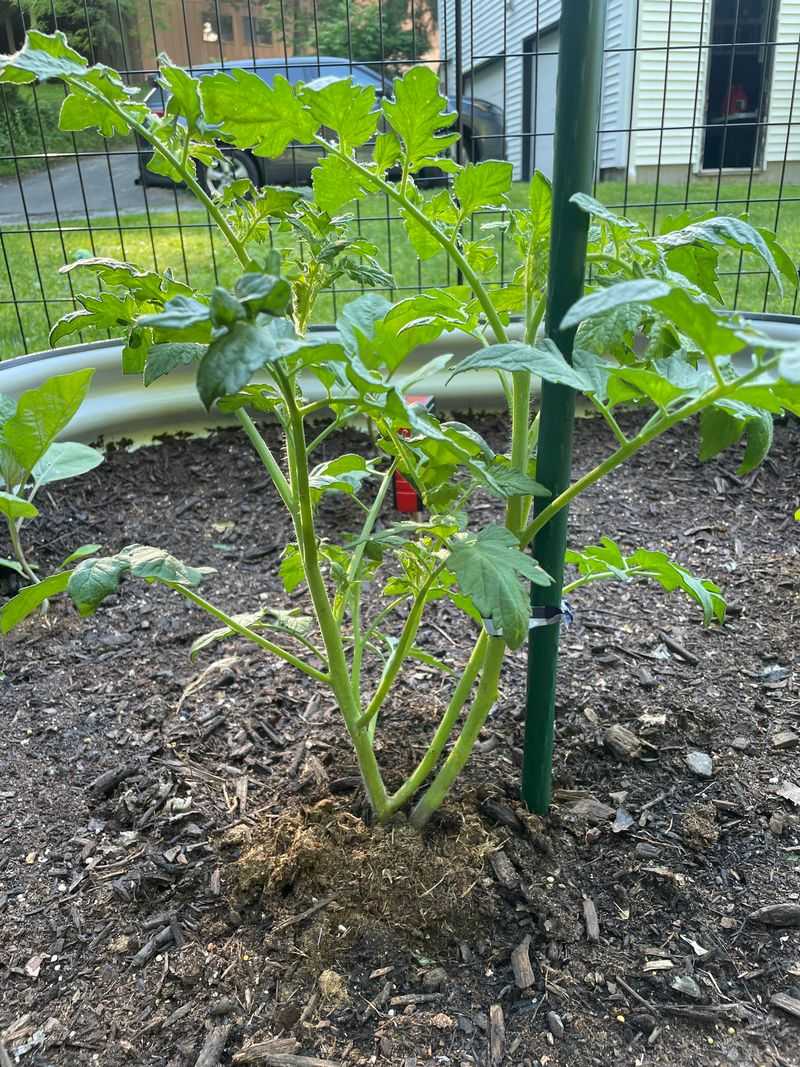
Stems and crowns are easy to overlook because the leaves and fruit get most of the attention. But the base of a plant tells a story that the top cannot always show.
In July, North Carolina gardeners growing squash, cucumbers, peppers, eggplant, tomatoes, okra, and beans should make a habit of checking stems and crowns during every scouting walk.
Squash vine borers, for example, enter through the stem near the base of the plant. One of the earliest signs is a small entry hole with what looks like sawdust or greenish frass nearby.
By the time the whole plant wilts, the borer has already been working inside for days or even weeks. Catching that frass early gives you a chance to act before the damage spreads further.
Sticky residue on stems can point to aphid or scale activity. Unusual swelling might indicate a stem-feeding insect.
Wilting that does not match the weather, meaning a plant droops even when the soil is moist, often signals something is interfering at the crown or root zone rather than a water issue.
Peppers and tomatoes can also show early clues from stink bugs near the stem area. These insects feed on developing fruit but often rest on stems, and spotting them early lets you act before fruit damage becomes obvious.
Training yourself to look low on a plant, not just at the foliage, takes a small shift in habit. But that low look can catch some of the most damaging summer pests in North Carolina gardens well before they cause serious setbacks.
4. Remove Small Problems By Hand
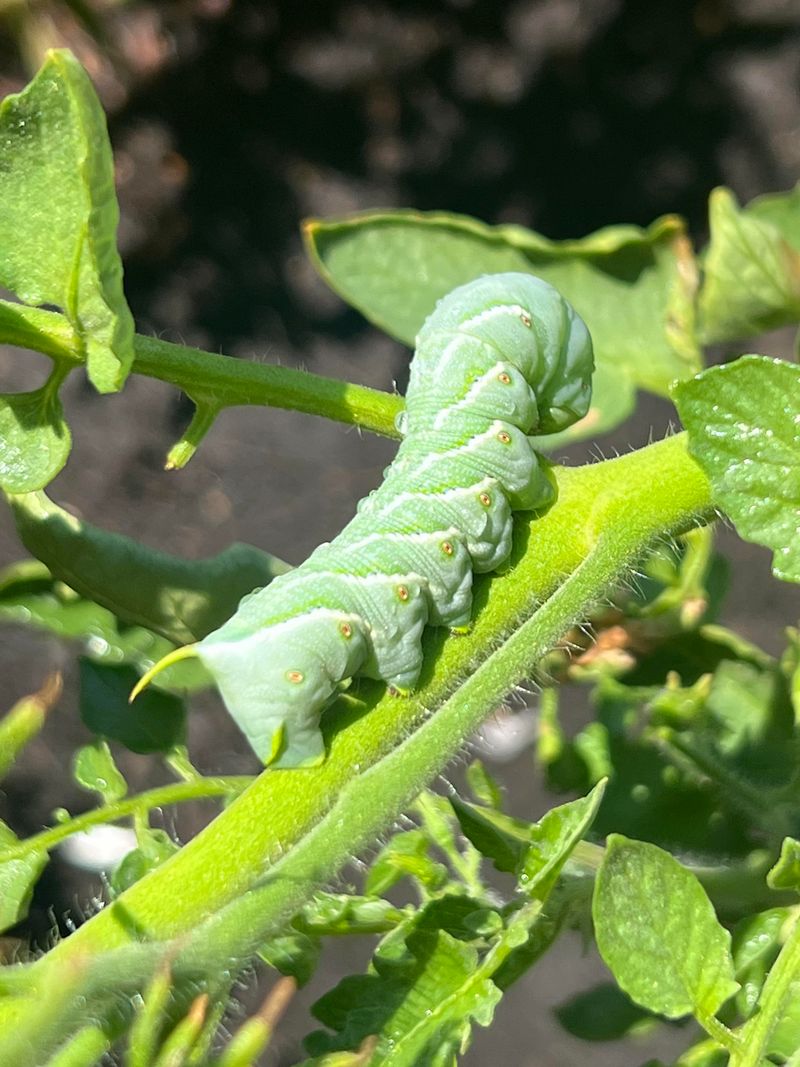
There is something satisfying about fixing a garden problem with nothing more than your own two hands.
When your July scouting routine is working well, most of what you find will still be small enough to handle simply and directly, no sprays, no products, no waiting.
Hand-picking is one of the most effective methods for managing visible pests at low population levels. Squash bug nymphs, tomato hornworm caterpillars, and bean beetles are all large enough to remove by hand and drop into a bucket of soapy water.
Egg clusters on leaf undersides can be scraped off and disposed of before they ever hatch. This kind of action takes minutes and stops a problem from compounding.
Aphid colonies that are still small respond well to a firm spray of plain water from a garden hose. A strong rinse knocks them off the plant and disrupts the colony without harming beneficial insects that might be nearby.
Doing this during your weekly walk, before populations grow dense, keeps the fix easy and low impact.
Pruning is another option worth keeping in mind. If one leaf or small branch is heavily affected but the rest of the plant looks healthy, removing that section can slow the spread considerably.
It feels counterintuitive to cut a plant, but sacrificing one leaf to protect ten others is a reasonable trade.
The reason hand removal works so well in July is timing. Small problems are manageable problems.
Waiting a week or two while hoping the issue resolves on its own usually means the problem doubles or triples in size, making the solution much harder and more disruptive than it needed to be.
5. Keep Weeds From Hiding Pests
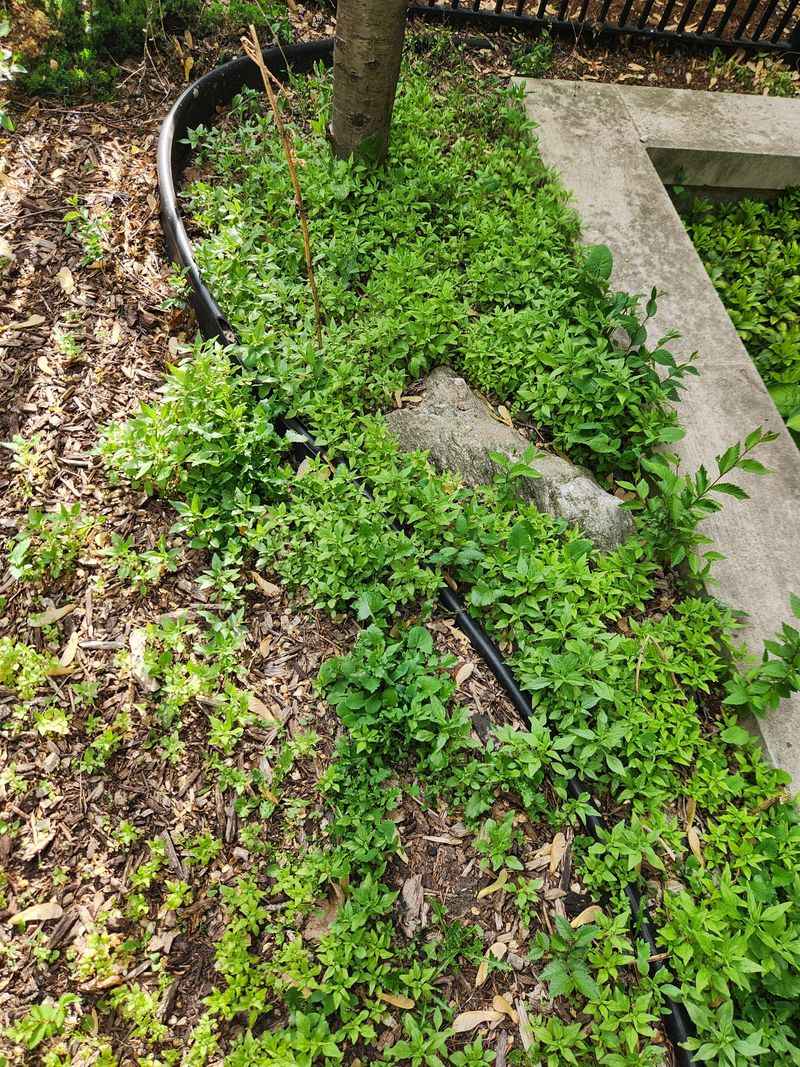
Weeds rarely get credit for the trouble they cause beyond competing with vegetables for water and nutrients.
But during July scouting walks, it is worth paying close attention to what is growing along your bed edges, fence lines, garden paths, and trellises. Weeds create cover, and cover invites problems.
NC State vegetable guidance points out that weeds compete with crops and can hide insects and disease issues.
Tall weeds growing against a raised bed or along a trellis give insects a bridge into your garden and a shaded hiding spot where they can rest, feed, and reproduce without much disturbance.
Aphids, stink bugs, and squash bugs are all known to move from weedy areas into vegetable beds.
Some weeds also host plant diseases that can spread to nearby crops. Keeping the edges of your garden clean reduces those opportunities significantly.
A strip of bare soil or short-cropped grass around your beds is much easier to scout than a tangle of overgrown vegetation.
The good news is that small weeds are easy to pull. The challenge is that July heat makes it tempting to skip the edges and focus only on the beds themselves.
Building edge weeding into your regular scouting walk, even if it just means pulling a handful of young weeds each visit, prevents those edges from becoming overgrown later in the season.
Think of weed management as pest prevention with an extra benefit. You are cleaning up competition for your crops while also removing the habitat that makes your garden more attractive to insects looking for a comfortable place to settle in for the summer.
6. Use Barriers Before Pressure Builds
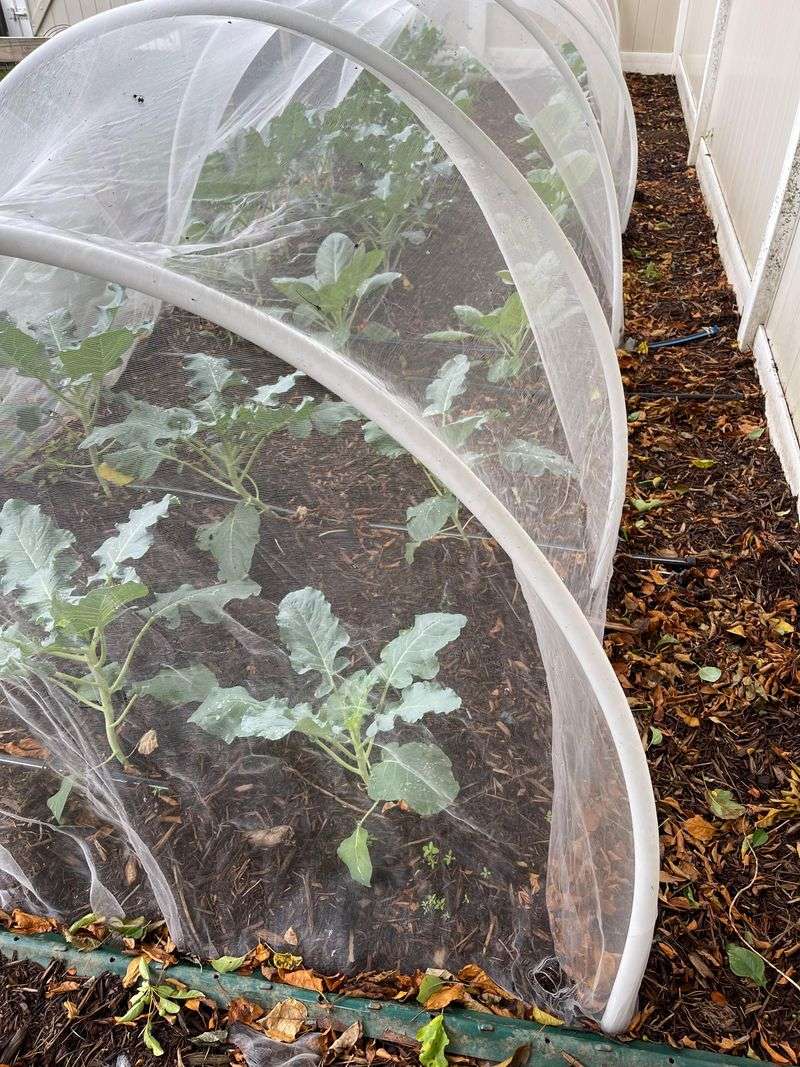
Physical barriers are one of the most underused tools in a home vegetable garden. Row covers, plant collars, netting, and copper tape all work by creating a simple physical obstacle between pests and your plants.
The catch is that these tools work best when they go on before insects are already established, not after.
That is exactly why July scouting matters so much. When you walk your garden regularly and notice that squash bugs are starting to appear on a neighboring plant, or that cucumber beetle pressure is picking up, you have a window to act.
Covering vulnerable plants with lightweight floating row cover at that stage can stop insects from reaching the plant at all.
Row covers are especially useful for North Carolina summer crops like squash, cucumbers, melons, and beans. They let in light, air, and water while keeping out many flying and crawling insects.
The fabric is light enough that it does not stress plants in warm weather, and it can make a significant difference when applied at the right time.
One important thing to keep in mind is pollination. Crops that need bees or other pollinators to produce fruit require open access during flowering.
Row covers should be removed or propped open during bloom periods so pollinators can reach the flowers. Keeping track of what is flowering during your weekly walks helps you manage this timing without missing it.
Plant collars placed around the base of transplants can also block cutworms and other crawling pests at the soil level.
Simple cardboard or plastic collars pushed an inch into the soil around stems create a reliable barrier that costs almost nothing and takes just minutes to put in place.
7. Avoid Spraying Before You Identify The Pest
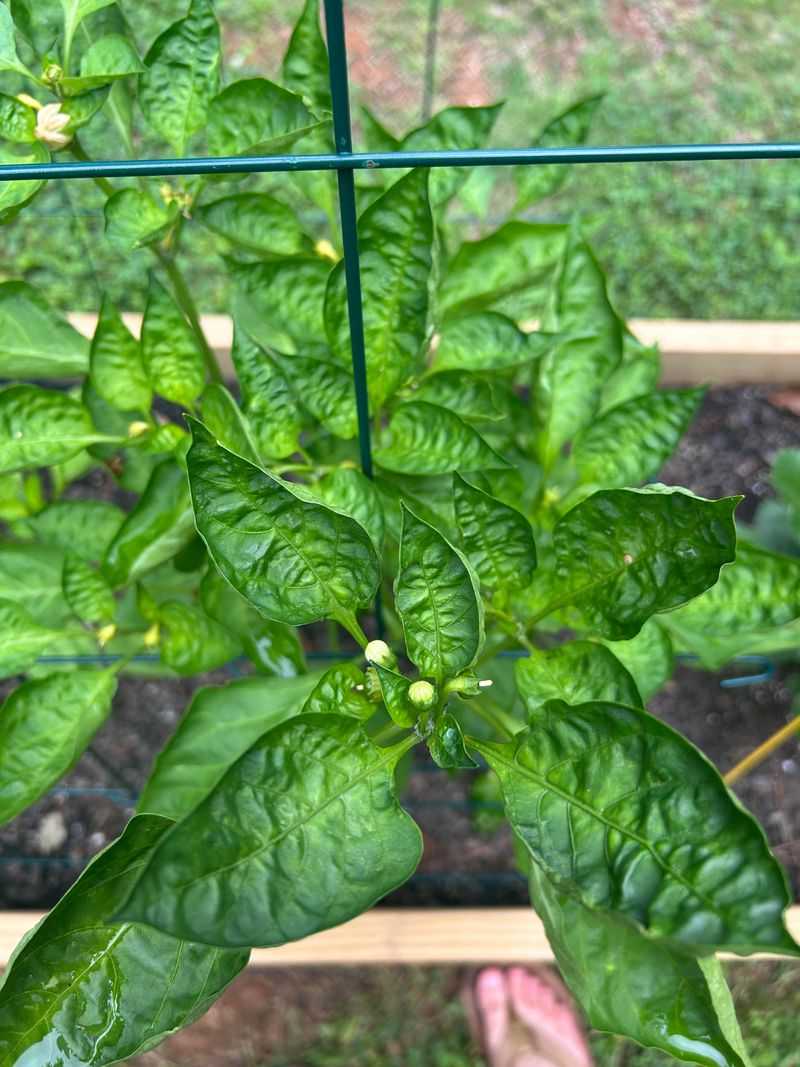
Reaching for a spray bottle the moment something looks wrong is one of the most common mistakes in home vegetable gardening. Not every insect in your garden is a problem, and not every bit of leaf damage means something is actively feeding.
Spraying before you know what you are dealing with can cause more harm than good.
Many insects that live in a garden are beneficial. Ladybugs, lacewings, parasitic wasps, and ground beetles all feed on or help control common pests.
Broad-spectrum sprays applied without proper identification can reduce those helpful populations, which often makes pest pressure worse over time rather than better.
Some damage that looks like insect feeding is actually caused by heat, water stress, nutrient deficiency, or fungal issues. Spraying for a pest that is not there wastes time and money and does nothing to fix the actual problem.
NC State Extension recommends identifying signs, symptoms, damage patterns, timing, and conditions before taking action.
When you do identify a genuine pest problem and decide that a product is needed, choosing the least disruptive option first is the smart approach.
Insecticidal soap, neem oil, and targeted sprays designed for specific pests are far less likely to harm beneficial insects than broad-spectrum options.
Always read the label fully and follow the directions exactly. Timing also matters. Some pests are only vulnerable at certain life stages, so applying a product at the wrong time means it has little effect.
Your July scouting notes help you track when a pest first appeared and how quickly the population is changing, which makes timing any treatment much more accurate and effective.
8. Keep A Simple Garden Notes Routine
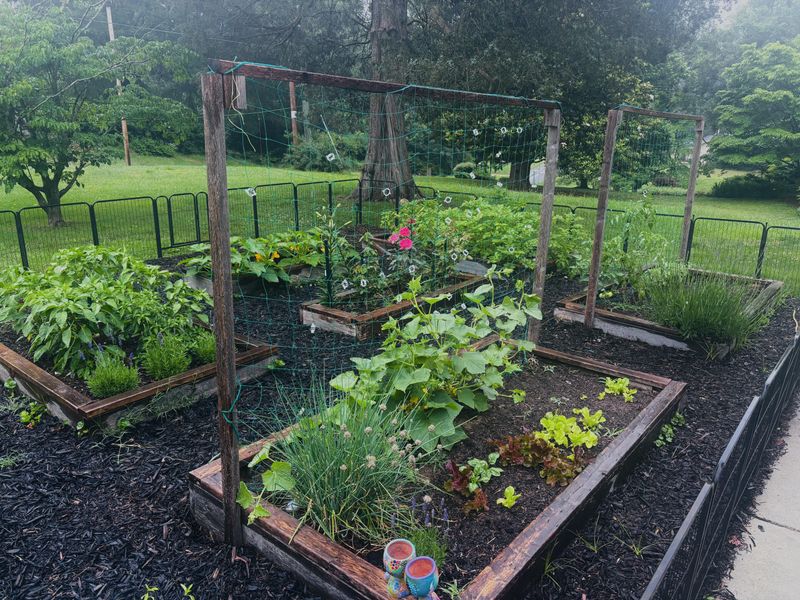
Writing things down sounds like extra work, but a simple notes habit is one of the most practical tools a gardener can have. You do not need a fancy journal or a detailed system.
A small notebook, a phone note, or even a few lines on a sticky calendar works perfectly well.
During your July walks, jot down which plants you checked, anything unusual you noticed, and what you did about it. Did you find squash bug eggs on the zucchini and remove them?
Write it down. Did you notice the first signs of aphids on the peppers?
Note the date and how many plants were affected. That record becomes genuinely useful as the season moves forward.
One of the biggest benefits of keeping notes is being able to track whether a fix actually worked. If you rinsed aphids off a plant one week, your notes from the following week tell you whether the population came back or stayed low.
That kind of feedback loop helps you make smarter decisions rather than just repeating the same steps without knowing if they helped.
Notes also help you recognize patterns across seasons. If squash vine borers show up on your plants every year around the same week in July, you can plan ahead the following year with row covers or timing adjustments.
That kind of seasonal awareness is hard to build from memory alone.
The bigger picture here is what makes this entire scouting habit so valuable. July pest scouting turns garden care from a panic-driven reaction into something steady, informed, and manageable.
You stop chasing problems and start staying ahead of them, and that shift makes every month from August through September feel a whole lot calmer.