These Are The North Carolina Wildflowers You Should Be Scattering In Your Yard Right Now
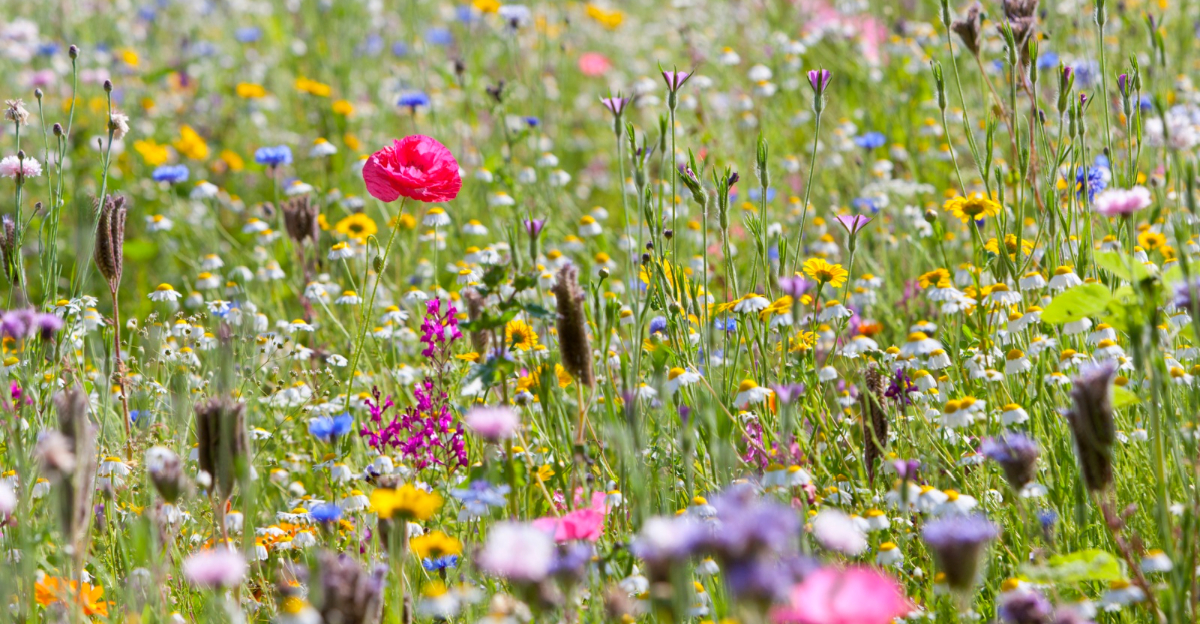
Late May in North Carolina hits different for gardeners. The soil is finally warm, the days feel gloriously long, and the urge to just grab a handful of wildflower seed and go absolutely wild is real and completely valid.
But here is where a little patience pays off big: not every native wildflower is going to reward you for sowing it right now, and scattering seed into thick grass or a pile of heavy mulch is basically a recipe for disappointment.
The North Carolina gardeners who actually get to enjoy a proper wildflower show are the ones who keep their selection focused and prep their spots before sowing.
Sounds like extra work but it really is not. A little intention now means something genuinely beautiful showing up in your yard later.
1. Threadleaf Coreopsis Lights Up Late May
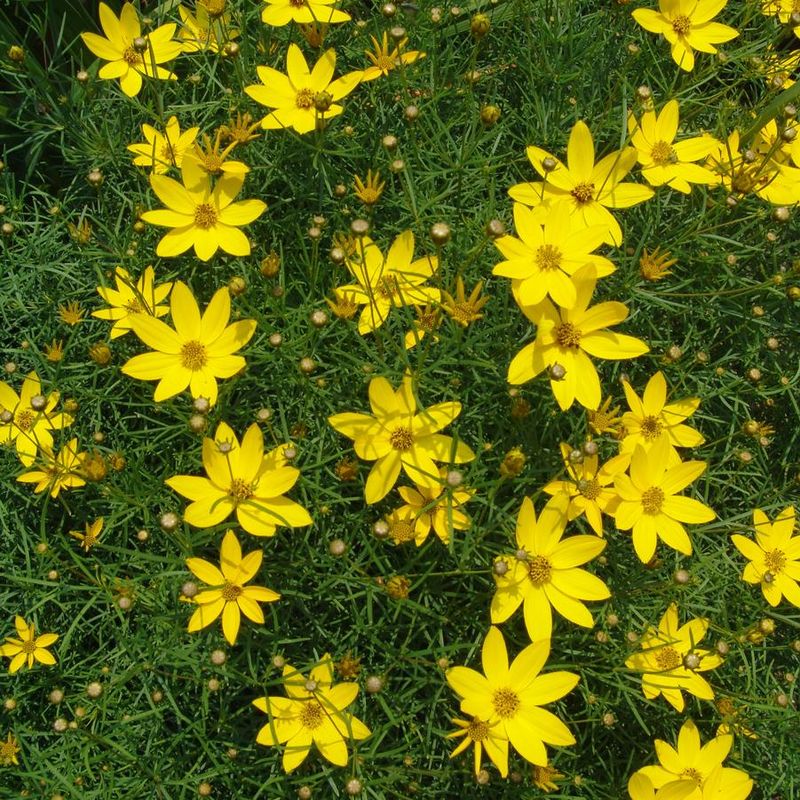
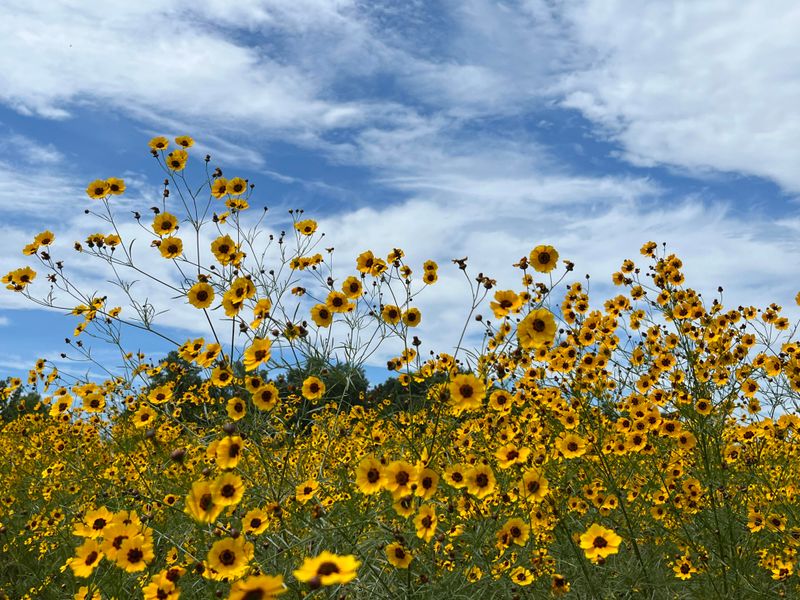
Sunny and cheerful, Threadleaf Coreopsis is one of the best native wildflowers to scatter in yard during late May.
Its fine, thread-like foliage sets it apart from other coreopsis species, giving it a soft, airy texture that looks great along borders, open slopes, and naturalized edges.
The bright yellow blooms arrive in late spring and keep going well into summer, making it a long-lasting payoff for a well-timed sowing.
Late May works in its favor because the warm soil encourages faster germination compared to cooler spring months.
Seed needs good contact with bare, loosened soil to establish well, so clearing away weeds and loosening the top inch or two before scattering makes a real difference.
Thick mulch or dense grass can block germination, so an open, sunny spot is the way to go.
Threadleaf Coreopsis is a North Carolina native that handles summer heat and drought with impressive ease once it gets going. Pollinators, especially native bees and butterflies, are drawn to its flowers throughout the season.
It tends to reseed naturally in open beds, which means a single late-May sowing can keep delivering color in future years.
For gardeners looking to build a low-maintenance native border in North Carolina, this is one of the most rewarding wildflowers to start with right now.
Give it full sun and well-drained soil, and it will reward that effort generously.
2. Rattlesnake Master Brings Bold Native Style
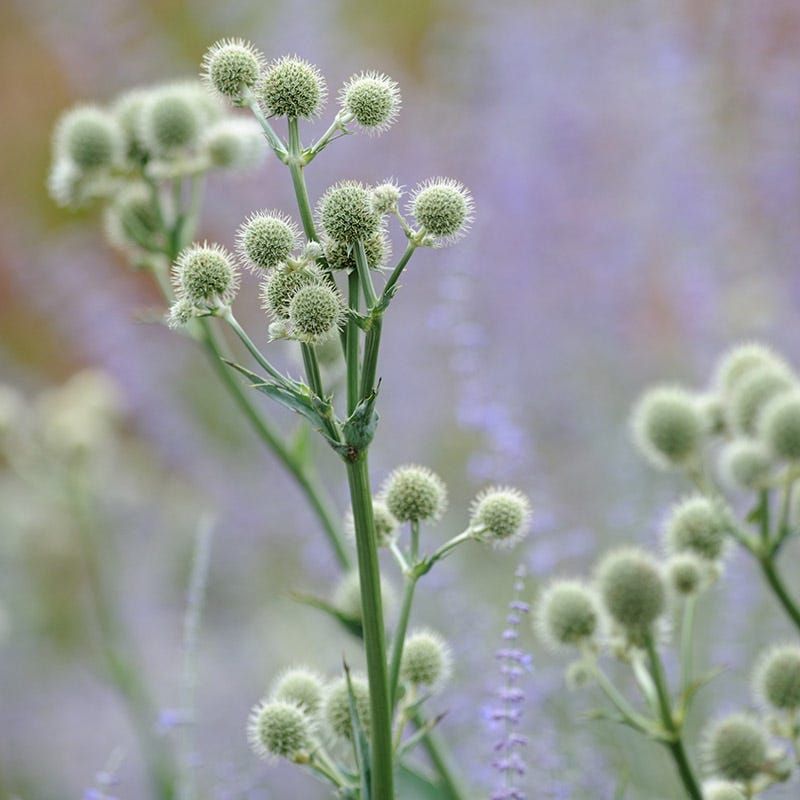
Few native wildflowers make a statement quite like Rattlesnake Master. With its spiky, globe-shaped flower heads and stiff, blue-green leaves edged with sharp teeth, this plant looks like something from a different era entirely.
It has a sculptural, almost architectural quality that makes it stand out in any native border or pollinator planting, and it pairs well with softer wildflowers like coreopsis or black-eyed Susan.
Rattlesnake Master is a member of the carrot family, which surprises most people who see it for the first time. It is native to parts of North Carolina and thrives in open, sunny sites with well-drained or even dry soil.
Late May is a reasonable window for sowing seed in North Carolina, though gardeners should know that this plant is a slow starter.
Your North Carolina Garden Changes Every Week. Your Plan Should Too.
Gardening in North Carolina changes quickly throughout the season. Every Friday you’ll receive a simple weekly plan showing exactly what to plant, prune, fertilize, harvest, and protect so you never miss the right timing.
Germination can take time, and the plant often focuses on root development in its first year before sending up its dramatic flower stalks.
That slower pace is worth the patience. Once Rattlesnake Master establishes in a North Carolina landscape, it is remarkably tough and long-lived.
It handles summer heat well and does not need much supplemental water once its roots are settled. Native bees and wasps visit the flowers regularly, and the dried seed heads hold visual interest through fall and winter.
For gardeners who want bold native texture without a lot of ongoing maintenance, scattering Rattlesnake Master seed into a prepared sunny bed this late May is a smart move worth making.
3. Butterfly Weed Brings Bright Backyard Energy
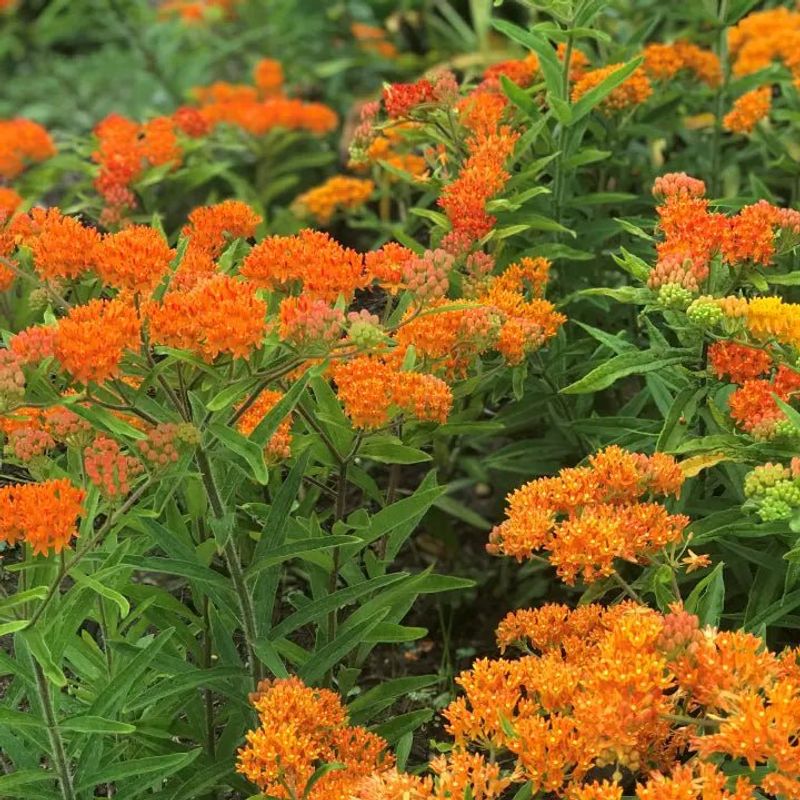
Bright orange and absolutely buzzing with pollinator activity, Butterfly Weed is one of the most beloved native wildflowers in North Carolina.
It belongs to the milkweed family, which makes it an important host plant for monarch butterflies, and its clusters of intense orange blooms are nearly impossible to miss from across the yard.
For gardeners who want color and wildlife value in the same package, this one delivers both.
Late May is a good time to scatter Butterfly Weed seed in North Carolina because the warm soil helps move the process along.
Fresh seed tends to perform better than older seed, so sourcing from a reputable native plant nursery or seed supplier is worth the effort.
Seed needs bare soil contact and consistent moisture during germination, but once seedlings are up and growing, Butterfly Weed is surprisingly tolerant of dry conditions.
It actually prefers well-drained or sandy soil and does not do well in heavy, waterlogged spots.
One thing to keep in mind is that Butterfly Weed develops a deep taproot, which makes it difficult to transplant once established. Sowing directly into the spot where you want it to grow is the smarter approach.
It may not bloom in its first year, focusing instead on building that deep root system, but second-year plants typically put on a strong show.
In North Carolina landscapes, few native wildflowers offer the same combination of vivid color, drought tolerance, and ecological impact that Butterfly Weed consistently brings to a sunny bed.
4. Brown-Eyed Susan Keeps It Loose And Lively
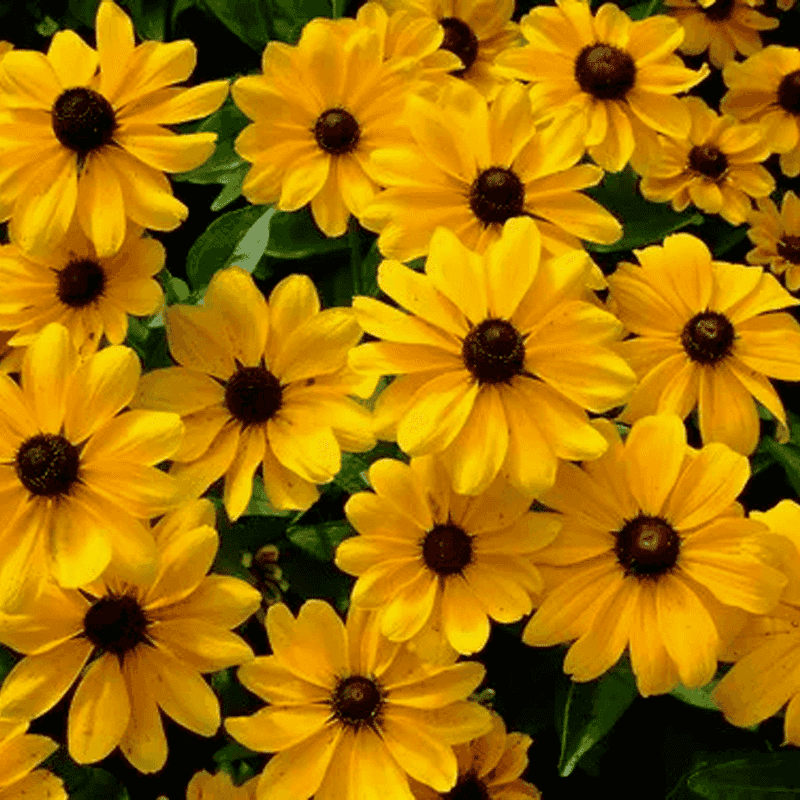
There is something genuinely cheerful about a patch of Brown-Eyed Susans coming into bloom.
The golden yellow petals surrounding a rich brown center have a casual, meadow-style energy that fits naturally into North Carolina yards, whether the setting is a tidy native border or a relaxed naturalized edge.
This wildflower has been brightening roadsides and open fields across North Carolina for generations, and it earns its place in home landscapes just as easily.
Brown-Eyed Susan, known botanically as Rudbeckia triloba, is a biennial or short-lived perennial that reseeds readily under the right conditions. Late May sowing works well because the warm soil encourages good germination rates.
Seed scattered into a prepared, weed-free area with decent sun exposure has a solid chance of establishing before summer heat peaks. Keeping the area lightly moist during the germination window helps, especially if rainfall is inconsistent.
Once established, Brown-Eyed Susan handles summers with minimal fuss. It tolerates a range of soil types, including clay, which is a real advantage in many parts of the state.
Pollinators love it, and the seed heads that follow the blooms attract small birds through the fall season. Because it reseeds so freely, a single late-May sowing can naturalize an area over time without much additional effort.
For gardeners who want a wildflower that fills in generously, looks relaxed and natural, and supports local wildlife, Brown-Eyed Susan is a strong choice to scatter right now.
5. Late May Is Better For Some Wildflowers Than Others
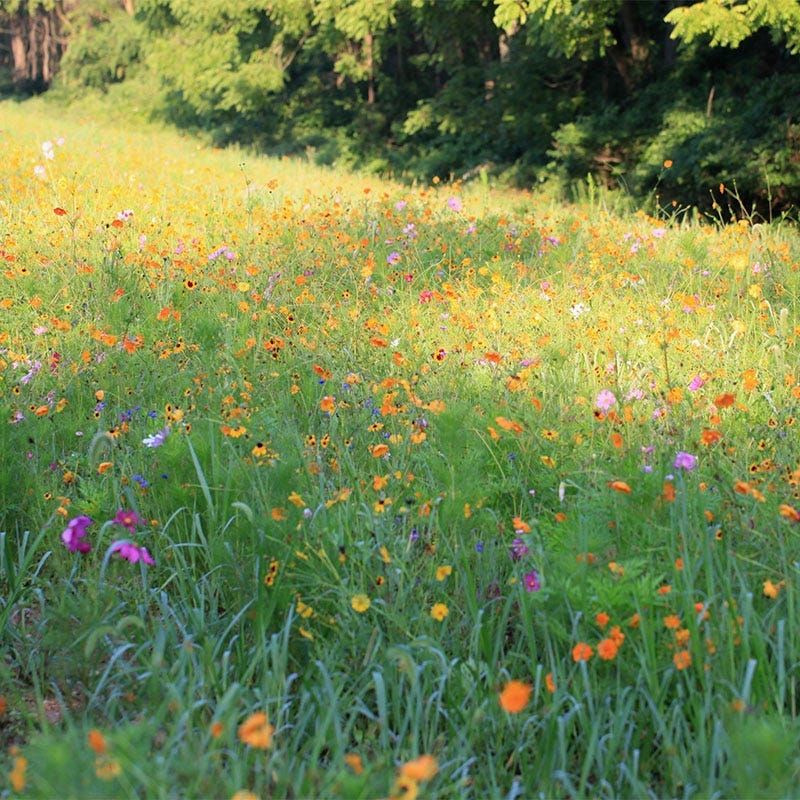
Walking through a garden center in late May, it is tempting to grab every native wildflower seed packet in sight and scatter them all at once. The warmth feels right, the beds look ready, and the enthusiasm is hard to contain.
But the reality of wildflower sowing in North Carolina is a little more selective than that, and understanding why can save a lot of frustration by midsummer.
Many North Carolina native wildflowers actually perform better when sown in fall. Species like wild blue indigo, purple coneflower, and some native asters need a period of cold, moist stratification to break dormancy and germinate reliably.
Sowing those in late May without that conditioning step often leads to poor germination or a long wait with little to show for it. Plugs, transplants, or division tend to be better options for those species at this time of year.
The late-May window is genuinely useful, but it works best for a shorter list of wildflowers that germinate well in warm soil without stratification requirements. Species like Threadleaf Coreopsis, Butterfly Weed, and Brown-Eyed Susan fit that profile well.
Choosing the right species for the right window is not about limiting options; it is about working with North Carolina’s seasonal rhythms instead of against them.
A smaller, well-matched seed list scattered into a properly prepared spot will almost always outperform a broad, random scatter of mixed seed tossed into unprepared ground.
6. A Clean Open Spot Gives Seed A Better Start
Seed preparation might not be the most exciting part of wildflower gardening, but it is probably the most important.
In North Carolina, late-May conditions are warm enough to support germination for the right species, but the biggest obstacle is rarely the weather.
It is weed competition and poor seed-to-soil contact that cause most wildflower sowings to fall flat before they ever get started.
Clearing a spot thoroughly before scattering seed makes a measurable difference. Removing existing vegetation, loosening the top inch or two of soil, and raking the surface smooth gives seed a much better chance of making the contact it needs to germinate.
Scattering seed into thick mulch, heavy grass, or undisturbed ground rarely produces the results gardeners are hoping for. In late-May heat, exposed bare soil also warms up quickly, which can speed germination for warm-season native wildflowers.
After scattering, pressing seed lightly into the soil surface helps ensure contact without burying it too deep.
A light watering immediately after sowing and consistent moisture during the first few weeks of establishment can improve outcomes significantly, particularly if North Carolina’s early summer brings dry spells.
Weed pressure after germination is another thing to watch for, since young wildflower seedlings can struggle to compete with fast-growing weeds in warm weather.
Staying attentive during those early weeks and removing obvious weeds by hand gives the native wildflowers the space they need to take hold and begin building the roots that will carry them through summer.