Terracotta Pots Vs Plastic Pots In North Carolina Heat And Which Keeps Plants Healthier In July
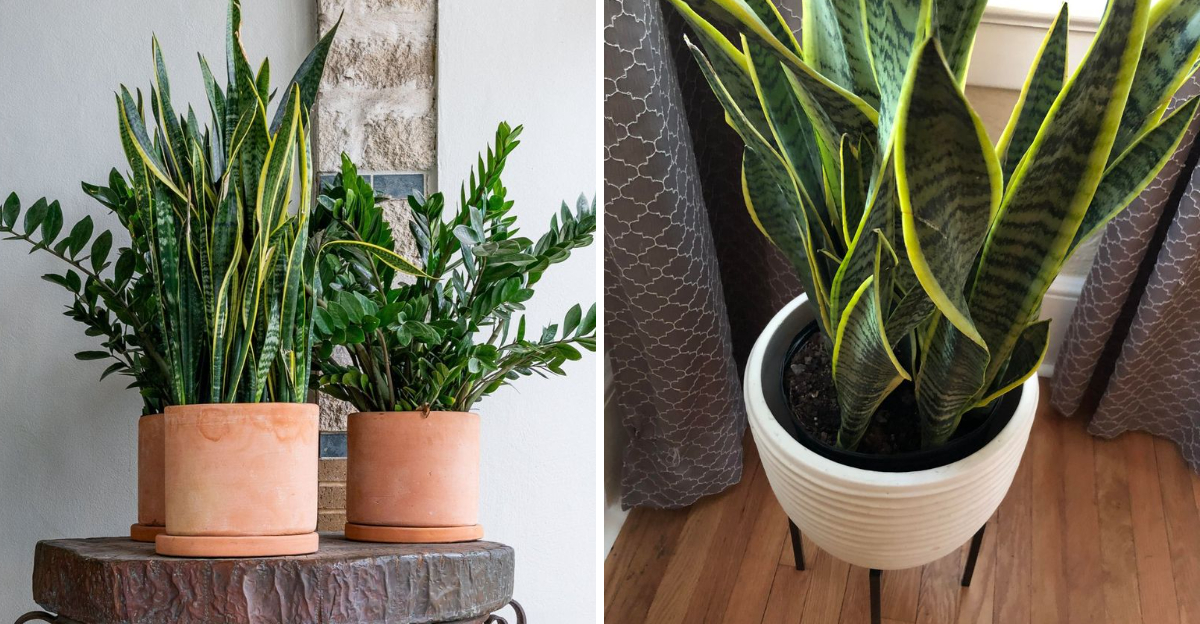
Both pot types have genuine advocates in North Carolina gardens, and the arguments for each sound convincing until July arrives and the real-world differences between them become impossible to ignore.
Terracotta’s breathability that seemed like an advantage in spring becomes a liability during extended heat when moisture loss through the walls outpaces what any reasonable watering schedule can replace.
Plastic holds moisture but creates root zone heat on sun-exposed surfaces that damages plants in ways that are not always immediately visible. Neither is universally better.
The right answer depends on what is being grown, where the pot is sitting, and how honestly a gardener can assess their own watering consistency through the hottest month of the North Carolina growing season.
1. Plastic Usually Wins In July Heat
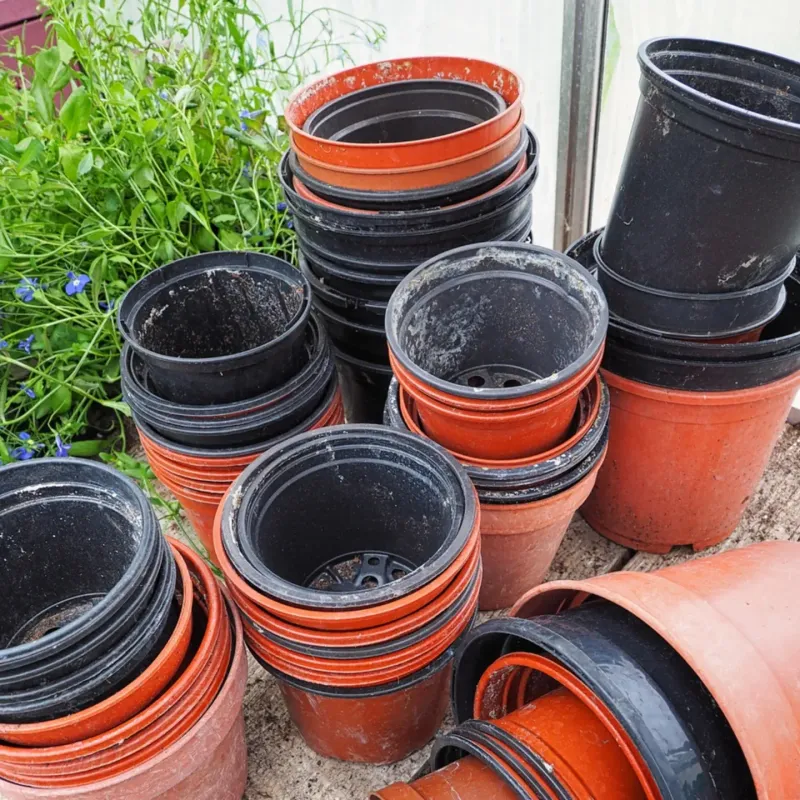
Most North Carolina gardeners are surprised to learn that a simple white plastic pot can outperform classic terracotta during the hottest weeks of summer.
Plastic containers do not breathe the way unglazed clay does, which means they hold onto moisture much longer.
For plants that are actively growing and drinking heavily in July, that moisture retention can be a real game changer.
When temperatures climb into the upper 90s across the Piedmont and coastal areas of North Carolina, container plants can dry out within hours on a sunny deck.
Light colored plastic pots slow that process down significantly, giving roots a better chance to stay hydrated between watering sessions.
Less stress on the roots means healthier foliage, better fruit production, and stronger overall plant performance.
Plastic pots are also lighter and easier to move, which matters when you want to shift containers into afternoon shade during a heat wave.
They come in a wide range of sizes, and many modern options look attractive without sacrificing function.
Just make sure any plastic pot you choose has plenty of drainage holes at the bottom. Drainage is still non-negotiable even when moisture retention is the goal.
Water that sits at the bottom of a sealed container will suffocate roots and invite root rot. Good drainage paired with quality potting mix gives your plants the best of both worlds: consistent moisture and healthy airflow around the roots all July long.
2. Terracotta Dries Out Faster
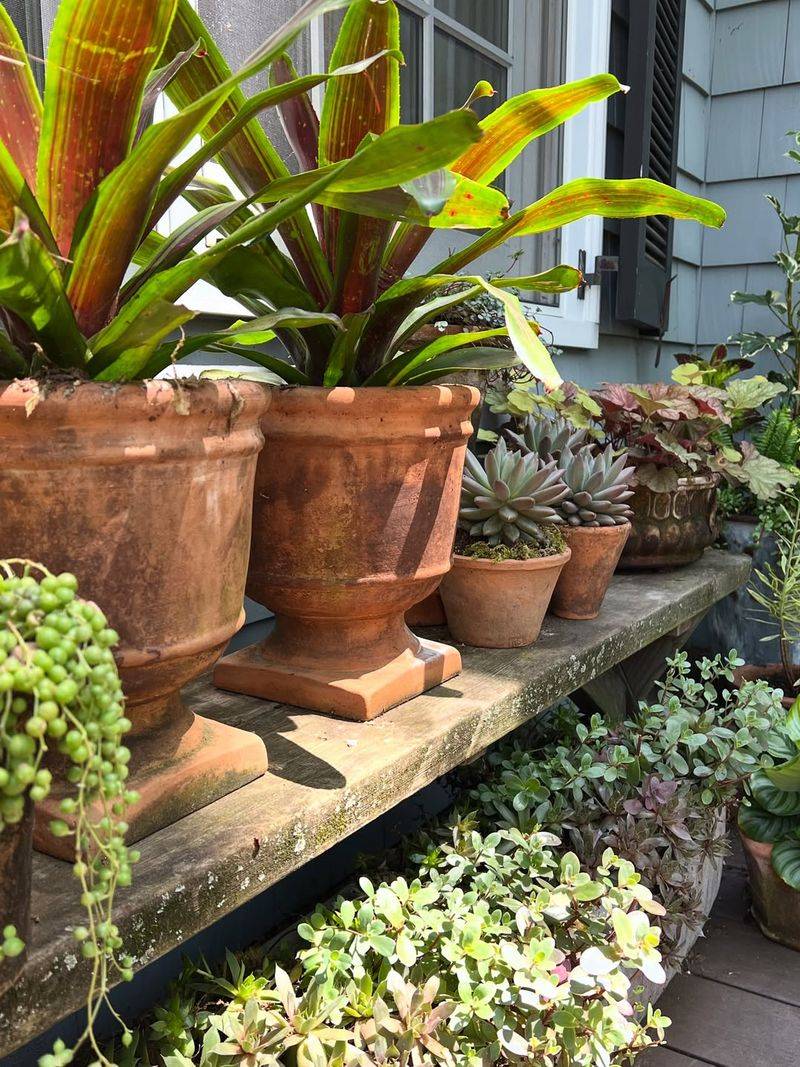
Terracotta has a beautiful, earthy look that gardeners have loved for centuries, but its charm comes with a real challenge during North Carolina summers.
Unglazed clay is naturally porous, which means air and moisture move right through the walls of the pot.
In cool weather, that breathability is a wonderful feature. In July heat, it becomes a serious management issue.
Potting mix inside a terracotta pot can dry out almost twice as fast as it would in a plastic container under the same conditions.
On a hot, sunny day in Raleigh or Charlotte, that can mean wilting plants by mid-afternoon even if you watered that morning.
Tomatoes, peppers, basil, leafy greens, and flowering annuals are especially sensitive to these sudden moisture swings. That said, terracotta is not a bad choice across the board.
Your North Carolina Garden Changes Every Week. Your Plan Should Too.
Gardening in North Carolina changes quickly throughout the season. Every Friday you’ll receive a simple weekly plan showing exactly what to plant, prune, fertilize, harvest, and protect so you never miss the right timing.
Herbs like rosemary and thyme that naturally prefer drier conditions can actually benefit from how quickly clay pots shed excess moisture.
For moisture-loving plants, though, you will need to water more frequently and check soil levels every single day during peak summer heat.
One smart trick is to soak a new terracotta pot in water for at least an hour before planting. This saturates the clay walls so the pot does not immediately pull moisture away from fresh potting mix.
Grouping terracotta pots together also helps slow evaporation by creating a small, slightly more humid microclimate around the containers.
Small adjustments like these can make terracotta more manageable when temperatures soar.
3. Light Colored Pots Are Safer Than Dark Pots
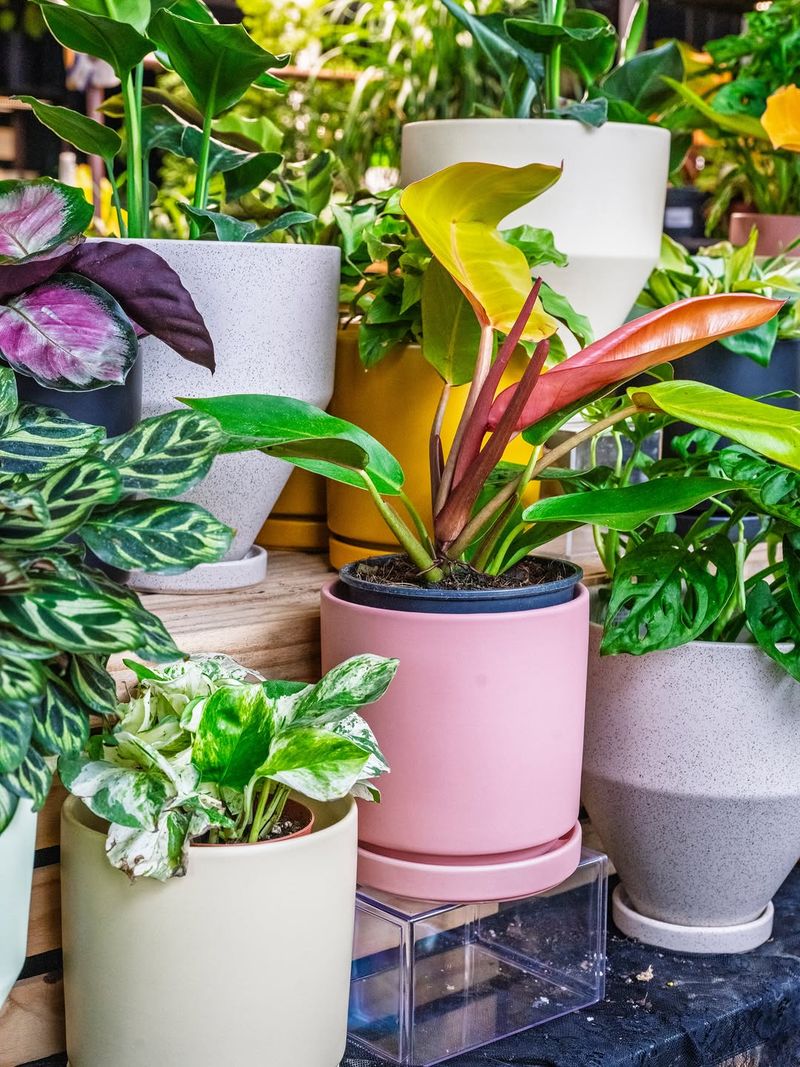
Pot color might seem like a purely decorative choice, but it has a direct impact on how hot the soil inside gets during July.
Dark colored containers, whether black, deep navy, or dark brown, absorb solar radiation and transfer that heat straight into the potting mix.
On a sunny concrete driveway or south-facing deck in North Carolina, a black pot can heat the soil to temperatures that damage or even destroy root systems. Roots are sensitive structures.
Most vegetable and flower roots prefer soil temperatures somewhere between 65 and 75 degrees Fahrenheit.
When dark pots bake in full sun, soil temperatures inside can climb well above that range, causing root stress, slowed nutrient uptake, and reduced plant vigor.
You might water faithfully and still watch your plants struggle without realizing the pot itself is part of the problem.
Light colored plastic, glazed ceramic, or fiberglass containers reflect a much larger portion of that solar energy rather than absorbing it.
White, cream, pale gray, and soft green pots all perform better than dark options in full sun placements.
If you already own dark pots you love, consider wrapping them with burlap, placing them inside a slightly larger light-colored container, or moving them to a spot that gets afternoon shade.
Glazed ceramic pots in lighter shades offer a nice middle ground between function and style. They hold moisture better than unglazed terracotta and stay cooler than dark plastic.
For patios, driveways, and exposed decks where the sun is relentless in July, going lighter on pot color is one of the easiest upgrades you can make.
4. Bigger Pots Handle Heat Better
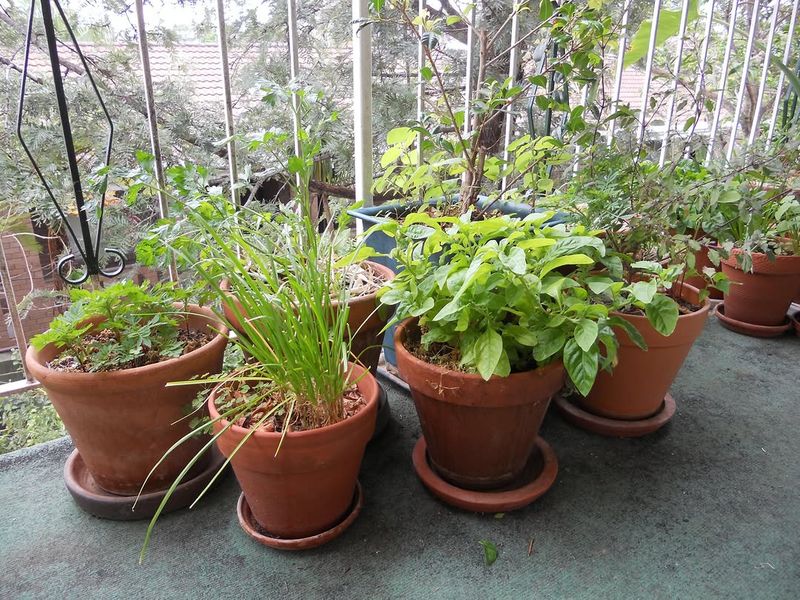
Here is something that surprises a lot of newer gardeners: the size of your pot may matter even more than what it is made of.
A larger container holds more potting mix, and more potting mix means more total moisture stored at any given time.
That extra volume acts like a buffer against the rapid drying that July heat causes, keeping roots more comfortable for longer stretches between waterings.
Small pots are particularly vulnerable in hot weather. A four-inch or six-inch container sitting in direct sun can dry out completely within a few hours on a scorching North Carolina afternoon.
Even if you water twice a day, tiny pots struggle to maintain the consistent moisture levels that most vegetables, herbs, and flowering plants need to thrive.
The sheer lack of soil volume makes them unreliable in peak summer conditions.
Tomatoes and peppers, two of the most popular container crops in North Carolina, really need large containers to perform well in July.
Tomatoes generally do best in pots that hold at least five gallons of potting mix, while peppers appreciate a three to five gallon minimum.
Going bigger gives roots room to spread, improves moisture retention, and reduces the frequency of watering stress events.
Bigger pots are also more forgiving if you miss a watering by a few hours. The extra soil mass insulates roots from temperature spikes and keeps conditions more stable.
When you are shopping for containers this summer, resist the urge to go small just because a pot looks cute. Your plants will thank you with stronger growth and better yields all season long.
5. Drainage Holes Are Non Negotiable
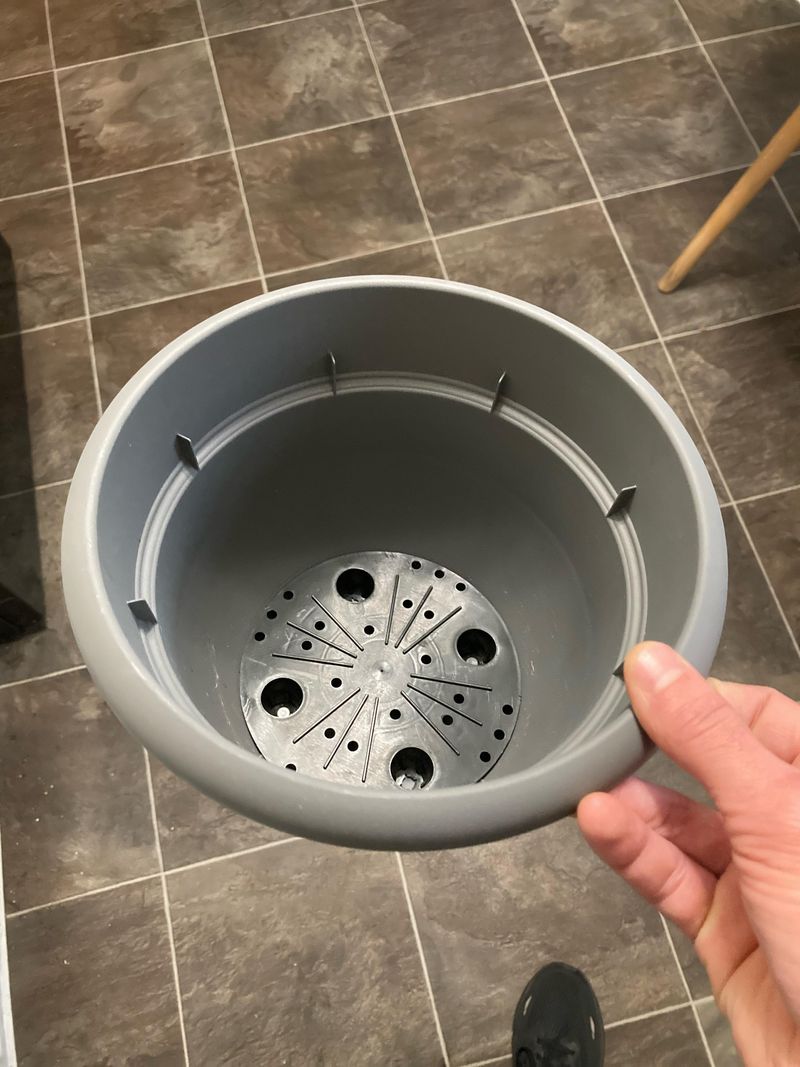
Every single pot in your garden, whether it is a gorgeous glazed ceramic, a classic terracotta, or a simple plastic nursery container, absolutely must have drainage holes.
No exceptions. Roots need two things to stay healthy: moisture and oxygen.
When water pools at the bottom of a sealed container with nowhere to escape, it pushes all the oxygen out of the soil and creates conditions that suffocate roots within days.
Root rot is one of the most common problems container gardeners face, and the number one cause is poor drainage.
It can sneak up on you fast, especially in July when gardeners water frequently to combat the heat.
The plant may look fine on the surface while the roots are quietly suffering below in waterlogged soil. By the time leaves start yellowing or wilting, the damage is often already serious.
Decorative pots without drainage holes are tempting because they look so good on a porch or patio.
The smart solution is to use them as outer cachepots, placing a properly draining inner container inside.
Water the inner pot, let it drain fully, and then set it back inside the decorative outer pot. Never let the inner pot sit in standing water for more than thirty minutes after watering.
When choosing potting mix to go with your well-draining pots, pick a quality mix designed for containers rather than garden soil.
Container mixes are formulated to drain properly while still holding enough moisture for healthy roots. Adding a layer of perlite can improve drainage even further.
Good drainage is the foundation of every healthy container garden, no matter the pot material or the season.
6. Terracotta Fits Drier Plants Best
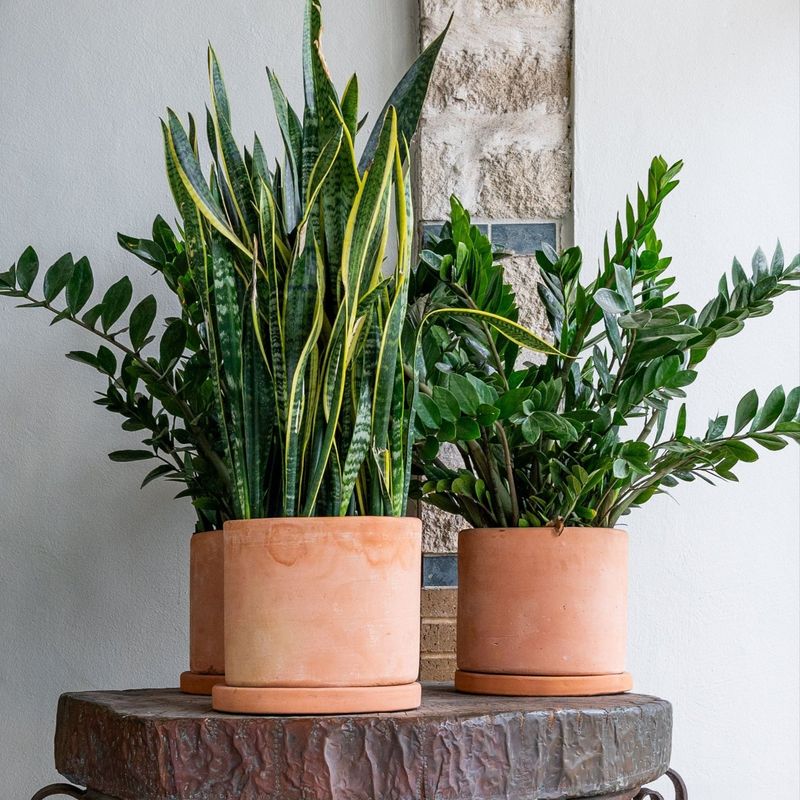
Terracotta gets a tough reputation during hot summers, but for the right plants, it is genuinely the better choice.
Plants that evolved in dry, rocky, or Mediterranean climates actually prefer soil that dries out relatively quickly between waterings.
The porous walls of an unglazed clay pot mimic those natural conditions better than any plastic container can.
For these plants, terracotta is not a problem to work around but a feature to take advantage of. Rosemary, thyme, lavender, oregano, and sage all fall into this category.
These herbs suffer when their roots stay wet for too long, developing root issues and losing their characteristic fragrance and flavor.
Succulents and cacti are even more sensitive to overwatering, and terracotta gives them the fast-draining environment they need to stay compact and healthy through the summer months.
Even during North Carolina’s intense July heat, these plants can handle the faster drying that terracotta causes. They are built for it.
Their root systems are adapted to go through dry periods, and a little drought stress can actually concentrate flavors in culinary herbs, making your rosemary more aromatic and your thyme more punchy in the kitchen.
One thing to keep in mind is that even drought-tolerant plants have limits during extreme heat.
When temperatures push past 95 degrees for several days in a row, even succulents and Mediterranean herbs benefit from a deep watering. Check the soil every few days by pressing your finger about an inch into the mix.
If it still feels dry that deep, go ahead and water thoroughly, then let it dry out again before the next session.
7. Plastic Fits Thirstier Plants Best
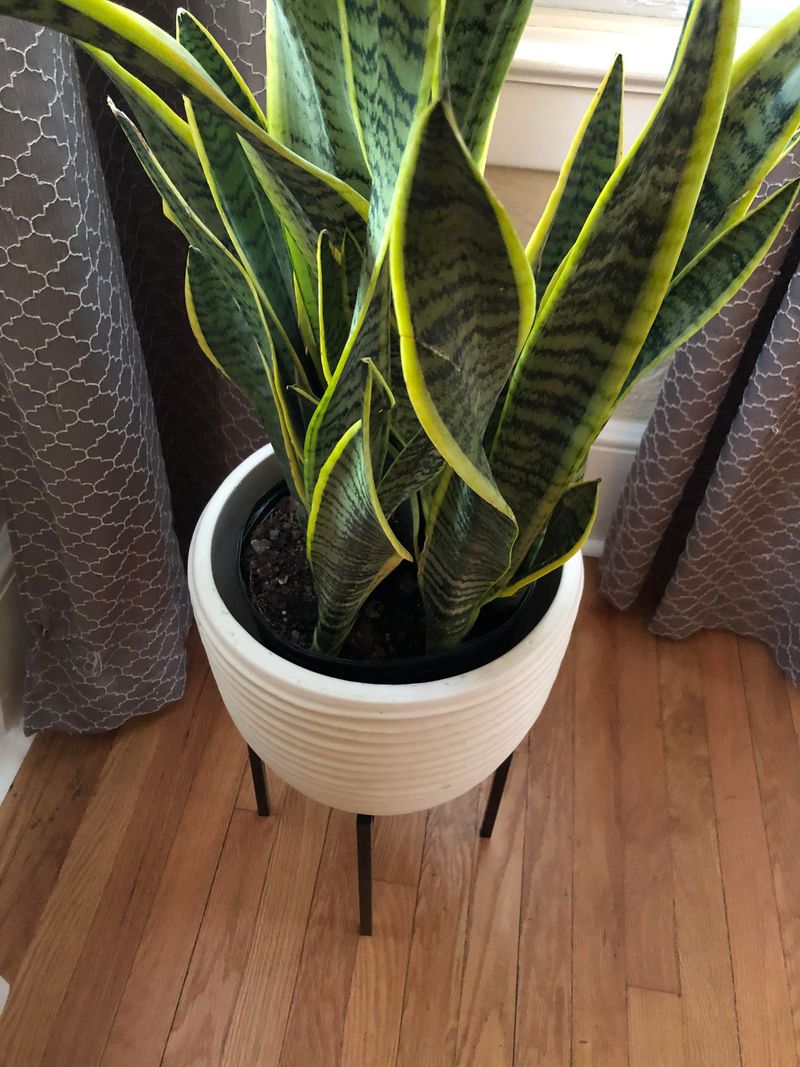
Some plants are just thirsty by nature, and trying to grow them in terracotta during a North Carolina July is a constant uphill battle.
Tomatoes, peppers, cucumbers, and basil all have high water demands during their peak growing season, which happens to coincide perfectly with the hottest, driest stretch of summer.
These plants need consistent moisture to set fruit, develop flavor, and maintain the kind of leaf health that keeps pests and stress at bay.
Flowering annuals like coleus, begonias, and impatiens also fall into the high-moisture category.
These popular porch and patio plants put on their best show when their roots stay evenly moist, not bone dry and not waterlogged.
Light colored plastic containers give them exactly that balance, holding water longer between sessions while still allowing excess moisture to drain freely through the bottom holes.
Choosing a quality potting mix matters just as much as the pot itself. Look for a container mix that includes ingredients like coir fiber or peat moss, both of which hold moisture effectively while still allowing drainage.
Some gardeners also mix in a small amount of water-retaining granules, which can extend the time between waterings by several hours on the hottest days.
Pairing light colored plastic pots with a layer of mulch on top of the potting mix is another smart move.
A thin layer of straw, shredded leaves, or even decorative gravel on the soil surface slows evaporation noticeably.
It is a small extra step that pays off big when you are trying to keep moisture-loving plants happy through the relentless heat of a North Carolina July.
8. The Healthiest Choice Depends On Watering Style
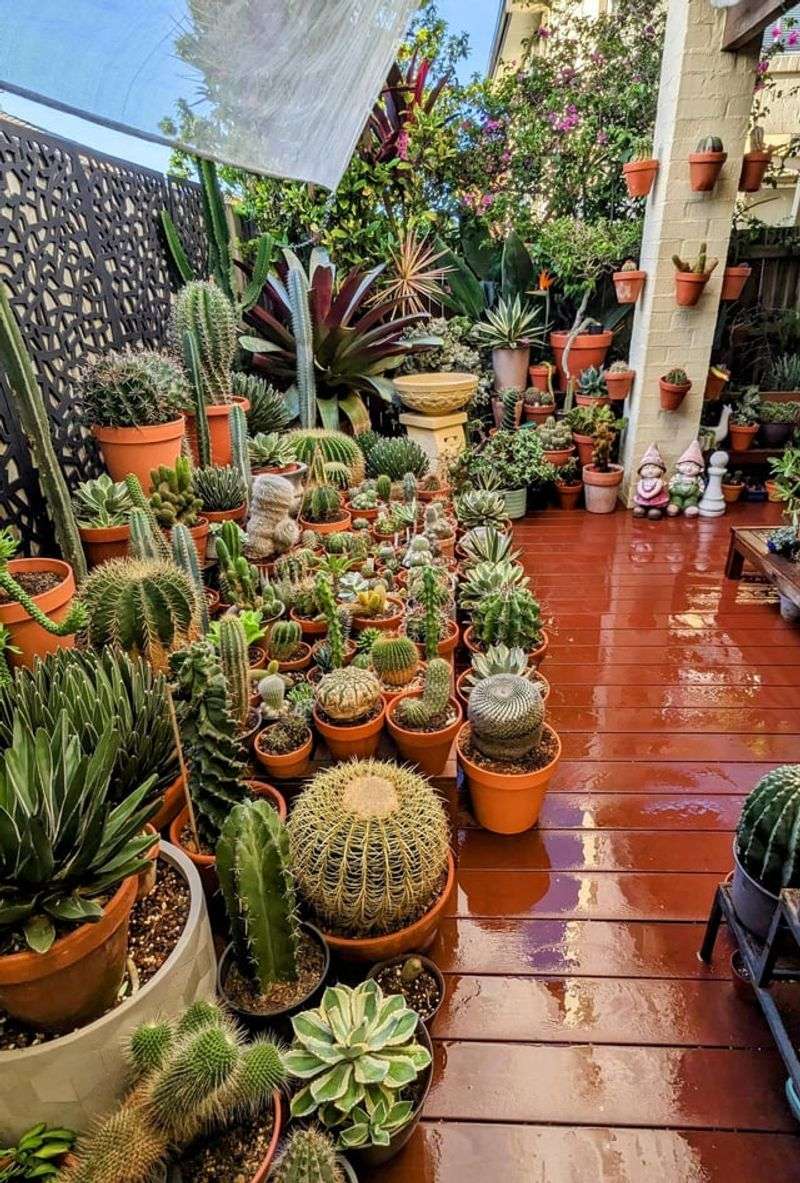
Knowing your own watering habits is just as important as knowing your plants when it comes to picking the right pot.
Gardeners who tend to underwater, whether because of a busy schedule or simply forgetting, will almost always see better results with light colored plastic or glazed containers.
These options hold moisture longer, which gives plants a cushion on the days when watering gets skipped or delayed.
That buffer can mean the difference between a thriving plant and a stressed one by the end of a hot July week.
On the flip side, gardeners who tend to overwater may actually appreciate terracotta for certain plants.
The porous clay pulls excess moisture out of the soil naturally, helping to prevent the soggy conditions that cause root problems.
For someone who loves to water and finds it hard to hold back, terracotta can act as a built-in safety valve for plants that prefer drier conditions.
The most important takeaway for any North Carolina container gardener heading into July is this: match the pot to the plant, not just to your personal style preference.
Use a container with enough soil volume to buffer against temperature swings, make sure every pot drains freely, and consider adding a thin mulch layer on top of the potting mix to slow surface evaporation.
These small decisions stack up into big results over a full summer season. Always check soil moisture before watering rather than watering on a fixed schedule.
Press a finger about an inch into the mix. If it feels moist, wait. If it feels dry, water deeply until it drains from the bottom.
Paying attention to what your plants actually need, rather than what looks routine, is the single best habit any container gardener can build.