This Michigan Perennial Looks Finished In July But It’s Actually Preparing Its Best Bloom
July is hard on garden optimism. Plants that were vibrant in June start looking tired, and a few look so spent that cutting them back or pulling them entirely seems like the logical next step.
One particular Michigan perennial invites exactly that mistake. It goes through a midsummer lull that reads convincingly as decline, dropping its visual appeal right when everything else in the garden is working hardest to hold attention.
What is actually happening inside that plant during July is the opposite of decline.
It is quietly building toward a late-season bloom that outperforms its spring showing in color and density, and gardeners who recognize the pattern are rewarded for their patience in a way that makes July’s doubt completely worth tolerating.
1. New England Aster: Michigan’s Best-Kept Fall Secret
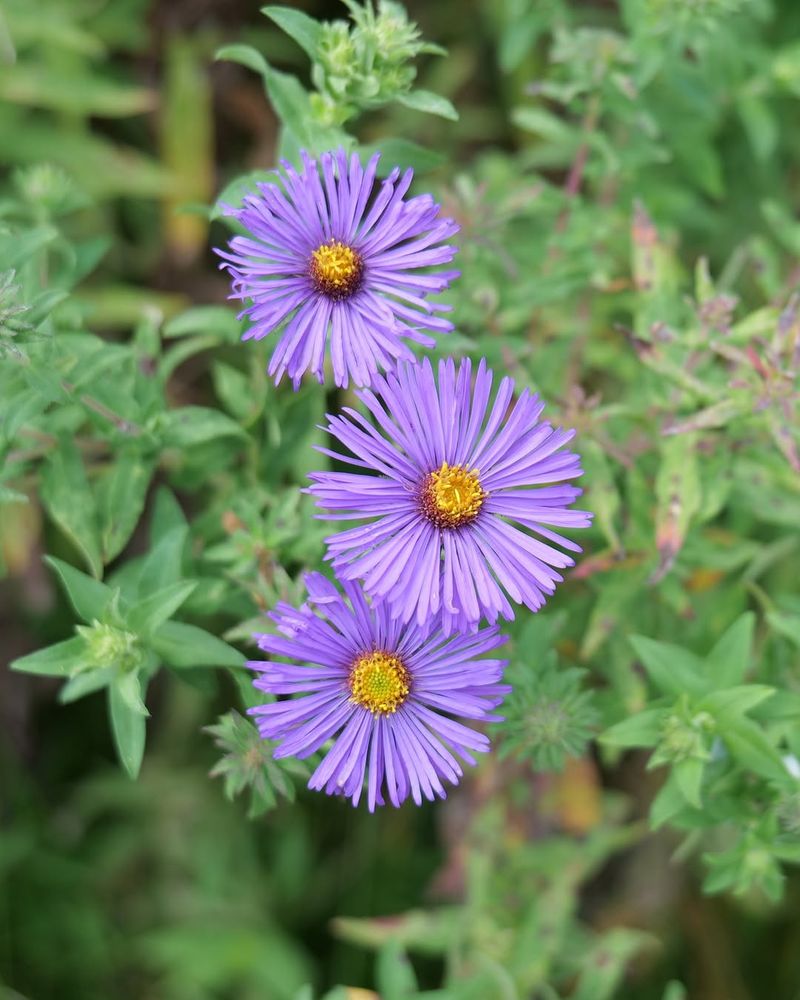
Most gardeners spend their energy chasing spring bloomers, but New England aster has a different idea about timing. Known scientifically as Symphyotrichum novae-angliae, this native perennial is a true Michigan original.
It has been growing across the Great Lakes region long before anyone started planning formal garden beds.
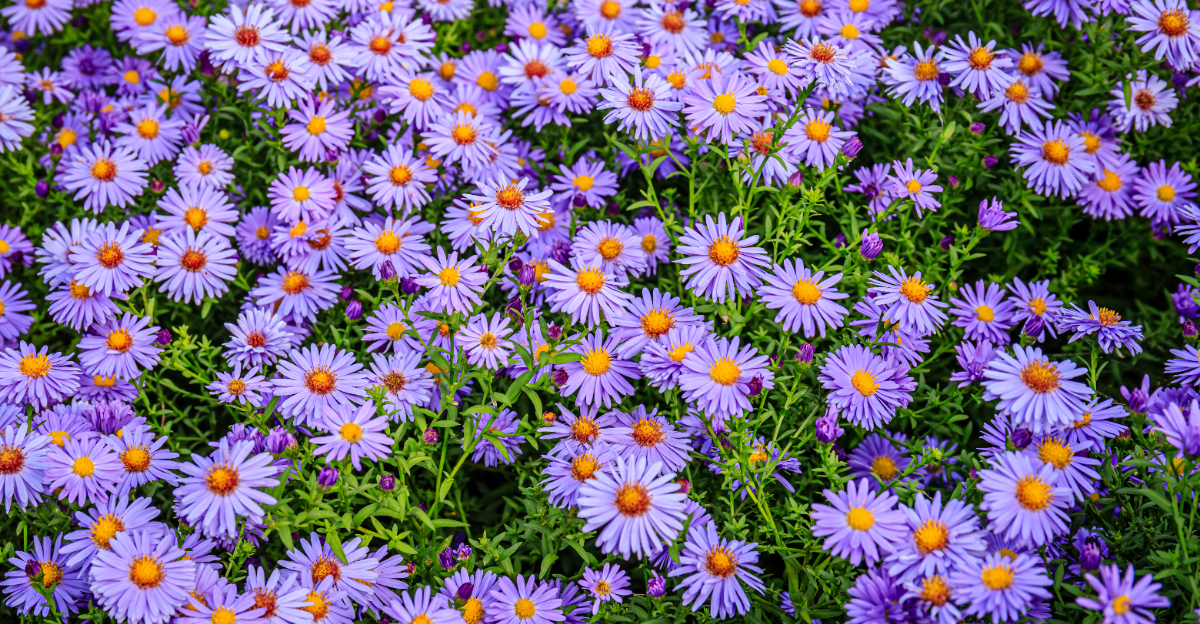
Unlike plants that peak in May or June, New England aster saves its energy for late summer and fall. The plant builds a sturdy, leafy frame through the warmer months, then rewards patient gardeners with a wave of rich purple flowers that can light up a tired garden border.
That slow buildup is not a flaw, it is actually part of the plan.
The flowers themselves are stunning. Each bloom features slender purple petals surrounding a golden-yellow center, and the contrast is hard to miss.
Plants can grow anywhere from two to six feet tall depending on the variety and growing conditions, making them a bold presence in any native planting or mixed border.
New England aster is also incredibly tough. It handles Michigan winters without complaint and comes back reliably every year.
For gardeners who want a low-maintenance perennial with serious seasonal impact, this plant delivers on every front. It is not the showiest thing in the garden during July, but by September, it earns every bit of space it takes up.
Once you understand its schedule, you will never pull it out early again.
2. July Is Its Quiet Build-Up Month
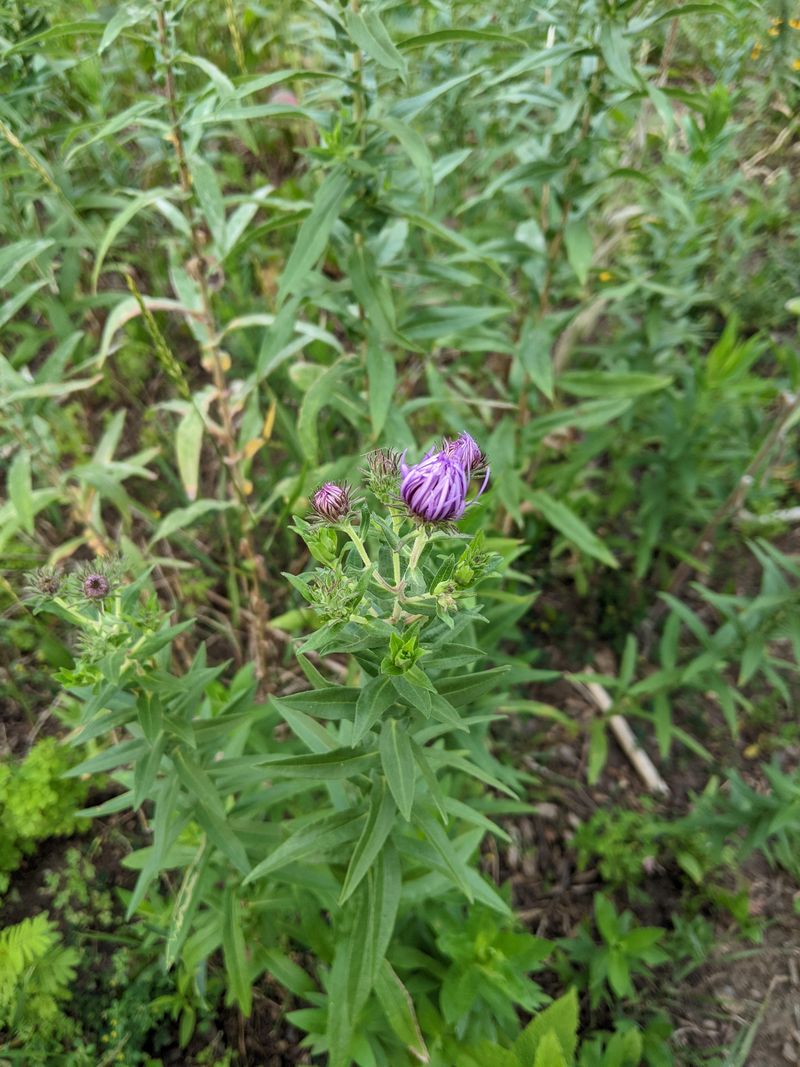
Walk past a New England aster in July and you might shrug it off. It looks like a tall, leafy green plant with no flowers in sight, and next to blooming coneflowers or black-eyed Susans, it does not exactly grab attention.
A lot of Michigan gardeners have actually pulled these plants thinking something was wrong with them.
Nothing is wrong. July is simply the plant’s preparation phase.
Beneath those plain green leaves, New England aster is putting energy into strong root systems, sturdy stems, and the tiny flower buds that have not yet opened. Think of it like a runner stretching before a race.
The action is coming, just not yet. This is actually one of the most important things to understand about late-blooming perennials. They do not follow the same schedule as early summer flowers, and that is exactly what makes them so valuable.
Your Michigan Garden Changes Every Week. Your Plan Should Too.
Gardening in Michigan changes quickly throughout the season. Every Friday you’ll receive a simple weekly plan showing exactly what to plant, prune, fertilize, harvest, and protect so you never miss the right timing.
While other plants are winding down by August, New England aster is just getting ready to take the stage.
If you are designing a garden bed and wondering where to place this plant, keep in mind that its July look is all foliage. Pairing it with something colorful that peaks in early summer, like salvia or coreopsis, helps fill the visual gap.
That way the bed always has something interesting going on. By the time those summer flowers fade, New England aster will be stepping in with fresh color right when you need it most.
3. August Starts The Real Show

August changes everything for New England aster. Almost overnight, those green stems that seemed so unremarkable start producing tight little buds, and within a week or two, the first purple flowers begin to open.
It is one of those garden moments that genuinely surprises people who have never grown this plant before.
The bloom period for New England aster typically runs from August through October, which is a remarkably long window.
That means the plant can carry color in your Michigan garden for up to three months, outlasting most summer perennials by a wide margin. Few native plants can match that kind of staying power in the fall landscape.
What makes the August timing so satisfying is that it fills a gap most gardeners struggle with. Early summer beds are easy to keep interesting, but late summer often feels sparse and a little worn out.
New England aster steps into that gap naturally, bringing fresh energy to the garden right when everything else is slowing down.
The flowers also deepen in color as the season progresses, with some varieties showing richer purple tones in September and October than they did when they first opened in August. Temperatures and light levels play a role in that shift.
Cooler nights in particular seem to intensify the color, which is one reason fall-blooming asters always look so vivid in Michigan’s crisp autumn air. Watching that color deepen week by week is one of the quiet pleasures of growing this plant.
4. It Brings Color When Many Beds Look Tired

By mid-August in Michigan, a lot of garden beds start to look a little rough. Spring tulips are long gone, summer perennials are fading, and that fresh early-season energy has worn off.
This is exactly the moment New England aster was built for.
When purple blooms open across a clump of New England aster, the whole bed gets a second life. The color is vivid and rich, standing out sharply against the dry tans and browns that tend to creep into late summer gardens.
Even one well-placed clump can completely shift the mood of a border or native planting area.
For Michigan gardeners who grow native plants or work with pollinator-friendly designs, New England aster is practically essential.
It bridges the gap between the summer flower season and the full arrival of fall, keeping the garden visually alive during what could otherwise be a dull stretch.
Borders that include New England aster simply look more finished and intentional than those without it.
Pairing it with ornamental grasses, goldenrod, or rudbeckia creates a layered fall display that feels natural and full. The purple of the aster plays beautifully against golden yellows and warm tans, giving the garden a rich autumn palette.
Garden designers often call this plant a workhorse of the fall border, and once you see it in action during a September afternoon, it is very easy to understand why. The timing alone makes it one of the smartest choices for a Michigan perennial bed.
5. It Supports Late Season Pollinators

Here is something that makes New England aster even more impressive: it is not just beautiful, it is genuinely useful to wildlife.
As summer winds down and most flowering plants stop producing, pollinators like bees, butterflies, and native wasps are still out searching for food.
New England aster gives them exactly what they need at a time when options are running low.
Monarch butterflies, in particular, rely on late-blooming flowers to fuel their long migration south. New England aster blooms right during peak monarch migration season in Michigan, making it a critical pit stop for these iconic travelers.
Planting even a small clump can make a real difference for passing monarchs looking to refuel.
Bumblebees also love this plant. You can often find multiple bees working a single clump of aster at once, moving from flower to flower with impressive efficiency.
These late-season foragers are building up their colonies and storing food before cold weather arrives, and New England aster is one of their most reliable sources during that stretch.
For gardeners who care about supporting local ecosystems, this plant offers something no ornamental hybrid can fully match.
It has co-evolved with native pollinators over thousands of years, so the relationship between the plant and its visitors is deeply established.
Growing New England aster means you are not just decorating your yard, you are actively supporting the insects and butterflies that keep the broader ecosystem running.
That combination of beauty and ecological value is hard to beat in a single perennial plant.
6. It Handles Different Michigan Garden Conditions
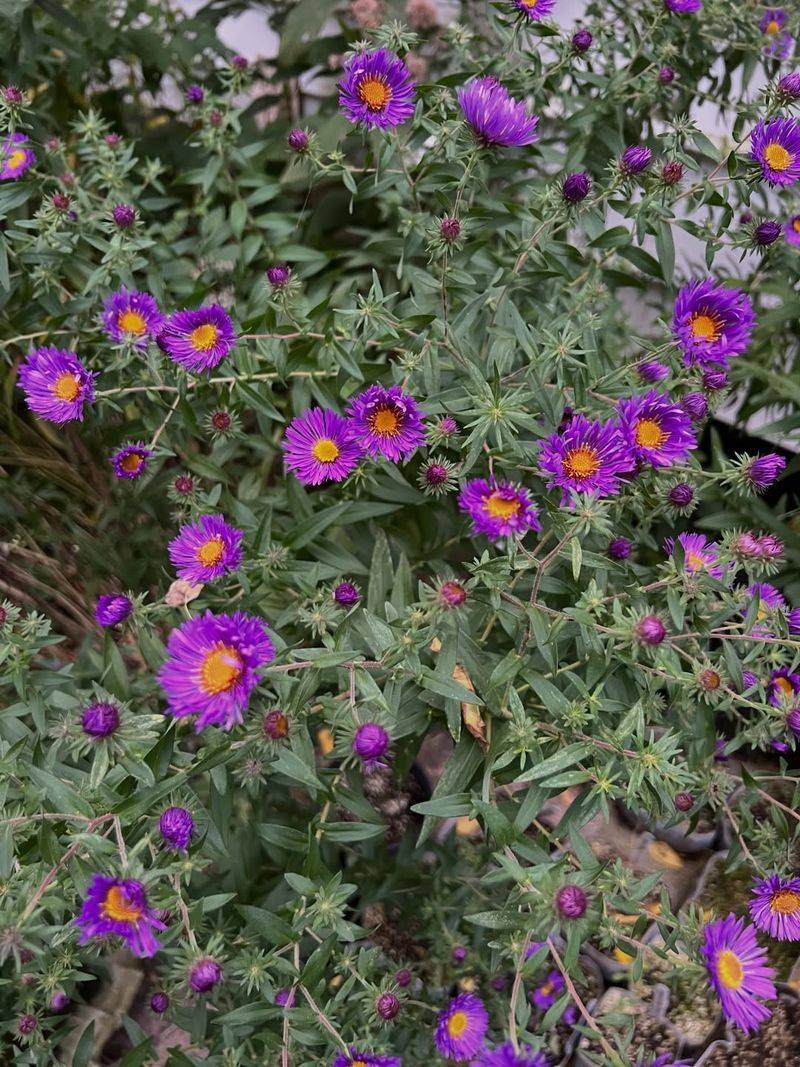
One of the most practical things about New England aster is how flexible it is. Michigan yards come in all shapes, soil types, and sun exposures, and this plant can work with a surprising range of them.
Michigan State University notes that it performs well in full sun to partial shade and tolerates both dry and fairly wet soil conditions.
That adaptability reflects the plant’s natural range. In the wild, New England aster grows in open fields, meadows, shores, shrubby swamps, fens, wet prairies, and along stream and river edges.
It has essentially figured out how to thrive in a wide variety of moisture and light conditions, which makes it unusually forgiving compared to many garden perennials that need very specific soil or sun requirements.
For Michigan gardeners dealing with low spots that stay damp after rain, or dry slopes that bake in summer heat, New England aster is worth trying in both situations.
It will not perform at its absolute best in extreme conditions, but it will usually manage far better than more delicate plants.
That kind of resilience is genuinely valuable in a place with Michigan’s variable weather.
Full sun tends to produce the most compact, floriferous plants, while partial shade can result in slightly taller and leggier growth. Either way, the blooms still appear reliably each fall.
If your garden has an awkward corner that gets inconsistent light or holds moisture after storms, New England aster might be exactly the plant that finally makes that spot work beautifully.
7. It Looks Best With Room To Grow

New England aster is not a small plant. Depending on the variety and growing conditions, it can reach anywhere from three to six feet tall, and it spreads into a fairly wide clump over time.
Tucking it between compact perennials or crowding it near the front of a border usually does not end well for anyone involved.
Giving this plant room to spread is one of the best things you can do for your garden design. Placed toward the back of a mixed border, it creates a tall, bold backdrop that shorter plants can play against.
In a native bed or meadow-style planting, it fits in naturally among other tall natives like goldenrod, ironweed, and wild bergamot without looking forced or out of place.
The leafy clump that builds up through July and August actually serves a purpose beyond just holding the plant up. Those stems and leaves create structure and visual weight in the garden even before the flowers open.
Some gardeners use this to their advantage by positioning New England aster where they need a green filler during summer, knowing the payoff comes in fall.
Spacing plants about two to three feet apart gives each one enough air circulation to stay healthy and enough ground space to fill in naturally.
Overcrowded plants tend to grow taller and floppier, which can become a problem by the time the heavy flower heads open in September.
A little planning at planting time saves a lot of staking and rearranging later on, and the plant rewards that forethought with a much stronger, more upright display.
8. It May Need Support In Rich Soil

Rich, moist garden soil sounds like a dream for most plants, but New England aster can actually get a little too comfortable in overly fertile conditions.
When the soil is very rich or heavily amended, the plant tends to put on rapid, lush growth that results in tall, soft stems.
Those stems can start leaning or flopping over before the flowers even open, which is frustrating after waiting all summer for the bloom.
The good news is that this is a manageable situation with a few simple adjustments. Avoiding heavy fertilization is the first step.
New England aster does not need a lot of feeding, and skipping the nitrogen-rich fertilizers helps keep the growth more compact and the stems stronger.
Native plants like this one are used to getting by with average soil, so less really is more when it comes to feeding.
Good light exposure also helps. Plants growing in full sun tend to develop sturdier, more self-supporting stems compared to those in shadier spots.
If your plant is leaning consistently, consider whether it is getting enough direct sunlight throughout the day. Moving it to a sunnier location during its dormant period can make a noticeable difference the following season.
For plants that still need a little help, simple support stakes placed in early summer work well. A few bamboo stakes with soft garden twine looped around the clump can hold everything upright without looking heavy-handed.
Placing New England aster near sturdy companions like ornamental grasses or tall rudbeckia also helps, since neighboring plants can offer natural support as the stems fill in and the flowers prepare to open.